In contrast, kimchi refrigerators often have a larger capacity, ranging from 5 to 8 cubic feet, allowing ample space for multiple batches of kimchi and other fermented foods.
The temperature range of a bar fridge can vary, but most models offer a range between 35°F and 55°F.
Capacity: Bar fridges typically have a smaller capacity, ranging from 1.7 to 4.4 cubic feet, making them suitable for limited storage needs.
The size and capacity of a bar fridge can vary significantly, typically ranging from 1.7 cubic feet to 4.5 cubic feet.
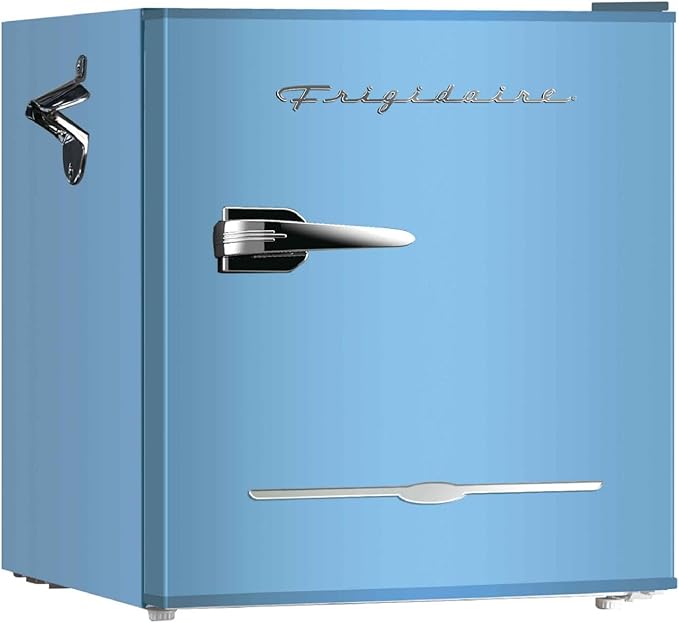
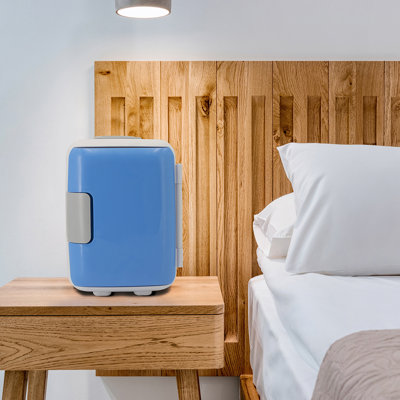
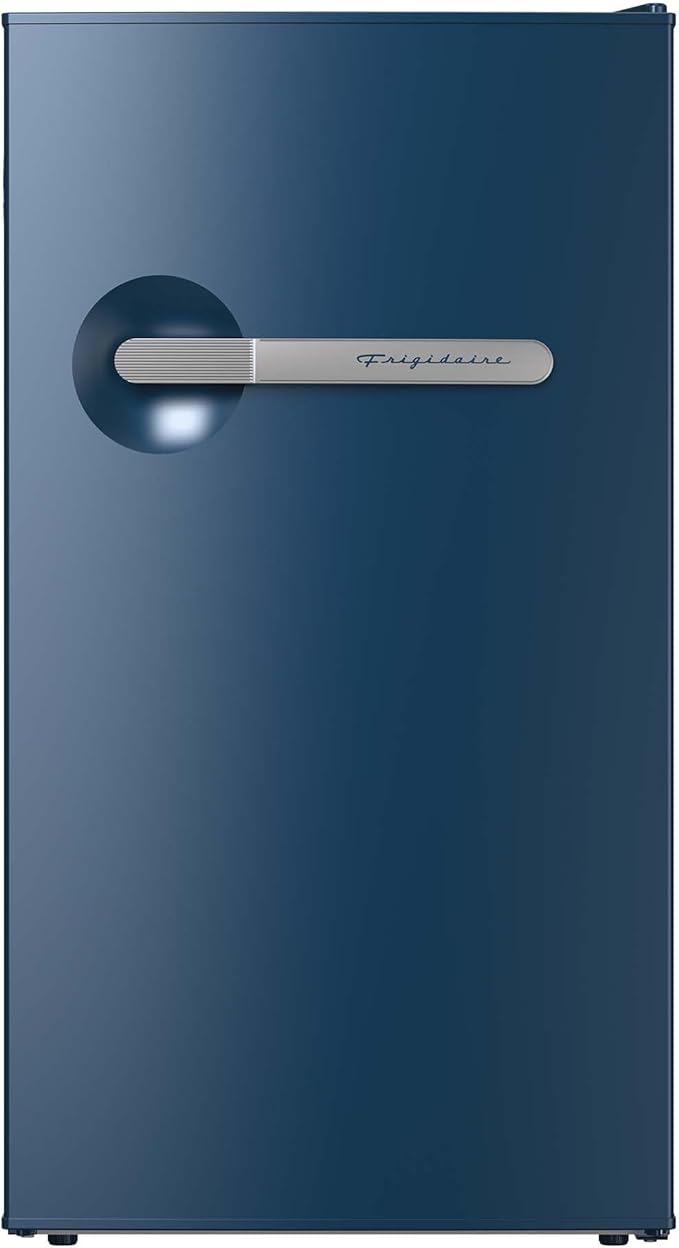
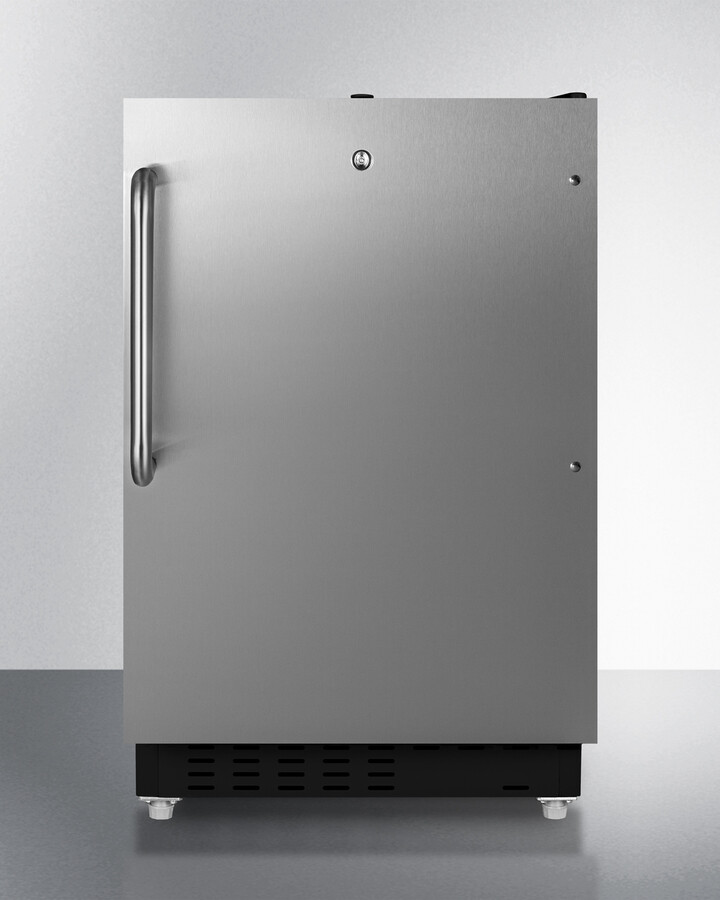
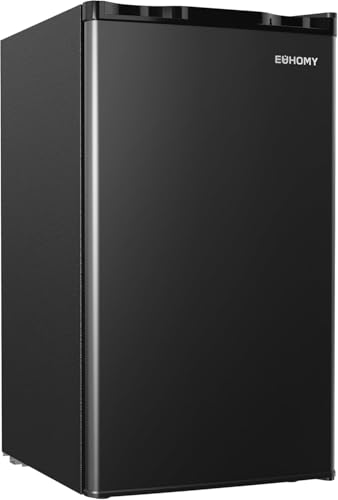
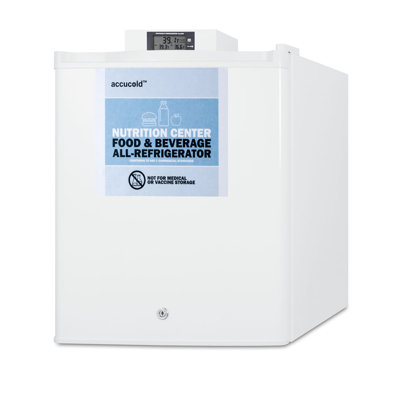
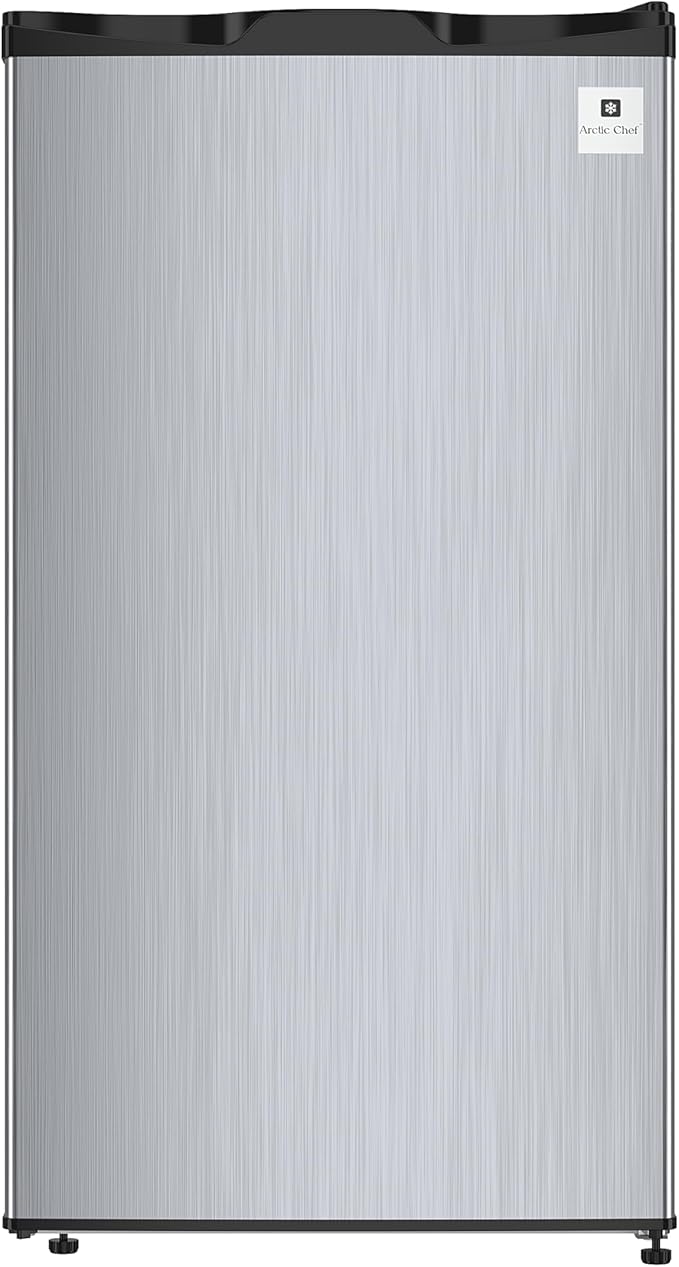
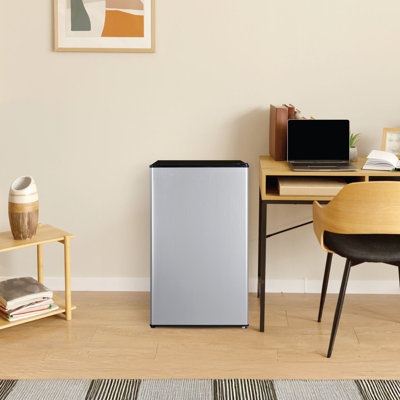
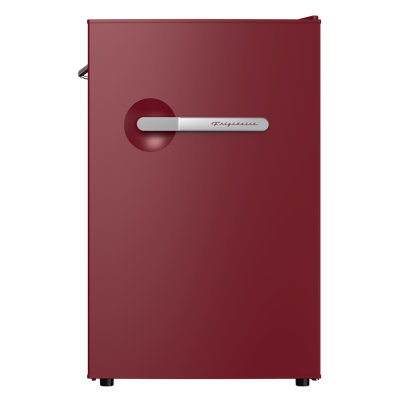
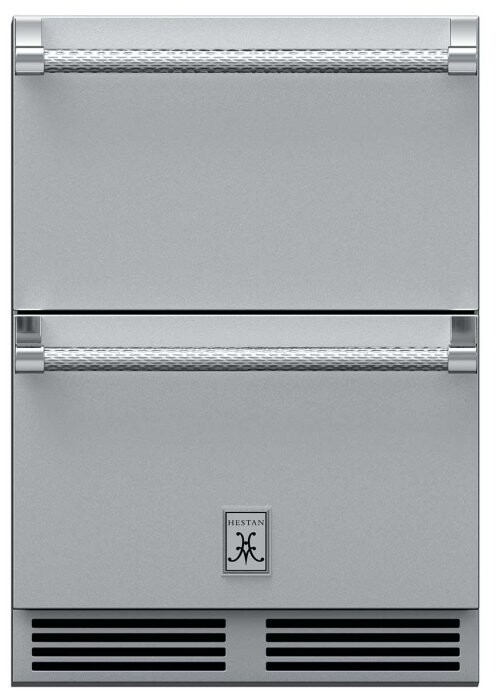
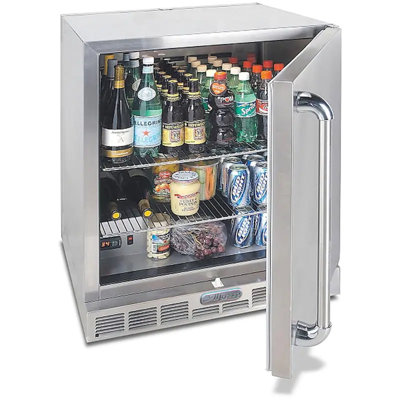
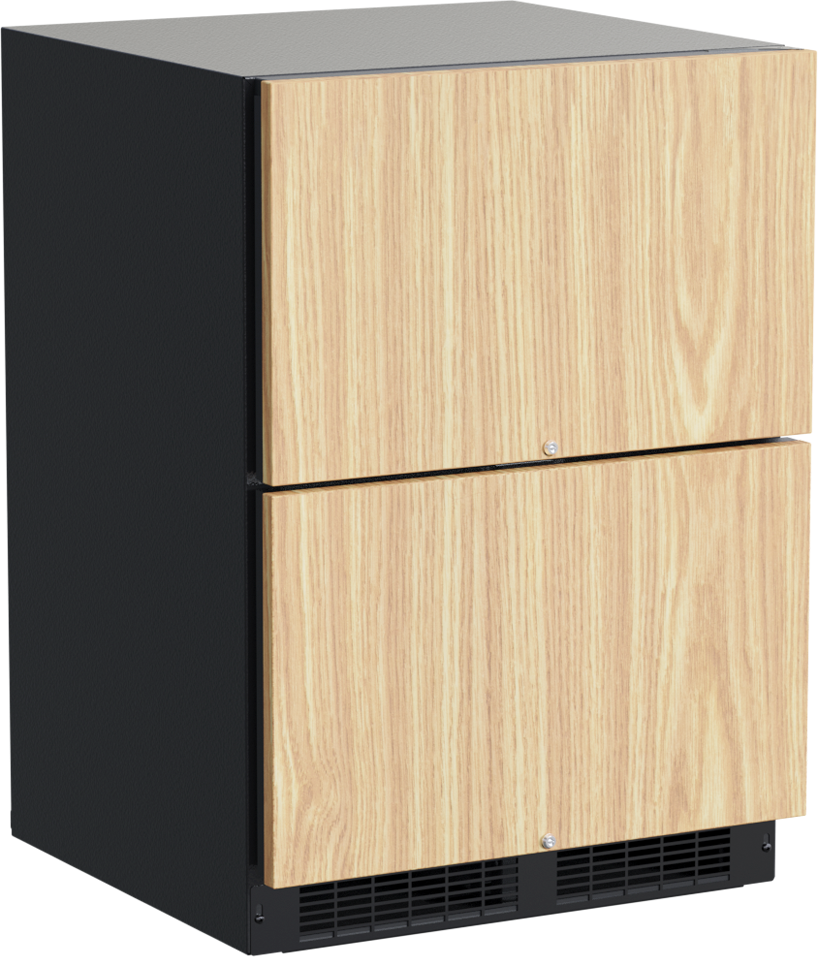
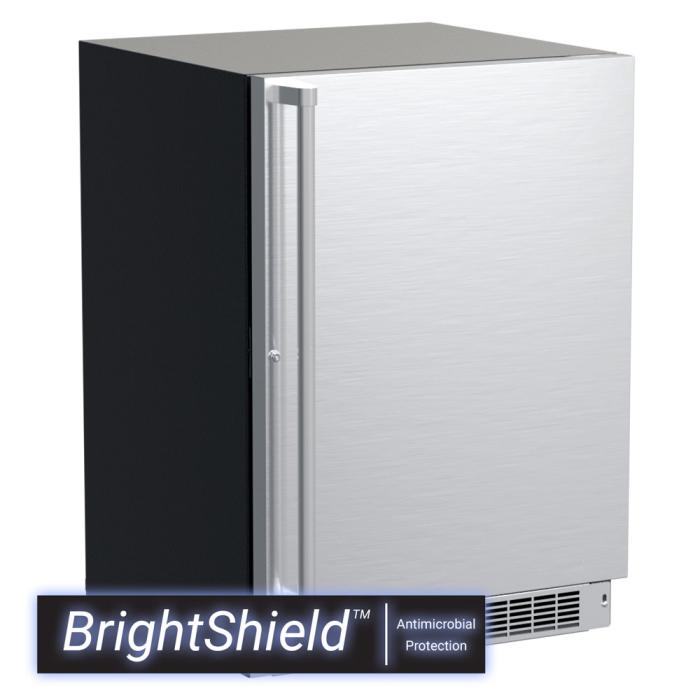
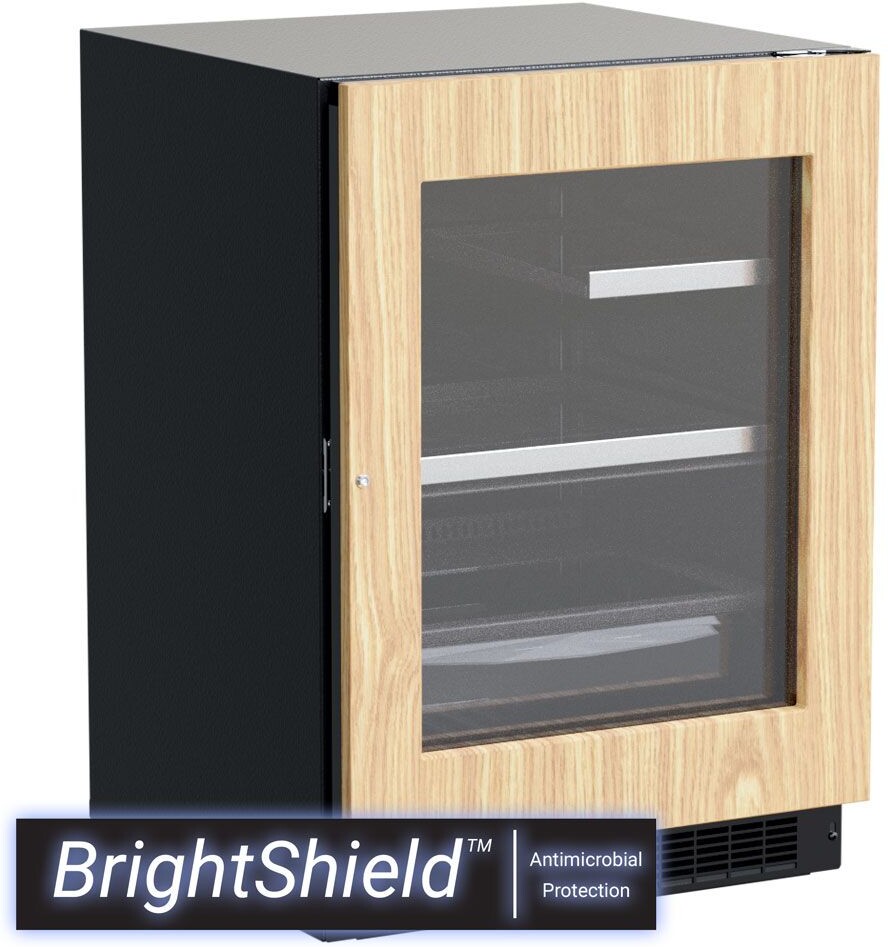
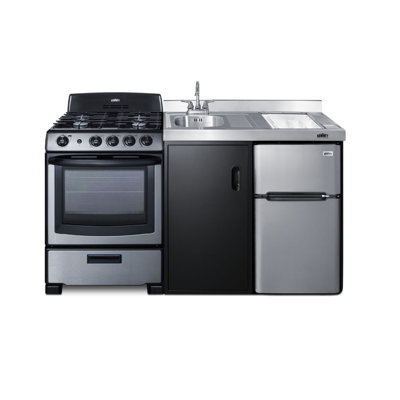
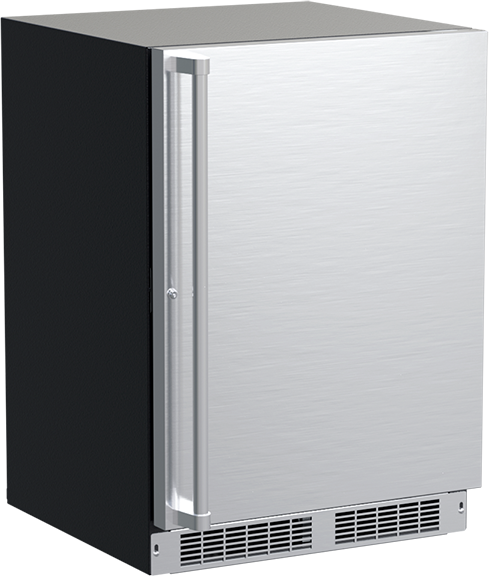
When deciding between a bar fridge and a kimchi refrigerator, it's important to consider their unique features and functionalities. A bar fridge, also known as a mini-fridge, is designed for compact spaces and is ideal for storing beverages and small food items. On the other hand, a kimchi refrigerator is specifically engineered for fermenting and storing kimchi, a traditional Korean side dish made from fermented vegetables.
Feature
Bar Fridge
Kimchi Refrigerator
Primary Use
Beverage and snack storage
Fermenting and storing kimchi
Average Capacity
1.7 to 4.4 cubic feet
5 to 8 cubic feet
Temperature Control
Basic, limited range
Advanced, precise control
Additional Features
Shelving, bottle holders
Fermentation function, humidity control
Understanding the Differences
Understanding the differences between these two types of refrigerators can help you make an informed decision based on your specific needs.
Primary Use: A bar fridge is designed to keep drinks cold and snacks fresh. Its compact size makes it a popular choice for apartments, offices, and entertainment areas. Conversely, a kimchi refrigerator is tailored for the fermentation process, maintaining the optimal environment for kimchi and other fermented foods.
Temperature Control: Bar fridges generally offer basic temperature control, suitable for maintaining a range of beverages and snacks at a cool temperature. Kimchi refrigerators, however, provide advanced temperature and humidity control to ensure the ideal conditions for fermentation. This level of precision is crucial for the preservation and flavor development of kimchi.
Capacity: Bar fridges typically have a smaller capacity, ranging from 1.7 to 4.4 cubic feet, making them suitable for limited storage needs. In contrast, kimchi refrigerators often have a larger capacity, ranging from 5 to 8 cubic feet, allowing ample space for multiple batches of kimchi and other fermented foods.
Additional Features: Bar fridges usually come with basic features such as adjustable shelving and bottle holders, which enhance their convenience. Kimchi refrigerators are equipped with specialized features like fermentation functions and humidity control, designed to create the perfect environment for fermenting and storing kimchi.
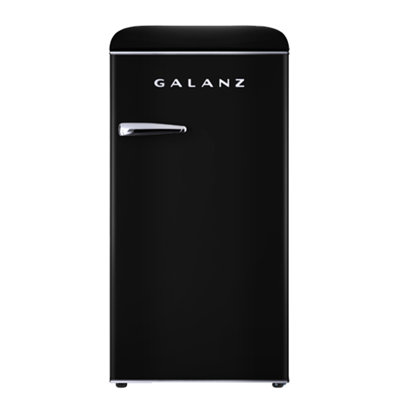
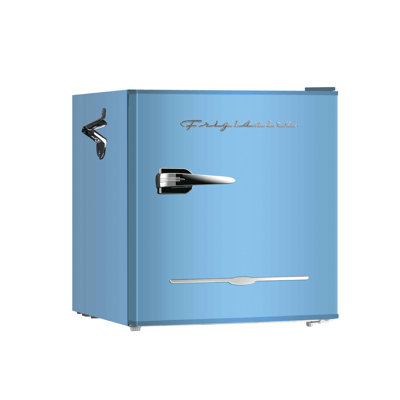
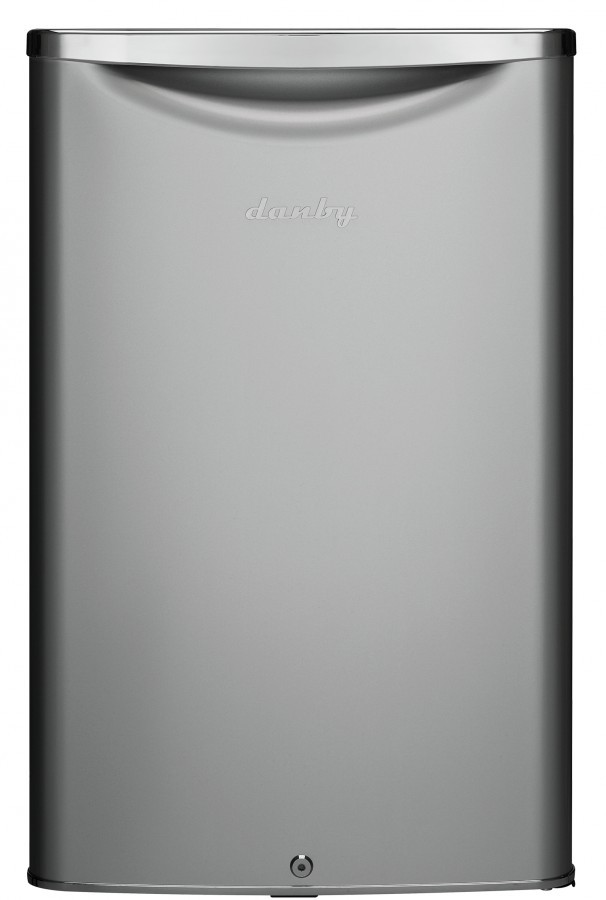
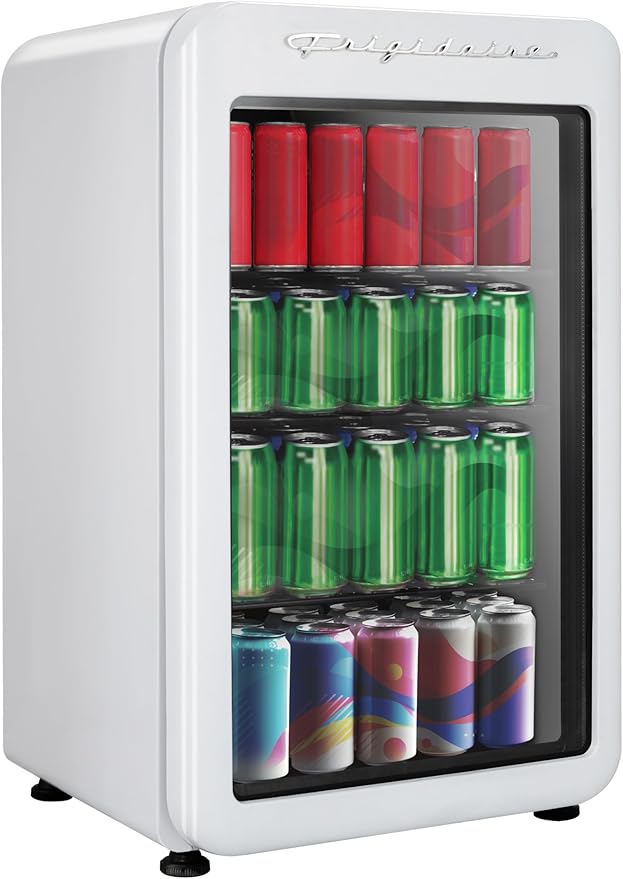
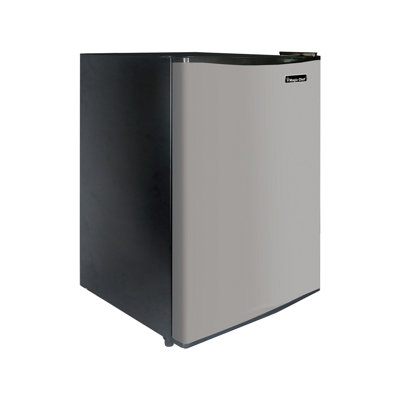
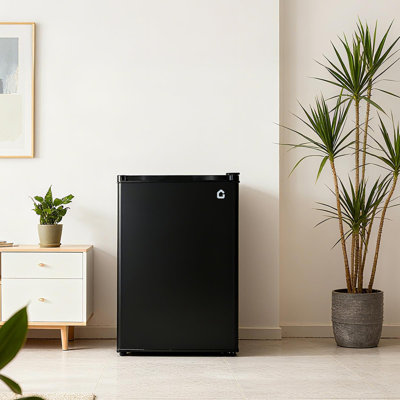
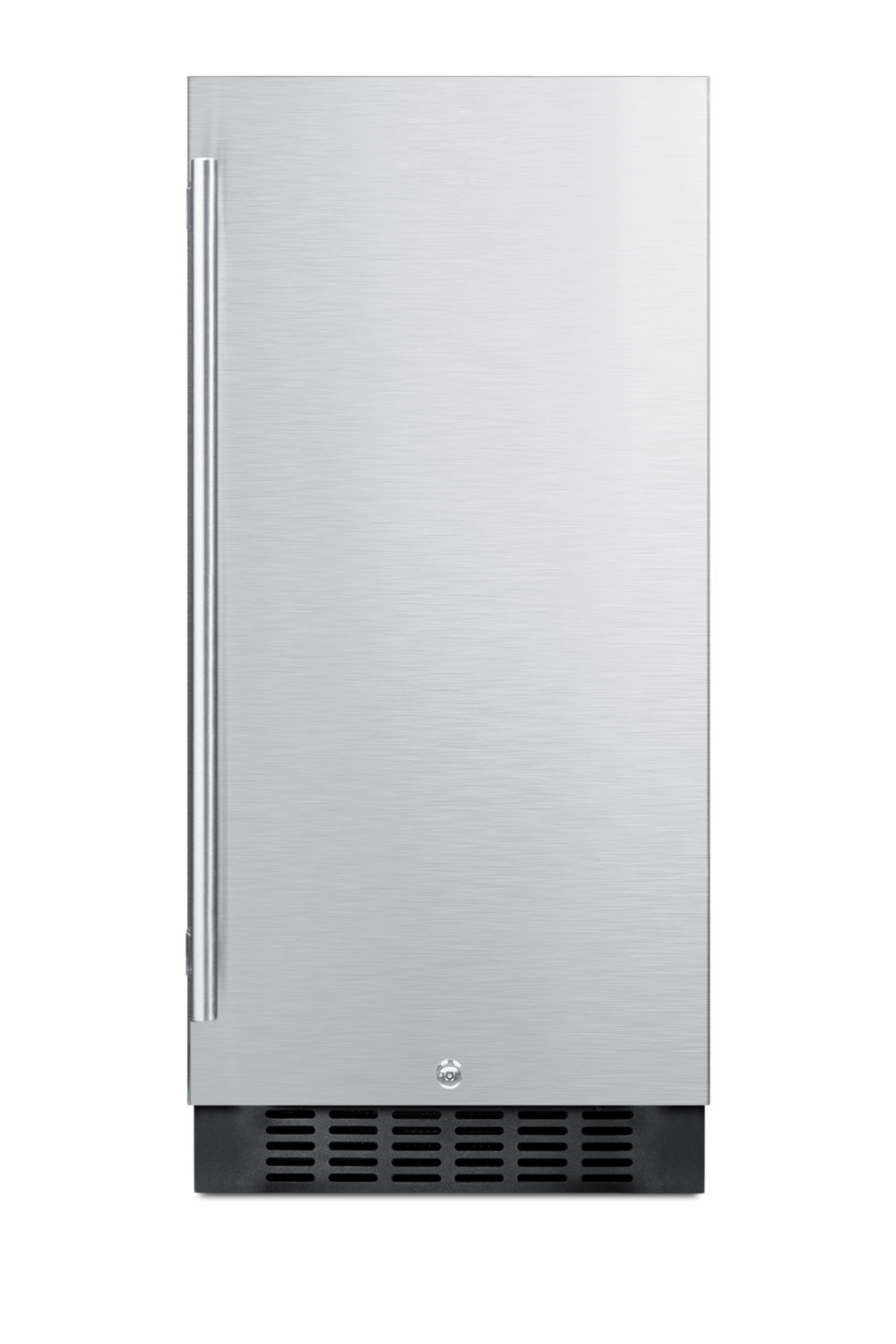
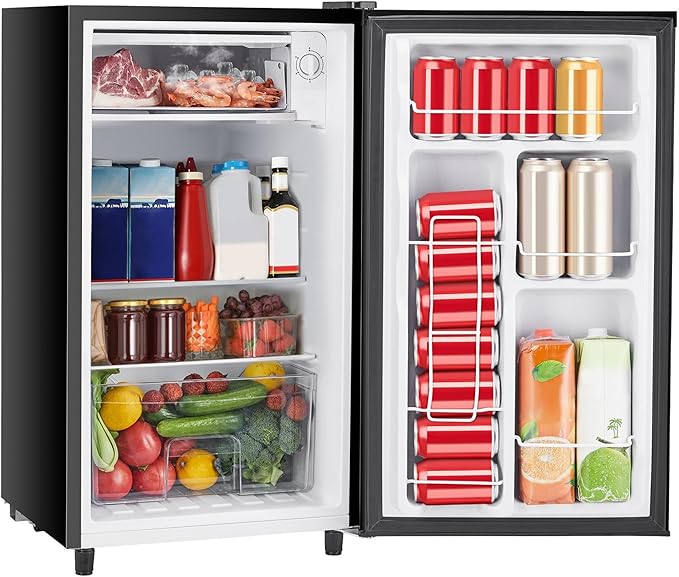
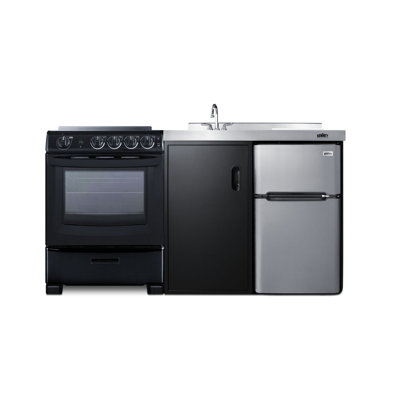
Bar fridges, also known as mini fridges, are compact and designed to fit into small spaces such as apartments, offices, and dorm rooms. These refrigerators are perfect for storing beverages, snacks, and small food items. The size and capacity of a bar fridge can vary significantly, typically ranging from 1.7 cubic feet to 4.5 cubic feet.
Bar Fridge Size
Capacity (Cubic Feet)
Dimensions (Inches)
Small
1.7 - 2.5
18 x 20 x 20
Medium
2.6 - 3.5
19 x 21 x 25
Large
3.6 - 4.5
20 x 22 x 34
The compact size of a bar fridge makes it an excellent choice for those who need additional storage space without taking up much room. It’s versatile for various settings, including garages, basements, or outdoor entertainment areas.
Temperature Control
Temperature control is a crucial feature to consider when evaluating bar fridges. These refrigerators typically come with a thermostat that allows you to adjust the internal temperature based on your needs. The temperature range of a bar fridge can vary, but most models offer a range between 35°F and 55°F.
Temperature Setting
Range (°F)
Ideal Use
Low
35 - 40
Beverage Cooling
Medium
41 - 45
General Storage
High
46 - 55
Wine and Delicate Items
While bar fridges offer a broad temperature range, they may not provide the precise temperature control needed for specialized storage, such as fermenting kimchi. For more information on different refrigerator types and their temperature controls, check out Fridge.com article on top freezer refrigerator Vs. bottom freezer refrigerator.
Understanding the features of a bar fridge, including its size, capacity, and temperature control, helps you make an informed decision. For those who need a versatile and compact refrigerator, the bar fridge is an ideal choice. However, if you require a fridge specifically designed for fermentation, consider exploring other options such as a kimchi refrigerator. For further comparisons, visit Fridge.com article on 5 door refrigerator Vs. built in kegerator.
Kimchi refrigerators are designed with specific features to support the fermentation and storage of kimchi, a traditional Korean dish. These features make them distinct from standard bar fridges.
Fermentation Function
The fermentation function is a key feature of kimchi refrigerators. This function allows for precise control over the fermentation process, which is essential for achieving the desired taste and texture of kimchi. The refrigerator typically offers multiple fermentation modes to cater to different stages of the fermentation process.
Fermentation Mode
Temperature Range (°F)
Duration
Initial Fermentation
59 - 68
1 - 2 days
Secondary Fermentation
37 - 41
2 - 3 weeks
Long-term Storage
32 - 35
Up to 6 months
By maintaining optimal conditions, the fermentation function ensures that kimchi develops its characteristic flavors while preserving its nutritional value.
Temperature and Humidity Control
Temperature and humidity control are crucial for preserving the quality of kimchi. Kimchi refrigerators are equipped with advanced systems that allow for precise adjustments of both temperature and humidity levels, creating an ideal environment for kimchi storage.
Temperature Setting
Recommended Use
32°F
Long-term storage
37°F
General storage
41°F
Ready-to-eat kimchi
Humidity control helps to maintain the moisture content of kimchi, preventing it from drying out or becoming too soggy. This feature is particularly important for maintaining the texture and taste of kimchi over extended periods.
Understanding the unique features of kimchi refrigerators can help you decide if they are the right choice for your specific needs, especially when compared to other options like bar fridges.
Bar fridges offer a compact and versatile solution for various settings. Their small size makes them perfect for apartments, offices, and even outdoor spaces like near a home pool or in a backyard. You can easily place a bar fridge in tight spaces where a full-sized refrigerator wouldn't fit.
Bar fridges typically come with adjustable shelves, allowing you to customize the interior layout to suit your storage needs. This flexibility is ideal for storing beverages, snacks, or small food items. Additionally, many bar fridges include a small freezer compartment, adding to their versatility.
Feature
Description
Size
Compact and space-saving
Adjustable Shelves
Customizable interior layout
Freezer Compartment
Small, often included
Placement
Suitable for apartments, offices, outdoors
Limited Storage Capacity
While bar fridges are convenient and versatile, their small size also means limited storage capacity. If you have a large family or need to store bulk items, a bar fridge may not be suitable for your needs. Their compact design restricts the amount of food and beverages you can store at one time.
The small freezer compartment in a bar fridge can also be a limitation. It may not be sufficient for storing larger frozen items or for long-term storage. If you need more freezer space, you might want to consider other options like a top freezer refrigerator Vs. bottom freezer refrigerator.
Limitation
Description
Storage Capacity
Limited due to compact size
Freezer Compartment
Small and often not sufficient
Suitability
Not ideal for large families or bulk storage
Bar fridges offer a balance of convenience and versatility, making them suitable for various settings. However, their limited storage capacity can be a drawback for those with more extensive food storage needs. To explore more refrigerator options, check out Fridge.com comparison of 2 door refrigerator Vs. apartment size refrigerator.
Pros and Cons of Kimchi Refrigerators
Ideal for Fermenting Kimchi
Kimchi refrigerators are specifically designed to provide the optimal environment for fermenting and storing kimchi. They offer precise temperature and humidity control, which are crucial for the fermentation process. The specialized compartments and settings in these refrigerators help preserve the texture and flavor of kimchi for extended periods.
Feature
Benefit
Temperature Control
Maintains consistent temperature ideal for fermentation
Humidity Control
Keeps kimchi moist and prevents drying out
Specialized Compartments
Enhances the fermentation process and flavor retention
Limited Adaptability for General Use
While kimchi refrigerators excel in fermenting kimchi, their adaptability for general use is limited. They are not designed to store a wide variety of food items like a traditional refrigerator. The settings and compartments are optimized for kimchi, which may not be suitable for other perishables.
Limitation
Impact
Specialized Settings
Not ideal for diverse food storage
Compartment Design
Limited flexibility for different food items
Space Utilization
Primarily configured for kimchi containers
When choosing between a kimchi refrigerator and a bar fridge, consider your specific needs and preferences. If your primary focus is fermenting kimchi, a kimchi refrigerator is an excellent choice. For a more versatile option, you might explore other types of refrigerators. For more comparisons, check out Fridge.com articles on 2 door refrigerator Vs. apartment size refrigerator and freezer cooler Vs. office refrigerator.
When deciding between a bar fridge and a kimchi refrigerator, it's essential to consider your specific needs and available space. Each type of refrigerator offers distinct features that cater to different storage requirements and usage scenarios.
Consider Your Usage and Space
First, examine how you intend to use the refrigerator and where it will be placed. A bar fridge is typically smaller and more versatile, making it suitable for various locations such as offices, garages, basements, and even outdoor areas. It is ideal for storing beverages, snacks, and small quantities of food.
Refrigerator Type
Ideal Usage Locations
Common Uses
Bar Fridge
Office, Garage, Basement, Outdoors
Beverages, Snacks, Small Food Items
Kimchi Refrigerator
Kitchen, Dining Area
Fermenting Kimchi, Storing Fermented Foods
On the other hand, a kimchi refrigerator is designed specifically for fermenting kimchi and other fermented foods. It often requires more space and is best suited for kitchens or dining areas where fermentation processes can be closely monitored.
Evaluate Your Food Storage Requirements
Next, evaluate your food storage needs. A bar fridge provides convenience and versatility, but it may have limited storage capacity compared to a kimchi refrigerator. If you frequently entertain guests or need additional storage for drinks and small food items, a bar fridge could be the perfect choice.
Refrigerator Type
Storage Capacity
Specialized Features
Bar Fridge
Limited
Versatile Storage, Compact Size
Kimchi Refrigerator
Larger
Fermentation Function, Temperature & Humidity Control
Conversely, if you prioritize fermenting kimchi and need precise temperature and humidity control, a kimchi refrigerator is the better option. It offers specialized features that ensure optimal conditions for fermentation, preserving the quality and flavor of your kimchi.
By considering your usage and space along with your food storage requirements, you can make an informed decision between a bar fridge and a kimchi refrigerator. Explore more comparisons like top freezer refrigerator Vs. bottom freezer refrigerator and 5 door refrigerator Vs. built in kegerator to find the perfect appliance for your needs.
Compare prices on Fridge.com
Compare current prices and specifications on Fridge.com, then buy from the retailer you choose; delivery, installation and warranty terms are the retailer’s.
It also has tons of awesome articles about kitchen stuff and home news. Enhance your home, garage, backyard, patio, and office with the coolest essentials. With every necessary type of residential refrigerator or freezer in the collection, you're covered.
Free tool
Medical Refrigerator Guide
Free interactive tool from Fridge.com — get a quick answer while you read.