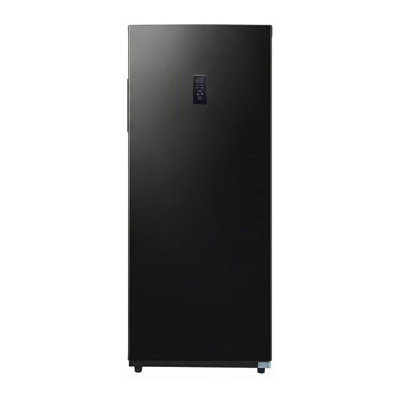
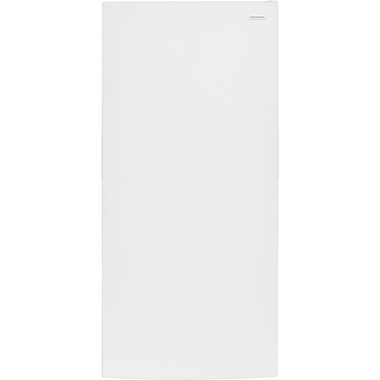
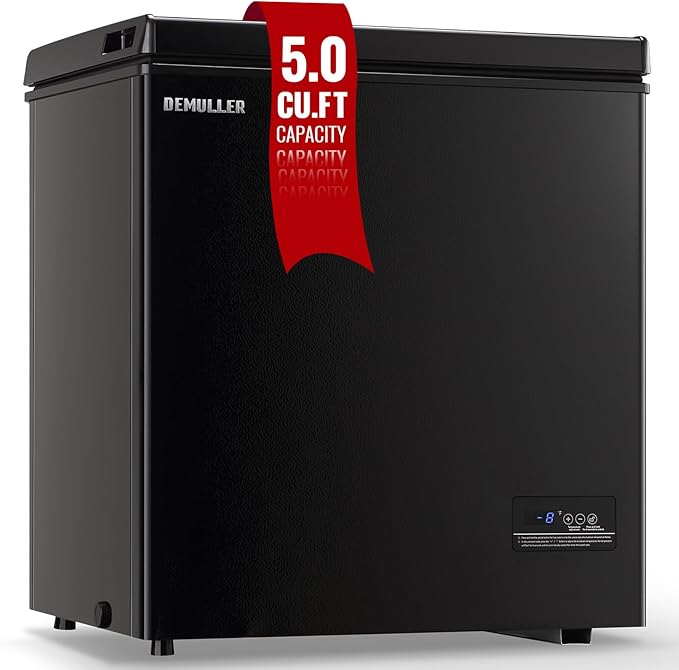
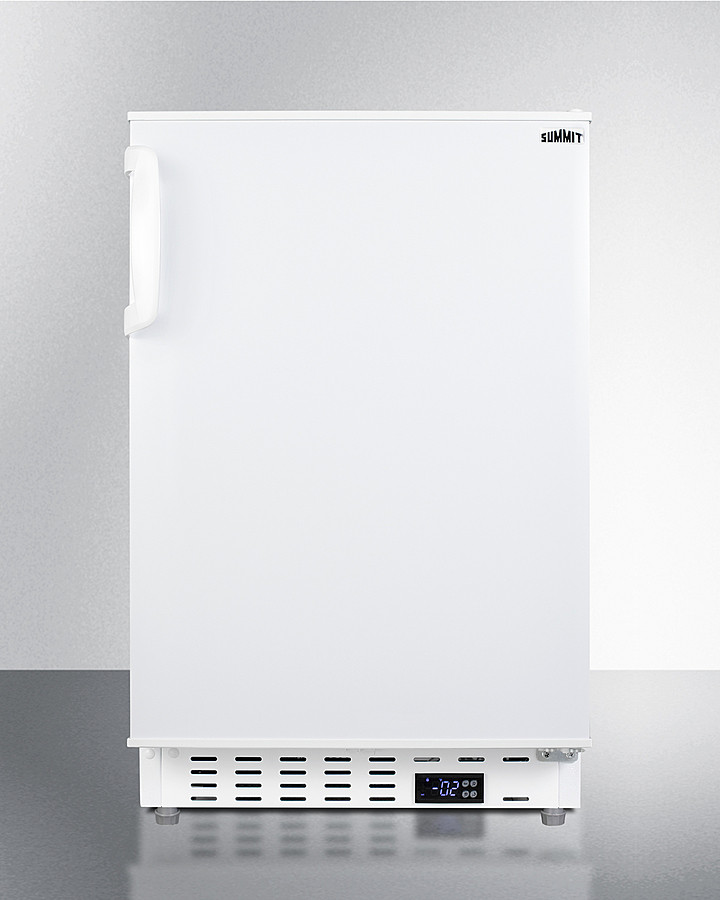
Set your freezer to the recommended temperature, usually around 0°F (-18°C).
These refrigerators typically feature multiple compartments that can be individually controlled for different fermentation stages.
The capacity of auto defrost freezers can vary widely, so it's important to consider the amount of food you typically store when making a selection.
Auto defrost freezers are ideal for you if you're looking for a maintenance-free option that allows you to store food without worrying about frost buildup and the associated manual defrosting chores.
When considering a new appliance for your home—whether it be for your kitchen, garage, or even your office space—you may find yourself comparing an auto defrost freezer with a kimchi refrigerator. Both have unique features tailored to specific needs and preferences, and understanding their differences is key to making an informed decision.
Understanding Auto Defrost Freezers
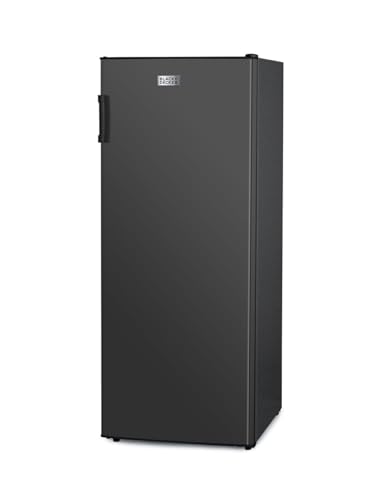
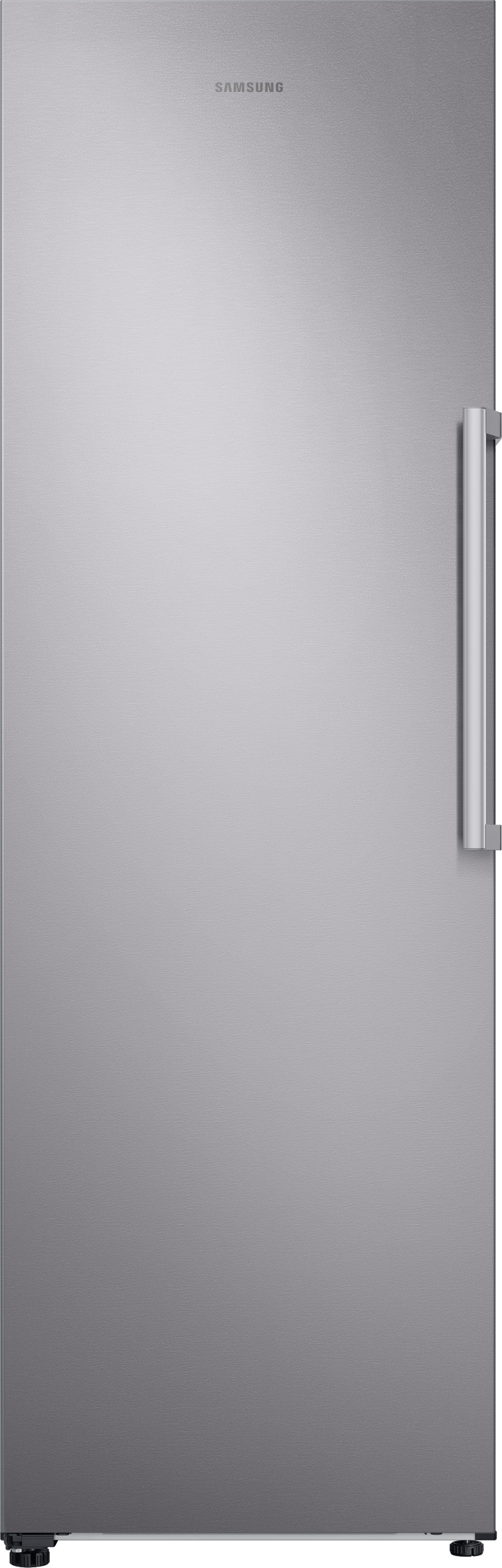
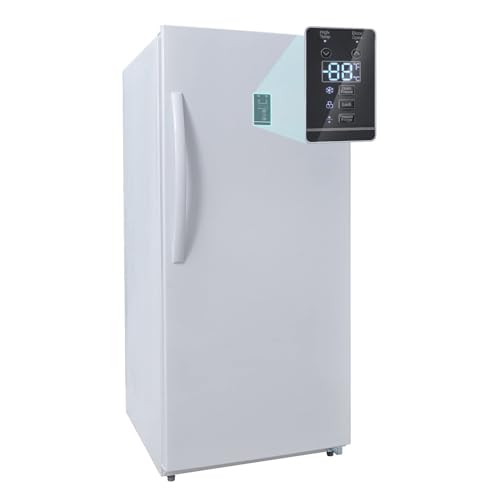
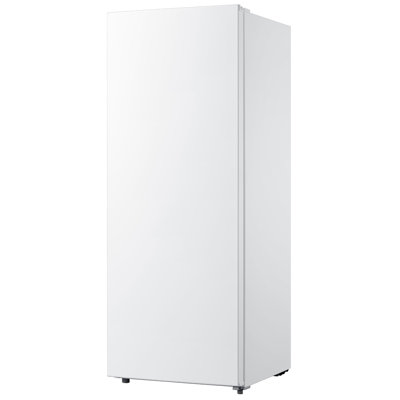
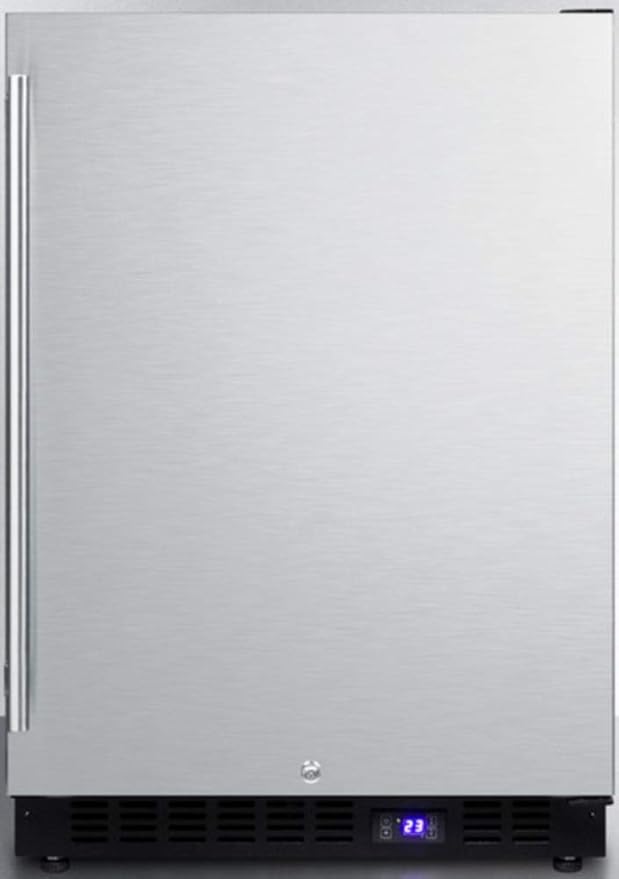
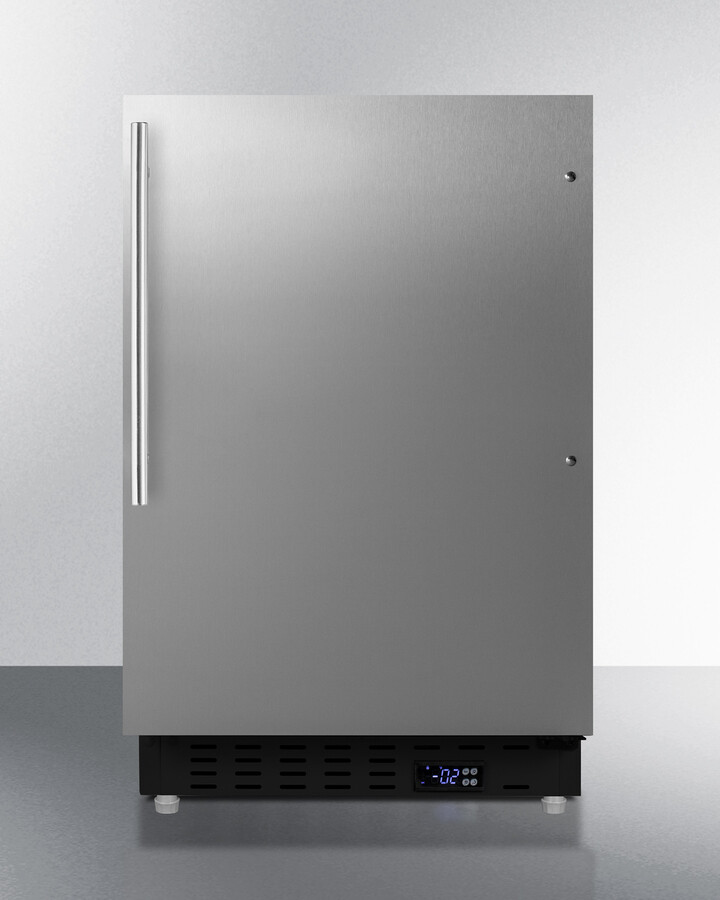
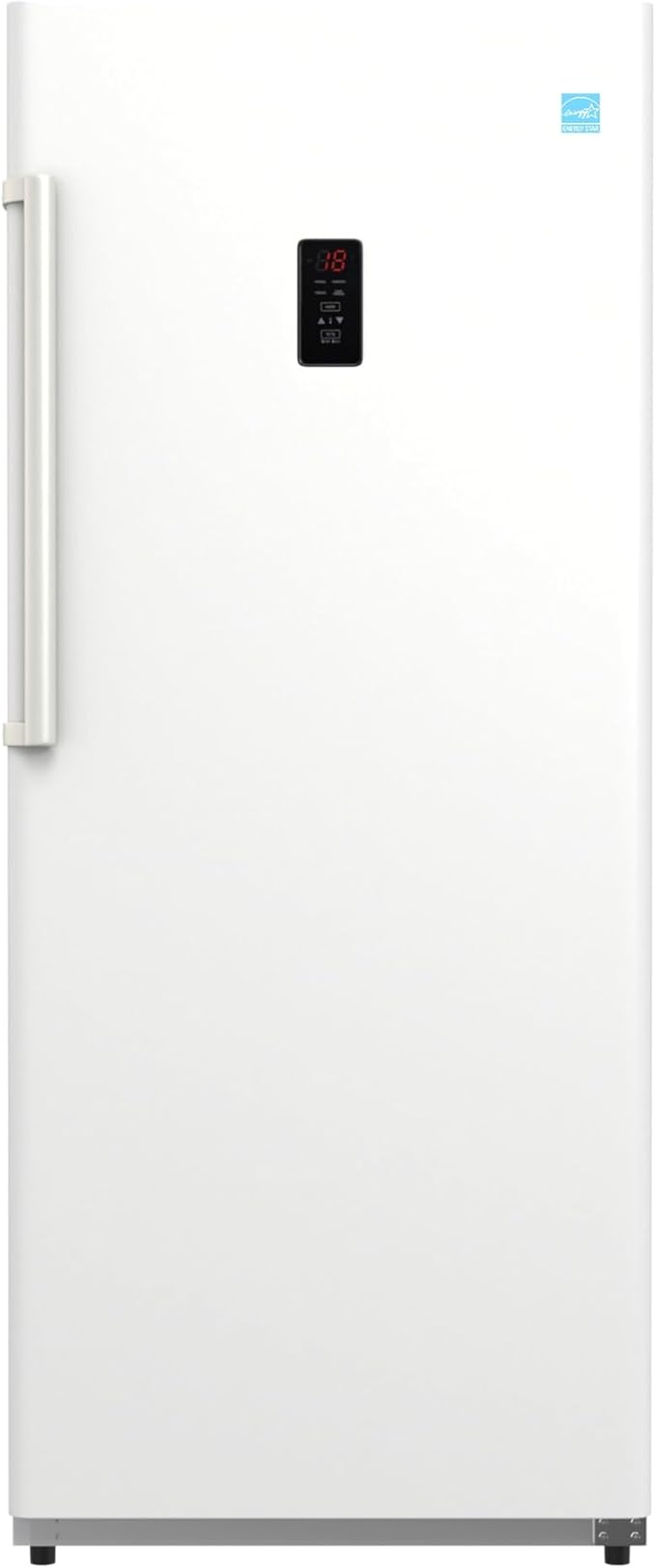
Auto defrost freezers are designed to prevent the buildup of ice inside the freezer compartment. This feature is also known as frost-free or no-frost technology. It works by periodically warming the interior coils to melt any accumulated frost, which then drains out of the freezer through a designated channel.
Here are some key points about auto defrost freezers:
Frost-Free Operation: Eliminates the need for manual defrosting.
Consistent Temperature: Helps maintain a more consistent temperature throughout the freezer.
Convenience: Saves time and effort as there's no need to empty the freezer for defrosting.
Auto defrost freezers are ideal for you if you're looking for a maintenance-free option that allows you to store food without worrying about frost buildup and the associated manual defrosting chores.
Understanding Kimchi Refrigerators
Kimchi refrigerators, on the other hand, are specialized refrigerators designed to meet the storage needs of kimchi, a traditional Korean dish made from fermented vegetables. These refrigerators offer precise temperature controls and are optimized to maintain the ideal conditions required for the fermentation process, as well as for the long-term storage of kimchi.
Here are some notable features of kimchi refrigerators:
Specialized Compartments: Different compartments for different stages of kimchi fermentation.
Custom Temperature Settings: Precise temperature control to maintain optimal fermentation conditions.
Versatile Storage: While designed for kimchi, these refrigerators can also be used to store other foods at desired temperatures.
If you're an enthusiast of kimchi or other fermented foods, or simply require a unit with specific temperature control for various food items, a kimchi refrigerator might be the best choice for your culinary adventures.
Both auto defrost freezers and kimchi refrigerators serve distinct purposes. Your choice will depend on whether you prioritize convenience and maintenance-free operation or specialized food storage with precise temperature control. For comparisons with other types of refrigerators and freezers that might suit your needs, explore articles like apartment size refrigerator vs. glass door mini fridge and drawer freezer vs. silver side by side refrigerator.
Design and Features
When selecting a refrigeration unit, understanding the design and functionality of different models helps in making an informed decision. The comparison of an auto defrost freezer and a kimchi refrigerator involves examining their unique designs and what they offer to users with specific storage needs.
Auto Defrost Freezers: Design and Functionality
Auto defrost freezers are engineered to provide convenience by automatically defrosting the evaporator in the unit, preventing ice build-up. This feature is particularly beneficial if you are looking to avoid the time-consuming task of manual defrosting. The design typically includes a heating element that periodically warms the evaporator coil, melting any frost that has formed.
Functionality-wise, these freezers are equipped with a thermostat that monitors the temperature and a timer to control the defrosting schedule. They are designed to maintain a consistent temperature, which is crucial for food preservation.
Feature
Description
Defrosting Mechanism
Automated heating elements prevent ice buildup
Temperature Regulation
Thermostat-controlled to maintain a uniform temperature
Storage Layout
Various shelves and compartments for organized storage
For those of you who want to explore different types of freezer designs, considering the drawer freezer vs. silver side by side refrigerator might provide some additional insights.
Kimchi Refrigerators: Design and Functionality
Kimchi refrigerators, on the other hand, are specialized appliances designed primarily for the fermentation and preservation of kimchi, a traditional Korean dish. These refrigerators offer precise temperature controls to create an optimal environment for fermentation, a process which can be sensitive to temperature fluctuations.
The design of a kimchi refrigerator often includes multiple compartments that can be individually temperature-controlled, allowing for different fermentation processes or storage needs. This feature provides the flexibility to preserve various types of kimchi or other perishables at their ideal temperatures.
Feature
Description
Temperature Settings
Individual compartment controls for precise fermentation
Fermentation Modes
Pre-set modes for different stages of kimchi preservation
Customizable Layout
Adjustable shelving to accommodate various container sizes
In conclusion, the choice between an auto defrost freezer and a kimchi refrigerator depends on your specific food preservation requirements and lifestyle preferences. Whether you prioritize convenience and maintenance or specialized storage conditions, these appliances offer distinct features tailored to different needs.
Effective temperature regulation is vital for both preserving food and ensuring that it's stored at safe consumption levels. When comparing an auto defrost freezer with a kimchi refrigerator, you'll find that each has its own unique approach to temperature control to address their specific purposes.
Auto Defrost Freezers: Temperature Regulation
Auto defrost freezers are designed to prevent ice buildup, ensuring that the unit remains efficient and food is easily accessible. They typically incorporate a heating element that periodically warms the evaporator coil. This process melts any frost that has accumulated on the freezer's interior, which then drains out of the freezer.
Temperature regulation in auto defrost freezers is key to maintaining the quality of frozen goods. These freezers generally offer a range of temperature settings that you can adjust according to your needs. Most models operate within a temperature range suitable for long-term storage of frozen food:
Temperature Setting
Typical Range (°F)
Low/Medium
0 to 10
Medium/High
-10 to 0
High
-20 to -10
For more information about managing your freezer's temperature and optimizing food preservation, you might find Fridge.com article on drawer freezer vs. silver side by side refrigerator insightful.
Kimchi Refrigerators: Temperature Settings
Kimchi refrigerators, on the other hand, are specialized appliances tailored for fermenting and storing kimchi, a traditional Korean dish. Unlike standard refrigerators and freezers, these units offer precise temperature controls that can be set to optimal ranges for the fermentation process, as well as for storing kimchi for extended periods.
These refrigerators typically feature multiple compartments that can be individually controlled for different fermentation stages. Here's an example of the temperature settings you might find on a kimchi refrigerator:
Compartment
Fermentation Mode (°F)
Storage Mode (°F)
Main
50 - 60
35 - 40
Secondary
60 - 70
30 - 35
By providing a diverse range of temperature settings, kimchi refrigerators ensure that each stage of the kimchi fermentation process occurs under ideal conditions, enhancing flavor and preserving texture. For those interested in other specialized refrigeration units, Fridge.com comparison of beer keg cooler vs. beverage center may also be of interest.
Temperature control is an essential consideration whether you're looking to freeze goods or ferment foodstuffs like kimchi. The auto defrost freezer and the kimchi refrigerator cater to these needs with technology and features that ensure optimal conditions for their respective contents.
Storage Capacity
When considering a new appliance, understanding its storage capacity is essential. Whether you opt for an auto defrost freezer or a kimchi refrigerator, each offers unique storage solutions tailored to different needs. Let's explore how these two appliances compare in terms of capacity and layout.
Auto Defrost Freezers: Capacity and Layout
Auto defrost freezers are designed to prevent ice buildup, which can take up valuable storage space. These freezers come in a range of sizes to suit various living spaces and storage requirements. Typically, auto defrost freezers offer a series of shelves and drawers that help organize food items efficiently, making it easier to find what you're looking for.
The capacity of auto defrost freezers can vary widely, so it's important to consider the amount of food you typically store when making a selection. Below is a table illustrating the common storage capacities for auto defrost freezers:
Size Category
Capacity (Cubic Feet)
Compact
3 - 5
Medium
6 - 9
Large
10 - 18
Extra Large
19+
When arranging your freezer, consider the type of food you'll be storing and select a model with the appropriate shelf and drawer configuration. For more on freezer storage and organization, you might be interested in Fridge.com comparison of drawer freezer vs. silver side by side refrigerator.
Kimchi Refrigerators: Storage Options
Kimchi refrigerators are specialized appliances designed to provide optimal conditions for storing and fermenting kimchi. However, they can also be used for other foods requiring similar storage conditions. These refrigerators are equipped with compartments that allow for precise temperature control to cater to different fermentation stages.
The storage capacity of kimchi refrigerators is generally measured by the number of containers they can hold. The layout is specifically designed to accommodate various sizes of kimchi containers, often with adjustable shelving to handle containers of differing heights.
Here's a general idea of the storage options available with kimchi refrigerators:
Container Size
Number of Containers Typically Accommodated
Small (1-2 liters)
10 - 12
Medium (3-4 liters)
6 - 8
Large (6+ liters)
3 - 5
For those who appreciate fermented foods or want to explore the art of kimchi-making, a kimchi refrigerator could be a perfect addition to your kitchen. Learn more about the unique features of kimchi refrigerators in Fridge.com article on 5 door refrigerator vs. fridge freezer.
In summary, whether you're looking for a freezer to preserve a large quantity of food or a specialized refrigerator for fermenting delicacies, understanding the storage capacity and layout options will help you make an informed decision that aligns with your culinary practices and space requirements.
Maintenance and Cleaning
Maintaining and cleaning your refrigeration units, whether it's an auto defrost freezer or a kimchi refrigerator, is essential for longevity and performance. Below you'll find guidance on keeping both types of appliances in optimal condition.
Auto Defrost Freezers: Maintenance Tips
Auto defrost freezers are designed to reduce the buildup of ice without the need for manual defrosting. However, this doesn't mean they are maintenance-free. Here are some tips to keep your auto defrost freezer running smoothly:
Regularly Check the Door Seals: Ensure that the seals are clean and tight to maintain the right temperature and efficiency.
Clean the Condenser Coils: Dust and dirt can accumulate on the coils, which can affect the performance. Cleaning them once or twice a year is recommended.
Keep the Interior Clean: Spills and debris should be wiped up promptly to prevent odors and maintain hygiene.
Avoid Overloading: Overloading the freezer can restrict airflow and cause the appliance to work harder, which can lead to wear and tear.
Kimchi refrigerators are specialized for storing and fermenting kimchi and other fermented foods. Proper cleaning is essential to prevent cross-contamination and to maintain the unique flavors of your stored items.
Regular Fermentation Container Cleaning: After each use, clean the containers used for fermentation thoroughly with hot, soapy water.
Interior Wiping: Use a soft cloth and a mild detergent to wipe down the inside of the refrigerator to remove any spills or residue.
Odor Control: To neutralize odors, periodically clean the interior with a mixture of water and baking soda.
Exterior Care: Wipe down the exterior with a damp cloth and mild detergent to keep it looking new.
For those interested in the unique attributes of kimchi refrigerators and how they compare to other specialty refrigeration units, explore Fridge.com comparison of beer keg cooler vs. beverage center.
Remember, regular maintenance and cleaning not only ensure the longevity of your appliance but also help in preserving the quality and taste of the food stored within. Whether you're using an auto defrost freezer to prevent icy buildups or a kimchi refrigerator to perfect your fermented dishes, proper care is the key to dependable operation and outstanding results.
Considering energy efficiency is crucial when choosing between an auto defrost freezer and a kimchi refrigerator. Not only does it impact the environment, but it also affects your utility bills. Here's how the two compare in terms of energy consumption and saving features.
Auto Defrost Freezers: Energy Consumption
Auto defrost freezers are designed to prevent ice build-up without manual defrosting. This convenience comes with a trade-off in energy usage. The auto defrost mechanism periodically heats up to melt away frost, which can lead to slightly higher energy consumption compared to manual defrost models.
Feature
Impact on Energy Consumption
Auto Defrost Cycle
Increases energy usage
Thermostat
Adjustments can save energy
Insulation
Quality affects efficiency
Usage Frequency
More openings lead to higher energy use
To manage and potentially reduce the energy consumption of your auto defrost freezer, consider the following tips:
Set your freezer to the recommended temperature, usually around 0°F (-18°C).
Ensure your freezer is well-organized to minimize the time the door remains open.
Regularly check the door seal for any leaks that could cause the freezer to work harder.
For comparisons with other types of freezers, you may want to explore Fridge.com articles on drawer freezer vs. silver side by side refrigerator or compact freezer vs. fridge freezer.
Kimchi Refrigerators: Energy-saving Features
Kimchi refrigerators are specialized units designed to maintain optimal conditions for fermenting and storing kimchi. These refrigerators often come with features that enhance energy efficiency.
Feature
Energy-saving Benefit
Specialized Compartments
Reduced temperature fluctuations
Precise Temperature Control
Lower energy waste
Innovative Insulation
Better temperature retention
Custom Usage Modes
Energy saving according to content type
Kimchi refrigerators may offer various modes tailored to the type of kimchi or fermented foods stored within, which can contribute to energy savings by adjusting the temperature and humidity levels accordingly. Additionally, superior insulation in these units can help maintain stable temperatures, reducing the need for the compressor to run frequently.
Here are some strategies to maximize the energy efficiency of your kimchi refrigerator:
Use the specific fermentation and storage modes to save energy while maintaining the quality of your kimchi.
Avoid placing the refrigerator in direct sunlight or near heat sources to prevent it from overworking.
When you're in the market for a new refrigeration appliance, evaluating the energy efficiency of an auto defrost freezer and a kimchi refrigerator can help you make an informed decision that aligns with your needs and values—whether those lie in convenience, specialized use, or saving on your energy bill.
Compare prices on Fridge.com
Compare current prices and specifications on Fridge.com, then buy from the retailer you choose; delivery, installation and warranty terms are the retailer’s.
It also has tons of awesome articles about kitchen stuff and home news. Enhance your home, garage, backyard, patio, and office with the coolest essentials. With every necessary type of residential refrigerator or freezer in the collection, you're covered.
Free tool
Auto Vs. Manual Defrost Cost Calculator
Free interactive tool from Fridge.com — get a quick answer while you read.