When deciding between an auto defrost freezer and a built-in refrigerator, it's essential to understand the unique features and functionalities of each. This section provides a detailed comparison to help you make an informed choice.
Understanding Auto Defrost Freezers
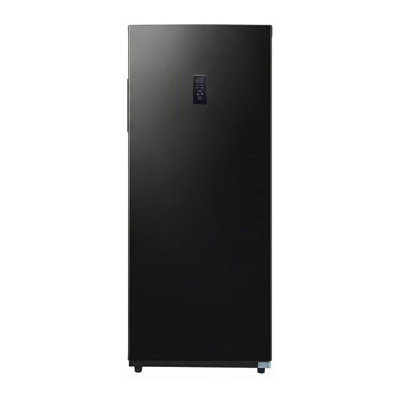
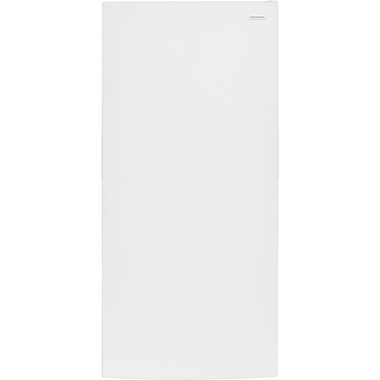
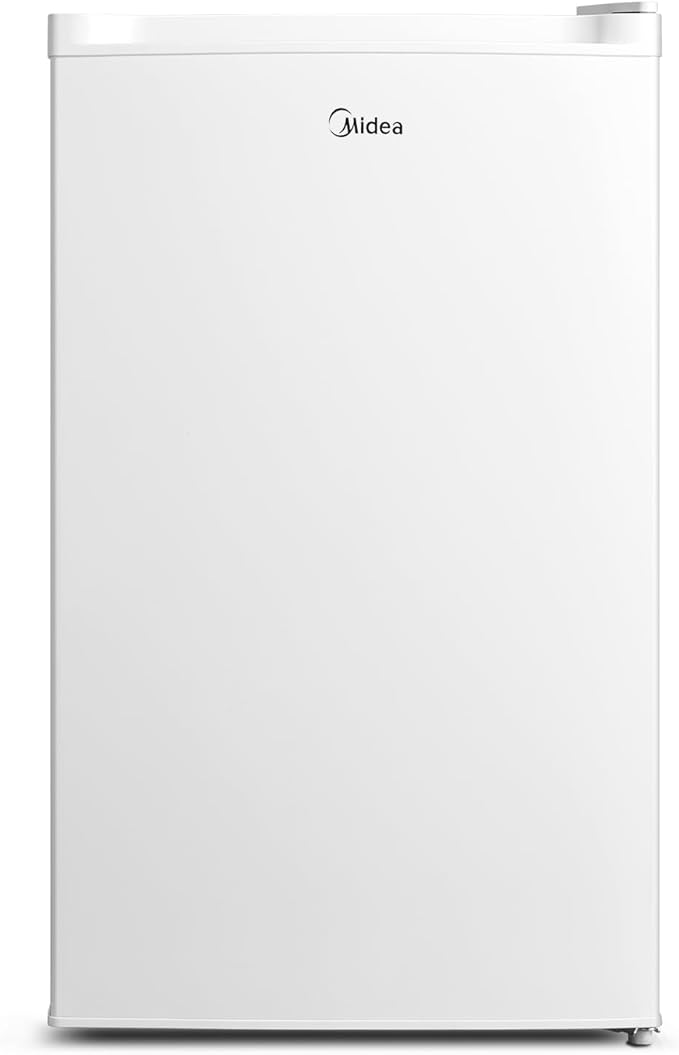
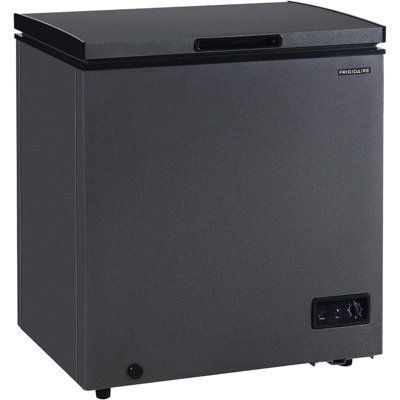
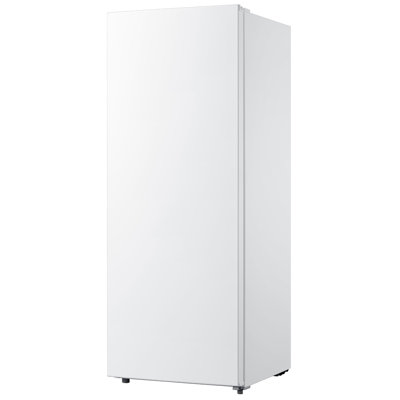
Auto defrost freezers, also known as frost-free freezers, are designed to prevent the build-up of frost and ice. They achieve this through a built-in mechanism that periodically melts frost accumulation. This process ensures that you don’t need to manually defrost the freezer, making maintenance much easier.
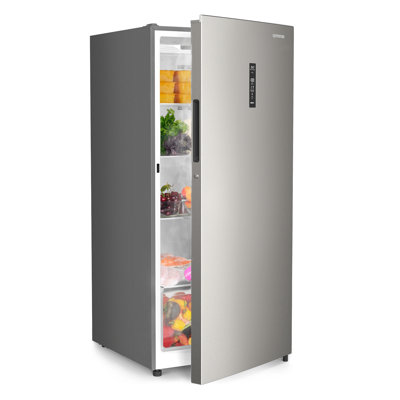
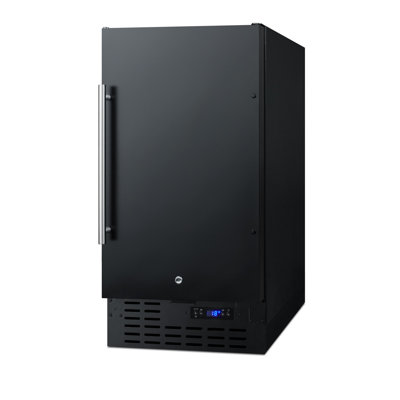
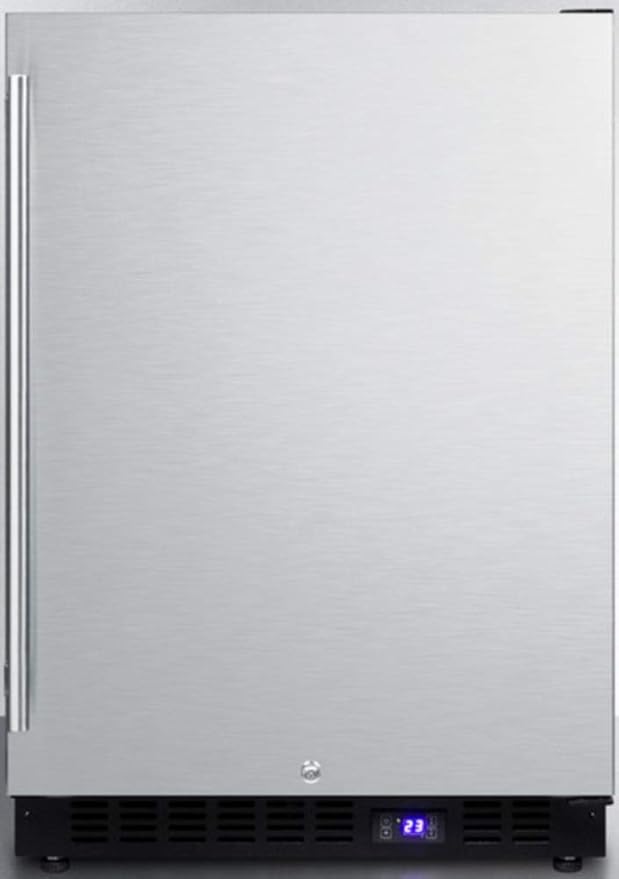
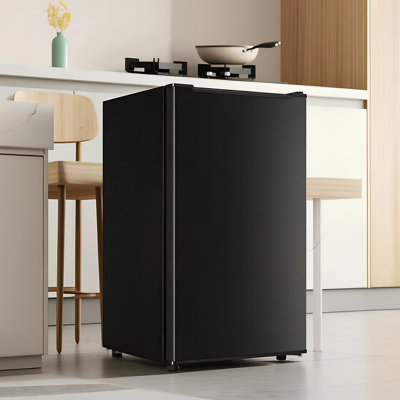
Built-in refrigerators are integrated into the kitchen cabinetry, providing a seamless and aesthetically pleasing look. These refrigerators are often chosen for their design flexibility and high-end appearance. They are available in various configurations, including side-by-side, bottom freezer, and French door styles.
Key Features:
Customizable panels to match kitchen decor.
Flush installation with cabinetry.
Enhanced storage options with adjustable shelves and compartments.
By understanding the distinct features and benefits of auto defrost freezers and built-in refrigerators, you can better determine which appliance suits your needs and lifestyle. Whether you prioritize convenience and low maintenance or design and customization, both options offer unique advantages. For further comparisons, check out Fridge.com article on medium size refrigerator Vs. slate refrigerator.
Features of Auto Defrost Freezers
How Auto Defrost Function Works
Auto defrost freezers, also known as frost-free freezers, use a built-in heating element to prevent frost build-up. The system periodically warms the unit's evaporator coil, melting any accumulated frost. This water then drains out through a small tube and evaporates. This process occurs automatically, ensuring that your freezer remains frost-free without manual intervention.
Auto defrost freezers offer several advantages over manual defrost models. One key benefit is the convenience of not having to manually defrost the unit, which saves time and effort. Additionally, the consistent temperature maintained by these freezers helps preserve the quality of your food by preventing freezer burn and maintaining optimal storage conditions.
Benefit
Description
Convenience
No manual defrosting required
Consistent Temperature
Reduces the risk of freezer burn
Optimal Storage Conditions
Preserves food quality
For further insights on freezer types and comparisons, you might be interested in Fridge.com articles on built in freezer Vs. small chest freezer and deep freezer Vs. garage freezer.
Features of Built-In Refrigerators
When comparing an auto defrost freezer with a built-in refrigerator, understanding the distinctive features of built-in refrigerators can help you make an informed decision. This section delves into the design, installation, and the advantages of built-in refrigerators.
Design and Installation
Built-in refrigerators are designed to seamlessly integrate with your kitchen cabinetry, offering a sleek and streamlined appearance. Unlike freestanding units, built-in refrigerators are installed flush with your cabinets, providing a custom look that can enhance the overall aesthetic of your kitchen.
The installation process for a built-in refrigerator is more complex than that of a freestanding model. It typically requires professional installation to ensure the unit fits perfectly within the designated space and aligns properly with the surrounding cabinetry. The doors of built-in refrigerators can be customized to match your cabinets, further enhancing the cohesive look of your kitchen.
Feature
Built-In Refrigerator
Installation
Requires professional installation
Design
Flush with cabinetry
Door Customization
Matches kitchen cabinets
For more information on comparing different refrigerator types, visit Fridge.com article on counter depth refrigerator Vs. office refrigerator.
Advantages of Built-In Refrigerators
Built-in refrigerators offer several benefits that can make them an attractive option for your home. Here are some key advantages:
Aesthetic Appeal: Built-in refrigerators provide a seamless look that can elevate the design of your kitchen. The ability to customize the door panels to match your cabinetry ensures a unified appearance.
Space Optimization: These refrigerators are designed to maximize space efficiency. They often come with advanced storage solutions like adjustable shelves, door bins, and specialized compartments to help you organize your food more effectively.
High-End Features: Built-in refrigerators typically come with advanced features such as precise temperature control, humidity regulation, and smart technology options. These features can help maintain the freshness and quality of your food.
Durability: Built-in refrigerators are generally built with high-quality materials and components, making them more durable and reliable over the long term.
Advantage
Description
Aesthetic Appeal
Seamless integration with cabinetry
Space Optimization
Efficient use of space with advanced storage solutions
High-End Features
Advanced temperature control and smart technology
Durability
Constructed with high-quality materials
To explore other types of refrigerators, you might find Fridge.com article on medium size refrigerator Vs. slate refrigerator helpful.
Considering these features and advantages, built-in refrigerators offer a blend of functionality and style that can enhance both your kitchen's appearance and your overall food storage experience. For more insights on different refrigeration options, check out Fridge.com comparison of built in freezer Vs. small chest freezer.
Understanding the storage capacity of an auto defrost freezer versus a built-in refrigerator is essential when choosing the right appliance for your needs. Here, Fridge.com will compare the freezer space and refrigerator space of these two types of units.
Comparing Freezer Space
Auto defrost freezers typically offer more dedicated freezer space compared to built-in refrigerators. This is because their primary function is to store frozen goods, making them an ideal choice if you need ample freezer capacity.
Appliance Type
Average Freezer Capacity (cubic feet)
Auto Defrost Freezer
10 - 20
Built-In Refrigerator
4 - 10
Auto defrost freezers are designed to minimize frost buildup, ensuring that the maximum amount of space is available for storage at all times. This can be particularly beneficial for those who stock up on frozen foods or need to store bulk items.
For more information on built-in freezers, you can refer to Fridge.com article on built in freezer Vs. small chest freezer.
Comparing Refrigerator Space
Built-in refrigerators, on the other hand, are designed to provide a balance of both refrigeration and freezer space. They typically offer more refrigerator space compared to auto defrost freezers, making them suitable for those who need to store a variety of perishable items.
Appliance Type
Average Refrigerator Capacity (cubic feet)
Auto Defrost Freezer
N/A
Built-In Refrigerator
12 - 24
Built-in refrigerators are often integrated seamlessly into kitchen cabinetry, providing both functionality and a streamlined aesthetic. They offer ample space for fresh produce, dairy products, beverages, and other perishable items, making them a versatile choice for many households.
For further comparison, you might find Fridge.com article on medium size refrigerator Vs. slate refrigerator helpful.
By comparing the storage capacities of auto defrost freezers and built-in refrigerators, you can determine which appliance best suits your needs. Whether you require more freezer space or a balanced combination of refrigeration and freezing, understanding these differences will help you make an informed decision. For additional insights, you may also explore Fridge.com articles on counter depth refrigerator Vs. office refrigerator and fridge freezer Vs. standard fridge size.
Energy Efficiency
When considering an auto defrost freezer Vs. built-in refrigerator, energy efficiency is a critical factor. This section explores how each appliance performs in terms of energy usage and cost-effectiveness.
Auto Defrost Freezer Efficiency
Auto defrost freezers are designed to prevent the build-up of frost within the freezer compartment. This feature can impact energy consumption in several ways. The defrost cycle itself uses additional energy, but it also ensures that the freezer operates more efficiently by maintaining optimal airflow and cooling performance.
Feature
Auto Defrost Freezer Efficiency
Average Energy Consumption (kWh/year)
450 - 600
Defrost Cycle Frequency
Every 8-12 hours
Additional Energy Usage (kWh/year)
50 - 100
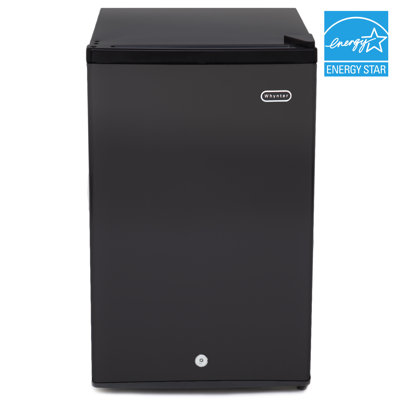
Auto defrost freezers often come with an Energy Star rating, indicating they meet specific energy efficiency guidelines. However, you should consider the extra energy required for the defrost cycle. Regular cleaning and maintenance of the freezer can also help improve its efficiency.
Built-In Refrigerator Efficiency
Built-in refrigerators are integrated into the cabinetry of your kitchen, offering a seamless look and efficient use of space. These appliances are generally designed with energy efficiency in mind, featuring advanced insulation and cooling technologies.
Feature
Built-In Refrigerator Efficiency
Average Energy Consumption (kWh/year)
350 - 500
Cooling Technology
Variable speed compressors, advanced insulation
Additional Energy Saving Features
LED lighting, smart sensors
Built-in refrigerators often have lower average energy consumption compared to auto defrost freezers. Many models come with energy-saving features like LED lighting and smart sensors that adjust cooling based on usage patterns. For more information on how these features compare to other appliances, you can read Fridge.com article on counter depth refrigerator Vs. office refrigerator.
When choosing between an auto defrost freezer and a built-in refrigerator, consider not only the initial purchase price but also the long-term energy costs. For a detailed comparison of other appliances, check out apartment size refrigerator Vs. ice cream freezer.
Maintenance and Cleaning
Proper maintenance and cleaning are essential to ensure the longevity and efficiency of both auto defrost freezers and built-in refrigerators. This section details the necessary steps and tips for maintaining each appliance.
Cleaning and Defrosting Auto Defrost Freezers
Auto defrost freezers are designed to minimize the need for manual defrosting, making them easier to maintain. However, regular cleaning is still crucial to keep them running efficiently.
Unplug the Freezer: Always unplug the freezer before cleaning to ensure safety.
Remove Contents: Take out all food items and store them in a temporary cooler.
Clean Interior Surfaces: Use a mixture of mild dish soap and warm water to clean the interior surfaces. Avoid using abrasive cleaners.
Wipe Down Shelves and Drawers: Remove shelves and drawers if possible, and clean them separately.
Check Drainage Hole: Ensure the drainage hole is clear of any blockages to maintain the auto defrost function.
Dry Thoroughly: Wipe down all surfaces with a dry cloth to prevent mold and mildew growth.
Task
Frequency
Clean Interior
Monthly
Check Drainage
Monthly
Defrost (if needed)
Annually
For more information on managing your freezer, see Fridge.com article on built in freezer Vs. small chest freezer.
Maintenance Tips for Built-In Refrigerators
Built-in refrigerators require regular maintenance to ensure optimal performance and longevity. Here are some maintenance tips:
Clean Condenser Coils: Dust and debris can accumulate on the condenser coils, causing the refrigerator to work harder. Clean the coils every six months using a vacuum or a coil brush.
Inspect Door Seals: Check the door seals for cracks or tears. Clean them with a damp cloth to ensure a tight seal, which helps in maintaining the internal temperature.
Replace Water Filters: If your refrigerator has a water dispenser or ice maker, replace the water filter every six months to ensure clean and safe water.
Clean Interior and Exterior: Use a mild soap solution to clean the interior and exterior surfaces. Avoid using harsh chemicals that can damage the finish.
Set Optimal Temperature: Keep the refrigerator temperature between 35°F and 38°F to ensure food safety and energy efficiency.
Task
Frequency
Clean Condenser Coils
Every 6 Months
Inspect Door Seals
Monthly
Replace Water Filters
Every 6 Months
Clean Interior and Exterior
Monthly
For more details on refrigerator types and their maintenance, see Fridge.com articles on counter depth refrigerator Vs. office refrigerator and medium size refrigerator Vs. slate refrigerator.
Proper maintenance and cleaning extend the life of your appliances and ensure they operate efficiently. By following these guidelines, you can keep your auto defrost freezer and built-in refrigerator in top condition.
When comparing an auto defrost freezer to a built-in refrigerator, considering the cost aspects can help you make an informed decision. This includes evaluating both the initial purchase price and the long-term operational costs.
Upfront Costs
The upfront costs for an auto defrost freezer and a built-in refrigerator can vary significantly based on size, features, and brand. Generally, built-in refrigerators tend to be more expensive due to their custom design and installation requirements.
Appliance Type
Average Upfront Cost
Auto Defrost Freezer
$500 - $2,000
Built-In Refrigerator
$2,000 - $10,000
The auto defrost function in freezers adds convenience by reducing the need for manual defrosting, which can influence the price. Built-in refrigerators, on the other hand, offer a seamless look and customizable options that contribute to their higher price range.
Long-Term Operating Costs
Long-term operating costs include energy consumption, maintenance, and potential repairs. It's important to factor in these costs to understand the total cost of ownership over time.
Appliance Type
Average Annual Energy Cost
Maintenance Cost
Auto Defrost Freezer
$30 - $100
Low
Built-In Refrigerator
$50 - $150
Medium to High
Auto defrost freezers generally have lower energy consumption compared to built-in refrigerators, making them more cost-effective in the long run. However, built-in refrigerators might require more maintenance due to their complexity and potential integration with cabinetry and other kitchen elements.
For more detailed comparisons on energy efficiency, refer to Fridge.com articles on counter depth refrigerator Vs. office refrigerator and deep freezer Vs. reach in freezer.
Understanding the cost implications of both auto defrost freezers and built-in refrigerators can help you make a decision that fits your budget and lifestyle. Be sure to consider both the upfront investment and ongoing expenses when choosing the best option for your needs. For further insights on fridge options, explore Fridge.com comparisons like medium size refrigerator Vs. slate refrigerator and compact freezer Vs. undercounter refrigerator.
Compare prices on Fridge.com
Compare current prices and specifications on Fridge.com, then buy from the retailer you choose; delivery, installation and warranty terms are the retailer’s.
It also has tons of awesome articles about kitchen stuff and home news. Enhance your home, garage, backyard, patio, and office with the coolest essentials. With every necessary type of residential refrigerator or freezer in the collection, you're covered.
From Fridge.com research
Figures below come from data Fridge.com builds and maintains. Each links to the record behind it.
Fridge.com Energy Index, built on U.S. EPA and DOE ENERGY STAR records
Across 5,455 ENERGY STAR certified refrigerators and freezers from 263 brands, median use is 360 kWh per year.