This should be done at least once a year or when the ice buildup exceeds 1/4 inch.
Ample Storage Space: Chest freezers typically provide more usable space compared to upright freezers of the same size, making them ideal for bulk storage.
Lifespan: Typically last around 10-15 years.
These freezers stand vertically, similar to a refrigerator, and often come with multiple shelves and compartments, making it simple to organize and retrieve food items.
Freezer efficiency is crucial for several reasons. Efficient freezers help you save on energy bills, reduce environmental impact, and ensure that your food stays preserved for longer periods. For homeowners, chefs, and anyone who loves to entertain, having an efficient freezer means better food management and cost savings.
Benefit
Description
Cost Savings
Lower energy bills due to reduced power consumption.
Environmental Impact
Reduced carbon footprint by using less electricity.
Food Preservation
Consistent temperature helps in better food storage.
Factors Influencing Freezer Efficiency
Several factors influence how efficient a freezer is. Understanding these can help you make an informed decision when choosing between an upright or chest freezer.
Factor
Description
Insulation
Good insulation helps maintain a consistent temperature.
Temperature Settings
Ability to set and maintain optimal temperatures.
Door Seals
Tight seals prevent cold air from escaping.
Defrost Mechanism
Manual defrost tends to be more energy-efficient than automatic defrost.
Usage Patterns
Frequent opening and closing of the freezer can affect efficiency.
For instance, the type of defrost mechanism can significantly impact energy use. Manual defrost freezers generally consume less power compared to frost-free models. Similarly, the quality of door seals can make a difference in how well the freezer retains cold air. For more details on how defrost mechanisms affect efficiency, check out Fridge.com article on does a frost free freezer need defrosting?.
Understanding these factors can help you decide whether an upright or chest freezer is more suitable for your needs. To explore more about placing freezers in different environments, read can you keep a freezer in an unheated garage?.
Upright Freezers
Features of Upright Freezers
Upright freezers are a popular choice for many households due to their convenient design and ease of access. These freezers stand vertically, similar to a refrigerator, and often come with multiple shelves and compartments, making it simple to organize and retrieve food items.
Key Features of Upright Freezers:
Shelving and Compartments: Multiple shelves and door bins for organized storage.
Frost-Free Option: Many upright freezers come with a frost-free feature, reducing the need for manual defrosting.
Door Design: Upright freezers have a front door that swings open, providing easy access.
Footprint: Typically take up less floor space compared to chest freezers.
Temperature Control: Often equipped with external temperature controls and digital displays.
Efficiency of Upright Freezers
When evaluating the efficiency of upright freezers, several factors come into play. Upright freezers can be more convenient, but their efficiency can vary based on their design and usage.
Factors Influencing Efficiency:
Heat Loss: The vertical door design can lead to more heat loss when opened, making the compressor work harder to maintain the set temperature.
Frost-Free Feature: While convenient, the defrost cycle can consume additional energy.
Organization: Easier organization can lead to quicker retrieval of items, reducing the amount of time the door is open.
Energy Ratings: Look for Energy Star-rated models for better energy efficiency.
Freezer Type
Average Annual Energy Consumption (kWh)
Frost-Free Feature
Upright Freezer (Manual Defrost)
300 - 400
No
Upright Freezer (Frost-Free)
400 - 500
Yes
For more detailed information on how various factors affect the energy efficiency of freezers, you can refer to Fridge.com article on do deep freezers use a lot of electricity?.
Considering the space and placement of your upright freezer can also impact its efficiency. For instance, if you're planning to place it in a garage, check out Fridge.com guide on can you put an upright freezer in a garage?.
By understanding the features and efficiency of upright freezers, you can make an informed decision that best suits your needs and ensures optimal performance.
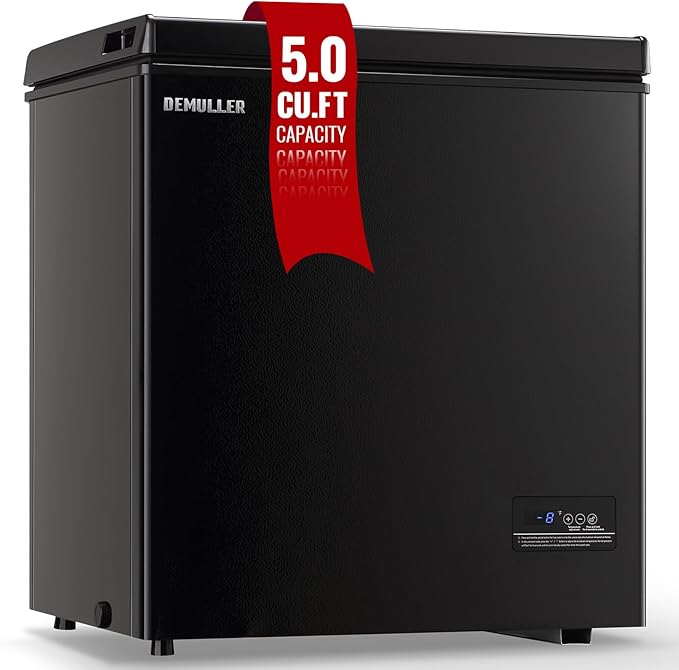
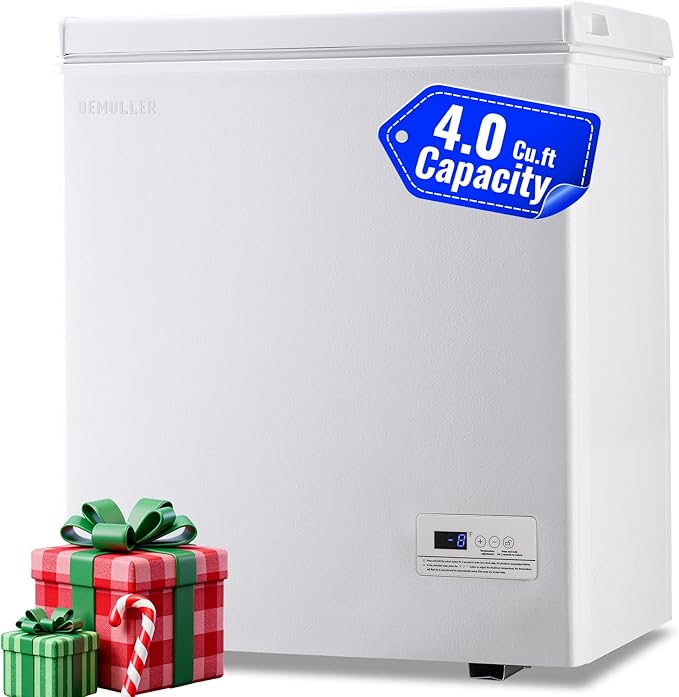
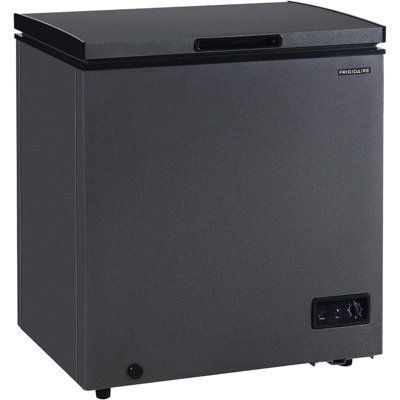
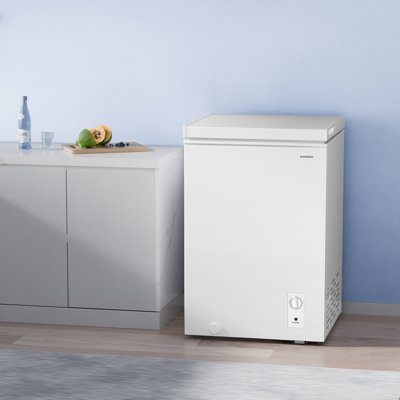
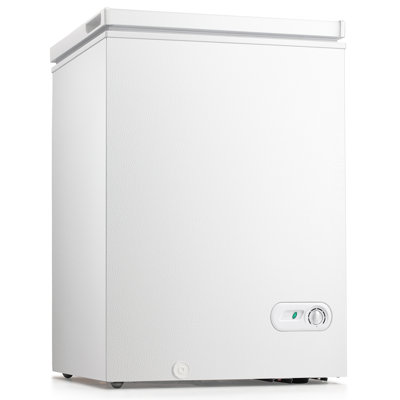
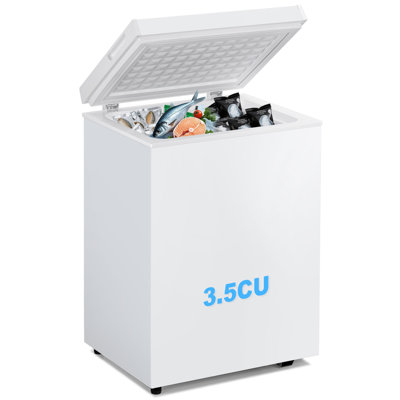
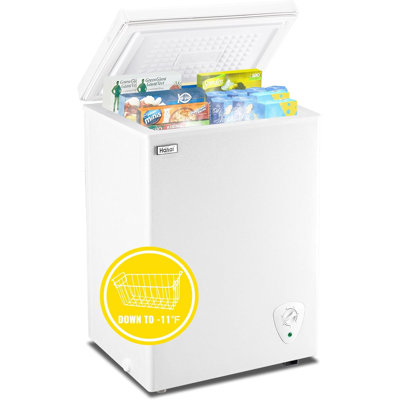
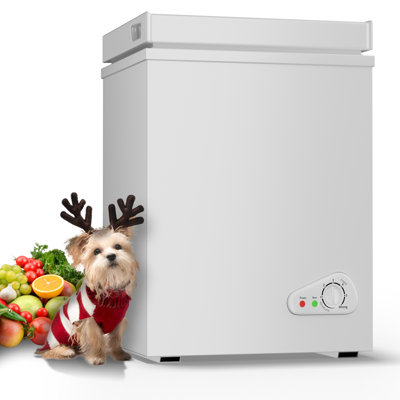
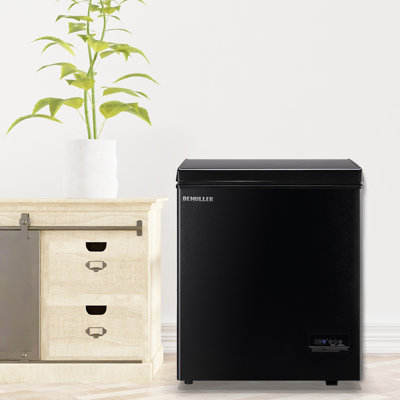
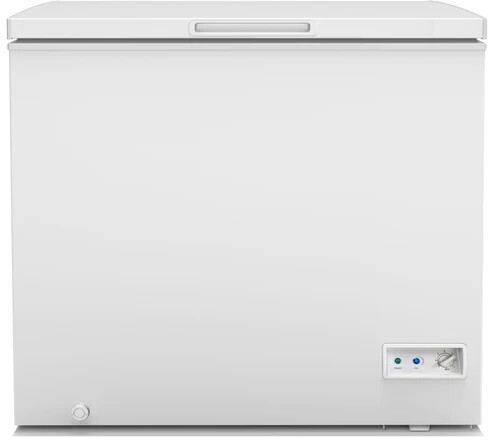
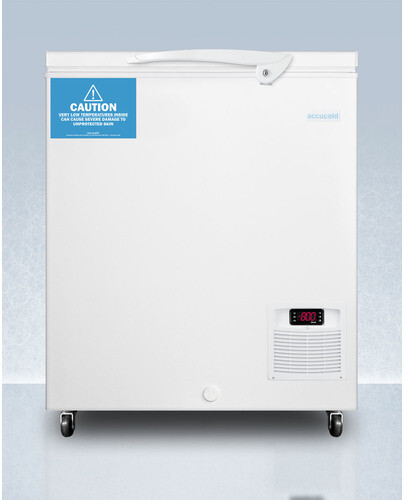
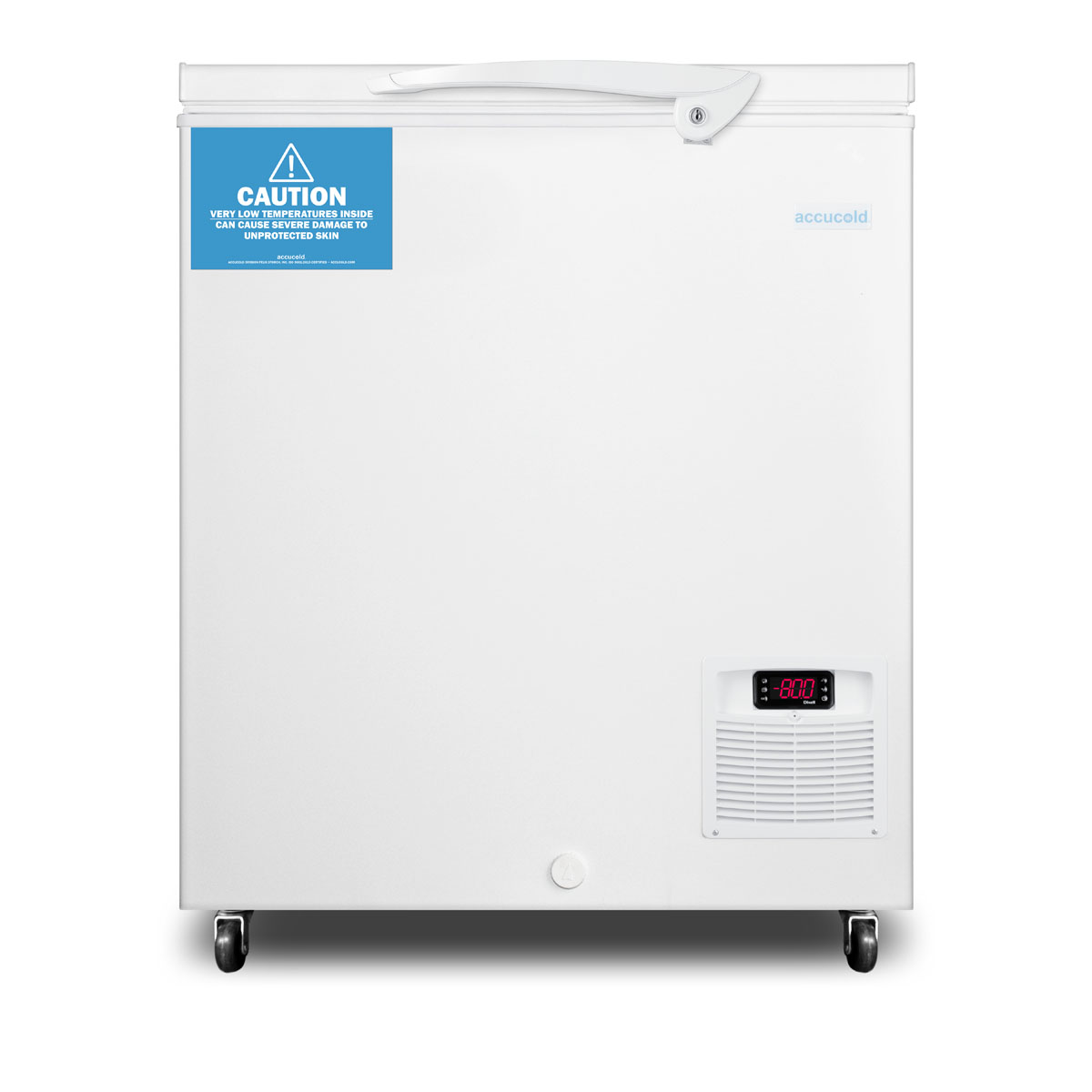
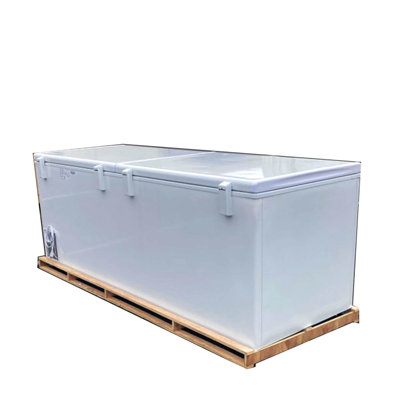
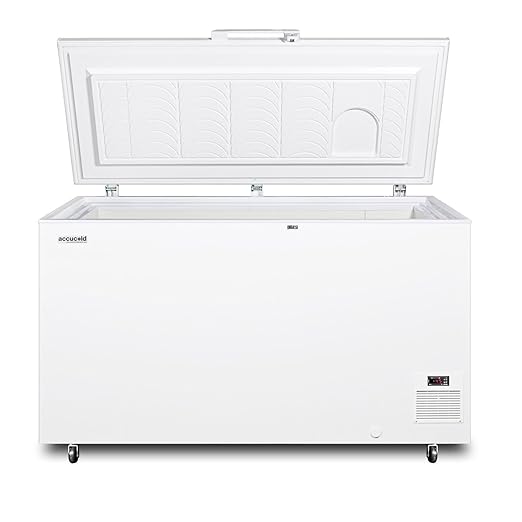
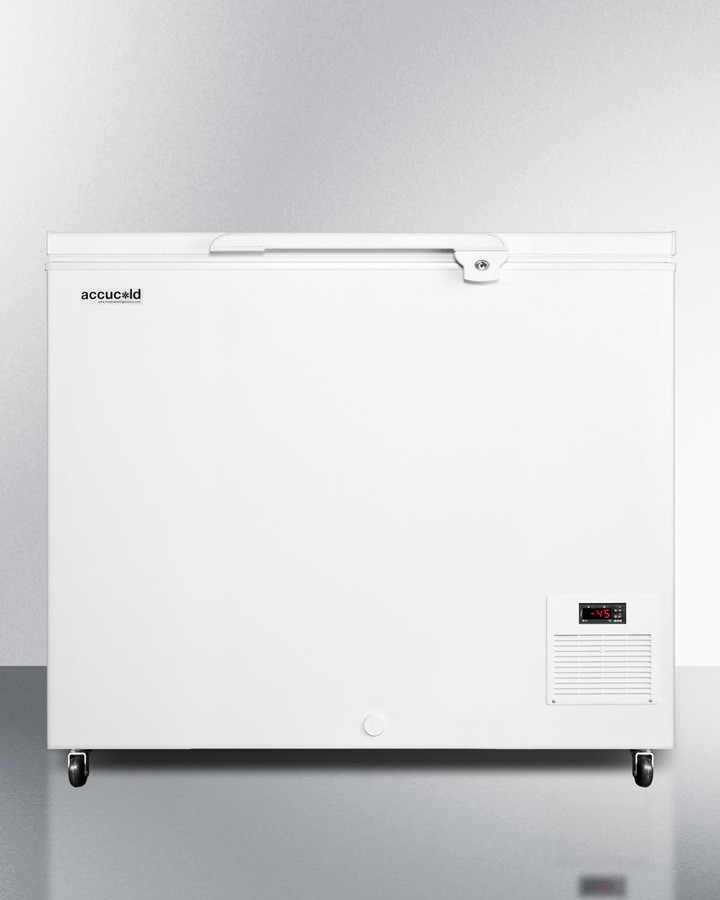
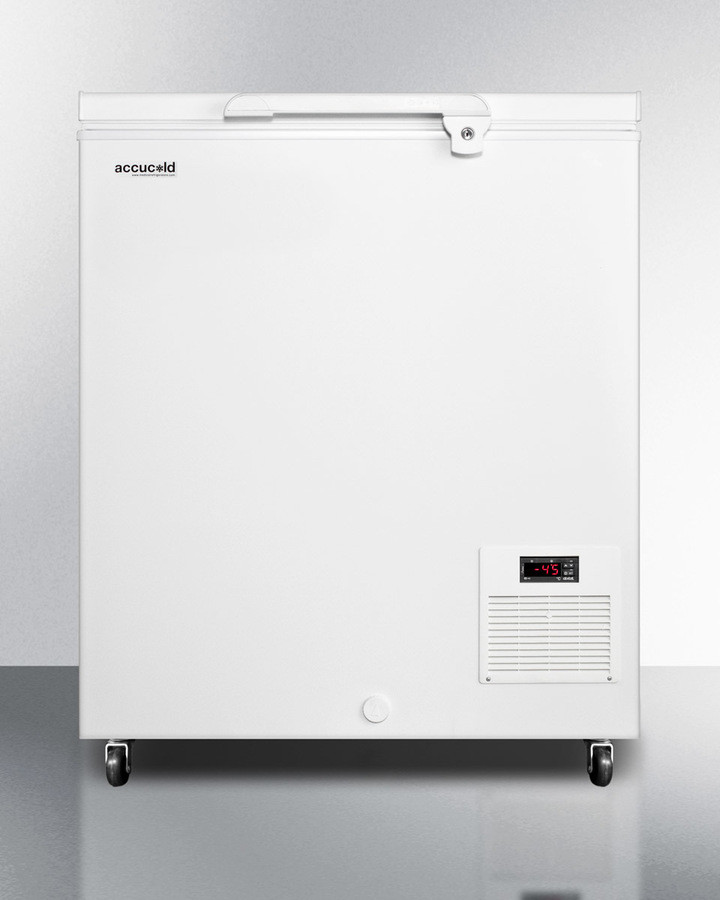
Chest freezers are a popular choice for those needing extra storage space for frozen goods. They are designed with a hinged lid on the top, allowing you to access items from above. This design offers several benefits, including:
Ample Storage Space: Chest freezers typically provide more usable space compared to upright freezers of the same size, making them ideal for bulk storage.
Longer Cold Retention: The top-opening design helps retain cold air better when the lid is opened, which can be particularly useful during power outages.
Energy Efficiency: Since cold air sinks, opening the lid of a chest freezer does not result in as much cold air loss as opening the door of an upright freezer.
Versatility in Placement: Chest freezers can be placed in various locations, such as basements, garages, or utility rooms. For more information on garage placement, check out can you keep a freezer in an unheated garage?.
Efficiency of Chest Freezers
When considering the efficiency of chest freezers, several factors come into play. These appliances are generally known for their superior energy efficiency compared to upright freezers. Here are some key aspects:
Energy Consumption: Chest freezers tend to use less energy overall. Their design minimizes the loss of cold air when opened, which helps maintain a consistent internal temperature. For more details on energy consumption, see do deep freezers use a lot of electricity?.
Freezer Type
Annual Energy Consumption (kWh)
Chest Freezer
200 - 400
Upright Freezer
300 - 700
Temperature Consistency: Chest freezers maintain a more consistent temperature due to the static cooling method they use. This consistency reduces the risk of freezer burn and keeps food fresher for longer periods.
Cost Efficiency: Because of their lower energy consumption, chest freezers are often more cost-effective in terms of electricity bills. This can be an important consideration for long-term savings.
By understanding the features and efficiency of chest freezers, you can make a more informed decision about whether they are the right choice for your needs. For additional tips on maintaining a chest freezer, see are chest freezers frost free? and can i tip a chest freezer on its side?.
When considering whether upright or chest freezers are more efficient, energy consumption plays a significant role. Understanding how each type of freezer uses energy will help you make an informed decision.
Comparing Energy Consumption
The energy consumption of freezers can vary based on several factors, including design, size, and usage patterns. Below is a comparison of the average energy consumption for upright and chest freezers.
Freezer Type
Average Annual Energy Consumption (kWh)
Upright Freezer
450 - 650
Chest Freezer
200 - 400
Chest freezers generally consume less energy compared to upright freezers. The reason lies in their design: chest freezers open from the top, which minimizes the amount of cold air that escapes when the lid is opened. In contrast, upright freezers, which open from the front, tend to lose more cold air, leading to higher energy consumption.
Factors Affecting Energy Efficiency
Several factors influence the energy efficiency of freezers. Understanding these factors can help you optimize your freezer's performance and reduce energy costs.
Insulation: Better insulation reduces the amount of energy needed to maintain the desired temperature. Chest freezers typically have thicker insulation compared to upright freezers.
Temperature Settings: Lower temperature settings increase energy consumption. It's important to set the freezer to the manufacturer's recommended temperature.
Usage Frequency: Frequent opening and closing of the freezer door can lead to higher energy consumption. Chest freezers, with their top-opening design, are more efficient in this regard.
Location: Placing the freezer in a location with stable ambient temperatures can improve energy efficiency. Extreme temperatures can cause the freezer to work harder. For more on this, read Fridge.com article on can you keep a freezer in an unheated garage?.
Maintenance: Regular maintenance, such as defrosting and cleaning the coils, can improve energy efficiency. For more maintenance tips, you can explore how do you restore a refrigerator seal?.
By considering these factors, you can make an informed choice between upright and chest freezers based on energy efficiency. For more insights into freezer efficiency, visit Fridge.com article on do deep freezers use a lot of electricity?.
Evaluating the storage capacity of freezers is essential when deciding between upright and chest freezers. Understanding their storage capabilities helps you make an informed choice based on your needs.
Assessing Storage Capacity
Upright and chest freezers offer different storage capacities, which can impact their efficiency. Upright freezers generally have shelves and compartments that allow for organized storage. On the other hand, chest freezers have a large, open space that can accommodate bulkier items.
Freezer Type
Average Capacity (Cubic Feet)
Organization
Upright Freezer
10 - 21
Shelves and compartments
Chest Freezer
10 - 25
Large open space
Chest freezers typically provide more usable space due to their design, allowing you to store larger quantities of food. Consider how you plan to use the freezer and what types of items you will store when assessing the storage capacity.
Efficiency in Relation to Storage
The efficiency of a freezer is not solely determined by its storage capacity but also by how well the space is utilized. Chest freezers are often more energy-efficient because the cold air stays trapped when the lid is opened, whereas upright freezers can lose more cold air due to their vertical design.
Freezer Type
Energy Efficiency
Cold Air Retention
Upright Freezer
Moderate
Lower due to vertical opening
Chest Freezer
High
Higher due to horizontal opening
When evaluating are upright or chest freezers more efficient?, it is essential to consider how efficiently you can organize and access your stored items. Proper organization can help maintain temperature consistency and reduce energy consumption. For more insights on maintaining efficiency, explore Fridge.com article on how much power does a small chest freezer use?.
Choosing the right freezer depends on your specific needs and how you plan to utilize the storage space. Evaluating both the storage capacity and efficiency will help you make an informed decision. For additional tips on freezer placement and efficiency, check out Fridge.com article on is it ok to put a freezer in the garage?.
Temperature Consistency
Maintaining Temperature Consistency
Maintaining consistent temperatures in your freezer is crucial for preserving the quality of your stored food. Both upright and chest freezers have distinct characteristics that affect how well they maintain temperature.
Upright Freezers:
Tend to have more temperature fluctuations due to the vertical door design.
Easier access means the door is opened more frequently, causing temperature changes.
Often equipped with fans for better air circulation, which can help in maintaining a uniform temperature.
Chest Freezers:
Generally maintain a more stable temperature due to the horizontal door, which limits warm air intrusion.
Less frequent opening as items are stacked, reducing temperature fluctuations.
Naturally better at retaining cold air when the lid is opened, helping to maintain consistent temperatures.
Impact on Efficiency
Temperature consistency directly impacts the efficiency of your freezer. Fluctuating temperatures can cause the compressor to work harder, leading to higher energy consumption and potentially shorter appliance lifespan.
Efficiency Factors:
Freezer Type
Temperature Consistency
Impact on Efficiency
Upright Freezers
Moderate
Higher energy consumption due to frequent temperature changes
Chest Freezers
High
Lower energy consumption due to stable temperatures
For more insights on energy-efficient practices and how different freezers compare in terms of energy use, explore Fridge.com articles on do deep freezers use a lot of electricity? and how much power does a small chest freezer use?.
By understanding how temperature consistency affects efficiency, you can make a more informed decision when choosing between an upright or chest freezer. Consider the placement and usage frequency to ensure optimal performance and energy savings. For more tips on freezer placement and its effects, visit is it okay to keep a freezer in the garage?.
When deciding between an upright or chest freezer, space and placement play a crucial role in their efficiency. The location of your freezer can significantly impact its performance and energy consumption.
Considering Space and Placement
The amount of available space you have will influence whether an upright or chest freezer is more suitable for your needs.
Upright Freezers: These freezers take up less floor space, making them ideal for areas with limited room, such as kitchens or small utility rooms. They have a vertical design that allows for easier organization and access to items.
Chest Freezers: These freezers require more floor space due to their horizontal design. They are often placed in basements, garages, or other larger areas. Chest freezers typically offer more storage capacity, but accessing items at the bottom can be more challenging.
Freezer Type
Floor Space Required
Ideal Locations
Upright Freezer
Less
Kitchens, Utility Rooms
Chest Freezer
More
Basements, Garages
Efficiency Based on Location
The efficiency of a freezer can be affected by its placement. Factors such as ambient temperature, ventilation, and proximity to heat sources should be considered.
Ambient Temperature: Freezers placed in areas with stable temperatures tend to operate more efficiently. Extreme temperatures, whether too hot or too cold, can cause the freezer to work harder, increasing energy consumption. For more details, see Fridge.com article on can you keep a freezer in an unheated garage?.
Ventilation: Proper ventilation around the freezer is essential for efficient operation. Both upright and chest freezers need enough clearance to dissipate heat. Inadequate ventilation can lead to increased energy use and decreased efficiency.
Proximity to Heat Sources: Placing a freezer near heat sources, such as ovens or direct sunlight, can negatively impact its efficiency. The additional heat forces the freezer to use more energy to maintain the desired temperature.
Factor
Impact on Efficiency
Ambient Temperature
Stable temperatures improve efficiency
Ventilation
Proper ventilation reduces energy consumption
Heat Sources
Proximity to heat sources increases energy use
Considering these factors will help you determine the best location for your freezer, ensuring optimal efficiency. For more insights on suitable locations, check Fridge.com article on is it ok to keep freezer in garage?.
Maintenance and Lifespan
Proper maintenance and understanding the lifespan of freezers are essential for ensuring their efficiency. This section will explore the maintenance requirements and longevity of both upright and chest freezers.
Maintenance Requirements
Maintaining your freezer is crucial to its efficiency and longevity. Upright and chest freezers have different maintenance needs:
Upright Freezers:
Defrosting: Most upright freezers are frost-free, but they still require periodic defrosting to prevent ice buildup.
Cleaning: Regular cleaning of the interior and exterior surfaces helps maintain hygiene and efficiency.
Gasket Check: Inspect the door gasket regularly to ensure it seals properly. A damaged gasket can lead to energy loss.
Condenser Coils: Clean the condenser coils every six months to improve energy efficiency.
Chest Freezers:
Defrosting: Unlike upright freezers, chest freezers often need manual defrosting. This should be done at least once a year or when the ice buildup exceeds 1/4 inch.
Cleaning: Similar to upright freezers, regular cleaning of the interior and exterior is necessary.
Gasket Check: Regular inspection of the door gasket is essential to ensure a proper seal.
Drainage: Some chest freezers come with a drainage system that needs occasional checking and cleaning.
Longevity and Efficiency
The lifespan of a freezer can significantly impact its efficiency. Both upright and chest freezers have their advantages and challenges regarding longevity.
Upright Freezers:
Lifespan: Typically last around 10-15 years.
Efficiency: Efficiency can decrease over time due to wear and tear on components like the gasket and condenser coils.
Repairs: Easier to repair due to the accessible positioning of components.
Chest Freezers:
Lifespan: Generally last longer, around 15-20 years.
Efficiency: Maintains efficiency over a longer period due to fewer movable parts and a tighter seal.
Repairs: Can be more challenging to repair, especially if the problem is with the bottom or interior parts.
Understanding the maintenance requirements and lifespan of your freezer can help you make an informed decision on which type suits your needs best. For more tips, check out Fridge.com articles on can i put a freezer in a hot garage? and how much power does a small chest freezer use?.
Compare chest freezer prices on Fridge.com
Compare current prices and specifications on Fridge.com, then buy from the retailer you choose; delivery, installation and warranty terms are the retailer’s.
It also has tons of awesome articles about kitchen stuff and home news. Enhance your home, garage, backyard, patio, and office with the coolest essentials. With every necessary type of residential refrigerator or freezer in the collection, you're covered.
From Fridge.com research
Figures below come from data Fridge.com builds and maintains. Each links to the record behind it.
Fridge.com Energy Index, built on U.S. EPA and DOE ENERGY STAR records
Across 5,455 ENERGY STAR certified refrigerators and freezers from 263 brands, median use is 360 kWh per year.