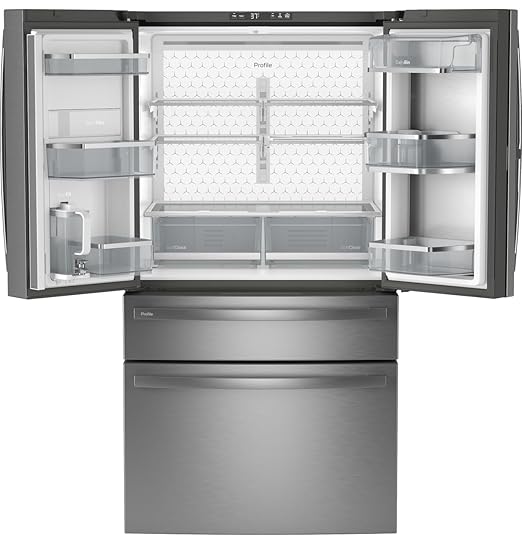
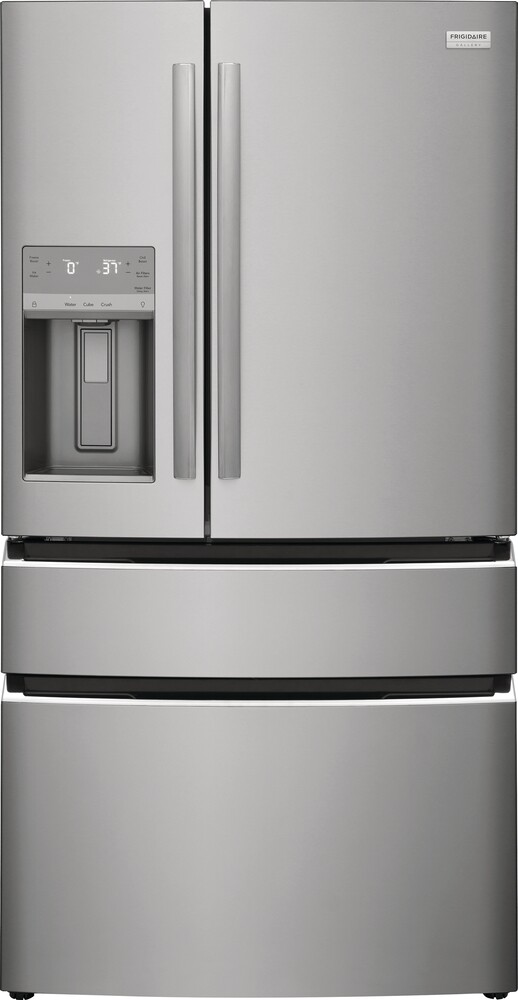
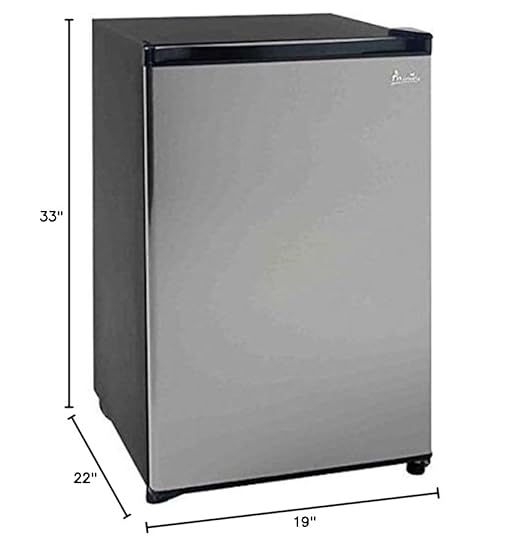
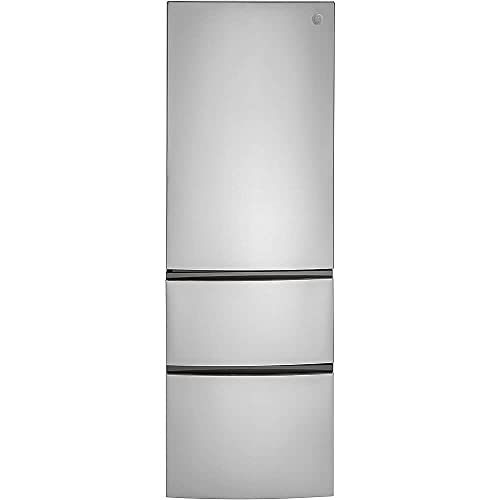
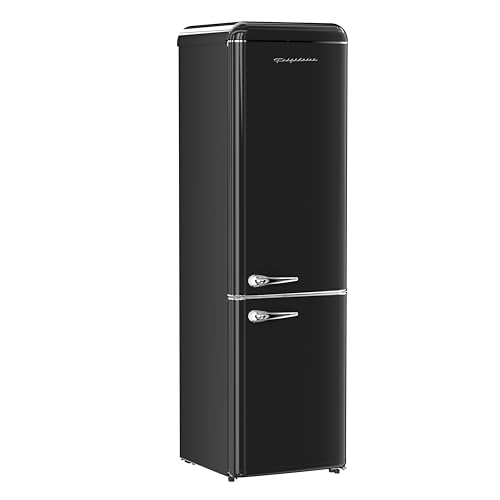
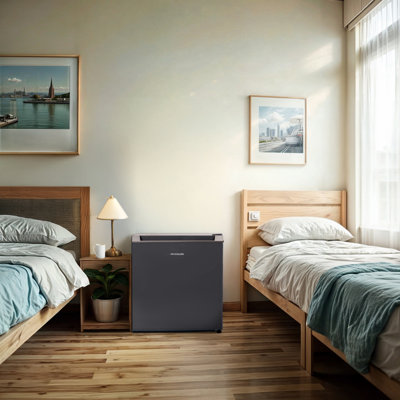
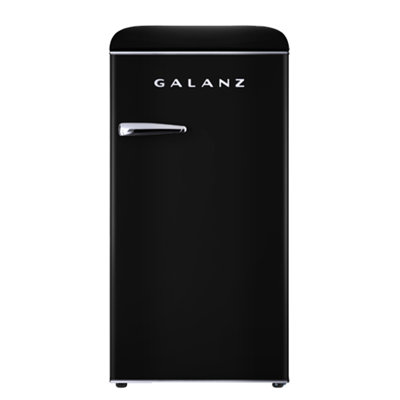
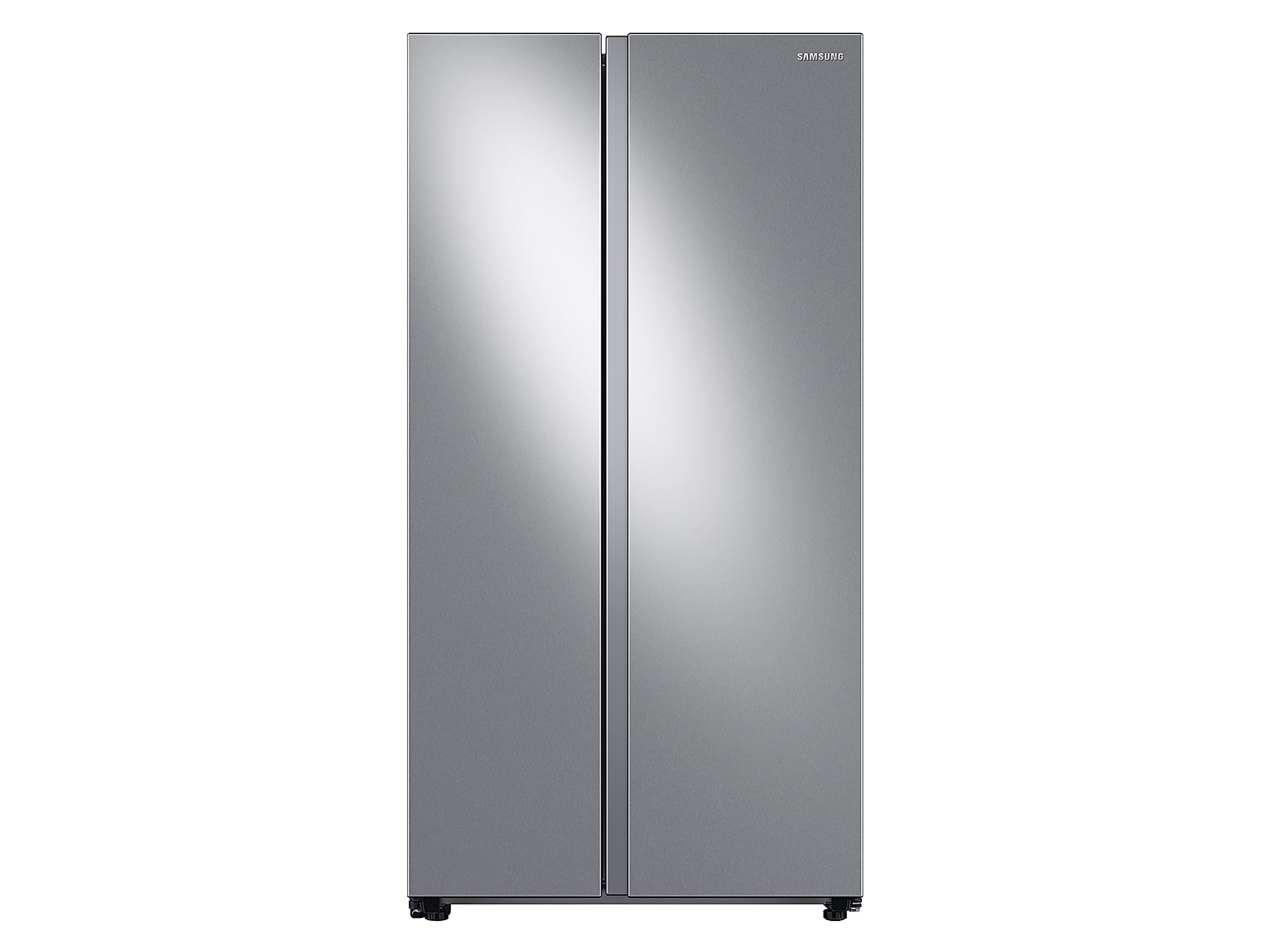
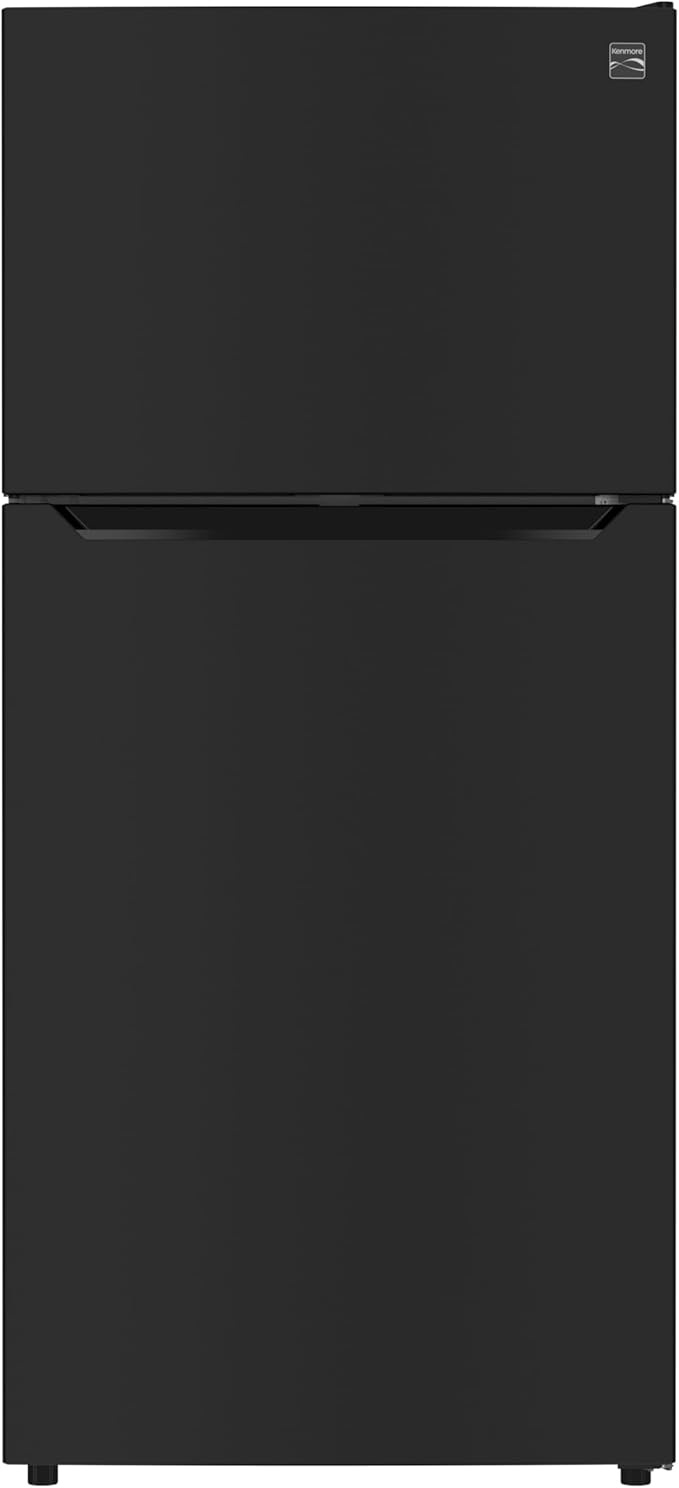
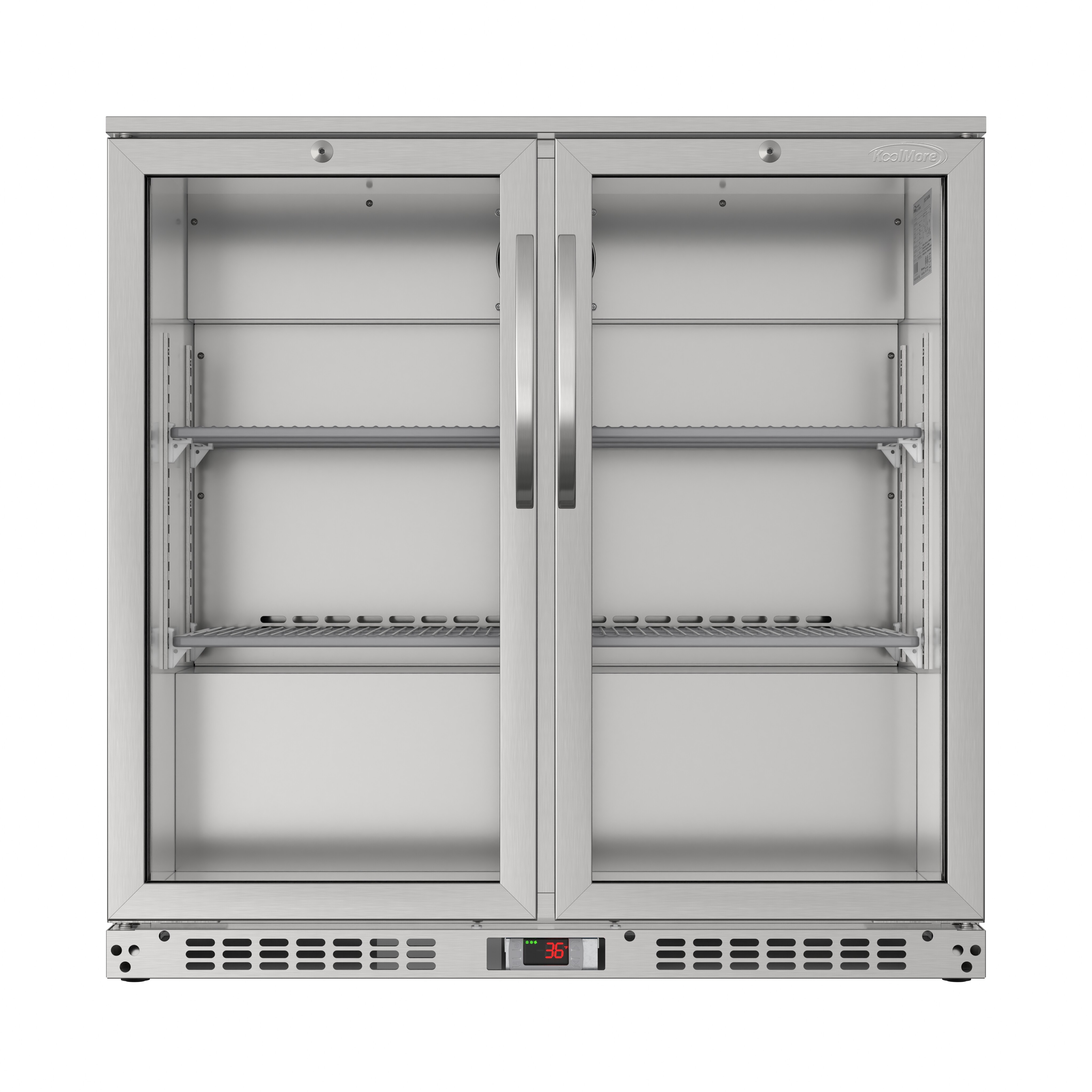
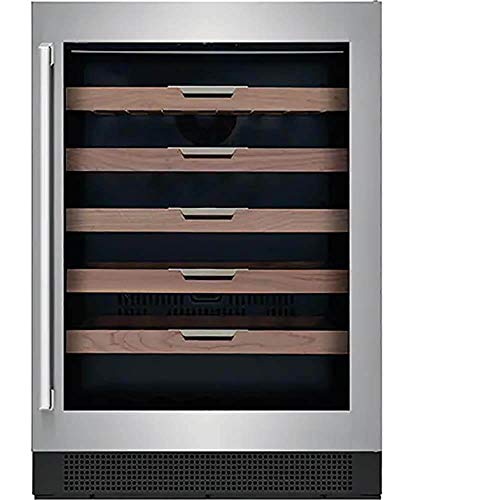
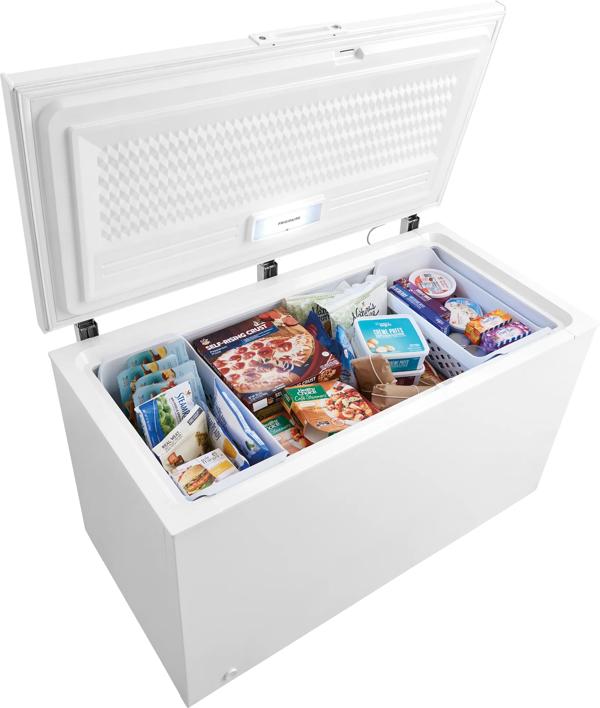
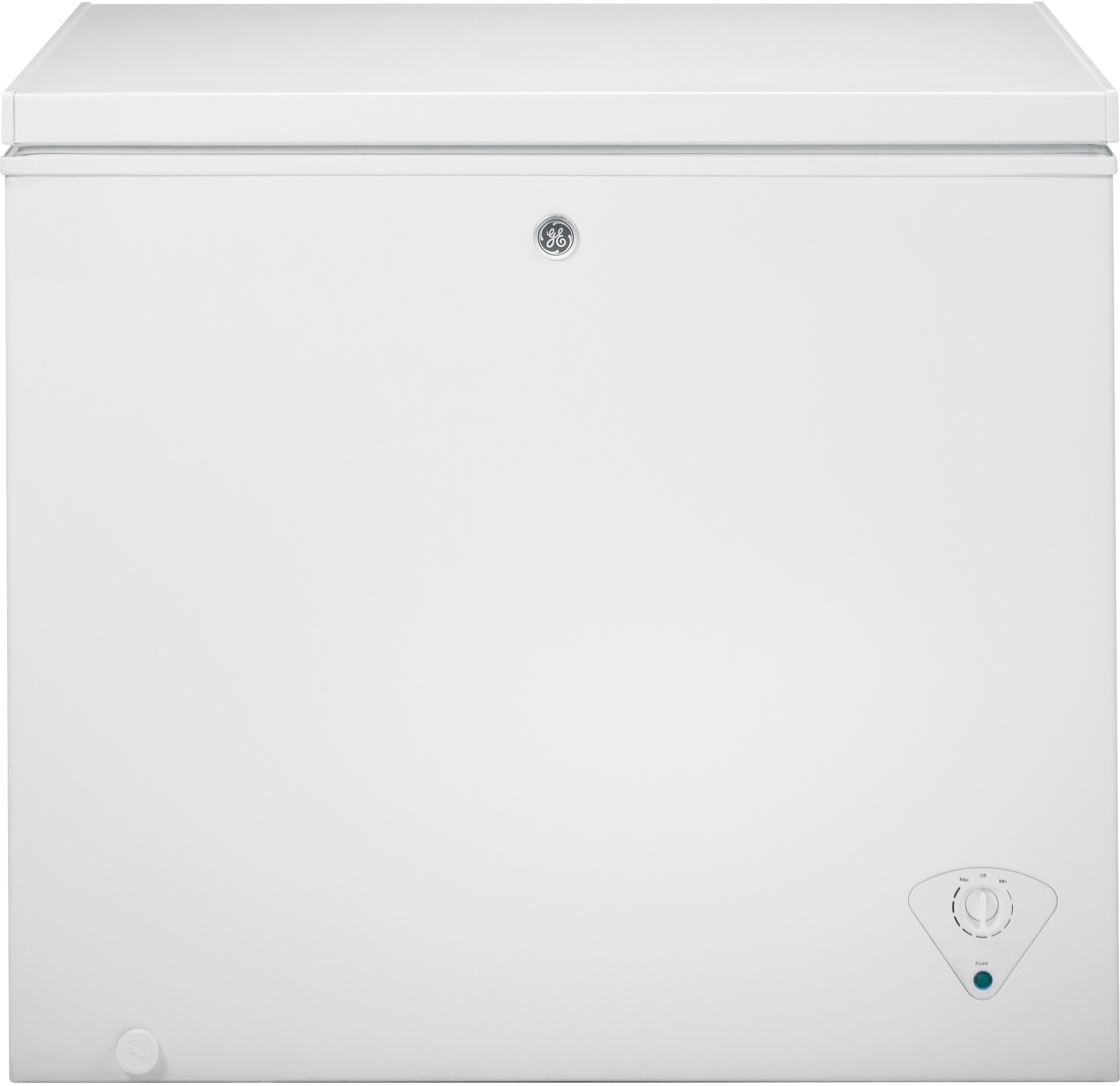
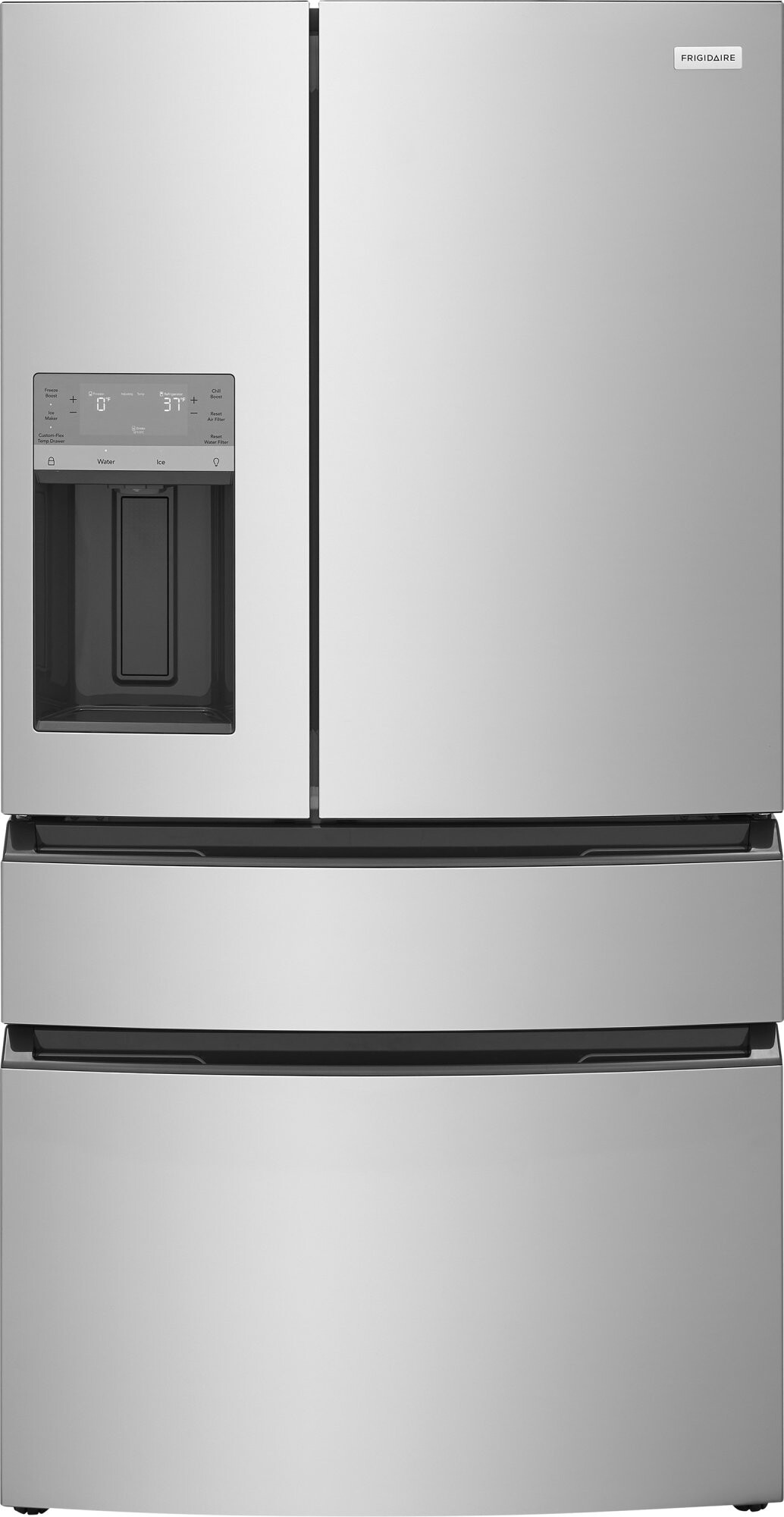
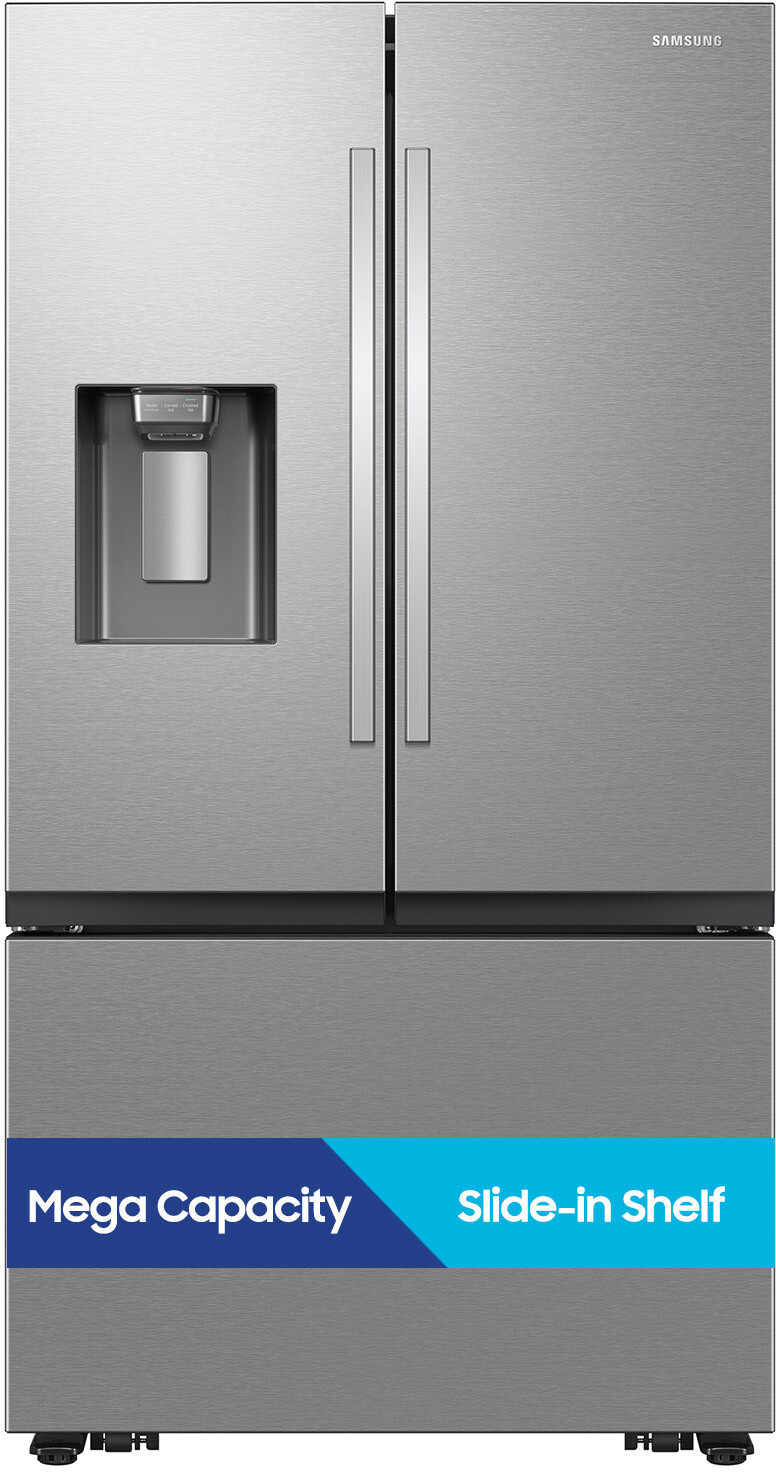
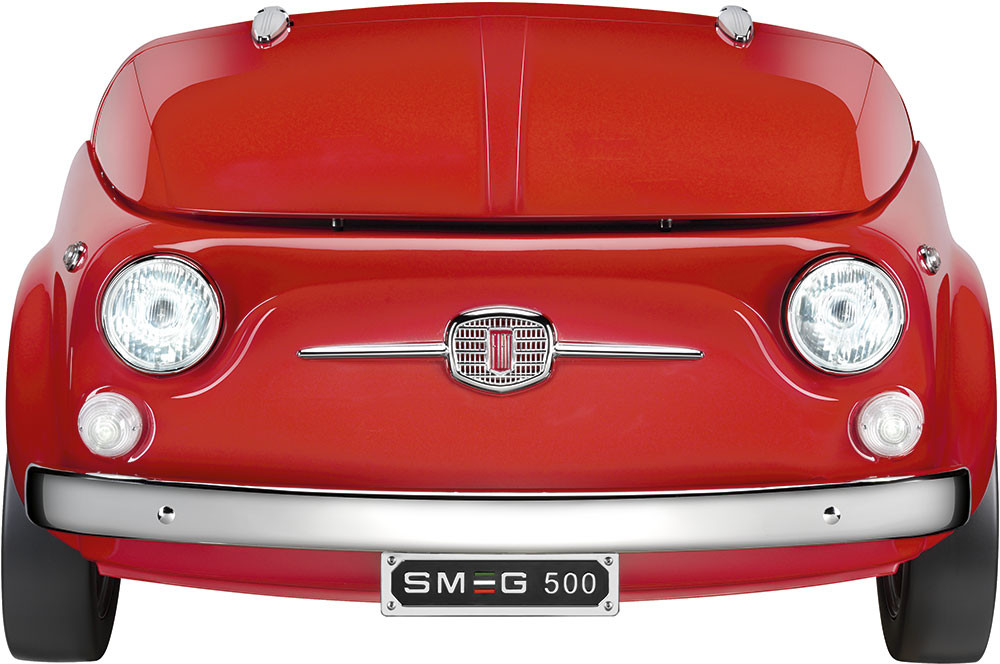
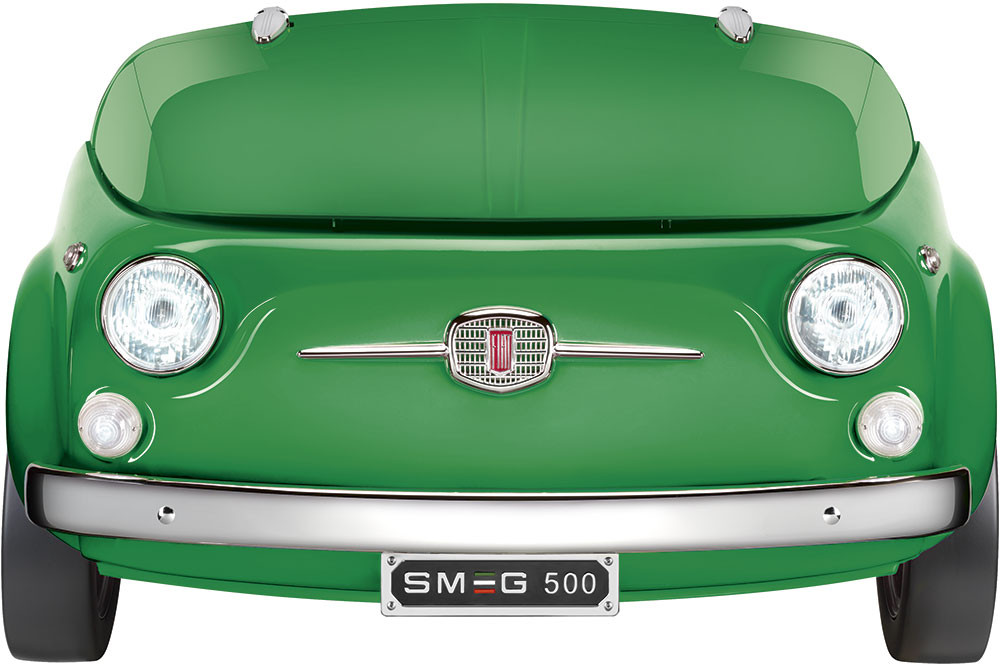
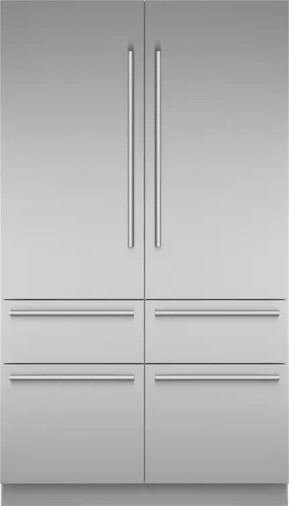
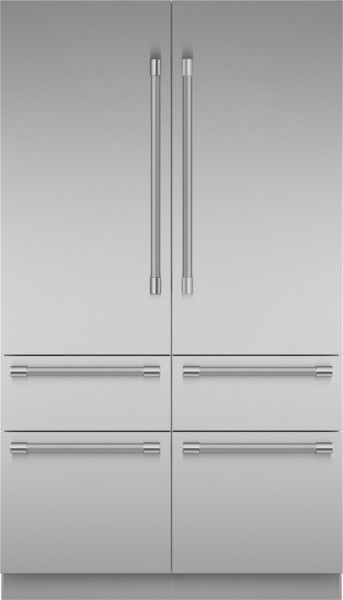
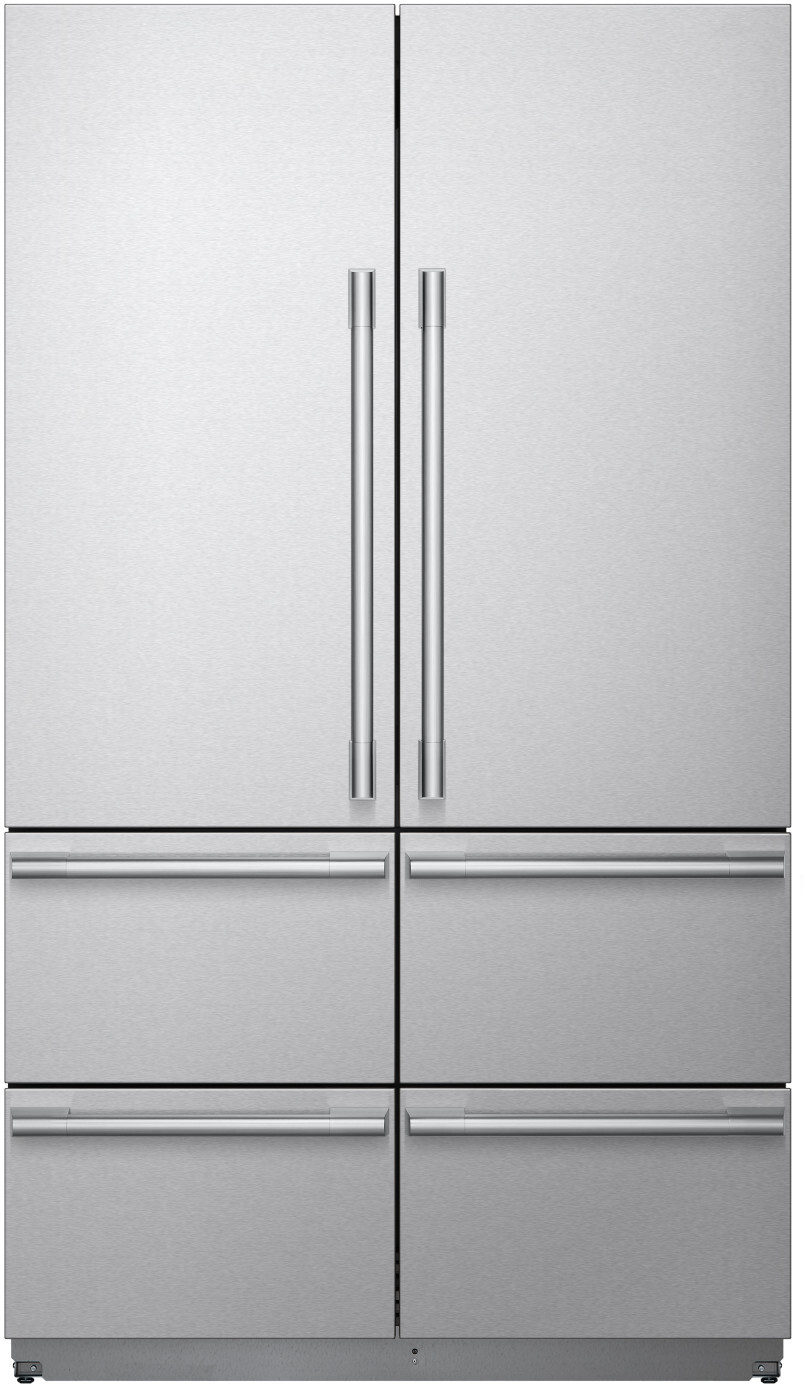
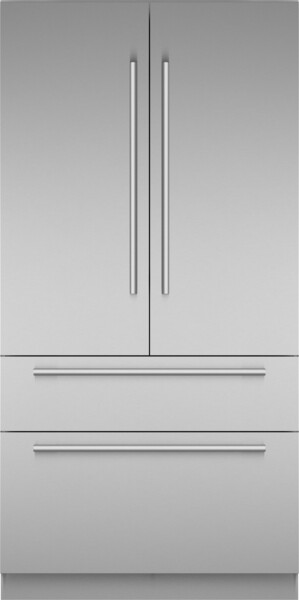
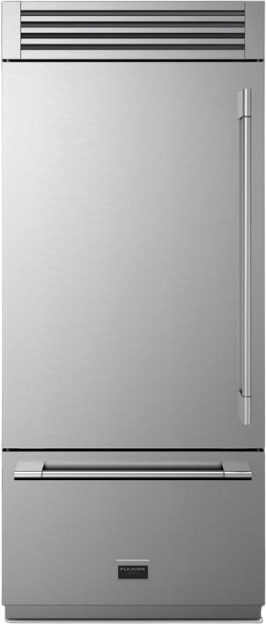
A work fridge is a game-changer in any workspace. It keeps your food fresh, your drinks cold, and your snacks ready to grab. Whether you're in an office, a workshop, or even a tiny home, having a fridge means you can eat healthier and stay organized. Want to know more about different fridge options? Check out Fridge.com articles on wine fridges and work fridges.
What to Think About Before Buying a Work Fridge
Before you buy a work fridge, you gotta think about a few things to make sure you get the right one. Here's what you need to know:
What to Consider
Why It Matters
Size and Capacity
Make sure it fits in your space and holds all your stuff.
Temperature Control
Keep your food at the right temp.
Storage Features
Shelves, drawers, and compartments make a big difference.
Size and Capacity: Measure where you want to put the fridge. Make sure it’s big enough inside to hold all your food but not so big that it takes over your space.
Energy Efficiency: Go for energy-efficient models. They’re good for the environment and your wallet. Look for the Energy Star label.
Temperature Control: Adjustable temperature settings are a must. Some fridges even have dual zones, so you can keep different foods at their ideal temps.
Storage Features: Look at the layout inside. Adjustable shelves and compartments can make a big difference. If you like to keep drinks handy, look for a fridge with beverage drawers. For more on specialized storage, check out Fridge.com article on wine fridges with beverage drawers.
Thinking about these things will help you pick a fridge that fits your workspace and makes your life easier. For more tips, read Fridge.com detailed articles on wine/beverage fridges and small wine refrigerators.
Types of Work Refrigerators
Picking the right work fridge can be a game-changer for your office. Let's break down the different types so you can find the perfect match for your needs.
Compact Refrigerators
Compact fridges are the Swiss Army knives of the office kitchen. They save space and still pack a punch when it comes to storage. Perfect for stashing lunches, drinks, and even the occasional snack stash.
Feature
Specification
Size
20-24 inches tall
Capacity
3-5 cubic feet
Ideal For
Small offices, cubicles
Mini Fridges
Mini fridges are the little siblings of compact refrigerators. They're small, light, and easy to move around. Great for personal use or tight spaces where every inch counts.
Feature
Specification
Size
17-20 inches tall
Capacity
1.5-3 cubic feet
Ideal For
Personal use, small desks
Undercounter Refrigerators
Undercounter fridges slide right under your countertops or workbenches, making them a stealthy addition to your workspace. They usually come with more bells and whistles and can handle more stuff, making them a solid choice for bigger teams.
Feature
Specification
Size
30-34 inches tall
Capacity
5-7 cubic feet
Ideal For
Shared workspaces, kitchens
Beverage Coolers
If drinks are your thing, beverage coolers are your best friend. These are designed to keep your drinks at the perfect temperature and can handle different bottle sizes with their adjustable shelves.
Feature
Specification
Size
18-34 inches tall
Capacity
3-5 cubic feet
Ideal For
Offices, break rooms
Knowing these types of work refrigerators can help you pick the one that fits your office vibe. Need tips on keeping your work fridge organized and clean? Check out Fridge.com guides on work fridge rules and work refrigerator clean out.
What to Look for in a Work Refrigerator
Picking out the perfect work fridge? It's not rocket science, but there are a few things you should keep in mind. Let's break it down: size and capacity, energy efficiency, temperature control, and storage compartments.
Size and Capacity
First things first, how big do you need this fridge to be? Think about the space you have and how much stuff you plan to cram in there. Here's a quick guide:
Refrigerator Type
Dimensions (inches)
Capacity (cubic feet)
Compact Fridge
18 x 20 x 34
3 - 5
Mini Fridge
17 x 18 x 20
1.5 - 2.5
Undercounter Fridge
24 x 20 x 34
5 - 7
Beverage Cooler
24 x 24 x 34
3 - 5
Pick a size that fits your space without turning your office into a game of Tetris. For more on compact options, check out Fridge.com article on mini fridges.
Energy Efficiency
Nobody likes a high electric bill, right? Go for an energy-efficient fridge. Look for that Energy Star rating—it’s like a gold star for appliances.
Refrigerator Type
Energy Use (kWh/year)
Compact Fridge
200 - 400
Mini Fridge
100 - 200
Undercounter Fridge
300 - 600
Beverage Cooler
250 - 500
Save some cash and be a little kinder to the planet. Win-win. For more on energy-efficient choices, see Fridge.com article on wine coolers.
Temperature Control
You want your snacks and drinks at just the right chill. Look for fridges with adjustable temperature settings. Some even have digital controls for that perfect tweak.
This is super important for wine fridges, where the right temp can make or break your vino.
Storage Compartments
How you organize your fridge can make a big difference. Look for adjustable shelves, drawers, and door bins to keep everything in its place.
Refrigerator Type
Storage Features
Compact Fridge
Adjustable shelves, crisper drawer
Mini Fridge
Fixed shelves, small freezer compartment
Undercounter Fridge
Adjustable shelves, multiple drawers
Beverage Cooler
Adjustable shelves, bottle racks
Good storage means no more lost yogurts or mystery leftovers. For more tips on keeping things tidy, check out Fridge.com article on smart storage solutions.
By keeping these features in mind, you'll find a work fridge that fits your needs and makes your workspace a little cooler. For more info on specific types and models, explore Fridge.com related articles on work fridge and work fridge rules.
Placement and Maintenance Tips
Keeping your work fridge in tip-top shape isn't rocket science, but it does need a bit of know-how. Here’s the lowdown on where to put it and how to keep it running smoothly.
Best Spot for Your Work Fridge
Picking the right place for your fridge can make a world of difference. Here’s what to think about:
Easy Access: Stick it somewhere everyone can get to without a hassle. No one wants to play hide-and-seek with their lunch.
Breathing Room: Give it some space. Leave a few inches between the fridge and the wall so it can breathe. This keeps it from overheating and helps it cool better.
Solid Ground: Make sure it’s on a flat, stable surface. This stops it from shaking and making noise, and keeps the compressor happy.
Cool Zone: Keep it away from direct sunlight, ovens, or anything else that gets hot. Extra heat makes the fridge work harder, which means higher energy bills and more wear and tear.
Plugged In: Put it near a grounded outlet. Avoid extension cords—they’re a fire hazard waiting to happen.
Keep It Clean and Running Smooth
A little TLC goes a long way. Here’s how to keep your fridge in good shape:
Wipe It Down: Clean the inside and outside regularly. Use mild soap and warm water for shelves and drawers. Skip the harsh cleaners—they can scratch things up.
Defrost: If it doesn’t defrost itself, do it when you see ice building up. This keeps it cooling well and stops ice from hogging space.
Check the Seals: Look at the door seals now and then. If they’re dirty or damaged, cool air can leak out, making the fridge work harder. Clean them with a damp cloth and replace if needed.
Set the Temp: Keep an eye on the temperature settings. Follow the manufacturer’s advice for the best range.
Clean the Coils: Dust and dirt on the condenser coils can mess with efficiency. Clean them at least twice a year with a vacuum or brush.
Change Water Filters: If your fridge has a water dispenser or ice maker, swap out the filters as recommended. This keeps your water and ice clean.
Maintenance Task
How Often
Clean Inside/Outside
Monthly
Defrost
As Needed
Check Door Seals
Monthly
Adjust Temperature
Monthly
Clean Coils
Twice a Year
Replace Water Filters
As Recommended
Stick to these tips, and your work fridge will stay efficient and last longer. For more on keeping your fridge organized and clean, check out Fridge.com articles on work fridge rules and work refrigerator clean out.
Keeping the work fridge organized isn't just about neatness—it's about keeping your food safe and making sure everyone can find what they need without a scavenger hunt. Here’s how to keep your office fridge in tip-top shape.
Food Safety First
Nobody wants to deal with a case of food poisoning from the office fridge. Here’s how to keep things safe:
Temperature Matters: Keep the fridge at or below 40°F (4°C). This keeps bacteria from turning your lunch into a science experiment.
Check Expiration Dates: Make it a habit to toss out expired items. No one wants to find a yogurt from last year lurking in the back.
Store Smart: Keep raw meats in sealed containers on the bottom shelf. This way, if they leak, they won't contaminate other foods.
Smart Storage Hacks
A little organization goes a long way in a shared fridge. Here are some tricks to keep things tidy:
Clear Containers: Use see-through containers so you can spot what’s inside without playing a guessing game. This also helps reduce waste since you’ll know what needs to be eaten first.
Label Everything: Assign specific spots for different types of food—dairy, meats, drinks. This makes it easier for everyone to find what they need.
Use the Door: Store condiments and drinks in the door compartments. This frees up shelf space for bigger items.
Labeling and Rotation
Keeping track of what’s in the fridge and making sure it gets eaten in time is key:
Date Labels: Stick a label with the date on everything you put in the fridge. This way, you know what needs to be eaten first.
FIFO Method: First In, First Out. Put newer items behind older ones so the older stuff gets used up first.
Storage Hack
Why It Works
Clear Containers
See what's inside, less waste
Labeled Shelves/Drawers
Organized, easy to find stuff
Door Compartments
Saves space, keeps things tidy
For more tips on keeping your work fridge clean and organized, check out Fridge.com articles on work fridge rules and work refrigerator clean out. These guides will help you maintain a fridge that’s safe, efficient, and easy to use for everyone.
Compare refrigerator prices on Fridge.com
Compare current prices and specifications on Fridge.com, then buy from the retailer you choose; delivery, installation and warranty terms are the retailer’s.
It also has tons of awesome articles about kitchen stuff and home news. Enhance your home, garage, backyard, patio, and office with the coolest essentials. With every necessary type of residential refrigerator or freezer in the collection, you're covered.
Frequently Asked Questions
A work fridge is a game-changer in any workspace. It keeps your food fresh, your drinks cold, and your snacks ready to grab. Whether you're in an office, a workshop, or even a tiny home, having a fridge means you can eat healthier and stay organized. Want to know more about different fridge options? Check out Fridge.com articles on wine fridges and work fridges.