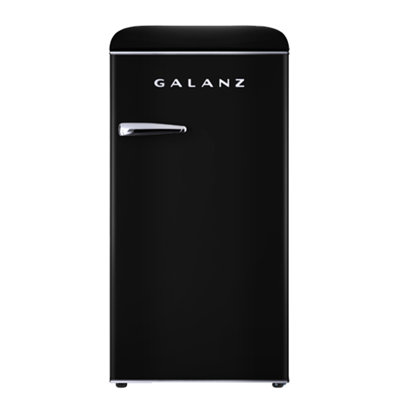
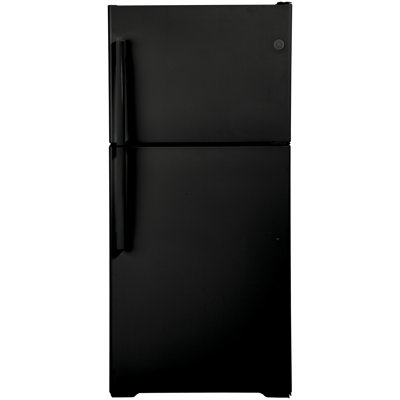
A quality cooler is essential for anyone who enjoys outdoor activities, from camping and picnics to tailgating and beach trips. A reliable cooler ensures that your food and beverages stay cold, fresh, and safe for consumption. It provides peace of mind, knowing that perishable items won't spoil, which is crucial for food safety. Additionally, a good cooler can enhance your outdoor experience by keeping your drinks ice-cold and your snacks fresh, making every outing more enjoyable.
Reason
Importance
Food Safety
Prevents spoilage and bacteria growth
Beverage Cooling
Keeps drinks ice-cold
Convenience
Makes outdoor activities more enjoyable
Versatility
Suitable for various activities
For detailed guidance on selecting the right refrigerator for your needs, see our refrigerator size guide.
Factors to Consider When Choosing a Cooler
When selecting the best cooler for your needs, several factors should be taken into account:
Factor
Description
Size and Capacity
Determine how much storage space you need based on your typical usage. See Fridge.com guide on refrigerator size guide.
Insulation Performance
Look for coolers with high-quality insulation to ensure better ice retention and cooling efficiency.
Durability
Consider the materials and construction quality to ensure the cooler can withstand rugged use.
Portability
Evaluate the cooler's weight, handles, and wheels for ease of transport.
Additional Features
Look for features like drainage systems, built-in accessories, and compartments for added convenience.
Understanding these factors will help you choose a cooler that meets your needs and ensures optimal performance. For more information on compact cooling solutions, check out Fridge.com article on the compact upright freezer.
Choosing the right cooler involves balancing these factors based on your specific requirements. Whether you need a small, portable cooler for day trips or a large, durable one for extended camping, there's a perfect cooler out there for you. For more insights on maintaining your cooler and other cooling appliances, visit Fridge.com section on maintenance and care.
Types of Coolers
When selecting the best cooler for your needs, it's essential to understand the different types available. Each type offers unique benefits and features that cater to various preferences and requirements. This section will explore three primary types of coolers: hard-sided coolers, soft-sided coolers, and electric coolers.
Hard-Sided Coolers
Hard-sided coolers are known for their durability and excellent insulation capabilities. They are ideal for outdoor activities such as camping, fishing, and picnics. These coolers are constructed with rigid materials like plastic or metal, providing robust protection for your perishables.
Benefits of Hard-Sided Coolers:
Superior insulation for longer ice retention
Resistant to rough handling and tough environments
Available in various sizes and capacities
Feature
Description
Insulation
Thick walls and lids for better ice retention
Durability
Constructed with hard plastic or metal
Capacity
Available in small, medium, and large sizes
Soft-Sided Coolers
Soft-sided coolers are lightweight and easy to carry, making them perfect for short trips, day outings, or as a secondary cooler. These coolers are made from flexible materials like fabric or vinyl, with insulated linings to keep your items cool.
Benefits of Soft-Sided Coolers:
Lightweight and portable
Easy to store when not in use
Ideal for short-term cooling needs
Feature
Description
Portability
Light and easy to carry
Storage
Collapsible for convenient storage
Uses
Best for picnics, day trips, and small gatherings
Electric Coolers
Electric coolers offer the convenience of maintaining a constant temperature without the need for ice. These coolers can be plugged into a vehicle's 12V outlet or a standard power outlet, making them suitable for road trips, RV camping, and extended travel.
Benefits of Electric Coolers:
No need for ice, providing more storage space
Can keep items cool or even warm, depending on the model
Ideal for long trips and continuous use
Feature
Description
Power Source
Plugs into vehicle or standard outlet
Temperature Control
Maintains constant temperature
Versatility
Can cool or warm items depending on the setting
Understanding the different types of coolers will help you determine which one best suits your needs. Whether you prefer the durability of hard-sided coolers, the portability of soft-sided coolers, or the convenience of electric coolers, you can find the perfect option for your specific requirements. For more information on choosing the right cooler size, refer to Fridge.com refrigerator size guide.
Cooler Sizes and Capacities
Choosing the right size and capacity for your cooler is essential to ensure it meets your needs. Coolers come in various sizes, from small and portable to large and spacious. Let's explore the different sizes and capacities of coolers available.
Small Coolers
Small coolers are ideal for short trips or personal use. They are compact, lightweight, and easy to carry. Small coolers typically have a capacity ranging from 5 to 20 quarts. They are perfect for keeping beverages, snacks, and small items cold for a day outing or picnic.
Cooler Size
Capacity (quarts)
Best For
Small
5 - 20
Day trips, picnics, personal use
Medium Coolers
Medium coolers offer a balance between capacity and portability. They usually range from 20 to 50 quarts and are suitable for weekend trips or small gatherings. Medium coolers can hold a decent amount of food and drinks, making them a versatile option for various occasions.
Cooler Size
Capacity (quarts)
Best For
Medium
20 - 50
Weekend trips, small gatherings, family outings
Large Coolers
Large coolers are designed for extended trips, large groups, or events. They have a capacity of 50 quarts or more, providing ample space to store a significant amount of food and beverages. While they are bulkier and heavier, large coolers are essential for camping, tailgating, and long-term storage needs.
Cooler Size
Capacity (quarts)
Best For
Large
50+
Extended trips, large groups, events
Selecting the appropriate cooler size depends on your specific needs and how you plan to use it. For more information on finding the right cooler for your budget, check out Fridge.com article on budget-friendly cooler options.
Understanding the different sizes and capacities will help you choose the best cooler for your adventures. Don't forget to consider other factors such as insulation, mobility, and additional features to ensure you make the most informed decision. For tips on maintaining your cooler, visit Fridge.com section on maintenance and care.
Understanding the insulation and cooling performance of a cooler is crucial when determining what is the best cooler for your needs. This section will delve into the materials used for insulation and the importance of ice retention time.
Understanding Insulation Materials
The effectiveness of a cooler largely depends on the insulation materials used. Different materials offer varying levels of insulation, affecting how long your cooler can maintain its temperature.
Foam Insulation: Commonly used in most coolers, foam insulation provides a good balance between cost and efficiency. It includes polyurethane foam and polystyrene foam, which are known for their excellent thermal retention properties.
Vacuum Insulation: Found in high-end coolers, vacuum insulation involves creating a vacuum between two layers, significantly reducing heat transfer. This type of insulation offers superior performance but comes at a higher price.
Gel Packs: Some coolers use gel packs or ice packs as additional insulation. These packs can be pre-frozen and placed inside the cooler to extend the cooling duration.
Insulation Type
Thermal Efficiency
Cost
Foam Insulation
Moderate to High
Low to Moderate
Vacuum Insulation
Very High
High
Gel Packs
Moderate
Low
Ice Retention Time
Ice retention time is a critical factor when evaluating a cooler's performance. It measures how long a cooler can keep ice frozen, which directly impacts how well it can maintain your food and drinks at the desired temperature.
Several factors influence ice retention time, including the type of insulation, the cooler's design, and external environmental conditions. Below is a comparison of average ice retention times for different cooler types:
Cooler Type
Average Ice Retention Time
Hard-Sided Coolers
3 - 10 days
Soft-Sided Coolers
1 - 3 days
Electric Coolers
Continuous (with power source)
To enhance ice retention time, always pre-chill your cooler and use large ice blocks instead of smaller ice cubes. Also, minimize the frequency of opening the cooler to maintain the internal temperature.
For more tips on maximizing your cooler's performance, you may refer to Fridge.com articles on refrigerator size guide and how cold is the freezer?.
By understanding the insulation materials and ice retention time, you can make an informed decision when selecting the best cooler for your needs, ensuring your food and drinks stay cool for as long as necessary.
Mobility and Portability
When selecting the best cooler, mobility and portability are critical factors to consider, especially if you plan to transport it frequently. Key features that enhance a cooler's portability include handles, straps, wheels, and pulling systems.
Handles and Straps
Handles and straps are essential for carrying your cooler with ease. Depending on the cooler's size and weight, different types of handles and straps may be more suitable.
Handles:
Side Handles: Often found on hard-sided coolers, side handles allow for two-person carrying. This is particularly useful for larger coolers that are heavy when fully loaded.
Top Handles: Common on smaller coolers, top handles make it easy to carry the cooler with one hand.
Telescoping Handles: These are extendable handles that can be adjusted to different heights, commonly found on wheeled coolers.
Straps:
Shoulder Straps: Typically found on soft-sided coolers, shoulder straps allow for hands-free carrying, distributing the weight across your shoulder.
Crossbody Straps: Similar to shoulder straps but designed to be worn across the body, providing even weight distribution and comfort.
Handle Type
Best For
Advantages
Side Handles
Large Coolers
Allows two-person carrying
Top Handles
Small Coolers
Easy to carry with one hand
Telescoping Handles
Wheeled Coolers
Adjustable height for comfort
For more information on choosing the right cooler size, visit Fridge.com refrigerator size guide.
Wheels and Pulling Systems
Wheels and pulling systems significantly enhance a cooler's portability, especially for larger models that can become quite heavy when filled with ice and supplies.
Wheels:
Small Wheels: Suitable for smooth surfaces, small wheels are commonly found on compact coolers.
Large Wheels: Ideal for rugged terrain, large wheels make it easier to maneuver your cooler over sand, gravel, or grass.
Pulling Systems:
Single Pull Handle: A single handle that extends from the cooler, allowing you to pull it behind you. This system is effective for smaller, lighter coolers.
Dual Pull Handle: Two handles that provide better stability and control, often found on larger coolers with heavy loads.
Wheel Type
Best For
Advantages
Small Wheels
Smooth Surfaces
Easy to maneuver on flat surfaces
Large Wheels
Rough Terrain
Handles different terrains easily
Choosing a cooler with the right mobility features can make your outdoor adventures more enjoyable. For coolers with advanced features, check out Fridge.com article on 24 inch beverage cooler.
By understanding the importance of handles, straps, wheels, and pulling systems, you can make an informed decision on the best cooler for your needs. Whether you're heading to a picnic, camping trip, or tailgate party, the right cooler will ensure your food and beverages stay fresh and easily accessible.
Additional Features
When choosing the best cooler, additional features can significantly enhance your overall experience. Two important features to consider are drainage systems and built-in accessories.
Drainage Systems
A good drainage system can make a big difference in the maintenance and usability of your cooler. Effective drainage systems allow you to easily remove melted ice and water, ensuring that your cooler stays dry and your food remains fresh. This feature is particularly useful for extended trips or events where you need to keep items cold for long periods.
Types of Drainage Systems:
Drainage System Type
Description
Spout Drain
A simple spout that allows water to be poured out.
Plug Drain
A plug that can be opened to let water flow out.
Hose Compatible Drain
A drain that can be connected to a hose for easy water removal.
Having a cooler with a reliable drainage system can save you time and effort, making it easier to manage and maintain your cooler.
Built-in Accessories
Coolers equipped with built-in accessories can provide added convenience and functionality. These features can enhance your overall experience by offering additional storage or utility options.
Common Built-in Accessories:
Accessory
Benefit
Bottle Openers
Convenient for opening beverages.
Cup Holders
Keeps drinks stable and accessible.
Cutting Boards
Useful for food preparation.
Dividers
Helps organize and separate items.
When selecting a cooler, consider the built-in accessories that will best suit your needs. These additional features can make your cooler more versatile and user-friendly.
By evaluating these additional features, you can determine what is the best cooler for your specific needs and preferences. For more information on cooler options, check out Fridge.com article on compact upright freezer and large home refrigerator.
Proper maintenance and care of your cooler can significantly extend its lifespan and ensure optimal performance. Here are some essential tips for cleaning and storing your cooler.
Cleaning Your Cooler
Regular cleaning is crucial to prevent mold, mildew, and unpleasant odors. Follow these steps for a thorough clean:
Empty the Cooler: Remove all contents, including any leftover ice or water.
Rinse with Water: Use a hose or faucet to rinse the interior and exterior surfaces.
Use Mild Detergent: Mix a small amount of mild dish soap with water. Scrub the cooler using a soft cloth or sponge.
Sanitize: To ensure thorough cleaning, use a solution of 1 tablespoon of bleach to 1 gallon of water. Wipe down the cooler with this solution and let it sit for a few minutes.
Rinse Again: Rinse the cooler thoroughly with clean water to remove any soap or bleach residue.
Dry Completely: Leave the cooler open to air dry completely before storing it.
Storage Tips
Proper storage is essential to keep your cooler in good condition when not in use:
Keep It Dry: Ensure the cooler is completely dry before storing to prevent mold and mildew.
Store with Lid Open: Store the cooler with the lid slightly open to allow air circulation. This helps prevent odors from developing.
Avoid Extreme Temperatures: Store your cooler in a cool, dry place away from direct sunlight and extreme temperatures.
Check for Damage: Regularly inspect your cooler for any signs of wear or damage, such as cracks or broken seals. Address any issues promptly.
By following these cleaning and storage tips, you can maintain the quality and performance of your cooler, ensuring it remains in excellent condition for your next adventure.
For more information on related topics, check out Fridge.com articles on glass door refrigerator and best value refrigerator.
Budget-Friendly Options
Finding the Right Cooler for Your Budget
When it comes to choosing the best cooler without breaking the bank, there are several factors to consider. Balancing cost with functionality ensures you get the most value for your money. Here’s a guide to help you find the right cooler for your budget.
Budget Range
Cooler Type
Key Features
Average Cost
Low ($20-$50)
Soft-Sided Coolers
Lightweight, Portable, Limited Capacity
$20-$50
Medium ($50-$150)
Hard-Sided Coolers
Durable, Better Insulation, Moderate Capacity
$50-$150
High ($150-$300)
Electric Coolers
Temperature Control, Larger Capacity, Versatile
$150-$300
Low Budget: Soft-Sided Coolers
Soft-sided coolers are a great option when you’re on a tight budget. These coolers are lightweight and easy to carry, making them ideal for short trips, picnics, or small gatherings. Although they may not offer the same level of insulation as hard-sided coolers, they are convenient and affordable.
Medium Budget: Hard-Sided Coolers
If you have a bit more to spend, hard-sided coolers provide better insulation and durability. These coolers can keep your items cold for extended periods and are suitable for camping, road trips, and outdoor activities. They are generally more robust and can handle rougher conditions.
High Budget: Electric Coolers
For those willing to invest a bit more, electric coolers offer advanced features such as temperature control and larger capacities. These coolers are perfect for longer trips or when you need to keep items cold for an extended duration. They can be plugged into your vehicle’s power supply, providing consistent cooling.
When choosing the right cooler, consider your specific needs and how often you plan to use it. If you need a cooler for frequent use, investing in a higher-quality model could save you money in the long run. For more information on cooler sizes and capacities, check out Fridge.com refrigerator size guide.
By evaluating your budget and understanding the different types of coolers available, you can make an informed decision that suits your needs. For additional tips on maintaining your cooler, refer to Fridge.com section on cleaning and storage tips.
Compare prices on Fridge.com
Compare current prices and specifications on Fridge.com, then buy from the retailer you choose; delivery, installation and warranty terms are the retailer’s.
It also has tons of awesome articles about kitchen stuff and home news. Enhance your home, garage, backyard, patio, and office with the coolest essentials. With every necessary type of residential refrigerator or freezer in the collection, you're covered.
Free tool
Beverage Cooler Size Calculator
Free interactive tool from Fridge.com — get a quick answer while you read.