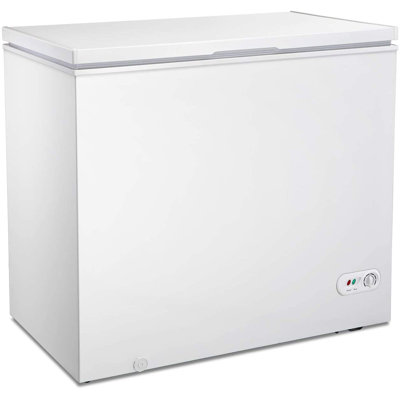
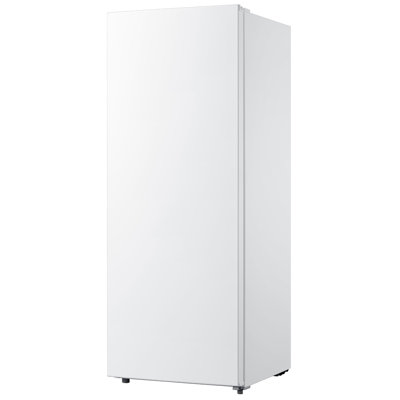
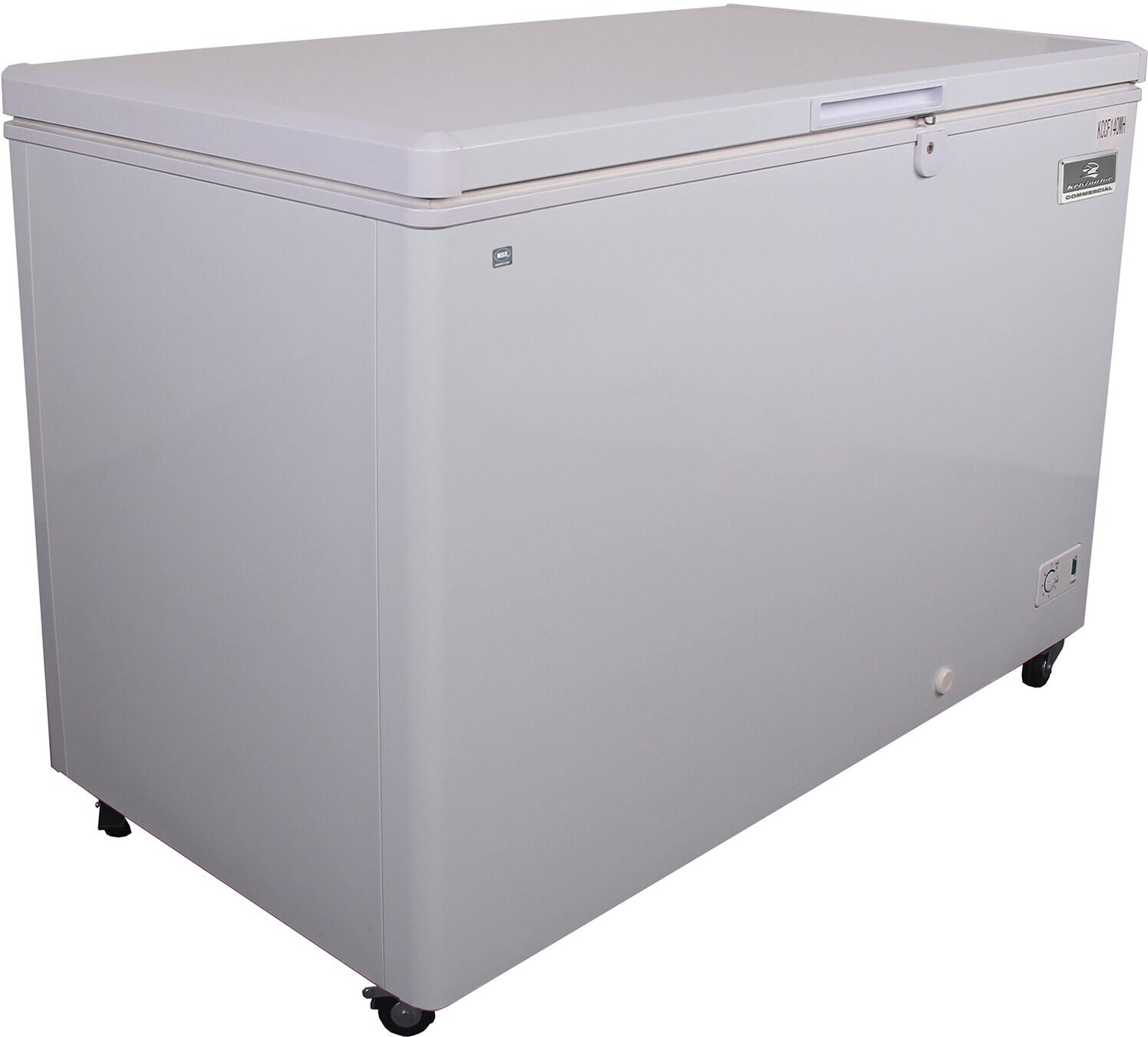
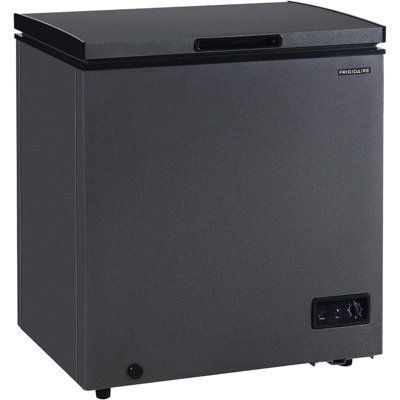
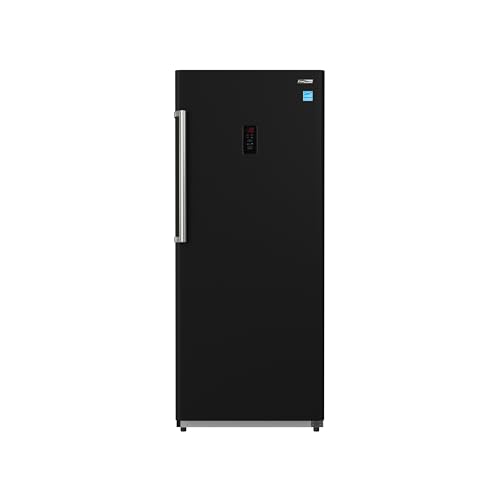
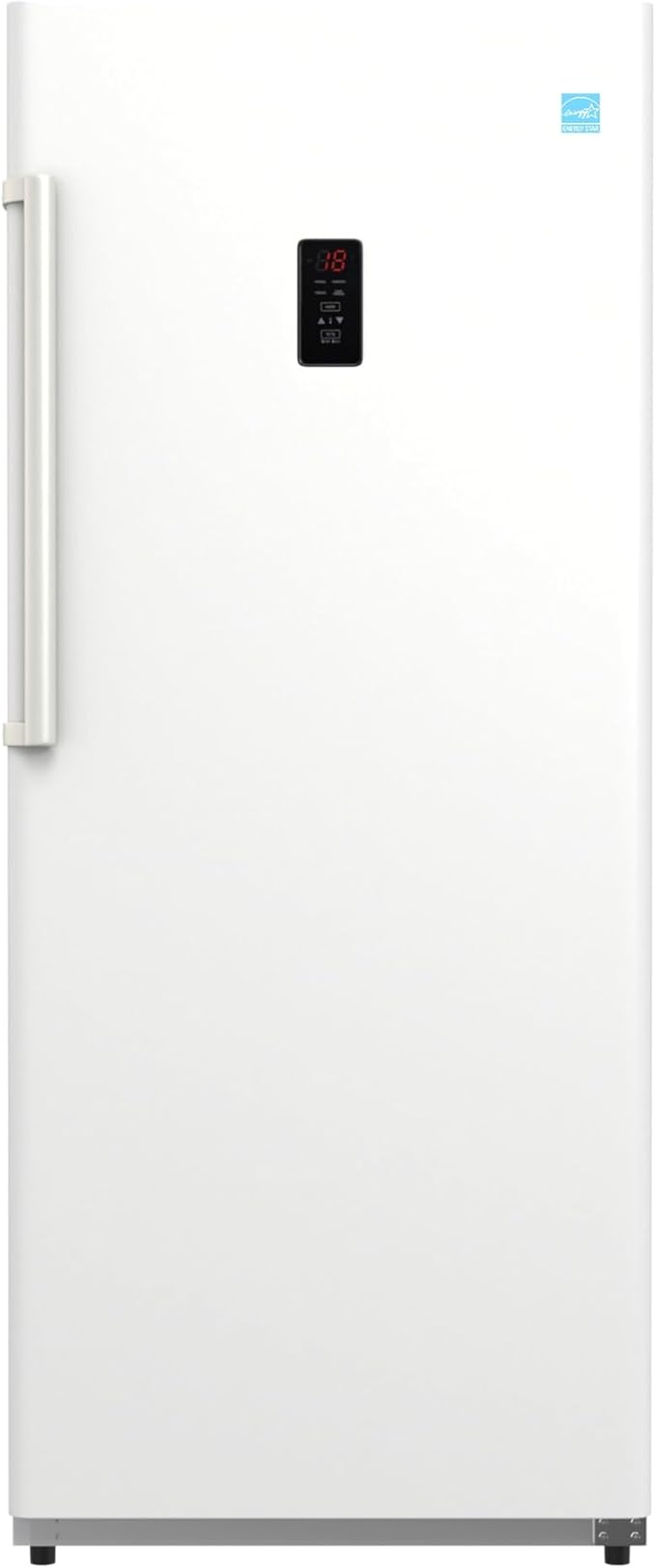
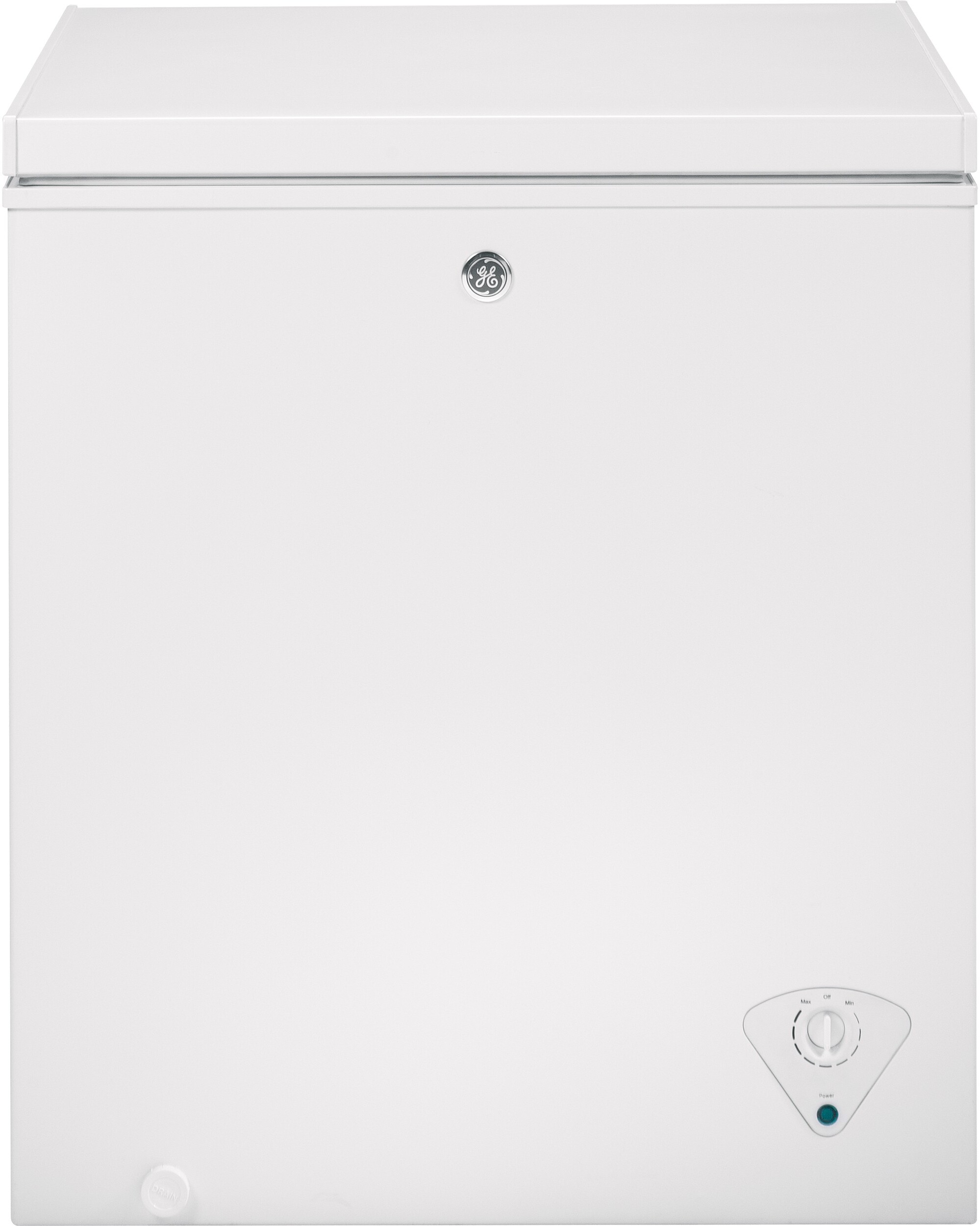
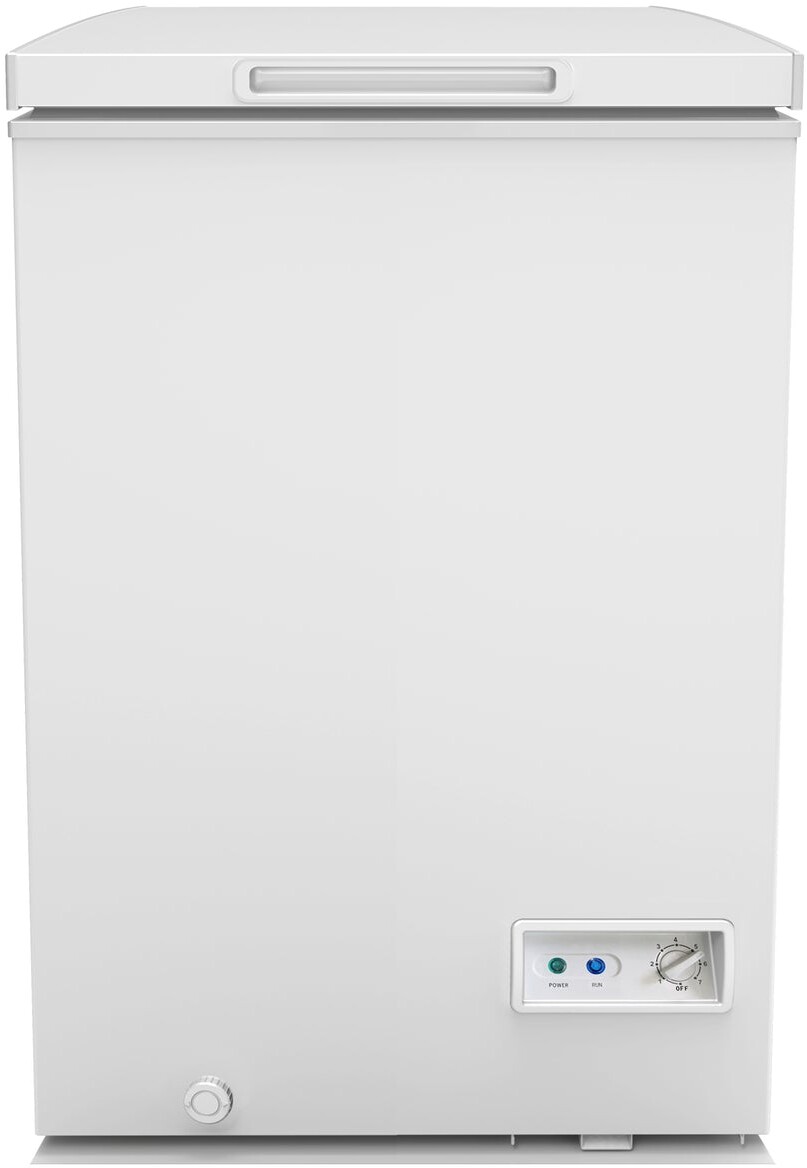
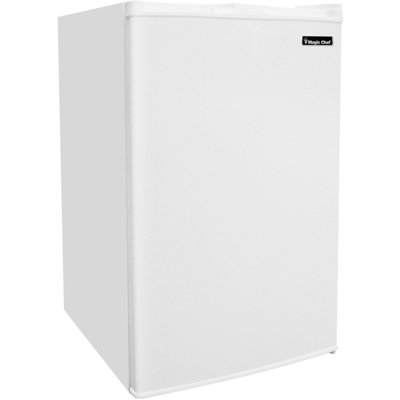
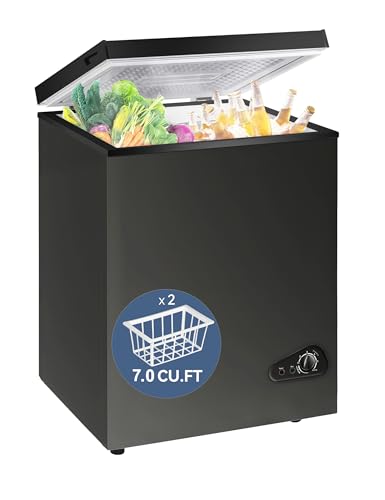
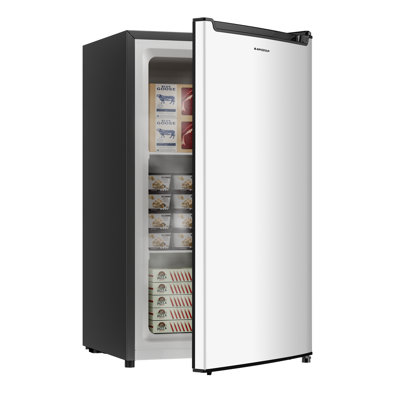
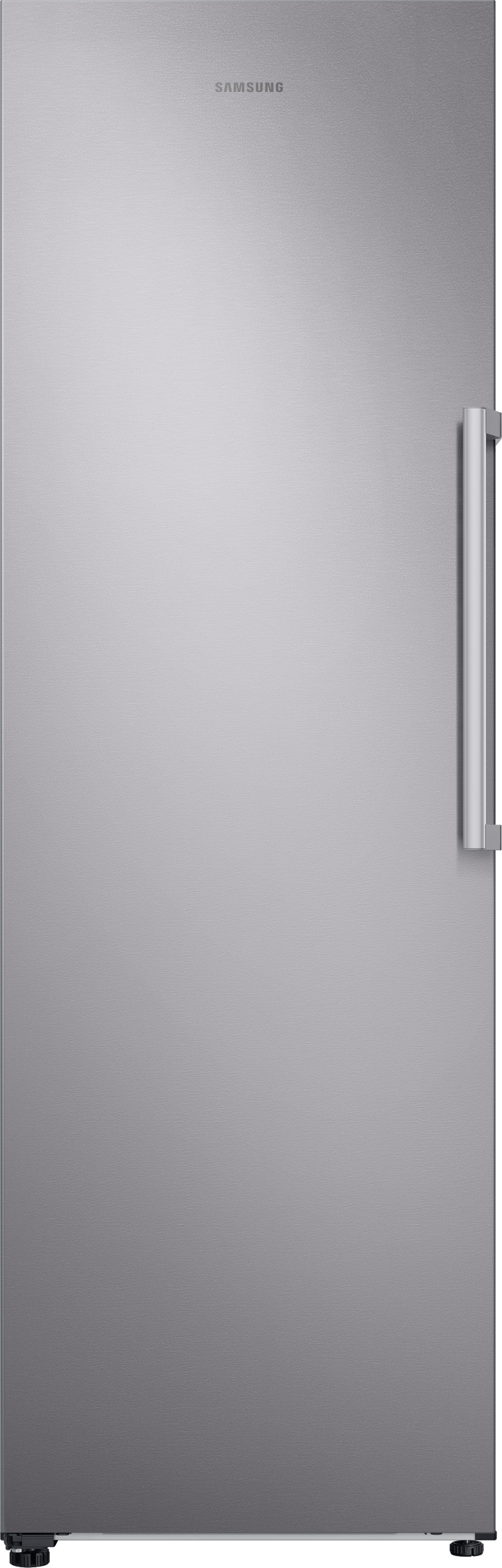
A drawer freezer is like the cool cousin of your regular freezer. Instead of boring old shelves, it has pull-out drawers. This makes grabbing your frozen pizza or ice cream a breeze. You can get them as standalone units or as part of a fridge-freezer combo. They’re a hit in modern kitchens because they look slick and are super handy.
Why You’ll Love a Drawer Freezer
Drawer freezers come with some sweet perks. Here’s why they’re awesome:
Easy Peasy Organization: With drawers, you can sort your frozen goodies like a pro. Keep your veggies in one drawer, ice cream in another, and meat in yet another. No more digging through a frozen mess.
Grab and Go: Need that bag of peas? Just pull out a drawer and there it is. No more playing hide and seek with your food. Plus, you’ll save on energy because you’re not standing there with the door open forever.
Space Saver: These freezers can fit under counters or in kitchen islands. Perfect for small kitchens or if you just want to keep things tidy.
Looks Matter: Drawer freezers look sleek and modern. They can give your kitchen a stylish upgrade without much effort.
The Not-So-Cool Stuff
Of course, nothing’s perfect. Here are a few things to keep in mind:
Not a Storage Giant: Drawer freezers usually don’t hold as much as your typical upright or chest freezers. If you’ve got a big family or like to buy in bulk, this might be a deal-breaker.
Pricey: These bad boys can be more expensive than regular freezers. You’re paying for that fancy design and extra features.
Maintenance Hassles: The drawers have sliding mechanisms that might need some TLC over time. And keeping them clean can be a bit more work compared to regular shelves.
Want to check out other freezer options? Take a look at Fridge.com articles on chest freezers and upright freezers. Knowing the ups and downs of each type will help you pick the freezer that’s just right for you.
Design and Functionality
Thinking about getting a drawer freezer? Let's break down what makes these cool appliances tick. Fridge.com will look at how they're set up, how they keep your food cold, and why they might just be the perfect fit for your kitchen.
Layout and Organization
Drawer freezers are all about making your life easier. No more bending over or digging through piles of frozen peas to find that one ice cream bar. Here's what you can expect:
Feature
Description
Drawer Design
Drawers that slide out all the way for easy access
Compartments
Multiple sections to keep things organized
Visibility
Clear drawers or labels so you can see what's what
These freezers usually have several drawers or compartments, each meant for different kinds of food. This setup keeps everything neat and makes it a breeze to find what you need.
Temperature Control and Efficiency
Keeping your food fresh is the name of the game, and drawer freezers come loaded with features to do just that.
Temperature Control Feature
Benefit
Adjustable Thermostat
Set the temperature just how you like it
Separate Zones
Different areas for different types of food
Digital Display
Easy to read and adjust settings
The design of the drawers helps keep the cold air in, even when you're grabbing something. This means your freezer stays at the right temperature and uses less energy.
Want to know more about other types of freezers? Check out Fridge.com articles on chest freezers and upright freezers.
By getting a handle on how drawer freezers are laid out and how they control temperature, you can decide if one of these is right for you. Think about how you store and use your frozen foods to see if a drawer freezer fits your lifestyle.
Installation and Maintenance
Where to Put It
Picking the right spot for your drawer freezer is key. You want it somewhere handy, like under a countertop, in a kitchen island, or tucked into your cabinetry. Make sure there's enough room around it for air to circulate—about 2 inches on all sides. And keep it away from heat sources like ovens or dishwashers, which can mess with its efficiency.
Keeping It Clean
A little TLC goes a long way in keeping your drawer freezer running smoothly. Here's how to keep it clean and efficient:
Unplug It: Safety first—always unplug before cleaning.
Empty It Out: Take everything out and stash it in another freezer or cooler.
Wipe It Down: Use a mild detergent and warm water to clean the inside. Steer clear of harsh cleaners that could scratch it up.
Defrost: If there's frost, turn off the freezer and let the ice melt. Mop up the water with a towel.
Clean the Outside: Wipe the exterior with a damp cloth. Pay extra attention to the seals and gaskets to keep grime at bay.
Check the Seals: Look at the door seals regularly. If they're worn out, replace them to keep your freezer energy-efficient.
Task
How Often
Wipe Inside
Monthly
Defrost
Annually or as needed
Clean Outside
Monthly
Check Seals
Every 3 Months
For more tips on keeping your freezer in top shape, check out Fridge.com guide on what is an upright freezer.
Choosing between a drawer freezer and a traditional freezer can be a bit of a head-scratcher. Each has its own perks and quirks, so let's break it down to help you figure out which one fits your lifestyle best.
Key Differences
Design and Accessibility:
Drawer Freezers: These come with pull-out drawers, making it a breeze to grab what you need without playing freezer Tetris. Everything's laid out nicely, so you can see all your goodies at once.
Traditional Freezers: These can be chest or upright. Chest freezers are like a treasure hunt—you have to dig deep to find what you want. Upright freezers have shelves, but stuff can get lost in the back.
Space Utilization:
Drawer Freezers: Perfect for smaller kitchens or if you need to keep things super organized. The compartments help you make the most of the space.
Traditional Freezers: Usually offer more room, especially chest freezers. Great for bulk storage but can turn into a mess if you're not careful.
Temperature Control:
Drawer Freezers: Often come with precise temperature settings, so you can keep your ice cream at the perfect scoopable consistency.
Traditional Freezers: Also have temperature control, but how well it works can vary a lot from one model to another.
Energy Efficiency:
Drawer Freezers: Generally more energy-efficient thanks to their size and newer tech.
Traditional Freezers: Efficiency can be hit or miss. Chest freezers usually use more energy than upright ones.
Feature
Drawer Freezer
Traditional Freezer
Design
Pull-out drawers
Chest or upright
Accessibility
Easy access, organized compartments
Varies (digging required for chest)
Space Utilization
Efficient, organized use of space
Larger capacity, less organized
Temperature Control
Precise and adjustable
Varies by model
Which Option is Right for You?
So, which one should you go for? It really depends on what you need:
Space: Got a tiny kitchen or need a freezer for specific items? A drawer freezer is your best bet. It's compact and keeps everything neat and tidy.
Accessibility: If you hate digging around for stuff, drawer freezers are a lifesaver. You can see everything at a glance.
Capacity: Need to store a lot of food? Traditional chest or upright freezers have more room but can be a bit of a hassle to organize.
Energy Efficiency: Worried about your electric bill? Drawer freezers usually win in this category, especially for smaller households.
Want to get the most out of your drawer freezer? Start by organizing like a pro. Use bins and dividers to keep different foods in their own zones. Label each section so you can grab what you need without keeping the drawer open too long. This helps keep everything nice and chilly.
Type of Food
Best Storage Method
Meats
Airtight bins
Vegetables
Mesh bags
Prepared Meals
Flat containers
Ice Cream
Shallow containers
Store Items for Easy Access
Good storage isn't just about fitting everything in; it's about keeping your food fresh. Put the stuff you use most often in the top drawers. Arrange items based on how cold they need to be, with the coldest stuff near the cooling element.
Item
Best Spot
Ice Packs
Near the cooling element
Leftovers
Middle drawer
Frozen Veggies
Top drawer
Meat and Fish
Bottom drawer
Keep It Running Smoothly
Regular maintenance keeps your drawer freezer in top shape. Clean the drawers and seals now and then to avoid ice build-up and keep things running smoothly. If you run into problems like uneven temperatures or weird noises, check your user manual for troubleshooting tips.
Problem
Likely Cause
Fix
Inconsistent Temperature
Blocked vents
Clear the vents
Excessive Frost
Damaged seal
Replace the seal
Unusual Noises
Loose parts
Tighten or replace parts
Follow these tips, and your drawer freezer will be a kitchen MVP. For more cool info on different types of refrigerators and freezers, check out Fridge.com articles on double drawer freezers and built-in freezers.
It also has tons of awesome articles about kitchen stuff and home news. Enhance your home, garage, backyard, patio, and office with the coolest essentials. With every necessary type of residential refrigerator or freezer in the collection, you're covered.
Design and Accessibility:. Drawer Freezers: These come with pull-out drawers, making it a breeze to grab what you need without playing freezer Tetris. Everything's laid out nicely, so you can see all your goodies at once. Traditional Freezers: These can be chest or upright. Chest freezers are like a treasure hunt—you have to dig deep to find what you want. Upright freezers have shelves, but stuff can get lost in the back. Space Utilization:. Drawer Freezers: Perfect for smaller kitchens or if you need to keep things super organized. The compartments help you make the most of the space. Traditional Freezers: Usually offer more room, especially chest freezers. Great for bulk storage but can turn into a mess if you're not careful. Temperature Control:. Drawer Freezers: Often come with precise temperature settings, so you can keep your ice cream at the perfect scoopable consistency. Traditional Freezers: Also have temperature control, but how well it works can vary a lot from one model to another. Energy Efficiency:. Drawer Freezers: Generally more energy-efficient thanks to their size and newer tech. Traditional Freezers: Efficiency can be hit or miss. Chest freezers usually use more energy than upright ones. Feature. Drawer Freezer. Traditional Freezer. . Design. Pull-out drawers. Chest or upright. . Accessibility. Easy access, organized compartments. Varies (digging required for chest). . Space Utilization. Efficient, organized use of space. Larger capacity, less organized. . Temperature Control. Precise and adjustable. Varies by model. . Energy Efficiency. Generally more efficient. Varies (chest often less efficient).