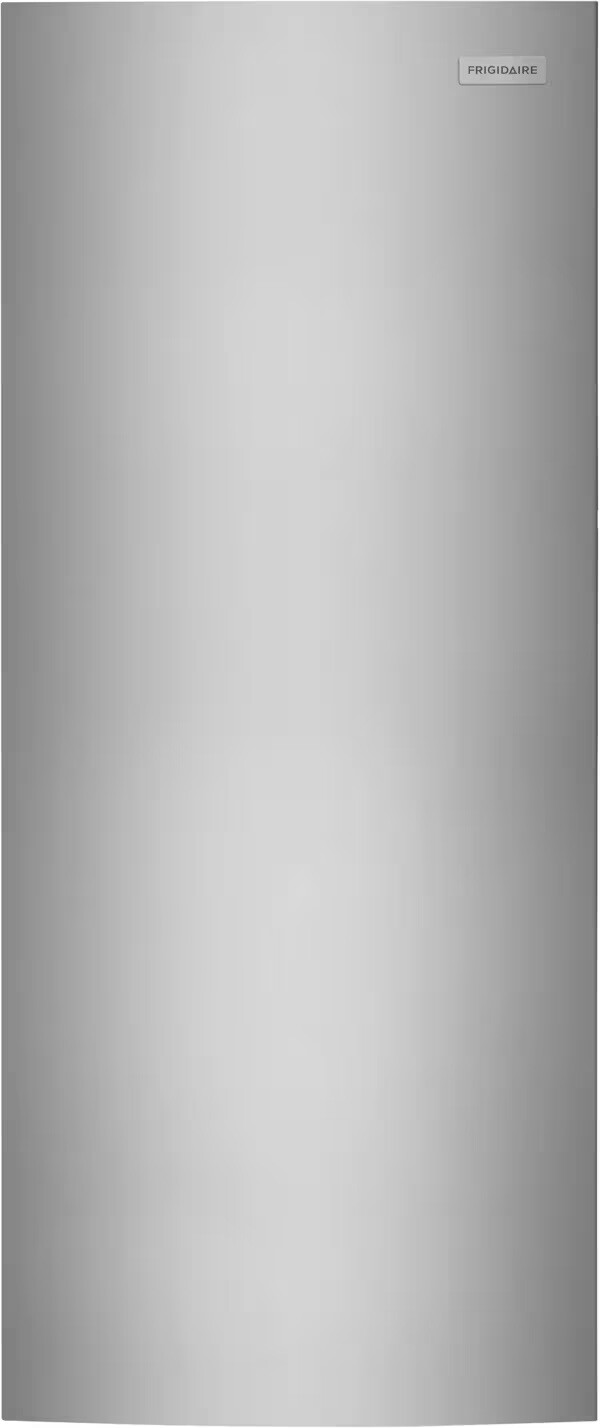
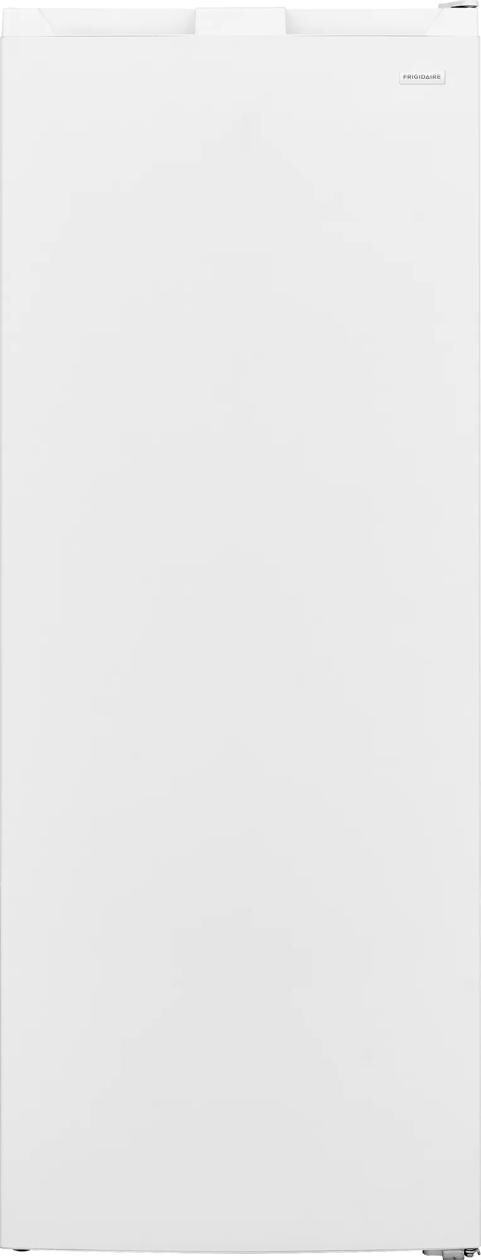
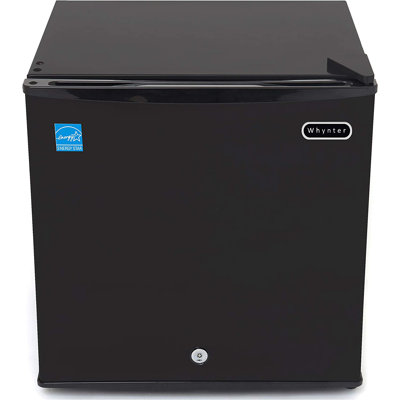
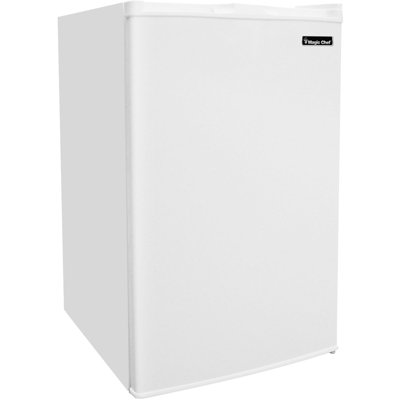
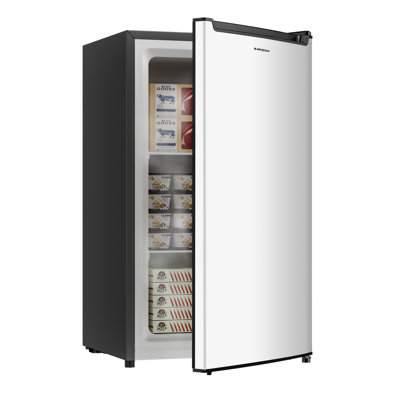
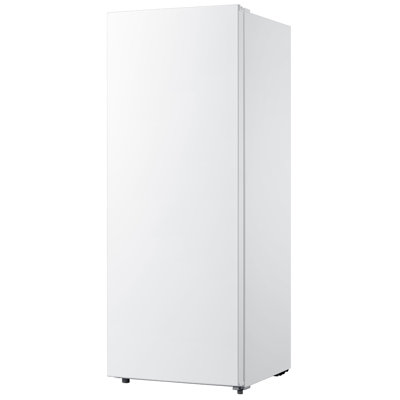
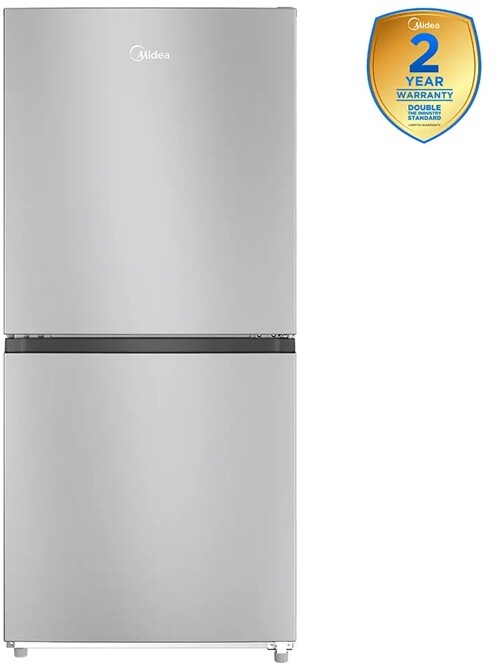
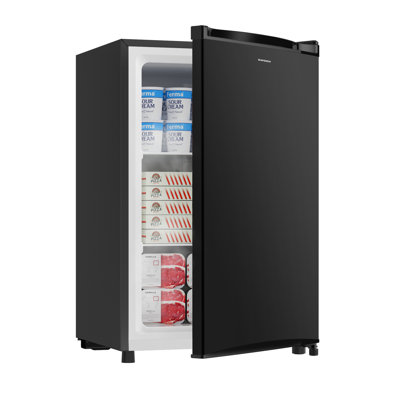
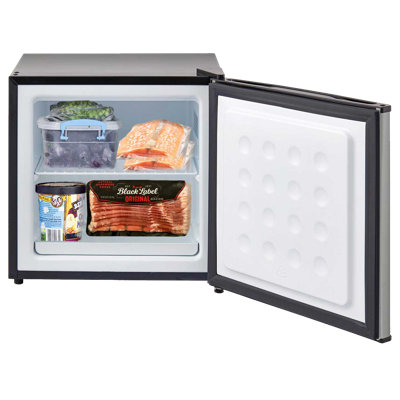
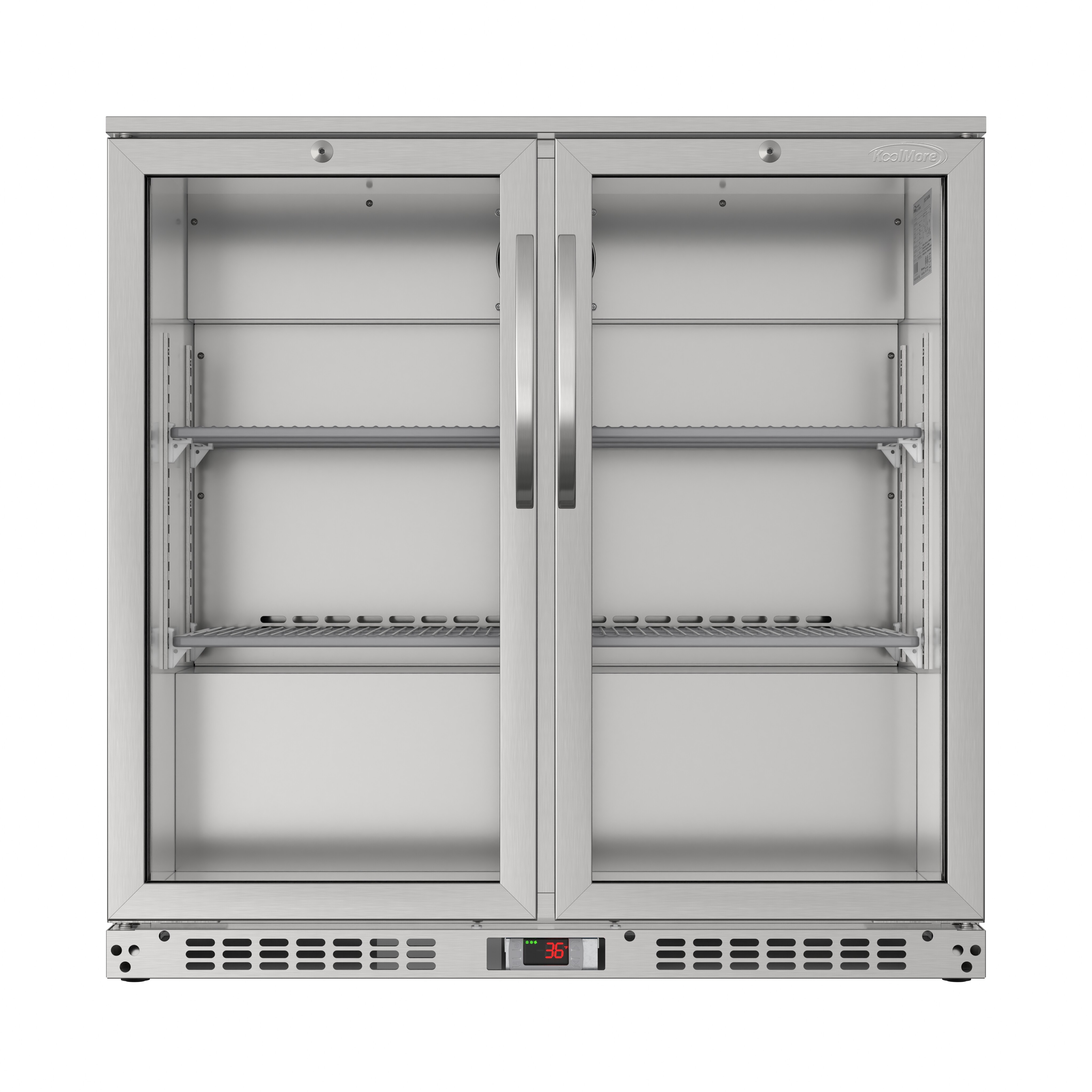
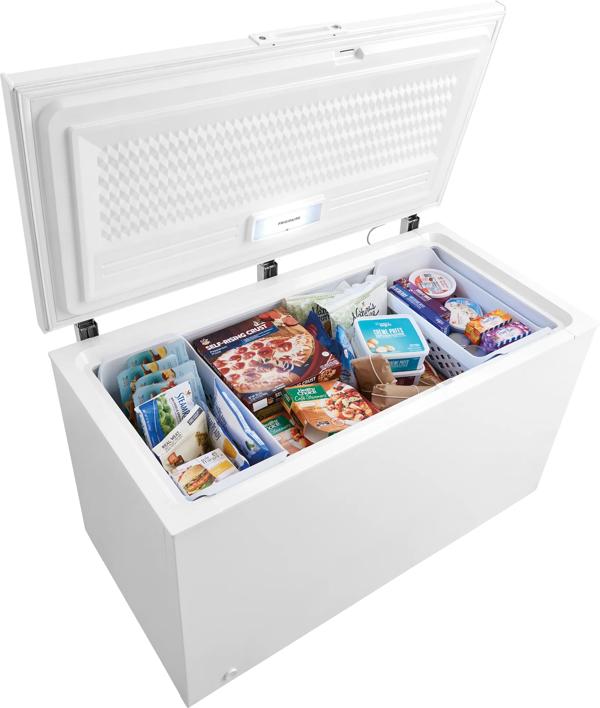
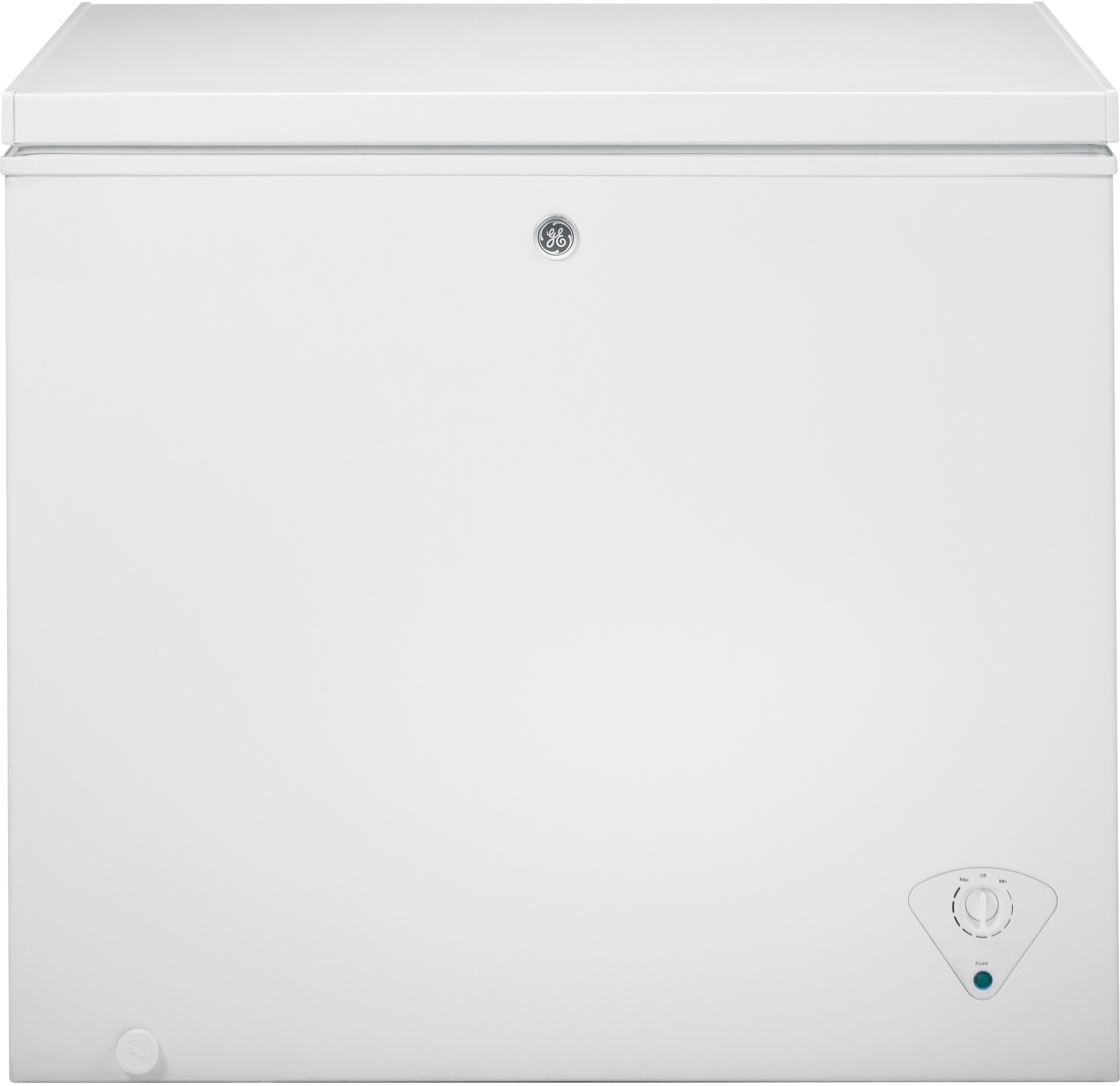
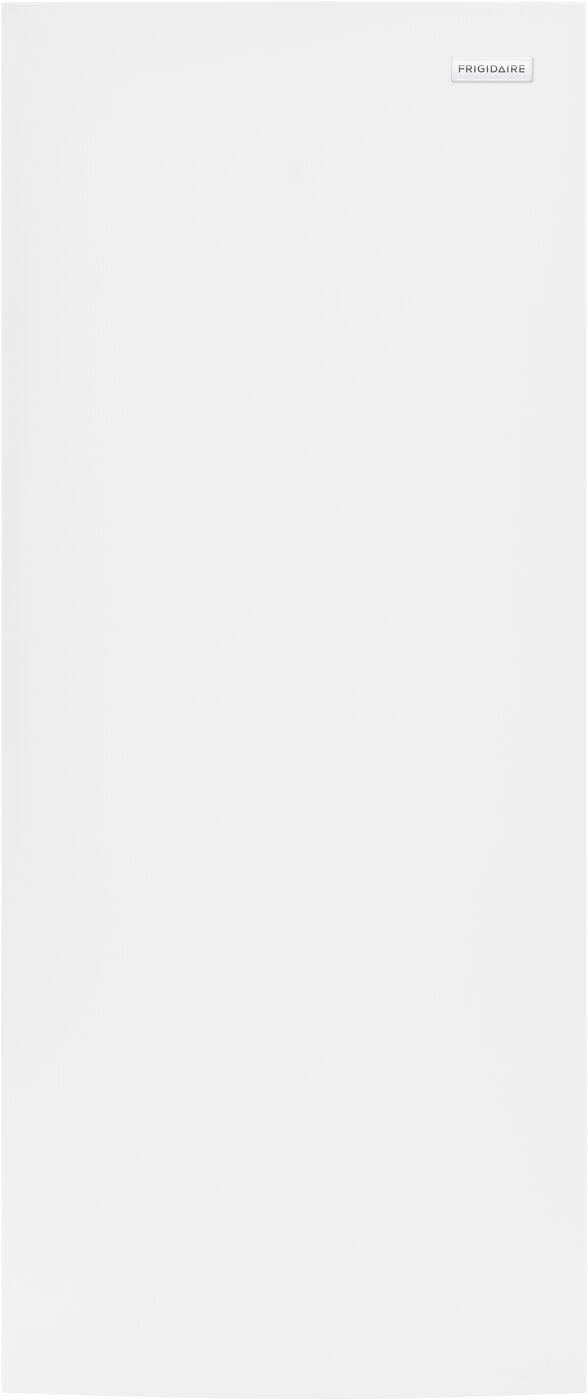
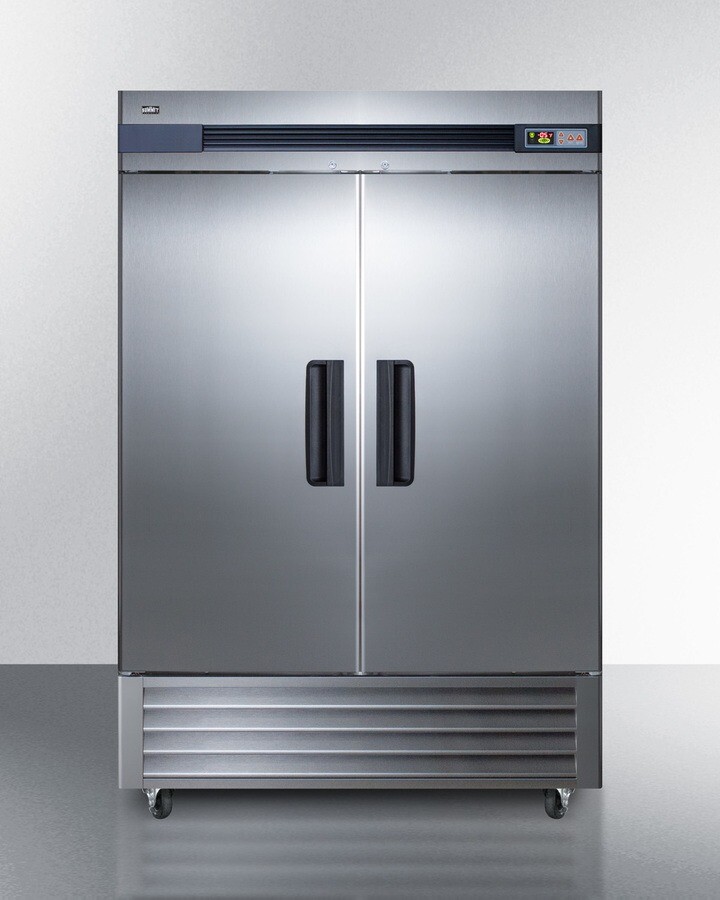
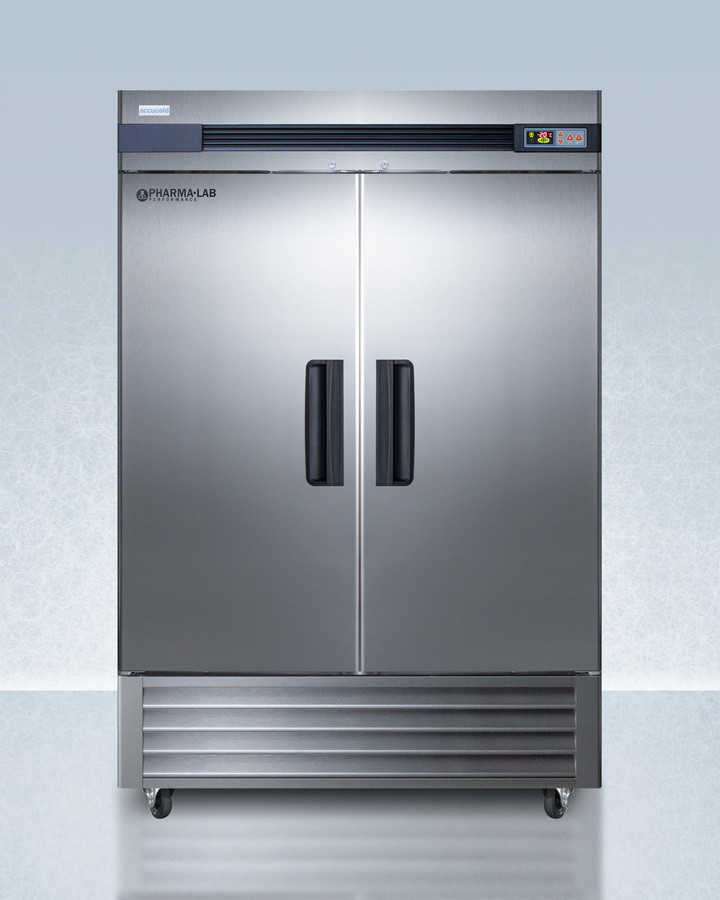
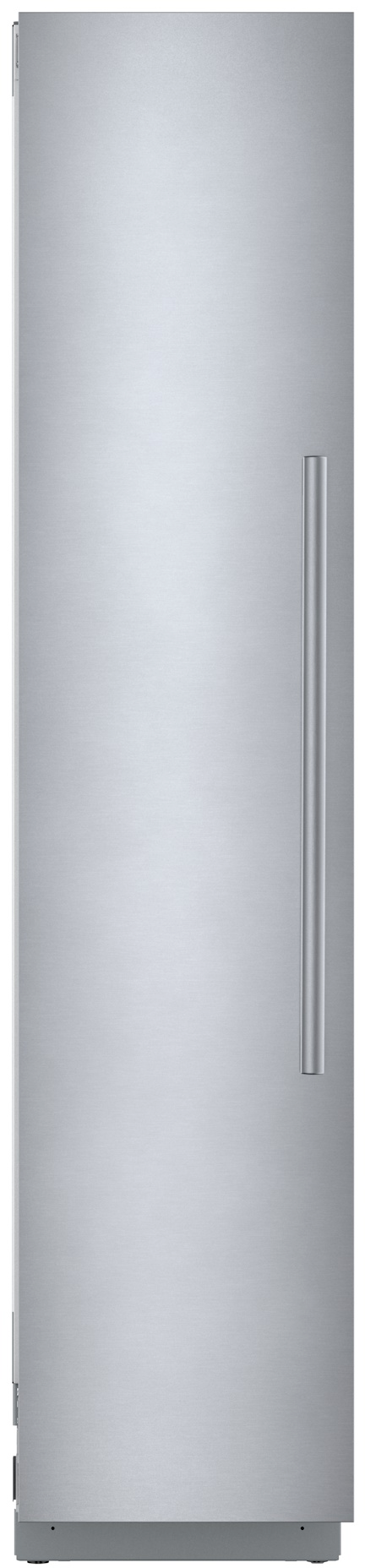
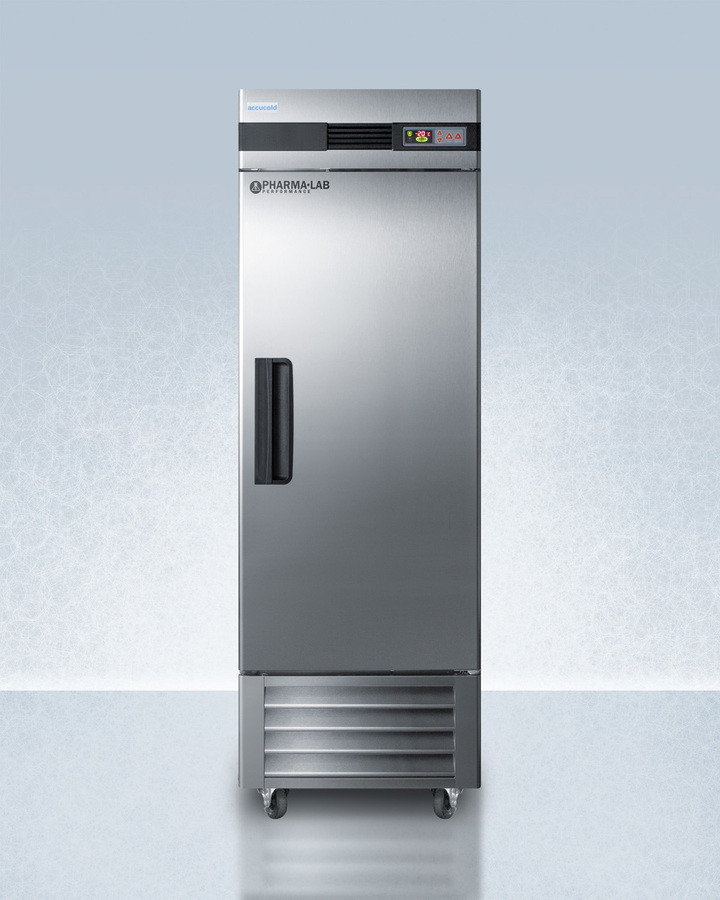
When selecting the best upright freezer for your needs, it's important to understand the different types available.
Space Efficiency: Upright freezers take up less floor space compared to chest freezers, making them ideal for areas with limited space, such as kitchens, garages, or basements.
Ideal for bulk items and easy access.
Turn Off and Unplug: Always turn off and unplug the freezer before starting the cleaning process.
Upright freezers are a popular choice for many households due to their unique features and benefits. Understanding what makes these freezers distinct and the advantages they offer can help you determine if an upright freezer is the right fit for your needs.
What Makes Upright Freezers Unique
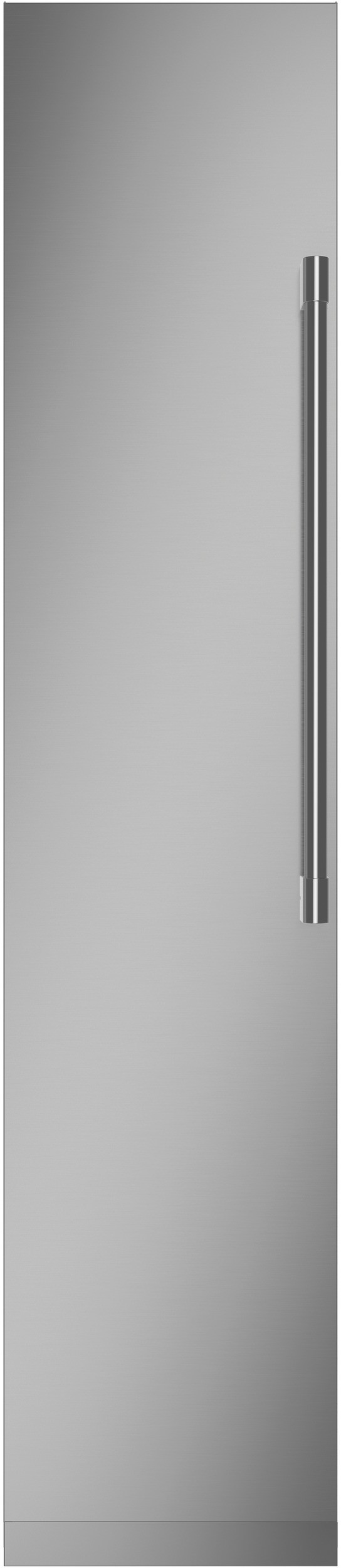
Upright freezers are designed to stand vertically, similar to a refrigerator. This design makes them a convenient option for those who need to maximize their storage space. They come with various features that set them apart from other types of freezers:
Vertical Storage: The vertical design allows for easy access to stored items, reducing the need to dig through layers of frozen goods.
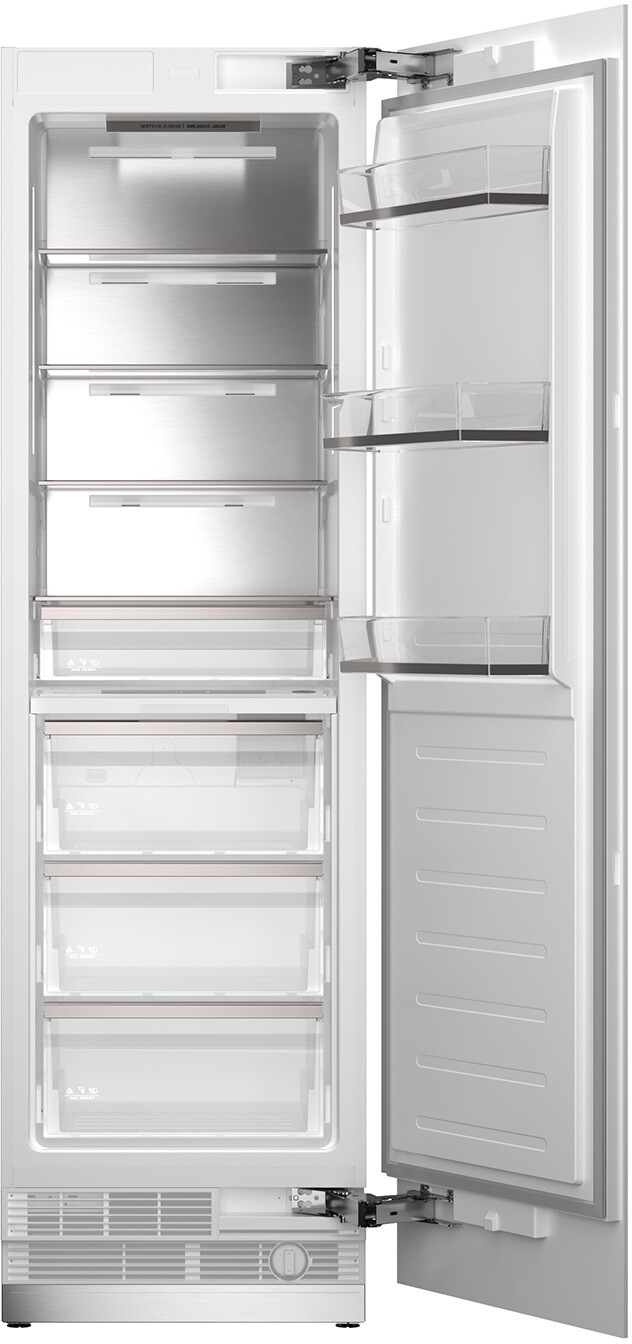
Adjustable Shelves: Many upright freezers come with adjustable shelves, making it easier to organize and access your food items.
Door Storage: Some models include door storage compartments, adding extra space for smaller items.
Temperature Control: Upright freezers often feature temperature control settings, allowing you to maintain optimal conditions for your frozen goods.
Benefits of Choosing an Upright Freezer
There are several advantages to choosing an upright freezer, making them a valuable addition to various living spaces, from apartments to large homes.
Space Efficiency: Upright freezers take up less floor space compared to chest freezers, making them ideal for areas with limited space, such as kitchens, garages, or basements. For more information on placing freezers in different locations, visit Fridge.com articles on can freezers be kept in the garage and can you put an upright freezer outside.
Organization: The vertical design and adjustable shelves allow for better organization of frozen goods. This can help reduce food waste by making it easier to find and access items.
Ease of Access: Unlike chest freezers, which require you to reach down to retrieve items, upright freezers provide easy access to all shelves, reducing strain and making it simpler to manage your inventory.
Energy Efficiency: Many modern upright freezers are designed with energy efficiency in mind, helping to reduce electricity consumption and save on utility bills. For insights on energy usage, check out Fridge.com article on how much electricity does an old freezer use.
By understanding the unique features and benefits of upright freezers, you can make an informed decision about whether this type of freezer suits your needs. For more detailed information on the different types of upright freezers and their features, continue exploring Fridge.com comprehensive guide.
When selecting the best upright freezer, several key factors need consideration to ensure it meets your needs. These include capacity and size, energy efficiency, and organization and storage features.
Capacity and Size
Capacity and size are crucial when choosing an upright freezer. The capacity is typically measured in cubic feet, and it determines how much food the freezer can store. It's essential to select a size that fits your storage needs and available space.
Energy efficiency is another vital factor. An energy-efficient freezer not only reduces your electricity bill but also minimizes environmental impact. Look for freezers with the ENERGY STAR® label, which indicates that they meet energy efficiency guidelines set by the U.S. Environmental Protection Agency.
Organization and storage features are essential for maximizing the usability of your freezer. Consider adjustable shelves, door bins, and storage baskets that can help organize food items efficiently.
Feature
Description
Adjustable Shelves
Customize the storage space according to your needs
Door Bins
Utilize door space for smaller items
Storage Baskets
Ideal for bulk items and easy access
LED Lighting
Enhances visibility inside the freezer
For more details on storage solutions, check out Fridge.com article on vertical freezers.
Selecting the right upright freezer involves balancing capacity, energy efficiency, and storage features to meet your specific needs. This ensures that your investment in an upright freezer pays off in terms of convenience, cost savings, and functionality.
Types of Upright Freezers
When selecting the best upright freezer for your needs, it's important to understand the different types available. This section explores the differences between manual defrost and frost-free freezers, as well as standalone and built-in freezers.
Manual Defrost Vs. Frost-Free Freezers
Manual defrost and frost-free freezers have distinct differences in their maintenance and performance.
Manual Defrost Freezers:
Require periodic defrosting to remove ice buildup.
Typically more energy-efficient due to the absence of a defrost cycle.
Tend to have a lower initial cost.
Frost-Free Freezers:
Automatically defrost to prevent ice buildup.
Require less maintenance, which is convenient for busy households.
Understanding these distinctions can help you make an informed decision when choosing the best upright freezer for your home. Whether you prioritize energy efficiency, ease of maintenance, or seamless integration with your kitchen, there is an upright freezer to meet your needs.
When selecting the best upright freezer, understanding the key features can help make an informed decision. Here are some essential features to consider:
Temperature Controls
Temperature control is a critical feature for any upright freezer. It allows users to set and maintain the optimal temperature for food storage. Some models come with digital controls for precise adjustments, while others use dial controls.
Control Type
Precision
Ease of Use
Digital Controls
High
Easy
Dial Controls
Moderate
Moderate
Having accurate temperature controls ensures that the freezer operates efficiently and keeps food at the right temperature, reducing the risk of spoilage. For more insights on freezer efficiency, check out Fridge.com article on how can I make my freezer more efficient.
Door Configuration
Upright freezers come with different door configurations, each offering unique benefits. The most common configurations include single door and double door setups.
Door Type
Benefits
Ideal For
Single Door
Simplifies access
Small to medium households
Double Door
Provides separate compartments
Larger households or frequent use
The door design can affect the convenience and accessibility of the freezer. Double door freezers, for instance, may offer better organization but can take up more space. Learn more about the impact of freezer placement in Fridge.com article on can you put a freezer in the garage.
Interior Layout and Shelves
The interior layout and shelving options can significantly influence the usability of an upright freezer. Look for models with adjustable shelves, storage bins, and door racks to maximize space and improve organization.
Feature
Description
Benefits
Adjustable Shelves
Movable shelves
Customizable storage
Storage Bins
Removable bins
Easy access and organization
Door Racks
Built-in racks on the door
Additional storage options
Effective organization features help keep food items easily accessible and well-organized. To understand the difference between various freezer types and their layouts, check out Fridge.com article on are chest freezers better than upright.
By focusing on these key features, users can find the best upright freezer that suits their specific needs and preferences. For related topics and more detailed information, explore Fridge.com additional resources on freezer care and maintenance.
Proper maintenance and care are essential for ensuring the longevity and efficiency of your upright freezer. Regular cleaning and troubleshooting common issues can help keep your freezer in optimal condition.
Cleaning and Defrosting
Cleaning and defrosting are crucial steps in maintaining your upright freezer. Over time, frost can build up inside the freezer, affecting its performance and energy efficiency. Here's a simple guide on how to clean and defrost your freezer:
Turn Off and Unplug: Always turn off and unplug the freezer before starting the cleaning process.
Remove Contents: Take out all the food items and place them in a cooler or another freezer to keep them cold.
Defrost: If your freezer is not frost-free, allow the ice to melt naturally or use a bowl of hot water to speed up the process. Do not use sharp objects to remove ice, as they can damage the interior.
Clean Interior: Once defrosted, clean the interior with a mixture of warm water and mild detergent. Use a soft cloth or sponge to wipe down all surfaces.
Dry Thoroughly: Ensure the interior is completely dry before plugging the freezer back in to prevent ice buildup.
Replace Contents: Put the food items back in the freezer once it has reached the desired temperature.
Even with regular maintenance, you might encounter common issues with your upright freezer. Here are some typical problems and their solutions:
Freezer Not Cooling: Check if the freezer is properly plugged in and the power outlet is functional. Ensure the temperature settings are correct. If the issue persists, inspect the condenser coils for dirt and clean them if necessary.
Excessive Frost Buildup: Ensure the door seals are intact and the door is closing properly. Check for any gaps or damage in the gasket that might be allowing warm air to enter.
Strange Noises: Unusual noises may indicate a problem with the compressor or the fan. Ensure the freezer is on a level surface and not touching any walls or furniture. If the noise continues, contact a professional technician.
Water Leakage: Check the defrost drain for any blockages. If the drain is clogged, clean it to allow proper water drainage.
Issue
Possible Solution
Freezer Not Cooling
Check power, temperature settings, and clean condenser coils
Excessive Frost Buildup
Inspect door seals and gasket
Strange Noises
Ensure level surface and check for obstructions
Water Leakage
Clear defrost drain
By addressing these common issues promptly, you can maintain the efficiency and longevity of your upright freezer. For more information on freezer maintenance, visit Fridge.com article on can you put a freezer in the garage.
Regular maintenance and care are key to keeping your upright freezer in top condition. Whether it's cleaning, defrosting, or troubleshooting, following these steps will ensure your freezer remains efficient and reliable for years to come.
Compare upright freezer prices on Fridge.com
Compare current prices and specifications on Fridge.com, then buy from the retailer you choose; delivery, installation and warranty terms are the retailer’s.
It also has tons of awesome articles about kitchen stuff and home news. Enhance your home, garage, backyard, patio, and office with the coolest essentials. With every necessary type of residential refrigerator or freezer in the collection, you're covered.
From Fridge.com research
Figures below come from data Fridge.com builds and maintains. Each links to the record behind it.
Fridge.com Energy Index, built on U.S. EPA and DOE ENERGY STAR records
Across 5,455 ENERGY STAR certified refrigerators and freezers from 263 brands, median use is 360 kWh per year.