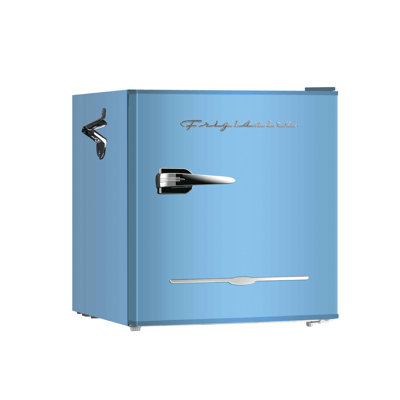
These typically range from 24 to 28 inches in height, 18 to 24 inches in width, and 20 to 24 inches in depth.
They are usually 24 to 30 inches deep.
For example, a 24.5 cu ft French door refrigerator offers ample space for large families, while a small energy efficient refrigerator may suffice for singles or couples.
Make sure to allow extra space on either side for ventilation.
Understanding the standard dimensions of refrigerators is crucial when selecting the right appliance for your space. Knowing these dimensions ensures that the fridge fits perfectly in the designated area, avoiding potential issues such as blocked pathways or inadequate ventilation. Standard fridge dimensions also help in making informed purchasing decisions by comparing different models and types.
How to Measure Fridge Space in Your Home
Accurate measurement of the available space in your home is essential for choosing the right refrigerator. Follow these steps to measure the space correctly:
Measure the Width: Measure the width of the space where the fridge will be placed. Make sure to allow extra space on either side for ventilation.
Measure the Height: Measure the height from the floor to the bottom of any overhead cabinets or other obstructions.
Measure the Depth: Measure the depth from the back wall to the front edge of the counter or cabinets. Consider the door swing clearance and any handles that may extend beyond the main body of the fridge.
Consider Door Swing Clearance: Ensure there is enough space for the doors to open fully without hitting walls or other appliances.
Account for Ventilation Space: Leave additional space at the back and top of the fridge for proper ventilation.
These measurements will help ensure that the fridge fits comfortably in your space while allowing for adequate airflow and ease of use. For those considering compact or custom fridge options, refer to Fridge.com article on small energy efficient refrigerator for additional insights.
Knowing the standard dimensions of refrigerators is essential for selecting the right appliance for your home. This section covers the typical measurements and common variations in fridge sizes.
Typical Height, Width, and Depth of Refrigerators
Refrigerators come in various sizes, but there are standard dimensions that you can generally expect. These dimensions ensure that fridges fit well in kitchen spaces designed for standard appliances. Below is a table displaying the typical height, width, and depth of refrigerators:
Fridge Type
Height (inches)
Width (inches)
Depth (inches)
Top Freezer
60 - 69
28 - 32
28 - 34
Bottom Freezer
67 - 70
29 - 33
29 - 34
Side-by-Side
67 - 70
32 - 36
29 - 31
French Door
68 - 70
29 - 36
29 - 34
These dimensions can help you understand how much space a standard fridge will occupy. It's crucial to measure your kitchen area accurately to ensure a proper fit. For more on how to measure fridge space in your home, visit Fridge.com guide on how to clean an undercounter freezer.
Common Variations in Fridge Sizes
While there are standard dimensions, refrigerators also come in various sizes to cater to different needs and spaces. Here are some common variations:
Compact Fridges: Ideal for small apartments, offices, or dorm rooms. These typically range from 24 to 28 inches in height, 18 to 24 inches in width, and 20 to 24 inches in depth.
Counter-Depth Fridges: Designed to align with the edges of your countertops for a seamless look. They are usually 24 to 30 inches deep.
Full-Size Fridges: Perfect for larger families or those needing more storage. These can be over 70 inches in height and 36 inches in width.
Fridge Type
Height (inches)
Width (inches)
Depth (inches)
Compact
24 - 28
18 - 24
20 - 24
Counter-Depth
68 - 70
29 - 36
24 - 30
Full-Size
70+
36
29 - 34
Understanding these common variations can help you make an informed decision when selecting a refrigerator. For more information on choosing the right fridge size, explore Fridge.com article on small energy efficient refrigerator.
Selecting the correct fridge size ensures it fits your space, matches your storage needs, and allows for proper installation. Knowing these dimensions is crucial for homeowners and food enthusiasts alike. For more tips on maintaining your refrigerator, check out Fridge.com guide on how long do peas last in the fridge?.
Fridge Types and Sizes
Choosing the right refrigerator for your space and needs involves understanding the different types available and their dimensions. Here, Fridge.com explores four common types of refrigerators: top freezer, bottom freezer, side-by-side, and French door.
Top Freezer Refrigerators
Top freezer refrigerators are one of the most traditional and widely used types. They offer a spacious freezer compartment at the top and a larger refrigerator section below.
Dimension
Range (inches)
Height
61 - 69
Width
28 - 33
Depth
28 - 34
These refrigerators are known for their efficiency and affordability, making them a popular choice for many homes. They fit well in a variety of kitchen layouts and are easy to clean and maintain.
Bottom Freezer Refrigerators
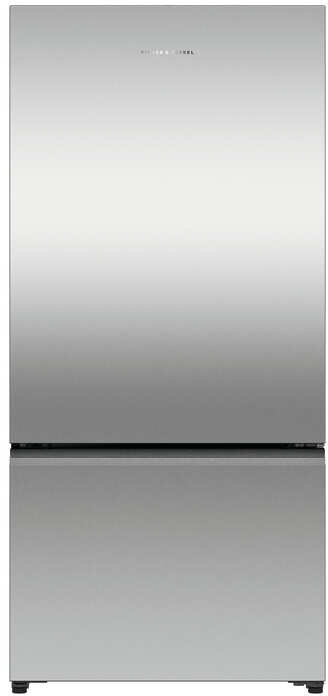
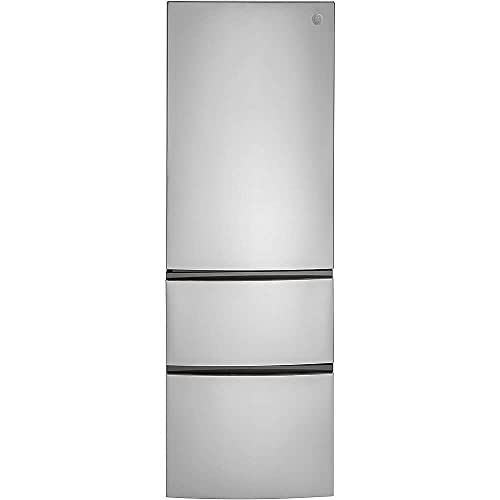
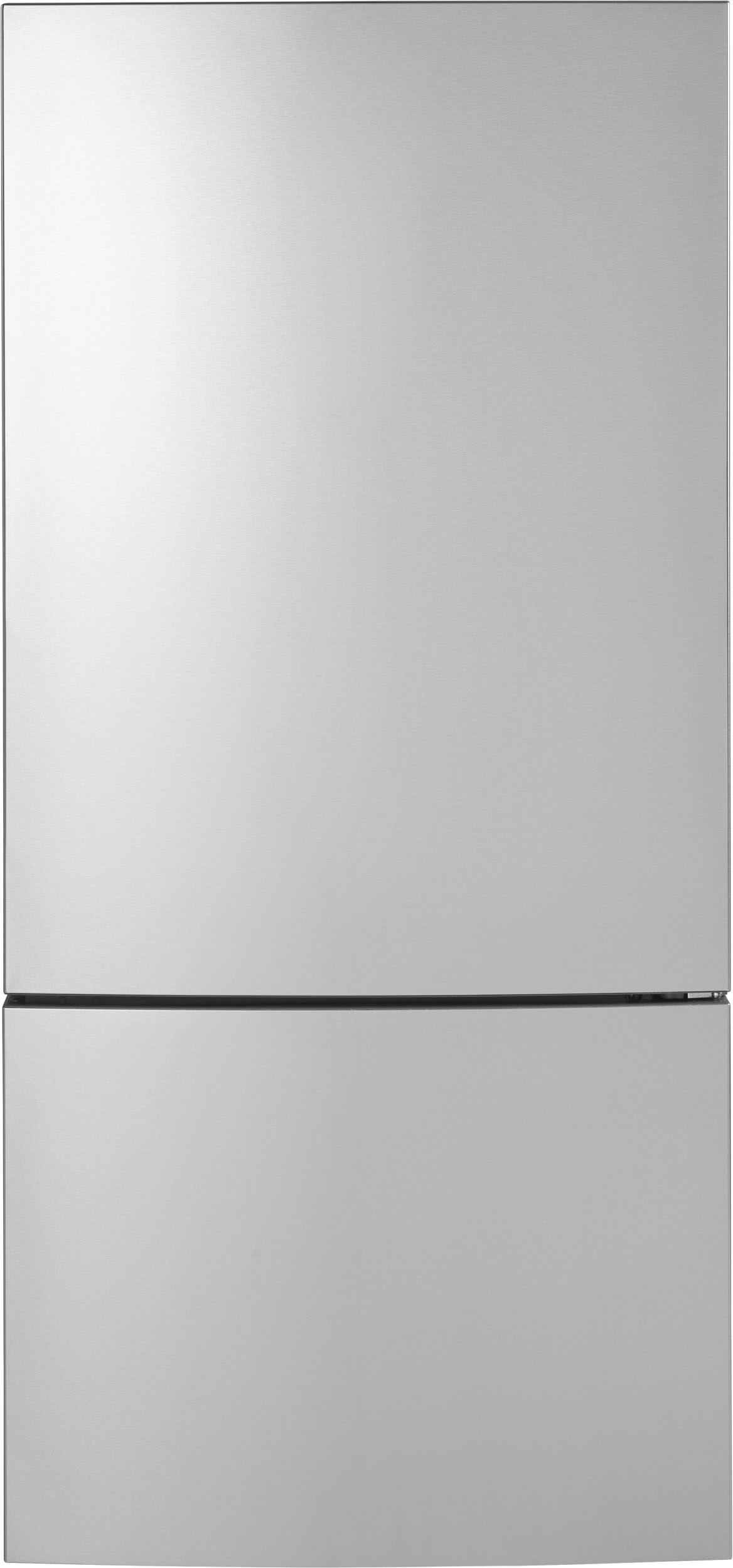
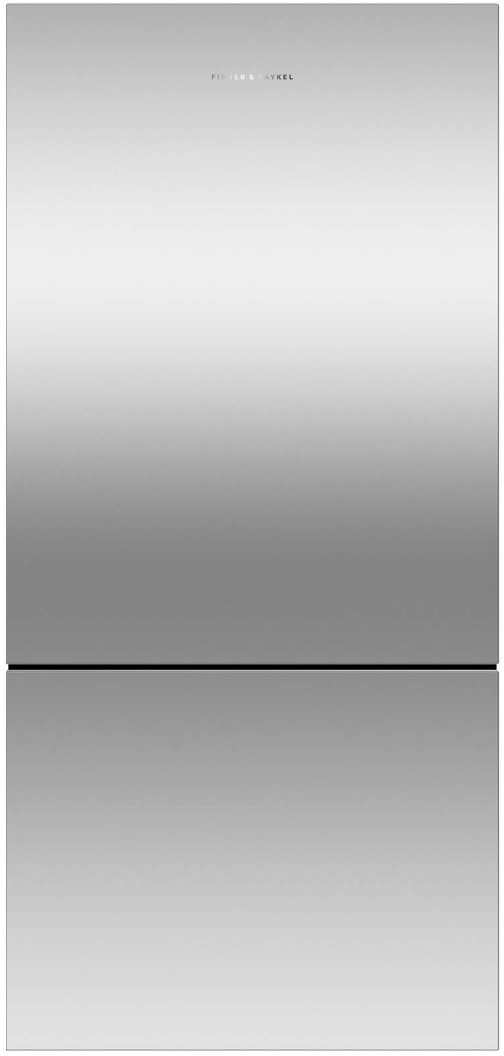
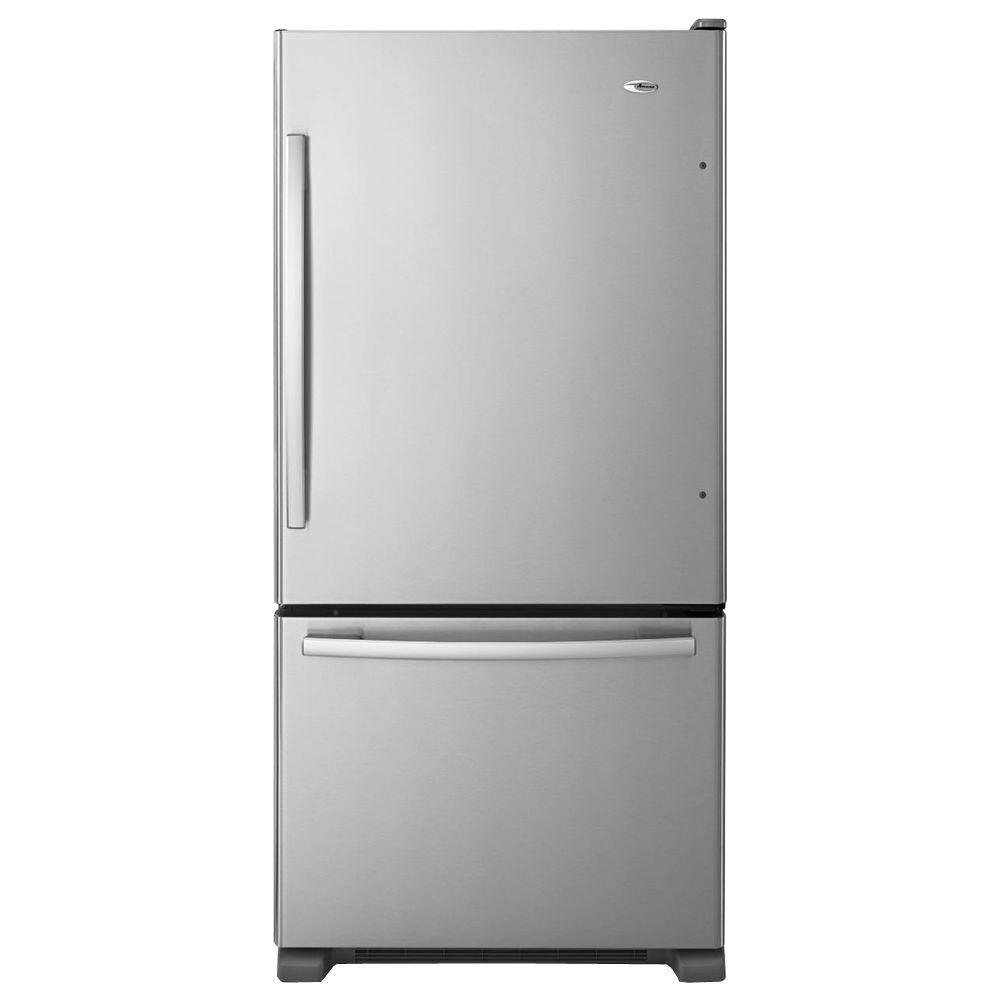
Bottom freezer refrigerators have the freezer compartment located at the bottom, providing easy access to the fridge section without bending over.
Dimension
Range (inches)
Height
67 - 70
Width
29 - 33
Depth
29 - 34
These refrigerators are ideal for those who use the refrigerator compartment more frequently than the freezer. The freezer can come in drawer or swing-door styles, offering flexibility in storage.
Side-by-Side Refrigerators
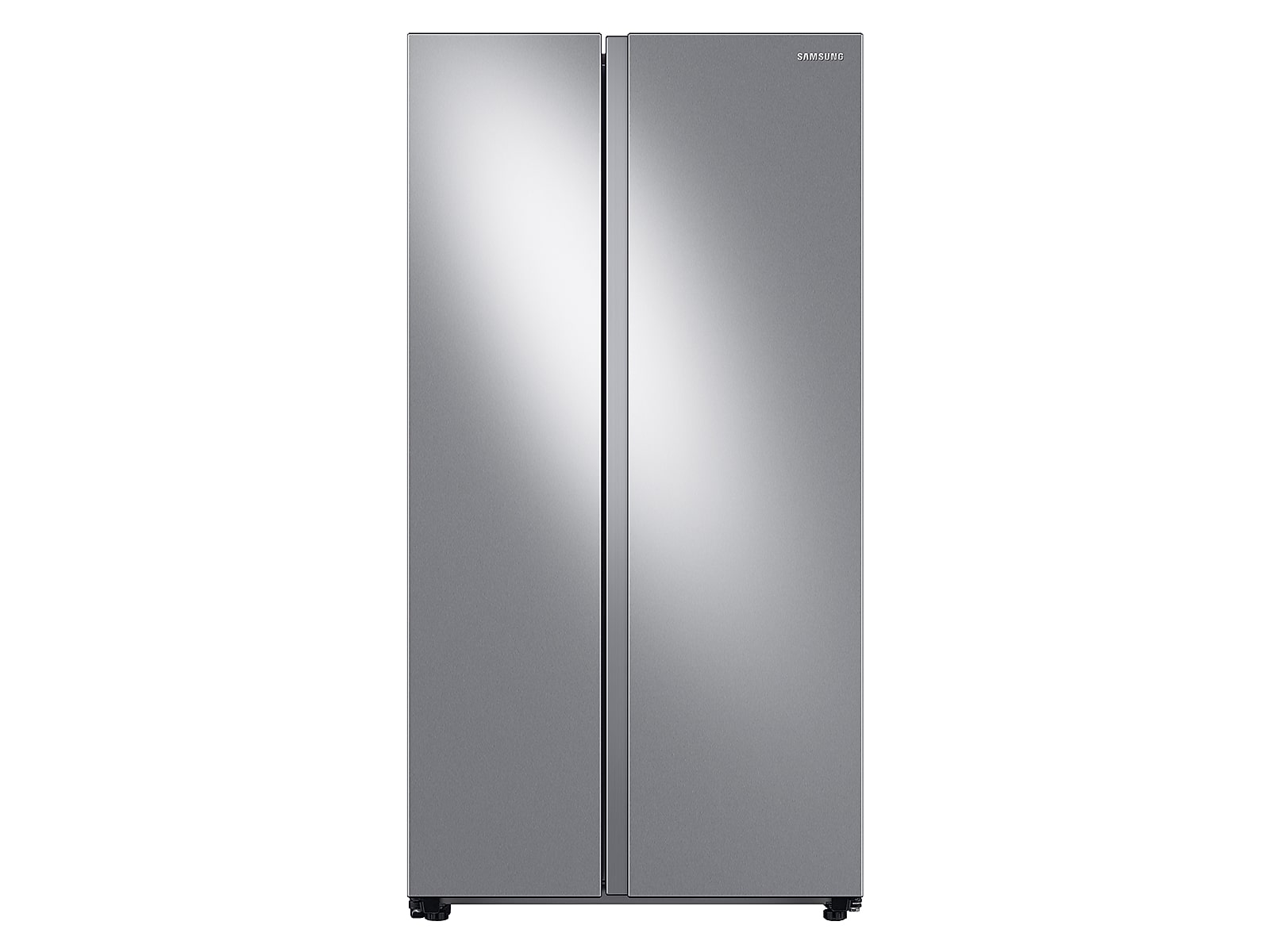
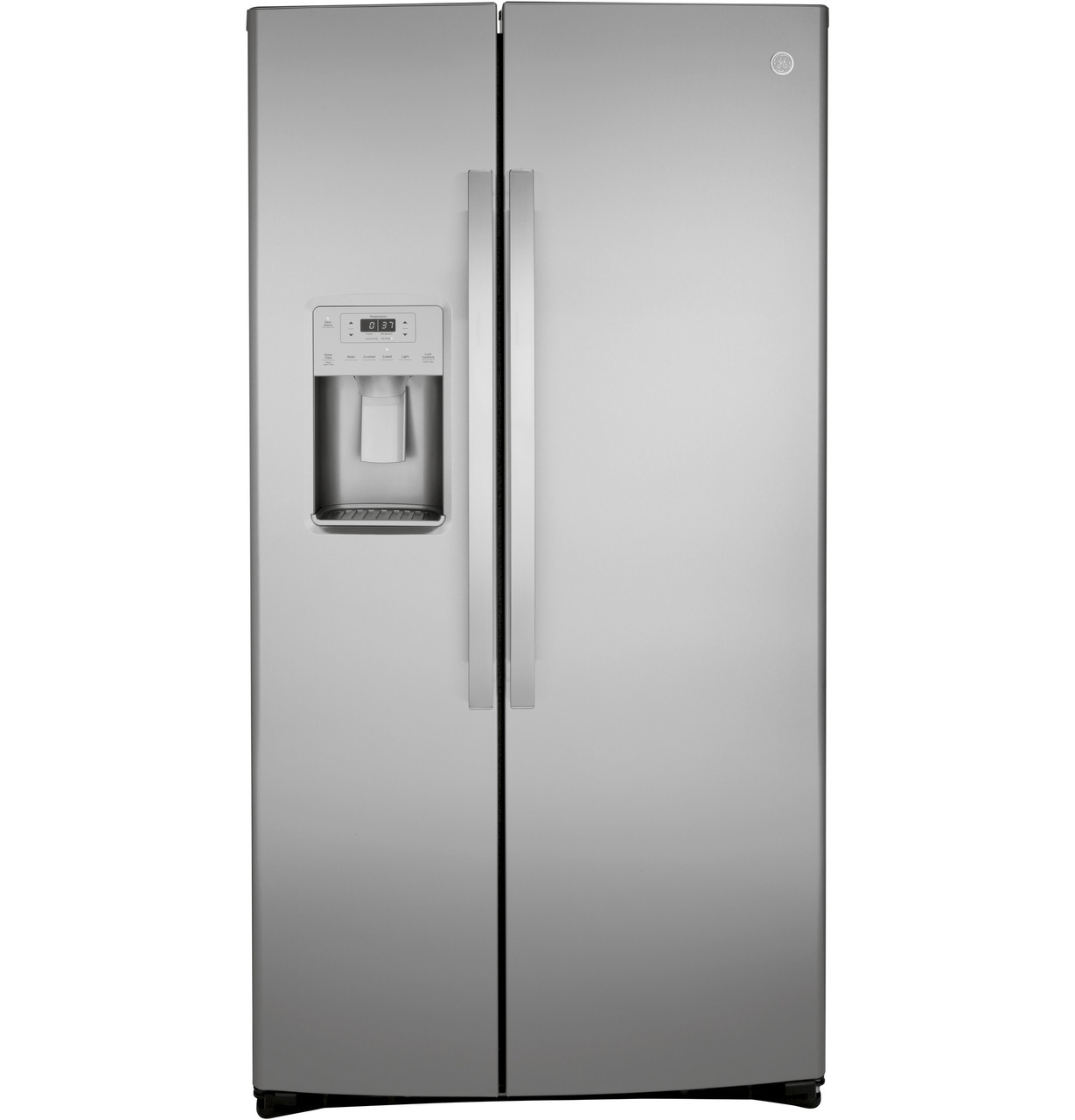
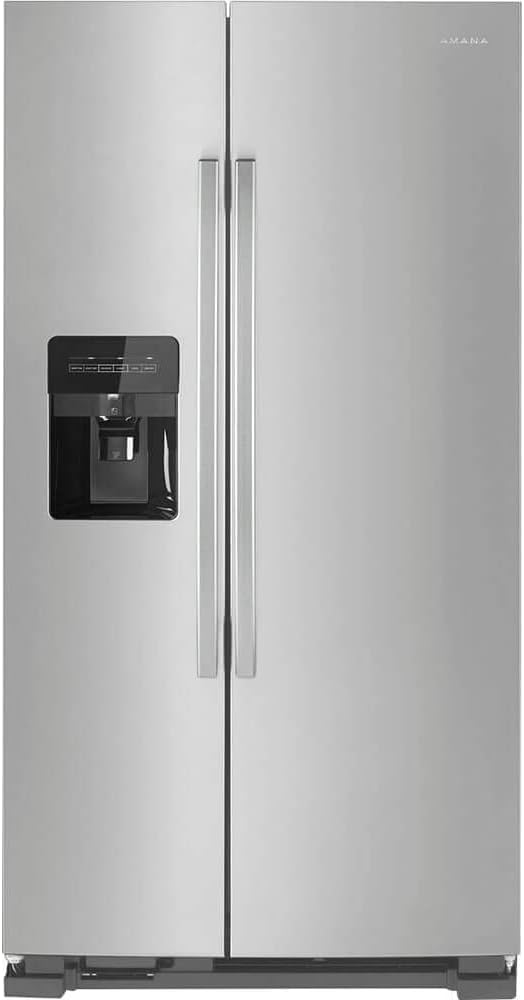
Side-by-side refrigerators feature two vertical compartments: one for the fridge and one for the freezer. This design allows for easy access to both sections.
Dimension
Range (inches)
Height
65 - 70
Width
30 - 36
Depth
29 - 31
Side-by-side models provide ample storage space and are great for kitchens with limited door swing clearance. However, the narrow design may limit storage space for wider items.
French Door Refrigerators
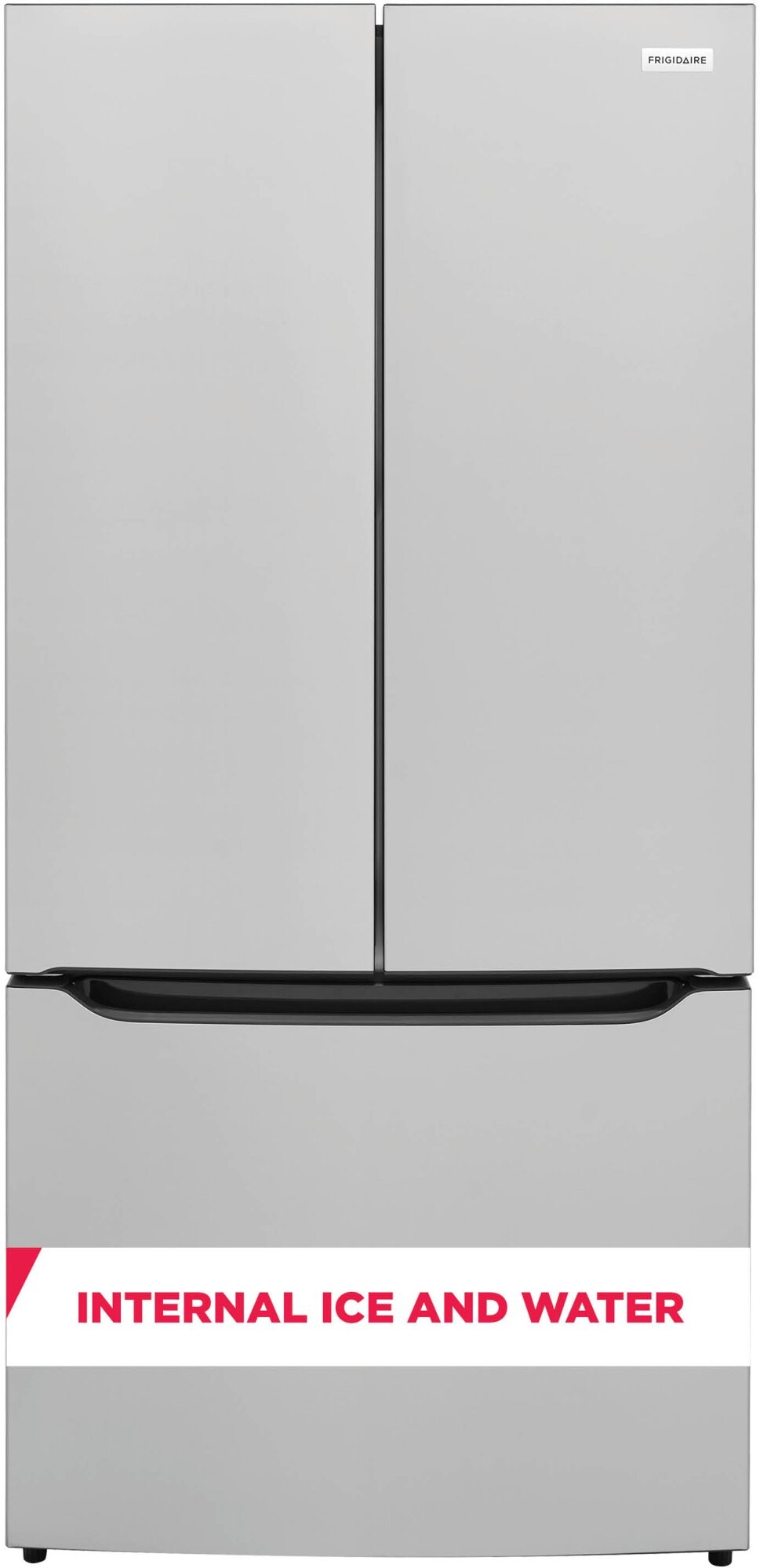
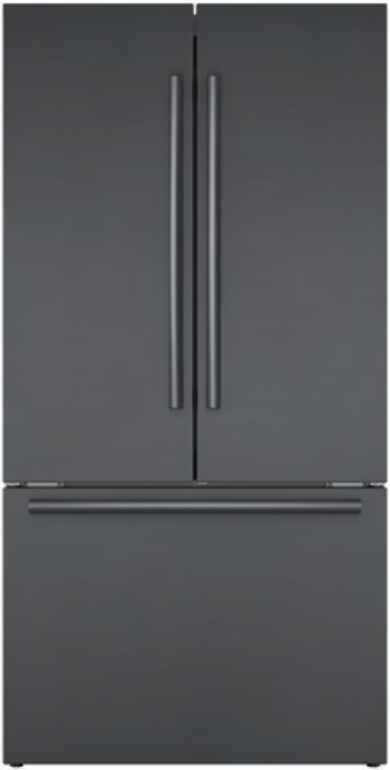
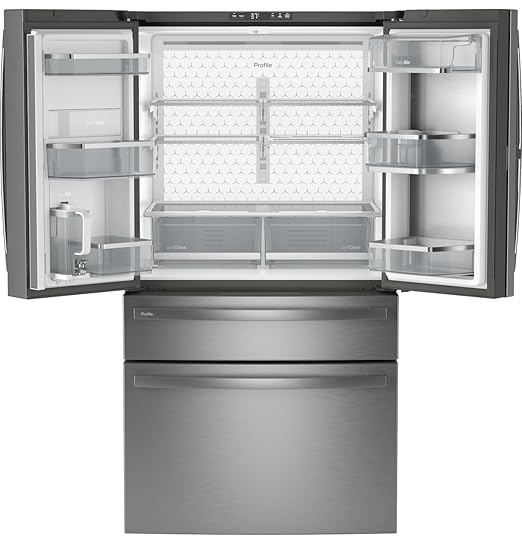
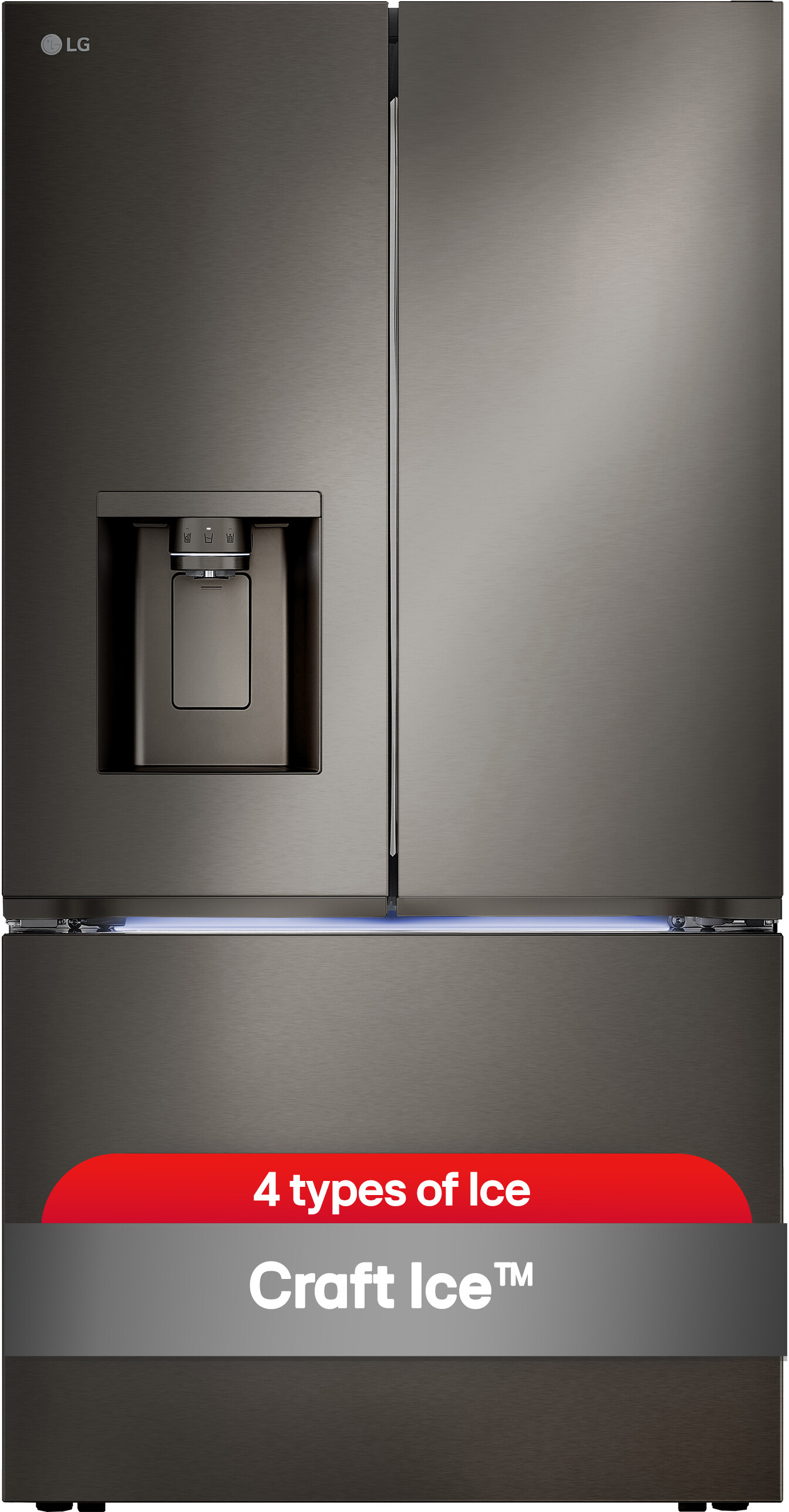
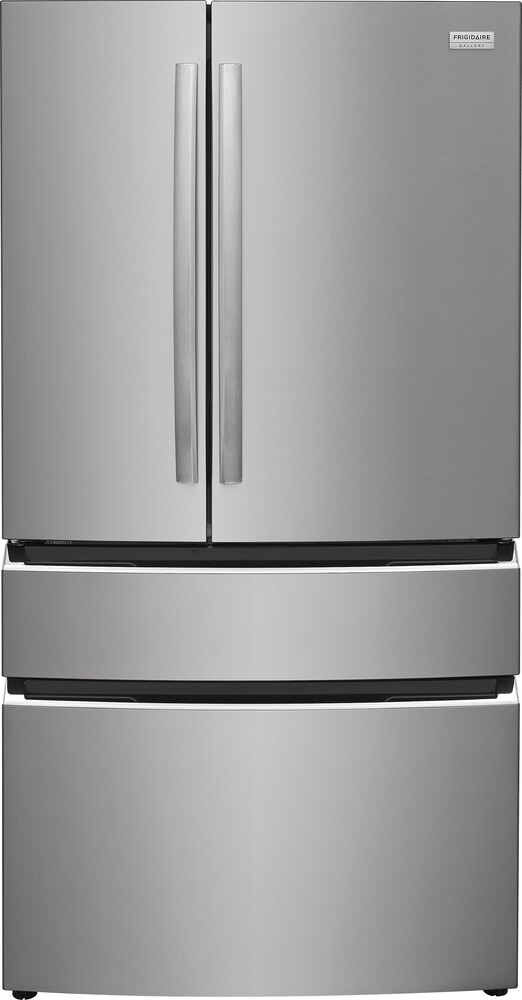
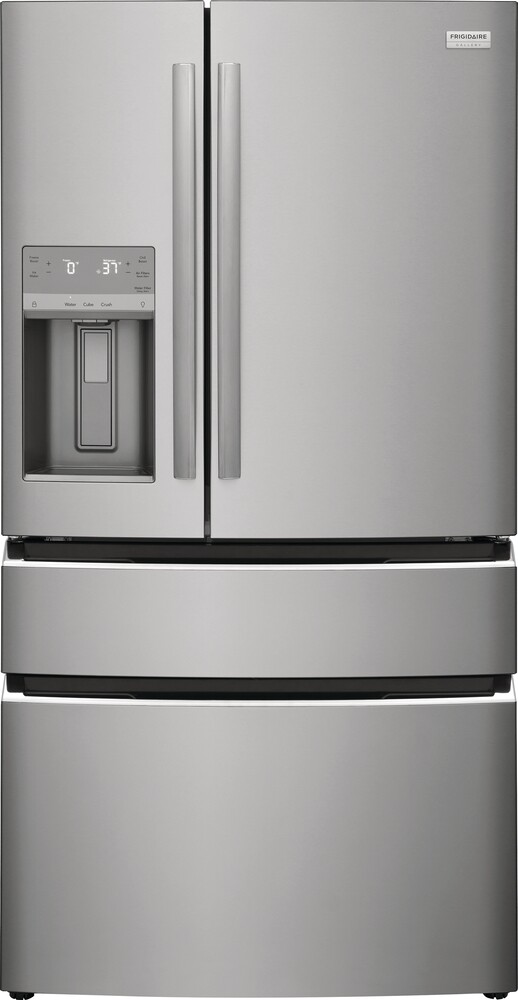
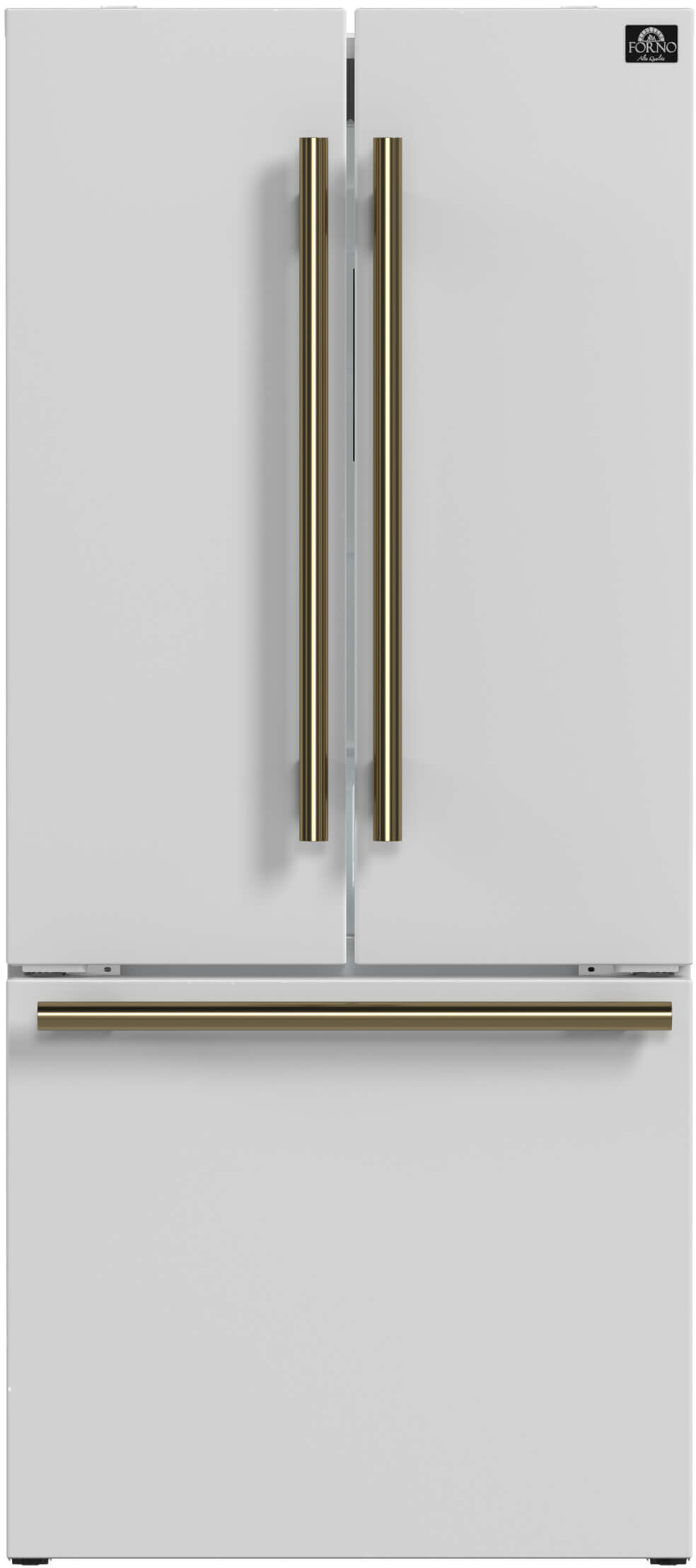
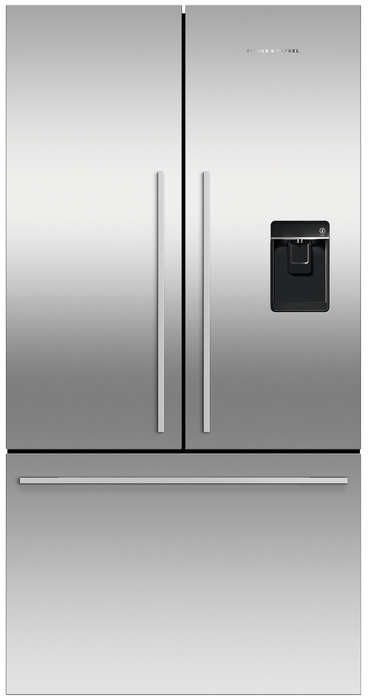
French door refrigerators combine the features of bottom freezer and side-by-side models, with two fridge doors on top and a bottom freezer drawer.
Dimension
Range (inches)
Height
67 - 70
Width
29 - 36
Depth
29 - 34
These refrigerators offer a sleek and modern design, with wide shelves and spacious storage. They are perfect for larger households or those who entertain frequently. For more details, you can explore the 24.5 cu ft French door refrigerator.
Understanding the dimensions and features of these refrigerator types can help you make an informed decision. Be sure to consider your kitchen layout, storage needs, and personal preferences when choosing the best refrigerator for your home. For further guidance on fridge maintenance and usage, check out Fridge.com articles on how to clean the inside of a refrigerator and what is the ideal temp for a fridge?.
When selecting a refrigerator, several factors can influence its dimensions and how well it fits into your space. Understanding these factors helps in making an informed decision.
Door Swing Clearance
Door swing clearance is essential when considering fridge dimensions. Make sure there is enough space for the doors to open fully without hitting walls or cabinets.
Fridge Type
Typical Door Swing Clearance
Top Freezer
24 - 36 inches
Bottom Freezer
24 - 36 inches
Side-by-Side
20 - 28 inches
French Door
36 - 48 inches
Ventilation Space Requirements
Proper ventilation is crucial for efficient fridge operation. Leave enough space around the refrigerator for airflow to prevent overheating and ensure optimal performance.
Location
Recommended Clearance
Top
2 - 3 inches
Sides
1 - 2 inches
Back
1 - 2 inches
Custom and Compact Fridge Options
For unique spaces, custom and compact refrigerators offer flexible solutions. These options cater to various needs, from small kitchens to specialized storage requirements like outdoor or garage use.
Custom Fridges: Tailored to fit specific dimensions and designs.
Compact Fridges: Ideal for small spaces like apartments, offices, or tiny homes. For more on compact appliances, check out Fridge.com article on small energy efficient refrigerator.
By considering these factors, you can ensure that your chosen fridge fits perfectly within your space and operates efficiently. For more tips on fridge maintenance and use, explore Fridge.com articles on how to clean an undercounter freezer and what temperature is a fridge set at.
Selecting the right refrigerator size involves considering various factors to ensure it fits seamlessly into your space and meets your storage needs.
Matching Fridge Size to Your Space
Before purchasing a refrigerator, measure the space where it will be placed. This includes accounting for the height, width, and depth of the fridge, as well as additional clearance for door swing and ventilation.
Measurement
Standard Size (inches)
Height
65 - 70
Width
30 - 36
Depth
29 - 35
Ensure the fridge fits within these dimensions, leaving enough space for easy access and proper airflow.
Considering Your Storage Needs
Evaluate your household's food storage requirements. Larger families or those who entertain frequently may need more storage space, while smaller households or individuals may opt for a more compact fridge. Consider factors like:
Number of family members
Frequency of grocery shopping
Types of food stored (fresh Vs. frozen)
For example, a 24.5 cu ft French door refrigerator offers ample space for large families, while a small energy efficient refrigerator may suffice for singles or couples.
Ensuring Proper Installation Measurements
Proper installation is crucial for optimal fridge performance. Measure the doorway, hallways, and any obstacles the fridge must pass through during delivery. Additionally, ensure there is sufficient space for ventilation and door swing.
Installation Aspect
Recommended Clearance (inches)
Top Clearance
1 - 2
Side Clearance
1 - 2
Back Clearance
1 - 2
Door Swing
Varies by model
By following these guidelines, you can ensure your new refrigerator fits perfectly and operates efficiently. For more tips on maintaining your fridge, visit Fridge.com guide on how to clean the inside of a refrigerator.
Free tool
Refrigerator Size Calculator
Free interactive tool from Fridge.com — get a quick answer while you read.