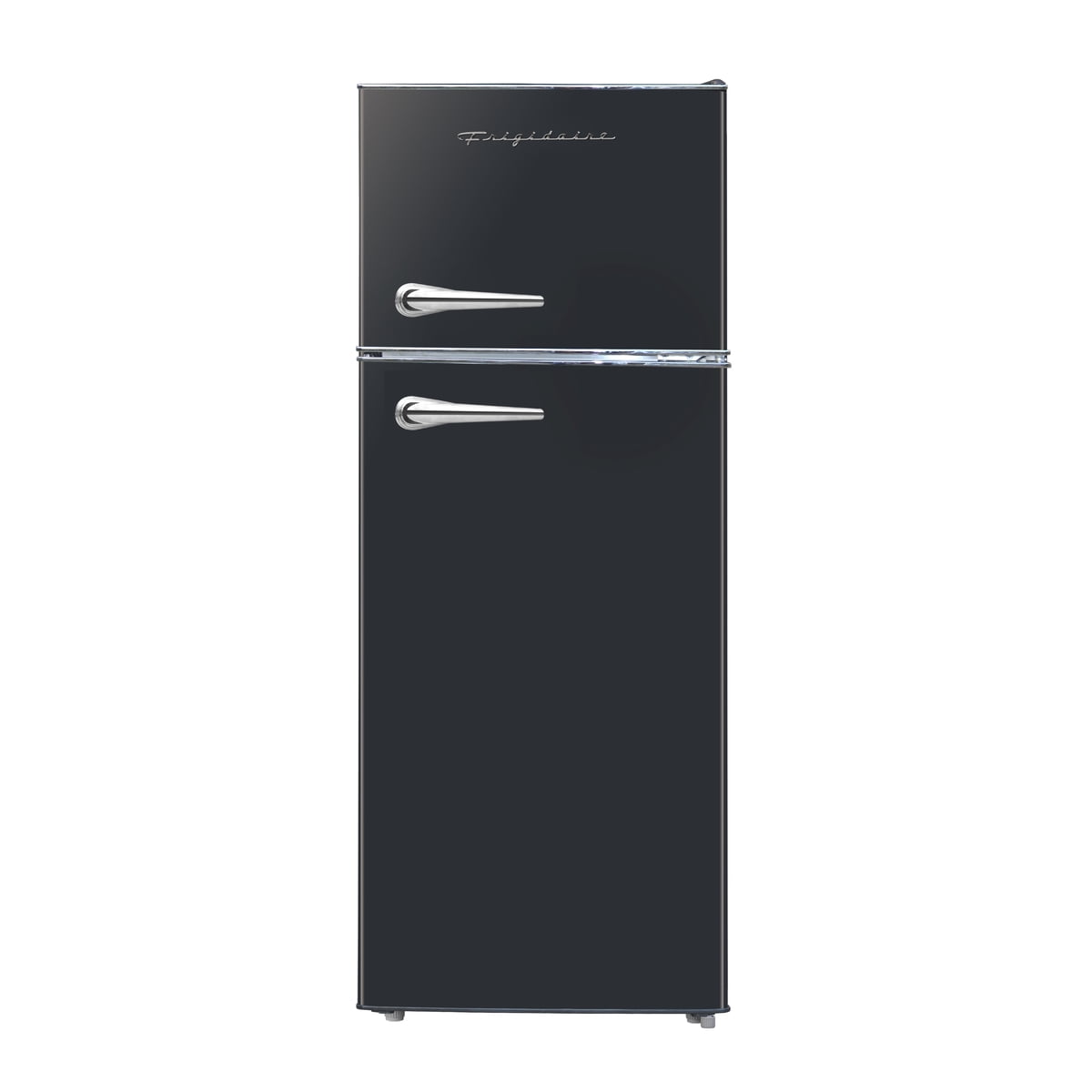
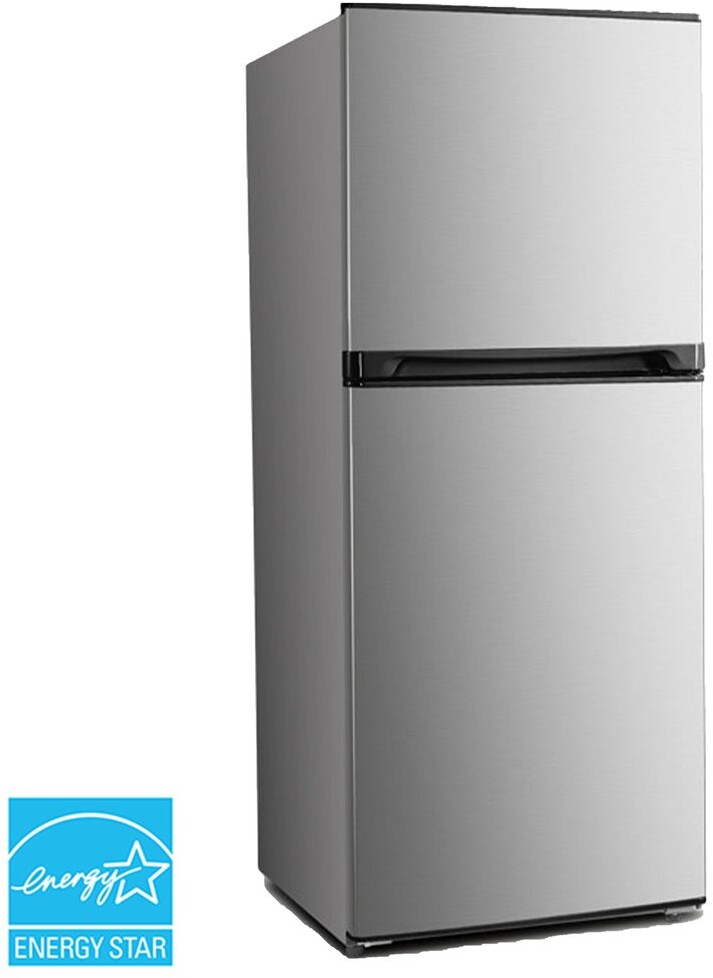
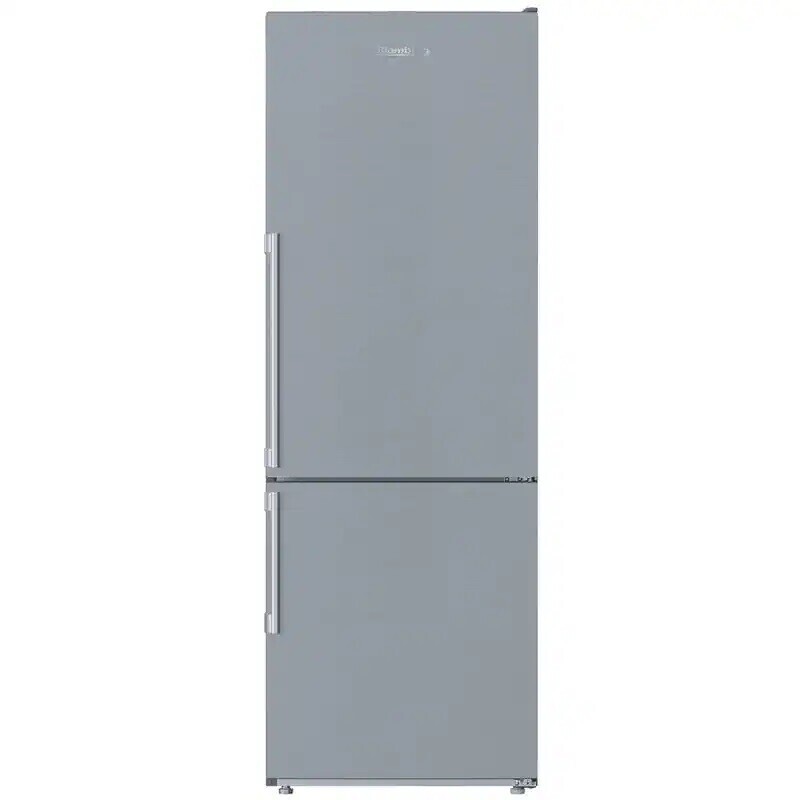
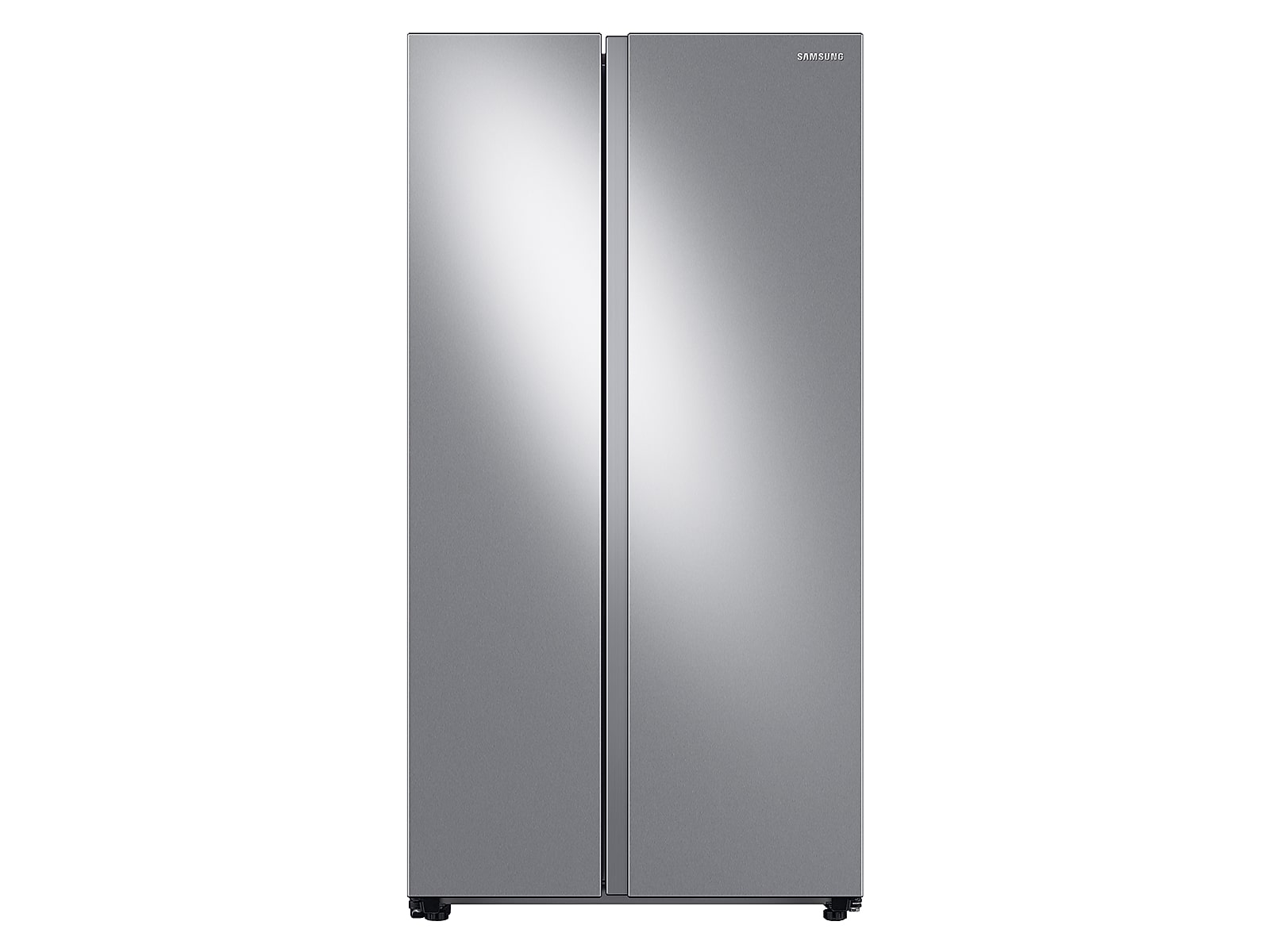
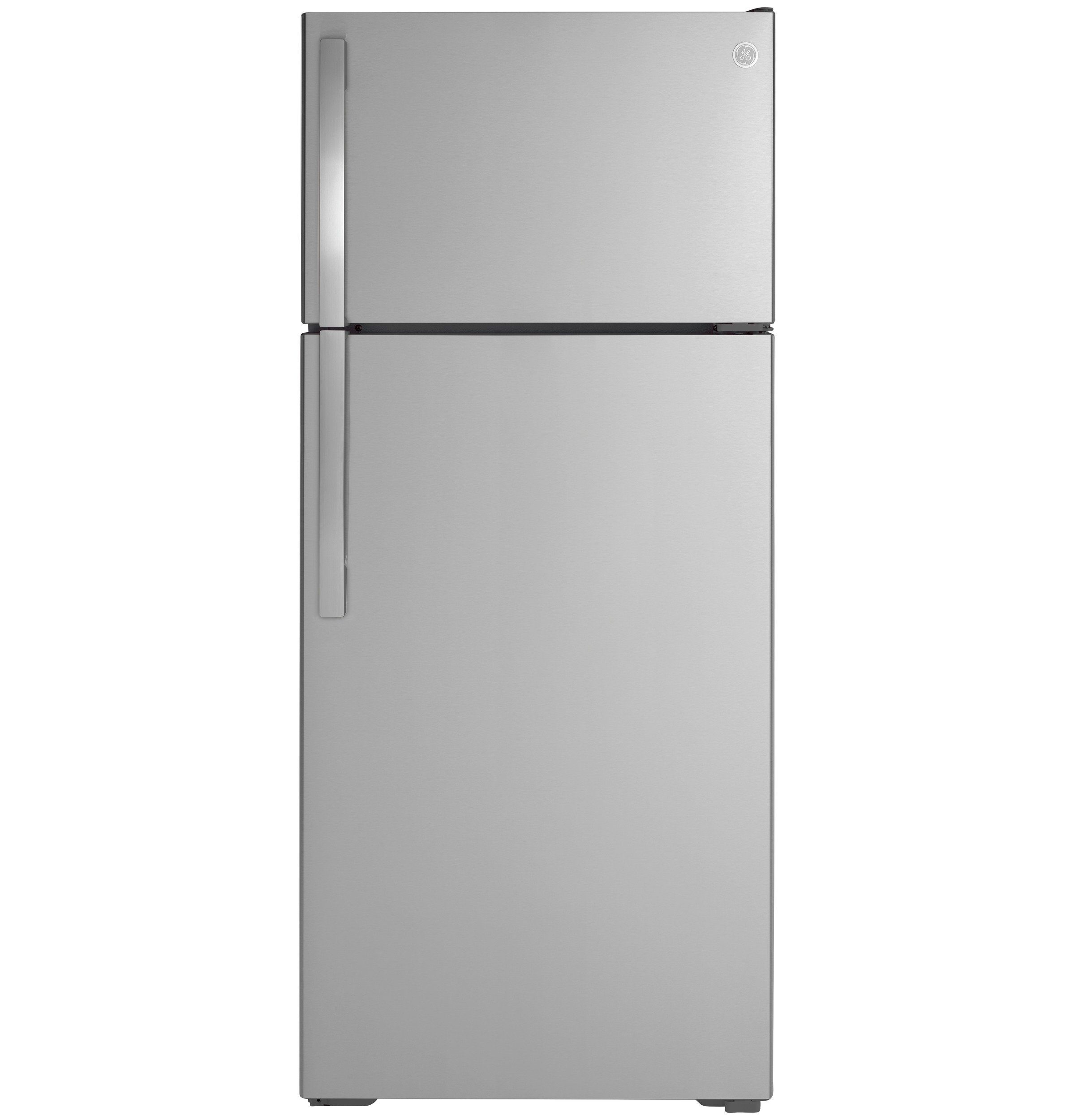
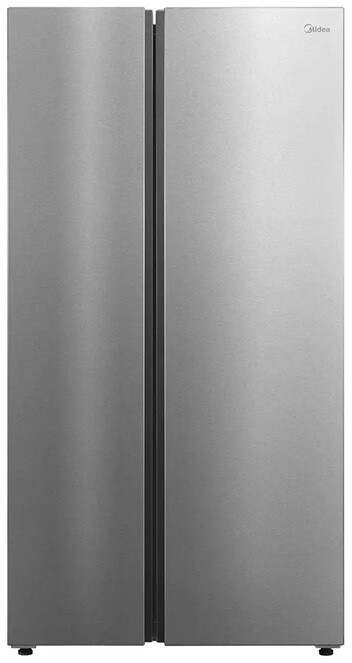
Proper storage of zucchini is essential to maintain its freshness, taste, and nutritional value. Failing to store zucchini correctly can lead to premature spoilage, waste of food, and money. By understanding the best practices for storing zucchini, you can ensure that this versatile vegetable is ready to be used in your favorite dishes, from stir-fries to zoodles. Whether you have harvested your own zucchini or purchased them from the store, the right storage techniques can significantly extend their shelf life. Explore smart storage solution side by side refrigerators minus ice makers for ideas on how to optimize your refrigerator space for fresh produce like zucchini.
Factors Affecting Zucchini Shelf Life
Several factors influence how long zucchini can stay fresh in the fridge, including the following:
Temperature: The refrigerator's temperature setting plays a crucial role in preserving zucchini. It should be cold enough to slow down the decay process without causing the zucchini to freeze.
Humidity: Zucchini requires a certain level of humidity to stay crisp. Too much humidity can lead to mold growth, while too little can cause it to dry out and shrivel.
Air Circulation: Proper airflow in the fridge can prevent moisture buildup around the zucchini, reducing the risk of spoilage.
Freshness at Purchase: The condition of the zucchini when bought will affect its longevity. Opt for firm, unblemished zucchini for the longest shelf life.
Packaging: How zucchini is wrapped or contained can either prolong or reduce its freshness. Adequate packaging allows for some ventilation and protection from excess moisture.
By addressing these factors, you can help unlock the shelf life of zucchini and enjoy it at its best for longer. For more insight on maintaining the freshness of other foods in your fridge, discover the tips in beef storage mastery maximizing freshness in your fridge.
Proper storage of fresh zucchinis in the fridge can significantly extend their shelf life, ensuring you can enjoy their flavor and nutritional benefits longer. Here's how to manage the storage of both whole and cut zucchinis to unlock their maximum shelf life.
Storing Whole Zucchinis
When it comes to whole zucchinis, refrigeration can keep them fresh for an extended period. The key is to store them properly:
Keep whole zucchinis in the crisper drawer of your refrigerator.
Avoid washing them before storing as moisture can lead to premature spoilage.
Place them in a perforated plastic bag or a produce bag with a few holes to allow for air circulation.
Do not pack zucchinis too tightly together; they need space for air to circulate.
By following these steps, you can typically expect whole zucchinis to last in the fridge for:
Once zucchinis are cut, their shelf life decreases due to exposed flesh which can dry out or become slimy:
Store cut zucchinis in an airtight container or wrapped tightly in plastic wrap.
If possible, add a paper towel to the container to absorb any excess moisture.
Consume cut zucchinis within a few days for best quality and freshness.
For cut zucchinis, the expected shelf life in the fridge is:
Zucchini State
Expected Shelf Life
Cut Zucchinis
2-3 days
Whether you have whole or cut zucchinis, maintaining the right refrigerator temperature is crucial. Explore our content on refrigerator temperature settings to ensure optimal freshness.
Storing zucchinis correctly in the fridge not only prolongs their shelf life but also helps maintain their taste and nutritional value. For those seeking creative ways to use zucchinis or looking for recipe inspiration, explore Fridge.com sections on creative ways to use zucchinis and recipes to try with zucchinis.
While storing zucchini in the refrigerator is a common practice for short-term use, there are methods to extend its shelf life significantly. Freezing, canning, and pickling are all viable options for keeping your zucchini edible for longer periods. Here's how you can implement these methods effectively.
Freezing Zucchinis
Freezing is a fantastic way to preserve the freshness of zucchini for months. To properly freeze zucchinis:
Wash the zucchini thoroughly.
Cut into slices or desired shapes.
Blanch in boiling water for 1-2 minutes.
Plunge into ice water to halt the cooking process.
Drain and pat dry.
Lay the pieces on a baking sheet, not touching, and freeze until solid.
Canning zucchini allows you to enjoy it well beyond its typical fridge life. This process involves:
Sterilizing canning jars and lids.
Preparing a vinegar-based pickling solution.
Slicing the zucchini and packing it into jars.
Pouring the hot pickling solution over the zucchini, leaving headspace.
Sealing the jars and processing them in a boiling water bath for the recommended time.
Once canned, zucchini can last for up to a year when stored in a cool, dark place. Canning is a more involved process, so ensure you're familiar with safe canning practices or consult Fridge.com article on beef storage mastery maximizing freshness in your fridge for related storage insights.
Pickling Zucchinis
Pickling is another method to prolong the life of zucchini. Similar to canning, you'll need:
Vinegar, water, and pickling salt to create a brine.
Additional seasonings like garlic, dill, or mustard seeds for flavor.
Sterilized jars for packing sliced zucchini and brine.
Pickled zucchinis can be refrigerated and enjoyed for several months. They make a great addition to salads, sandwiches, or as a standalone snack. For more on the art of pickling and its impact on shelf life, peruse Fridge.com article on a must have for entertaining side by side refrigerator with ice maker.
Preserving zucchini through these methods not only extends its usability but also provides you with versatile ingredients ready for use throughout the year. Whether you choose to freeze, can, or pickle, you'll unlock the full potential of zucchini's shelf life, ensuring you always have this nutritious vegetable at hand.
Identifying when zucchini has gone bad is key to ensuring you enjoy your vegetables at their best and avoid potential foodborne illnesses. Here are some telltale signs to look out for:
Visual Indicators
Your eyes are one of the best tools for determining the freshness of zucchini. Here are some visual signs that your zucchini may be past its prime:
Mold: White or green fuzzy spots on the surface indicate mold growth.
Shriveled Skin: If the zucchini has lost its firmness and the skin appears shriveled or wrinkled, it's a sign of dehydration and decay.
Soft Spots: Soft, mushy areas can be an indicator of rot, especially if they're widespread or deep.
Discoloration: Any significant changes in color, such as darkening or yellowing, can signal spoilage.
Smell Test
A quick sniff can also tell you a lot about the condition of your zucchini. Fresh zucchini should have a mild, almost imperceptible scent. If you detect any of the following odors, it may be time to discard your zucchini:
Sour or Fermented: This can suggest that the zucchini has started to ferment, a clear sign it's no longer good to eat.
Musty or Moldy: A musty scent is often associated with mold or mildew, which can develop on zucchini that's been stored for too long.
Maintaining the freshness of zucchini can be achieved through proper storage techniques and optimal refrigerator settings. By following the guidelines below, you can extend the shelf life of zucchinis and enjoy their crisp texture and flavor for as long as possible.
Proper Packaging Techniques
To maximize the longevity of your zucchini, consider the following packaging methods:
Wrap in Paper Towels: Start by wrapping whole or sliced zucchini in a dry paper towel. This will help absorb any excess moisture, which can accelerate spoilage.
Use Plastic Bags: Place the wrapped zucchini in a perforated plastic bag to allow for air circulation while maintaining a high humidity level.
Airtight Containers: For cut zucchini, an airtight container can also be effective. This shields the zucchini from drying out and prevents the absorption of other food odors.
The following table outlines the recommended packaging methods for different zucchini preparations:
Zucchini Preparation
Recommended Packaging Method
Whole Zucchini
Perforated plastic bag with paper towels
Sliced or Cut Zucchini
Airtight container or sealed plastic bag
Refrigerator Temperature Settings
The temperature of your refrigerator plays a critical role in preserving the freshness of zucchini. The ideal temperature setting for vegetable storage is between 40°F (4°C) and 32°F (0°C). Here are some steps you can take to ensure your refrigerator is set appropriately:
Check the Thermostat: Regularly monitor the thermostat to make sure it's within the optimal range for vegetable storage.
Avoid Overloading: Keep your refrigerator well-organized and avoid overloading, as this can obstruct airflow and lead to uneven cooling.
Consider Location: Store your zucchini in the crisper drawer, which is specifically designed to maintain a consistent humidity level for fresh produce.
By employing the right packaging techniques and ensuring your refrigerator is set to the correct temperature, you can significantly extend the shelf life of your zucchini. This not only reduces food waste but also ensures that you always have fresh produce ready for your culinary creations.
Once you've mastered the art of zucchini storage and unlocked the shelf life of how long zucchini can stay in the fridge, it's time to put those vibrant veggies to use. Zucchinis are incredibly versatile and can be transformed into a variety of delicious dishes.
Creative Ways to Use Zucchinis
In your culinary adventures, consider these innovative ways to incorporate zucchinis into your meals:
Zucchini Noodles (Zoodles): Swap out traditional pasta for a lighter alternative made from spiralized zucchinis.
Stuffed Zucchini Boats: Hollow out zucchinis and fill them with a mixture of your choice, such as seasoned ground meat, vegetables, and cheese.
Zucchini Chips: Slice zucchinis thinly, season, and bake or dehydrate for a crunchy, healthy snack.
Zucchini Bread or Muffins: Grate zucchinis and add them to your batter for a moist and nutritious twist on baked goods.
Zucchini Fritters: Combine shredded zucchinis with herbs and flour to create pan-fried fritters, perfect as a side dish or appetizer.
Zucchini Lasagna: Replace lasagna noodles with thin zucchini slices for a low-carb version of the classic comfort food.
Recipes to Try with Zucchinis
Ready to start cooking? Try these zucchini-focused recipes to delight your taste buds:
Garlic Parmesan Zucchini Noodles: Toss zoodles with garlic, olive oil, and grated Parmesan for a simple yet satisfying dish.
Taco-Stuffed Zucchini Boats: A fun twist on taco night, featuring zucchinis filled with taco-seasoned beef, topped with cheese, and baked until bubbly.
Crispy Baked Zucchini Chips: Season with your favorite spices and bake until golden brown for a guilt-free snack.
Classic Zucchini Bread: A sweet, spiced loaf that makes for a great breakfast or snack option.
Savory Zucchini Fritters: Serve these crispy fritters with a dollop of sour cream or Greek yogurt for a tasty appetizer.
Zucchini Lasagna Roll-Ups: Roll up herbed ricotta and marinara sauce in zucchini strips for a fun, individual serving of lasagna.
Whether you're whipping up a quick meal or entertaining guests, zucchinis offer a wealth of possibilities for those looking to enhance their culinary repertoire.
Compare prices on Fridge.com
Compare current prices and specifications on Fridge.com, then buy from the retailer you choose; delivery, installation and warranty terms are the retailer’s.
It also has tons of awesome articles about kitchen stuff and home news. Enhance your home, garage, backyard, patio, and office with the coolest essentials. With every necessary type of residentialrefrigeratoror freezer in the collection, you're covered.
Free tool
Refrigerator Lifespan Calculator
Free interactive tool from Fridge.com — get a quick answer while you read.