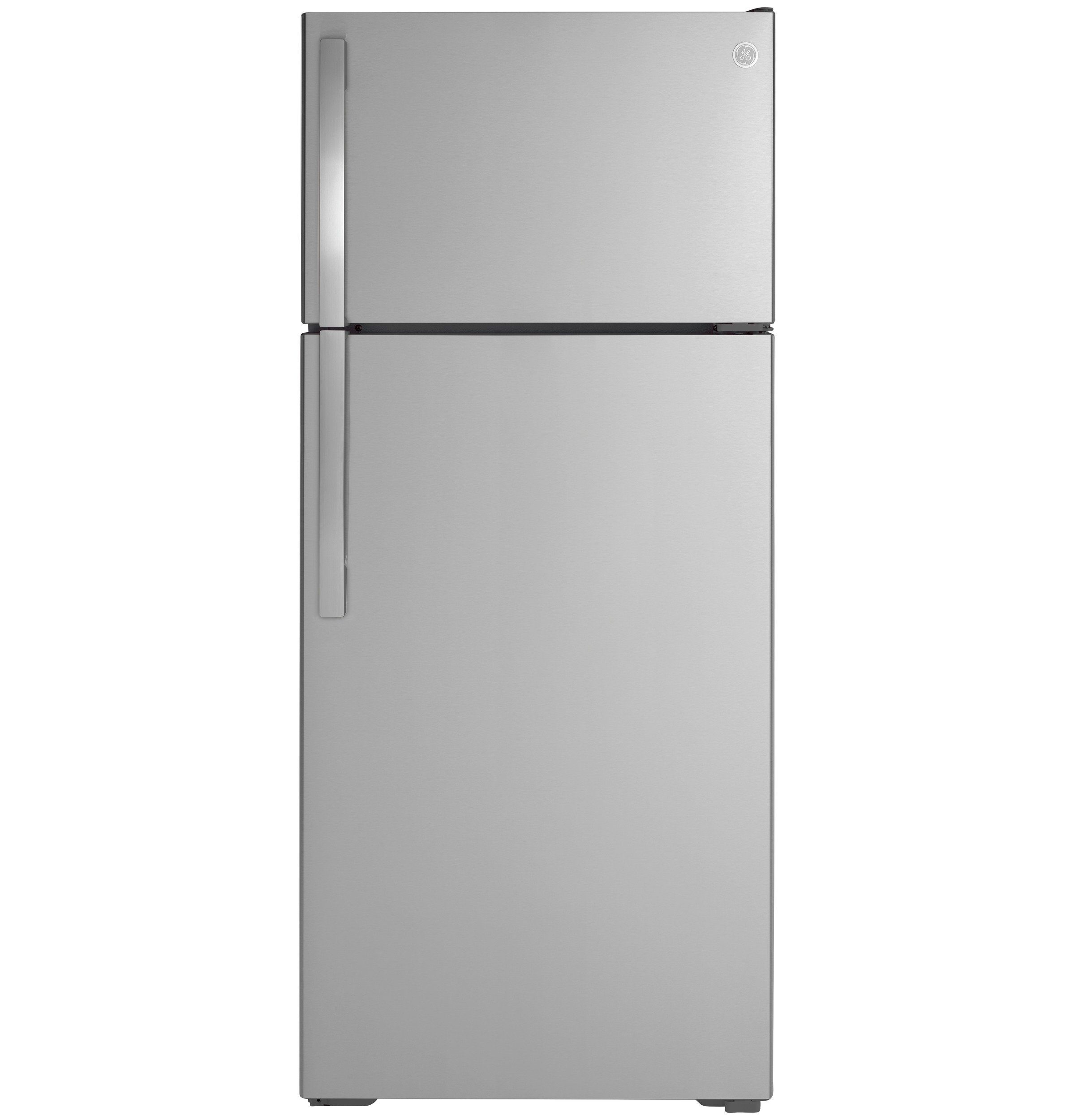
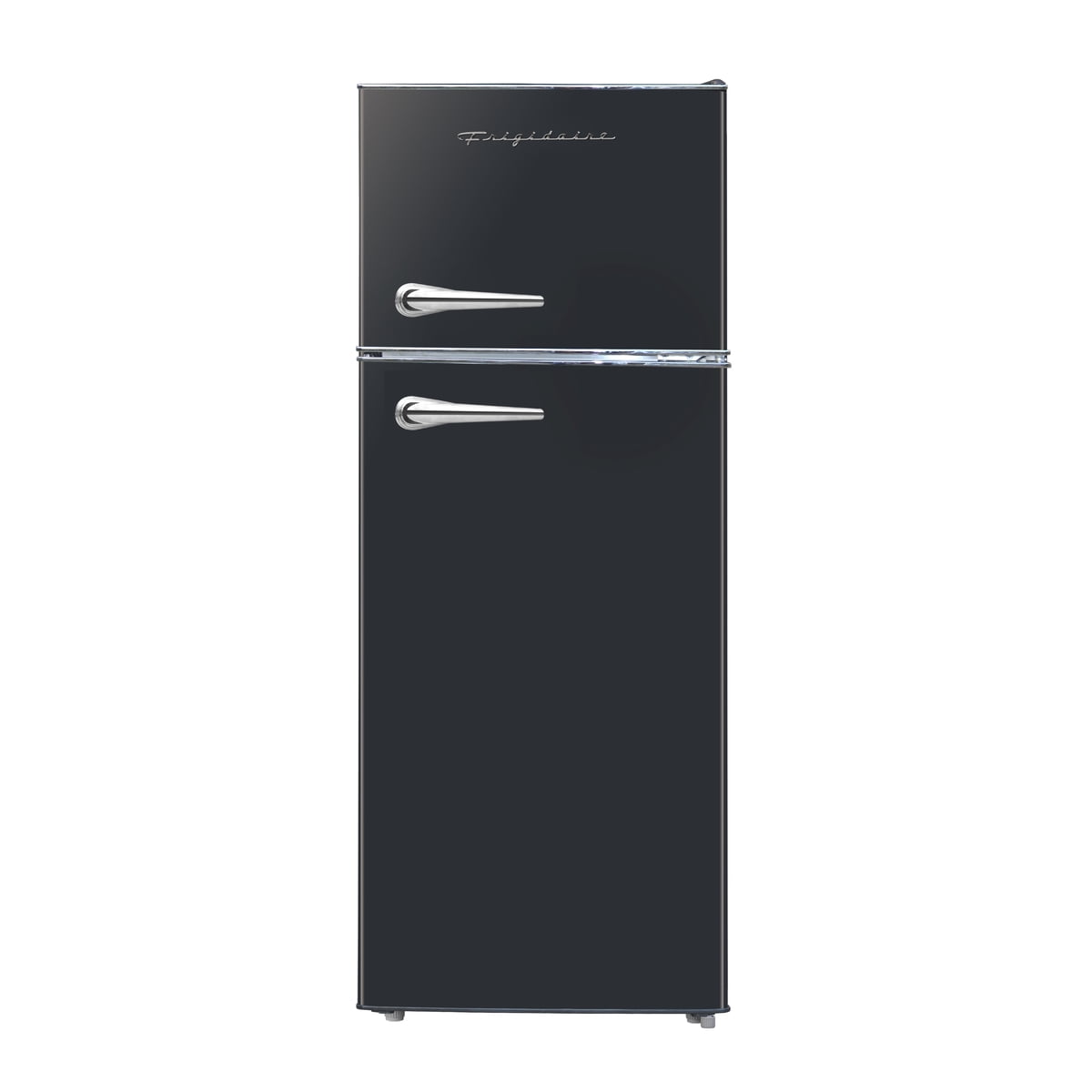
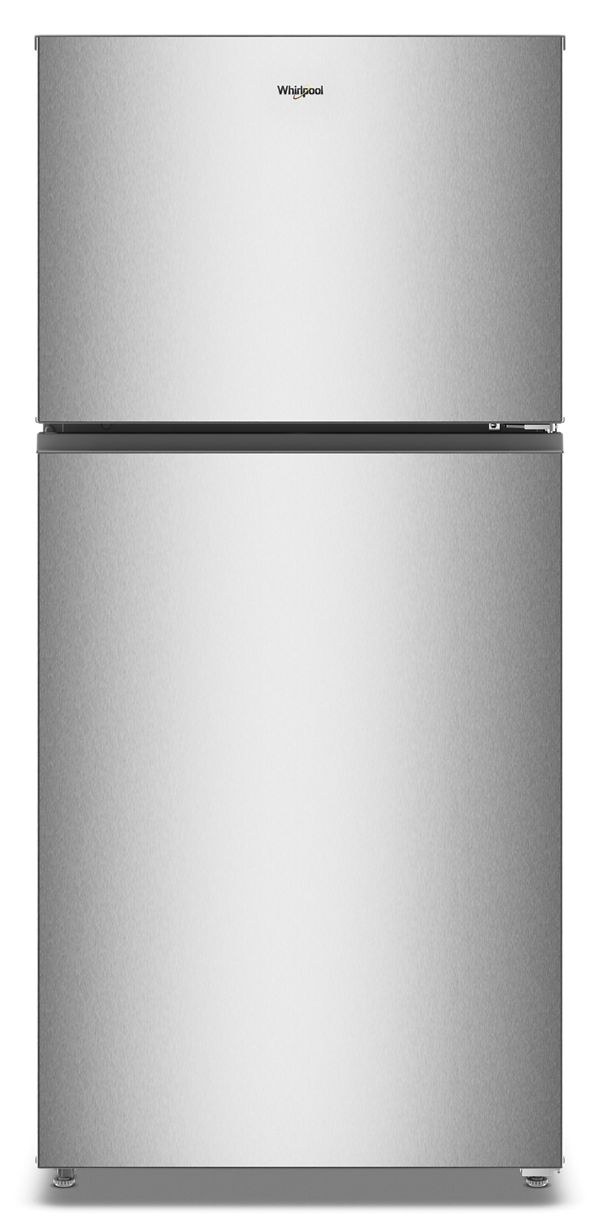
The optimal temperature range for storing apples is between 30°F and 40°F (-1°C to 4°C).
There are several storage pitfalls that can lead to your apples losing their freshness sooner than they should:.
Apples thrive in cooler temperatures, and the fridge is the ideal place to keep them crisp for longer.
Storing unwashed apples: While it might seem like a good idea to store apples straight from the store, it's important to wash them to remove any bacteria or residues that might hasten spoilage.
Storing apples correctly is essential for maintaining their crispness, flavor, and nutritional value. Apples are known to last a significant amount of time when stored under ideal conditions, which can be especially beneficial if you enjoy having fresh fruit available without frequent trips to the market. Proper storage slows down the ripening process and prevents the growth of mold or bacteria, which can spoil your apples prematurely.
Moreover, by storing apples the right way, you contribute to reducing food waste in your home. This not only saves you money but also ensures you get the most out of the apples you purchase. For insight into extending the shelf-life of other foods, check out Fridge.com guides on mastering kale preservation and maximizing freshness of cucumbers.
Common Mistakes in Storing Apples
There are several storage pitfalls that can lead to your apples losing their freshness sooner than they should:
Storing apples at room temperature: This often results in a faster decline in texture and taste. Apples thrive in cooler temperatures, and the fridge is the ideal place to keep them crisp for longer.
Keeping apples with other fruits and vegetables: Apples emit ethylene gas, which can accelerate the ripening process of other produce. Isolating them can help to protect the rest of your fruits and vegetables.
Neglecting humidity control: Apples can dehydrate if the air is too dry, or become moldy if the environment is too moist. The use of produce drawers with humidity control can be beneficial.
Storing unwashed apples: While it might seem like a good idea to store apples straight from the store, it's important to wash them to remove any bacteria or residues that might hasten spoilage.
Avoiding these common mistakes can help to ensure that your apples remain fresh and enjoyable for as long as possible. For more information on the ideal temperature for apple storage and tips for organizing them in your fridge, take a look at Fridge.com article on unlocking the chill.
By understanding the importance of proper storage and the common mistakes to avoid, you can unlock the secret to prolonging the freshness of apples in the fridge. This not only enhances your overall culinary experience but also supports a more sustainable lifestyle through the reduction of food waste.
Selecting the appropriate apples is a crucial step in ensuring they remain fresh for an extended period when stored in your refrigerator. With a vast array of apple varieties available, some are better suited for long-term storage than others.
Best Apple Varieties for Storage
When you're looking to store apples for a longer duration, certain varieties outshine the rest due to their innate keeping qualities. Here's a table showcasing some of the best varieties for storage, along with their typical shelf life in the fridge:
Apple Variety
Estimated Shelf Life in Fridge
Fuji
5-6 months
Granny Smith
5-6 months
Honeycrisp
4-5 months
Gala
3-4 months
Braeburn
4-5 months
These varieties are known for their firmer flesh and less propensity to bruising, which contributes to their longevity. It's always a good idea to purchase apples during their peak season and promptly store them to maximize freshness. For a deeper understanding of the shelf life of different foods, you might find Fridge.com article on mastering kale preservation insightful.
Signs of Freshness in Apples
When you're at the market or the grocery store, look for these indicators to ensure you're selecting the freshest apples:
Firmness: A fresh apple should feel solid and firm to the touch, not soft or yielding.
Skin Integrity: The skin should be smooth and free of bruises or punctures. Small blemishes that don't penetrate the skin usually don't affect the apple's interior quality.
Aroma: A ripe, fresh apple often emits a pleasant, slightly sweet scent.
Stem: The stem should be intact and fairly taut, indicating the apple hasn't been off the tree for too long.
Color: Look for vibrant, even coloring relevant to the apple variety you're choosing.
Remember, the way you prepare and store your apples can also significantly affect their longevity. Washing, drying, and inspecting your apples before refrigerating them are critical steps. For more details on these processes, you may refer to Fridge.com articles on the perfect pop of color with red retro refrigerators and unlocking the chill to find out how cold your refrigerator really gets, which can provide additional insights into optimal refrigeration practices.
Before apples can be stored in the fridge to prolong their freshness, it's crucial to prepare them properly. This preparation ensures that your apples remain crisp and delicious for as long as possible.
Washing and Drying Apples
Start by thoroughly washing your apples under cool running water to remove any dirt, pesticides, or waxes from their skin. It's recommended to use a soft brush to gently scrub the surface if needed. After washing, dry the apples completely with a clean cloth or paper towel. Moisture left on the apples can encourage mold growth and lead to quicker spoilage.
Removing Bruised or Damaged Areas
Inspect each apple for any bruised or damaged areas. These imperfections can lead to the degradation of the apple and can also affect the surrounding apples if not addressed. Use a knife to carefully cut away any damaged parts of the apple. Remember that these apples should be eaten first as their shelf life will be shorter than that of the intact ones.
By following these simple steps and ensuring that your apples are clean and intact, you're setting the stage for optimal storage conditions. This preparation, along with proper storage techniques, allows you to enjoy fresh apples for a longer period. To learn more about the ideal temperature for storing your apples and additional tips for organizing them in the fridge, explore Fridge.com article on unlocking the chill how cold does your refrigerator really get.
Proper storage of apples in the refrigerator can significantly extend their freshness and flavor. Here's how you can ensure your apples remain crisp and delicious for as long as possible.
Ideal Temperature for Apple Storage
Apples thrive in a cool environment, and the refrigerator provides an ideal setting to prolong their freshness. The optimal temperature range for storing apples is between 30°F and 40°F (-1°C to 4°C). This cool temperature slows down the ripening process and helps maintain the apple's texture and taste. For more on maintaining ideal fridge temperatures, you can read about unlocking the chill how cold does your refrigerator really get.
Storage Location
Temperature Range
Refrigerator
30°F - 40°F
Crisper Drawer
32°F - 35°F
Tips for Organizing Apples in the Fridge
When placing apples in the fridge, consider these tips to keep them fresh:
Use the Crisper Drawer: Apples last longer when stored in the crisper drawer, which is designed to maintain a slightly different humidity level than the rest of the fridge. This can be a more suitable environment for produce like apples.
Separate from Other Produce: Apples emit ethylene gas, which can cause other fruits and vegetables to ripen and spoil more quickly. Store them away from other produce to avoid this issue.
Don't Overcrowd: Allow for air circulation around each apple. This prevents moisture buildup, which can lead to quicker spoilage.
Keep Them Whole: Avoid cutting apples before storage, as this will accelerate their deterioration. Instead, keep them whole for maximum shelf life.
By following these simple storage tips and maintaining the ideal temperature, you can unlock the secret to prolonging the freshness of apples in the fridge, ensuring that they remain a delicious and healthy snack whenever you need them.
Extending the Shelf Life
To unlock the secret to prolonging the freshness of apples in the fridge, one must focus on maximizing their shelf life by using produce drawers effectively and avoiding ethylene gas exposure.
Using Produce Drawers Effectively
Produce drawers, also known as crisper drawers, are designed to create a microclimate within your refrigerator that can help in extending the freshness of fruits and vegetables. Here's how to use them effectively for apples:
Set the humidity control: Apples fare best in low humidity environments. If your crisper drawer has a humidity control, set it to the low setting to prevent excess moisture buildup.
Do not overcrowd: Overcrowding can lead to poor air circulation, which may accelerate spoilage. Ensure your apples have enough room for air to circulate around them.
Keep them separate: Apples should be stored away from other produce to prevent the mixing of different ethylene sensitivities that could affect their longevity.
Apples produce ethylene gas, a natural plant hormone that can hasten ripening and eventually spoilage. To avoid premature ripening or spoilage of other produce, consider these tips:
Store apples separately: Keep apples away from ethylene-sensitive produce like lettuce or carrots to avoid triggering their ripening process.
Use ethylene absorbers: Consider using ethylene gas absorbers in your fridge to neutralize the effects of the gas. These can be placed directly in your produce drawers.
Regularly check for overripe fruits: Overripe or decaying apples produce more ethylene, so remove any that show signs of spoilage to protect the rest.
By understanding how to manage ethylene gas and effectively using your refrigerator's features, you can significantly extend the freshness of your apples. For a broader look at food preservation, check out Fridge.com article on extend the cake bliss maximizing the shelf life in the fridge.
Remember, the key to prolonging the freshness of apples in the fridge lies in the proper use of storage features and awareness of ethylene gas. With these strategies, you'll enjoy crisp, delicious apples for a longer period.
Maintaining the quality of your apples is crucial for enjoying their taste and nutritional benefits. Here's how to assess the freshness of your apples and what to do if they start showing signs of aging.
Signs of Spoiled Apples
It's important to know when an apple has passed its prime. Here are indicators that your apples may be spoiled:
Softness or Mushiness: Fresh apples are firm. If they give under slight pressure, they may be starting to spoil.
Discoloration: Brown or dark spots on the skin can be a sign of decay.
Off Smell: Any sour or off odors emanating from the apple indicates spoilage.
Wrinkled Skin: If the apple's skin looks wrinkled or shriveled, it's losing moisture and freshness.
Taste Test: If the apple lacks its usual sweetness or tastes off, it's best to discard it.
How to Revive Slightly Wilted Apples
If your apples are slightly wilted or have lost a bit of their crispness, don't throw them away just yet. Try these steps to potentially revive them:
Soak in Cold Water: Place your wilted apples in a bowl of cold water for a few hours. The water can help them regain some of their lost moisture.
Refrigerate Afterward: After soaking, pat the apples dry and place them back in the fridge, preferably in the crisper drawer.
Use Them in Cooking: If they're not as crisp as you'd like for eating raw, consider using them in recipes that require cooking, such as baked goods or sauces.
Remember, the key to enjoying your apples for as long as possible is to store them correctly in the first place. By following the guide on unlocking the secret prolonging the freshness of apples in the fridge, you can maximize their shelf life. Additionally, you can explore more on proper food storage with articles like the chilled truth how long does cookie dough truly last in the fridge and extend the cake bliss maximizing the shelf life in the fridge.
By regularly checking for freshness and knowing how to handle slightly wilted apples, you can minimize food waste and enjoy your apples in various delicious forms.
Compare prices on Fridge.com
Compare current prices and specifications on Fridge.com, then buy from the retailer you choose; delivery, installation and warranty terms are the retailer’s.
It also has tons of awesome articles about kitchen stuff and home news. Enhance your home, garage, backyard, patio, and office with the coolest essentials. With every necessary type of residentialrefrigeratoror freezer in the collection, you're covered.
Free tool
Food Storage Calculator
Free interactive tool from Fridge.com — get a quick answer while you read.