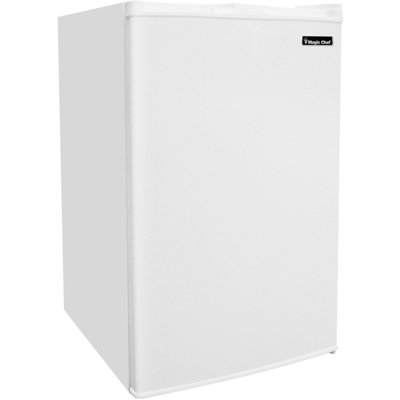
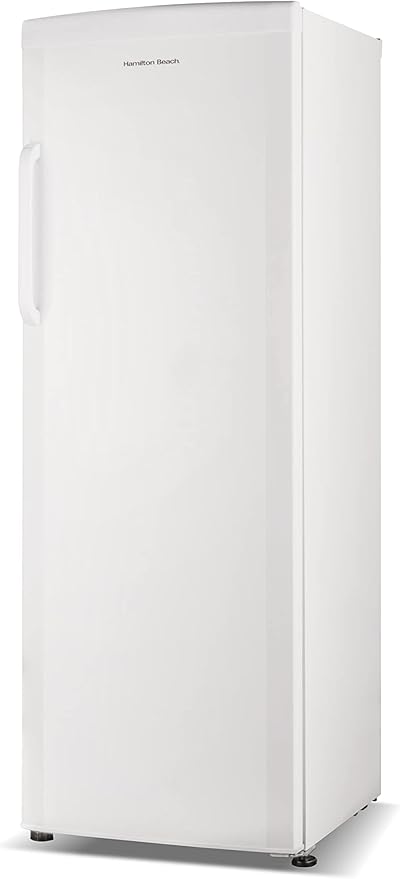
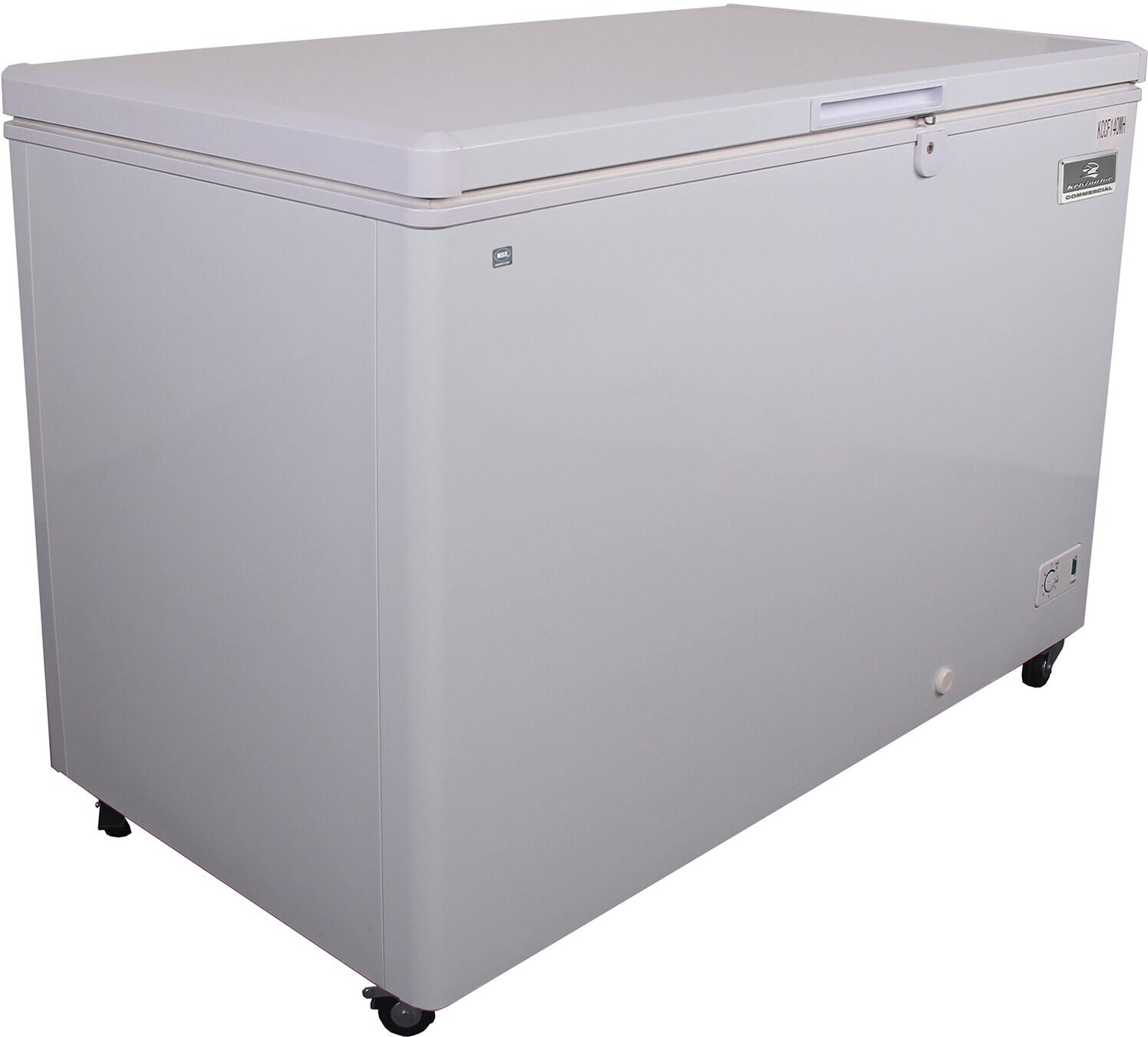
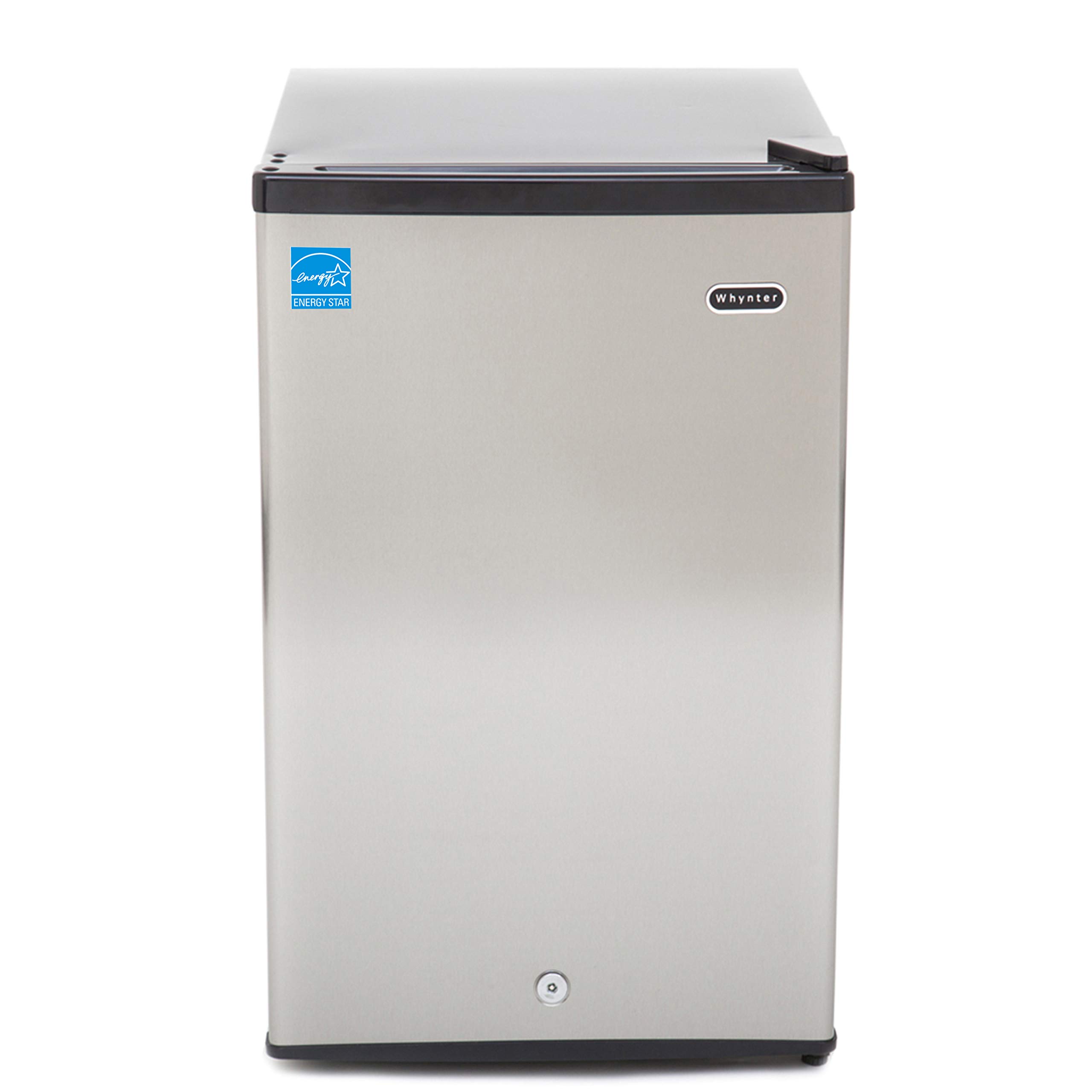
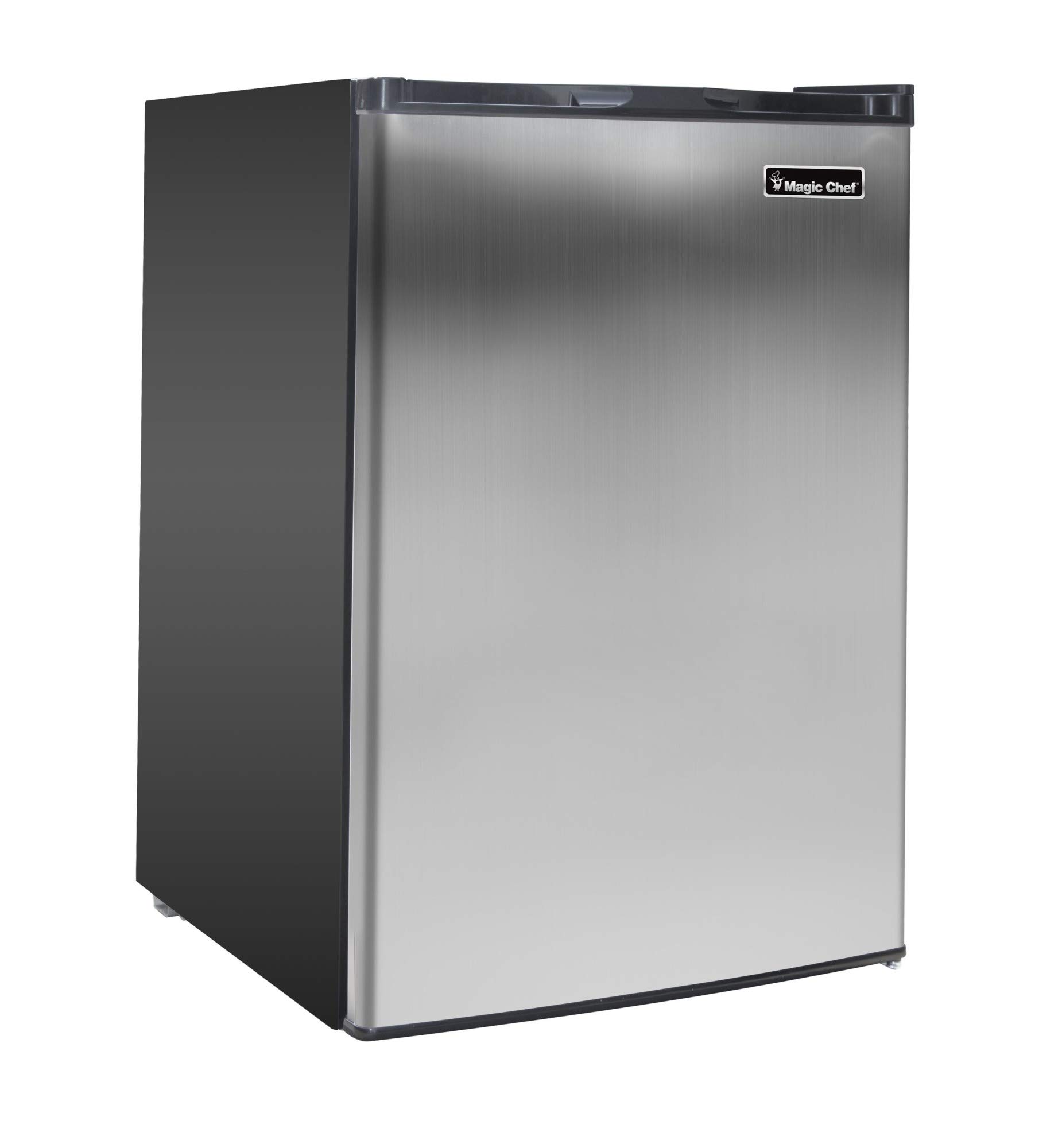
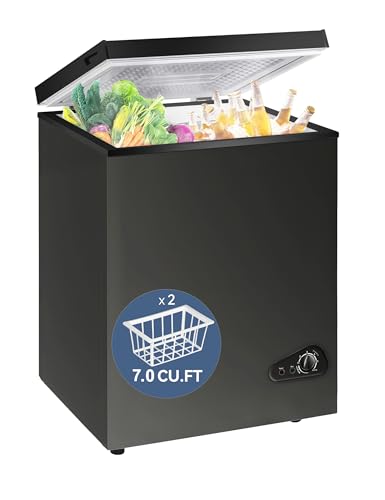
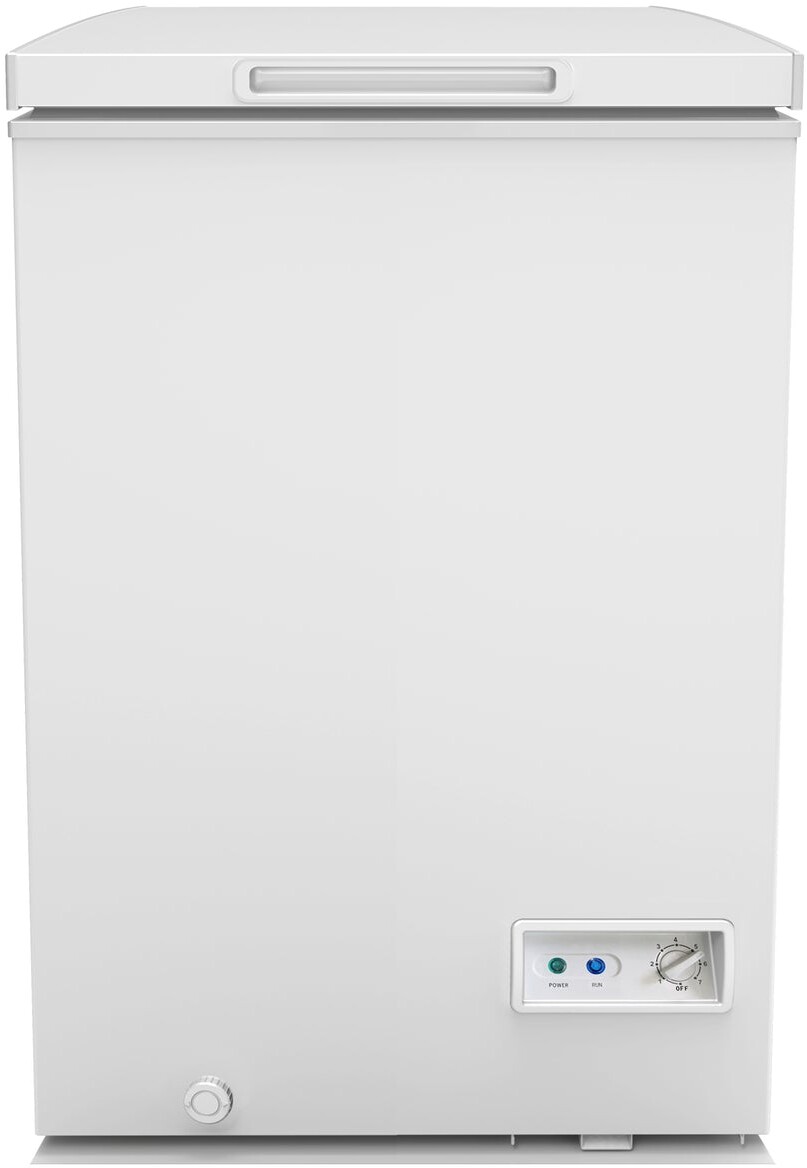
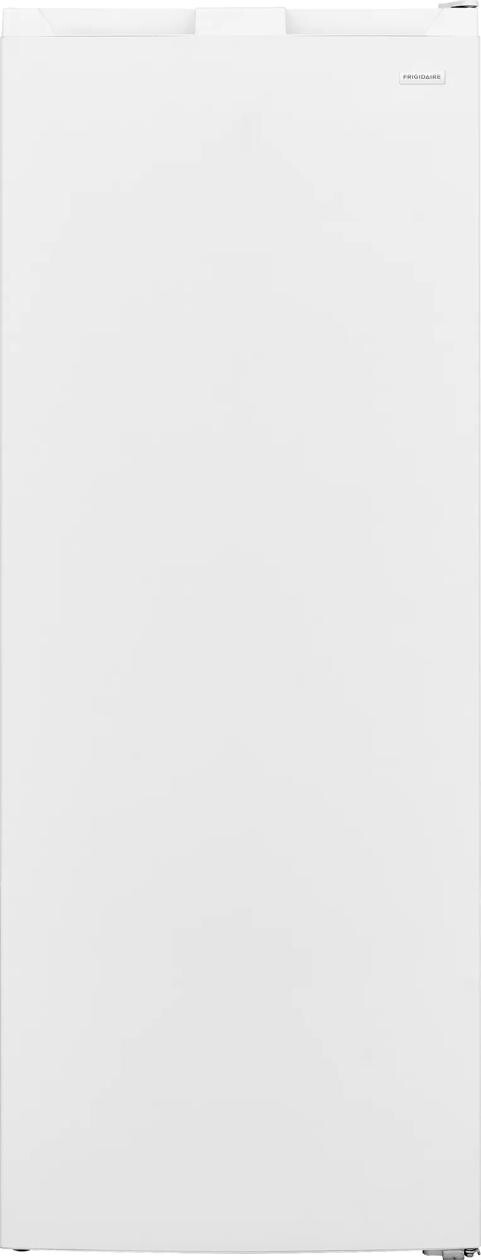
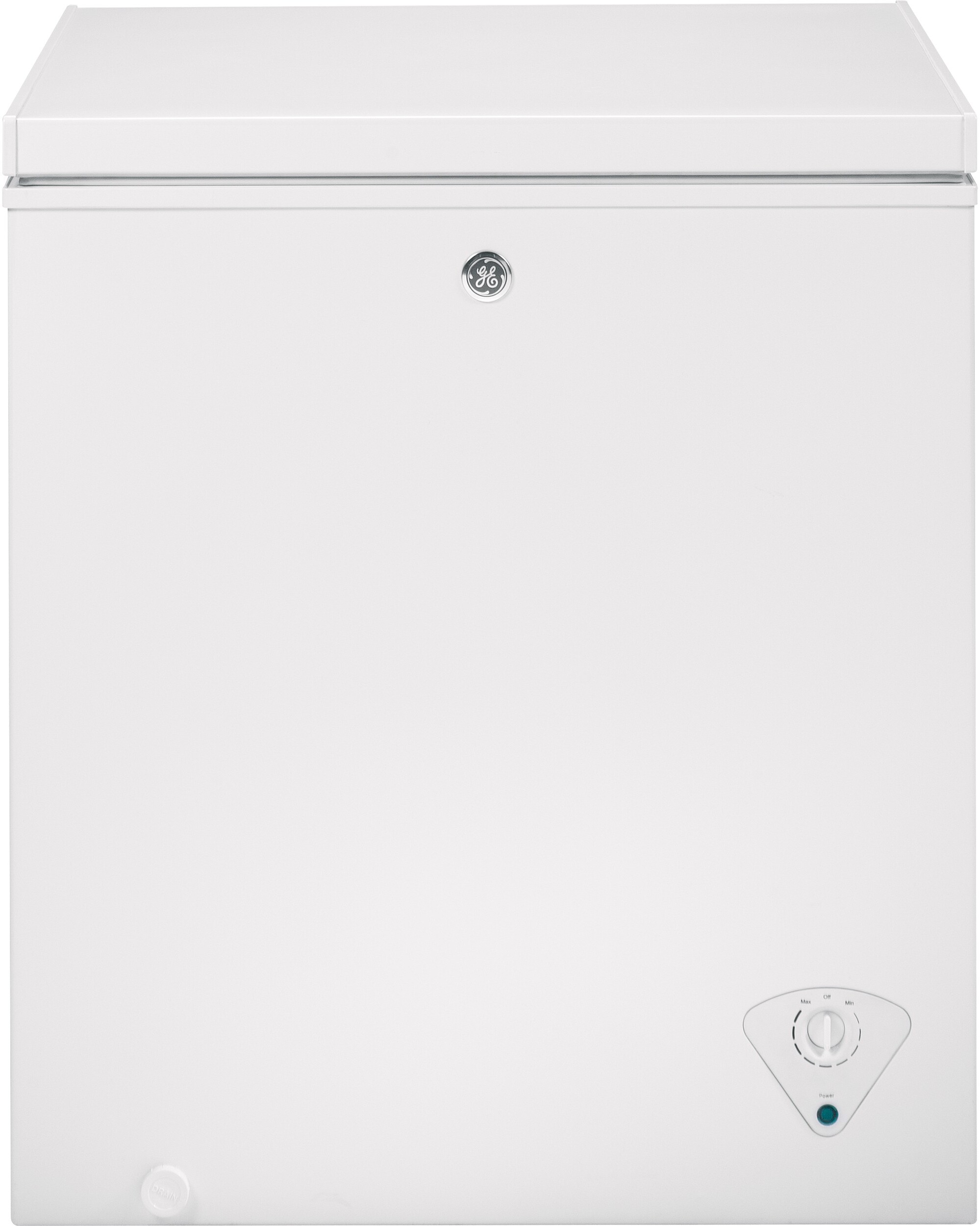
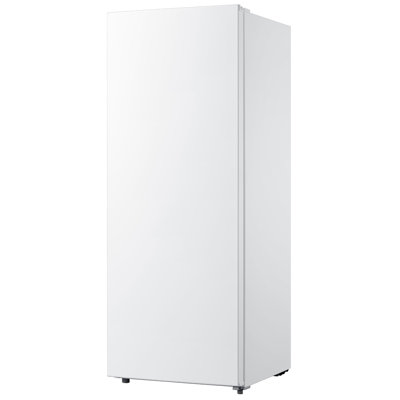
Undercounter freezers are a game-changer for anyone who loves to cook or just needs more freezer space. These little wonders slide right under your countertops, saving you precious floor space. Perfect for small kitchens, apartments, or even your garage or office, they give you extra storage without the bulk.
The best part? They're super convenient. No more digging through a giant freezer to find that one bag of peas. Everything you need is right at your fingertips. This is a lifesaver for busy families, party hosts, and chefs who need quick access to their ingredients.
What to Think About Before Buying
Before you rush out to buy an undercounter freezer, there are a few things you should think about to make sure you get the right one for you.
First up, measure your space. You don't want to bring home a freezer only to find it doesn't fit. Measure the height, width, and depth of the spot where you plan to put it. Need help? Check out Fridge.com guide on measuring your available space.
Next, think about how much storage you need. Undercounter freezers come in all sizes. If you've got a big family or love hosting parties, go for a larger one. If it's just you or you and a partner, a smaller one might do the trick.
Also, consider what you'll be storing. Some freezers have special compartments or drawers that make it easier to organize your food. Look for features that will help you keep things neat and easy to find.
Energy efficiency is another biggie. Check the energy rating to make sure your new freezer won't send your electric bill through the roof. Many modern models are designed to be energy-efficient, but it's always good to double-check.
Finally, think about any extra features you might want. Some freezers come with adjustable shelves, temperature controls, and even smart tech for remote monitoring. These can make your freezer even more user-friendly.
By keeping these factors in mind, you'll be able to pick the perfect undercounter freezer for your needs. For more tips on choosing the right size, check out Fridge.com sections on typical dimensions and capacity and storage options.
Picking the right undercounter freezer can be a game-changer for your kitchen. Let's break down the sizes and storage options so you can make the best choice.
Typical Dimensions
Undercounter freezers come in various sizes to fit different spaces. The standard width is usually around 24 inches, but you can find narrower or wider options if needed. Here’s a quick rundown:
Capacity, measured in cubic feet, tells you how much food a freezer can hold. Here’s a cheat sheet:
Capacity (cubic feet)
Suitable For
1.5 - 3.0
Small families or individuals
3.1 - 5.0
Medium-sized families
5.1 - 7.0
Larger families or those needing more storage
Different models come with various storage options like adjustable shelves, door bins, and drawers. Think about what you’ll be storing and how often you’ll need to access it to pick the best setup.
Knowing the typical dimensions and capacity options for undercounter freezers can help you pick the right one for your space and needs. Measure your available space carefully and consider the storage features that will best suit your lifestyle.
Finding the right undercounter freezer isn't just about looks—it's about making sure it fits like a glove in your kitchen or wherever you need it. Here’s how to nail it.
Measure Your Space Like a Pro
Before you even think about buying, grab that tape measure and get the lowdown on your space. Trust me, you don't want to end up with a freezer that sticks out like a sore thumb.
Height: Measure from the floor to the bottom of your counter.
Width: Measure the width of the space where the freezer will go.
Depth: Measure from the back wall to the front edge of your counter.
Dimension
How to Measure
Height
Floor to counter bottom
Width
Space width under the counter
Depth
Back wall to counter's front edge
Getting these numbers right means you won’t have to deal with a freezer that’s too big or too small.
Making Sure It Fits
With your measurements in hand, it’s time to make sure the freezer will fit like a dream. Here’s what else you need to think about:
Ventilation: Your freezer needs to breathe. Make sure there’s enough space around it for air to circulate.
Electrical Setup: Check that there's an outlet nearby and that it matches the freezer’s power needs.
Ease of Access: Ensure you can open the freezer door all the way without bumping into anything. You don’t want to wrestle with the door every time you need some ice cream.
For more tips on fitting different types of fridges and freezers, check out Fridge.com guides on apartment size refrigerator sizes and compact freezer sizes.
By following these steps, you’ll make sure your new undercounter freezer fits perfectly and works efficiently, giving you easy access to all your frozen goodies.
Getting your undercounter freezer set up right is super important for it to run smoothly and last a long time. Here are some handy tips on ventilation and electrical needs.
Keep It Cool: Ventilation Tips
Good airflow is a must for your undercounter freezer to work well. If it can't breathe, it might overheat, which can mess with its efficiency and even cause damage.
Give It Some Space: Make sure there's enough room around the freezer for air to move. Usually, 1-2 inches on all sides does the trick.
Check the Vents: Look at where the freezer's vents are. Some models vent from the front, which is great for tight spaces, while others vent from the back or sides.
Clean It Up: Keep the vents clean and clear. Dust and junk can build up and block airflow, making the freezer overheat.
Ventilation Aspect
Recommendation
Clearance Space
1-2 inches on all sides
Vent Placement
Front, back, or sides
Cleaning Frequency
Regularly
Power Up: Electrical Tips
Making sure your undercounter freezer is plugged in right is key for it to run safely and efficiently.
Dedicated Circuit: Use a dedicated electrical circuit to avoid overloading. This helps prevent issues like tripping breakers or even electrical fires.
Check Voltage and Amperage: Know the voltage and amperage your freezer needs. Most run on a standard 120-volt outlet, but double-check the specs.
Grounded Outlet: Use a grounded outlet to protect against electrical surges. This is important for safety and keeping your freezer in good shape.
Skip the Extension Cords: Plug the freezer directly into the wall. Extension cords can be a fire hazard and make the freezer less efficient.
Electrical Requirement
Recommendation
Circuit Type
Dedicated circuit
Voltage
120 volts (standard)
Outlet Type
Grounded
Extension Cords
Not recommended
By following these tips, your undercounter freezer will run like a champ. For more info on different types of freezers, check out articles like compact freezer sizes and built-in freezer sizes.
Making the Most of Your Undercounter Freezer
Want to get the best out of your undercounter freezer? Let's talk about how to keep it organized and running smoothly. This way, your freezer will last longer and work better.
Organizing Your Items
Keeping your freezer neat can save you time and space. Here’s how to do it:
Group Similar Items: Keep meats, veggies, and frozen meals together.
Label Everything: Write what it is and when you froze it.
Use Bins: Small bins or baskets can help keep things tidy.
First In, First Out (FIFO): Put older items in the front and newer ones in the back.
Category
Examples
Storage Tips
Meats
Chicken, Beef, Fish
Use separate bins, label clearly
Vegetables
Peas, Carrots, Broccoli
Store in original packaging
Frozen Meals
Pizzas, Lasagnas, Burritos
Stack vertically for easy access
Desserts
Ice Cream, Pies, Pastries
Store in dedicated section
Maintenance and Cleaning
Keeping your freezer clean and well-maintained is key to its performance. Here’s how:
Cleaning
Unplug the Freezer: Safety first—always unplug before cleaning.
Empty It Out: Put everything in a cooler to keep it frozen.
Defrost: If it’s manual, let the ice melt. Towels can help soak up the water.
Clean Inside and Out: Use warm water and mild soap. Wipe down all surfaces.
Dry It All: Make sure everything is dry before plugging it back in.
Maintenance
Check Seals: Look at the door seals. If they’re worn out, replace them.
Monitor Temperature: Keep it around 0°F (-18°C).
Ventilation: Make sure there’s good airflow around the freezer. Check out Fridge.com article on proper ventilation for more tips.
Regular Checks: Look for frost buildup and listen for weird noises.
Task
How Often
Clean Inside/Outside
Monthly
Defrost (if manual)
Every 3 months
Check Seals
Monthly
Monitor Temperature
Weekly
Ventilation Check
Monthly
By following these tips, your undercounter freezer will stay in top shape and meet all your storage needs. For more info on different freezer sizes, check out Fridge.com articles on upright freezer sizes and chest freezer sizes.
Thinking about getting an undercounter freezer? Let's break down the sizes and capacities so you can pick the perfect one for your space.
Typical Dimensions
Undercounter freezers come in various sizes to fit different spaces and needs. They generally fall within a standard range. Here are some common measurements:
Dimension
Measurement (inches)
Height
32 - 34
Width
20 - 24
Depth
22 - 26
These sizes ensure the freezer fits snugly under most countertops, making them perfect for homes, offices, and small spaces. If you're curious about similar options, check out Fridge.com article on undercounter refrigerator sizes.
Capacity and Storage Options
The capacity of an undercounter freezer is usually measured in cubic feet. Depending on your storage needs, you can find freezers with different capacities:
Freezer Capacity
Storage Volume (cu. ft.)
Small
2 - 3
Medium
3 - 4.5
Large
4.5 - 6
A larger freezer can store more items, making it a good choice for families or those who love to entertain. On the flip side, a smaller freezer might be just right for singles or smaller households. For more storage solutions, see Fridge.com articles on compact freezer sizes and mini freezer sizes.
Understanding the dimensions and capacity options for undercounter freezers will help you choose the right size for your space and needs. Make sure to measure your available space accurately and consider how much storage you need before making a purchase.
Compare freezer prices on Fridge.com
Compare current prices and specifications on Fridge.com, then buy from the retailer you choose; delivery, installation and warranty terms are the retailer’s.
It also has tons of awesome articles about kitchen stuff and home news. Enhance your home, garage, backyard, patio, and office with the coolest essentials. With every necessary type of residential refrigerator or freezer in the collection, you're covered.
Free tool
Food Storage Calculator
Free interactive tool from Fridge.com — get a quick answer while you read.