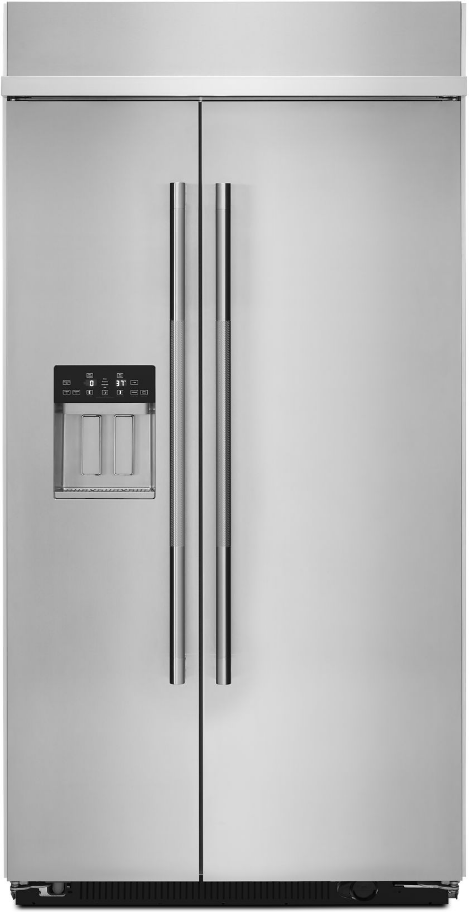
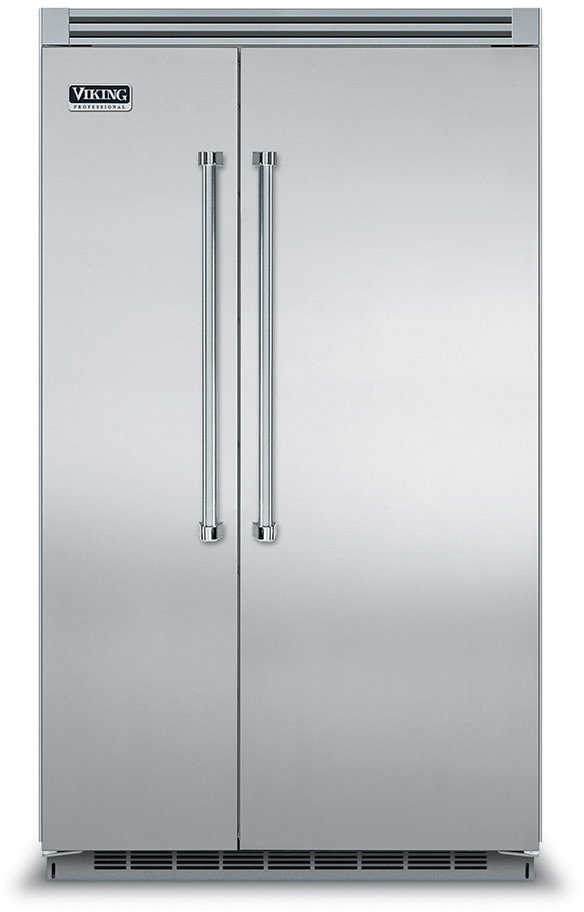
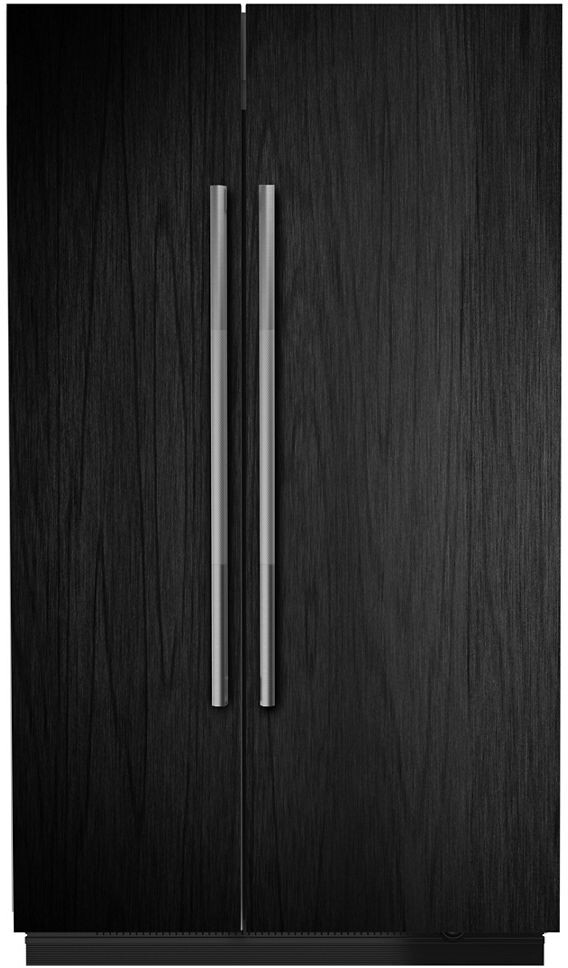
The trade-offs are concrete: a side-by-side draws roughly 630–700 kWh per year and costs $1,000–$2,500, while a top freezer uses about 400–500 kWh per year and costs $500–$1,200.
Higher cost: Typically $1,000–$2,500, more than most top freezer models.
Top freezers are cheaper, typically $500–$1,200, while side-by-side models generally run $1,000–$2,500.
Cost-effective: Generally cheaper, with prices starting around $500.
Side By Side Refrigerator Vs. Top Freezer Refrigerator
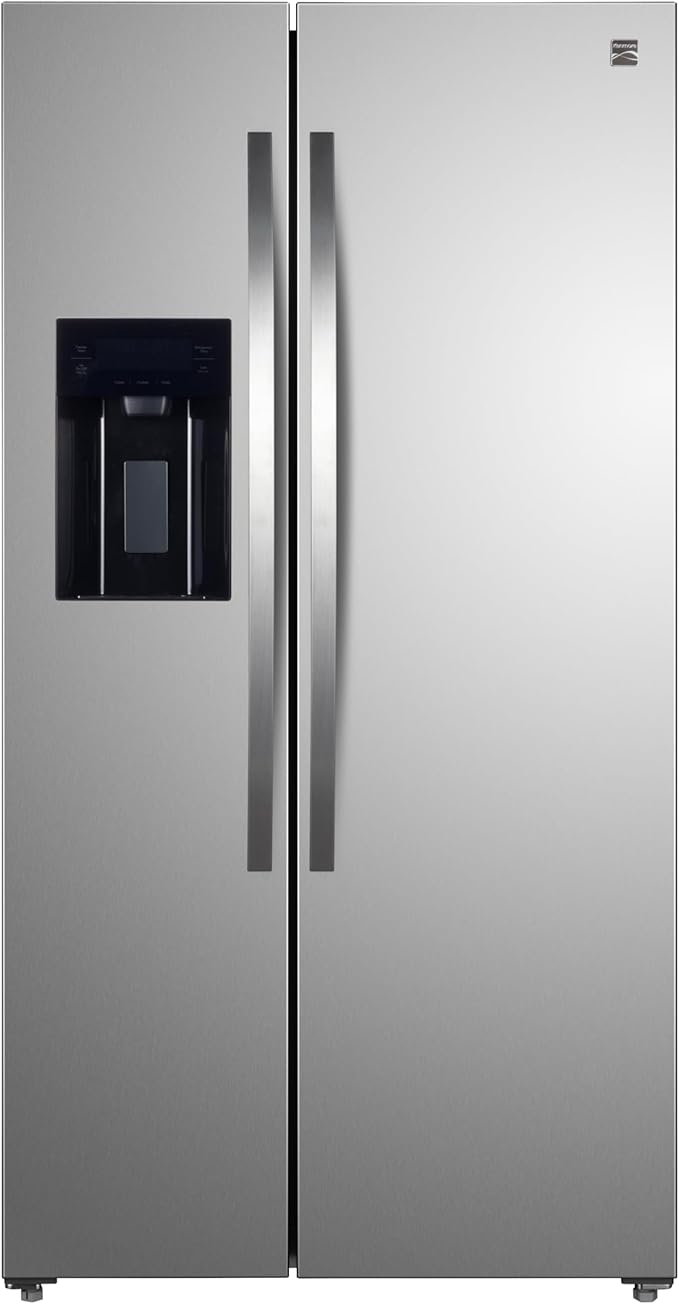
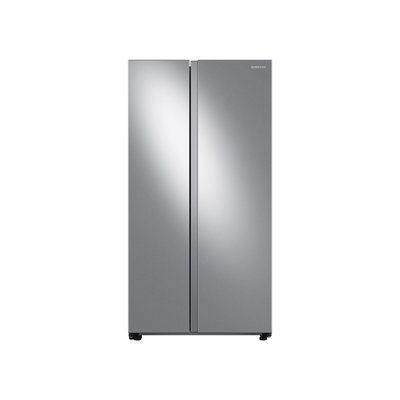
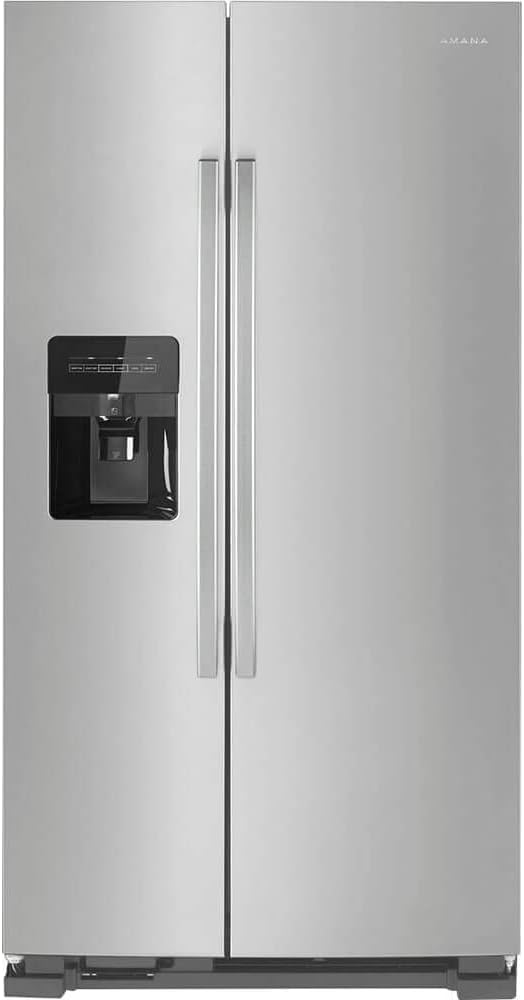
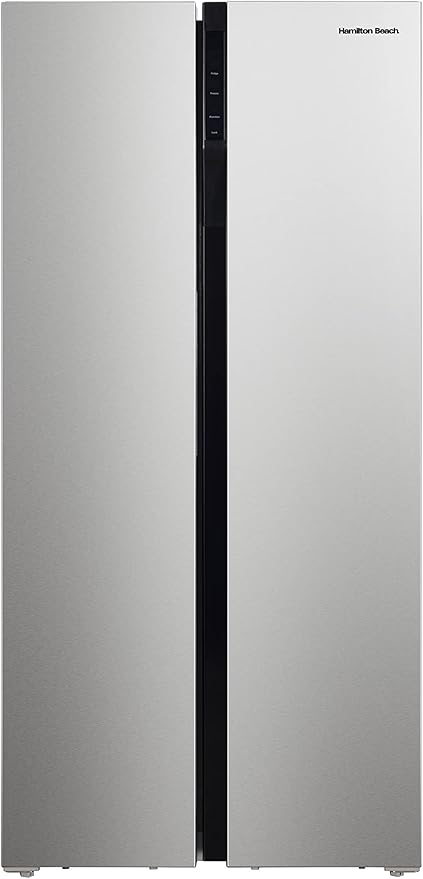
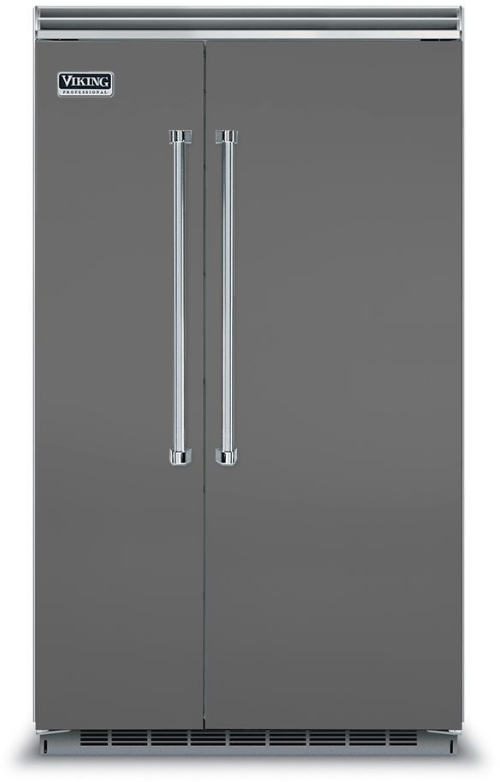
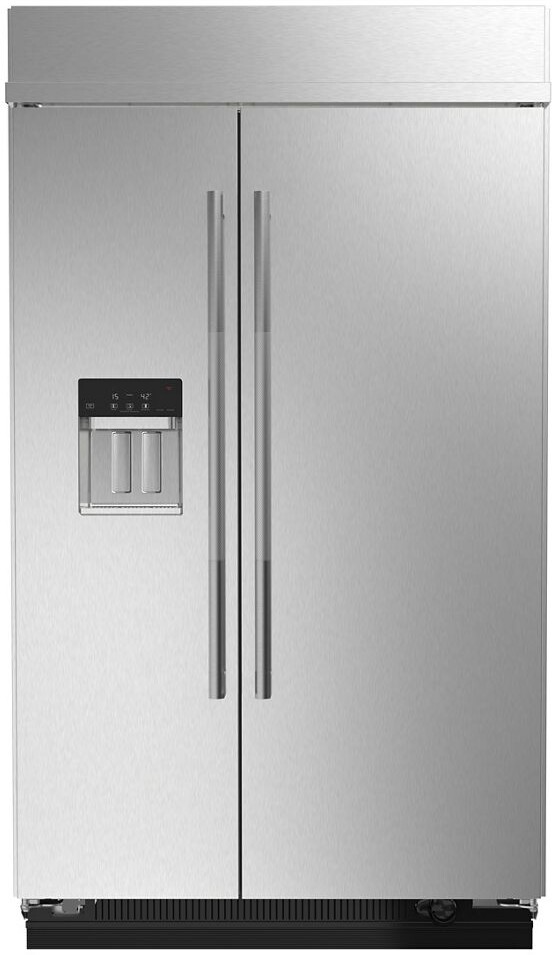
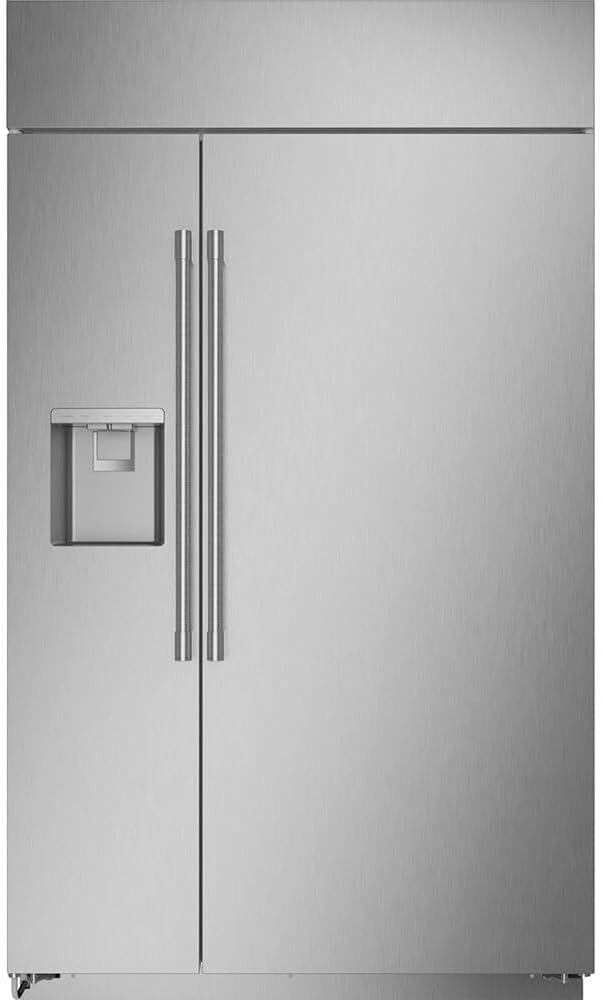
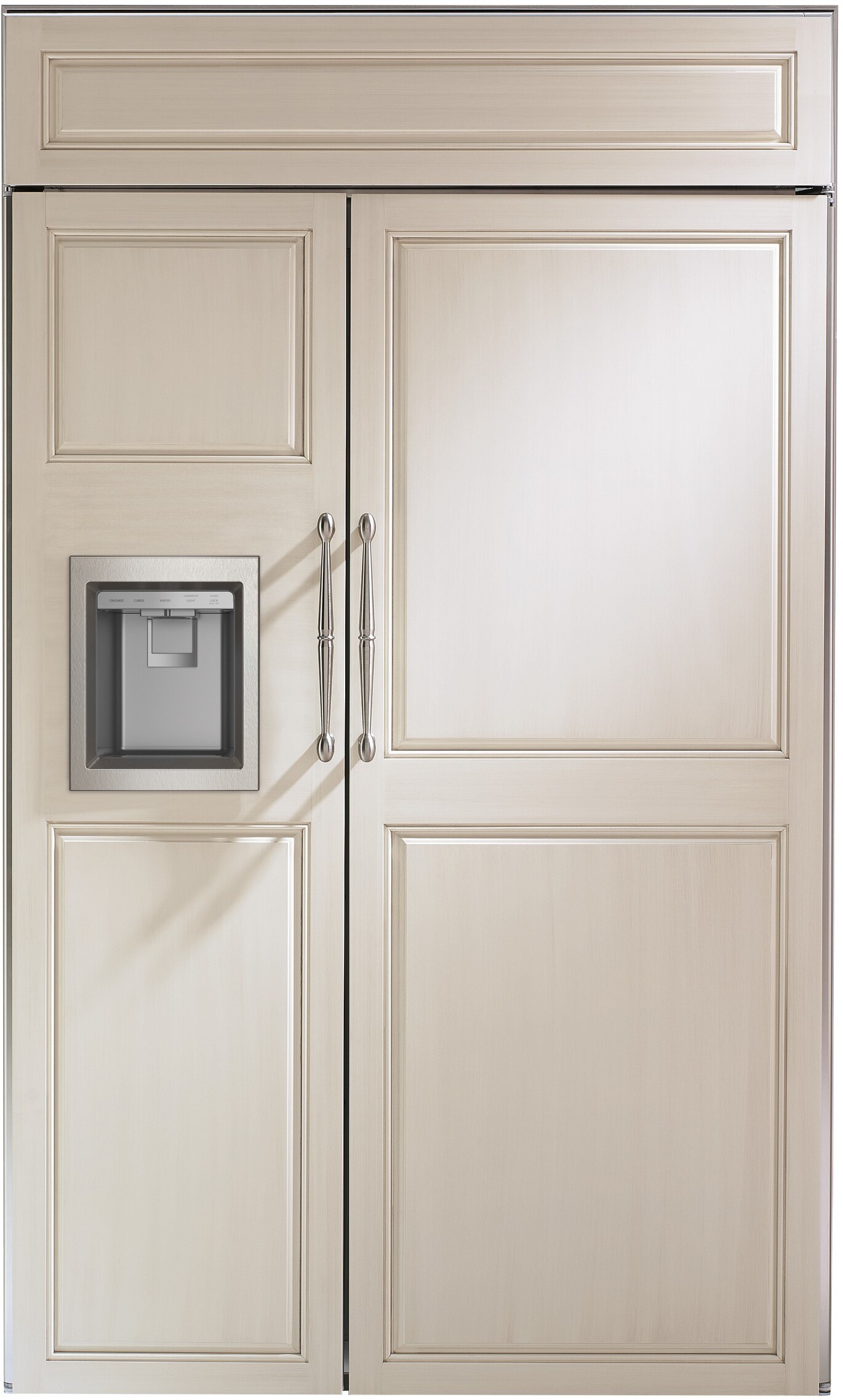
Side-by-side refrigerators place the freezer and fridge in two full-height compartments that open from the middle, while top freezer refrigerators stack the freezer above a lower fridge in the classic layout. The trade-offs are concrete: a side-by-side draws roughly 630–700 kWh per year and costs $1,000–$2,500, while a top freezer uses about 400–500 kWh per year and costs $500–$1,200. Reliability splits the two as well — top freezers show repair rates near 15% without an icemaker and 28% with one, versus about 36% for side-by-side models. A side-by-side keeps both fresh and frozen food at eye level; a top freezer trades that convenience for a lower price, lower energy use, and a wider fridge section. Use the comparison below to match layout, energy use, price, and access pattern to your kitchen.
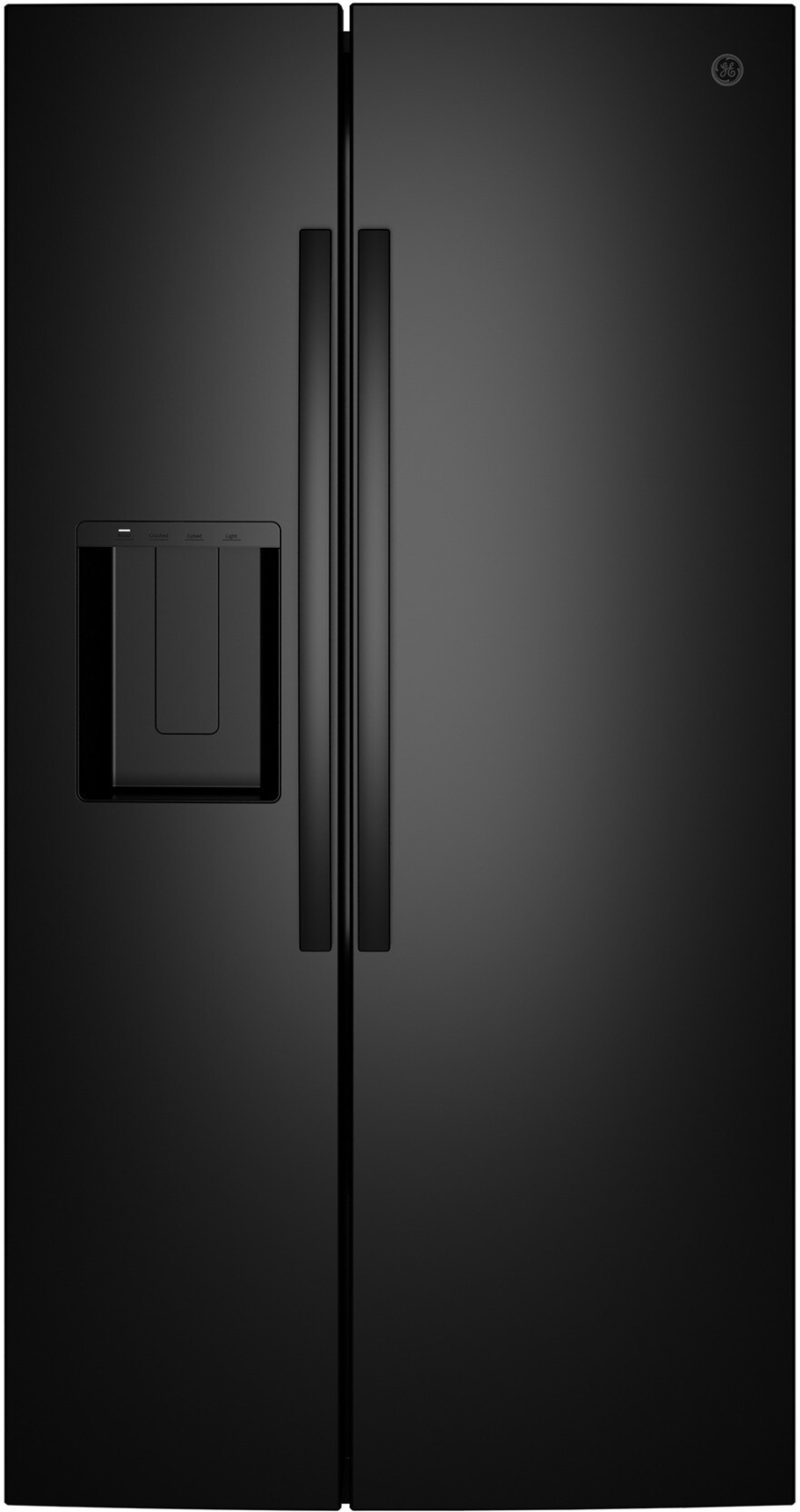
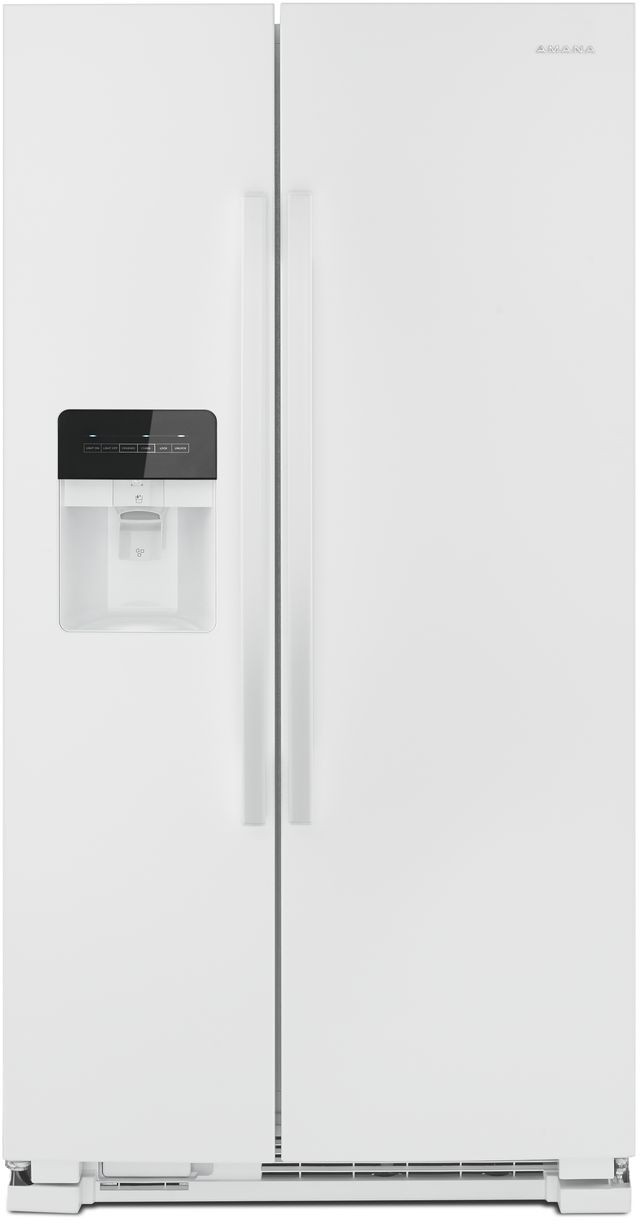
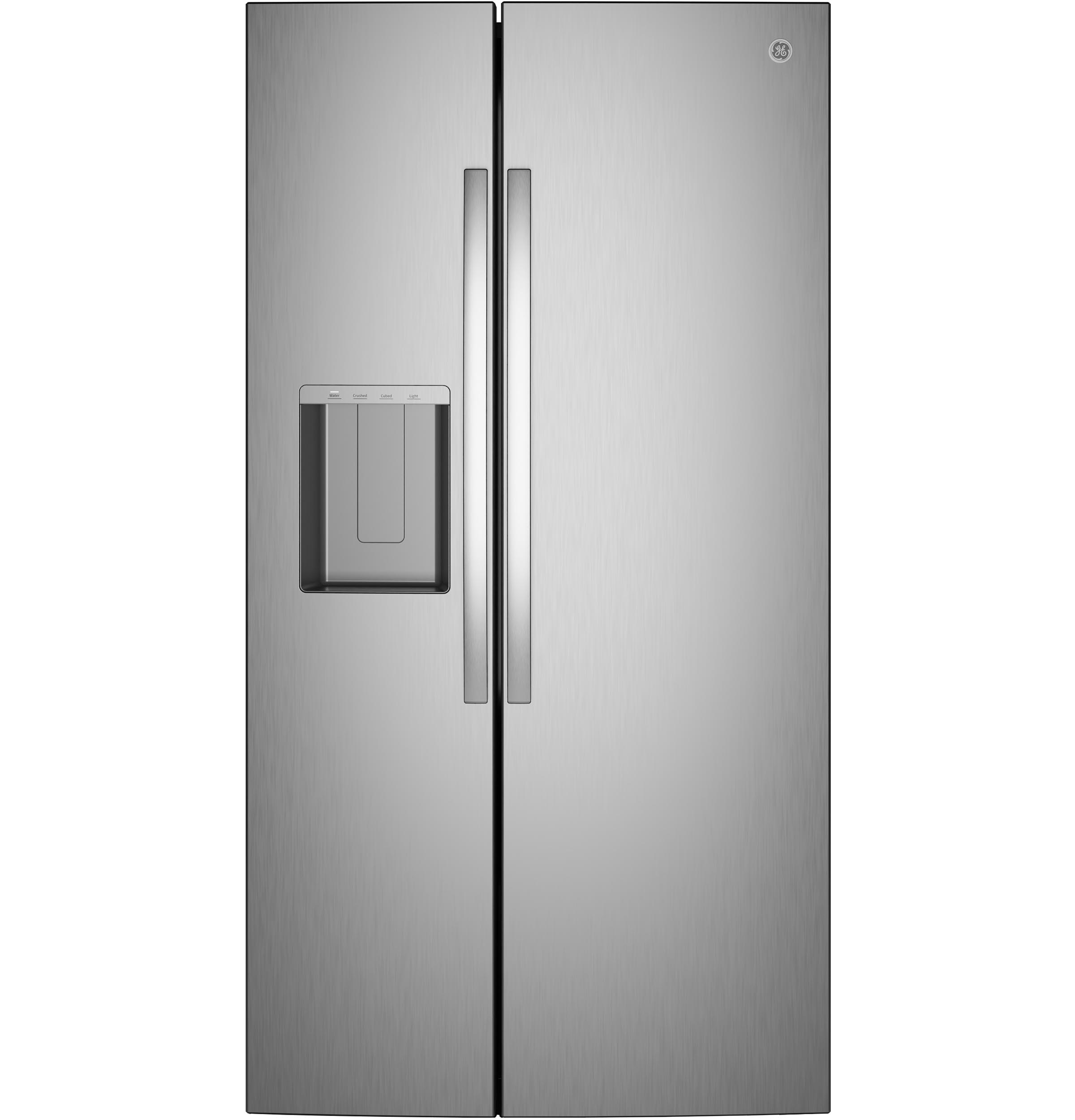
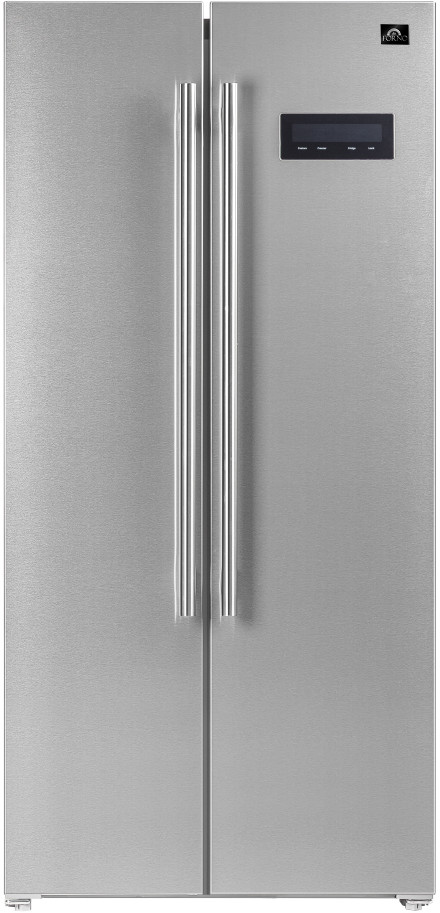
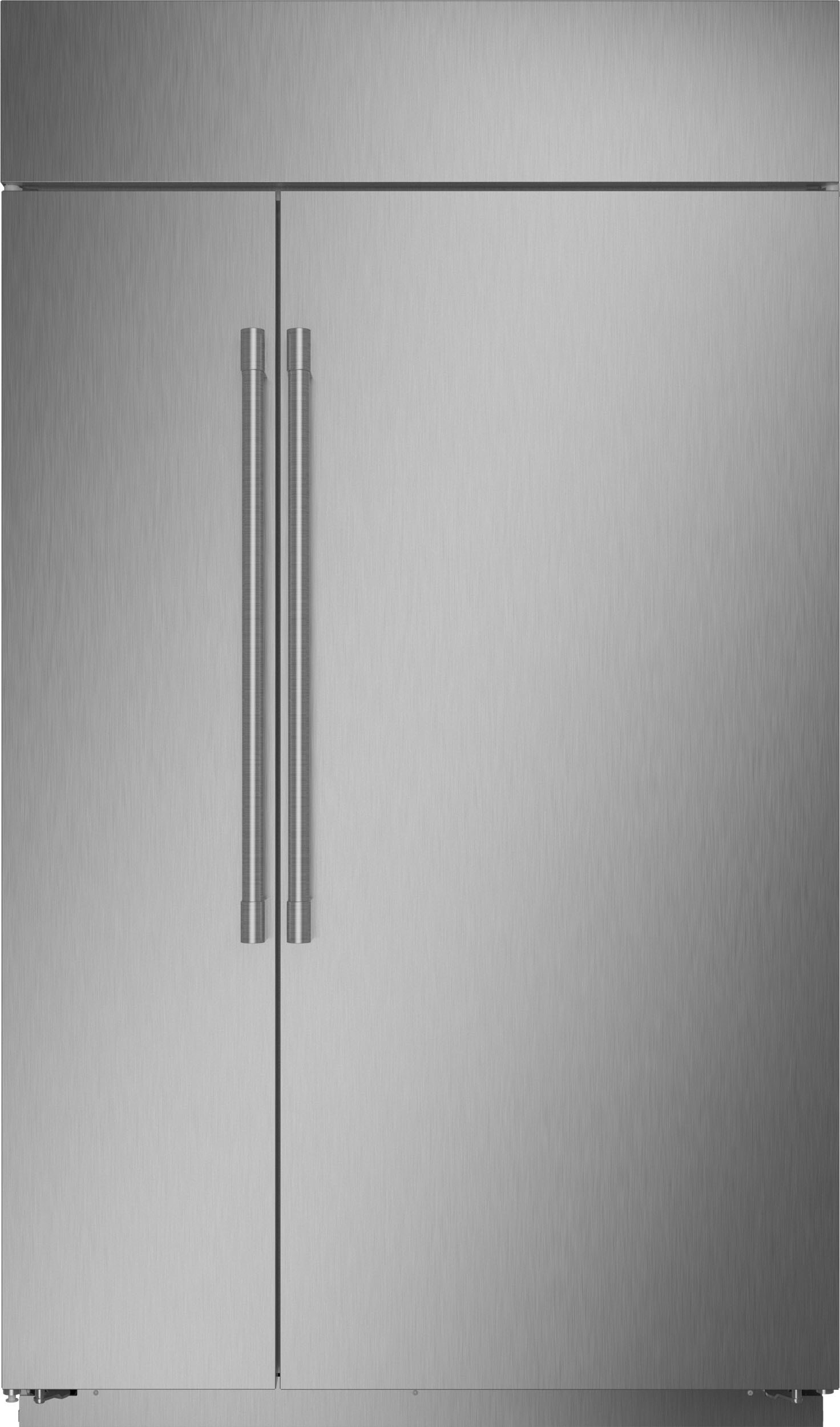
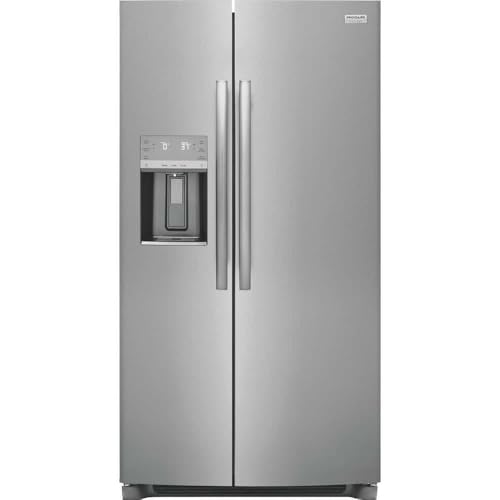
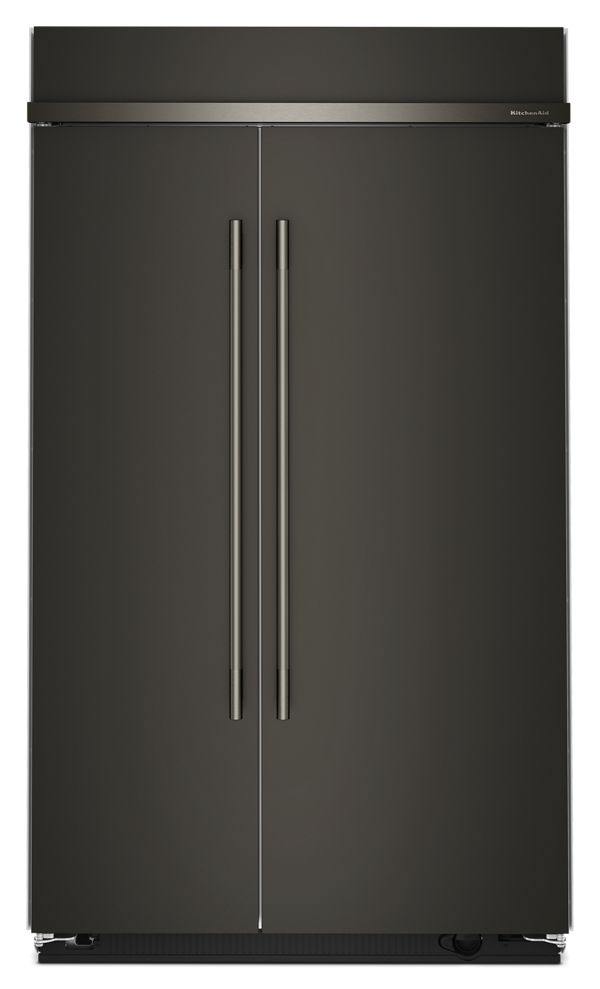
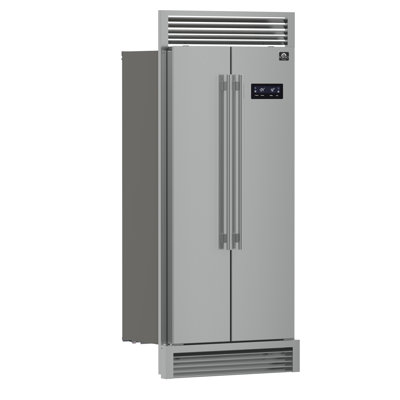
A side-by-side refrigerator has two vertical doors that open from the middle, with the freezer on one side and the fridge on the other. The vertical split puts both frozen and fresh food at eye level, so you can reach either without bending or stretching, and it makes the most of vertical space.
Feature
Description
Door Design
Two vertical doors, freezer on one side, fridge on the other
Access
Easy access to both freezer and fridge without bending or stretching
Space Utilization
Makes the most of vertical space
Storage Capacity and Organization
The vertical split makes individual compartments narrower, but adjustable shelves and door bins recover much of that space. Store tall items like bottles and pitchers on the fridge side, while the freezer side offers multiple sections for frozen goods. The one real limit is width: a wide party platter or a large sheet cake may not fit the narrower shelves.
Storage Feature
Benefit
Adjustable Shelves
Move them around to fit all your stuff
Door Bins
Perfect for smaller items like condiments and drinks
Freezer Compartments
Multiple sections to keep your frozen foods organized
Best For
Side-by-side refrigerators are best suited to larger kitchens, families who need quick access to both frozen and fresh foods, and anyone who values modern features like built-in water and ice dispensers.
Key Advantages
Convenient access: Fresh and frozen items sit at eye level, no bending required.
Features galore: Often equipped with through-the-door water and ice dispensers.
Modern aesthetic: Sleek, contemporary look that suits updated kitchens.
Potential Drawbacks
Higher cost: Typically $1,000–$2,500, more than most top freezer models.
Space constraints: Narrower compartments limit storage for wide or bulky items.
More to repair: Icemakers and dispensers push repair rates toward 36%.
A top freezer fridge is the classic layout, with the freezer on top and the fridge below, so you grab frozen goods without bending over. Inside you will usually find adjustable shelves and door bins, plus a crisper drawer to keep fruits and vegetables fresh. The simple design makes it easy to find what you need, and it delivers more usable storage space for large items than a comparably sized side-by-side.
Storage Capacity and Organization
Top freezer fridges strike a balance between freezer and fridge space, and sizes vary widely. Here is a quick look at typical storage capacities:
Refrigerator Type
Total Capacity (cu. ft.)
Fridge Capacity (cu. ft.)
Freezer Capacity (cu. ft.)
Small Top Freezer
14 - 16
10 - 12
4 - 5
Medium Top Freezer
18 - 20
13 - 15
5 - 6
Large Top Freezer
21 - 23
15 - 17
6 - 7
For keeping things tidy, look for models with adjustable shelves and door bins, and extras like deli drawers and butter bins that make organizing easier.
Best For
Top freezer refrigerators are ideal for smaller kitchens, budget-conscious shoppers, and anyone who prioritizes energy efficiency over dispenser features.
Key Advantages
Cost-effective: Generally cheaper, with prices starting around $500.
Energy efficient: Uses less energy than most side-by-side models.
Simple design: Provides more usable storage space, especially for larger items.
Lower repair rates: Less likely to need repairs, roughly 15% without an icemaker.
Potential Drawbacks
Ergonomics: You bend to reach items in the lower fridge section.

Freezer access: Less convenient if you reach for frozen food often.

Energy efficiency is one of the clearest differences between these two layouts. Top-freezer models generally win, because a simpler design with fewer features needs less power to keep food cold.

Energy Usage Showdown
Refrigerator Type
Average Annual Energy Use (kWh)
Side-By-Side Refrigerator
630 - 700
Top-Freezer Refrigerator
400 - 500
Top-freezer fridges usually use less energy, which can lower your electricity bill over the life of the appliance.
Green Footprint
Efficiency is not only about money; less energy use means fewer greenhouse gases, making top-freezer models the greener choice. The materials and refrigerants matter too, but both types generally use similar refrigerants, so the real difference is in energy consumption. Curious about more comparisons? Check out Fridge.com article on beverage cooler Vs. countertop freezer.
Beyond cost and energy, the two layouts change how easily you reach your food every day.
Ease of Access to Items
Side-By-Side Refrigerator: The fridge and freezer sit next to each other, so you grab ice cream or vegetables without a deep bend. The catch is width — a large party platter can be a tight fit in the narrower compartments.
Top-Freezer Refrigerator: The freezer on top puts frozen items right at hand, but the lower fridge section means you bend down more often for fresh food.
Feature
Side-By-Side Refrigerator
Top-Freezer Refrigerator
Fresh Items Access
Mid to Upper Shelves
Lower Shelves
Frozen Items Access
Mid to Upper Shelves
Upper Shelves
Storage Width
Narrower
Wider
Ergonomics of Daily Use
Side-By-Side Refrigerator: Most items land near eye level, with little bending or stretching. That helps if you use both the fridge and freezer heavily and want to see everything at a glance.
Top-Freezer Refrigerator: Frozen goods stay in view up top, but you bend down for the fresh section. If you reach for fresh food constantly, that can be a nuisance. Want more fridge comparisons? Check out Fridge.com article on auto defrost freezer Vs. top-freezer refrigerator.
Cost comes in two parts: the upfront price and what you spend on maintenance and repairs over time.
Initial Purchase Price
Side-by-side fridges usually cost more because they carry more features and larger capacity.
Refrigerator Type
Average Price Range
Side By Side Refrigerator
$1,000 - $2,500
Top Freezer Refrigerator
$500 - $1,200
Long-Term Maintenance and Repairs
Side-by-side fridges can be pricier to fix because they have more components that can fail — reflected in repair rates near 36%, versus 15% (no icemaker) to 28% (with icemaker) for top freezers. Top-freezer fridges are simpler, so repairs are usually cheaper.
Refrigerator Type
Average Annual Maintenance Cost
Common Repairs
Side By Side Refrigerator
$50 - $100
Ice maker, water dispenser
Top Freezer Refrigerator
$30 - $70
Thermostat, door seal
Space and Installation
Before you buy either type, measure your kitchen space — side-by-side and top-freezer refrigerators have different dimensions and clearance needs.
Fit and Placement in Your Kitchen
Side-by-Side Refrigerator
Side-by-side refrigerators use a vertical split, with the freezer on one side and the fridge on the other. They need more width but less depth.
Dimension
Side-by-Side Refrigerator
Width
32 - 36 inches
Depth
28 - 34 inches
Height
65 - 70 inches
Top-Freezer Refrigerator
Top-freezer refrigerators put the freezer on top and usually need less width.
Dimension
Top-Freezer Refrigerator
Width
28 - 33 inches
Depth
28 - 34 inches
Height
61 - 66 inches
Installation Requirements and Considerations
Side-by-Side Refrigerator
Clearance: Leave enough space for the doors to open fully; they need more horizontal room.
Ventilation: Leave space at the sides and behind the unit to prevent overheating.
Water line: A water dispenser or ice maker needs access to a water line.
Top-Freezer Refrigerator
Clearance: The top door needs vertical space to open fully, so allow room above the unit.
Ventilation: Leave space around the unit for proper airflow.
Electrical outlet: Make sure a nearby outlet can power the refrigerator.
Choose a top freezer refrigerator if you prioritize budget and energy efficiency, want the most usable fridge space in a small footprint, and don't mind bending for fresh items.
Choose a side-by-side refrigerator if you want easy eye-level access to both fresh and frozen food, value built-in ice and water dispensers, and have the width to spare.
The experts at Fridge.com suggest evaluating your kitchen space, budget, and feature preferences to choose the refrigerator that best suits your lifestyle.
FAQ
What is the difference between a side-by-side and a top freezer refrigerator?
A side-by-side splits the freezer and fridge into two vertical compartments that open from the middle, keeping both at eye level. A top freezer stacks the freezer above the fridge, giving a wider fridge section but requiring you to bend for fresh food.
Which type of refrigerator is more energy-efficient?
Top freezer models generally consume less energy — about 400–500 kWh per year, versus 630–700 kWh for side-by-side models — thanks to their simpler design.
Which is cheaper, side-by-side or top freezer?
Top freezers are cheaper, typically $500–$1,200, while side-by-side models generally run $1,000–$2,500.
Which is more reliable?
Top freezers have lower repair rates — roughly 15% without an icemaker and 28% with one — compared with about 36% for side-by-side models, and their annual maintenance tends to run $30–$70 versus $50–$100.
How do the dimensions compare?
Side-by-side units are typically 32–36 inches wide and 65–70 inches tall; top freezers are usually 28–33 inches wide and 61–66 inches tall. Both run about 28–34 inches deep.
Which is better for a small kitchen?
A top freezer refrigerator, because it needs less width, costs less, and offers a wider, more usable fridge section for its footprint.
Which is better for a family that opens the fridge constantly?
A side-by-side refrigerator, since fresh and frozen items both sit at eye level and dispensers are easy to reach without bending.
Get Your Upgrade or New Addition at Fridge.com
Whether you're searching for your perfect fridge, freezer, wine fridge, beer fridge, ice maker, or kegerator, Fridge.com has what you need.
Free tool
French Door Vs Side By Side Refrigerator
Free interactive tool from Fridge.com — get a quick answer while you read.