For instance, an appliance that costs you $100 more initially but saves you $20 annually on energy can pay for itself in five years.
When selecting the ideal refrigeration solution for your home, a panel ready refrigerator offers a seamless integration option.
This section will provide a comprehensive understanding of what a panel ready refrigerator is, the benefits it can offer to your household, and important considerations before making your decision.
Convenience: Ideal for road trips, camping, or tailgating, allowing you to keep food and beverages frozen on the go.
When you're considering the addition of new cooling appliances in your home, you may find yourself comparing the sleek integration of a panel ready refrigerator with the convenience of a portable freezer. Your choice can significantly impact the aesthetics, functionality, and flexibility of your kitchen or any space where food preservation is essential.
A panel ready refrigerator offers a seamless look, as it's designed to accommodate custom panels that match your cabinetry, thereby creating a uniform and sophisticated appearance in your kitchen. On the other hand, a portable freezer provides the flexibility to move your freezing capabilities from the kitchen to other areas such as a garage, basement, or even on road trips, thanks to its compact design and often lighter weight.
Before deciding on a panel ready refrigerator or a portable freezer, you'll want to consider several factors including your available space, design preferences, cooling needs, and lifestyle. Do you prioritize the integrated design that blends with your home's decor, or do you value the versatility of a cooling solution that can travel with you?
For those who enjoy entertaining and have a dedicated space for a wine collection, a panel ready refrigerator might be the perfect fit, especially when paired with a built in wine cooler. Alternatively, if you're someone who often hosts outdoor events or requires extra freezer space that can adapt to different locations, a portable freezer might be the way to go, aligning more with products like a portable refrigerator.
In terms of longevity and energy consumption, you will also want to consider energy efficiency. Both options come with various energy ratings that could affect your utility bills and environmental footprint.
Ultimately, your decision between a panel ready refrigerator and a portable freezer will depend on your specific needs, preferences, and lifestyle. Whether you opt for the built-in elegance of a panel ready refrigerator or the movable convenience of a portable freezer, ensure that your choice enhances your daily routine and complements your space. For more details on other cooling options and comparisons, such as counter depth refrigerators or undercounter freezers, visit the respective links.
Panel Ready Refrigerator Overview
When selecting the ideal refrigeration solution for your home, a panel ready refrigerator offers a seamless integration option. This section will provide a comprehensive understanding of what a panel ready refrigerator is, the benefits it can offer to your household, and important considerations before making your decision.
What is a Panel Ready Refrigerator?
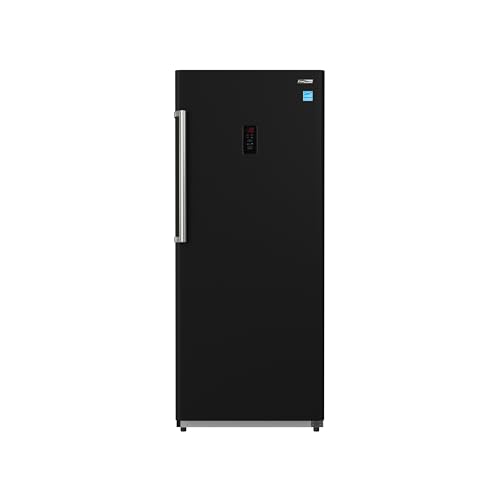
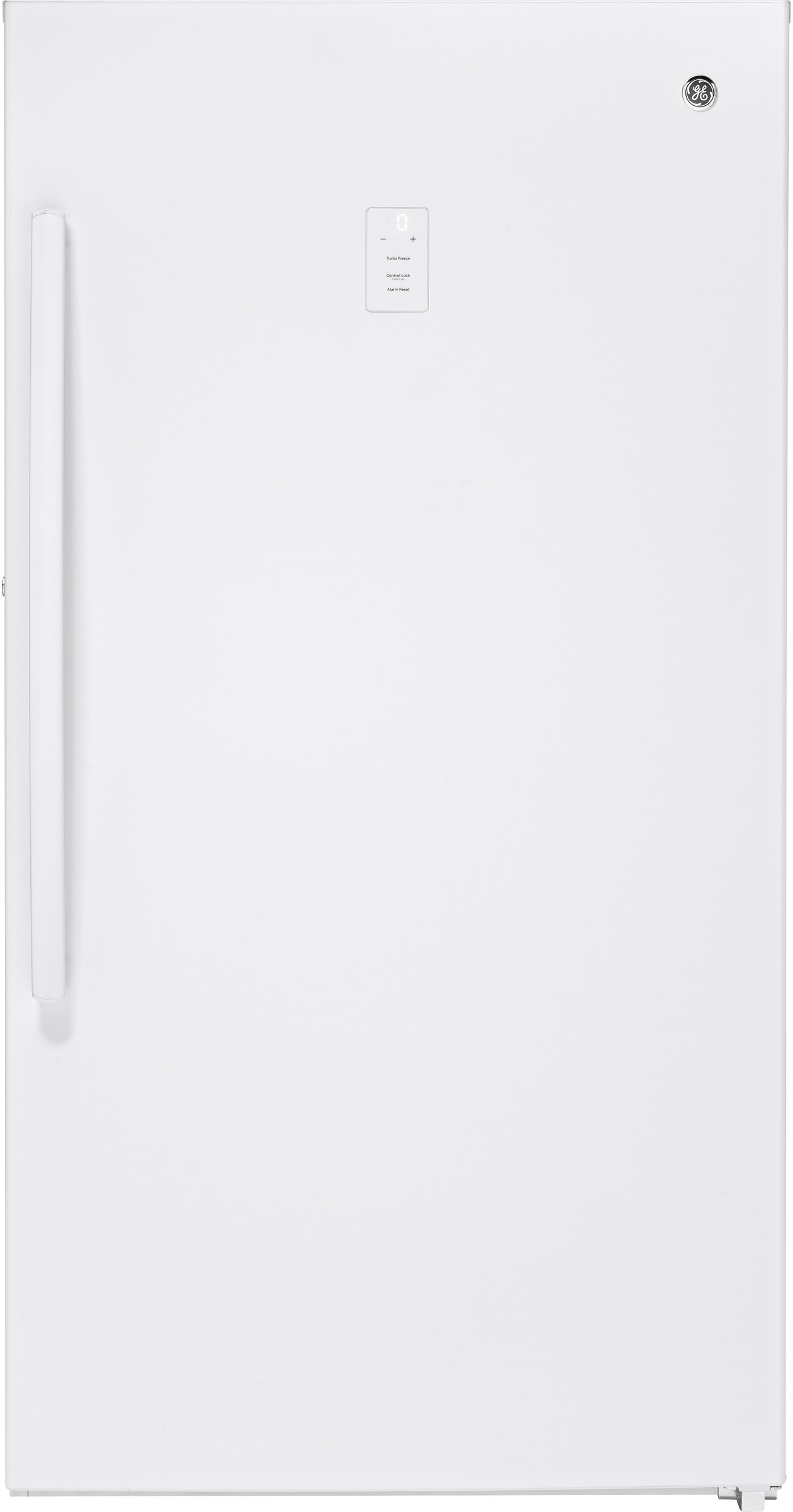
A panel ready refrigerator is a type of built-in appliance designed to accept custom panels that match your kitchen cabinetry. This allows the refrigerator to blend in with the rest of your kitchen for a cohesive look. Unlike standard refrigerators, which often stand out due to their distinct appearance, panel ready units offer an understated elegance and a high-end finish to your kitchen design.
Benefits of a Panel Ready Refrigerator
The main allure of a panel ready refrigerator is its aesthetic appeal. By aligning with your cabinetry, it provides a streamlined and sophisticated appearance that can elevate the overall design of your kitchen. Moreover, these refrigerators often come with high-quality features and superior craftsmanship, as they are typically positioned at the premium end of the market.
Benefit
Description
Customizable Design
Aligns with your kitchen cabinetry for a built-in look.
Space Efficiency
Designed to fit into cabinetry, maximizing kitchen space.
Enhanced Kitchen Aesthetics
Offers a sleek, continuous design without visual interruptions.
Increased Home Value
Can contribute to a higher property value with upscale kitchen finishes.
Considerations Before Choosing a Panel Ready Refrigerator
Choosing a panel ready refrigerator requires careful thought. Consider the following aspects to ensure that you select a refrigeration solution that is compatible with your needs and lifestyle:
Kitchen Layout: Ensure your kitchen design can accommodate a built-in appliance. Measure the space accurately and consult with a designer or contractor if necessary.
Budget: Panel ready refrigerators tend to be more expensive than their freestanding counterparts due to their custom nature and advanced features.
Custom Panel Costs: Factor in the additional expense of purchasing custom panels and possibly hiring a professional for installation.
Installation Requirements: Evaluate the complexity of installation. These refrigerators often need professional installation to ensure a perfect fit with your cabinetry.
Maintenance and Repairs: Consider potential maintenance and repairs. Built-in appliances may require specialized service, which can be more costly.
Before making your decision, explore other cooling and freezing options such as a portable freezer vs. portable refrigerator or compare a counter depth refrigerator vs. shallow depth refrigerator. Understanding the differences between various types of refrigeration can help you make an informed decision tailored to your home's specific needs.
When you're considering cooling solutions that offer flexibility and convenience, a portable freezer might fit the bill perfectly. This section will delve into what portable freezers are, their benefits, and what to consider before making a purchase.
What is a Portable Freezer?
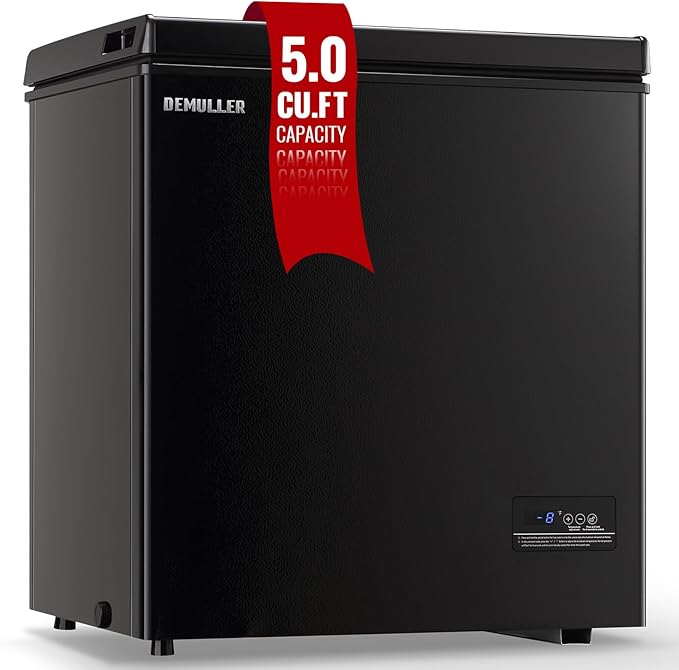
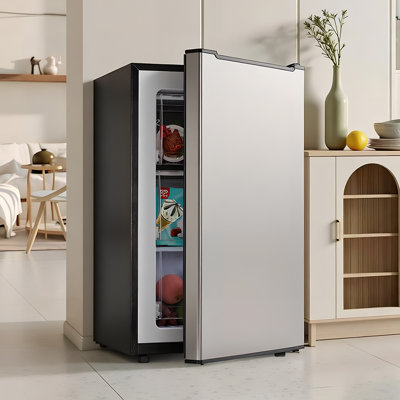
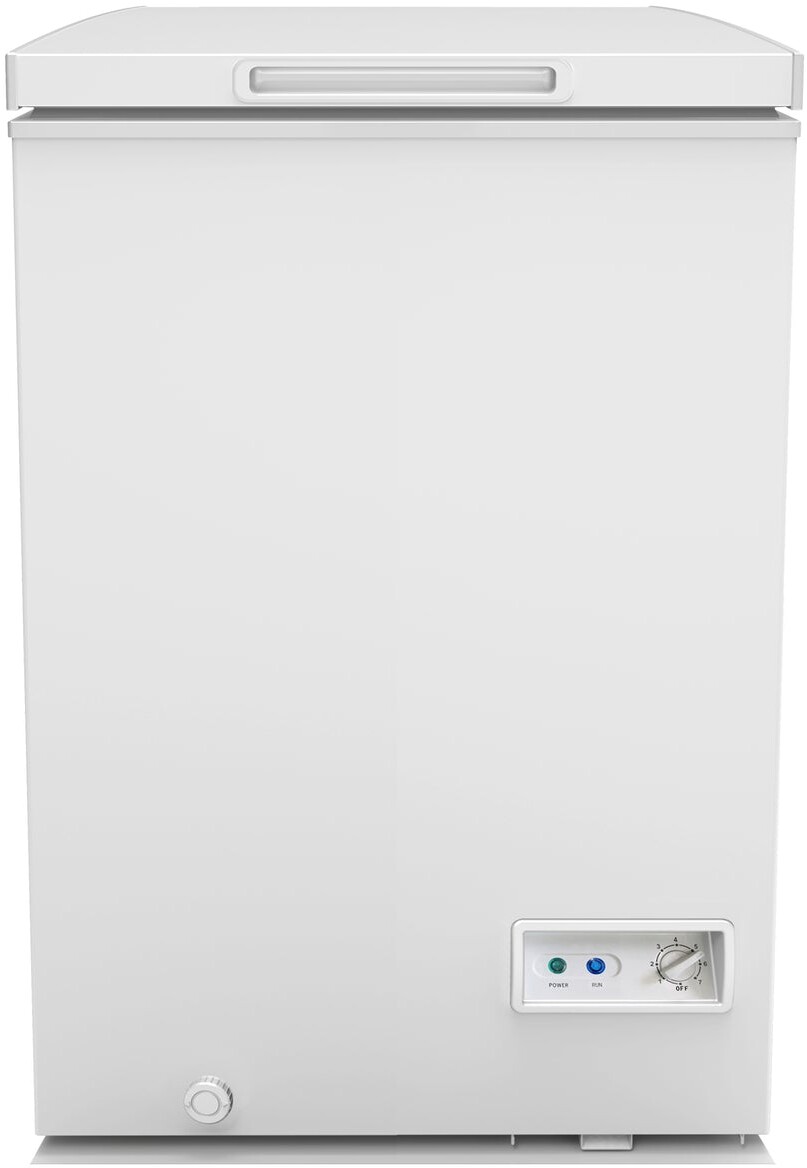
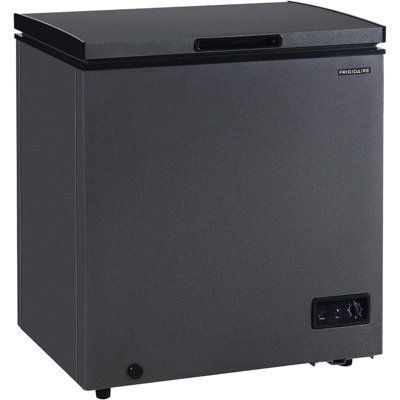
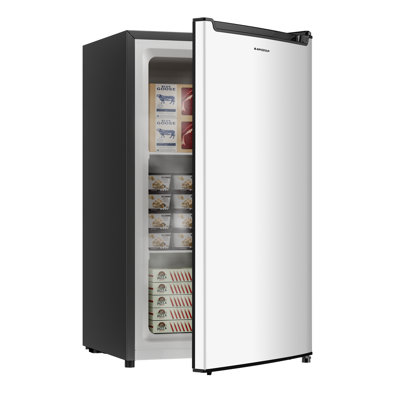
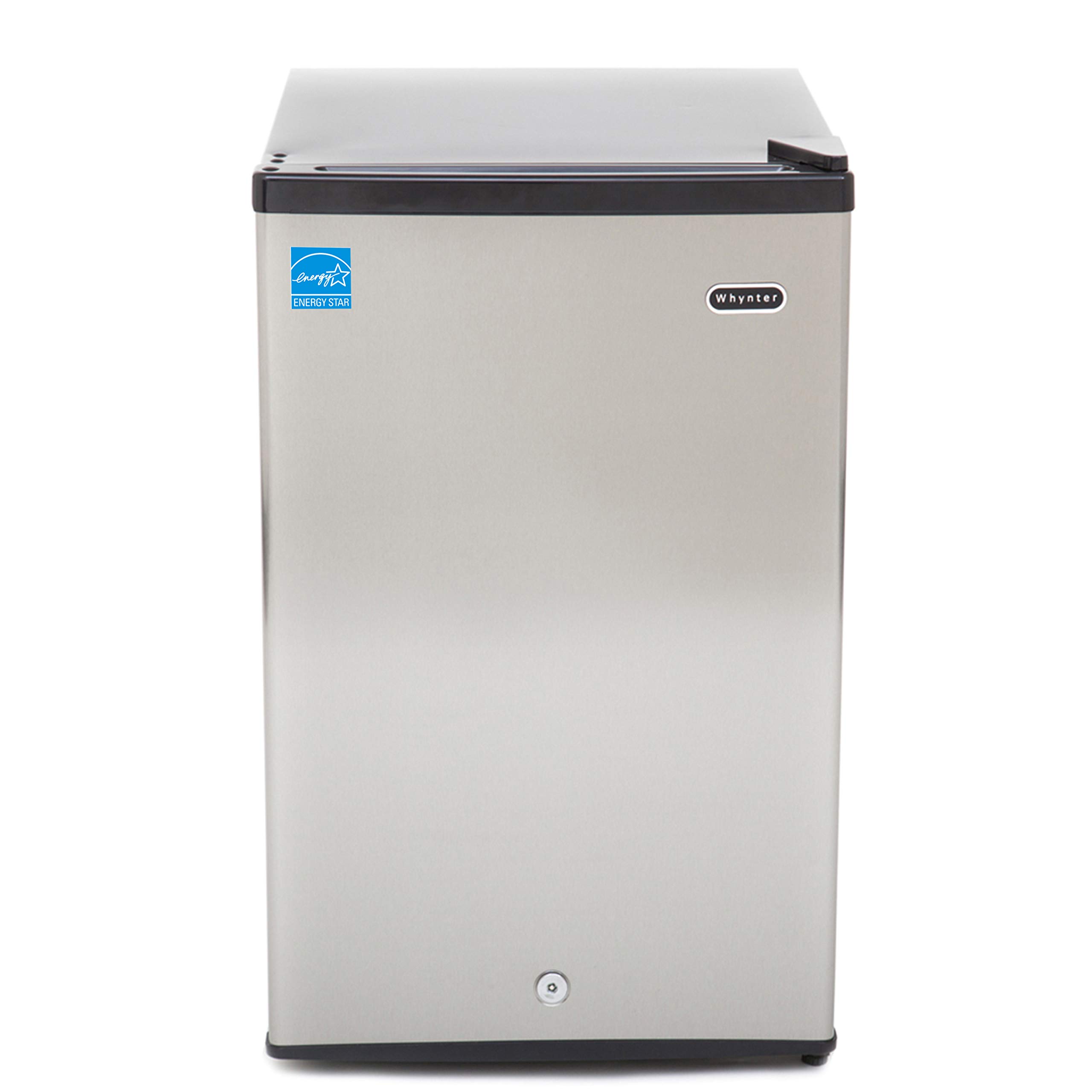
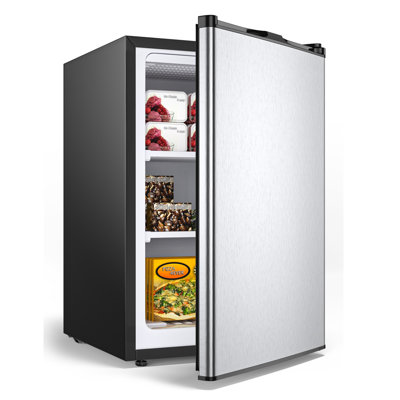
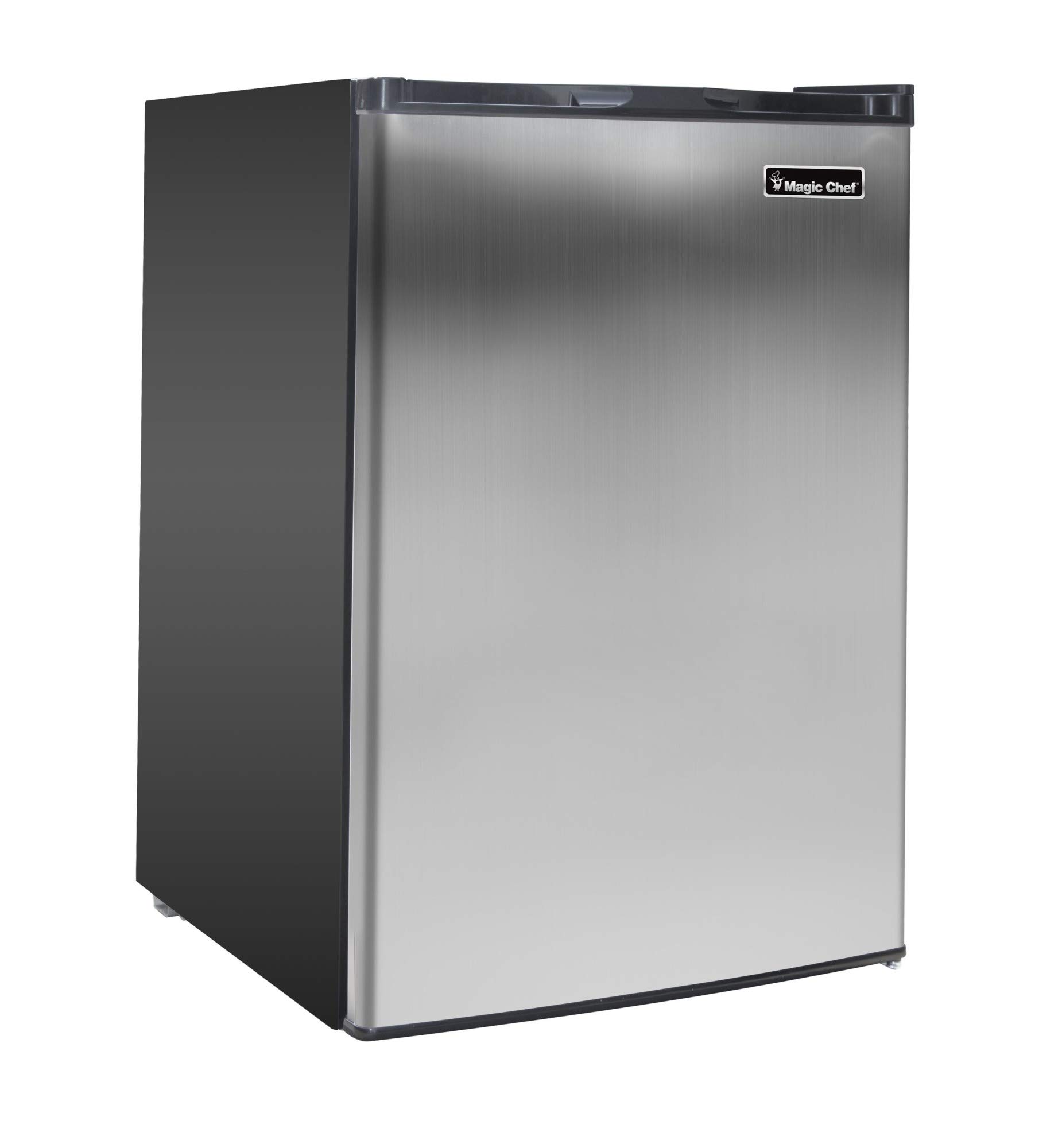
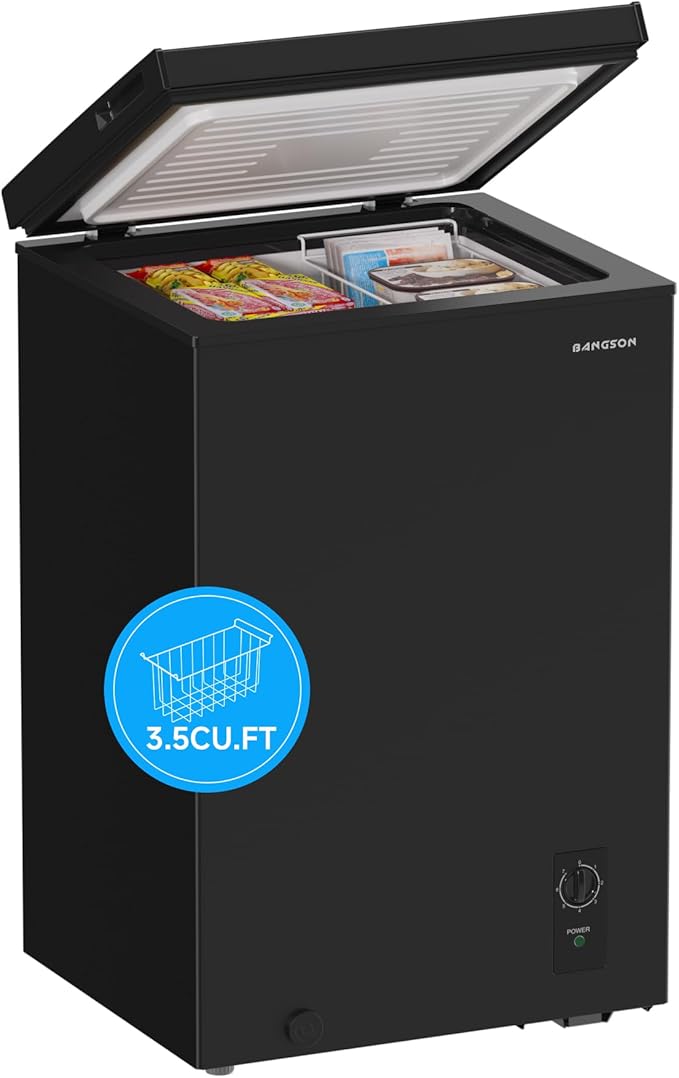
A portable freezer is a compact, movable freezing unit that can be easily transported. Unlike traditional freezers, these are designed for mobility and can be used in a variety of settings, from camping trips to additional storage for your home. Portable freezers often come with features such as adjustable thermostats, various power options, and sometimes even solar charging capabilities.
Benefits of a Portable Freezer
The benefits of owning a portable freezer are numerous. They offer:
Mobility: Easily transport your freezer wherever you need it, be it outdoors or within different areas of your home.
Convenience: Ideal for road trips, camping, or tailgating, allowing you to keep food and beverages frozen on the go.
Backup Storage: Provides extra space to store frozen goods, easing the load on your primary freezer.
Versatility: Some models can function both as a freezer or a refrigerator, depending on your needs.
Feature
Benefit
Adjustable Thermostat
Control the temperature based on what you're storing
Car Adapter
Power the freezer from your vehicle
Solar Compatibility
Eco-friendly power option for outdoor adventures
Considerations Before Choosing a Portable Freezer
Before you select a portable freezer, consider the following:
Capacity: Assess how much space you'll need for your typical usage.
Power Source: Make sure you have access to the appropriate power sources, especially if you plan to use it outdoors.
Size and Weight: Consider how much space you have and how easy it will be to transport.
Temperature Range: Ensure the freezer meets the temperature requirements for the items you wish to store.
Budget: Portable freezers come in a range of prices; choose one that fits your financial plan.
Understanding how a portable freezer aligns with your lifestyle and storage needs is critical. Whether you're looking for a solution for your road trips or need additional space for food preservation at home, a portable freezer can be a versatile and convenient choice. For comparison with other refrigeration options, consider reading about panel ready refrigerator vs. portable freezer to ensure you make the best decision for your cooling needs.
When comparing a panel ready refrigerator with a portable freezer, size and capacity are critical factors to consider. You'll want to match your choice with your living space and storage needs.
Panel Ready Refrigerator Size and Capacity
Panel ready refrigerators are designed to blend seamlessly with your kitchen cabinetry. These units come in a range of sizes to fit various kitchen layouts and typically offer substantial storage capacity.
Refrigerator Type
Width (inches)
Height (inches)
Depth (inches)
Capacity (cubic feet)
Panel Ready Refrigerator
24 - 36
70 - 84
24 - 25
15 - 25
The capacity of a panel ready refrigerator is sufficient for a family kitchen or someone who enjoys entertaining and needs ample space for food and beverage storage. Before choosing a panel ready refrigerator, measure your available space and consider the storage capacity that will meet your needs. For comparisons with other built-in options, see Fridge.com article on counter depth refrigerator vs. shallow depth refrigerator.
Portable Freezer Size and Capacity
Portable freezers are compact and easy to relocate, making them ideal for various settings beyond the traditional kitchen. Here's a general size and capacity range:
Freezer Type
Width (inches)
Height (inches)
Depth (inches)
Capacity (cubic feet)
Portable Freezer
18 - 30
20 - 35
20 - 28
1.1 - 3.5
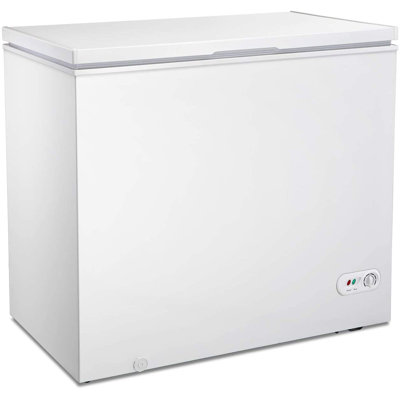
Portable freezers are perfect for smaller living spaces or as an additional freezing option. They can be easily transported for outdoor activities or placed in areas with limited space like garages, basements, or offices. For more information on how they stack up against small chest freezers, visit portable refrigerator vs. small chest freezer.
Matching Your Needs to the Right Size
To find the best fit for your home, consider how much space you have and what you intend to store. A panel ready refrigerator offers more storage and a built-in look, while a portable freezer provides flexibility and convenience. If you entertain frequently or have a larger household, the former might be more suitable. For those with minimal space, such as in a studio apartment or mobile home, or for specific needs like a dedicated meat freezer, a portable freezer could be the ideal choice.
Compare the dimensions and capacities with your available space and storage requirements to ensure you make a decision that aligns with your needs. For further comparisons and to explore other refrigerator and freezer options, you might find Fridge.com articles on built in wine cooler vs. outdoor refrigerator or chest freezer vs. glass door freezer helpful.
Installation and Mobility
When choosing between a panel ready refrigerator and a portable freezer, installation and mobility are significant factors that can influence your decision. Each option offers unique benefits that cater to different lifestyles and space requirements.
Panel ready refrigerators are designed for a seamless look that can blend with your cabinetry. The installation process typically requires a professional, as it involves aligning the unit with existing kitchen cabinetry and attaching custom panels that match your decor. These refrigerators are often built-in, meaning once they're installed, they are meant to remain in place without easy relocation.
Installation Requirement
Description
Professional Installation
Recommended to ensure proper alignment and integration with cabinetry
Cabinetry Customization
Custom panels and hardware needed to match kitchen design
Fixed Location
Once installed, not meant to be moved frequently
Before choosing a panel ready refrigerator, consider the complexity and potential cost of installation. You'll need adequate space that aligns with kitchen cabinetry dimensions and a commitment to a fixed cooling solution. For a comparison with other built-in options, see built in wine cooler vs. outdoor refrigerator.
Portable Freezer Mobility Features
In contrast, portable freezers offer a high degree of mobility, making them an excellent choice for those who require flexibility. These units are designed to be compact and lightweight, with features such as handles and wheels to facilitate movement.
Mobility Feature
Description
Handles
For easy carrying and maneuverability
Wheels
To roll the freezer to different locations
Light Weight
Allows for transport in vehicles or when moving residences
Portable freezers are ideal if you need additional freezing capacity that can be moved from place to place, such as from indoors to outdoors, or even for use in mobile homes or during travel. For insights on how portable options compare, check out portable freezer vs. portable refrigerator.
Ease of Use and Placement Considerations
Ease of use and placement are also important to consider. Panel ready refrigerators, once installed, integrate into your kitchen layout, providing a consistent and unobtrusive presence. However, their built-in nature means you're limited in terms of placement flexibility.
On the other hand, portable freezers can be placed wherever you have space and an electrical outlet. They can be used in various settings, including garages, basements, and even outside for events or when extra storage is needed temporarily.
When selecting between a panel ready refrigerator and a portable freezer, assess your lifestyle needs, available space, and the level of permanence you desire for your cooling appliance. Both options offer distinct benefits, whether you prioritize a cohesive kitchen aesthetic or the convenience of mobility and versatility.
Panel ready refrigerators are designed to blend seamlessly with your kitchen cabinetry, but beyond aesthetics, their energy efficiency is a critical factor to consider. These refrigerators are often built to the same energy standards as their stand-alone counterparts. When you're evaluating energy efficiency, look for the ENERGY STAR label, which signifies that the refrigerator meets environmental and energy efficiency standards set by the U.S. Environmental Protection Agency.
To understand the potential energy consumption and cost savings, you can check the EnergyGuide label. This label provides an estimated annual energy consumption in kilowatt-hours (kWh) and the estimated annual operating cost. Here's a simple table to illustrate average energy use:
Energy Efficiency Factor
Average Energy Use
Estimated Annual Energy Use (kWh)
500 - 700
Estimated Annual Operating Cost (USD)
$60 - $80
Remember that the actual energy consumption will depend on how you use the refrigerator and the energy efficiency of your specific model. Integrated models like panel ready refrigerators may help in retaining insulation and potentially saving energy. For more comparisons, check out counter depth refrigerator vs. shallow depth refrigerator.
Portable Freezer Energy Efficiency
Portable freezers are designed for convenience and mobility, and as such, their energy efficiency can vary widely based on usage patterns and design. Portable units typically run on AC or DC power and can be powered by standard home outlets or car adapters. Energy efficiency is especially important when using the DC option to avoid draining your vehicle's battery.
Just like with panel ready refrigerators, you should look for the ENERGY STAR label when choosing a portable freezer to ensure it meets certain energy efficiency criteria. Here is an example of how energy use data might be displayed for these appliances:
Energy Efficiency Factor
Average Energy Use
Estimated Annual Energy Use (kWh)
200 - 400
Estimated Annual Operating Cost (USD)
$25 - $50
Portable freezers that are used intermittently, such as on camping trips or for special events, will naturally consume less energy annually compared to those used continually. For a deeper dive into portable cooling solutions, consider reading about portable refrigerator vs. small chest freezer.
Understanding Energy Ratings and Cost Savings
Understanding energy ratings is essential to making an informed decision between a panel ready refrigerator and a portable freezer. Energy ratings give you a snapshot of the appliance's energy consumption and how it compares to other models in terms of efficiency and cost-effectiveness.
The Federal Trade Commission's EnergyGuide label is a valuable tool for comparing the energy use of different appliances. The label estimates how much electricity the appliance uses annually and provides a comparison to the average energy use of similar models. This information can help you calculate long-term savings on your energy bill, which is especially important when considering higher upfront costs for energy-efficient appliances.
For instance, an appliance that costs you $100 more initially but saves you $20 annually on energy can pay for itself in five years. After that, you're saving money every year over the less efficient model. Keep these factors in mind when comparing options like a built in freezer vs. slate refrigerator or a chest freezer vs. glass door freezer.
Additionally, some states offer rebates and incentives for purchasing energy-efficient appliances, which can further offset the initial cost. Be sure to research any available offers in your area as part of your decision-making process.
Compare prices on Fridge.com
Compare current prices and specifications on Fridge.com, then buy from the retailer you choose; delivery, installation and warranty terms are the retailer’s.
It also has tons of awesome articles about kitchen stuff and home news. Enhance your home, garage, backyard, patio, and office with the coolest essentials. With every necessary type of residentialrefrigeratoror freezer in the collection, you're covered.
Frequently Asked Questions
A panel ready refrigerator is a type of built-in appliance designed to accept custom panels that match your kitchen cabinetry. This allows the refrigerator to blend in with the rest of your kitchen for a cohesive look. Unlike standard refrigerators, which often stand out due to their distinct appearance, panel ready units offer an understated elegance and a high-end finish to your kitchen design.