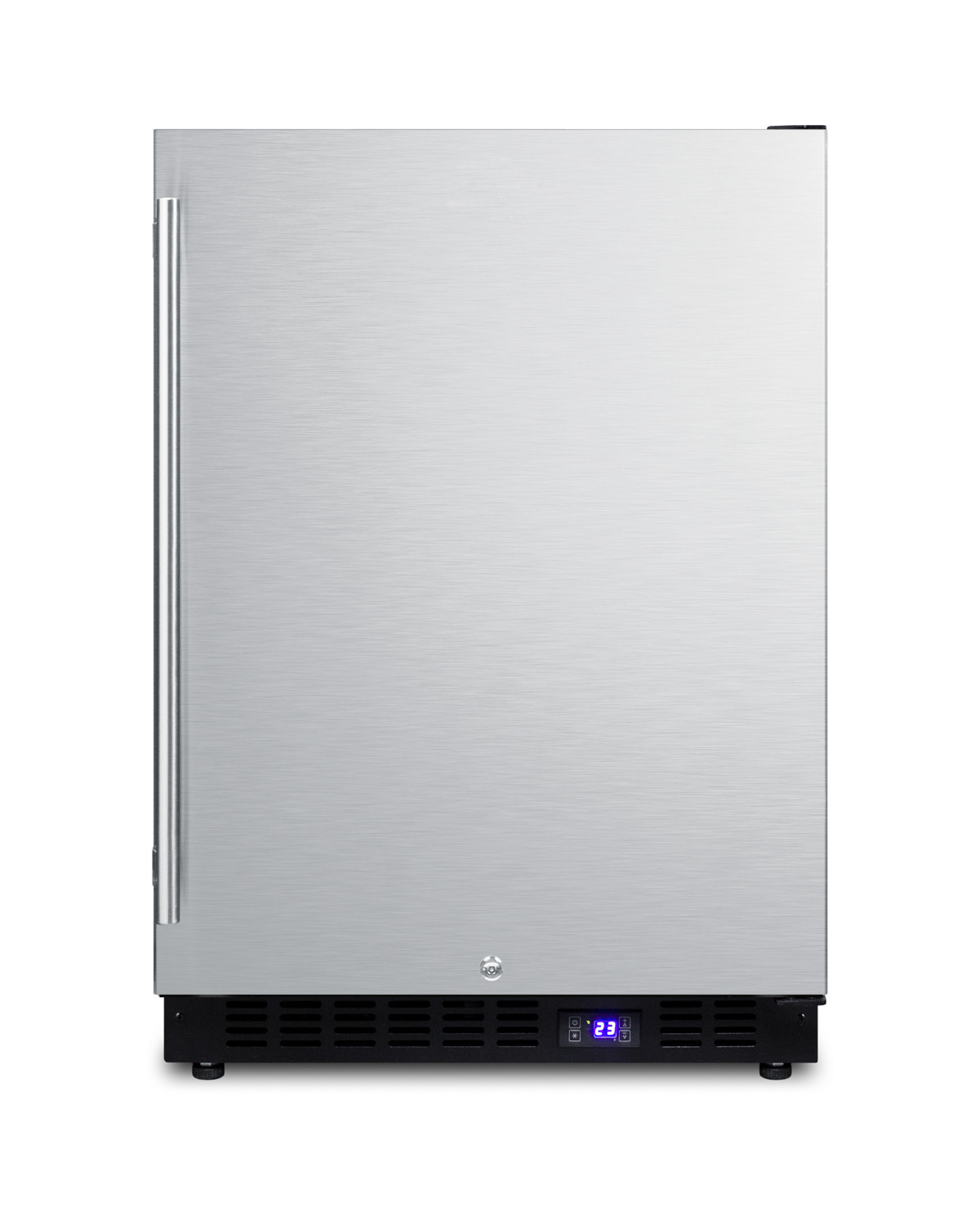
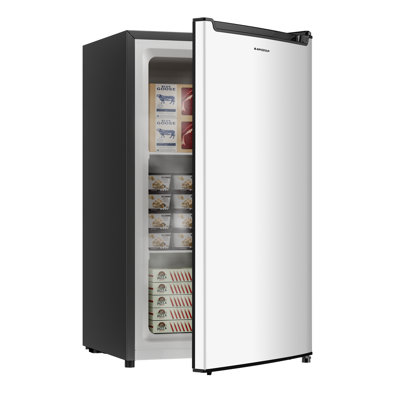
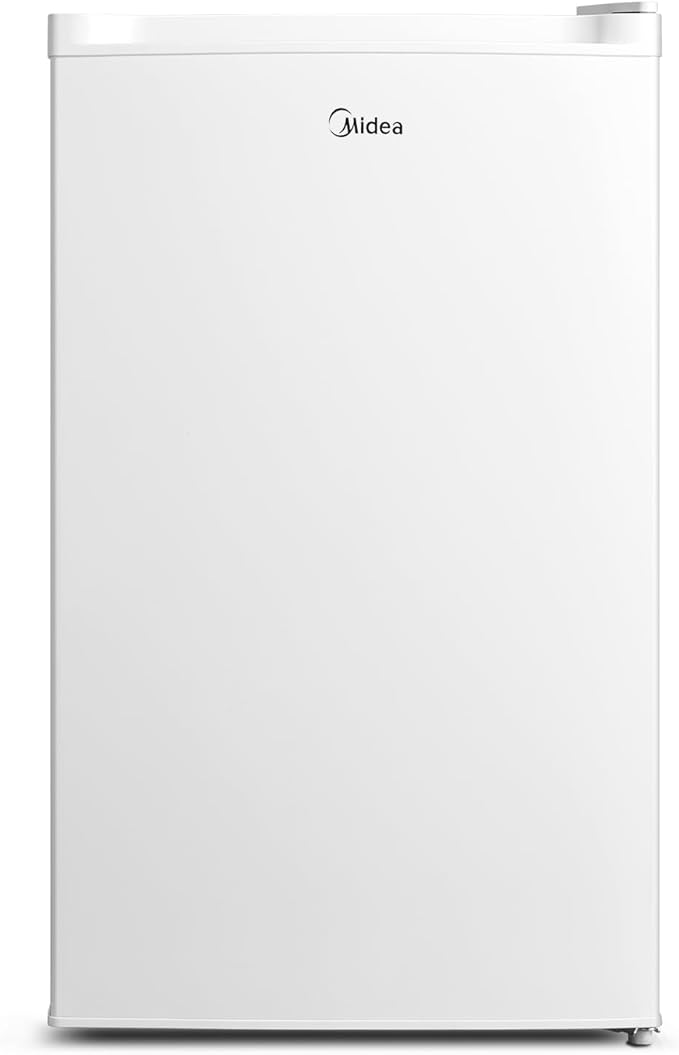
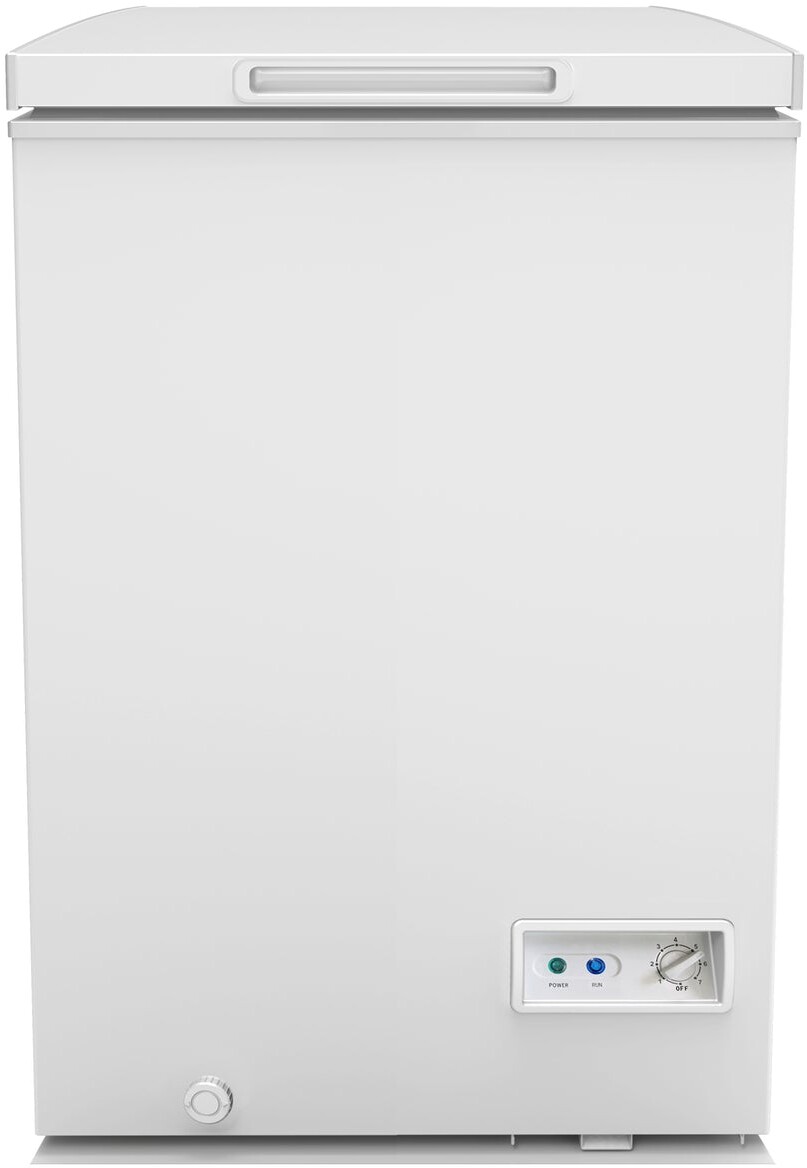
Deciding Between an Office Freezer and a Small Freezer
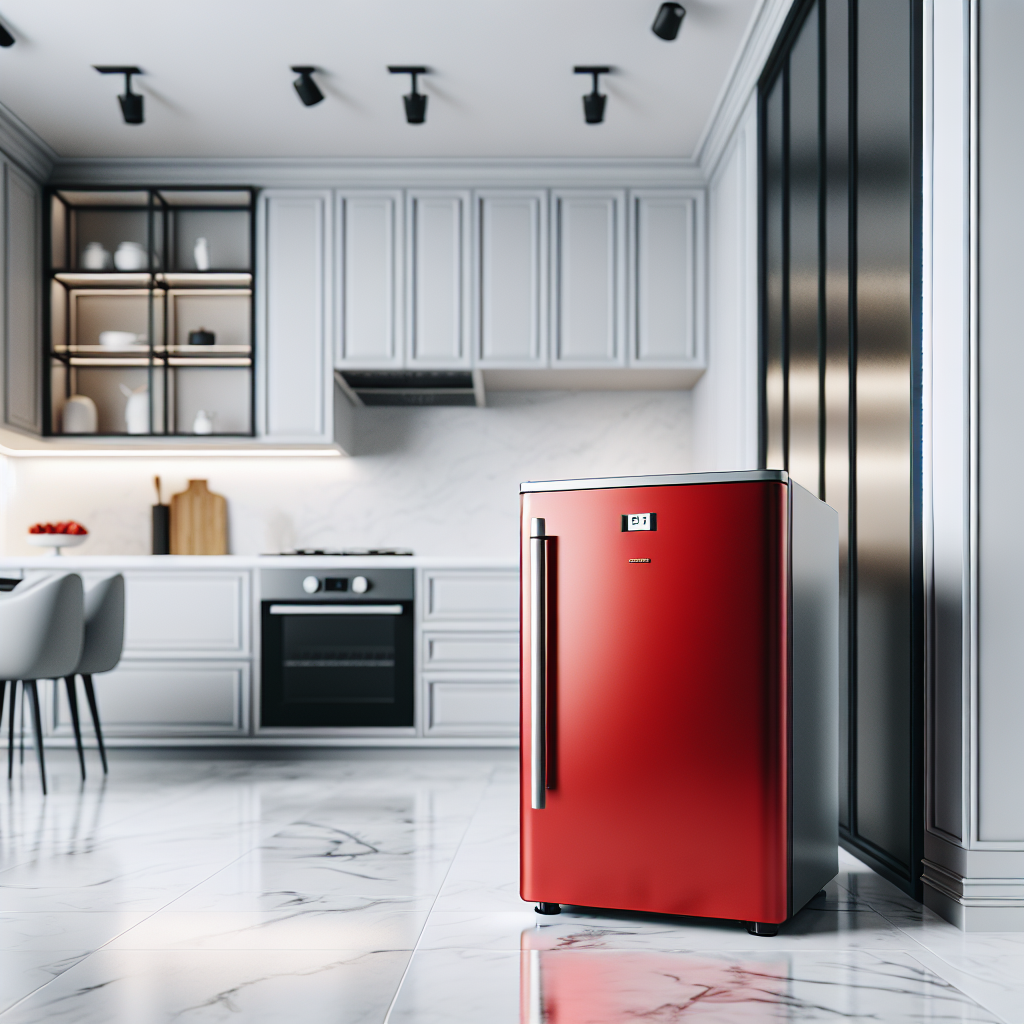
When equipping your living or workspace with the optimal refrigeration solution, the decision between an office freezer and a small freezer is not to be taken lightly. Your choice will influence not just the freshness of your items but the functionality and efficiency of your environment.
Understanding Your Freezing Needs
Before venturing into the specifics of each freezer type, it's crucial to evaluate your freezing requirements. Consider the variety and volume of items you intend to freeze. Are you looking to store daily essentials, meal prep for the week, or have a stash of frozen treats for the office? Your usage will steer you toward the freezer that satisfies your demands without unnecessary surplus or shortfall.
Reflect on the following aspects to hone in on your needs:
Quantity and Type of Items: Do you have bulkier items or a higher quantity of goods that necessitate more space?
Frequency of Access: Will you be using your freezer multiple times a day, or are you looking for long-term storage?
Special Features: Are there specific features you require, such as automatic defrost, digital temperature control, or energy-saving modes?
Space is a premium commodity, especially in compact living areas like apartments, condos, and tiny homes, or in professional settings such as offices and small businesses. Measuring the designated area for your freezer is a step that cannot be skipped. The external dimensions must align with your available space, while the internal capacity should meet your storage needs.
Here is a basic comparison table that might assist you in visualizing the space each freezer type typically occupies:
Freezer Type
Average Width
Average Depth
Average Height
Office Freezer
20 inches
20 inches
32 inches
Small Freezer
24 inches
24 inches
34 inches
(These dimensions are generalizations and can vary based on the model and make.)
Further considerations include not just the physical footprint but also the clearance space needed for ventilation and the ease of access when the freezer door is open. If space is extremely limited, an office freezer might be the more practical choice. On the other hand, if you have a bit more room to spare, a small freezer could provide that extra storage you require.
Making an informed decision on whether an office freezer or a small freezer best suits your needs will require a balance between understanding your freezing requirements and the space considerations of your environment. Assess these two critical factors carefully to ensure that your choice enhances the convenience and efficiency of your daily routine.
Office Freezers Explained
When it comes to preserving food in a professional setting, an office freezer can be an essential appliance. Here we explain what you can typically expect from an office freezer, as well as the advantages and disadvantages of opting for one.
Typical Features of an Office Freezer
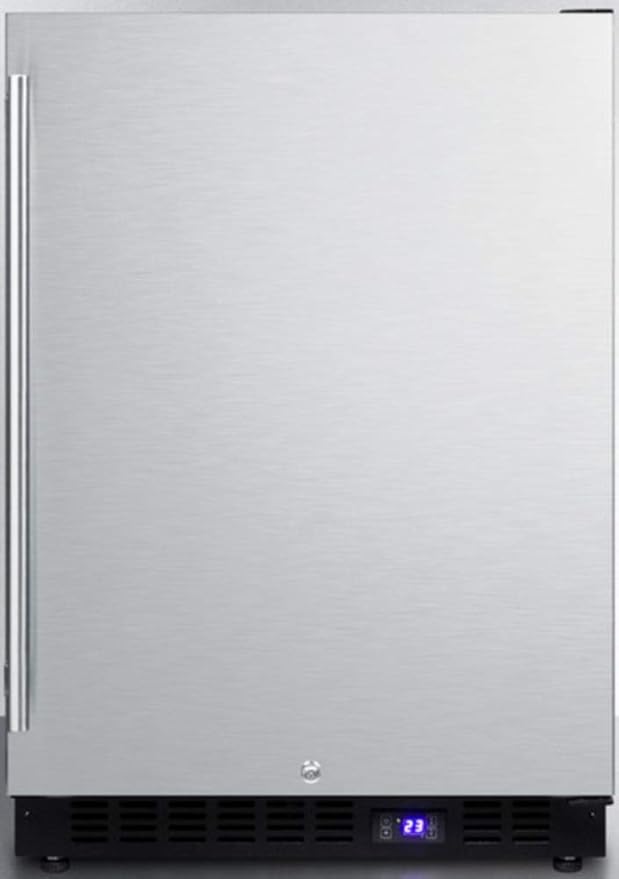
Office freezers usually come with a set of features designed to meet the needs of a workplace environment. These features often include:
Compact size for fitting into limited spaces
Efficient power usage to keep operational costs low
Adequate shelving and compartments for organization
Locks for securing contents, which can be important in shared spaces
Pros of Choosing an Office Freezer
The benefits of selecting an office freezer for your workspace can be substantial:
Space Efficiency: Their compact design is perfect for office environments where space is at a premium.
Convenience: Having a dedicated appliance for frozen goods can be handy for after-work events or for employees who prefer to bring their own meals.
Cost-Effective: Office freezers tend to be more economical in terms of upfront costs when compared to larger commercial units.
Low Maintenance: These units are typically easier to clean and maintain due to their smaller size.
Cons of an Office Freezer
However, there are some considerations to keep in mind before deciding on an office freezer:
Limited Storage: They offer less storage space, which may not be suitable for offices with a high number of employees.
Less Features: Compared to larger freezers, office models may lack advanced features such as rapid freeze functions or digital temperature displays.
Noise Level: Some models may be noisier, which could be disruptive in a quiet office setting.
Before making a decision on whether an office freezer is right for your needs, it's important to weigh these pros and cons against the alternatives, such as a small freezer. For comparison between different types of freezers and refrigerators, you might find Fridge.com articles on mini fridge with freezer Vs. wine cooler and fridge freezer combo Vs. garage freezer helpful in making a more informed decision.
When you're weighing your options between an office freezer and a small freezer, it's crucial to understand what sets a small freezer apart from other refrigeration equipment. Small freezers cater to a variety of needs and environments, from apartments to cabins, and offer several benefits and some limitations.
What Defines a Small Freezer
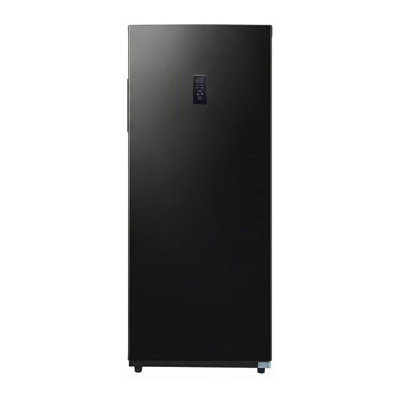
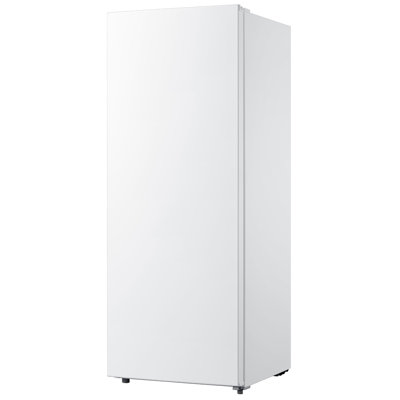
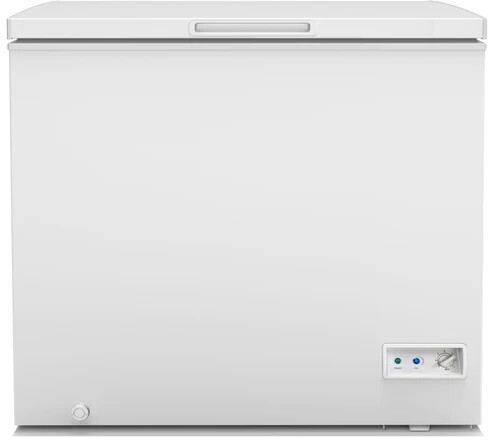
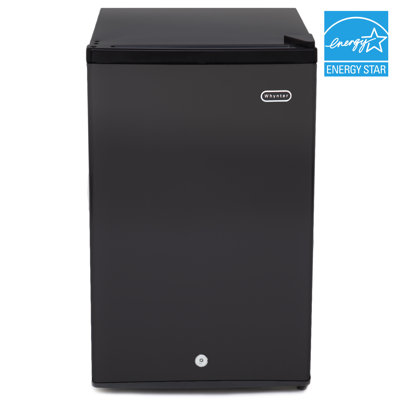
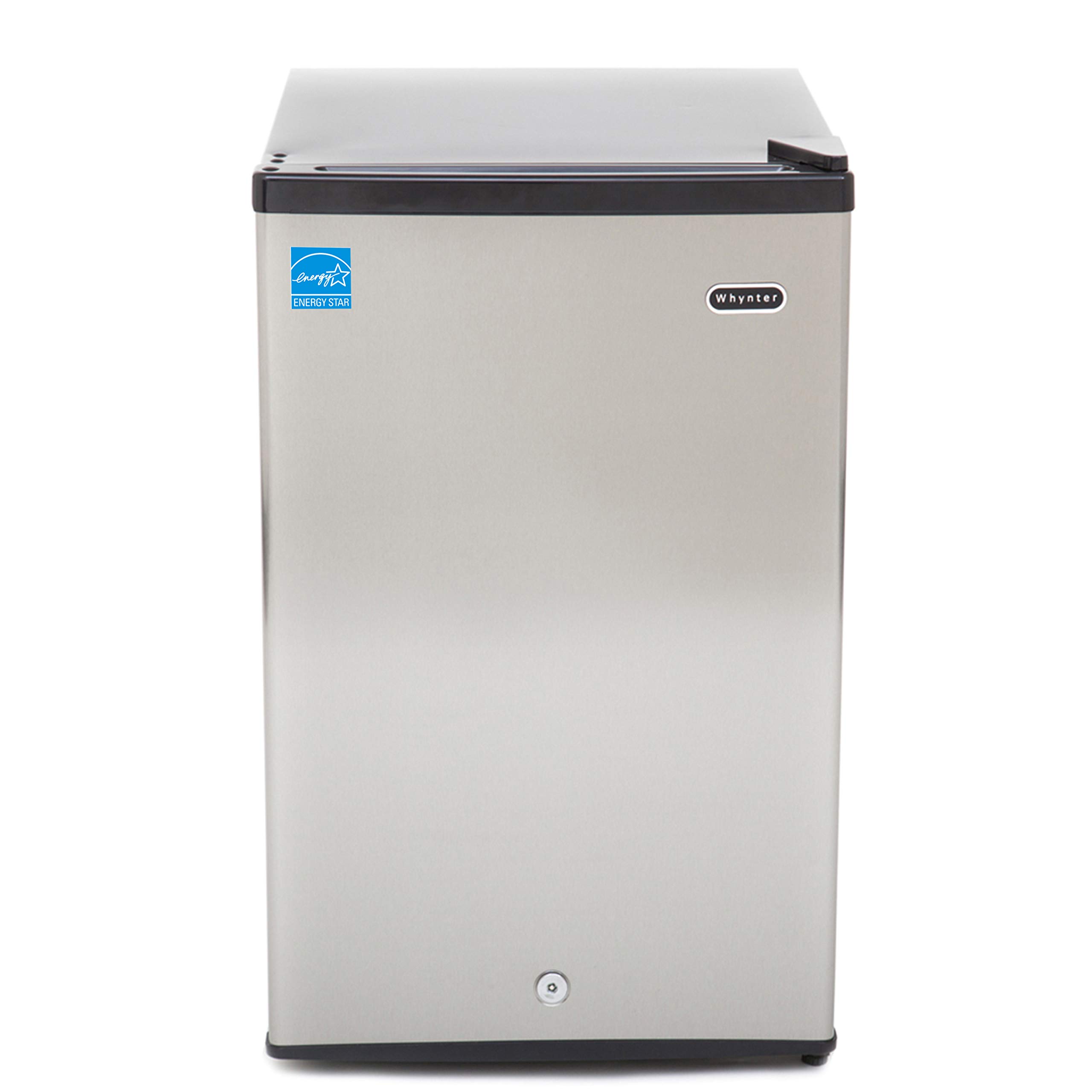
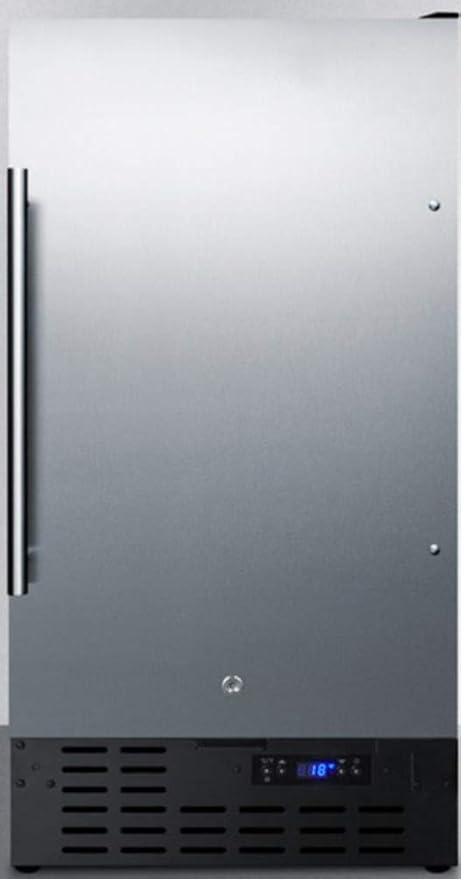
A small freezer typically refers to a standalone appliance that is compact in size, designed to fit into smaller spaces while providing adequate freezing capabilities. These units can vary in style, including upright, chest, or portable models, each suited for different scenarios and preferences.
Advantages of a Small Freezer
Small freezers are known for their convenience and flexibility. They are ideal for spaces where a full-size freezer would be impractical, offering a supplementary freezing option that complements your main refrigeration unit. Here are some key benefits:
Space Efficiency: A compact footprint makes small freezers a perfect fit for tight spaces.
Energy Savings: Smaller units often consume less power, leading to lower electricity bills.
Portability: Some models are portable, allowing you to move them as needed.
Affordability: Typically, small freezers are less expensive than larger units.
Possible Drawbacks of a Small Freezer
Despite their advantages, small freezers may not be the right choice for everyone. Consider these potential cons:
Limited Storage: They provide less space than full-size freezers, which may not be suitable for large families or bulk storage.
Fewer Features: Small freezers may lack some of the advanced features found in larger models.
Before making a decision, it's vital to assess your space, evaluate how frequently you'll use the freezer, and consider your budget. A small freezer might be the perfect solution for your office, apartment, or even as a secondary freezer in your home. For a comparison with other refrigeration options that might suit your needs, explore articles like freestanding beverage center Vs. small freezer and double drawer refrigerator Vs. small freezer.
Key Differences
When you're considering whether an office freezer or a small freezer will best meet your needs, it's helpful to compare them across several key factors. These differences can guide you in making an informed choice that suits both your space and your lifestyle.
Size and Capacity
The size and capacity of a freezer are crucial factors to consider, particularly if you're limited by space or need to store a specific amount of food items.
Feature
Office Freezer
Small Freezer
Height
Typically 20 to 32 inches
Ranges from 18 to 60 inches
Width
Commonly under 24 inches
Varies from 19 to 30 inches
Capacity
Usually 1 to 5 cubic feet
Can offer 1 to 9 cubic feet
Office freezers are generally designed to fit under desks or in tight corners, making them ideal for smaller office environments. In contrast, small freezers come in a broader range of sizes, some of which might be comparable to an office freezer, while others offer more storage capacity suitable for personal use or a family's needs.
Energy Efficiency
Energy efficiency is another important consideration, especially since freezers run continuously and can contribute to your energy bill.
Feature
Office Freezer
Small Freezer
Average Energy Use
Lower due to size
Can vary based on size and features
Typically, a smaller footprint translates to less energy consumption, making some office freezers more energy-efficient. However, many small freezers are designed with energy savings in mind and may come with Energy Star ratings, indicating higher efficiency. For more details on energy-efficient options, you might want to explore energy efficient refrigerator Vs. freestanding drawer refrigerator.
Functionality and Design
Functionality and design can affect the user experience, from the ease of organizing contents to how the appliance fits with your decor.
Feature
Office Freezer
Small Freezer
Shelving
Limited
More options
Defrosting
Manual common
Manual/Automatic options
Design
Basic, functional
Varied, including aesthetic options
Office freezers tend to have a simple design with basic functionality, focusing on compact storage solutions. Small freezers, on the other hand, might offer more features like adjustable shelves, auto-defrost functions, and a wider range of styles to match your personal or home decor. For those interested in a more specialized design, the comparison between double drawer refrigerator Vs. small freezer might provide valuable insights.
In sum, when choosing between an office freezer and a small freezer, you'll want to weigh the advantages in terms of size, energy consumption, and functionality. Consider how these factors align with your specific needs, whether it's for workplace convenience, personal use, or accommodating a family's needs.
What to Consider Before Making a Decision
When you're contemplating the choice between an office freezer and a small freezer, there are several factors to consider. These considerations will guide you in selecting a freezer that not only meets your needs but also fits well within your space and budget.
Assessing Your Space
The first step in choosing between an office freezer and a small freezer is to assess the space you have available. Consider not only the floor area but also the layout of the room and how a new appliance will impact the flow and function of the space.
Consideration
Office Freezer
Small Freezer
Floor Space
Requires minimal space
Can vary in size
Vertical Space
Generally taller
May be shorter
Integration
May fit under desks
Can be standalone or integrated
You'll want to measure the exact dimensions of the area where you plan to place the freezer, ensuring there is enough clearance for doors to open and adequate ventilation. If space is at a premium, particularly in an office setting, look at compact models that can be tucked away easily. For more spatially flexible environments, such as a garage or basement, you might opt for a larger unit.
Evaluating Usage Frequency
How often you plan to use the freezer is another critical factor. If the freezer is intended for daily use in an office environment, convenience and accessibility become priorities. For less frequent use, such as in a seasonal cabin or for overflow storage, you may prioritize capacity over ease of access.
Usage
Office Freezer
Small Freezer
Daily Access
High
Medium to High
Bulk Storage
Low to Medium
High
Occasional Access
Low
Medium to High
Consider your patterns of use and whether the freezer needs to accommodate large quantities of items or if it's more for individual meals and snacks. Understanding your usage frequency will also help you decide on the necessary durability and performance features of the freezer.
Budget and Cost-Efficiency
Finally, budget is a significant aspect of your decision. Office freezers and small freezers come in a range of prices, often correlated with their size, features, and energy efficiency. While the initial cost is important, also consider the long-term operating costs.
Aspect
Office Freezer
Small Freezer
Initial Cost
$$
$ - $$$
Maintenance Cost
Low
Low to Medium
Analyze the energy ratings of potential freezers to estimate ongoing expenses. Energy-efficient models may have a higher upfront cost but can save you money in the long run. Additionally, factor in any maintenance or additional features that might affect the total cost of ownership.
Before making your final decision, weigh all these factors in relation to your specific circumstances. Also, explore articles such as fridge freezer combo Vs. garage freezer or small chest freezer Vs. small deep freezer to compare different freezer types and make an informed choice that aligns with your space, usage, and budgetary needs.
Whether you choose an office freezer or a small freezer, getting the most out of your appliance involves smart organization, regular maintenance, and an understanding of safety and health considerations. Here are some tips to help you optimize your freezer's performance and longevity.
Organizational Tips
Having an organized freezer not only saves you time when searching for items but also helps maintain a more consistent internal temperature. Here are some organization strategies:
Categorize Your Items: Group similar items together. You could have sections for meats, vegetables, ready meals, and desserts.
Use Clear Bins and Labels: Transparent bins allow you to see contents at a glance, and labels help you keep track of what you have and when it expires.
Maintain an Inventory: Keep a log of what's inside your freezer and the expiration dates. This can prevent food waste and ensure you use items while they're still at their best quality.
Maintenance and Care
Regular maintenance ensures that your freezer runs efficiently and extends its lifespan. Follow these maintenance tips:
Defrost Regularly: If your freezer is not frost-free, defrost it when the ice buildup is about a quarter-inch thick to maintain efficiency.
Clean the Interior: Wipe down the interior with a mix of warm water and baking soda every three months to prevent odors and maintain cleanliness.
Check the Seal: Ensure the door seal is tight and not leaking cold air. If it feels loose, it may need to be replaced.
Safety and Health Considerations
Proper food storage in your freezer is crucial to prevent foodborne illness. Here’s what you should keep in mind:
Temperature: Your freezer should be at 0°F (-18°C) or lower to safely store food.
Packaging: Use airtight packaging or freezer bags to protect food from freezer burn and contamination.
Expiration: Pay attention to how long items have been stored and adhere to recommended freezer storage times.
By implementing these organizational strategies, maintaining the appliance, and considering safety and health aspects, you can ensure that your office freezer or small freezer remains a reliable resource. Whether you’re storing leftovers, batch cooking, or keeping ice cream at the ready, the right care will keep your freezer functioning at its best. For more comparisons to find the perfect fit for your space and needs, explore other Fridge.com articles like mini fridge with freezer Vs. wine cooler or bar fridge Vs. stainless steel refrigerator.
Compare prices on Fridge.com
Compare current prices and specifications on Fridge.com, then buy from the retailer you choose; delivery, installation and warranty terms are the retailer’s.
It also has tons of awesome articles about kitchen stuff and home news. Enhance your home, garage, backyard, patio, and office with the coolest essentials. With every necessary type of residential refrigerator or freezer in the collection, you're covered.
From Fridge.com research
Figures below come from data Fridge.com builds and maintains. Each links to the record behind it.
Fridge.com Energy Index, built on U.S. EPA and DOE ENERGY STAR records
Across 5,455 ENERGY STAR certified refrigerators and freezers from 263 brands, median use is 360 kWh per year.