Monitor Temperature: Keep the refrigerator at the recommended temperature (usually 37-40°F) to ensure food safety and energy efficiency.
When it comes to choosing a large capacity refrigerator, it's important to understand the different types available to find the best fit for your needs.
When selecting a large capacity refrigerator, it's important to consider the design features that will best suit your needs.
On average, a well-maintained refrigerator can last between 10 to 15 years.
A large capacity refrigerator can be a game-changer for many households. If you often find yourself running out of fridge space or if you love hosting parties, a larger fridge might be the ideal solution. With more storage space, it allows you to keep more food and beverages fresh, reducing the need for frequent grocery runs. This can be especially beneficial for families, chefs, and food enthusiasts who need ample storage for their culinary creations.
Benefits of Owning a Large Capacity Refrigerator
Owning a large capacity refrigerator comes with several advantages:
Ample Storage Space: More room for groceries, leftovers, and beverages.
Organized Storage: Better organization with specialized compartments.
Freshness: Keeps food fresher for longer by providing adequate space for air circulation.
Convenience: Less frequent trips to the store.
Benefit
Description
Ample Storage Space
More room for groceries, leftovers, and beverages
Organized Storage
Better organization with specialized compartments
Freshness
Keeps food fresher for longer by providing adequate space for air circulation
Convenience
Less frequent trips to the store
Factors to Consider Before Purchasing
When choosing a large capacity refrigerator, several factors should be taken into account to ensure it meets your needs:
Size and Space: Measure the space where you plan to place the refrigerator to ensure it fits.
Energy Efficiency: Look for models with energy-efficient features to save on electricity bills.
Storage Needs: Assess your storage needs and choose a model with the right type of compartments.
Budget: Set a budget and find a refrigerator that offers the best value for your money.
Additional Features: Consider features like water dispensers, ice makers, and smart technology.
Factor
Consideration
Size and Space
Measure the space where you plan to place the refrigerator to ensure it fits
Storage Needs
Assess your storage needs and choose a model with the right type of compartments
Budget
Set a budget and find a refrigerator that offers the best value for your money
Additional Features
Consider features like water dispensers, ice makers, and smart technology
When it comes to choosing a large capacity refrigerator, it's important to understand the different types available to find the best fit for your needs. Here, Fridge.com explores four main types: side-by-side refrigerators, French door refrigerators, bottom freezer refrigerators, and top freezer refrigerators.
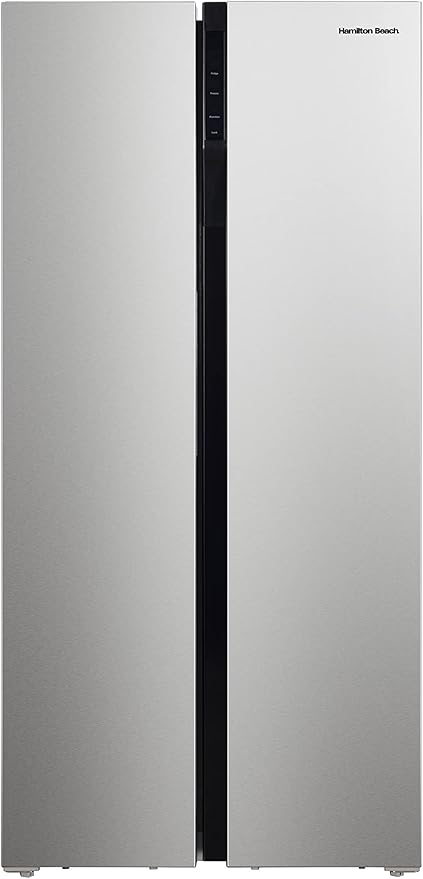
Side-by-Side Refrigerators
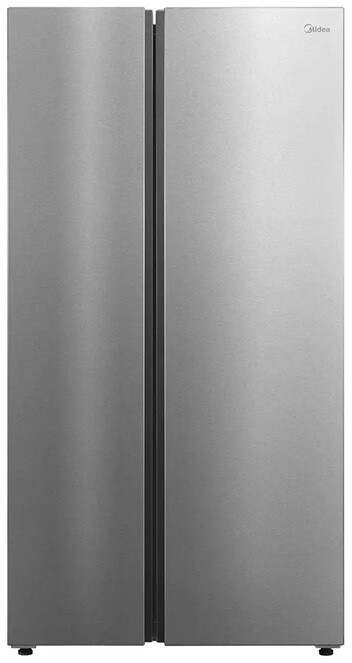
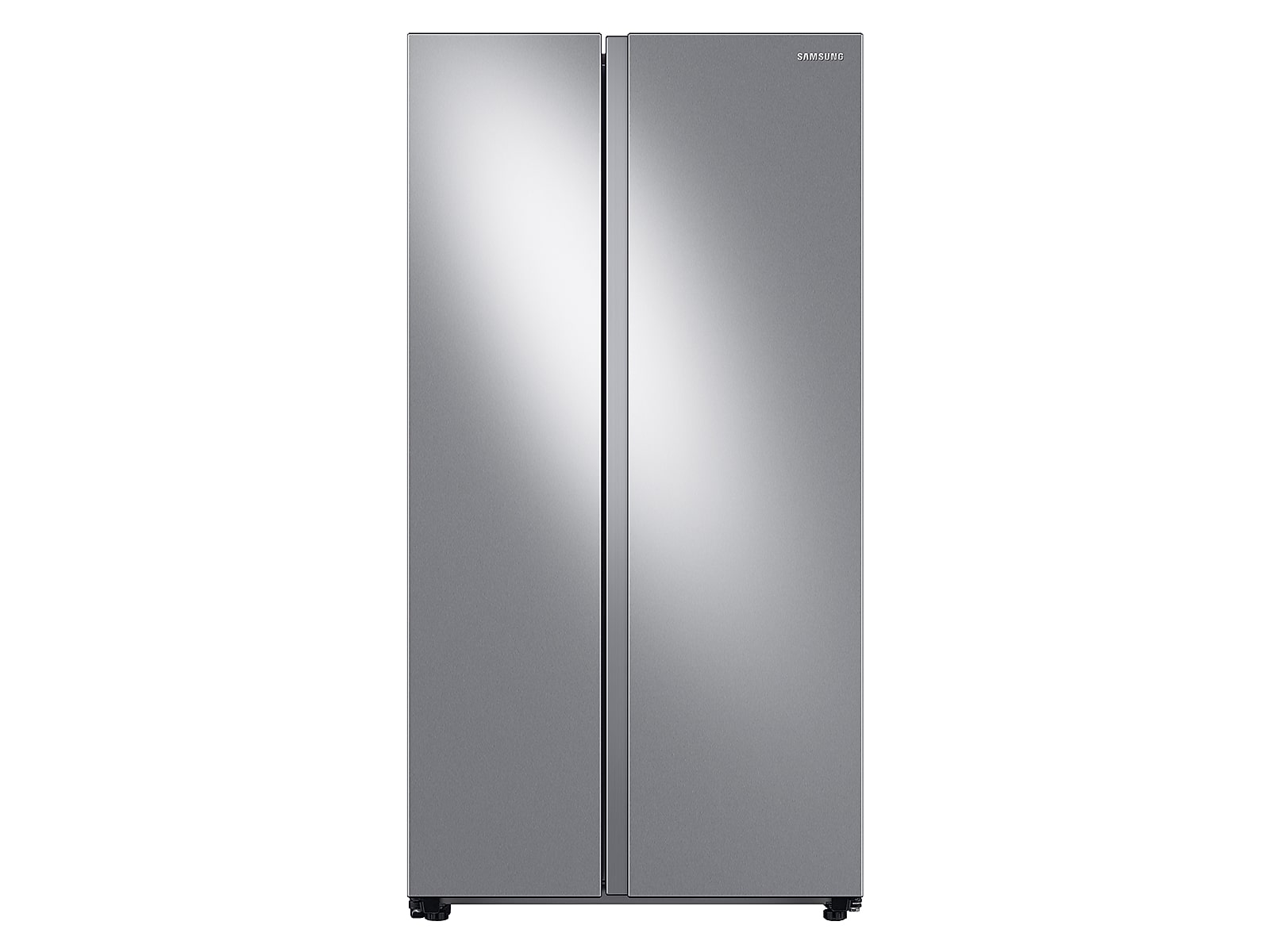
Side-by-side refrigerators feature two vertical compartments, with the fridge on one side and the freezer on the other. This design offers easy access to both fresh and frozen foods and is ideal for kitchens with limited space.
Feature
Description
Storage Capacity
20 - 30 cubic feet
Width
30 - 36 inches
Pros
Easy access to both fridge and freezer, adjustable shelves
Cons
Narrow compartments, less energy-efficient
Explore more about large capacity side by side refrigerator.
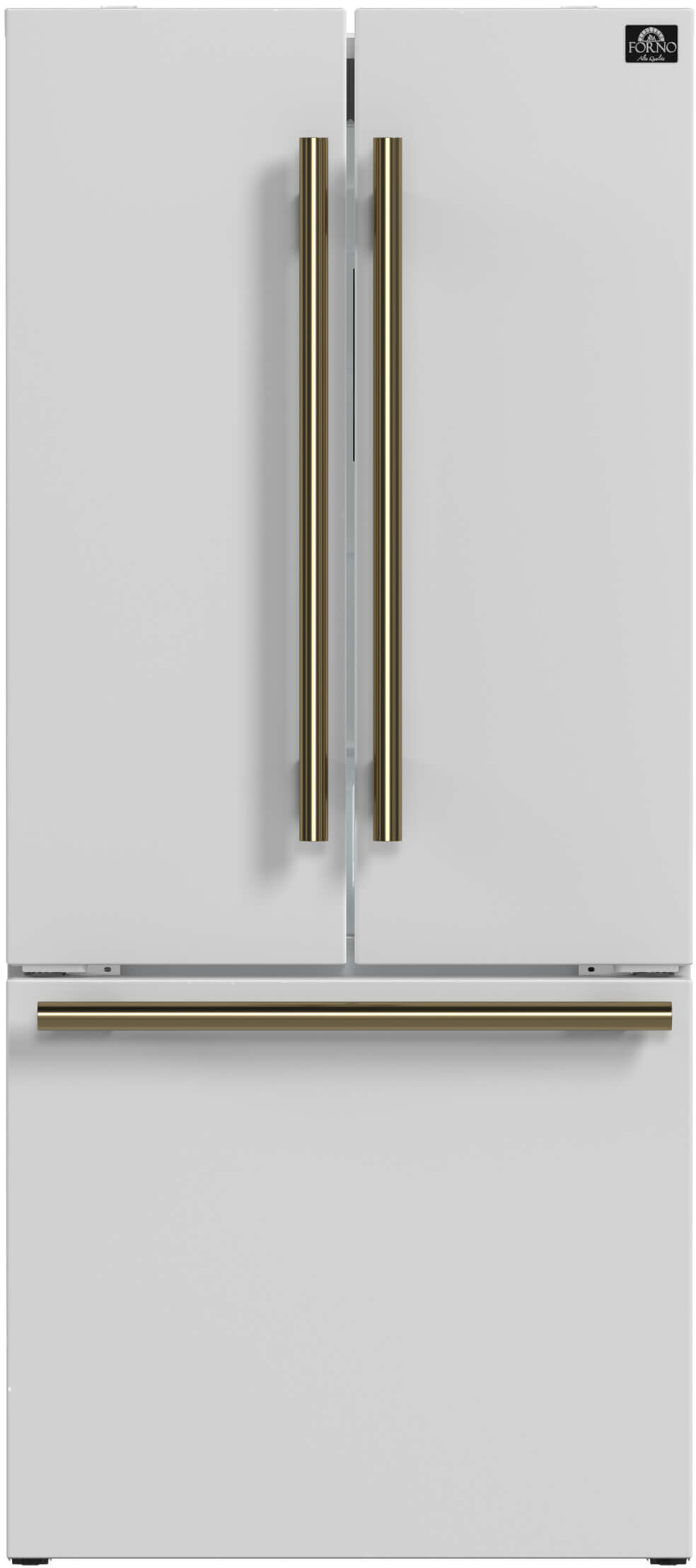
French Door Refrigerators
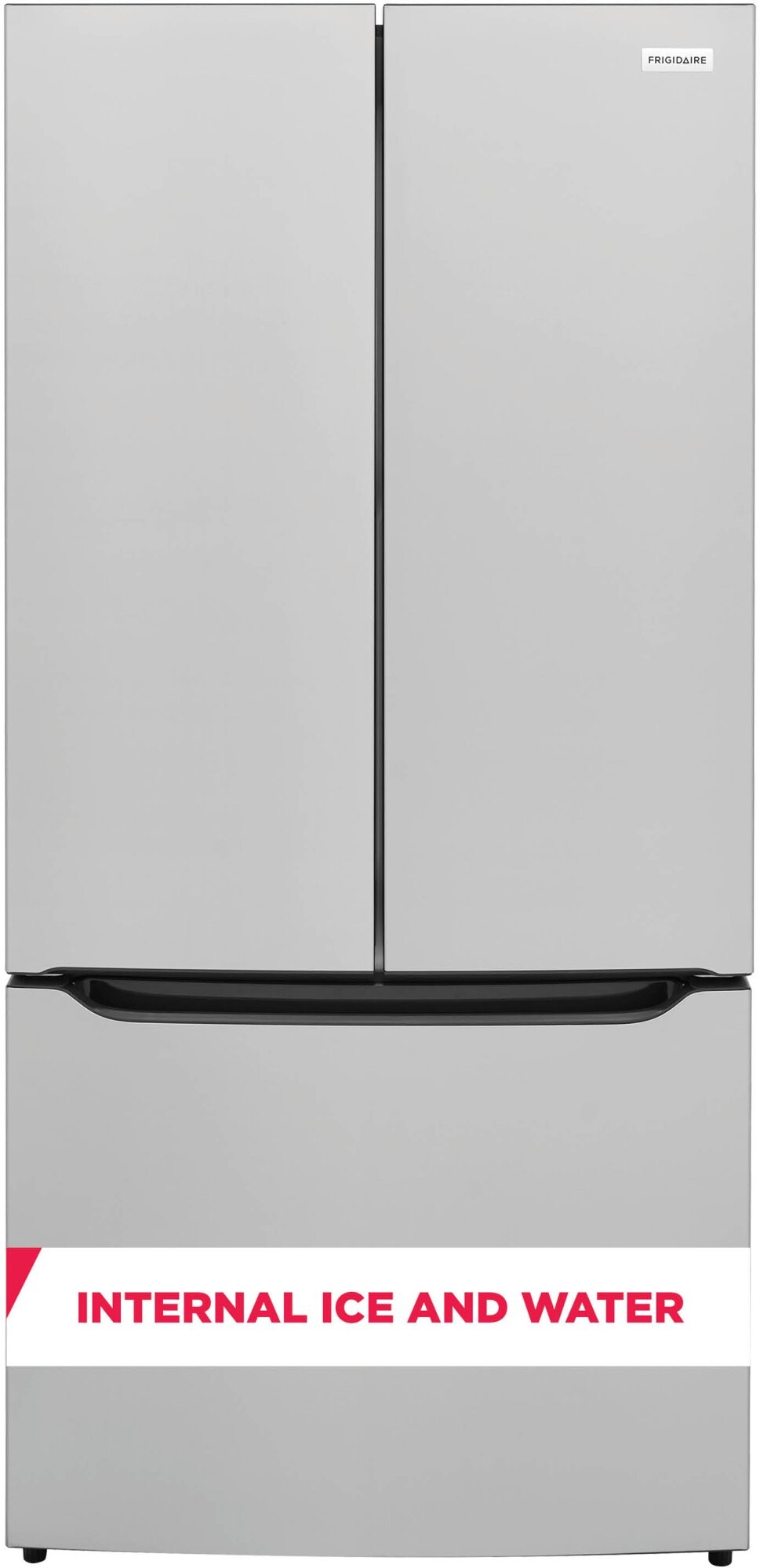
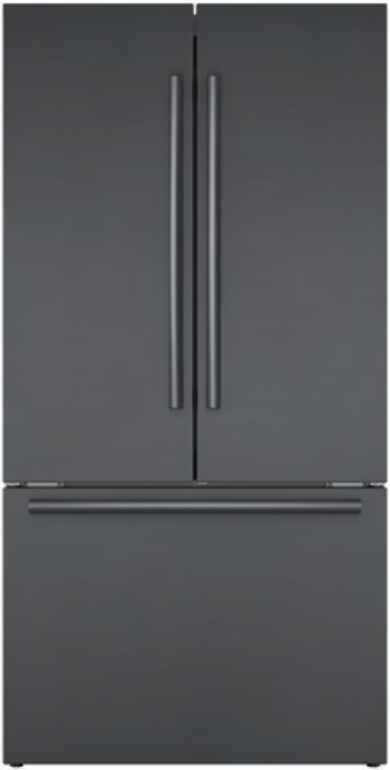
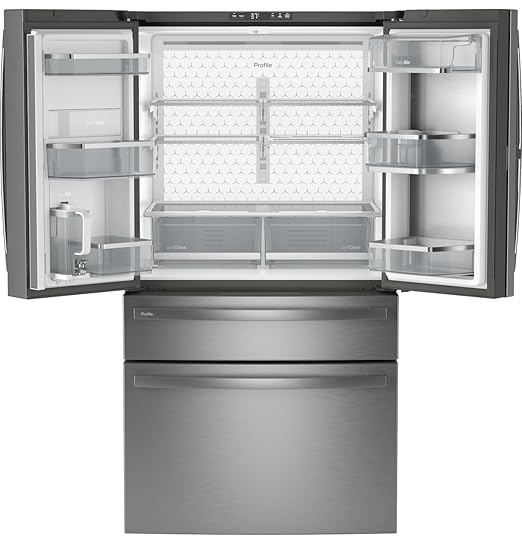
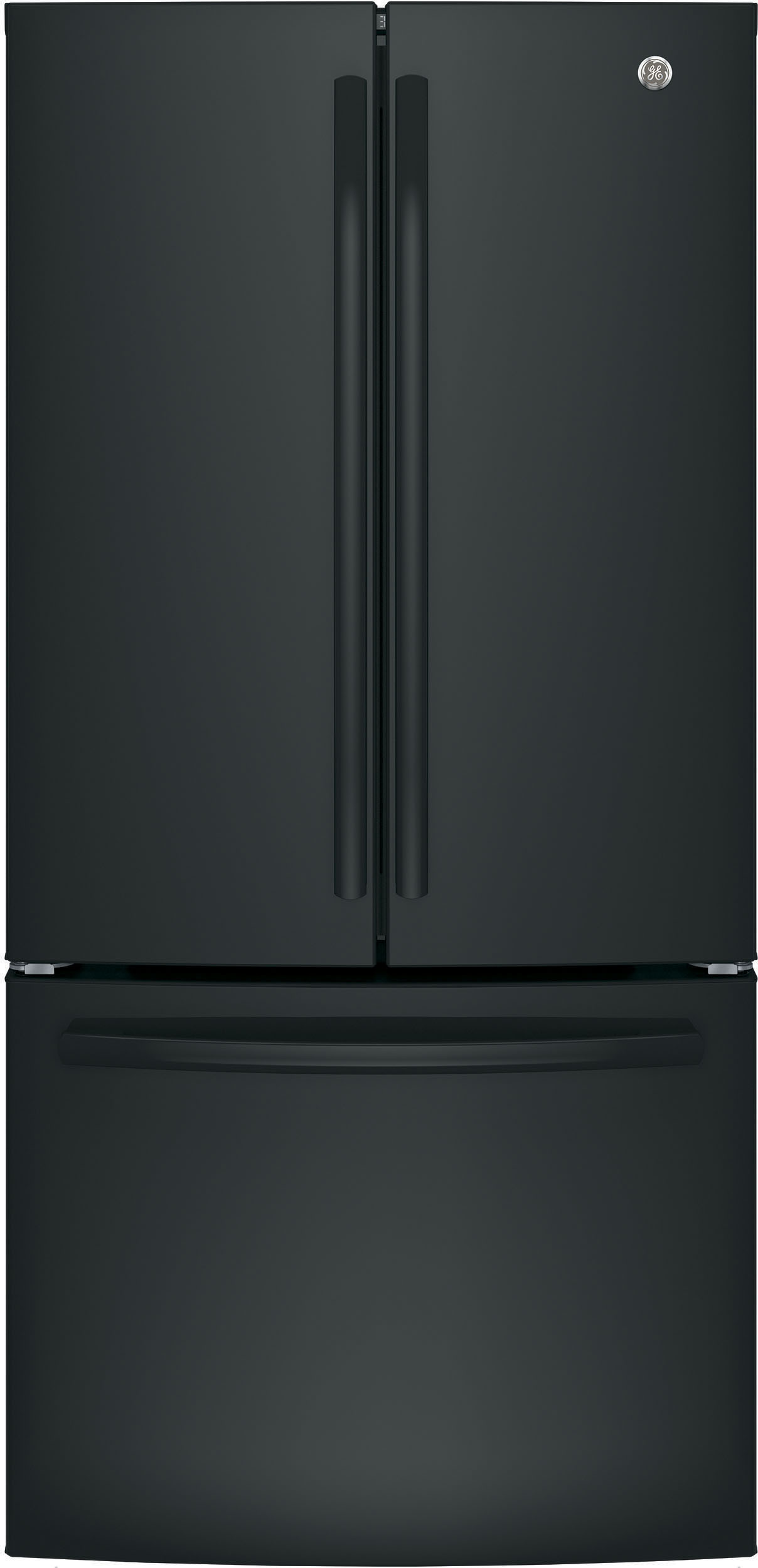
French door refrigerators combine a bottom freezer with two side-by-side doors for the fridge compartment. This design provides a spacious fridge area at eye level and a pull-out freezer drawer below.
Feature
Description
Storage Capacity
20 - 32 cubic feet
Width
30 - 36 inches
Pros
Wide shelves, more fridge space, stylish design
Cons
Higher price point, can be bulky
Learn more about large capacity french door refrigerator.
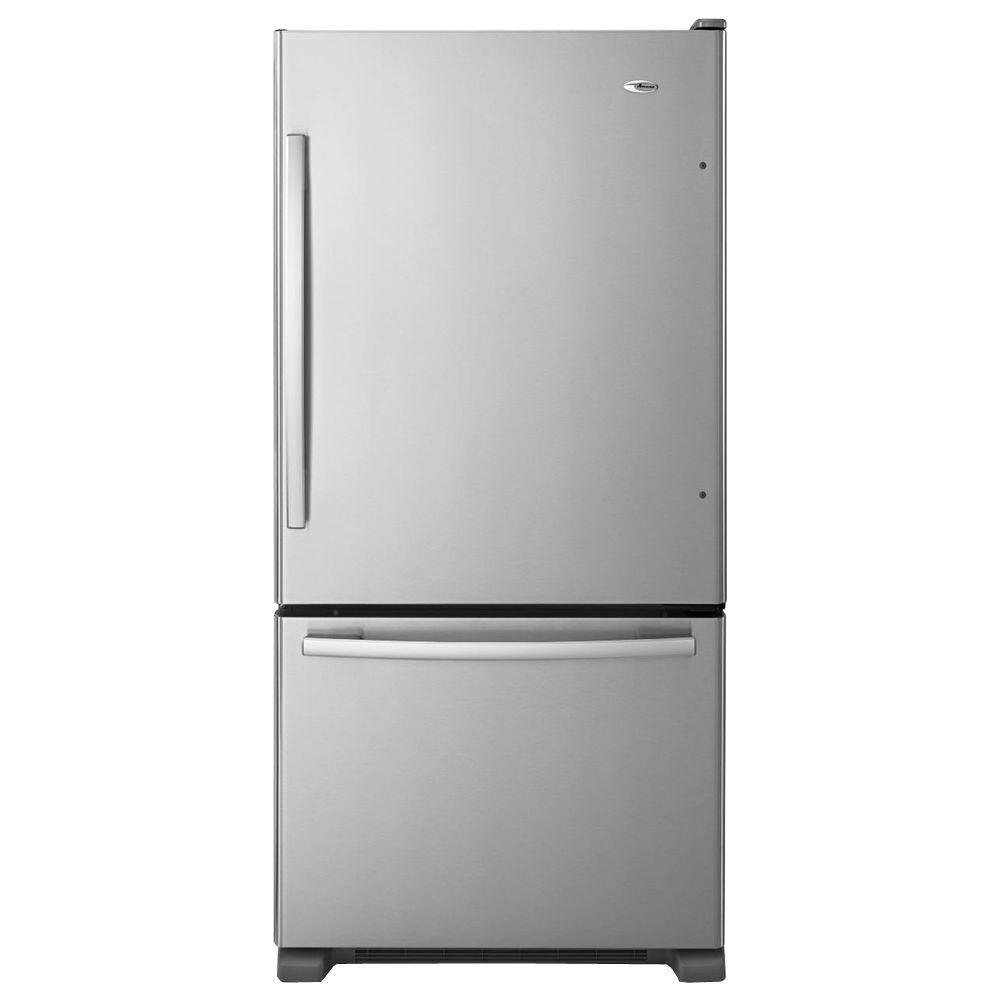
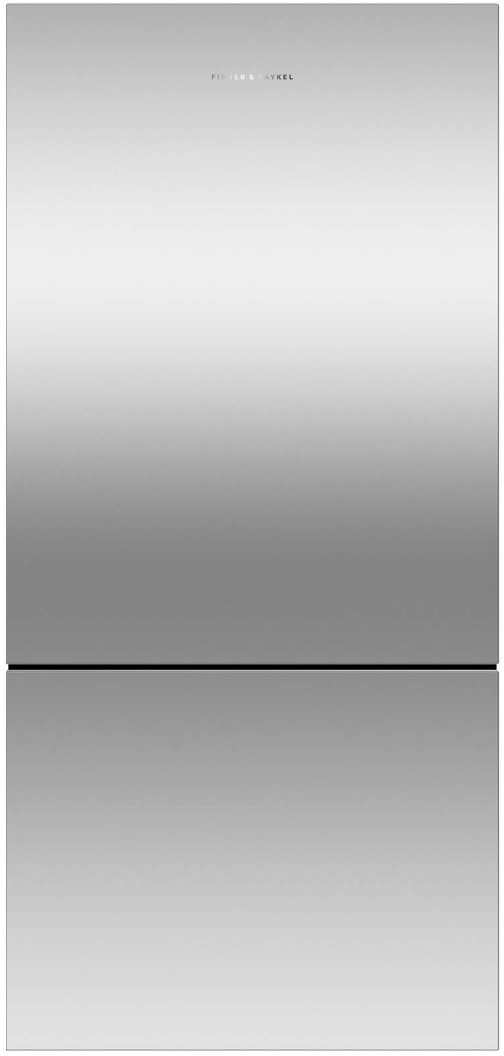
Bottom Freezer Refrigerators
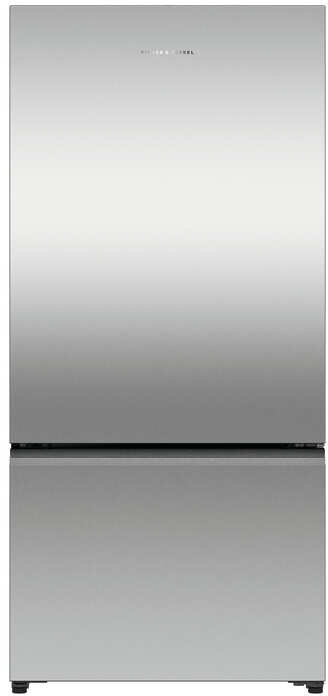
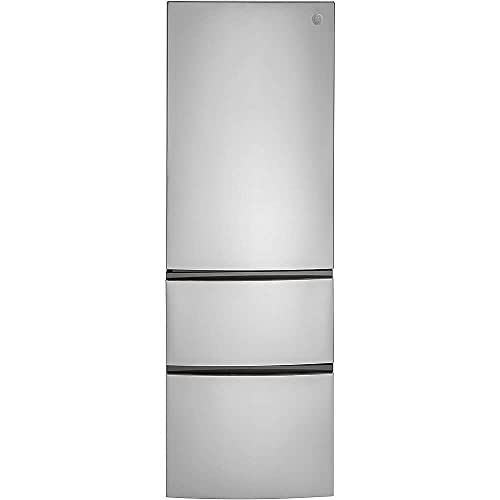
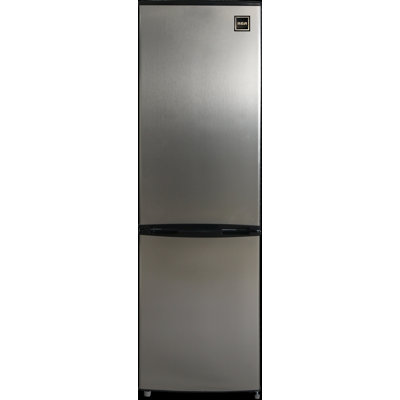
Bottom freezer refrigerators have the freezer compartment located beneath the fridge section. This setup makes it easier to access fresh food without bending down frequently.
Feature
Description
Storage Capacity
18 - 30 cubic feet
Width
29 - 36 inches
Pros
Convenient fridge access, more freezer space
Cons
Heavier freezer drawer, can be less organized
For more information, check out large capacity bottom freezer refrigerator.
Top Freezer Refrigerators
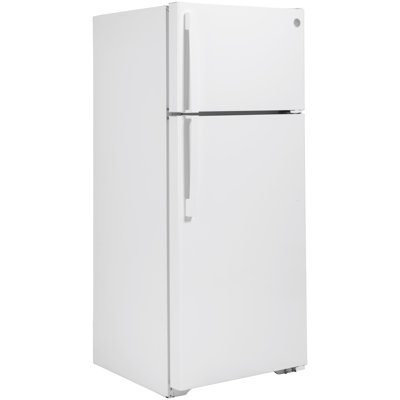
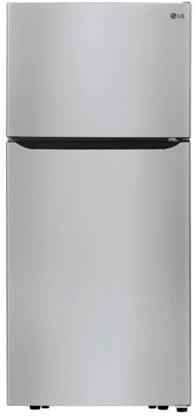
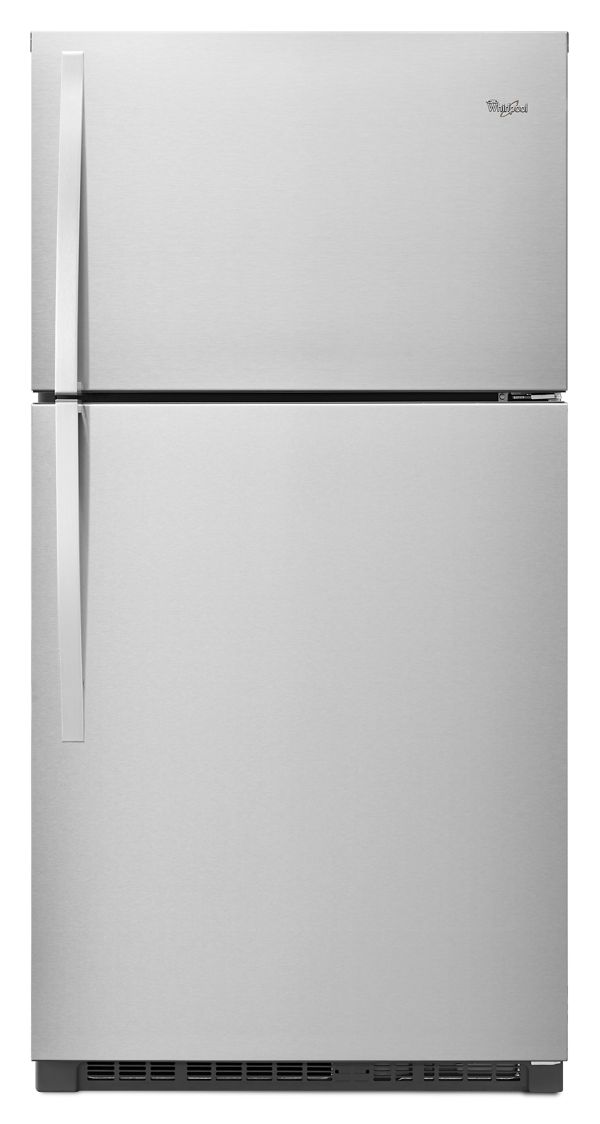
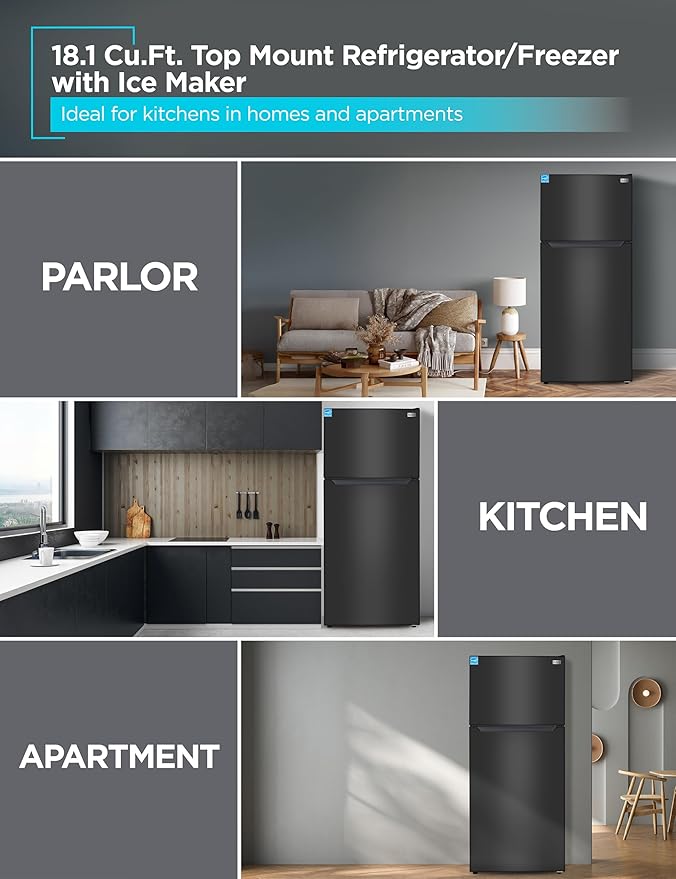
Top freezer refrigerators feature the freezer compartment above the fridge. They are one of the most traditional and economical designs available.
Each type of large capacity refrigerator offers unique advantages and considerations. Whether you prioritize style, space, or accessibility, understanding these options can help you make an informed decision suited to your lifestyle and needs.
When selecting a large capacity refrigerator, it's important to consider the design features that will best suit your needs. This section covers the essential aspects such as interior layout and shelving, door configurations, specialized storage areas, and energy efficiency.
Interior Layout and Shelving
The interior layout and shelving of a large capacity refrigerator play a crucial role in how you organize and access your food items. Adjustable shelves and customizable compartments allow for flexible storage options, catering to different types of groceries.
Feature
Benefit
Adjustable Shelves
Customize the height to fit larger items like tall bottles or large platters.
Split Shelves
Offers the ability to stagger shelf heights for better organization.
Pull-Out Shelves
Easy access to items at the back of the refrigerator.
Door Bins
Convenient storage for smaller items and bottles.
Door Configurations
Large capacity refrigerators come in various door configurations, each with its advantages. The primary types include side-by-side, French door, and top/bottom freezer models. Understanding the differences can help you choose the best configuration for your kitchen layout.
Side-by-Side Refrigerators: Two vertical doors that open from the center, splitting the fridge and freezer compartments.
French Door Refrigerators: Two doors on top for the refrigerator section and a bottom drawer for the freezer.
Top Freezer Refrigerators: A single door for the fridge and a smaller top door for the freezer.
Bottom Freezer Refrigerators: Similar to the top freezer but with the freezer compartment on the bottom.
For more details on these configurations, check out Fridge.com articles on large capacity side by side refrigerator and large capacity french door refrigerator.
Specialized Storage Areas
Specialized storage areas in a large capacity refrigerator can enhance your food preservation efforts. These areas are designed to store specific types of food, maintaining optimal conditions for freshness.
Storage Area
Purpose
Crisper Drawers
Maintains humidity levels for fresh produce.
Deli Drawers
Ideal for storing meats and cheeses at a cooler temperature.
Wine Racks
Keeps wine bottles at the perfect angle and temperature.
Energy efficiency is an important factor to consider when purchasing a large capacity refrigerator. An energy-efficient model can save you money on your utility bills and reduce your environmental footprint.
Energy Star Rating: Look for refrigerators with an Energy Star rating, which indicates that the appliance meets strict energy efficiency guidelines.
LED Lighting: Consumes less energy and lasts longer than traditional lighting.
Inverter Compressor: Adjusts the cooling intensity based on the refrigerator's needs, providing consistent cooling while using less energy.
For more insights on energy-efficient models, you can read Fridge.com article on large capacity smart fridge.
Considering these design features will help you select the best large capacity refrigerator to meet your unique requirements.
Before purchasing a large capacity refrigerator, it's crucial to evaluate the space where it will be installed. Measure the height, width, and depth of the area to ensure the appliance will fit comfortably. Remember to account for door clearance and ventilation space around the unit. Adequate airflow is necessary to maintain efficiency and longevity.
Owning a large capacity refrigerator involves more than just the initial purchase price. Consider the long-term costs, including energy consumption, maintenance, and potential repairs.
Cost Component
Estimated Annual Cost ($)
Maintenance
50 - 100
Repairs
100 - 300
The longevity of a large capacity refrigerator depends on various factors, including usage, maintenance, and the quality of the unit. On average, a well-maintained refrigerator can last between 10 to 15 years. Investing in an energy-efficient model can reduce long-term costs. For energy-efficient options, consider a large capacity smart fridge.
By considering these factors, you can make an informed decision and enjoy the benefits of a large capacity refrigerator for years to come.
Compare refrigerator prices on Fridge.com
Compare current prices and specifications on Fridge.com, then buy from the retailer you choose; delivery, installation and warranty terms are the retailer’s.
It also has tons of awesome articles about kitchen stuff and home news. Enhance your home, garage, backyard, patio, and office with the coolest essentials. With every necessary type of residential refrigerator or freezer in the collection, you're covered.
From Fridge.com research
Figures below come from data Fridge.com builds and maintains. Each links to the record behind it.
Fridge.com Energy Index, built on U.S. EPA and DOE ENERGY STAR records
Across 5,455 ENERGY STAR certified refrigerators and freezers from 263 brands, median use is 360 kWh per year.