Cubed ice is the most common and versatile, ideal for everyday use in drinks.
These machines are ideal for households or businesses that require a constant and reliable supply of ice.
Ice machines are designed specifically for the production of ice, making them an ideal choice for those who need a consistent and reliable supply of ice.
They are ideal for storing frequently used items, making them easily accessible.
When it comes to choosing between an ice machine and an undercounter refrigerator, understanding their functionalities and benefits is crucial. Both appliances serve distinct purposes and cater to different needs in your home or office.
Introduction to Ice Machines and Undercounter Refrigerators
An ice machine is designed specifically to produce ice in various forms, such as cubes, nuggets, or flakes. These machines are ideal for households or businesses that require a constant and reliable supply of ice. Ice machines come in various sizes and capacities, suitable for different levels of ice demand.
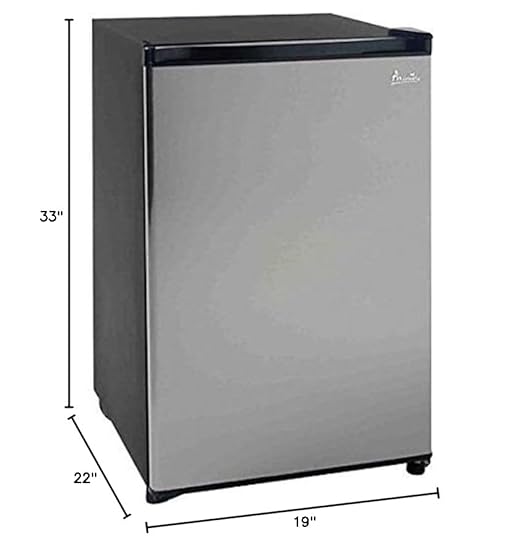
On the other hand, an undercounter refrigerator is a compact refrigeration unit designed to fit under a countertop. It provides convenient storage for beverages, snacks, and other perishable items. These refrigerators are perfect for small kitchens, bars, offices, and entertainment areas where space is limited but refrigeration is necessary.
Feature
Ice Machine
Undercounter Refrigerator
Primary Function
Produces ice
Stores perishable items
Types of Ice
Cubes, nuggets, flakes
N/A
Placement
Standalone or built-in
Fits under a counter
Ideal For
High ice demand
Compact storage
Understanding these appliances can help you make an informed decision based on your specific needs. Whether you need a steady supply of ice or additional refrigeration space, both options offer unique advantages. For more comparisons between different types of refrigeration units, check out Fridge.com articles on outdoor freezer Vs. wine refrigerator and beverage refrigerator Vs. built in kegerator.
Ice Machine Overview
Understanding the functionality and types of ice produced by ice machines can help you make an informed decision when comparing an ice machine Vs. undercounter refrigerator.
Functionality of Ice Machines
Ice machines are designed specifically for the production of ice, making them an ideal choice for those who need a consistent and reliable supply of ice. These machines typically work by freezing water in a specialized mold to create ice cubes, nuggets, or flakes. Once the ice is formed, it is released into a storage bin for easy access.
The main components of an ice machine include:
Water reservoir
Refrigeration system
Ice mold
Storage bin
Ice machines can vary in size and capacity, allowing you to choose one that fits your specific needs, whether it's for a residential kitchen, office, or commercial space. They are especially useful for entertaining, as they can produce large quantities of ice quickly.
Types of Ice Produced
Different ice machines produce various types of ice, each with its own unique characteristics and uses. Here is a table to summarize the common types of ice produced by ice machines:
Ice Type
Description
Common Uses
Cubed Ice
Clear, square-shaped cubes
Beverages, cocktails
Nugget Ice
Small, chewable pieces
Soft drinks, blended drinks
Flake Ice
Soft, thin flakes
Food presentation, medical use
Gourmet Ice
Large, clear, and slow-melting
Premium drinks, upscale events
Each type of ice serves a particular purpose. Cubed ice is the most common and versatile, ideal for everyday use in drinks. Nugget ice, also known as "chewable ice," is popular in soft drinks and blended beverages. Flake ice is often used in food presentation and medical applications due to its soft texture. Gourmet ice is perfect for premium drinks and upscale events because it melts slowly, keeping beverages chilled without diluting them quickly.
By understanding the functionality and types of ice produced by ice machines, you can better assess your needs when comparing them to other appliances. For more information on different refrigeration options, you can read Fridge.com articles on outdoor freezer Vs. wine refrigerator and built in ice maker Vs. small chest freezer.
Undercounter refrigerators are a versatile and space-saving solution for various settings. They are designed to fit seamlessly under countertops, providing convenient refrigeration without taking up much floor space.
Functionality of Undercounter Refrigerators
Undercounter refrigerators function similarly to standard refrigerators but are more compact and designed to fit under countertops. They come with adjustable shelves, temperature controls, and various compartments to store different types of food and beverages. The primary purpose of these refrigerators is to provide additional cooling space in kitchens, offices, or entertainment areas.
Feature
Description
Size
Compact, designed to fit under countertops
Temperature Control
Adjustable thermostat for precise temperature
Shelves
Adjustable shelves for customized storage
Compartments
Various compartments for different food items
Benefits of Undercounter Refrigerators
There are several benefits to using an undercounter refrigerator, especially when compared to other refrigeration options like ice machines.
Space-Saving Design: Undercounter refrigerators are perfect for small spaces like apartments, offices, or small kitchens. They maximize the available space without compromising on functionality.
Convenience: These refrigerators keep your food and beverages within easy reach. They are ideal for storing frequently used items, making them easily accessible.
Energy Efficiency: Many undercounter refrigerators are designed to be energy-efficient, helping you save on electricity bills.
Versatility: They can be used in various settings, including homes, offices, and entertainment areas. Whether you need extra storage in your kitchen or a convenient place to keep drinks in your home bar, an undercounter refrigerator is a versatile solution.
For more information on different types of refrigerators and their uses, check out Fridge.com comparison on outdoor freezer Vs. wine refrigerator and beverage refrigerator Vs. built in kegerator.
When considering an ice machine, it's important to weigh its advantages and limitations. This will help you decide if an ice machine meets your specific needs compared to an undercounter refrigerator.
Advantages of Using an Ice Machine
Ice machines offer several benefits, particularly for those who frequently entertain or need a steady supply of ice.
High Ice Production: Ice machines can produce a large quantity of ice in a short amount of time. This is ideal for parties, events, or any situation where you need a continuous supply of ice.
Variety of Ice Types: Different ice machines produce various types of ice, such as nugget, cube, or flake ice. This allows you to choose the type that best suits your needs.
Convenience: Having an ice machine means you always have ice on hand without the need to refill ice trays or purchase bags of ice.
Feature
Ice Machine
Ice Production
High
Ice Types
Multiple
Convenience
High
Limitations of Ice Machines
Despite their benefits, ice machines also have some drawbacks you should consider.
Space Requirements: Ice machines can be bulky and require a dedicated space. This might be a limitation if you have a small kitchen or limited counter space.
Maintenance: Regular cleaning and maintenance are necessary to ensure the ice machine operates efficiently and produces clean ice. This can be time-consuming and requires commitment.
Cost: Ice machines can be expensive, both in terms of initial investment and operational costs. The need for regular maintenance can also add to the overall expense.
Limitation
Ice Machine
Space Requirements
High
Maintenance
High
Cost
High
When comparing the pros and cons of an ice machine, it's also useful to consider the benefits and drawbacks of an undercounter refrigerator to make an informed decision. Additionally, for those interested in other appliance comparisons, check out Fridge.com articles on outdoor freezer Vs. wine refrigerator and beverage refrigerator Vs. built-in kegerator.
When considering the best appliance for your needs, it's essential to weigh the advantages and limitations of undercounter refrigerators. This section explores the key benefits and drawbacks.
Advantages of Using an Undercounter Refrigerator
Undercounter refrigerators offer several benefits, making them a popular choice for various settings. Here are some of the primary advantages:
Space-Saving Design: Undercounter refrigerators fit seamlessly under countertops, maximizing space in kitchens, offices, and other areas. This compact design is ideal for small spaces like apartments and tiny homes.
Accessibility: Positioned at a convenient height, these refrigerators allow easy access to stored items without bending or reaching. This feature is particularly useful for frequent use.
Energy Efficiency: Many undercounter refrigerators are designed to be energy-efficient, helping you save on electricity bills. They often come with eco-friendly features.
Versatility: These refrigerators can be used in various settings, including kitchens, offices, basements, and garages. They are also suitable for different purposes, such as storing beverages, snacks, and perishable items.
Aesthetic Appeal: With sleek designs and finishes, undercounter refrigerators can enhance the look of your space. They blend well with modern kitchen decor and other appliances.
Limitations of Undercounter Refrigerators
Despite their benefits, undercounter refrigerators also have some limitations that you should consider:
Limited Storage Capacity: Due to their compact size, undercounter refrigerators offer less storage space compared to standard refrigerators. This limitation can be a drawback for larger families or those who require more storage.
Higher Cost: Undercounter refrigerators can be more expensive than traditional models, both in terms of initial investment and maintenance. The specialized design and features contribute to the higher cost.
Installation Requirements: Proper installation is crucial for undercounter refrigerators. You may need professional help to ensure correct placement and ventilation, which can add to the overall cost.
Temperature Variability: Some undercounter refrigerators may experience temperature fluctuations, which can affect the freshness and quality of stored items. It's essential to choose a model with reliable temperature control.
Maintenance Challenges: Keeping an undercounter refrigerator clean and well-maintained can be more challenging due to its location. Regular maintenance is necessary to prevent issues like mold and odors.
To further explore the differences between various refrigeration and freezing appliances, consider reading Fridge.com comparisons such as outdoor freezer Vs. wine refrigerator and freestanding wine cooler Vs. small deep freezer.
Factors to Consider When Choosing
When deciding between an ice machine and an undercounter refrigerator, several factors should be taken into account. These include space and placement considerations, ice production needs, and refrigeration needs.
Space and Placement Considerations
One of the first factors to consider is the available space and placement of the appliance. An ice machine typically requires dedicated space for installation and may need a water line for continuous operation. On the other hand, an undercounter refrigerator can be integrated into existing cabinetry, making it a more versatile option for smaller spaces.
Factor
Ice Machine
Undercounter Refrigerator
Space Required
Larger, dedicated space
Fits under counter
Installation
May require water line
Integrated into cabinetry
Ice Production Needs
Your ice production needs will heavily influence your choice. Ice machines are designed to produce large quantities of ice quickly, making them ideal for entertaining, commercial use, or large families. In contrast, an undercounter refrigerator with a built-in ice maker may produce less ice, but also offers the added benefit of refrigeration.
Factor
Ice Machine
Undercounter Refrigerator
Ice Production
High volume
Moderate volume
Speed
Quick production
Slower production
Refrigeration Needs
Consider your overall refrigeration requirements as well. An undercounter refrigerator provides additional storage for beverages, snacks, and perishables, making it a multi-functional appliance. If your primary need is ice, an ice machine may be more suitable. For those who need both refrigeration and ice production, an undercounter refrigerator with a built-in ice maker could be the best option.
Factor
Ice Machine
Undercounter Refrigerator
Additional Storage
No
Yes
Functionality
Ice only
Refrigeration and ice
By evaluating these factors, you can make an informed decision that best suits your specific needs. Explore more about the differences between other appliances in Fridge.com articles on outdoor freezer Vs. wine refrigerator and beverage refrigerator Vs. built in kegerator.
Proper maintenance and cleaning are crucial for ensuring the longevity and efficiency of both ice machines and undercounter refrigerators. Here are some essential tips to keep your appliances in top condition.
Maintenance Tips for Ice Machines
Regular maintenance of your ice machine is vital to ensure it produces clean and safe ice. Here's a step-by-step guide to help you maintain your ice machine:
Regular Cleaning: Clean the ice machine at least once every six months. Use a manufacturer-recommended cleaning solution to remove mineral buildup and prevent mold growth.
Sanitization: Sanitize the machine after cleaning to kill any remaining bacteria. Follow the manufacturer's instructions for the correct sanitizing procedure.
Filter Replacement: Replace water filters every six months or as recommended by the manufacturer. This ensures clean water supply and prevents clogging.
Inspect Components: Regularly inspect the machine's components, such as the water inlet valve, ice molds, and bin sensors, for wear and tear. Replace any damaged parts immediately.
Check for Leaks: Periodically check for water leaks around the machine. Address any leaks promptly to avoid water damage and ensure efficient operation.
Maintenance Tips for Undercounter Refrigerators
Maintaining your undercounter refrigerator is essential for its optimal performance. Here are some practical tips to keep your refrigerator in good shape:
Regular Cleaning: Clean the interior and exterior surfaces of the refrigerator regularly. Use a mild detergent and warm water to wipe down shelves, drawers, and walls.
Defrosting: If your refrigerator is not frost-free, defrost it once the ice buildup reaches about 1/4 inch. Turn off the unit, remove the ice, and clean the interior.
Check Door Seals: Inspect the door seals regularly to ensure they are intact and sealing properly. Replace any damaged or worn-out seals to maintain energy efficiency.
Temperature Settings: Monitor the refrigerator's temperature settings to ensure they are within the recommended range. Adjust the temperature as needed to keep your food fresh.
Clear Vents and Coils: Keep the ventilation grills and condenser coils clean and free of dust. Use a vacuum or brush to remove dust buildup, which can hinder the refrigerator's performance.
Maintenance Task
Ice Machine Frequency
Undercounter Refrigerator Frequency
Cleaning
Every 6 months
Monthly
Sanitization
Every 6 months
Monthly
Filter Replacement
Every 6 months
N/A
Component Inspection
Every 6 months
Every 6 months
Leak Check
Monthly
N/A
Defrosting
N/A
When ice buildup reaches 1/4 inch
Door Seal Inspection
N/A
Monthly
Temperature Check
N/A
Weekly
Vent and Coil Cleaning
N/A
Every 3 months
Proper maintenance of your ice machine and undercounter refrigerator will help you avoid costly repairs and ensure your appliances run smoothly. For more comparisons on similar appliances, check out Fridge.com articles on convertible refrigerator Vs. ice cream freezer and beverage refrigerator Vs. built in kegerator.
Cost Comparison
Initial Investment
When deciding between an ice machine and an undercounter refrigerator, the initial investment is a crucial factor. The cost of these appliances can vary based on their features, capacity, and brand.
Appliance Type
Average Initial Cost
Ice Machine
$500 - $2,500
Undercounter Refrigerator
$800 - $3,000
Ice machines generally have a lower starting price but can also reach higher prices depending on the model. On the other hand, undercounter refrigerators usually have a broader price range, accommodating different features and capacities.
Operating Costs
Operating costs include electricity consumption, maintenance, and any additional supplies needed for the appliance to function efficiently. Understanding these ongoing expenses can help you make a more informed decision.
Appliance Type
Average Monthly Operating Cost
Ice Machine
$15 - $40
Undercounter Refrigerator
$10 - $30
Ice machines tend to have higher operating costs due to their need to produce ice continuously. These costs can increase if the machine is used frequently or in warmer environments. In contrast, undercounter refrigerators generally have lower operating costs, as they maintain a consistent temperature without the need for constant ice production.
Considering both the initial investment and ongoing operating costs is essential for determining the long-term financial impact of each appliance. For more insights into different refrigeration options, you might also be interested in Fridge.com comparisons such as outdoor freezer Vs. wine refrigerator and 2 door refrigerator Vs. double drawer refrigerator.
Compare prices on Fridge.com
Compare current prices and specifications on Fridge.com, then buy from the retailer you choose; delivery, installation and warranty terms are the retailer’s.
It also has tons of awesome articles about kitchen stuff and home news. Enhance your home, garage, backyard, patio, and office with the coolest essentials. With every necessary type of residential refrigerator or freezer in the collection, you're covered.
Free tool
Ice Maker Capacity Calculator
Free interactive tool from Fridge.com — get a quick answer while you read.