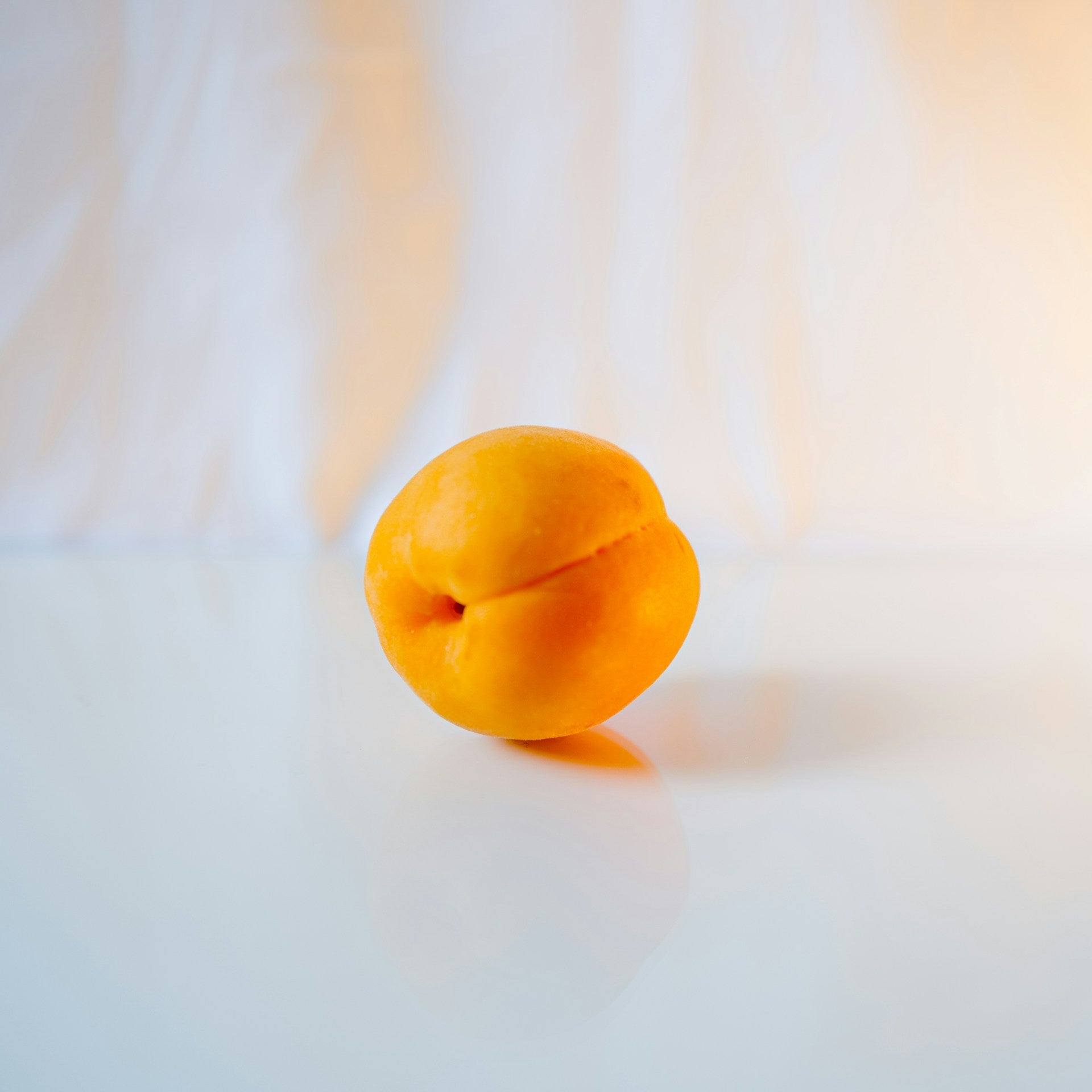
Storing Apricots in the Fridge
Properly storing apricots in the fridge can significantly impact their freshness and shelf life. If you're a foodie who loves to keep a variety of fresh produce on hand, or if you simply enjoy the sweet taste of apricots, understanding the best ways to store them is crucial.
Proper Storage Methods
To ensure that your apricots remain fresh for as long as possible, it's important to follow a few key storage methods:
- Gentle Handling: Apricots bruise easily, so handle them with care when placing them in the fridge.
- Ventilation: Use a perforated plastic bag or container with airflow to allow the fruit to breathe.
- Humidity Control: Store apricots in the crisper drawer of your fridge to manage moisture levels.
- Isolation: Keep apricots away from ethylene-producing fruits, such as apples and bananas, to prevent premature ripening.
Importance of Refrigeration
Refrigeration plays a vital role in preserving the quality of apricots. It slows down the ripening process and helps to prevent the growth of mold and bacteria. Here's why refrigeration is important:
- Temperature Regulation: A consistent and cool environment keeps apricots at their peak for longer.
- Ripeness Management: If your apricots are not quite ripe, leaving them at room temperature for a day or two before refrigerating can help them reach the perfect level of sweetness.
- Food Safety: Refrigeration reduces the risk of foodborne illness by inhibiting the growth of harmful pathogens.
By combining these proper storage methods with the benefits of refrigeration, you can enjoy your apricots for a longer period. If you're curious about the shelf life of other items in your fridge, you might want to explore how long different foods, such as how long does enchilada sauce last in the fridge or how long do lanzones last in the fridge, remain fresh.
Shelf Life of Apricots in the Fridge
When it comes to preserving the freshness of apricots, the fridge is your ally. Knowing how long apricots last in the fridge can help you enjoy their peak flavor and nutrition.
Fresh Whole Apricots
Fresh whole apricots have a decent shelf life when stored properly in the refrigerator. Ideally, they should be placed in the crisper drawer to maintain optimal humidity levels. Here's a quick guide to their shelf life:
| Storage Location | Shelf Life |
|---|---|
| Room Temperature | 1-2 days |
| Refrigerator | 3-5 days |
To extend their shelf life, ensure that the apricots are dry and free from any bruises or damage before placing them in the fridge. If you have a large quantity, it may be beneficial to store them in how long do lychees last in the fridge for reference.
Sliced or Cut Apricots
Sliced or cut apricots will not last as long as whole ones because they are more exposed to air, which accelerates spoilage.
| Storage Location | Shelf Life |
|---|---|
| Room Temperature | Should be consumed immediately |
| Refrigerator | 2-3 days |
To maintain the quality of sliced apricots, store them in an airtight container or wrap them tightly in plastic wrap to minimize air exposure. If you have leftover slices, consider utilizing the freezer to prolong their shelf life, just as you would with how long does creste di gallo pasta last in the fridge.
Remember that the shelf life can vary based on the ripeness of the apricots when you store them. Always check for signs of spoilage before consuming.
Signs of Spoilage
Properly storing apricots in the refrigerator is key to extending their freshness, but even then, they have a finite shelf life. Knowing how to recognize the signs of spoilage can prevent you from consuming apricots that may no longer be safe or enjoyable to eat.
Recognizing When Apricots Have Gone Bad
Apricots are a delicate fruit, and their condition can deteriorate quickly if not stored correctly. It's essential to regularly check your apricots for any signs that they have gone bad. Here are some indications that your apricots are no longer at their best:
- Softness: While apricots should have a slight give when ripe, overly soft or mushy fruit indicates over-ripening or spoilage.
- Discoloration: Any dark spots or areas of discoloration can be a sign of beginning decay.
- Wrinkling: If the skin looks wrinkled or shriveled, the apricots are likely past their prime.
Smell, Texture, and Appearance
The smell, texture, and appearance of apricots are reliable indicators of their quality. Here's what to look for:
- Smell: A sour or off odor is a clear sign that the apricots have spoiled.
- Texture: Apricots should have a slightly firm but yielding feel. If they are slimy or excessively soft, they should be discarded.
- Appearance: Any visible mold or unusual growths on the apricots are indicators of spoilage. Similarly, if the apricots have a lackluster appearance and no longer have their characteristic sheen, they may have lost their freshness.
By being vigilant and checking your apricots for these signs, you can ensure that you enjoy them while they are still fresh and nutritious. If you're curious about the storage life of other produce or items in your fridge, such as how long do lychees last in the fridge or how long does zucchini last in the fridge, you can find more information through our comprehensive guides. Remember that consuming spoiled food can lead to foodborne illness, so when in doubt, it's best to err on the side of caution and dispose of questionable apricots.
Extending the Shelf Life
Ensuring the longevity of your apricots requires more than just tossing them in the fridge. With the right techniques, you can extend their shelf life, making the most of your produce.
Tips for Prolonging Freshness
To maintain the freshness of apricots for as long as possible, consider the following tips:
-
Consistent Refrigeration: Once you bring your apricots home, transfer them to the refrigerator immediately to slow down the ripening process.
-
Proper Storage Containers: Store apricots in a breathable container or a perforated plastic bag to allow for air circulation and prevent moisture accumulation.
-
Humidity Control: Utilize the crisper drawer of your refrigerator if it has humidity control settings. Apricots fare best in a low-humidity environment.
-
Avoid Ethylene Producers: Keep apricots away from ethylene-producing fruits like apples and bananas, which can hasten ripening.
-
Regular Checks: Inspect your apricots frequently, removing any that show signs of spoilage to prevent it from affecting the rest.
By following these tips, you can help ensure your apricots remain appetizing and ready for consumption for as long as possible.
Utilizing the Freezer
Freezing apricots is a great way to extend their shelf life significantly. Here's how to do it:
-
Wash and Dry: Clean the apricots thoroughly and pat them dry to remove any excess moisture.
-
Slice or Halve: Remove the pits and slice or halve the apricots.
-
Prevent Browning: To prevent discoloration, you may toss the slices with lemon juice or a mixture of water and ascorbic acid.
-
Flash Freeze: Lay the apricot slices on a baking sheet lined with parchment paper and freeze them until they are firm.
-
Storage Bags: Transfer the frozen apricot slices to airtight freezer bags or containers. Be sure to label them with the date.
-
Freeze: Return them to the freezer where they can be kept for future use.
By freezing your apricots, you can enjoy them for several months beyond their typical refrigerated shelf life.
| State | Shelf Life in Fridge | Shelf Life in Freezer |
|---|---|---|
| Fresh Whole Apricots | 3-5 days | 6-8 months |
| Sliced Apricots | 2-3 days | 6-8 months |
For more information on preserving other food items, explore our additional articles like how long does enchilada sauce last in the fridge and how long do lanzones last in the fridge. Understanding how to effectively store various foods can help you minimize waste and enjoy your favorite flavors all year round.
Recipes and Uses for Fresh Apricots
Fresh apricots are a versatile fruit that not only taste delicious but also provide an abundance of culinary opportunities. Whether you prefer your apricots straight out of the fridge or transformed into a culinary masterpiece, their sweet-tart flavor is a welcome addition to various dishes.
Culinary Delights
Apricots can be used in a variety of sweet and savory dishes. Their distinct flavor pairs well with proteins, enhances the taste of desserts, and can even be incorporated into breakfast dishes.
- Desserts: Fresh apricots make for delightful pies, tarts, and crumbles. Try baking them into pastries or incorporating them into a light, summer sorbet.
- Savory Pairings: Combine apricots with chicken or pork for a sweet contrast to savory meats. Apricots can be grilled alongside your protein or used as a base for a tangy glaze.
- Breakfast: Start your day with apricots in your morning yogurt, oatmeal, or as a topping for pancakes and waffles.
- Salads: Add a burst of freshness to salads by tossing in diced apricots, which complement both leafy greens and grain-based salads.
Creative Ways to Enjoy Apricots
If you're looking to get creative with your apricots before they reach their shelf life in the fridge, consider these ideas:
- Apricot Salsa: Mix diced apricots with onions, cilantro, jalapeño, and lime juice for a fresh salsa that goes great with fish tacos or as a chip dip.
- Infused Water: Enhance your water by infusing it with sliced apricots and other fruits for a hydrating and flavorful drink.
- Apricot Chutney: Create a sweet and spicy apricot chutney that can be served with cheese boards or as an accompaniment to Indian dishes.
For those interested in how to preserve the freshness of other foods, take a look at our comprehensive guides, such as how long do lanzones last in the fridge or how long does loquat juice last in the fridge. And for those curious about the longevity of various ingredients after opening, our articles on how long does buffalo sauce last in the fridge or how long does watermelon juice last in the fridge offer valuable insights.
Embrace the versatility of apricots and experiment with different recipes to fully enjoy this delightful fruit. And remember, understanding 'how long do apricots last in the fridge' is key to enjoying them at their best.
Nutritional Benefits of Apricots
Apricots are not only a delicious fruit but also a powerhouse of nutrients, providing an array of health benefits. Understanding these benefits can encourage you to incorporate apricots into your diet more regularly.
Health Benefits
Apricots are rich in vitamins and minerals while being low in calories, making them an excellent addition to a healthy diet. Here are some key nutritional highlights and associated health benefits:
- Vitamin A: Apricots are high in Vitamin A, which is essential for maintaining good vision, skin health, and immune function.
- Vitamin C: This antioxidant supports the immune system and skin health, as well as aids in the absorption of iron from plant-based foods.
- Potassium: Important for heart health, potassium helps regulate blood pressure and is crucial for proper muscle and nerve function.
- Fiber: The dietary fiber in apricots aids in digestion and can help control blood sugar levels.
| Nutrient | Amount per 100g of Fresh Apricots |
|---|---|
| Calories | 48 kcal |
| Protein | 1.4 g |
| Carbohydrates | 11 g |
| Dietary Fiber | 2 g |
| Vitamin A | 96 mcg |
| Vitamin C | 10 mg |
| Potassium | 259 mg |
Including apricots in your diet can contribute to overall health and may help prevent various conditions, such as heart disease, diabetes, and certain types of cancer. To learn more about maintaining a healthy diet with fruits, you might be interested in reading about how long do acerola cherries last in the fridge.
Incorporating Apricots Into Your Diet
Adding apricots to your diet is simple and can be done in a variety of ways:
- Fresh Apricots: Enjoy them as a hand-held snack, or slice them up to add to your morning cereal or yogurt.
- Dried Apricots: A convenient snack on the go, or chop them up to include in granola, salads, or baked goods.
- Apricot Puree: Use it as a natural sweetener in desserts or to add flavor to marinades and dressings.
- Apricot Juice: Make a refreshing juice or smoothie for a nutrient-rich beverage.
Apricots are versatile and can be used in both sweet and savory dishes, enhancing the flavor profile and nutritional value of your meals. Whether you're a seasoned chef or a home cook, you can find creative ways to enjoy apricots and reap their health benefits.
FAQs About Storing Apricots
When dealing with the preservation of apricots, several questions might arise concerning their shelf life and the best practices for storage. Below are some frequently asked questions about storing apricots, which can help ensure you enjoy this succulent fruit at its best.
Can You Store Apricots at Room Temperature?
Yes, you can store apricots at room temperature particularly if they are still ripening. Apricots continue to ripen after being picked, and keeping them at room temperature can help facilitate this process. Once they have fully ripened, you may then move them to the refrigerator to extend their shelf life. Typically, apricots at room temperature will last for 1 to 2 days until they reach peak ripeness.
How to Tell If Apricots Are Ripe?
Ripe apricots are usually soft to the touch and exude a sweet, fragrant aroma. They should have a rich, orange color without any green tinges. Gently press the apricot with your thumb; if there's a slight give, it's likely ripe and ready to eat. Overripe apricots will feel mushy and may have visible bruising.
Can You Freeze Apricots?
Certainly, freezing is an excellent way to preserve apricots long-term. To freeze apricots, first wash, halve, and pit them. You can then lay them on a baking sheet lined with parchment paper, ensuring they are not touching, and freeze them until solid. Once frozen, transfer the apricots to a resealable freezer bag or airtight container. Frozen apricots can last up to 6 months when stored properly, retaining most of their flavor and nutritional value.
For more insights on the longevity and preservation of other food items in your fridge, feel free to explore our resources on how long does enchilada sauce last in the fridge and how long do leeks last in the fridge. If you're curious about the shelf life of various juices, our articles on how long does loquat juice last in the fridge or how long does guava juice last in the fridge might be of interest. For those storing meat, check out how long can steak stay in the fridge or how long is tilapia good in the fridge. For fruit enthusiasts, our coverage on how long do lychees last in the fridge could be quite helpful.
Get Your Upgrade or New Addition at Fridge.com
Whether you're searching for your perfect fridge, freezer, wine fridge, beer fridge, ice maker, or kegerator, we have what you need.
Shop the world's best brands at Fridge.com.
We also have tons of awesome articles about kitchen stuff and home news. Enhance your home, garage, backyard, patio, and office with the coolest essentials. With every necessary type of residential refrigerator or freezer in our collection, we've got you covered.
Elevate your game and shop now at Fridge.com!