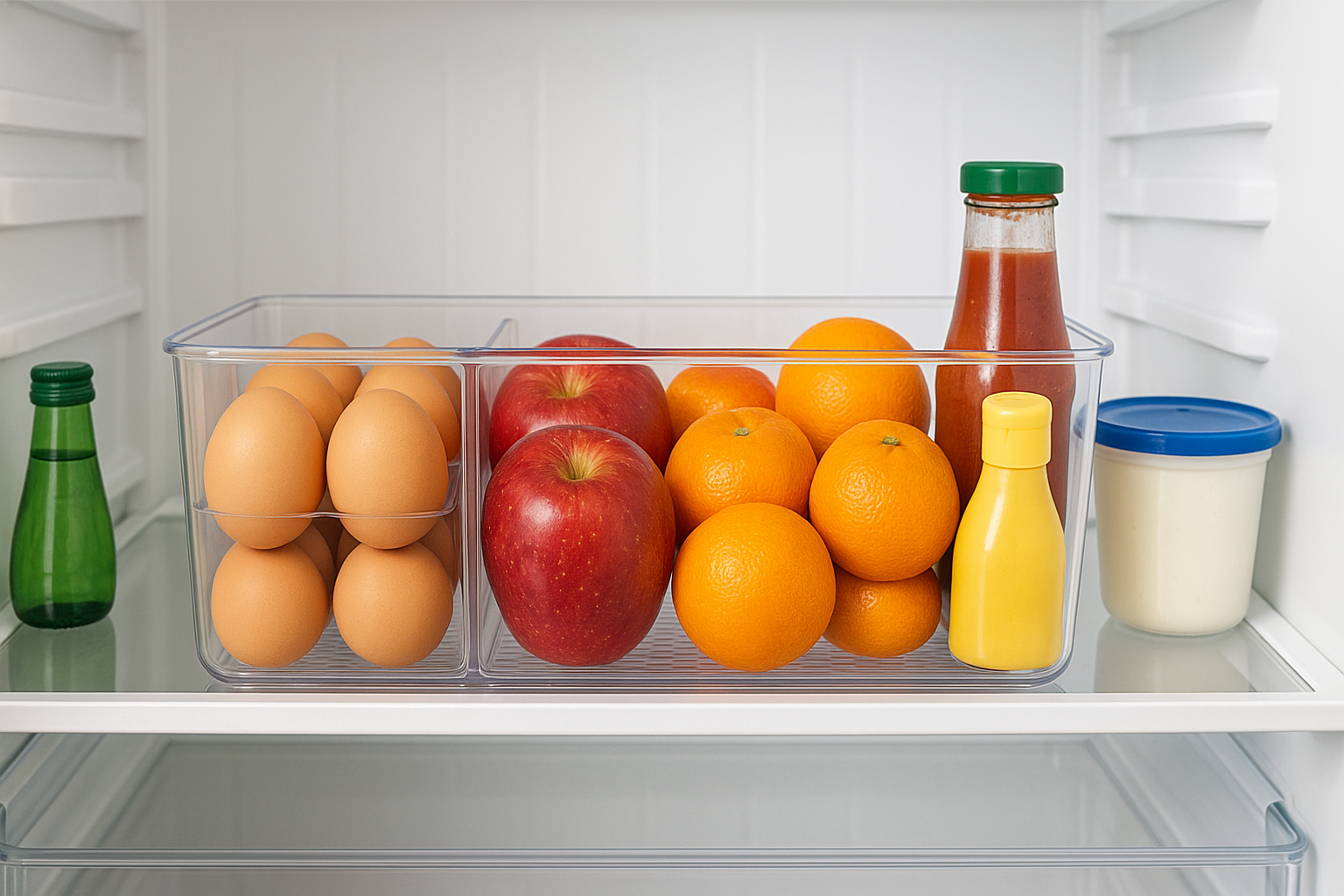
Tossing stuff in your fridge might look easy-peasy, but there's an art to it. Doing it right means your food stays fresh, you waste less, and your kitchen runs like a well-oiled machine.
Benefits of Proper Fridge Packing
When you nail the fridge-packing game, life gets smoother. Here's what you get out of it:
Benefit
Why It Matters
Less Food Waste
Seeing everything you got means you're less likely to forget about that lettuce till it turns into a science project.
Speedy Meal Prep
An organized fridge lets you whip up meals without hunting down that one ingredient, even on crazy busy days.
Longer Freshness
Storing stuff right helps your perishables last way longer, saving you cash and last-minute grocery runs.
Importance of Organizing Your Fridge
Having your fridge sorted is a lifesaver in any kitchen. By designating spots for different grub, you can whip up meals like a pro and use every inch of that fridge space. Here's the lowdown:
Spot
What's It Good For?
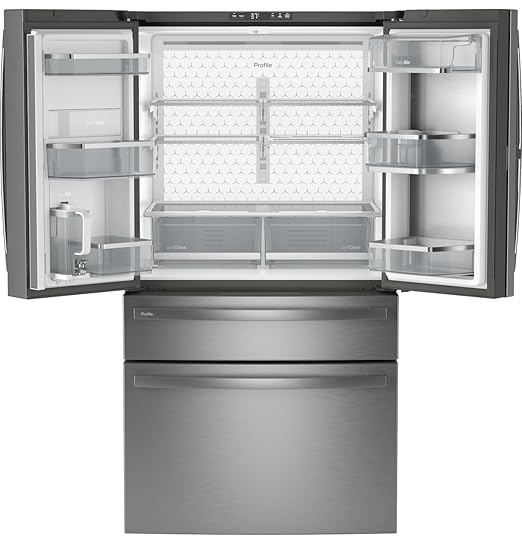
Top Shelf
Perfect for leftovers and snack-ready stuff you can just grab and munch.
Middle Shelf
Keep dairy and meats here – they like their temps steady.
Lower Shelf
Meant for the raw stuff and those big ole' drink jugs.
Fridge Door
Best for condiments and juices – these guys don’t mind a little temp swing.
Following this fridge feng shui not only iron out meal-making hassles but also makes it easier for your crew to find their grub. A bit of thought in packing turns your fridge into a friendly, efficient nook. Hungry for more tricks on making the most out of your fridge? Check out articles like how to pack a beverage cooler or dive into some fridge hacks that'll take your storage game up a notch.
Sorting out your fridge can really up your game in the kitchen and keep your food fresher longer. Stick different types of grub in set zones, and find what you need without turning your fridge into a maze. Here’s some friendly advice on what goes where in that cold box of yours.
Top Shelf: Ready-to-Eat and Leftovers
Stick your ready-made goodies and yesterday's takeout on the top shelf. This is literally where you can shove things you’re likely to grab and munch on first.
Stuff You Got
What to Do With It
Leftovers
Chuck them into airtight boxes
Pre-packaged eats
Clear bins to see what’s inside
Snacks
Right in front for easy snacking
Slap your leftovers here, and you'll be munching them down before they have a chance to grow arms and legs.
Middle Shelf: Dairy and Meat
Move to the middle for your creamy, cheesy, and meaty pals. This is the zone where things stay chill, perfect for your dairy delights and meaty treats.
Stuff You Got
What to Do With It
Dairy
Milk, cheese, yogurt, oh my!
Raw Meat
Chicken, beef, pork, all tucked in tight
Give your raw meat a little private getaway in its bin, 'cause who wants mingling juices with the cheese? Stick these goodies towards the back where it’s nice and cold.
Lower Shelf: Raw Ingredients and Beverages
Down below is the party spot for fresh stuff like fruits, veggies, and your drink stash. This area’s typically a few degrees cooler and keeps everything crisp.
Stuff You Got
What to Do With It
Fruits
Breathable bags or bins help them chill
Vegetables
Crisper drawers for veggie happiness
Drinks
Bottles and cans live upright here
Put the natural stuff and drinks on this shelf so the fridge looks less like a dumpster fire and you snack on the good stuff.
Door: Condiments and Drinks
The door is the fridge's swingin’ joint – opening and closing all the time, which means it's best for things that don’t spoil quickly like sauces and drinks.
Stuff You Got
What to Do With It
Condiments
Ketchup, mustard, and dressing pals
Drinks
Juice, pop, fizzy water
These babies are troopers, living long and rocking out on the doors, so you don't scramble your eggs trying to grab your favorite sauce.
Nail these layout tips, and you’ll zip through cooking without tossing loads of grub. If you need more space hacks, swing by our chat on how to pack a beverage cooler.
Cracking the code of fridge-packing isn't rocket science, but it does demand a clever and deliberate approach to using every nook and cranny in your refrigerator. Think storage bins and fridge drawers, the unsung heroes of food storage.
Utilizing Storage Bins and Containers
Storage bins and containers are like the trusty sidekicks in your quest for fridge supremacy. They keep same-team items all together, making your life a breeze when you're hunting for tonight's dinner. Plus, they free up heaps of space. Here’s the lowdown on how to get your bins and containers working for you:
Container Type
How It Helps
Stackable Bins
Use vertical spaces like a pro
Labeled Containers
No more frantic searches
Drawer Dividers
Corral your snacks and keep them in line
Clear Bins
Spot the Fritos before the munchies hit
Grouping your snacks, fruits, or lunch meats separately in bins cuts the clutter and keeps every fridge corner disciplined and neat.
Using Fridge Drawers Effectively
Ever noticed how fridge drawers seem to have a mind of their own? Well, turns out, they’re just waiting to shine! Each drawer has its calling, maintaining freshness and saving you space. Get a handle on what goes where, and your fridge will be your organized oasis. Peep this breakdown:
Drawer Type
Best Drawers Mates
Vegetable Drawer
Fresh produce that likes crispness
Meat Drawer
Your hearty proteins and wrapped meats
Beverage Drawer
Soda, juice, and all your chill-out drinks
Seriously, keep your fruits away from veggies. Some fruits are little gassers, kicking out ethylene gas that makes vegetables grow up too soon. Keep the peace in there and watch your fresh items last longer. Curious for more tips? Check Fridge.com piece on how to pack a beverage cooler.
Using those handy bins, containers, and making sense of each fridge drawer, you’ll turn your fridge into the envy of all your gathering spots - a sanctuary of organization and harmony for family, friends, and food lovers everywhere.
Making sure your fridge stays fresh is all about keeping your groceries safe to eat and tasty. Let’s run through some easy peasy ways to keep the fridge from turning into a science experiment.
Regular Date Checks
Start by doing the ol’ expiration date check. This isn’t just about saving your taste buds from funky milk—it also keeps weird smells out.
The secret ninja trick to longer-lasting food? Keep air out. Use tight containers or resealable bags to give life in the fridge a chance.
| Container What-For | | --- | --- | | Glass Containers | Soups and sauces love these. | | Plastic Bags | Perfect for fruits and veggies. | | Vacuum-Sealed Bags | Meats and cheese’s new best friends. |
Double-check those lids and sealed bags before they hit the fridge shelf. Not only is it a freshness booster, but it keeps foods from mingling in not-so-nice ways.
Fridge Temperature Settings Matter
Fridge temp is like Goldilocks—needs to be just right. Aim for below 40°F (4°C). Here’s how you get there:
Temperature Check: A little fridge thermometer is your friend.
Tweak as Necessary: If your milk’s gone from good to sour in days, try dialing down a bit.
Avoid Stuffing It Like a Turkey: Too much can block air, so coolness doesn’t circulate.