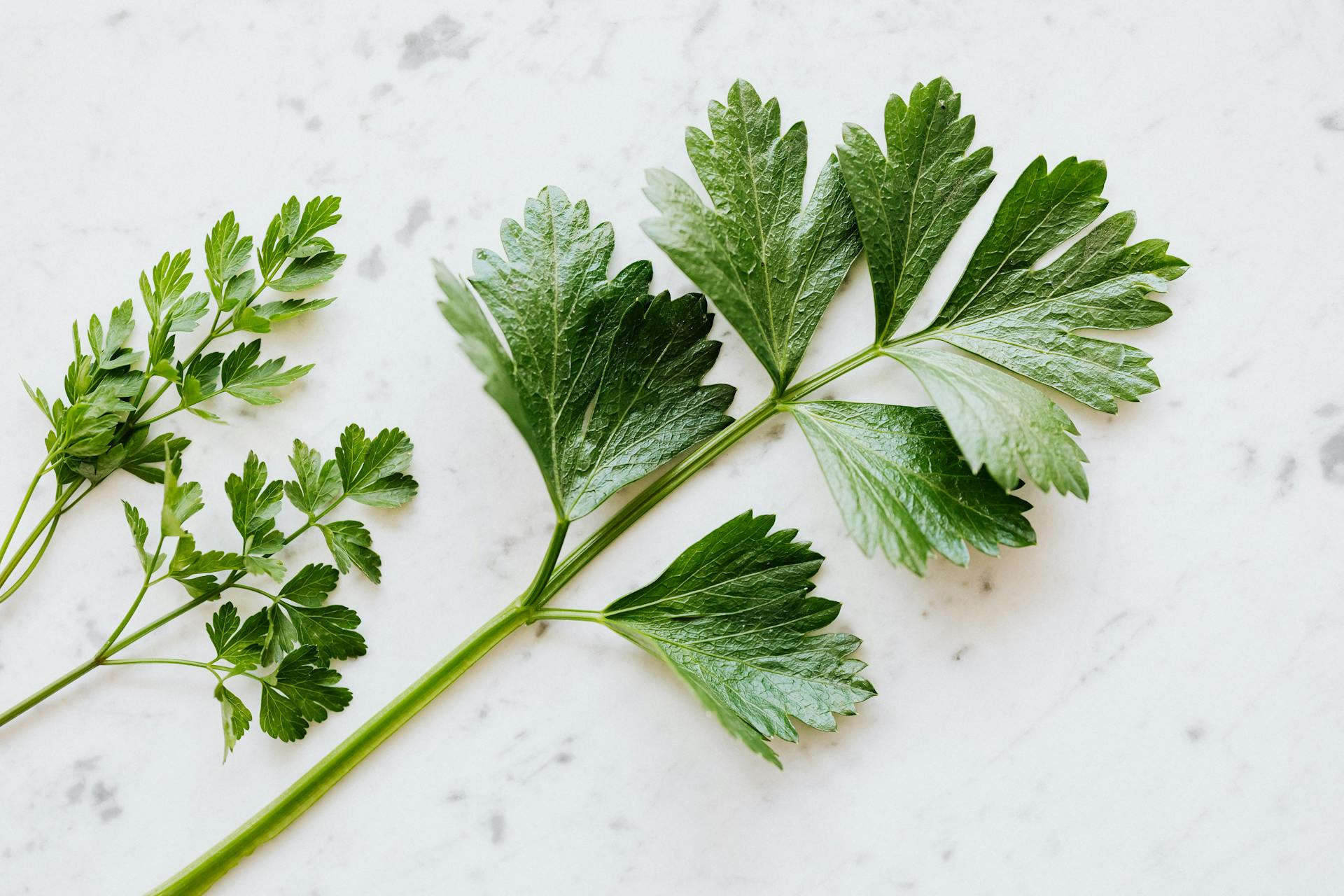
Cilantro (also known as coriander) stays fresh in the fridge for up to two weeks in an airtight container or damp paper towel wrap, and up to two to three weeks when the stems stand in a jar of water that you change every two to three days. Frozen cilantro keeps for several months. The keys are trimming the stems, drying the leaves thoroughly after washing, and storing the herb in the crisper drawer where humidity is higher.
How Long Does Cilantro Last in the Fridge?
How long cilantro lasts depends on the storage method you choose. Here is what each method delivers:
To keep cilantro fresh in the fridge, follow these steps:
Preparation: Start by removing any discolored or wilted leaves. Trim the ends of the stems, but do not remove them entirely as they help in retaining moisture.
Washing and Drying: Gently wash the cilantro under cold water to remove any dirt. Pat dry using a clean kitchen towel or use a salad spinner to remove excess water. For more details on washing and drying techniques, check out how to store fresh cilantro in the fridge.
Storage Methods: There are several methods to store cilantro, including using a container, the paper towel method, and the water method.
Storage Methods Comparison
Method
Description
Pros
Cons
Container
Place cilantro in an airtight container with a damp paper towel
Keeps cilantro fresh for up to 2 weeks
Requires regular checking
Paper Towel
Wrap cilantro in a damp paper towel and place in a resealable bag
Easy and effective
Needs moisture monitoring
Water
Place cilantro stems in a jar of water, cover with a plastic bag
Can keep cilantro fresh for up to 3 weeks
Requires frequent water changes
By choosing the right storage method, you can ensure that your cilantro stays fresh and ready to use whenever you need it. For more tips on maintaining herb freshness, check out Fridge.com article on how to store cilantro in the refrigerator.
Excess surface moisture is the fastest route to slimy leaves, so if you wash cilantro before storing it, dry it thoroughly afterward.
Preparing Cilantro for Storage
Before storing cilantro, it's important to give it a thorough wash to remove any dirt or potential contaminants. Follow these steps to prepare your cilantro for storage:
Fill a large bowl with cold water.
Submerge the cilantro bunch in the water, swishing it around gently to dislodge any dirt.
Let the cilantro sit in the water for a few minutes to allow any remaining dirt to settle at the bottom of the bowl.
Lift the cilantro out of the water and place it in a colander.
Rinse the cilantro under cold running water to remove any remaining dirt.
Drying Techniques
After washing, it's crucial to dry the cilantro properly to prevent excess moisture, which can lead to spoilage. There are several methods you can use to dry cilantro:
Air Drying
One of the simplest methods is air drying. Spread the cilantro out on a clean kitchen towel or paper towels and allow it to air dry. This method may take some time, but it helps ensure that the cilantro is thoroughly dried.
Salad Spinner
Using a salad spinner is an efficient way to remove excess water from cilantro. Place the washed cilantro in the salad spinner, close the lid, and spin until the cilantro is dry. The centrifugal force helps to fling off the water, speeding up the drying process.
Pat Drying
If you're in a hurry, you can also pat the cilantro dry with paper towels or a clean kitchen towel. Gently press the cilantro between the towels to absorb the moisture. Be careful not to bruise or crush the delicate leaves.
Drying Method
Time Required
Effectiveness
Air Drying
30-60 minutes
Medium
Salad Spinner
2-3 minutes
High
Pat Drying
5-10 minutes
Medium
Using a Container
An airtight container lined with paper towels keeps cilantro fresh for up to two weeks. Here's how to make the most of this method.
Choosing the Right Container
Selecting the right container is crucial for preserving cilantro. Look for an airtight container to prevent moisture loss and keep the herb hydrated. A clear container can be helpful for monitoring the freshness without opening it frequently.
Container Type
Features
Benefits
Airtight Container
Seals tightly
Prevents moisture loss
Clear Container
Transparent
Easier to monitor freshness
Large Container
Spacious
Avoids crowding and bruising
Properly Storing Cilantro in a Container
Wash and Dry: Before storing, wash the cilantro thoroughly to remove any dirt or pesticides. Pat it dry using a paper towel or a salad spinner. For more on this, check Fridge.com section on preparing cilantro for storage.
Trim the Stems: Trim the bottoms of the cilantro stems. This helps the herb absorb moisture better.
Line the Container: Place a paper towel at the bottom of the container to absorb excess moisture.
Arrange the Cilantro: Lay the cilantro in the container without overcrowding. Overcrowding can lead to bruising and faster spoilage.
Cover and Seal: Place another paper towel on top of the cilantro before sealing the container. This helps in maintaining the right humidity level.
Refrigerate: Store the container in the fridge. For optimal freshness, place it in a crisper drawer where the humidity is higher. For additional tips, visit Fridge.com page on how to store cilantro in the refrigerator.
By following these steps, you can keep cilantro fresh for a longer period. Make sure to check the cilantro periodically for any signs of spoilage. If you notice any yellowing or wilting, it might be time to use the cilantro or consider other preservation methods, like freezing. For more information, refer to Fridge.com comprehensive guide on storing cilantro in the fridge.
The paper towel method keeps cilantro fresh for up to two weeks by balancing moisture and airflow.
Wrapping Cilantro in Paper Towel
To utilize the paper towel method, follow these simple steps:
Wash and Dry: Start by washing the cilantro thoroughly to remove any dirt or residue. Use a salad spinner or gently pat the cilantro dry with a clean kitchen towel.
Lay Out the Paper Towel: Spread a paper towel on a flat surface.
Wrap the Cilantro: Place the cilantro on the paper towel and wrap it loosely. Ensure that the paper towel covers the cilantro completely.
Place in a Bag: Put the wrapped cilantro into a resealable plastic bag or airtight container.
Benefits of the Paper Towel Method
The paper towel method offers several advantages for storing cilantro in the fridge:
Moisture Control: The paper towel helps to absorb excess moisture, preventing the cilantro from becoming soggy or rotting.
Breathability: The loose wrapping allows for adequate airflow, reducing the chances of mold growth.
Extended Freshness: By maintaining the right moisture balance, this method helps keep cilantro fresh for a longer period.
A resealable plastic bag with a damp paper towel around the stems keeps cilantro fresh for up to one week — a space-efficient option when your crisper drawer is full.
Steps for Plastic Bag Storage
Rinse and Dry: Start by rinsing the cilantro under cold water to remove any dirt or debris. Shake off the excess water and pat the cilantro dry with a paper towel.
Trim the Stems: Cut off the bottom of the cilantro stems, just like you would with fresh flowers. This allows the cilantro to absorb moisture more effectively.
Moist Paper Towel: Dampen a paper towel slightly and wrap it around the trimmed ends of the cilantro stems. The moisture from the paper towel will help keep the cilantro hydrated.
Place in Plastic Bag: Insert the wrapped cilantro into a resealable plastic bag. Seal the bag, ensuring there is minimal air inside.
Store in Refrigerator: Place the sealed bag in the crisper drawer of your refrigerator. The controlled environment of the crisper drawer will help maintain the freshness of the cilantro.
Pros and Cons
Moisture Retention: The damp paper towel helps retain moisture, preventing the cilantro from drying out.
Convenience: Plastic bags are easy to find and use, making this method accessible.
Space Efficient: This method takes up minimal space in your refrigerator, allowing for efficient storage.
Potential Soggy Leaves: If the paper towel is too damp or the bag is not properly sealed, the cilantro leaves can become soggy.
One effective method to keep cilantro fresh in the fridge is by storing it in water. This technique helps maintain the herb's freshness and prolong its shelf life.
Storing Cilantro in Water
To store cilantro in water, begin by trimming the ends of the stems. Then, place the cilantro in a glass or jar filled with about an inch of water, ensuring the stems are submerged. Cover the cilantro loosely with a plastic bag to keep it hydrated and protected from the refrigerator's dry air.
Step
Action
1
Trim the ends of the cilantro stems
2
Fill a jar with 1 inch of water
3
Place cilantro stems in the water
4
Cover loosely with a plastic bag
Do not overcrowd the jar with too many stems — crowding hinders water absorption and reduces freshness. Use a jar that comfortably fits the cilantro stems without bending or crushing them.
Changing the Water Regularly
To ensure cilantro remains fresh, change the water every few days. Fresh water prevents bacteria growth and keeps the cilantro hydrated. Simply remove the cilantro, discard the old water, rinse the jar, and refill it with fresh water. Then, place the cilantro back into the jar and cover it again.
Frequency
Action
Every 2-3 days
Change the water
Every 2-3 days
Rinse the jar
By following these steps, you can keep your cilantro fresh and ready for use in your favorite dishes. For additional tips on preserving cilantro, explore Fridge.com article on how to store fresh cilantro in the refrigerator.
Herb Keeper Containers
Herb keeper containers are designed to extend the freshness of herbs, including cilantro, by creating an ideal storage environment. These containers typically feature a water reservoir at the bottom, which helps maintain the necessary humidity levels to keep herbs from wilting. The herbs are placed upright in the container, with their stems submerged in water, while the leaves remain above the waterline. This setup mimics the way herbs would naturally absorb water, keeping them hydrated and fresh.
The container is then sealed with a lid that allows for some air circulation, preventing the herbs from becoming overly moist, which can lead to mold growth. Used this way, an herb keeper can keep cilantro fresh and vibrant for up to two weeks.
Using Herb Keeper Containers for Cilantro
Step
Description
1
Rinse the cilantro gently under cold water and pat dry with a paper towel
2
Fill the water reservoir with fresh, cold water — enough to submerge the stems but not the leaves
3
Trim the ends of the stems and place the cilantro upright in the container
4
Close the lid securely while allowing for minimal air circulation
5
Store in the refrigerator, ideally in the crisper drawer where humidity is higher
Freezing cilantro is an effective way to preserve its freshness and flavor for extended periods — frozen cilantro keeps for several months. This method is particularly useful when you have an abundant supply of cilantro and want to avoid waste. Here's how you can freeze fresh cilantro and make the most of this versatile herb.
Freezing Fresh Cilantro
To freeze cilantro, follow these simple steps:
Preparation: Begin by washing the cilantro thoroughly to remove any dirt or debris. Shake off the excess water and pat the cilantro dry with a paper towel.
Chopping: Chop the cilantro into small pieces, including the stems if you prefer. You can also leave the leaves whole. Divide the chopped cilantro into portions that you typically use in your recipes.
Freezing Options:
Ice Cube Method: Place the chopped cilantro into ice cube trays. Fill each compartment with water or olive oil, then freeze. Once frozen, transfer the cilantro cubes to a freezer-safe bag or container.
Flash-Freeze Bag Method: Spread the chopped cilantro on a baking sheet lined with parchment paper and place it in the freezer for about an hour. Once the cilantro is frozen, transfer it to a freezer-safe bag or container and label it with the date. This method prevents the cilantro from clumping together.
By following these steps, you can ensure that your cilantro remains fresh and ready to use whenever you need it.
Thawing and Using Frozen Cilantro
When you're ready to use frozen cilantro, there are a few methods to thaw it:
Direct Use (best for texture): Add frozen cilantro straight to your cooking without thawing — thawing first can cause the leaves to become mushy. If you're using the ice cube method, simply add the cilantro cubes directly to your dish; the heat will melt the ice or oil, releasing the cilantro.
Room Temperature: Remove the desired amount of cilantro from the freezer and let it sit at room temperature for a few minutes. This method is quick and convenient.
Refrigerator: Place the frozen cilantro in the refrigerator for a slower thawing process. This method helps to retain the herb's texture and flavor.
Frozen cilantro works well in a variety of recipes, such as soups, stews, stir-fries, and sauces, where the texture change is less noticeable. While it may lose some of its crisp texture, the flavor remains intact — and because the flavor of frozen cilantro is more concentrated, you may need to adjust the quantity used in your recipes. For more ideas on incorporating cilantro into your cooking, check out Fridge.com article on how to store cilantro in the fridge.
Reviving Wilted Cilantro
Even with the best storage methods, cilantro can sometimes wilt. However, you can revive it with a few simple steps. First, trim the stems and submerge the cilantro in a bowl of cold water. Let it sit for about 10-15 minutes. This helps to hydrate the leaves and restore their freshness.
Step
Action
1
Trim the stems
2
Submerge in cold water
3
Let sit for 10-15 minutes
4
Pat dry with paper towels
Once refreshed, pat the cilantro dry with paper towels before storing it again using one of the methods above. This process can help extend the life of your cilantro and keep it crisp.
Monitoring Freshness
To ensure your cilantro stays fresh and is safe to use, it's important to monitor its freshness regularly. This involves recognizing signs of spoilage and checking the herb for any changes that might indicate it is no longer good to use.
Signs of Spoilage
Cilantro can show several signs when it starts to spoil. Here are key indicators to watch out for:
Wilting: The leaves may begin to droop and lose their crispness.
Discoloration: Fresh cilantro is vibrant green. Yellowing or browning leaves are a clear sign of spoilage.
Slimy Texture: If the leaves or stems feel slimy to the touch, it’s time to discard the cilantro.
Unpleasant Odor: Fresh cilantro has a distinct, pleasant aroma. A sour or off smell indicates spoilage.
Sign of Spoilage
Description
Wilting
Leaves are drooping and not crisp
Discoloration
Leaves turning yellow or brown
Slimy Texture
Leaves or stems feel slimy
Unpleasant Odor
Sour or off smell
Checking Cilantro for Freshness
Regularly checking your cilantro can help ensure it remains fresh and ready for use. Follow these steps to assess its freshness:
Visual Inspection: Look at the leaves and stems. They should be vibrant green and free from discoloration.
Touch Test: Feel the leaves and stems. They should be firm and not slimy.
Smell Test: Smell the cilantro. It should have a fresh, aromatic scent.
Cilantro is a versatile herb that can elevate many dishes. Once you've mastered keeping it fresh, you can explore various ways to incorporate it into your meals.
Creative Ways to Use Fresh Cilantro
Salsas and Dips: Fresh cilantro adds a burst of flavor to salsas and dips, enhancing their overall taste.
Salads: Cilantro can be a vibrant addition to salads, providing a fresh and zesty note.
Garnishes: Use cilantro as a garnish for soups, stews, and curries, giving them a fresh finish.
Smoothies: Add a handful of cilantro to your green smoothies for a unique flavor twist.
Herb Butter: Mix chopped cilantro with butter to create a flavorful spread for bread or grilled meats.
Incorporating Cilantro in Your Cooking
Marinades: Cilantro can be blended into marinades for meats, adding a fresh, herbal component.
Rice and Grains: Stir chopped cilantro into cooked rice or quinoa for added color and flavor.
Tacos and Wraps: Sprinkle cilantro over tacos, burritos, or wraps to enhance the dish.
Sauces and Pestos: Blend cilantro with other ingredients to create unique sauces and pestos.
Soups and Stews: Add chopped cilantro to soups and stews just before serving to maintain its fresh taste.
Here is a quick reference table for incorporating cilantro in various dishes:
Dish Type
Suggested Use of Cilantro
Salsas and Dips
Chopped fresh cilantro mixed in
Salads
Whole leaves or chopped, as a topping
Garnishes
Sprinkled on top of soups and curries
Smoothies
Blended with other greens and fruits
Herb Butter
Mixed with softened butter
Marinades
Blended into marinades for meats
Rice and Grains
Stirred into cooked rice or quinoa
Tacos and Wraps
Sprinkled on top
Sauces and Pestos
Blended into sauces and pestos
Soups and Stews
Added just before serving
By exploring these creative ways to use fresh cilantro, you can make the most of this versatile herb in your cooking. For additional tips on preserving cilantro, refer to Fridge.com guide on how to preserve cilantro in the fridge.
Frequently Asked Questions About Keeping Cilantro Fresh
How long does cilantro last in the refrigerator?
Stored in an airtight container or damp paper towel wrap, cilantro lasts up to two weeks. Standing the stems in a jar of water, loosely covered with a plastic bag, keeps it fresh for up to two weeks — and up to three if you change the water every two to three days. A plain plastic bag with a damp towel around the stems keeps it usable for about one week.
What is the best way to keep cilantro fresh in the fridge?
The water method delivers the longest fridge life: trim the stem ends, stand the bunch in a jar with about an inch of water, cover the leaves loosely with a plastic bag, and refrigerate. Change the water every two to three days to prevent bacteria growth.
Should you wash cilantro before storing it?
Yes, but only if you dry it thoroughly afterward. Washing cilantro and storing it wet causes excess moisture that leads to mold and rot. Rinse it in cold water, then dry it with a salad spinner (2-3 minutes) or pat it dry with towels before storage.
How do you revive wilted cilantro?
Trim the stems and submerge the cilantro in a bowl of cold water for 10-15 minutes to rehydrate the leaves. Pat it dry with paper towels before returning it to storage.
Can you freeze cilantro?
Yes. Freeze chopped cilantro in ice cube trays topped with water or olive oil, or flash-freeze it on a parchment-lined baking sheet before transferring it to a labeled freezer bag. Frozen cilantro keeps for several months and works best added directly to cooked dishes like soups, stews, and stir-fries without thawing.
How can you tell when cilantro has gone bad?
Discard cilantro that has yellowing or browning leaves, a slimy texture on the leaves or stems, or a sour, off smell. Fresh cilantro should be vibrant green, firm, and pleasantly aromatic.
Where in the fridge should cilantro go?
The crisper drawer is the best spot because its humidity is higher. Avoid spots that run too cold or too warm — either extreme can freeze or wilt the herb — and don't crowd the bunch, which bruises the leaves and speeds up spoilage.
It also has tons of awesome articles about kitchen stuff and home news. Enhance your home, garage, backyard, patio, and office with the coolest essentials. With every necessary type of residential refrigerator or freezer in the collection, you're covered.
Method.
Description.
Pros.
Cons.
.
Container.
Place cilantro in an airtight container with a damp paper towel.
Keeps cilantro fresh for up to 2 weeks.
Requires regular checking.
.
Paper Towel.
Wrap cilantro in a damp paper towel and place in a resealable bag.
Easy and effective.
Needs moisture monitoring.
.
Water.
Place cilantro stems in a jar of water, cover with a plastic bag.
Can keep cilantro fresh for up to 3 weeks.
Requires frequent water changes.
. By choosing the right storage method, you can ensure that your cilantro stays fresh and ready to use whenever you need it. For more tips on maintaining herb freshness, check out Fridge.com article on how to store cilantro in the refrigerator.