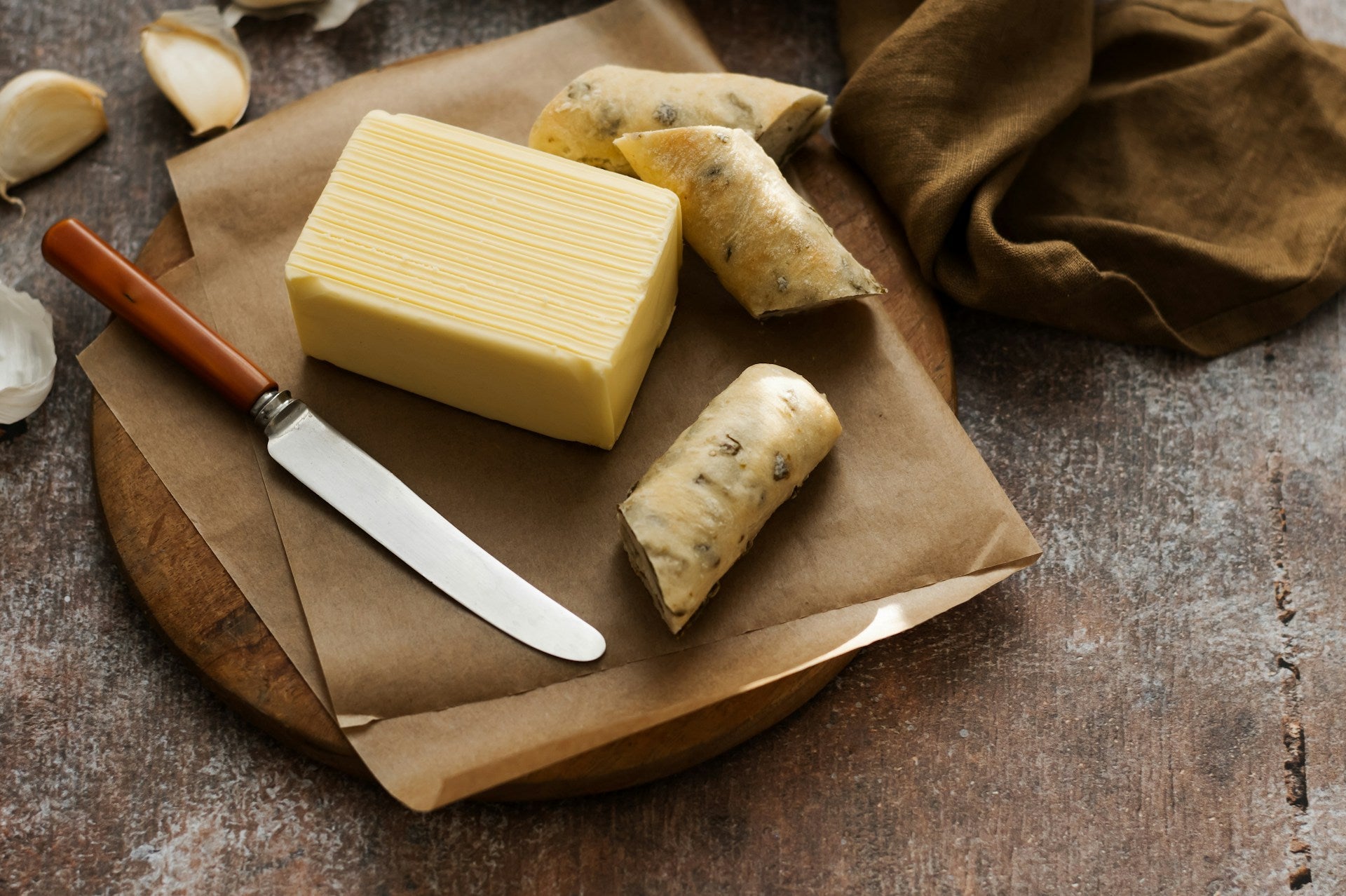
Ideally, butter should be stored at a temperature below 40°F to slow down the growth of bacteria.
Store all of them below 40°F, ideally toward the back of the shelf.
When stored properly in the refrigerator, ideally at 37°F (3°C) or below, unsalted butter stays fresh for about the same duration as fresh butter.
Wrapped tightly and kept at 0°F (-18°C), unsalted butter keeps for up to 6 months and salted butter for up to 9 months at best quality, with vacuum-sealed butter lasting up to about 12 months.
Butter lasts about 1 month in the refrigerator when it is unsalted or fresh, and 2 to 3 months when it is salted, because salt slows the growth of bacteria. Kept below 40°F in its original wrapper or an airtight container, butter easily outlasts fresh milk: it is mostly fat with very little water, so there is far less moisture for microbes to feed on, and in salted butter the salt adds a second layer of protection. Frozen at 0°F, butter holds its quality for 6 to 9 months or longer. Below is the full breakdown by butter type, plus how to store, freeze, thaw, and spot spoilage so none of it goes to waste.
Butter Type
Counter (65–70°F)
Fridge (below 40°F)
Freezer (0°F)
Fresh / Unsalted
1–2 days
1 month
Up to 6 months
Salted
1–2 weeks
2–3 months
Up to 9 months
Whipped
Keep refrigerated
1–2 months
—
Butter spread
Keep refrigerated
3–6 months
—
Clarified (ghee)
Stable if sealed
Up to 6 months
1 year or more
These are conservative, quality-first guidelines. Always check butter for signs of spoilage before use, no matter what the calendar says.
Understanding Butter Shelf Life
Factors Affecting Butter's Longevity
The shelf life of butter is influenced by several factors, including the type of butter (salted or unsalted), the presence of preservatives, exposure to light and heat, and the way it is processed and packaged.
The temperature of your refrigerator plays a significant role. Ideally, butter should be stored at a temperature below 40°F to slow down the growth of bacteria. The original packaging matters too: butter wrapped in foil tends to last longer than butter in a paper wrapper because foil gives better protection from light and odors. How often you open the butter also counts, since each time you dip into it you introduce air and bacteria that shorten its life.
Factor
Impact on Shelf Life
Type of Butter
Salted lasts longer than unsalted
Preservatives
Can extend shelf life
Storage Temperature
Cooler, steadier temperatures extend shelf life
Exposure
Minimal exposure to light and heat is ideal
Packaging
Airtight, light-resistant packaging is best
Frequency of Use
Frequent opening introduces air and bacteria
Why Butter Keeps Longer Than Fresh Milk
Butter can be stored far longer than fresh cow's milk because of what it is made of. Butter is mostly fat, with only a small amount of water and milk solids, so there is very little moisture for spoilage bacteria to grow in. Fresh milk, by contrast, is mostly water and is a rich environment for microbes. Salted butter lasts even longer still, because the added salt actively inhibits bacterial growth. This is why butter can sit in the fridge for weeks or months while fresh milk keeps only a short time.
Importance of Proper Storage
Proper storage is the cornerstone of extending the shelf life of butter and maintaining its quality. Store it in the coldest part of your refrigerator, typically at the back, away from the door where temperature fluctuations are more common. This also shields the butter from the light and warmth that hit it every time the fridge door opens.
An airtight container or wrapping is crucial to prevent the butter from absorbing strong odors from other foods in the fridge. Keep it well away from pungent items like onions and garlic, which butter readily absorbs, and use a clean knife every time to avoid introducing bacteria.
If you're a butter enthusiast or simply want optimal storage for all your fridge items, explore our selections of camper refrigerators and integrated freezers for specialized cooling solutions. For those who love to keep their fridge organized and efficient, our fridge storage containers could be a perfect addition.
Proper storage doesn't just apply to butter; it's a principle that extends to all perishables in your refrigerator, from healthy refrigerator meals to how long you can safely keep ground beef in the fridge. By maintaining an organized and temperature-controlled environment, you can ensure the freshness and safety of your food.
How Long Does Butter Last in the Fridge?
How long butter lasts in the fridge depends on whether it's fresh, salted, unsalted, whipped, or clarified. Store all of them below 40°F, ideally toward the back of the shelf.
Fresh Butter
Fresh butter, often called sweet cream butter, contains no added salt. In the fridge, fresh butter keeps a shorter time than its salted counterpart because it lacks salt's natural preservation.
Butter Type
Fridge Shelf Life
Fresh Butter
1 month
To make sure you use your butter within an optimal window, mark the date of purchase on the packaging or keep track with a fridge calendar.
Unsalted Butter
Unsalted butter, like fresh butter, lacks the preserving effect of salt. When stored properly in the refrigerator, ideally at 37°F (3°C) or below, unsalted butter stays fresh for about the same duration as fresh butter.
Butter Type
Fridge Shelf Life
Unsalted Butter
1 month
Store unsalted butter in an airtight container or wrapped securely to prevent it from absorbing odors from other foods.
Salted Butter
Salted butter has a longer fridge life thanks to the added salt, which acts as a preservative and helps inhibit the growth of bacteria.
Butter Type
Fridge Shelf Life
Salted Butter
2–3 months
While salted butter lasts longer, still store it correctly. Keep it tightly wrapped or in a covered butter dish to protect it from light and air. If you have a double door fridge with a dairy compartment, storing your salted butter there can help extend its freshness.
Whipped Butter and Butter Spreads
Whipped butter has air beaten into it and often contains added ingredients, so it behaves differently from a standard stick. Kept refrigerated and sealed, whipped butter generally lasts 1 to 2 months. Butter spreads, which are blended with oils, tend to keep longer, roughly 3 to 6 months in the fridge. Because both contain extra ingredients, always check the label for a use-by date and any additives that could affect freshness.
Butter Type
Fridge Shelf Life
Whipped Butter
1–2 months
Butter Spread
3–6 months
Clarified Butter (Ghee)
Clarified butter, or ghee, has had its milk solids and water removed, which makes it the longest-lasting butter of all. In the fridge, ghee stays good for up to 6 months, and it holds up in the freezer for a year or more. Because so little moisture remains, ghee can even sit at room temperature for an extended stretch, as long as it's kept sealed and away from sunlight.
Storage
Shelf Life
Fridge
Up to 6 months
Freezer
1 year or more
These time frames are general guidelines. Always check for signs of spoilage before use, and freeze butter if you need to keep it for an extended period.
Butter left out of the fridge has a much shorter safe window than refrigerated butter, and the type matters. Unsalted butter holds up at room temperature for only 1 to 2 days before it starts to feel sketchy, while salted butter — protected by its salt — can sit out for 1 to 2 weeks. Keep counter butter in a covered dish or butter crock at around 65–70°F, away from direct light and heat, so it doesn't pick up odors or turn rancid. If your kitchen runs warm, keep butter in the fridge and soften only what you need.
Butter Type
Room Temperature (Counter)
Unsalted Butter
Up to 1–2 days
Salted Butter
Up to 1–2 weeks
Can You Freeze Butter? How Long Does It Last in the Freezer?
Yes, you can freeze butter, and it's the best way to extend its life well beyond what the fridge allows. Freezing is ideal when you buy in bulk, catch a sale, or simply don't go through butter quickly. When butter freezes, its water content forms ice crystals that slow the enzymes and bacteria responsible for spoilage, while the fat stays stable enough to keep butter's texture and flavor intact.
Store butter in the freezer at 0°F (-18°C) or lower, and keep that temperature consistent, since fluctuations degrade quality faster. For best quality, use frozen butter within 6 to 9 months; salted butter can stretch toward the longer end, and tightly vacuum-sealed butter can keep up to about 12 months. Homemade butter freezes well too, but because it has no preservatives, aim for the shorter end of these ranges.
Butter / Method
Freezer Shelf Life
Unsalted Butter
Up to 6 months
Salted Butter
Up to 9 months
Vacuum-Sealed Butter
Up to 12 months
Clarified Butter (Ghee)
1 year or more
How to Freeze Butter Properly
Correct packaging is what prevents freezer burn, off-flavors, and a grainy texture. Follow these steps:
Portion it: Divide the butter into sticks or smaller chunks so you can thaw only what you need.
Double wrap: Wrap each portion tightly in its original packaging plus aluminum foil, plastic wrap, or freezer paper to block air.
Use an airtight layer: Place the wrapped butter in a heavy-duty freezer bag or airtight container for extra protection against odors and moisture.
Label and date: Mark the freezing date so you can track how long it has been stored, and use the oldest butter first.
Frozen butter is best reserved for cooking and baking rather than spreading, since freezing can slightly change its texture. For long-term storage you might also consider a dedicated appliance such as a chest freezer or an upright freezer. If you're storing other dairy, see how long does cheese last in the freezer as well.
Thawing Frozen Butter
How you thaw butter depends on how soon you need it. Refrigerator thawing preserves texture best; countertop and microwave methods are faster but need watching so the butter doesn't melt.
Thawing Method
Time Required
Notes
Refrigerator
4–8 hours
Safest; best for preserving texture
Countertop
1–2 hours
Keep covered; check to avoid melting
Microwave
20–30 seconds
Use the defrost setting; monitor closely
Using Frozen Butter
You don't always have to thaw butter before using it. Cold, hard butter is actually an advantage in several recipes:
Flaky pastries: Frozen butter creates steam pockets during baking, giving croissants, pie crusts, and puff pastry their light, airy layers.
Grated into dough: Grate frozen butter straight into scone, biscuit, or pie-crust dough to keep it cold and the result tender and flaky.
Compound butter: Blend butter with herbs, garlic, or spices, then slice and use it to top steaks, vegetables, or bread.
Butter medallions and cubes: Slice frozen butter onto hot dishes to melt slowly, or freeze butter in an ice-cube tray for pre-portioned amounts to drop into sauces and soups.
Cooking: For sautéing or frying, add frozen butter directly to the pan over low heat so it melts evenly without burning.
Refreezing Butter
Refreezing butter is generally not recommended. Once thawed, repeated freezing and thawing can turn the texture grainy or crumbly and dull the flavor. If you must refreeze, only do so with butter that was thawed in the refrigerator, never butter left out at room temperature, and always keep it in an airtight container.
Knowing how to tell when butter has gone bad prevents both wasted food and foodborne illness. Watch for changes in appearance, texture, and smell — and when in doubt, a tiny taste of butter that looks and smells fine will confirm it; a bitter or sour flavor means it's done.
Visual Changes
Spoiled butter may show mold as spots of blue, green, or black; discard it immediately if you see any. Discoloration is another cue: fresh butter is a uniform light yellow to cream, so if it turns gray, brown, or unusually dark, it may be rancid. Pools of liquid or an oily top layer also signal that the fats are breaking down.
Texture Changes
Fresh butter is smooth and spreadable. Spoilage can make it too hard, grainy, or crumbly, or cause it to separate into oily or watery layers. Any of these means the butter is past its prime.
Smell Changes
A fresh stick of butter has a clean, creamy scent. A sour or rancid odor — sometimes resembling sour milk or stinky cheese — is a strong sign it has spoiled. Trust your nose; if the butter smells off, don't use it.
Extending Butter's Shelf Life
With the right habits you can keep butter fresh and flavorful for as long as possible.
Tips for Proper Storage
Keep it cool: Store butter in the coldest part of your refrigerator, away from the door to avoid temperature swings. Under counter fridges can help provide consistent cooling.
Original packaging: Keep butter in its original wrapper, which is designed to protect it from light and air. Once opened, wrap it tightly in foil or plastic.
Airtight containers: Use an airtight container or fridge storage containers to keep butter from absorbing odors from other foods.
Guard against odors: Keep butter far from onions, garlic, and other pungent foods, and always use a clean knife to avoid introducing bacteria.
Refrigerate promptly: Return butter to the fridge right after use rather than leaving it out on the counter.
Track the date: Note when butter went into the fridge with a fridge calendar, and store flavored or compound butters separately.
Freezing for the Long Term
For long-term preservation, freezing is the most effective option — see the freezing steps above. Portion the butter, double wrap it, seal it in a freezer bag or airtight container, label the date, and thaw it in the refrigerator when you're ready to use it. If you're shopping for an appliance that makes proper food storage easier, browse selections like the best fridge 2024.
Whether butter past its date is still usable comes down to safety and quality.
Safety Considerations
Before using butter past its expiration date, check it thoroughly for discoloration, mold, or off-odors. Consuming spoiled butter can cause foodborne illness, so err on the side of caution.
Checkpoint
Spoilage Indicator
Color
Discoloration or mold spots
Texture
Excessive softness or a rancid, oily feel
Smell
Sour, cheesy, or any other abnormal odor
If you notice any of these signs, discard the butter. To learn more, see the section on Signs of Spoiled Butter.
Quality Impact
Even if expired butter shows no obvious spoilage, its quality may have degraded, affecting flavor and performance in recipes. Butter that has sat a long time can also absorb fridge odors that transfer to your dishes. If butter is a key flavor in a recipe, older butter may compromise the result; where butter isn't the central flavor, a slight change may go unnoticed. When in doubt, reach for a fresh stick.
Many baking recipes call for room-temperature butter because soft butter creams with sugar to create a light, fluffy texture. Pull butter from the fridge and let it sit on the counter for 30 to 60 minutes, aiming for about 65°F (18°C). To speed it up, cut the butter into small cubes, or microwave it for roughly 10 seconds at a time — just stop before it melts into a puddle.
Use Case
Butter Temperature
Time to Soften
Baking cookies
Room temperature
30–60 minutes
Creaming butter
Slightly softened
30–45 minutes
Reviving Hard or Stale Butter
If butter has gone hard or a little stale, you can often bring it back. Whip it with a hand mixer for a few minutes to restore some texture, stir in a pinch of salt or fresh herbs to lift the flavor, or warm it gently over low heat — easy on the heat so it doesn't turn liquid. Butter that has turned too soft can simply go back in the fridge until it firms up.
Butter Substitutes and Alternatives
If you run out of butter or want a dairy-free option, several everyday ingredients can stand in for it, though you may need to adjust quantities depending on the recipe.
Substitute
Best For
Flavor Profile
Margarine
Baking, spreading
Buttery, lightly salted
Coconut Oil
Baking, cooking, dairy-free
Mild coconut note
Olive Oil
Cooking, salad dressings
Fruity, savory
Applesauce
Baking (sweet recipes)
Sweet, fruity
Yogurt
Baking, cooking
Creamy with a tang
Nut Butters
Spreading, baking
Nutty and rich
You can also make simple homemade stand-ins: a mashed avocado spread with olive oil and salt, a blended cashew cream (soaked cashews, water, and lemon juice), or a vegan butter whisked from coconut oil, olive oil, and almond milk and chilled until firm.
Yes, for a limited time. Unsalted butter holds up at room temperature for about 1 to 2 days, while salted butter can stay out for 1 to 2 weeks thanks to its salt. Keep it in a covered dish or butter crock, away from light and heat, so it doesn't absorb odors or turn rancid.
How long does unsalted butter last in the fridge?
Unsalted butter keeps for about 1 month in the refrigerator at 37°F (3°C) or below. Because it has no salt to slow bacteria, it spoils sooner than salted butter, so store it tightly wrapped or in an airtight container.
Can you freeze butter, and for how long?
Butter freezes very well. Wrapped tightly and kept at 0°F (-18°C), unsalted butter keeps for up to 6 months and salted butter for up to 9 months at best quality, with vacuum-sealed butter lasting up to about 12 months. Freeze it in portions so you can thaw only what you need.
How long does vacuum-sealed butter last?
Vacuum sealing removes the air that causes freezer burn and rancidity, so vacuum-sealed butter can keep in the freezer for up to about 12 months. In the fridge, sealing still helps, but the standard 1-to-3-month ranges by type still apply.
What temperature should butter be frozen at?
Store butter in the freezer at 0°F (-18°C) or lower, and keep that temperature steady. Fluctuating temperatures cause the butter to deteriorate faster and can lead to freezer burn.
Is it okay to eat butter after the use-by date?
Possibly. If properly refrigerated butter shows no off smell, discoloration, or mold, it may still be fine for a while past its date, since butter keeps for months when stored well. But if anything looks or smells off, throw it out — the quality and safety aren't worth the risk.
Why does butter last longer than fresh milk?
Butter is mostly fat with very little water, so there's little moisture for spoilage bacteria to grow in. Fresh milk is largely water and spoils quickly by comparison. Salted butter lasts longer still because salt actively inhibits bacterial growth.
My butter is too hard or too soft — what should I do?
For rock-hard butter, let it sit on the counter for 15 to 30 minutes, or cut it into small cubes to soften faster. If butter has gone too soft or greasy, pop it back in the fridge until it firms up.
Can you refreeze butter?
It's not recommended. Refreezing can make butter grainy or crumbly and dull its flavor. If you must, only refreeze butter that was thawed in the refrigerator, and keep it airtight.
Compare prices on Fridge.com
Compare current prices and specifications on Fridge.com, then buy from the retailer you choose; delivery, installation and warranty terms are the retailer’s.
It also has tons of awesome articles about kitchen stuff and home news. Enhance your home, garage, backyard, patio, and office with the coolest essentials. With every necessary type of residential refrigerator or freezer in the collection, you're covered.
Frequently Asked Questions
How long butter lasts in the fridge depends on whether it's fresh, salted, unsalted, whipped, or clarified. Store all of them below 40°F, ideally toward the back of the shelf.