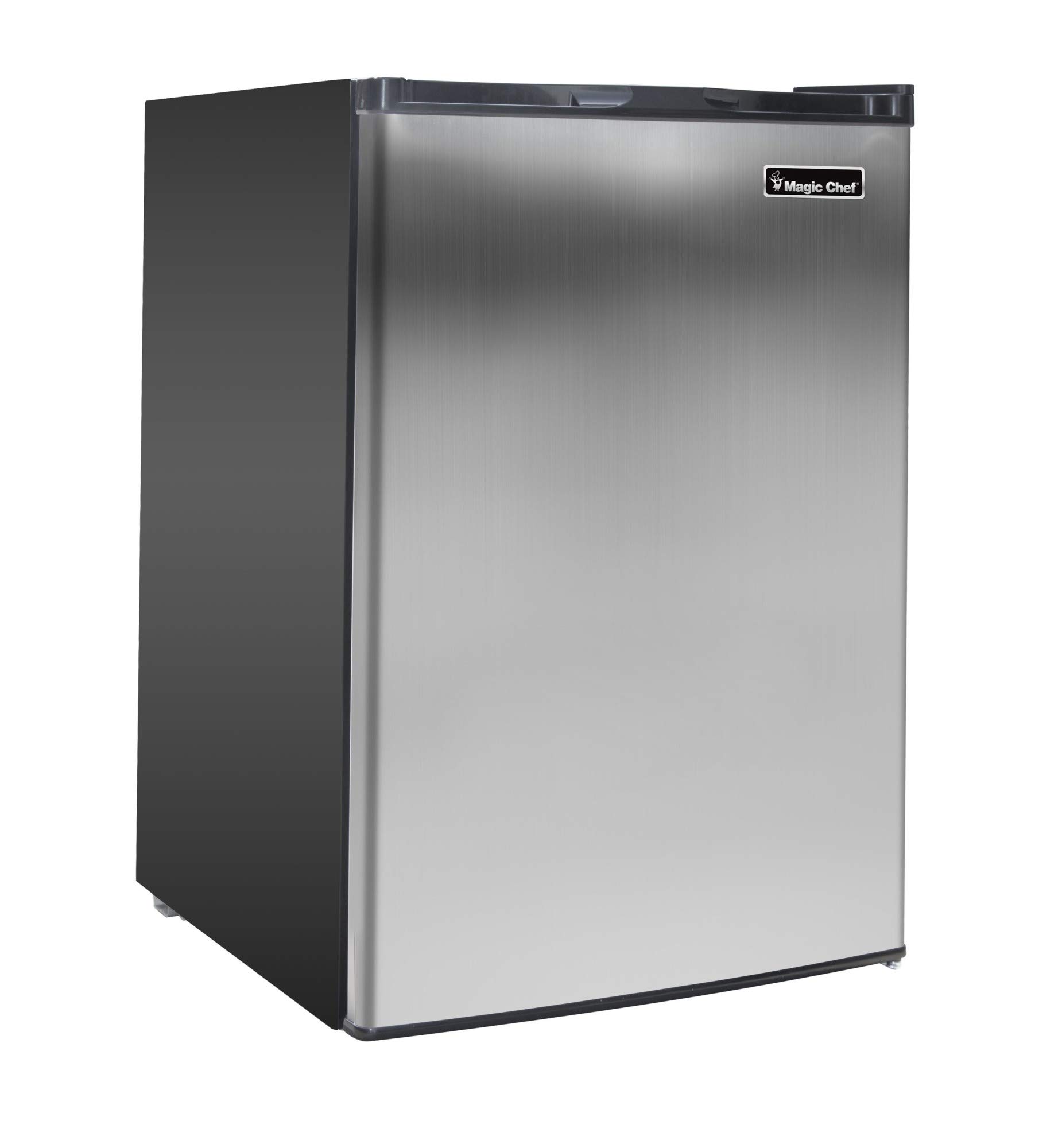
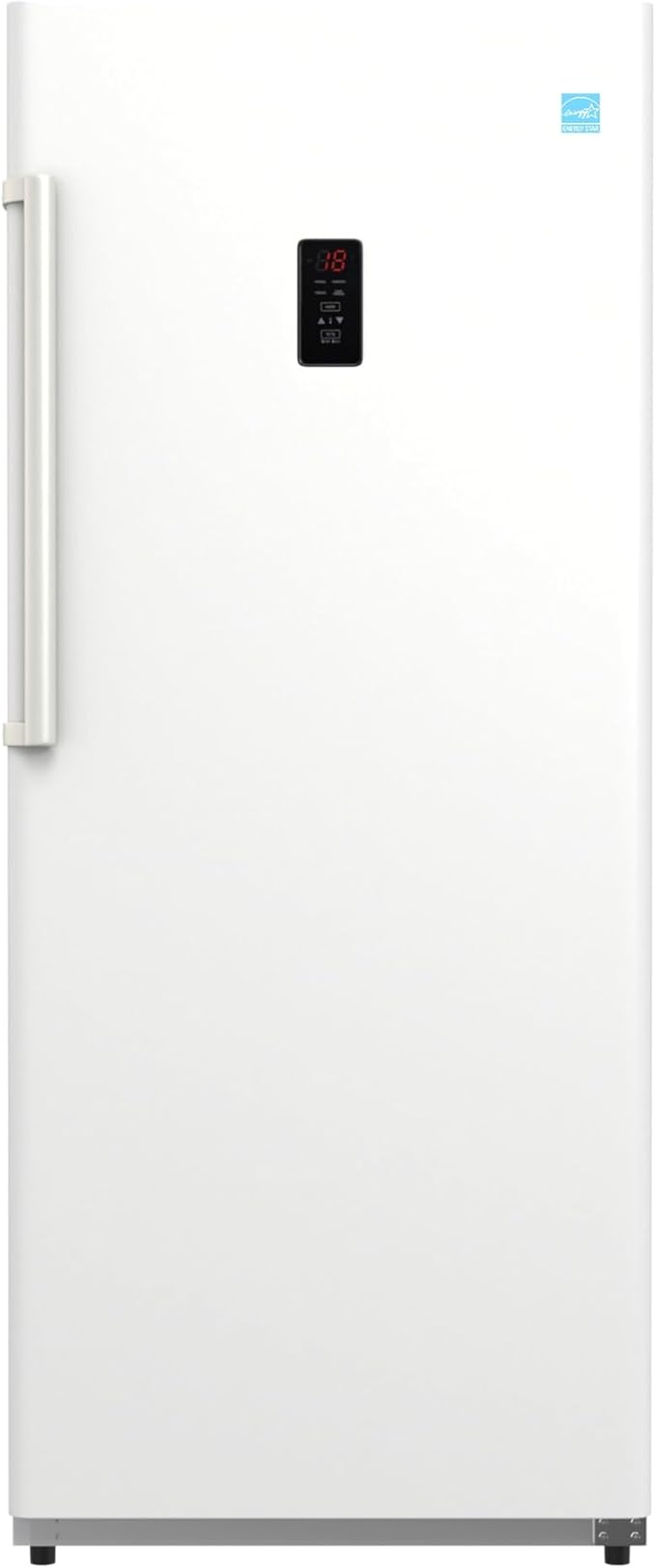
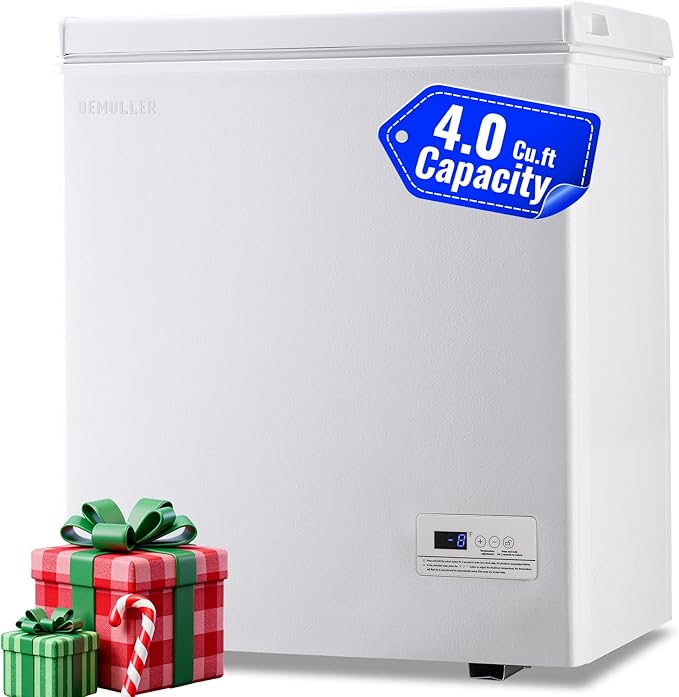
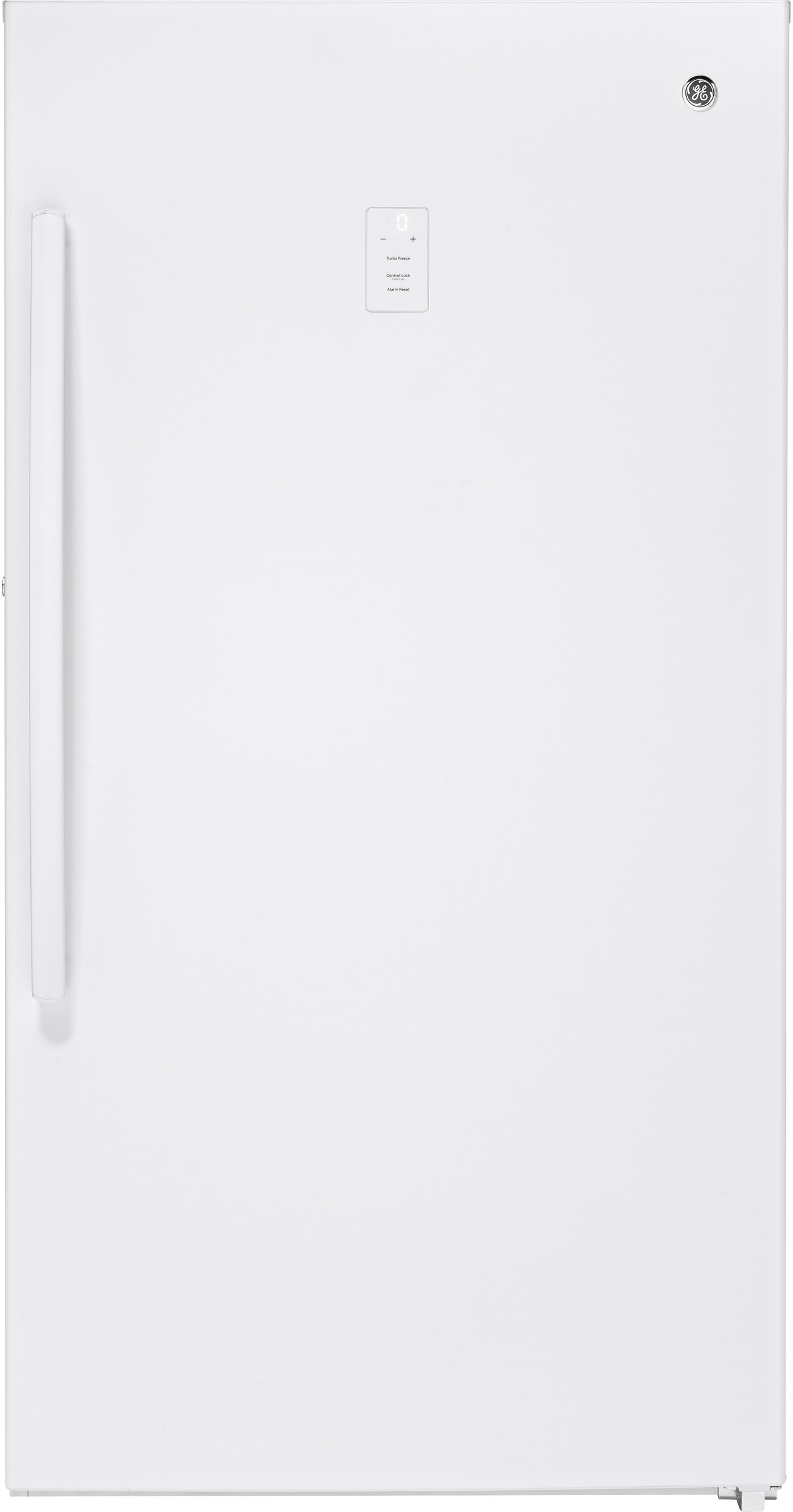
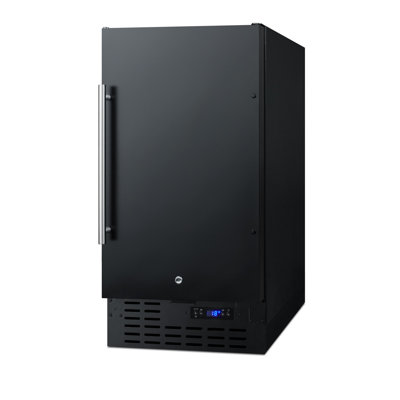
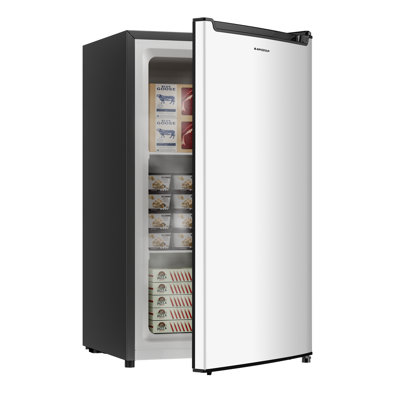
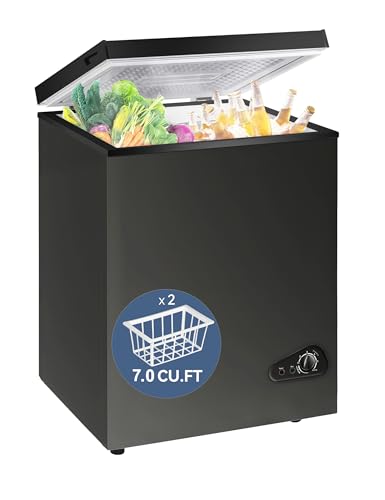
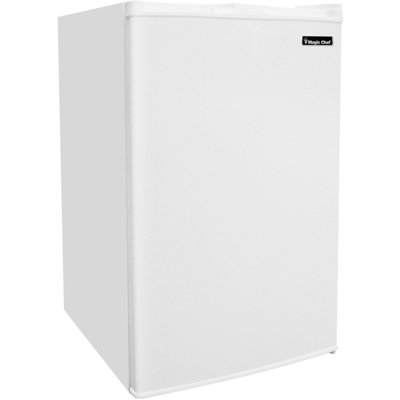
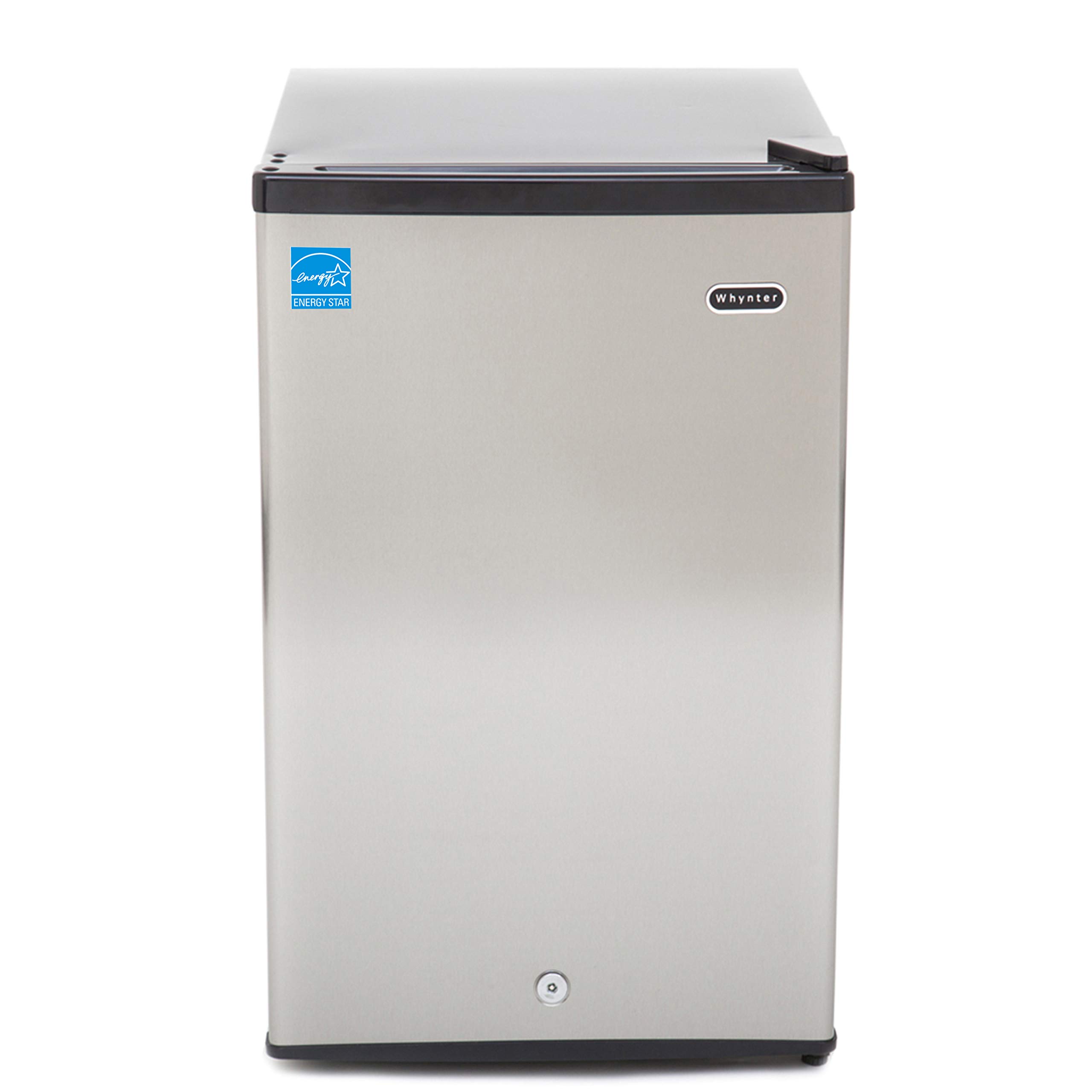
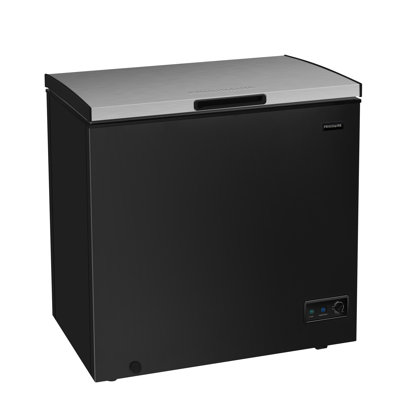
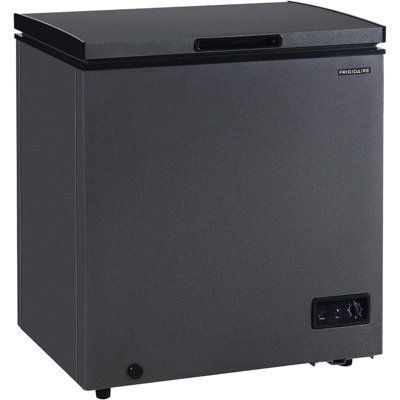
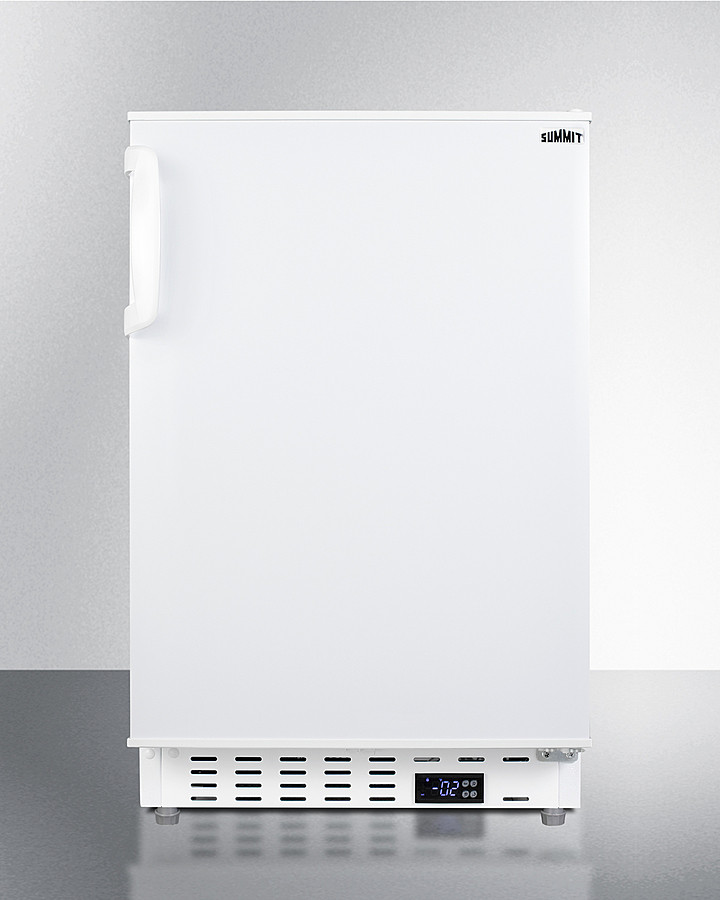
Deep freezers are essential for preserving food over long periods. They maintain a consistent low temperature that slows down the growth of bacteria and enzymes, ensuring your food stays fresh and safe for consumption. This is particularly valuable for those who buy in bulk, prepare meals in advance, or want to store seasonal produce.
Deep freezers can be found in various settings: homes, apartments, condos, garages, basements, and even mobile homes and cabins. They are invaluable for families, chefs, and anyone who loves to entertain or celebrate with friends and family. Understanding how to maximize their efficiency and knowing what to do during a power outage is crucial.
Scenario: Power Outage
A power outage can be a major concern when it comes to food storage in a deep freezer. Without power, the temperature inside the freezer starts to rise, potentially compromising the safety and quality of your stored food. Knowing how long food can remain safe in a deep freezer without power is critical.
Several factors influence this duration, including the type of food stored, the initial temperature of the freezer, and the length of the power outage. Generally, a fully stocked deep freezer can keep food frozen for about 48 hours if the door remains closed. If the freezer is only half full, this duration decreases to approximately 24 hours.
Freezer Status
Duration Food Stays Frozen
Fully Stocked
~48 hours
Half Full
~24 hours
It's important to avoid opening the freezer door during a power outage to retain the cold air inside. Monitoring the internal temperature with a thermometer can also help you determine whether the food is still safe. For more detailed guidelines on food safety during power outages, refer to Fridge.com article on how long is food good in the fridge when power is out?.
Understanding these basics helps you mitigate risks and ensure your food remains safe even during unexpected power interruptions.
Understanding the factors that affect food storage in a deep freezer without power can help you make informed decisions during a power outage. These factors include the type of food, the temperature of the freezer, and the duration of the power outage.
Type of Food
Different types of food have varying levels of resistance to spoilage. For instance, meat and poultry tend to spoil faster than fruits and vegetables. Knowing which foods are more perishable helps prioritize which items to use first.
Food Type
Shelf Life Without Power (hours)
Meat and Poultry
24 - 48
Seafood
24 - 36
Fruits and Vegetables
48 - 72
Dairy Products
24 - 48
Baked Goods
48 - 72
Temperature of the Freezer
The initial temperature of your freezer plays a crucial role in how long food stays safe during a power outage. A deep freezer set to 0°F (-18°C) or lower will keep food frozen longer than one set at a higher temperature. Maintaining a low temperature is essential for prolonging the shelf life of your food.
Duration of Power Outage
The length of time your freezer is without power directly impacts the safety of the food inside. A short outage of a few hours may have minimal effect, while longer outages pose a greater risk of food spoilage. Generally, a full freezer can keep food safe for up to 48 hours if the door remains closed.
Understanding food safety guidelines is crucial during a power outage to ensure that the food stored in your deep freezer remains safe to consume. Here are some best practices to follow.
General Rule of Thumb
As a general rule, a full freezer can keep food safe for about 48 hours if the door remains closed. A half-full freezer can maintain its temperature for approximately 24 hours. It's essential to avoid opening the freezer door as much as possible to retain the cold air.
Freezer Status
Time Food Stays Safe
Full Freezer
Up to 48 hours
Half-Full Freezer
Up to 24 hours
Inspection and Monitoring
Regular inspection and monitoring of your freezer's contents are vital during a power outage. If you have a thermometer inside the freezer, check it periodically. Food is safe as long as the temperature remains at or below 40°F (4°C). If the temperature rises above this threshold, the safety of the food becomes questionable.
Signs of Spoilage
Identifying signs of spoilage is crucial to ensure food safety. Here are some indicators that food may no longer be safe to eat:
Smell: A sour or off odor indicates spoilage.
Texture: Slimy or sticky texture on meat or poultry.
Color: Discoloration or unusual spots on the food.
Ice Crystals: Excessive or unusual ice crystals can indicate that the food has thawed and refrozen.
If you notice any of these signs, it's best to err on the side of caution and dispose of the food. For more information on handling food safety during power outages, you can refer to Fridge.com article on how long is food good in the fridge when power is out?.
By following these guidelines, you can better manage the safety of your food during a power outage and minimize the risk of consuming spoiled or unsafe food.
Understanding how long different types of food can last in a deep freezer without power is crucial for maintaining food safety. Here, Fridge.com will delve into the specific time limits for meat and poultry, seafood, and fruits and vegetables.
Meat and Poultry
Meat and poultry are particularly sensitive to temperature changes. When a power outage occurs, it's essential to know how long these items will remain safe in your deep freezer.
Fruits and vegetables generally have a longer safe window compared to meats and seafood. However, texture and quality may degrade over time.
Type of Produce
Time Limit (Hours)
Berries (Strawberries, Blueberries)
48
Citrus Fruits (Oranges, Lemons)
48
Leafy Greens (Spinach, Kale)
48
Root Vegetables (Carrots, Potatoes)
48 - 72
Understanding these time limits can help you make informed decisions during a power outage. For additional guidance on food safety and storage, explore Fridge.com related articles such as how long is food good in the fridge when power is out? and how long will a chest freezer stay cold without power?.
Handling Thawed Food
When dealing with thawed food after a power outage, it's essential to follow specific guidelines to ensure food safety. Understanding considerations for refreezing, cooking, and disposing of spoiled food can help maintain the quality and safety of your meals.
Refreezing Considerations
Refreezing thawed food can be safe under certain conditions. If the food still contains ice crystals or has remained at 40°F or below, it is generally safe to refreeze. However, refreezing can affect the texture and quality of some foods.
Food Type
Safe to Refreeze?
Meat and Poultry
Yes, if below 40°F
Seafood
Yes, if below 40°F
Fruits and Vegetables
Yes, but quality may degrade
Baked Goods
Yes
Consult Fridge.com article on how long is meat good for in the fridge after thawing? for more details on meat safety.
Cooking Thawed Food
Cooking thawed food promptly ensures safety and maintains quality. It is recommended to cook thawed food that has been kept at safe temperatures as soon as possible. Proper cooking eliminates potential bacteria that may have grown during the thawing process.
If food has been stored above 40°F for more than two hours, it is generally unsafe to consume and should be discarded. Signs of spoilage include an off smell, discoloration, and unusual texture. When in doubt, it is safer to dispose of questionable food items to avoid foodborne illnesses.
Signs of Spoilage
Examples
Off Smell
Sour, rancid, or unusual odors
Discoloration
Grayish or greenish hues
Unusual Texture
Slimy or mushy consistency
For more information on safe disposal practices, you can explore how long is food good in the fridge when power is out?.
By following these guidelines, you can safely handle thawed food and minimize the risk of foodborne illnesses. Always prioritize food safety by monitoring temperatures, cooking thoroughly, and disposing of spoiled items appropriately.
To ensure the safety of your food even during power outages, it's important to implement preventative measures. Here are some strategies to help you maintain food quality in your deep freezer.
Backup Power Sources
Investing in backup power sources can be a lifesaver during unexpected power outages. Generators are a common solution, providing temporary electricity to keep your deep freezer running. Another option is portable power banks designed for appliances. These devices can help maintain the temperature of your freezer, preventing food spoilage.
Emergency Preparedness
Being prepared for emergencies can make a significant difference in how well your food holds up during a power outage. Keep your deep freezer well-organized, with similar items grouped together. This helps in quickly identifying and accessing items, reducing the time the freezer door stays open.
It's also beneficial to have a plan in place for extended outages. This includes identifying local facilities where you can temporarily store your frozen goods or pooling resources with neighbors who might have power.
Food Rotation Practices
Implementing food rotation practices ensures that your food remains fresh and safe for consumption. Use the "first in, first out" method, where older items are used before newer ones. This minimizes the risk of having outdated food during a power outage.
Labeling your food with the date of purchase or freezing can also help in managing your food stocks efficiently. This practice ensures that you consume the oldest items first and maintain the freshness of your frozen goods.
Practice
Benefit
Backup Power Sources
Keeps freezer running during outages
Emergency Preparedness
Quick access and reduced door opening time
Food Rotation Practices
Maintains freshness and minimizes spoilage
For more tips on maintaining food safety during power outages, you can explore Fridge.com articles on how long is food in the fridge good for without power? and how long will a chest freezer stay cold without power?. These resources offer additional guidelines to help you navigate power outages while keeping your food safe.
Compare prices on Fridge.com
Compare current prices and specifications on Fridge.com, then buy from the retailer you choose; delivery, installation and warranty terms are the retailer’s.
It also has tons of awesome articles about kitchen stuff and home news. Enhance your home, garage, backyard, patio, and office with the coolest essentials. With every necessary type of residential refrigerator or freezer in the collection, you're covered.
Free tool
Food Storage Calculator
Free interactive tool from Fridge.com — get a quick answer while you read.