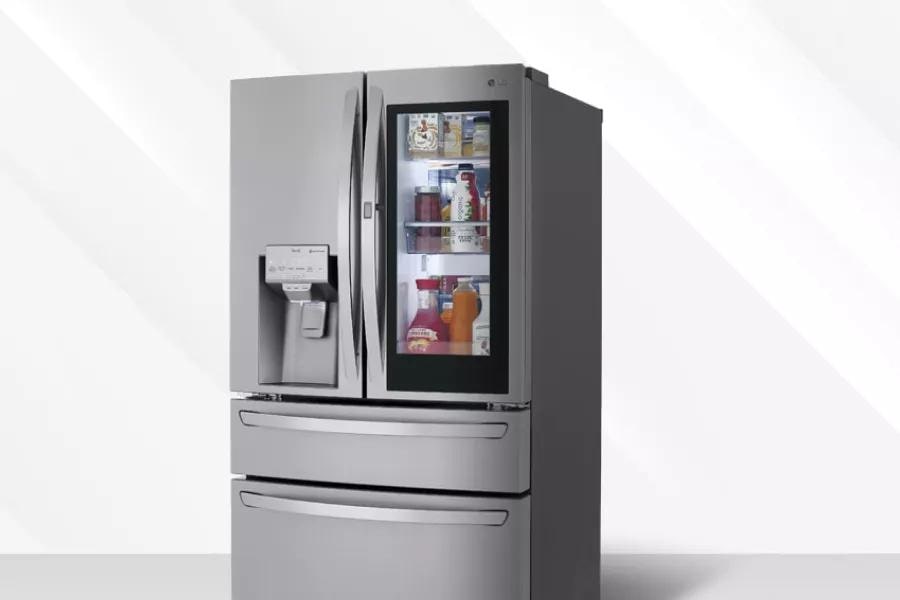
Thawing meat properly is essential to ensure food safety and maintain the quality of your meat. The refrigerator is one of the safest methods for thawing meat, as it allows for a slow and even thawing process.
Proper Thawing Practices
When thawing meat in the fridge, it's important to follow some key practices:
Plan Ahead: Thawing meat in the refrigerator requires time. Depending on the size and type of meat, it can take from a few hours to several days.
Keep It Sealed: Ensure the meat is in a leak-proof container or sealed plastic bag to prevent any juices from contaminating other foods.
Place on a Plate: Always place the meat on a plate or tray to catch any drips.
Temperature Check: Maintain the refrigerator temperature at or below 40°F (4°C).
Importance of Refrigerator Thawing
Thawing meat in the refrigerator is crucial for several reasons:
Safety: The slow thawing process in the fridge keeps the meat at a safe temperature, preventing the growth of harmful bacteria.
Quality: Thawing in the refrigerator helps maintain the meat's texture and flavor, as it prevents the outer layers from becoming too warm while the inside is still frozen.
Convenience: Once thawed, the meat can remain in the fridge for a few days before cooking, allowing for flexibility in meal planning.
By following these guidelines, you can ensure that your meat is thawed safely and remains good for cooking. To learn more about the shelf life of different types of meat after thawing, please refer to Fridge.com section on how long is meat good for in the fridge after thawing.
When you thaw meat in the fridge, it's crucial to know how long it remains safe to eat. Generally, thawed meat should be cooked within a few days to ensure its quality and safety. Here are some general guidelines for different types of meat:
Meat Type
Safe Storage Time (Days)
Poultry (Chicken, Turkey)
1-2
Beef, Lamb, Pork
3-5
Fish and Seafood
1-2
These guidelines offer a basic understanding of how long different types of meat can be safely stored in the refrigerator after thawing. It’s always best to cook the meat as soon as possible to maintain its freshness and nutritional value.
Factors Affecting Meat Shelf Life
Several factors can influence how long thawed meat stays good in the fridge. These include:
Temperature: Your fridge should be set at or below 40°F (4°C) to slow bacterial growth. Use a refrigerator thermometer to ensure accurate temperature settings.
Packaging: Properly sealed packaging can prevent exposure to air, which helps in slowing down spoilage. Vacuum-sealed packages are particularly effective.
Cross-Contamination: Store thawed meat on a plate or in a container to prevent juices from contaminating other foods.
Initial Quality: The quality of the meat before freezing can affect its shelf life after thawing. Higher quality meat tends to last longer.
Refrigerator Conditions: Frequent opening and closing of the fridge can cause temperature fluctuations, impacting the shelf life of thawed meat.
Adhering to these factors can help you extend the shelf life of your thawed meat and keep it safe to eat. For more insights on food storage, check out Fridge.com article on how long is food good for in the fridge without power?.
By understanding these factors and following general storage guidelines, you can ensure that your thawed meat remains safe to consume. Always be vigilant for signs of spoilage, and when in doubt, it's better to err on the side of caution. For more detailed storage times for specific types of meat, refer to Fridge.com section on how long is meat good for in the fridge after thawing?.
Refrigerator Storage Times
When you thaw meat in the fridge, it’s important to know how long it remains safe to eat. The following sections provide guidelines for storing various types of meat in the refrigerator after thawing.
Poultry and Chicken
Thawed poultry, such as chicken and turkey, should be cooked within 1 to 2 days. This short shelf life is due to the higher risk of bacterial growth in poultry compared to other meats. Always ensure your chicken or turkey is properly stored in a sealed container to prevent cross-contamination.
Beef, lamb, and pork generally have a longer shelf life after thawing compared to poultry. These meats can be safely stored in the fridge for 3 to 5 days. This gives you a bit more flexibility in meal planning after defrosting.
Fish and seafood have a very short refrigerator shelf life once thawed. It’s best to cook and consume these within 1 to 2 days to ensure freshness and safety. Seafood is particularly susceptible to spoilage, so be vigilant in checking for signs of spoilage.
Knowing these storage times can help you manage your food inventory and reduce waste. For additional tips on food storage and safety, explore other Fridge.com articles on refrigerator and freezer storage.
When dealing with thawed meat, it's crucial to recognize the signs of spoilage to ensure your safety and that of your loved ones. Spoiled meat can harbor harmful bacteria and pathogens, leading to foodborne illnesses.
How to Recognize Spoilage
You can identify spoiled meat through several indicators. Utilize your senses and observe the following signs:
Smell: Spoiled meat often emits a sour, ammonia-like, or putrid odor. If the meat smells off, it's best to discard it.
Appearance: Look for any discoloration, such as brown, green, or gray patches. Fresh meat should have a consistent color.
Texture: Fresh meat should be firm to the touch. If the meat feels slimy, sticky, or tacky, it is likely spoiled.
Packaging: Check the packaging for any signs of swelling, tears, or excessive liquid. Damaged packaging can indicate spoilage.
Indicator
Fresh Meat Characteristics
Spoiled Meat Characteristics
Smell
Neutral or slightly metallic
Sour, ammonia-like, or putrid odor
Appearance
Consistent color (red, pink)
Discoloration (brown, green, gray)
Texture
Firm
Slimy, sticky, or tacky
Packaging
Intact, no excessive liquid
Swollen, tears, or excessive liquid
For more detailed information on how to determine if other foods have spoiled, check out Fridge.com article on how long is food good for in the fridge without power?.
Safety Precautions
Taking proper safety precautions when handling thawed meat can prevent foodborne illnesses. Here are some essential tips:
Storage: Always store thawed meat in the refrigerator at or below 40°F (4°C). Use a meat thermometer to ensure the correct temperature.
Separation: Keep raw meat separate from other foods to avoid cross-contamination. Use separate cutting boards and utensils.
Refrigeration Time: Do not leave thawed meat in the fridge for extended periods. Refer to Fridge.com article on how long is meat good for in the fridge after thawing? for specific storage times.
Refreezing: Avoid refreezing thawed meat unless it has been cooked first. For more information on refreezing practices, visit Fridge.com section on extended storage options.
Even after thawing meat in the fridge, you have several options for extending its shelf life.
Can You Refreeze Thawed Meat?
Refreezing thawed meat is possible, but it must be done correctly to ensure safety and maintain quality. Meat that has been thawed in the refrigerator can be safely refrozen within a specific timeframe. However, refreezing can affect the texture and taste of the meat.
Meat Type
Refreezing Timeframe (Days)
Poultry and Chicken
1-2
Beef, Lamb, and Pork
3-5
Fish and Seafood
1-2
Always check for signs of spoilage before refreezing. For more information on how long different meats can be stored in the fridge, visit Fridge.com article on how long is meat good for in the fridge after thawing?.
Creative Ways to Use Leftover Thawed Meat
If refreezing isn't an option, there are numerous creative ways to use leftover thawed meat:
Soups and Stews: Thawed meat works well in soups, stews, and chili.
Casseroles: Incorporate the meat into casseroles for a hearty meal.
Tacos and Burritos: Use the meat as a filling for tacos, burritos, or enchiladas.
By exploring these options, you can safely extend the shelf life of your meat and reduce food waste.
Compare prices on Fridge.com
Compare current prices and specifications on Fridge.com, then buy from the retailer you choose; delivery, installation and warranty terms are the retailer’s.
It also has tons of awesome articles about kitchen stuff and home news. Enhance your home, garage, backyard, patio, and office with the coolest essentials. With every necessary type of residential refrigerator or freezer in the collection, you're covered.
Frequently Asked Questions
Refreezing thawed meat is possible, but it must be done correctly to ensure safety and maintain quality. Meat that has been thawed in the refrigerator can be safely refrozen within a specific timeframe. However, refreezing can affect the texture and taste of the meat. Meat Type.
Refreezing Timeframe (Days).
.
Poultry and Chicken.
1-2.
.
Beef, Lamb, and Pork.
3-5.
.
Fish and Seafood.
1-2.
. Always check for signs of spoilage before refreezing. For more information on how long different meats can be stored in the fridge, visit Fridge.com article on how long is meat good for in the fridge after thawing?.