Keep the refrigerator at 40°F (4°C) or below — this is the single most important factor in how long raw turkey stays safe.
Thaw frozen turkey using one of three safe methods — never on the counter, where the outside warms into the bacterial danger zone (40–140°F) while the center is still frozen.
Department of Agriculture (USDA) recommends cooking or freezing fresh turkey within 2 days of purchase or by the use-by date on the package, whichever comes first.
Use an appliance thermometer placed in the main body of the fridge (not the door) and adjust the thermostat until the reading holds at 40°F or lower.
Raw turkey lasts 1 to 2 days in the refrigerator at 40°F (4°C) or below, whether it is a whole bird, parts (breast, legs, thighs, wings), or ground turkey. The U.S. Department of Agriculture (USDA) recommends cooking or freezing fresh turkey within 2 days of purchase or by the use-by date on the package, whichever comes first. Refrigeration is a short-term stopgap, not long-term storage: keep the turkey cold on the bottom shelf, use or freeze it within that window, thaw only in the fridge or cold water, and cook to an internal temperature of 165°F (74°C). Everything below covers exactly how long raw turkey keeps, the safe fridge temperature, how to store and cover it, how to spot spoilage, and how to freeze, thaw, and cook it without guesswork.
How Long Can Raw Turkey Stay in the Fridge?
Raw turkey keeps in the refrigerator for 1 to 2 days at 40°F (4°C) or below. That single guideline covers fresh and thawed birds and every cut, because poultry is highly perishable and cold slows bacterial growth without stopping it. Do not leave raw turkey in the fridge for a week and then cook it — by then both safety and quality are gone. If you cannot cook within 1 to 2 days, freeze the turkey instead.
Turkey Type / Condition
Storage (≤ 40°F / 4°C)
Shelf Life
Fresh whole turkey
Bottom shelf, covered
1-2 days
Turkey parts (breast, legs, thighs, wings)
Bottom shelf, covered
1-2 days
Ground turkey
Bottom shelf, covered
1-2 days
Thawed raw turkey (thawed in fridge)
Bottom shelf, covered
1-2 days
Fresh Raw Turkey
Fresh turkey in the fridge is on a tight clock: you have about 1 to 2 days to cook it before it starts to spoil. This applies from the day you buy it, so plan meals around the use-by date. Whole birds, parts, and especially ground turkey all follow the same window — ground turkey is the most perishable because more surface area has been exposed to air and handling. Curious about other proteins? See Fridge.com guides on how long raw salmon lasts in the fridge and how long raw shrimp lasts in the fridge.
Thawed Raw Turkey
Once you defrost a turkey in the refrigerator, you have the same 1 to 2 days to cook it, and the clock starts when it finishes thawing. Thawing raises the surface temperature and speeds bacterial growth, so do not let a thawed bird linger. If you thawed the turkey in cold water or the microwave instead of the fridge, cook it right away rather than returning it to the refrigerator. For related handling tips, see how long turkey ham lasts in the fridge and how long roast pork lasts in the fridge.
What Refrigerator Temperature Is Safe for Raw Turkey?
Keep the refrigerator at 40°F (4°C) or below — this is the single most important factor in how long raw turkey stays safe. Many home fridges run warmer than their owners think; a 2007 USDA and FDA study found that a large share of home refrigerators operated above 40°F. Use an appliance thermometer placed in the main body of the fridge (not the door) and adjust the thermostat until the reading holds at 40°F or lower. A steady 38°F is even better for something as perishable as raw poultry. If the temperature bounces around or drifts high, the turkey spoils faster and the 1-to-2-day guideline no longer holds.
Fridge Temperature (°F)
Approx. Shelf Life (Days)
32 - 34
2 - 3
35 - 37
1 - 2
38 - 40
1
Keep the freezer as a separate setting at 0°F (-18°C) or below for long-term storage. When comparing refrigerators, favor models that hold an even temperature and show a digital readout so you can confirm 40°F or below without guessing.
Store raw turkey on the bottom shelf, toward the back, in a tray or container that catches any drips. The bottom shelf is the coldest, most consistent spot, and the tray stops leaking juices from dripping onto produce, dairy, or leftovers and causing cross-contamination. Follow these rules:
Temperature: Fridge at or below 40°F (4°C).
Placement: Bottom shelf, never the door (the door is the warmest, least stable zone).
Packaging: Leave the turkey in its intact, leak-proof store packaging. If the packaging is torn or leaking, move the turkey to a clean airtight container or seal it in plastic wrap before setting it in the tray.
Spacing: With a large bird plus extra parts, spread packages out so cold air reaches all sides; do not stack them so tightly that the center stays warm.
Storage Method
Temperature
Shelf Life
Original Packaging (intact)
≤ 40°F (4°C)
1-2 days
Airtight Container
≤ 40°F (4°C)
1-2 days
Refrigerate the turkey as soon as you get home; a bird sitting at room temperature warms the fridge and puts other food at risk. Always wash your hands and clean any surface, cutting board, or utensil that touched raw turkey before it touches anything else. For more on handling raw meat, see how long steak stays good in the fridge and how long white fish lasts in the fridge.
Should Raw Turkey in the Fridge Be Covered With Foil?
Yes — raw turkey should be covered while it chills, both to stop it drying out and to keep its juices from contaminating other food. If the store packaging is intact, that already seals it; leave it as is. If you have opened the package or the wrapping is torn, wrap the turkey tightly in plastic wrap and then cover it with foil, or transfer it to a lidded container. Foil alone is fine as an outer cover over plastic wrap, but foil on its own is not airtight, so pair it with plastic wrap or a container for a proper seal. Whatever you use, keep the covered turkey on the bottom shelf inside a tray so any leaks are caught.
Fresh raw turkey is pale pink to light red, firm, and only faintly smelly. Spoiled turkey looks gray, green, or dull, feels slimy or sticky, and smells sour or rancid. Check color, texture, and smell together before cooking — and never taste raw turkey to test it.
Indicator
Fresh Turkey
Bad Turkey
Color
Pale pink to light red
Gray or green
Texture
Firm and moist
Slimy or sticky
Smell
Mild, neutral
Sour, rancid
Appearance and smell are not foolproof, though: bacteria can reach unsafe levels before the turkey looks or smells off. So respect the 1-to-2-day limit and the use-by date regardless of how the bird looks. If the turkey has been refrigerated longer than 2 days, or the package is bloated or leaking and you are not sure how long, follow the USDA rule — when in doubt, throw it out. Eating spoiled or undercooked turkey can cause foodborne illness from bacteria such as Salmonella and Campylobacter.
Freezing Raw Turkey
If you will not cook the turkey within 1 to 2 days, freeze it. Frozen raw turkey stays safe indefinitely at 0°F (-18°C); for best quality, use a whole bird within about 12 months and turkey parts or ground turkey within about 9 months. Freezing pauses bacterial growth but does not kill bacteria, so quality — not safety — is what degrades over time.
Freeze it fresh: Freeze the turkey before its sell-by date and while it is still cold, not after it has sat in the fridge for days.
Pack it airtight: Use heavy-duty freezer bags, freezer-grade wrap, or airtight containers, and press out as much air as possible to prevent freezer burn.
Label it: Write the freeze date on the package so you can track how long it has been stored.
Thaw frozen turkey using one of three safe methods — never on the counter, where the outside warms into the bacterial danger zone (40–140°F) while the center is still frozen.
In the fridge: The safest method and the best for texture. Put the frozen turkey in a container to catch drips and leave it on a low shelf. Allow about 24 hours for every 4 to 5 pounds.
Cold water bath: Keep the turkey in leak-proof packaging and submerge it in cold water, changing the water every 30 minutes. Plan on about 30 minutes per pound, and cook immediately after thawing.
Microwave: Use the defrost setting and follow the manufacturer's instructions. It is fast but thaws unevenly, so cook the turkey right away.
Thawing Method
Time Required
Cook After?
Refrigerator
24 hours per 4-5 pounds
Within 1-2 days
Cold water (change every 30 min)
30 minutes per pound
Immediately
Microwave (defrost setting)
Follow instructions
Immediately
Turkey thawed in the refrigerator can be refrozen if it still has ice crystals or has stayed cold, though quality may suffer; many cooks prefer to cook it first and freeze the cooked meat. For more on storing other cuts, see how long spiral ham lasts in the fridge.
Cook raw turkey within its 1-to-2-day fridge window, and cook it to a minimum internal temperature of 165°F (74°C) measured with a food thermometer in the thickest part of the breast or thigh. Ground turkey must also reach 165°F. Do not judge doneness by color or juices alone — only a thermometer confirms the bacteria are killed.
Do not rinse raw turkey: Rinsing splashes bacteria across the sink and counter. Cooking to 165°F destroys surface bacteria; rinsing only spreads them.
Refrigerate leftovers fast: Get cooked turkey into the fridge within 2 hours (within 1 hour if the room is above 90°F), in shallow containers so it cools quickly.
Leftover storage: Cooked turkey keeps 3 to 4 days in the fridge, or 2 to 6 months in the freezer for best quality.
For more meat-handling guidance, see how long roast pork lasts in the fridge.
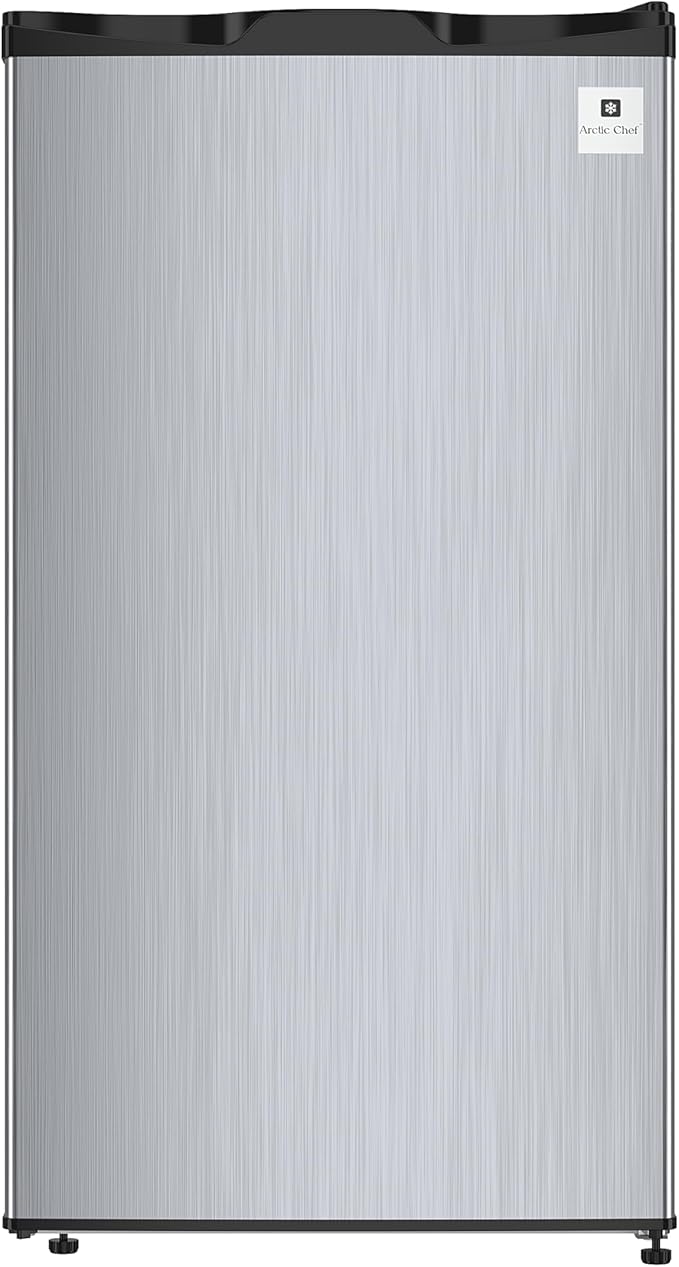
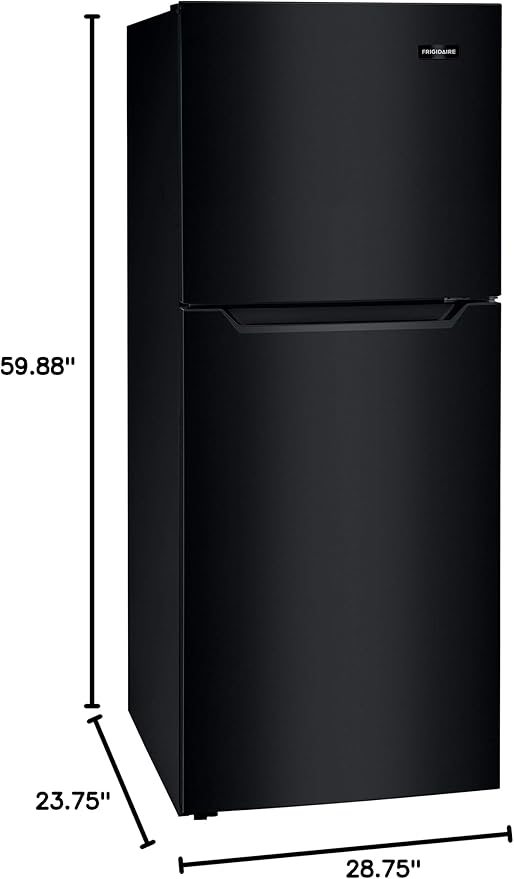
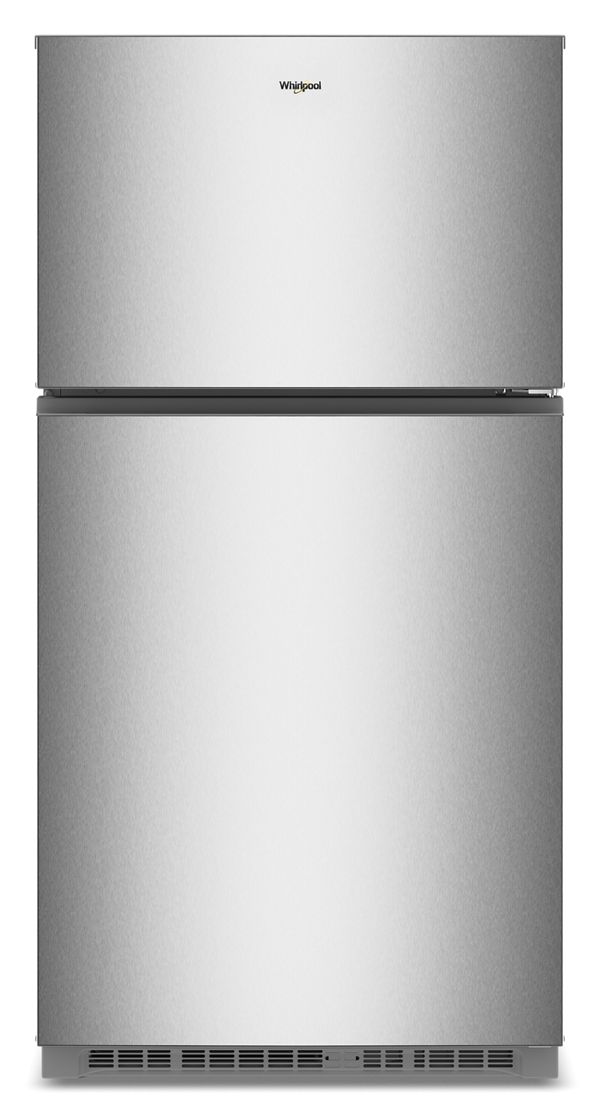
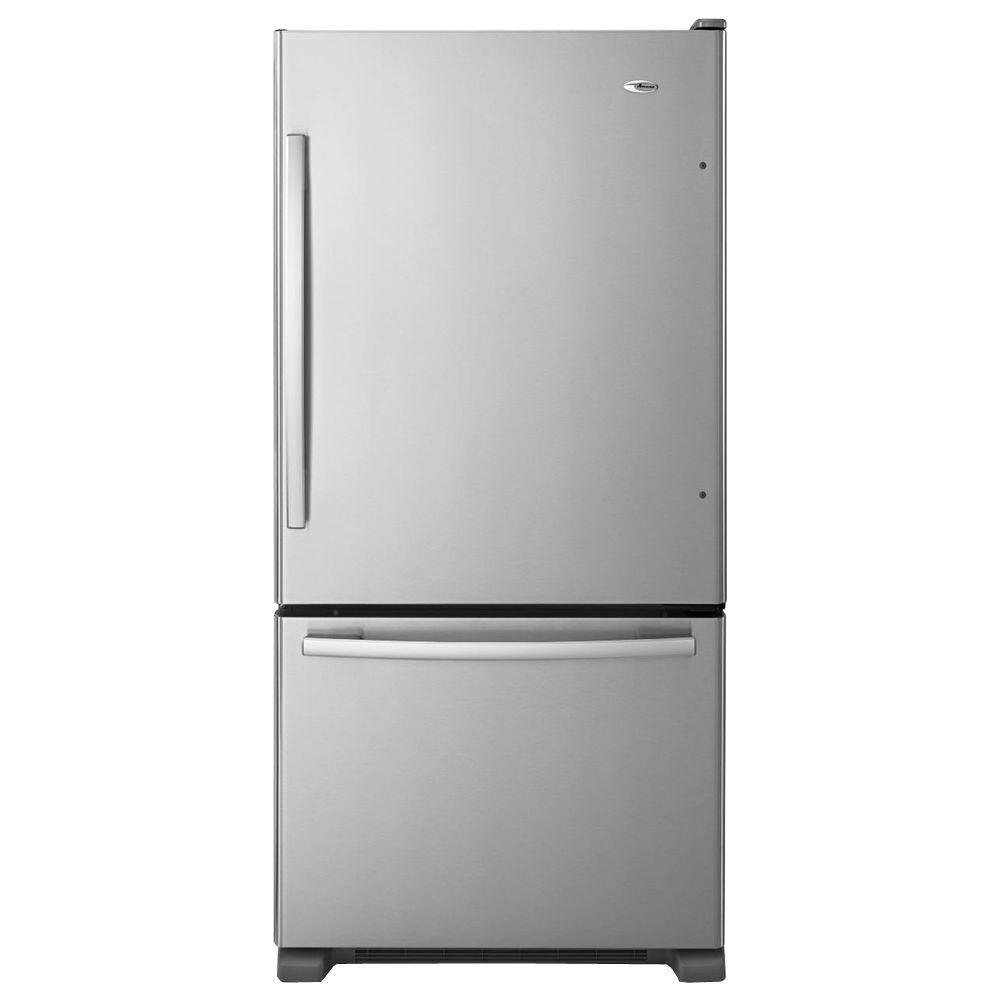
Where the turkey sits inside the fridge matters as much as the thermostat setting. Bottom shelves run coldest and are the right home for raw poultry; door shelves and some drawers run warmer and less consistently. If your refrigerator has a dedicated "fresh" or "meat" drawer that stays colder than the main compartment, that is a good spot — as long as it holds 40°F or below. Avoid overpacking: blocked vents and cramped shelves create warm pockets where the turkey can drift above 40°F.
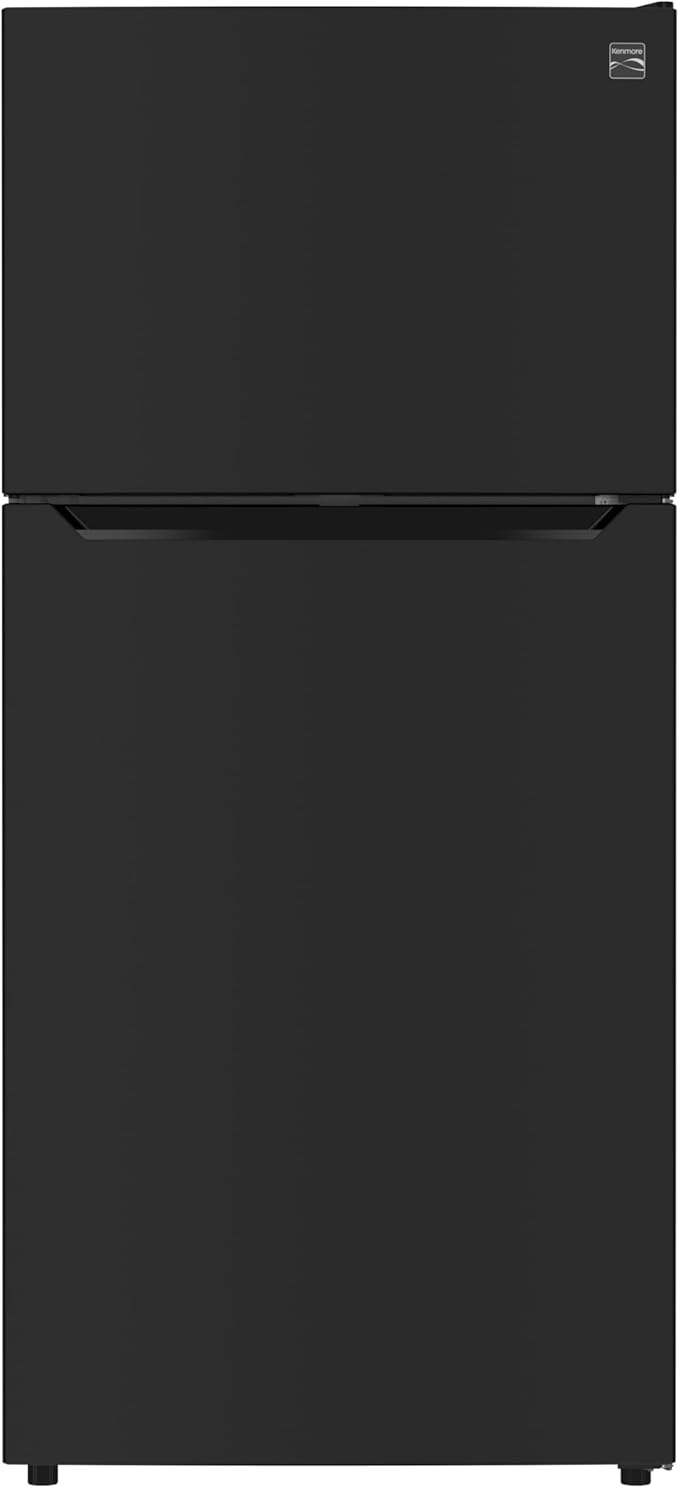
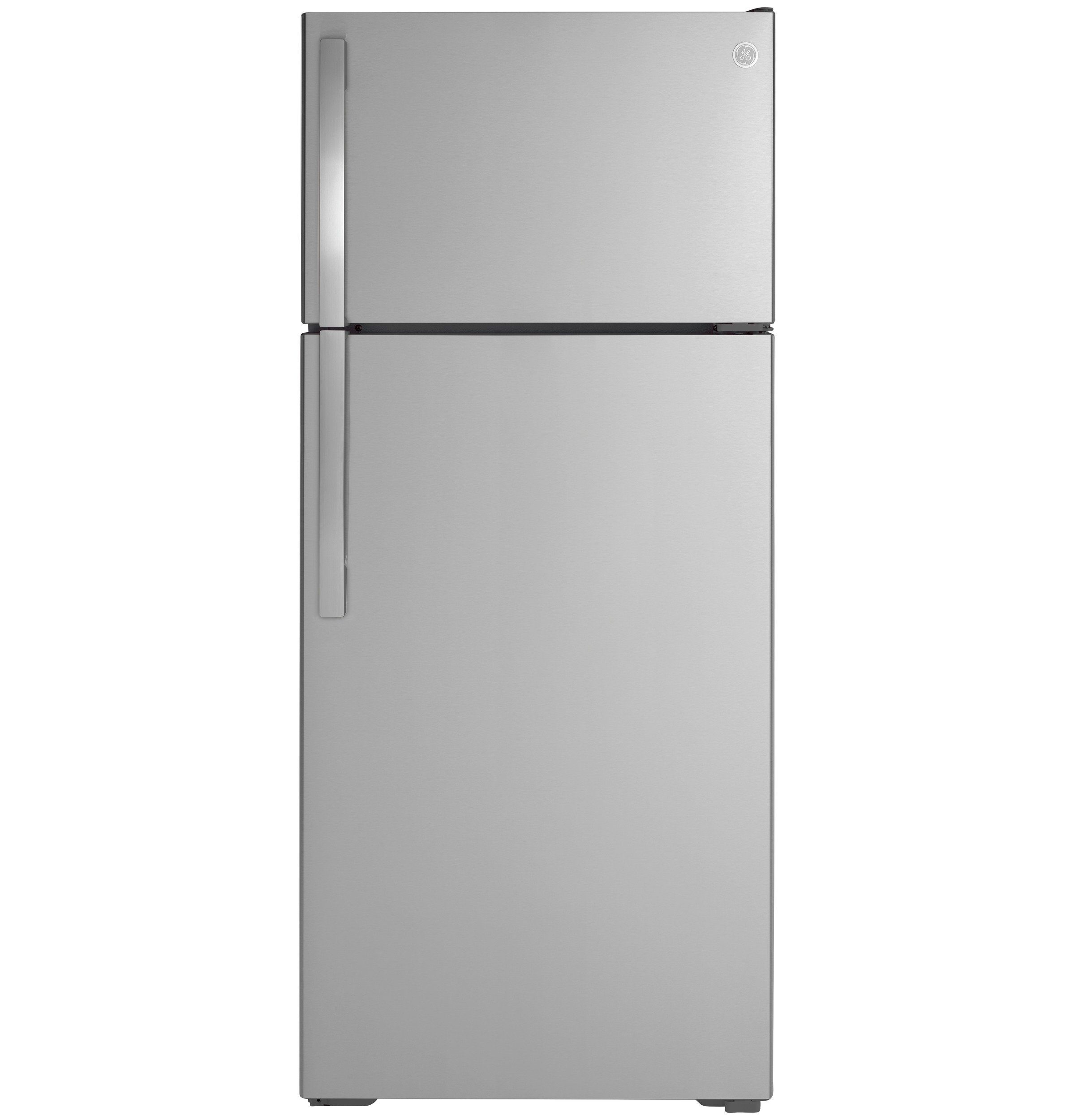
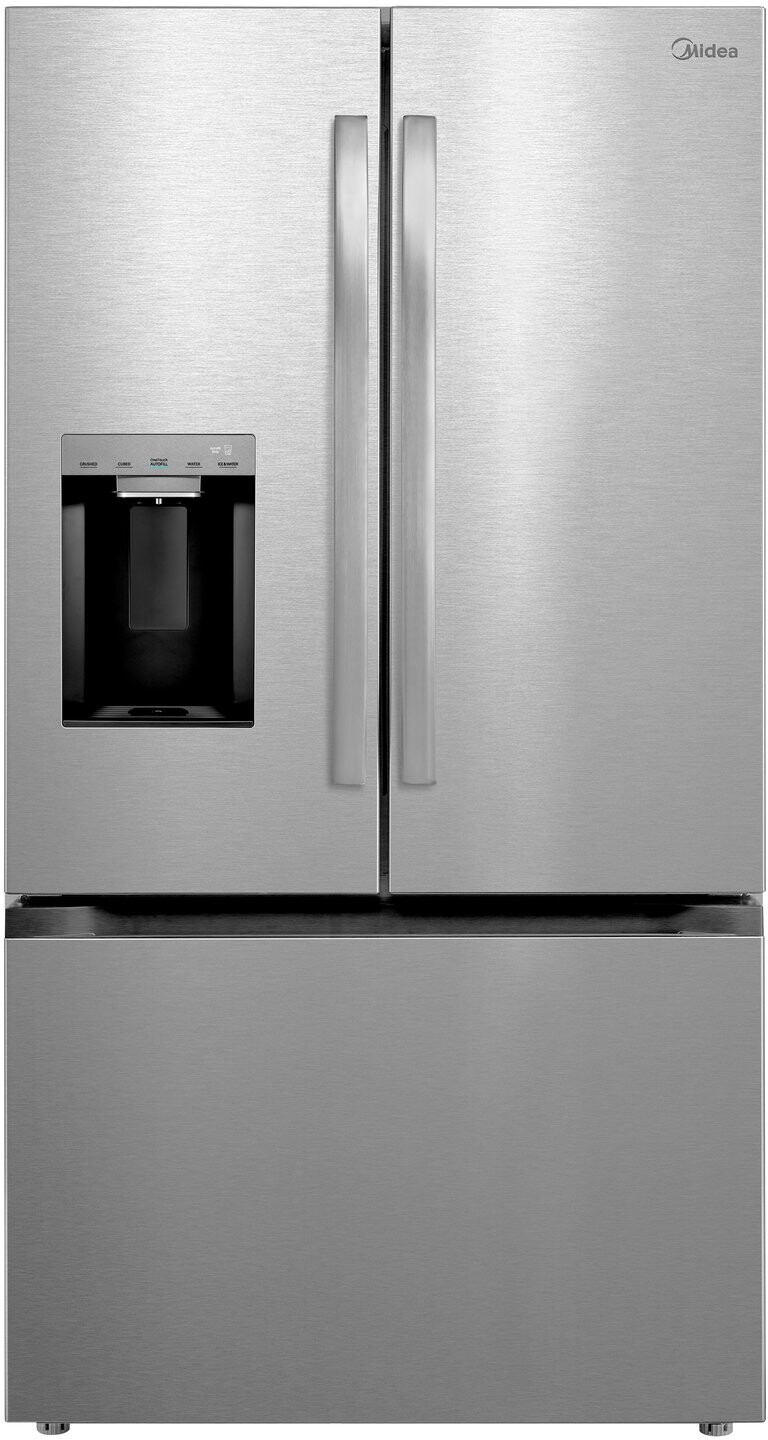
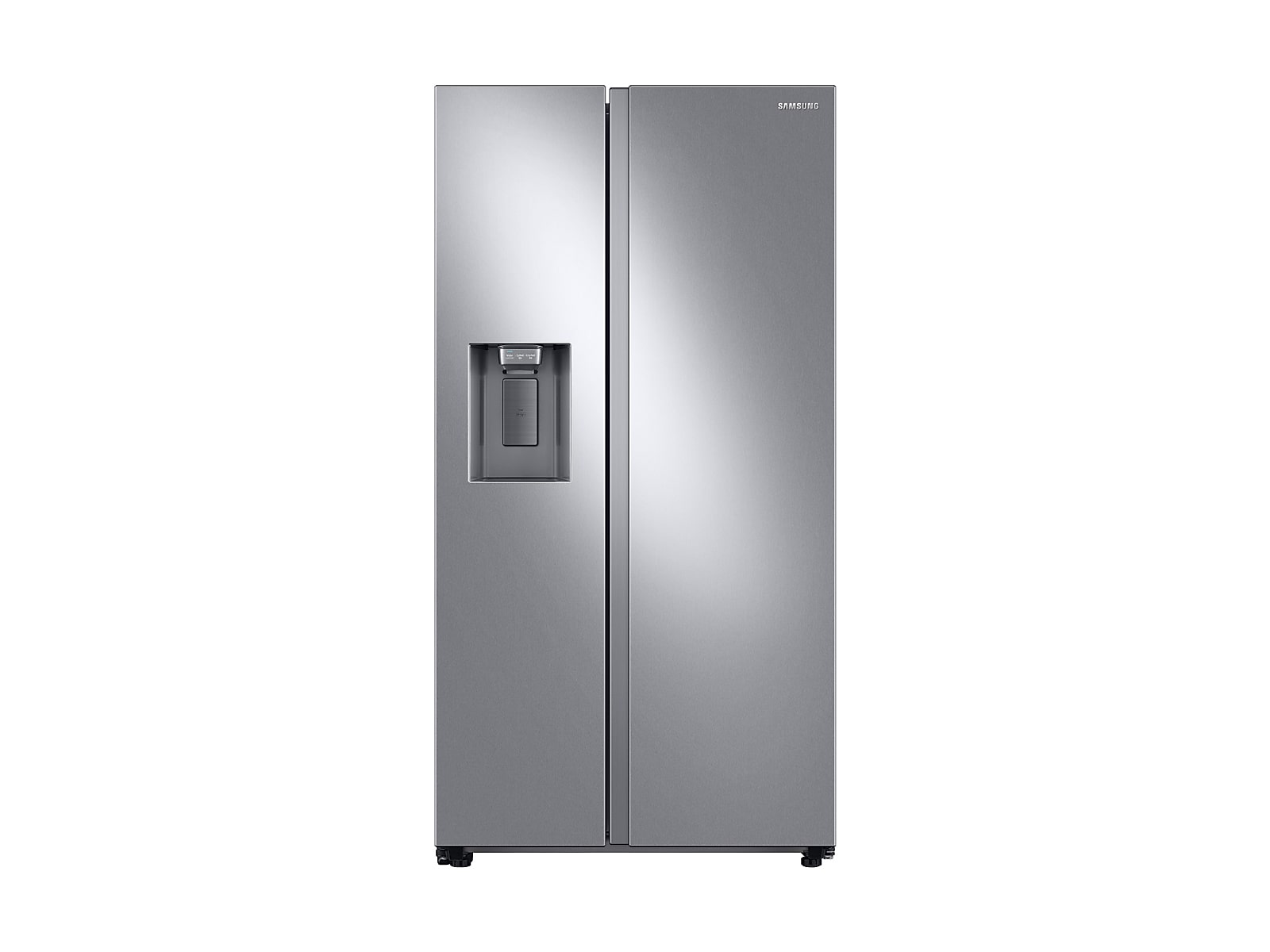
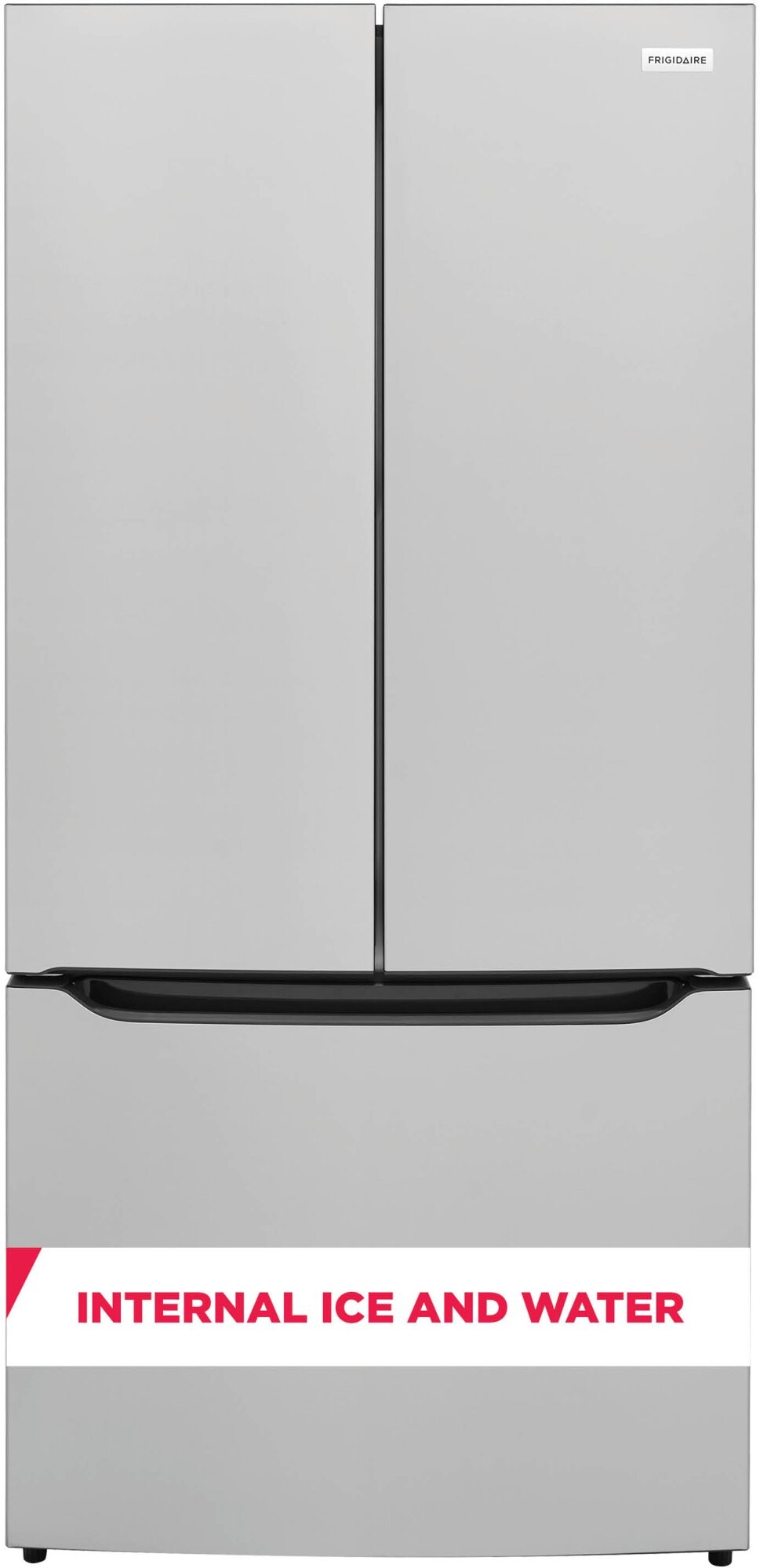
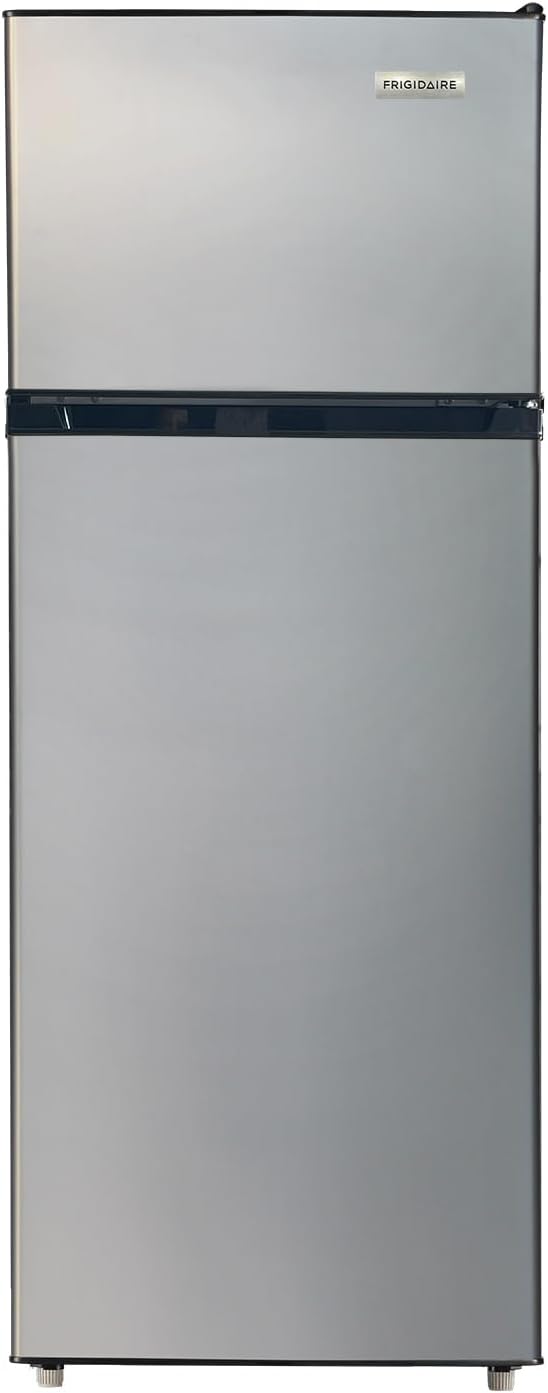
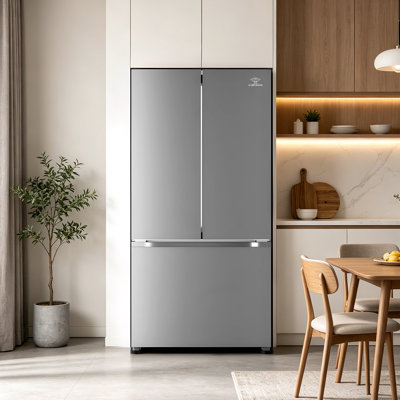
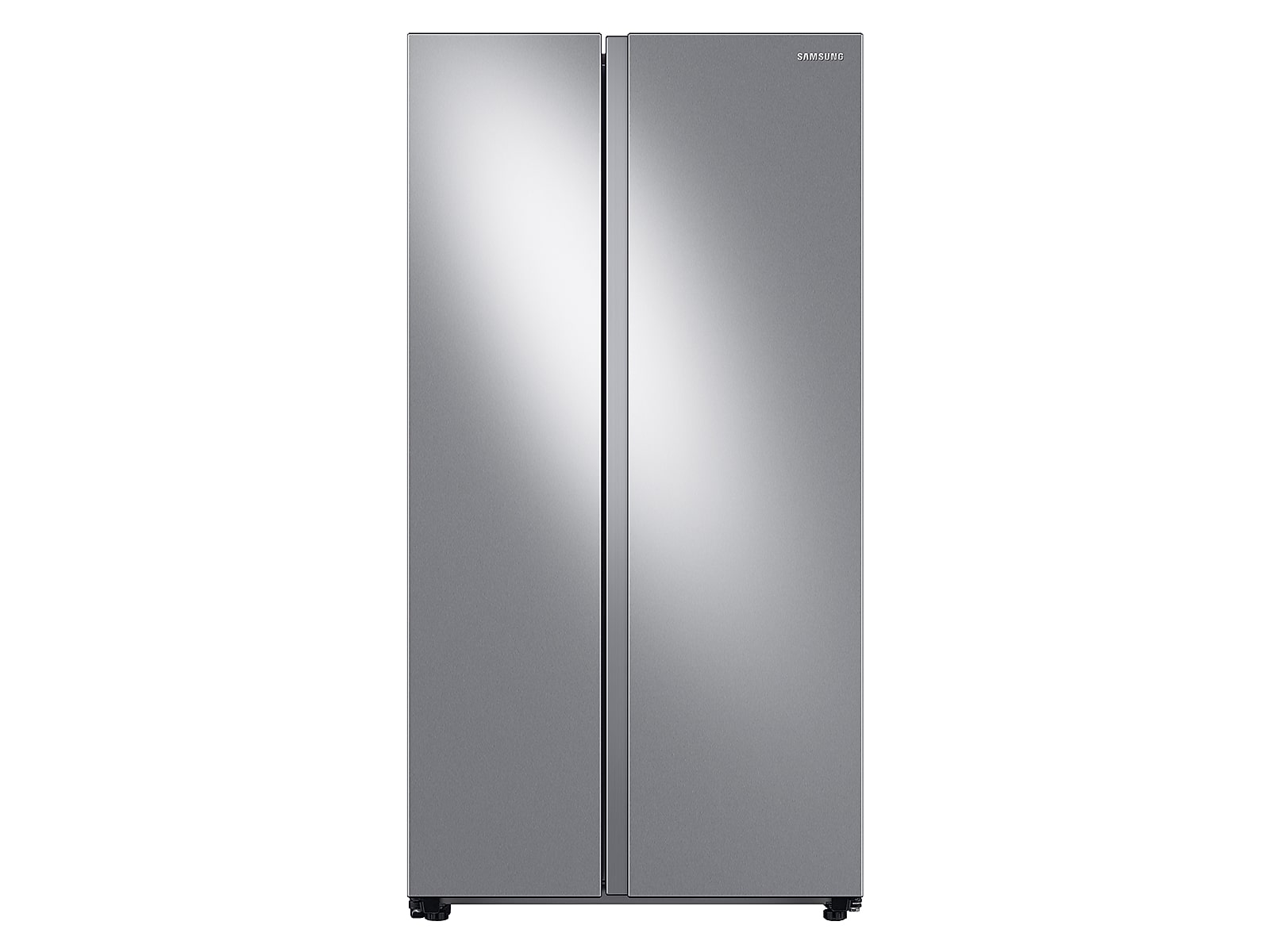
When shopping for a refrigerator, look for one that maintains an even temperature and has room to store a large bird on a low shelf without blocking airflow. Features like dual cooling or separate temperature zones help keep the main compartment at a steady 37–40°F even when the door opens often or a warm whole turkey goes in.
Common Mistakes When Storing Raw Turkey
The most common error is keeping raw turkey in the fridge too long. Cold does not make it last a week — the 1-to-2-day rule exists because bacteria grow above 40°F, and many home fridges have spots that drift there. Other frequent mistakes:
Storing it on the top shelf or in the door: Drips can contaminate everything below, and the door is the warmest zone. Always use the bottom shelf and a tray.
Thawing on the counter: Room temperature pushes the surface into the 40–140°F danger zone while the middle is still frozen. Thaw in the fridge, in cold water, or in the microwave.
Rinsing before cooking: This spreads bacteria around the kitchen instead of removing them. Cooking to 165°F is what makes the turkey safe.
Putting a warm bird straight in a packed fridge: It raises the internal temperature of the fridge; make space and let cold air circulate.
A full refrigerator keeps food cold for about 4 hours if the door stays closed. Because raw turkey is highly perishable, if the power is out for more than 2 hours and the fridge has risen above 40°F, the turkey may no longer be safe. Check with a thermometer when power returns: if the turkey feels warm or has been above 40°F for more than 2 hours, discard it. Do not taste it to decide — when in doubt, throw it out.
Frequently Asked Questions
How long does raw turkey last in the fridge?
1 to 2 days at 40°F (4°C) or below, whether it is a fresh whole bird, turkey parts, or ground turkey. Cook or freeze it within that window.
Can raw turkey stay in the fridge for a week?
No. A week is far too long — raw turkey is only safe in the refrigerator for 1 to 2 days. If you need to keep it longer, freeze it and thaw it in the fridge when you are ready to cook.
How long can turkey stay in the fridge uncooked?
Uncooked (raw) turkey lasts 1 to 2 days refrigerated at 40°F or below. Fresh and thawed birds follow the same limit, and the clock on a thawed bird starts when it finishes defrosting.
Should raw turkey in the fridge be covered with foil?
Cover it, yes. Intact store packaging is already sealed and can be left alone. If the package is open or torn, wrap the turkey tightly in plastic wrap and cover with foil, or use a lidded container — foil alone is not airtight, so pair it with plastic wrap or a container. Keep the covered turkey on the bottom shelf in a tray.
How do you store a fresh turkey?
Refrigerate it right away at 40°F or below, on the bottom shelf toward the back, inside a tray that catches drips. Keep it in its leak-proof packaging, do not store it in the door, and cook or freeze it within 1 to 2 days.
Can you freeze raw turkey, and for how long?
Yes. Frozen at 0°F (-18°C) it stays safe indefinitely; for best quality use a whole bird within about 12 months and parts or ground turkey within about 9 months. Wrap it airtight and label it with the freeze date.
What temperature should turkey be cooked to?
An internal temperature of 165°F (74°C), measured with a food thermometer in the thickest part of the breast or thigh. Ground turkey must also reach 165°F.
How can I tell if raw turkey has gone bad?
Discard it if it smells sour or rancid, feels slimy, or has turned gray or green. Fresh raw turkey is pale pink to light red and only mildly smelly. When appearance is ambiguous or the bird has been in the fridge more than 2 days, throw it out.
Compare prices on Fridge.com
Compare current prices and specifications on Fridge.com, then buy from the retailer you choose; delivery, installation and warranty terms are the retailer’s.
It also has tons of awesome articles about kitchen stuff and home news. Enhance your home, garage, backyard, patio, and office with the coolest essentials. With every necessary type of residential refrigerator or freezer in the collection, you're covered.
Frequently Asked Questions
Fridge.com | Blog. Raw turkey lasts 1 to 2 days in the refrigerator at 40°F (4°C) or below, whether it is a whole bird, parts (breast, legs, thighs, wings), or ground turkey. The U.S. Department of Agriculture (USDA) recommends cooking or freezing fresh turkey within 2 days of purchase or by the use-by date on the package, whichever comes first. Refrigeration is a short-term stopgap, not long-term storage: keep the turkey cold on the bottom shelf, use or freeze it within that window, thaw only in the fridge or cold water, and cook to an internal temperature of 165°F (74°C). Everything below covers exactly how long raw turkey keeps, the safe fridge temperature, how to store and cover it, how to spot spoilage, and how to freeze, thaw, and cook it without guesswork.