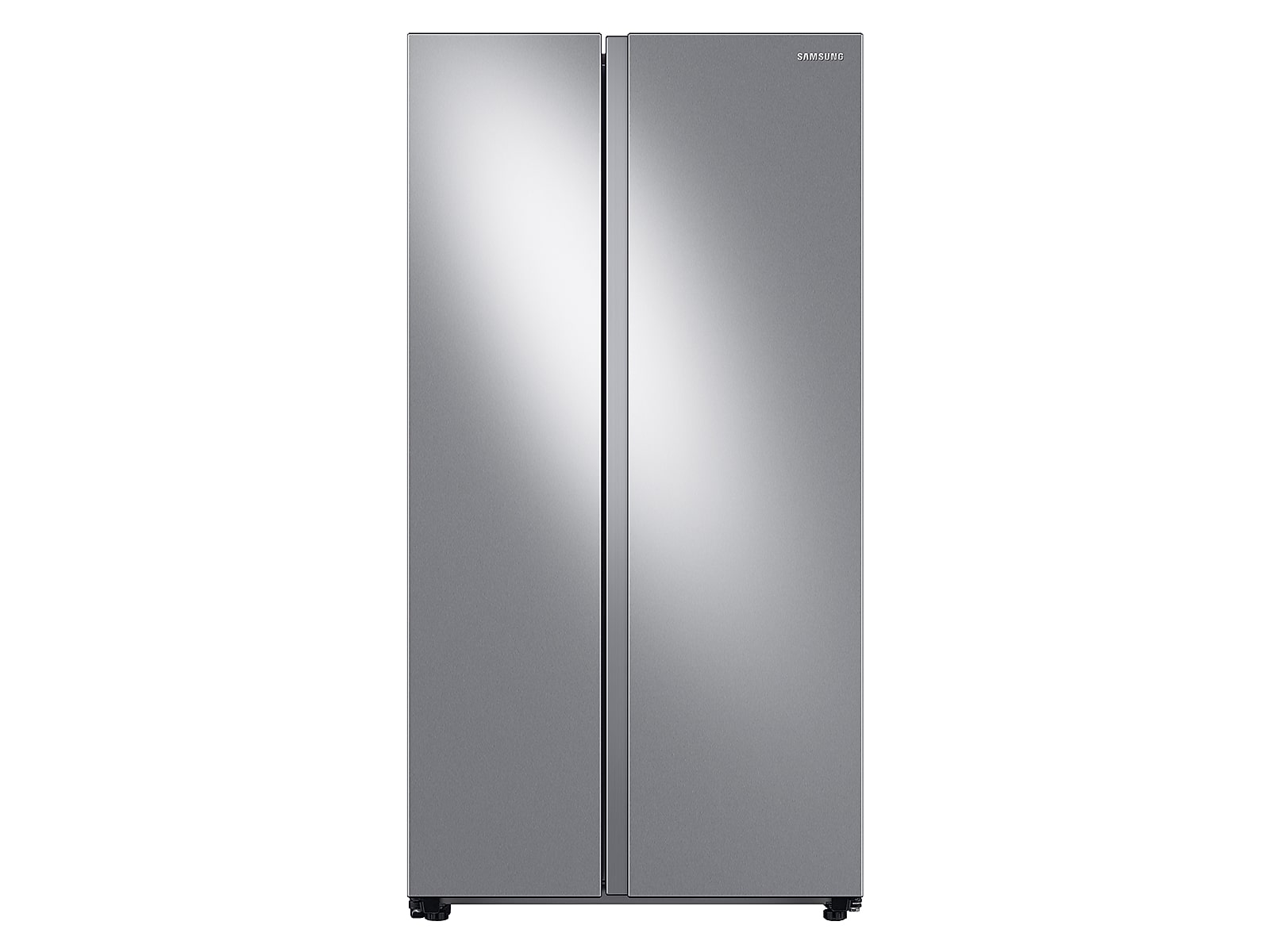
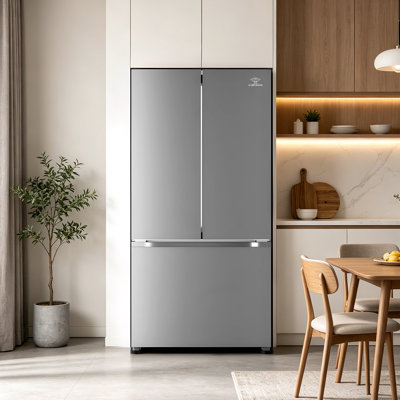
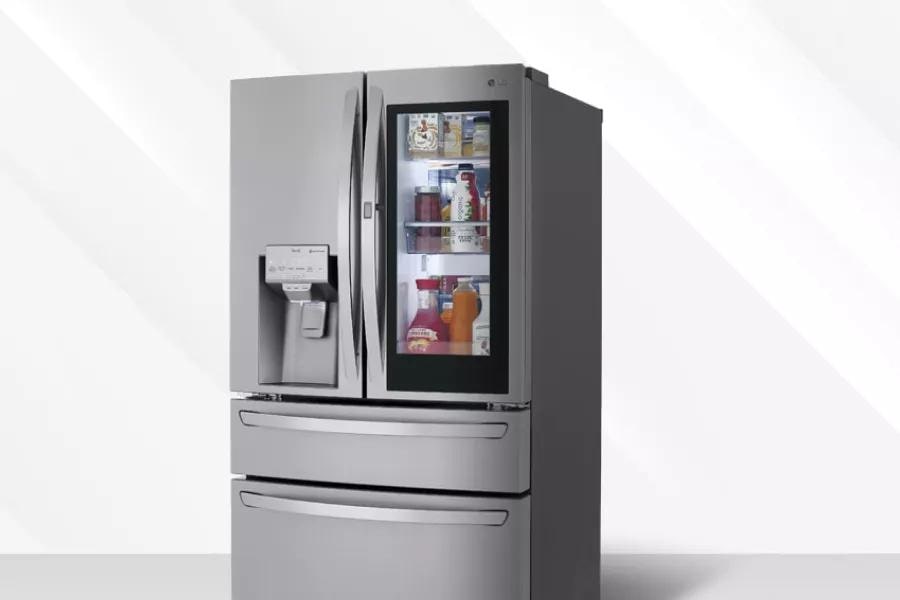
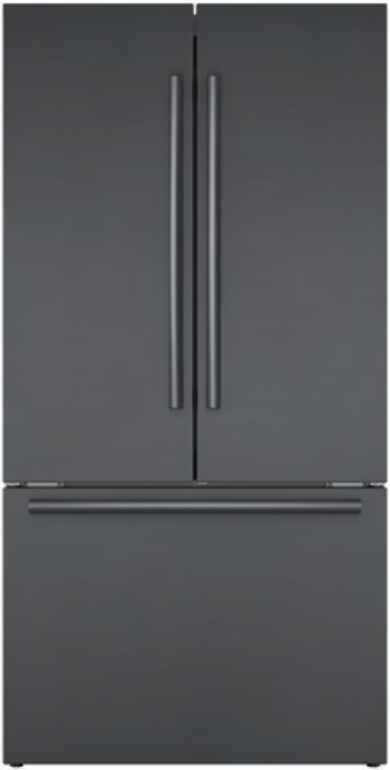
Refrigeration: Always store mozzarella in the refrigerator at or below 40°F (4°C).
Opened fresh mozzarella lasts 4 to 7 days in the fridge, while opened low-moisture mozzarella keeps 7 to 21 days, both stored at 34°F to 40°F (1°C to 4°C).
Temperature: Keeping the fridge consistently at 34°F to 40°F helps preserve the cheese.
To make the most out of your opened mozzarella, it's important to know how to extend its shelf life.
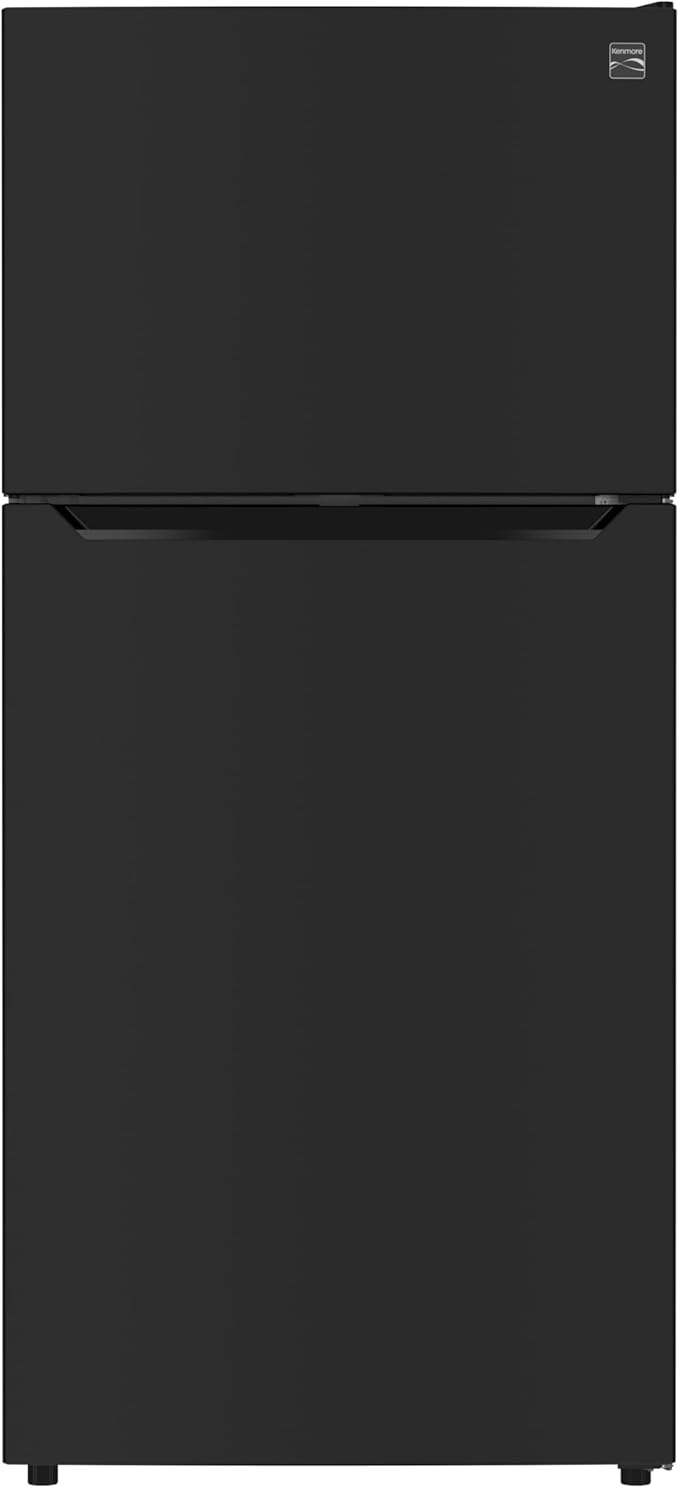
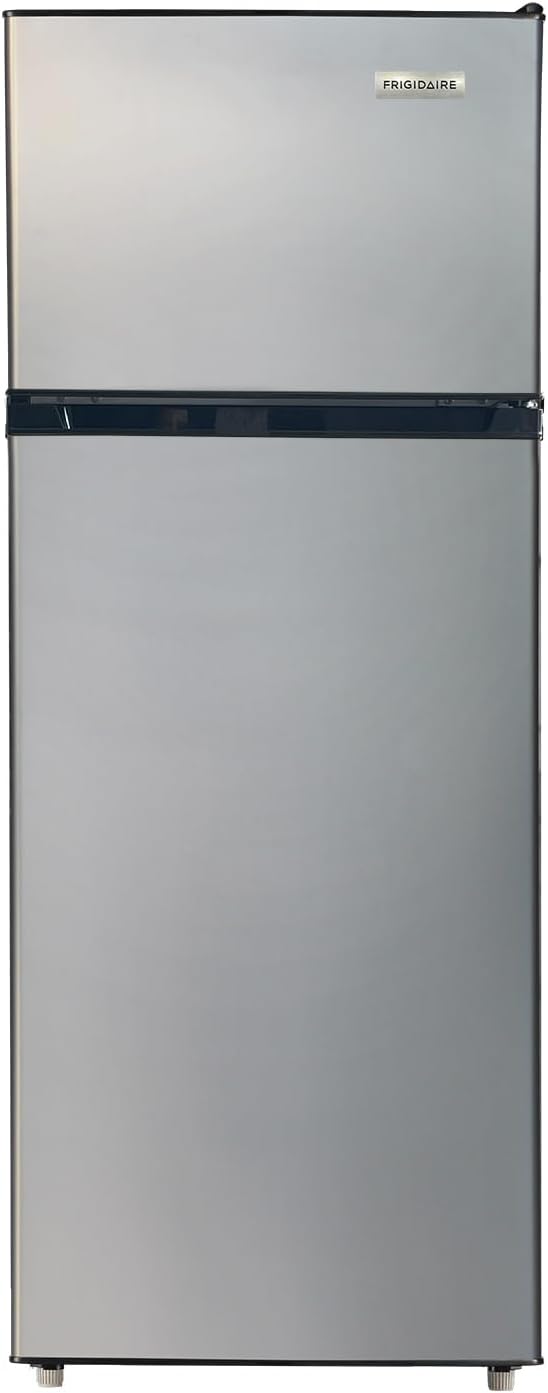
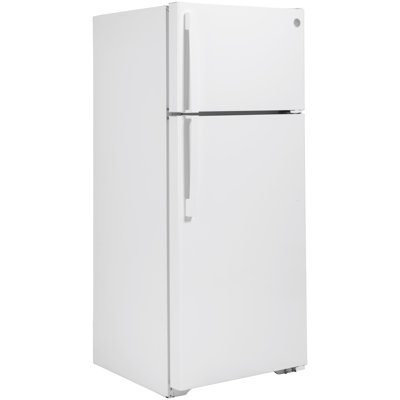
Opened fresh mozzarella lasts 4 to 7 days in the fridge, while opened low-moisture mozzarella keeps 7 to 21 days, both stored at 34°F to 40°F (1°C to 4°C). Keeping fresh mozzarella in its brine or water helps it reach the longer end of that range. Want even, reliable cold for your cheeses? Explore our range of refrigerators.
Storing Mozzarella in the Fridge
Properly storing mozzarella in the fridge is crucial to maintain its freshness and quality. Understanding the correct storage guidelines and the importance of refrigeration can help you prolong the shelf life of your cheese.
Proper Storage Guidelines for Mozzarella
To ensure your mozzarella stays fresh, follow these storage guidelines:
Keep it sealed: After opening, store mozzarella in an airtight container or wrap it tightly in plastic wrap. This prevents air exposure, which can cause the cheese to dry out and spoil.
Use brine solution: If you bought mozzarella in a brine solution, keep it submerged in the brine when storing. This helps retain moisture and flavor.
Maintain a consistent temperature: Store mozzarella in the main compartment of the fridge where the temperature is more stable, rather than in the door where temperature fluctuations occur.
Avoid cross-contamination: Store mozzarella away from strong-smelling foods to prevent it from absorbing odors. Keep it on a separate shelf or in a designated cheese drawer if possible.
Importance of Refrigeration
Refrigeration is essential for preserving the quality and safety of mozzarella. Here’s why:
Slows bacterial growth: Refrigeration keeps mozzarella at a low temperature, inhibiting the growth of harmful bacteria. This extends the cheese's shelf life and ensures it remains safe to eat.
Maintains texture and flavor: Keeping mozzarella chilled helps preserve its soft, creamy texture and mild flavor. Without proper refrigeration, the cheese can become dry, tough, or develop off-flavors.
Prevents spoilage: Mozzarella stored at room temperature spoils quickly. Refrigeration slows down the spoilage process, allowing you to enjoy your cheese for a longer period.
Understanding the shelf life of opened mozzarella is crucial for maintaining its freshness and ensuring it is safe to consume. Various factors can impact how long your mozzarella will stay fresh in the fridge.
Factors Affecting Shelf Life
Several factors determine how long your opened mozzarella will last in the refrigerator:
Type of Mozzarella: Fresh mozzarella, often found in water or brine, has a shorter shelf life compared to low-moisture mozzarella.
Storage Conditions: Proper storage in an airtight container or its original packaging can extend the shelf life.
Temperature: Keeping the fridge consistently at 34°F to 40°F helps preserve the cheese.
Handling: Minimizing exposure to air and contaminants can prevent spoilage.
Typical Duration of Freshness
On average, opened mozzarella can last for different durations based on its type and storage conditions. Here's a general guideline:
Type of Mozzarella
Refrigerated Shelf Life
Fresh Mozzarella
4 - 7 days
Low-Moisture Mozzarella (block or shredded)
7 - 21 days
Proper storage and handling are key to maximizing the shelf life of your mozzarella. For more information on how to store mozzarella effectively, refer to our proper storage guidelines for mozzarella.
For other related queries, such as how long does open cream cheese last in the fridge or how long does marinated chicken last in the fridge, explore Fridge.com detailed articles for comprehensive insights.
Signs of Spoilage
Knowing the signs of spoilage can help you determine if your opened mozzarella is still safe to consume. Here are key indicators to watch for.
Visual Indicators
Visual signs are often the first clue that mozzarella has gone bad. Spoiled mozzarella may exhibit:
Mold: Any appearance of mold, whether black, green, or blue, indicates spoilage.
Discoloration: Fresh mozzarella should be white or slightly yellow. Any brown or gray spots suggest it is no longer good.
Sliminess: A slimy texture on the surface of the cheese is a strong indicator of spoilage.
Smell and Texture Changes
Your senses of smell and touch are also important in identifying spoiled mozzarella:
Off Smell: Fresh mozzarella has a mild, milky aroma. A sour or rancid smell is a clear sign that the cheese has gone bad.
Texture: Spoiled mozzarella may become overly soft or develop a rubbery texture. It should be discarded if it feels different from its usual consistency.
Recognizing these signs can help you avoid consuming spoiled mozzarella. For more tips on food safety, visit Fridge.com article on food safety guidelines for dairy products.
Indicator
Fresh Mozzarella
Spoiled Mozzarella
Color
White or Slightly Yellow
Brown or Gray Spots
Smell
Mild, Milky
Sour, Rancid
Texture
Smooth, Soft
Slimy, Overly Soft or Rubbery
Mold
None
Black, Green, or Blue
By keeping an eye out for these signs, you can ensure your mozzarella is always fresh and safe to eat. For more information on how to extend the shelf life of your cheese, read Fridge.com article on extending the shelf life.
To make the most out of your opened mozzarella, it's important to know how to extend its shelf life. By following a few simple tips and safe handling practices, you can ensure that your mozzarella stays fresh for a longer period.
Tips for Prolonging Freshness
Proper Storage: Always store your mozzarella in an airtight container. This prevents it from drying out and absorbing other odors from the fridge.
Brine Solution: For fresh mozzarella, store it in a brine solution. This helps maintain its moisture and texture.
Refrigeration: Keep the cheese in the coldest part of the fridge, typically the back. This ensures a consistent temperature.
Use Fresh Wrap: If your mozzarella came in plastic wrap, replace it with fresh wrap after opening. This helps in keeping the cheese fresh.
Avoid Cross-Contamination: Use clean utensils when handling mozzarella to avoid introducing bacteria.
Safe Handling Practices
Clean Hands and Utensils: Always wash your hands and utensils before handling mozzarella. This minimizes the risk of contamination.
Check Expiry Dates: Be mindful of the expiration date on the package. Even when stored properly, mozzarella should be consumed before this date.
Regular Inspection: Periodically check the cheese for signs of spoilage such as mold, off smell, or changes in texture.
Use a Cheese Paper: If you have cheese paper, it can help in maintaining the cheese's freshness by allowing it to breathe while keeping it protected.
Labeling: Label the container with the date you opened the cheese. This helps you keep track of how long it has been stored.
By following these tips and practices, you can prolong the freshness of your mozzarella and reduce food waste. For more details on storing other dairy products, check out Fridge.com articles on how long does open cream cheese last in the fridge and how long does open greek yogurt last in the fridge.
Storage Method
Duration (Days)
Airtight Container
5 - 7
Brine Solution
7 - 10
Original Packaging
3 - 5
Understanding the best practices for storing mozzarella ensures that you can enjoy its delicious taste and texture for as long as possible. For more tips on refrigeration, check out Fridge.com article on how long does mozzarella cheese last in the fridge.
When you have partially used mozzarella, there are numerous ways to incorporate it into your cooking. Whether it's fresh or shredded, mozzarella can enhance a variety of dishes, adding a delightful cheesy flavor and creamy texture.
Pizza Topping: Mozzarella is a classic choice for topping pizzas. Simply sprinkle the cheese over your favorite pizza crust, add your preferred toppings, and bake until the cheese is melted and bubbly.
Pasta Dishes: Mozzarella can be a great addition to various pasta dishes. Mix it into baked ziti, lasagna, or pasta casseroles for a gooey, cheesy finish.
Salads: Fresh mozzarella balls, also known as bocconcini, can be sliced and added to salads. They pair well with tomatoes, basil, and a drizzle of balsamic glaze to create a Caprese salad.
Sandwiches and Paninis: Mozzarella can be used in sandwiches and paninis, providing a melty and delicious layer of cheese. Combine it with tomatoes, basil, and a bit of olive oil for a tasty Italian-inspired sandwich.
Dish Type
Usage of Mozzarella
Pizza
Topping
Pasta
Mix into baked dishes
Salads
Sliced fresh mozzarella
Sandwiches
Melty layer in paninis
For more ideas on using opened mozzarella, check out Fridge.com articles on how long does mozzarella cheese last in the fridge and how long does lemon juice last in the refrigerator.
Creative Ways to Utilize Leftover Mozzarella
Leftover mozzarella can be creatively used in various dishes, ensuring you make the most of this versatile cheese.
Stuffed Chicken Breasts: Mozzarella can be stuffed into chicken breasts along with spinach and sun-dried tomatoes. Bake until the chicken is cooked through and the cheese is melted.
Mozzarella Sticks: Bread and fry mozzarella sticks for a crispy, cheesy snack. Serve with marinara sauce for dipping.
Casseroles: Add mozzarella to vegetable casseroles or gratins. It melts beautifully and adds a delicious cheesy layer.
Cheese Bread: Top slices of bread with mozzarella and garlic, then bake until the cheese is melted and slightly golden. Serve as a side with soups or salads.
To ensure that your opened mozzarella cheese stays fresh for as long as possible in the fridge, proper packaging techniques are essential. By following best practices for storage and using the right containers, you can extend the shelf life of your mozzarella and maintain its quality.
Best Practices for Storing Opened Mozzarella
Keep It Airtight: Exposure to air can cause mozzarella to dry out and spoil faster. Ensure that the cheese is stored in an airtight container to prevent this.
Use Fresh Water: For fresh mozzarella stored in water, change the water daily to keep it fresh and prevent bacterial growth.
Wrap Properly: If you don't have a container, wrap the mozzarella tightly in plastic wrap or aluminum foil to minimize air exposure.
Refrigerate Promptly: Always return the cheese to the refrigerator immediately after use to maintain its optimal temperature and freshness.
Recommended Containers for Storage
The type of container used to store opened mozzarella can significantly impact its shelf life. Here are some recommended containers:
Container Type
Description
Airtight Plastic Containers
Ideal for preventing air exposure and maintaining moisture levels.
Glass Containers
Suitable for maintaining freshness and prevent odor absorption.
Original Packaging
If resealable, the original packaging can be a good option for short-term storage.
Vacuum-Sealed Bags
Excellent for long-term storage as they remove air, reducing the risk of spoilage.
By following these proper packaging techniques and using the right storage containers, you can keep your mozzarella fresh and delicious for a longer period. For more tips on food storage and refrigeration, check out Fridge.com articles on how long does open cream cheese last in the fridge and how long does marinated chicken last in the fridge.
Dairy products, including mozzarella, require special handling to ensure they remain safe to consume. Proper storage is crucial to prevent the growth of harmful bacteria. Follow these guidelines to maintain the safety of your mozzarella:
Refrigeration: Always store mozzarella in the refrigerator at or below 40°F (4°C). This helps to slow down bacterial growth.
Sealed Containers: Store opened mozzarella in airtight containers or tightly wrapped in plastic wrap to prevent exposure to air and contaminants.
Use-By Dates: Pay attention to the use-by dates on the packaging and consume the cheese within the indicated time frame.
Avoid Cross-Contamination: Use clean utensils when handling mozzarella to avoid introducing bacteria from other foods.
For more information on how long various products last in the fridge, you can check out related articles like how long does open cream cheese last in the fridge and how long does opened sour cream last in the fridge.
Risks of Consuming Spoiled Mozzarella
Consuming spoiled mozzarella cheese can lead to foodborne illnesses. Here are some potential risks associated with eating mozzarella that has gone bad:
Bacterial Infection: Spoiled mozzarella can harbor harmful bacteria such as Listeria, Salmonella, and E. coli, which can cause severe gastrointestinal issues.
Food Poisoning Symptoms: Symptoms of food poisoning from spoiled mozzarella may include nausea, vomiting, diarrhea, stomach cramps, and fever.
Increased Risk for Vulnerable Groups: Pregnant women, young children, the elderly, and individuals with weakened immune systems are at higher risk of severe complications from foodborne illnesses.
To avoid these risks, it's essential to be vigilant about the signs of spoilage in mozzarella. For more details, you can read about the signs of spoilage.
By following these food safety guidelines and being aware of the risks, you can enjoy your mozzarella cheese while ensuring it remains safe to consume. For additional tips on storing other dairy products, refer to Fridge.com articles on how long does opened yogurt last in the refrigerator and how long does opened milk last in the refrigerator.
Frequently Asked Questions
Fridge.com | Blog. Opened fresh mozzarella lasts 4 to 7 days in the fridge, while opened low-moisture mozzarella keeps 7 to 21 days, both stored at 34°F to 40°F (1°C to 4°C). Keeping fresh mozzarella in its brine or water helps it reach the longer end of that range. Want even, reliable cold for your cheeses? Explore our range of refrigerators.