Temperature Control: Keep the fridge at a consistent temperature, ideally below 40°F (4°C).
Because it is an egg-based, perishable product, bacteria multiply quickly in the 40°F to 140°F (4°C to 60°C) danger zone, so a longer spell at room temperature risks foodborne illness.
By following these tips and getting creative, you can make the most out of your mayo, even after its expiration date.
If the room is warmer than 90°F (32°C), keep that limit to one hour.
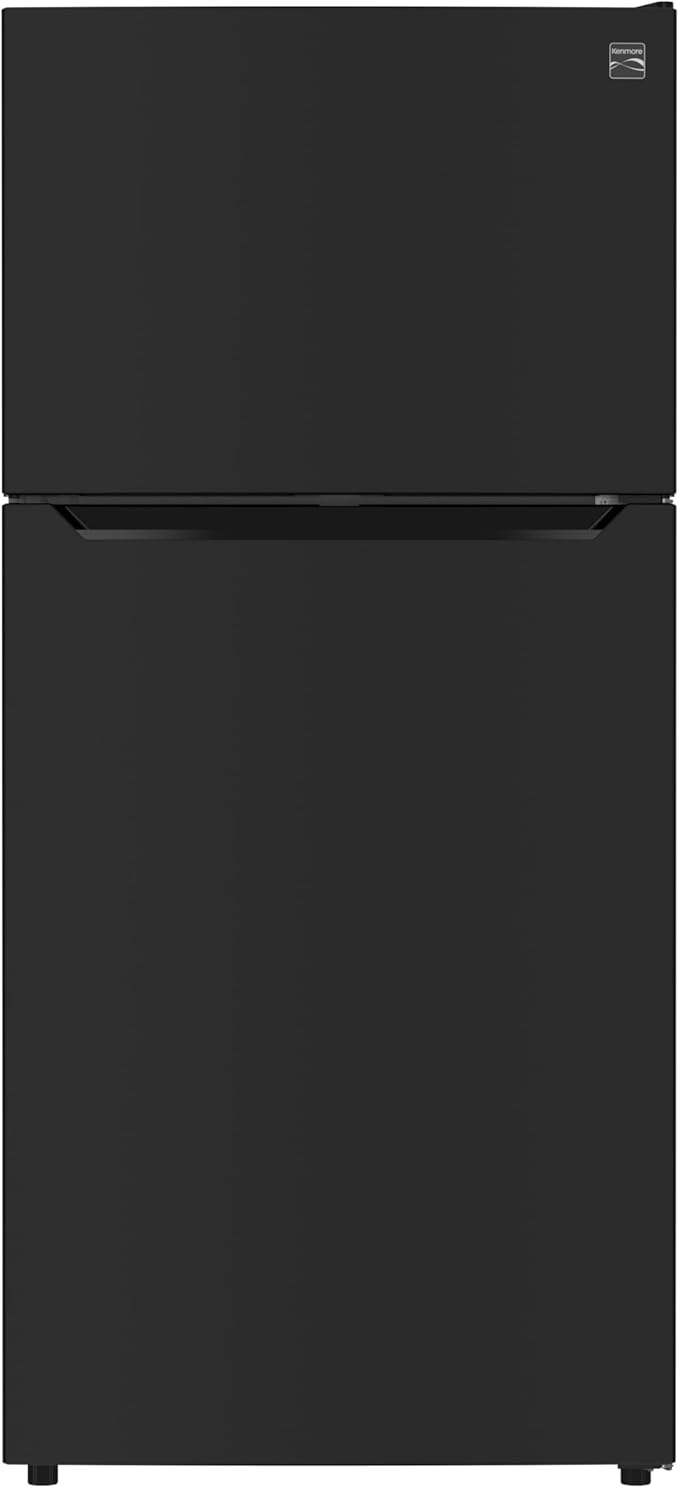
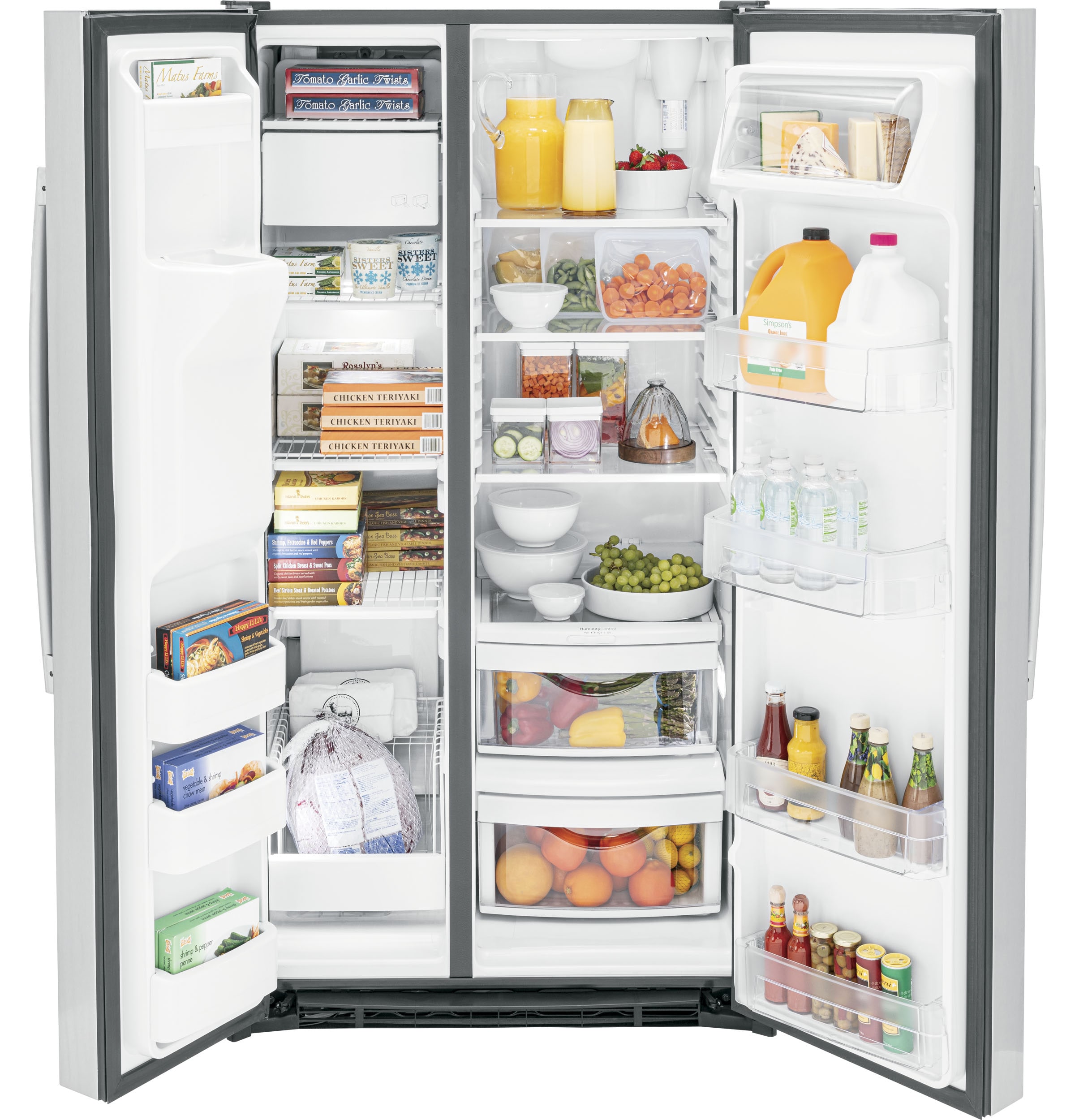
Mayonnaise is often still safe to use past its "Best By" or "Use By" date — that date marks peak quality, not a hard safety cutoff — as long as the jar has been kept sealed and refrigerated below 40°F (4°C). Commercial mayo with preservatives lasts longer than homemade, and an unopened jar keeps longer than an opened one, so always judge by smell, color, texture, and mold before using. Below we cover the factors, storage, and spoilage signs. Keeping your fridge at a safe temperature? Browse our refrigerators.
Mayo Expiration Date
Understanding Expiration Dates
When it comes to mayonnaise, understanding expiration dates is crucial for ensuring safety and quality. The expiration date on a mayo jar indicates the manufacturer's guarantee of the product's best quality. However, this doesn't necessarily mean the mayo is unsafe to consume after this date. The expiration date is typically printed as "Best By" or "Use By."
Factors Affecting Mayo Shelf Life
Several factors influence how long mayonnaise lasts in the fridge after its expiration date. These include the type of mayo, storage conditions, and whether the jar has been opened.
Type of Mayo: Commercially produced mayonnaise often contains preservatives, extending its shelf life compared to homemade mayo.
Storage Conditions: Proper storage in a cool, dry place before opening and consistent refrigeration after opening are key.
Opened Vs. Unopened: An unopened jar of mayo will last longer than an opened jar. Once opened, exposure to air and contaminants can accelerate spoilage.
When it comes to keeping your mayo fresh and safe to eat, proper storage is key. Let's explore the best ways to store mayo in the fridge and how to spot signs of spoilage.
Proper Storage Guidelines
To ensure your mayonnaise stays fresh:
Refrigerate Immediately: Once opened, mayo should be refrigerated promptly. The cold temperature slows the growth of bacteria and helps preserve its quality.
Tightly Seal the Container: Make sure the lid is securely fastened to prevent exposure to air, which can lead to spoilage.
Store in the Main Compartment: Avoid keeping mayo in the fridge door, as the temperature fluctuates more frequently. The main compartment maintains a more consistent temperature.
Check the Expiration Date: Be mindful of the expiration date. While mayo can sometimes be safe to eat after this date, it's best to use it within a reasonable time frame.
Knowing the signs of spoiled mayo can help you avoid consuming something that could make you sick. Here are some indicators that your mayo has gone bad:
Off Smell: Fresh mayo has a mild, tangy scent. If it smells sour, rancid, or off in any way, it's best to discard it.
Change in Color: Mayo should be a consistent creamy color. If you notice any darkening or discoloration, it's a sign of spoilage.
Separation: While a little oil separation can be normal, excessive separation can indicate that the mayo is no longer good.
Mold: Any visible mold or growth on the surface means it's time to throw it out.
Strange Taste: If the mayo tastes different from usual, it’s a clear sign that it has spoiled.
By following these guidelines and being vigilant for signs of spoilage, you can extend the shelf life of your mayo and keep it safe for consumption.
Extending Mayo Shelf Life
Tips for Prolonging Freshness
To extend the shelf life of your mayo, you need to follow some best practices for storage and usage. Keeping mayo fresh in the fridge involves a few critical steps:
Refrigeration: Always store mayo in the refrigerator. The cool temperature slows the growth of bacteria and extends the product's shelf life.
Sealing: Ensure the jar or container is tightly sealed after each use. Exposure to air can cause the mayo to spoil faster.
Clean Utensils: Use clean utensils when scooping mayo to avoid contaminating the jar with bacteria.
Temperature Control: Keep the fridge at a consistent temperature, ideally below 40°F (4°C).
Avoid Cross-Contamination: Do not double-dip or allow other food particles to enter the mayo jar.
Even if your mayo is past its expiration date, it doesn't always mean it's unsafe to use. Here are some creative ways to repurpose expired mayo:
Hair Conditioner: Mayo can be used as a deep-conditioning treatment for your hair. Apply a generous amount to your hair, let it sit for 15-20 minutes, and then wash it out thoroughly.
Furniture Polish: Use expired mayo to polish and shine wooden furniture. Rub a small amount onto the wood, let it sit for a few minutes, and then wipe it clean with a soft cloth.
Plant Leaf Shine: Wipe plant leaves with a dab of mayo to give them a glossy appearance.
Stuck Ring Remover: Apply mayo around a stuck ring to help it slide off your finger more easily.
By following these tips and getting creative, you can make the most out of your mayo, even after its expiration date. Make sure to always check for signs of spoilage before using expired mayo in any capacity. For more on recognizing spoiled mayo, visit Fridge.com section on signs of spoiled mayo.
Consuming expired mayo can pose several health risks due to bacterial growth. Mayo is a perishable product that contains eggs, making it susceptible to contamination if not stored properly. The main risks include:
Food Poisoning: Harmful bacteria such as Salmonella, Listeria, and E. coli can grow in expired mayo, leading to foodborne illnesses.
Gastrointestinal Issues: Symptoms like nausea, vomiting, diarrhea, and stomach cramps can occur after eating spoiled mayo.
Allergic Reactions: Even if you don't typically have food allergies, consuming expired mayo can trigger unexpected allergic reactions due to the breakdown of ingredients.
Knowing when to discard mayo is crucial for maintaining food safety. Here are some signs that indicate it's time to throw out your mayo:
Off Smell: A sour or rancid odor is a clear sign that mayo has gone bad.
Color Change: If the mayo turns yellow or brown, it's no longer safe to eat.
Texture Changes: Lumpy or watery consistency indicates spoilage.
Mold: Visible mold on the surface is a definite sign that the mayo should be discarded immediately.
Spoilage Sign
Description
Off Smell
Sour or rancid odor
Color Change
Turns yellow or brown
Texture Changes
Lumpy or watery consistency
Mold
Visible mold on the surface
Always check the expiration date and look for these signs before consuming mayo. For more tips on food safety, read how long does ground turkey last in the fridge after cooked? and how long does heavy whipping cream last in the refrigerator?.
Expired mayo can potentially make you sick if it has gone bad. Bacteria such as Salmonella and E. coli can grow in spoiled mayo, leading to food poisoning. Symptoms may include nausea, vomiting, diarrhea, and stomach cramps. It's important to store mayo properly and check for signs of spoilage before consuming it.
Is It Safe to Eat Expired Mayo?
Whether it is safe to eat expired mayo depends on various factors, such as storage conditions and how long it has been expired. Mayo stored in the fridge can last beyond its expiration date if it shows no signs of spoilage. However, it's best to exercise caution. If the mayo smells off, has changed color, or has an unusual texture, it is not safe to eat.
How to Tell If Mayo is Spoiled?
To determine if mayo has spoiled, look for the following signs:
Smell: Spoiled mayo often has a sour or off-putting odor.
Color: Discoloration, such as a yellow or brown tint, indicates spoilage.
Texture: A change in texture, such as separation or curdling, is a bad sign.
Mold: Any visible mold growth is a clear indicator that the mayo has gone bad.
By being vigilant and checking for these signs, you can avoid the risks associated with consuming expired mayo. If you're ever in doubt, it's safer to discard the mayo to prevent any potential health issues.
Can Mayonnaise Go Bad? How to Spot Spoiled Mayo
Yes — mayonnaise can spoil, but its "Best By" or "Use By" date marks peak quality, not a hard safety cutoff. An unopened jar keeps longer than an opened one, and commercial mayo with preservatives lasts longer than homemade, so the date on the label matters less than what your senses tell you. Judge every jar by smell, color, texture, and mold before using it.
Spoilage Sign
What to Look For
Smell
Sour, rancid, or otherwise off odor
Color
Darkening or a yellow-to-brown tint
Texture
Excessive oil separation, curdling, or a lumpy, watery consistency
Mold
Any visible mold on the surface
Eating spoiled mayo can cause nausea, vomiting, diarrhea, and stomach cramps, so discard the jar the moment any of these signs appear. Keeping mayonnaise consistently at or below 40°F (4°C) is the single biggest factor in how far past its date it stays safe — a refrigerator from the refrigerators collection (894 live models) that holds a steady sub-40°F temperature protects condiments like mayo well beyond the printed date.
Commercially made mayonnaise should not be left out of the refrigerator for more than two hours. Because it is an egg-based, perishable product, bacteria multiply quickly in the 40°F to 140°F (4°C to 60°C) danger zone, so a longer spell at room temperature risks foodborne illness. If the room is warmer than 90°F (32°C), keep that limit to one hour.
How long can a mayo sandwich or salad sit out?
The same two-hour rule covers a sandwich, potato salad, coleslaw, or any dish bound with mayonnaise. Once it has been on a counter or at a picnic longer than two hours, throw it away instead of returning it to the fridge, because chilling does not undo bacterial growth that happened while it was warm.
How long does unopened mayonnaise last unrefrigerated?
A sealed, commercially produced jar is shelf-stable and can sit in a cool pantry until its printed date; only after opening does mayonnaise need constant refrigeration. Homemade mayonnaise contains no preservatives, so it should stay refrigerated at all times and be used within a few days.
Frequently Asked Questions
Expired mayo can potentially make you sick if it has gone bad. Bacteria such as Salmonella and E. coli can grow in spoiled mayo, leading to food poisoning. Symptoms may include nausea, vomiting, diarrhea, and stomach cramps. It's important to store mayo properly and check for signs of spoilage before consuming it.