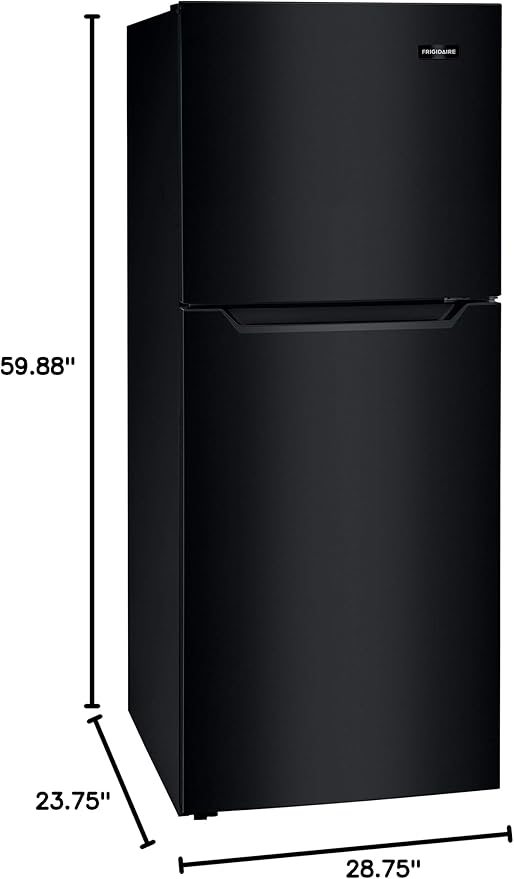
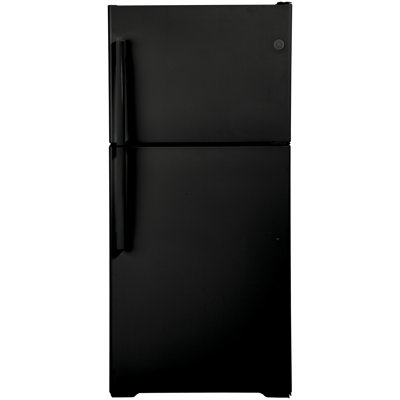
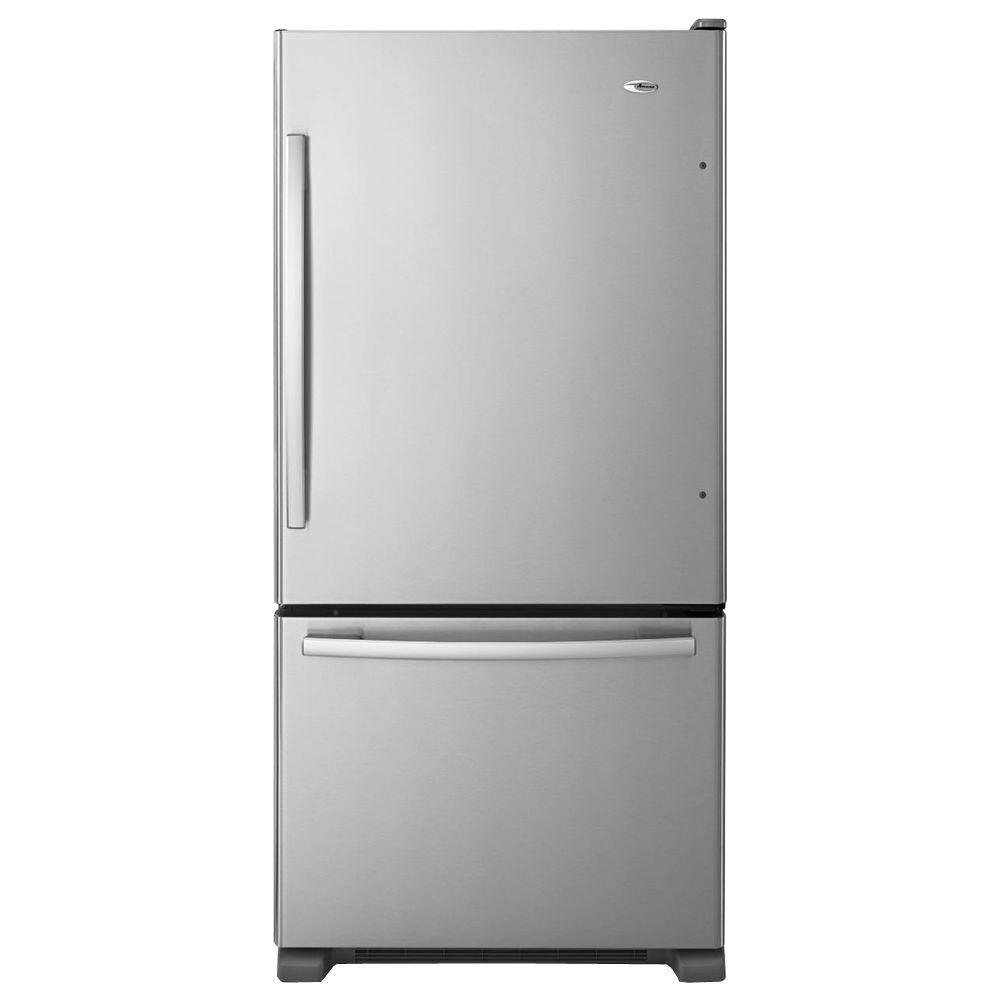
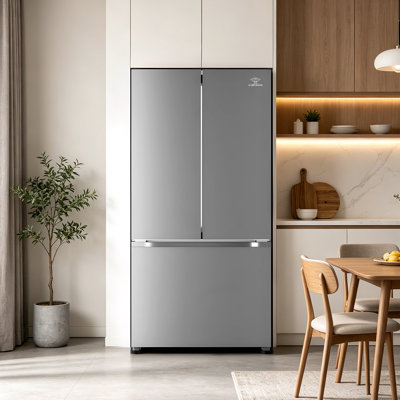
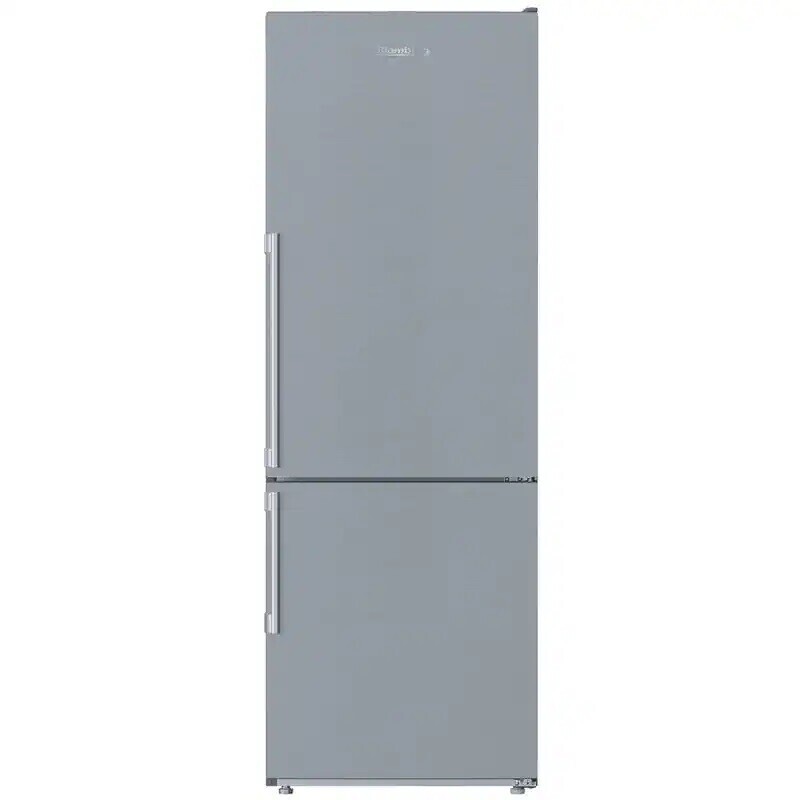
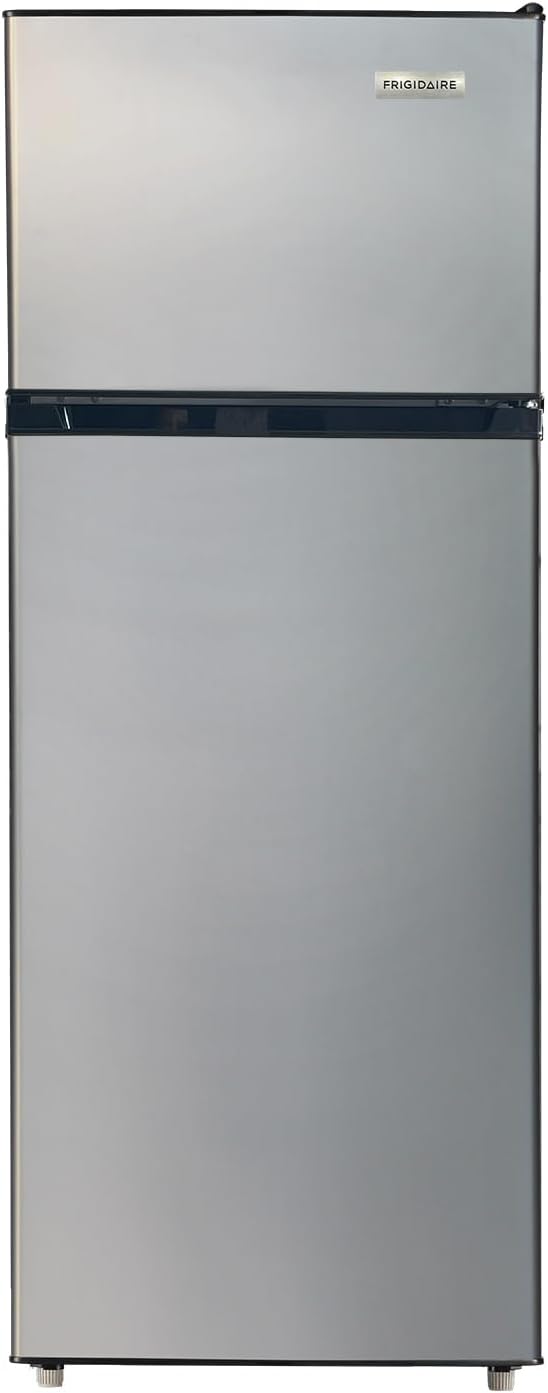
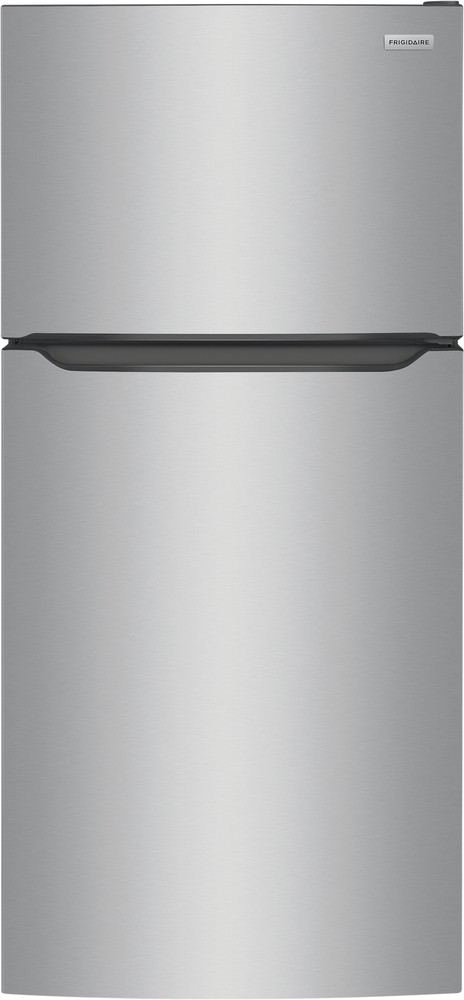
Lasagna lasts 3 to 5 days in the refrigerator when cooled quickly and stored in an airtight container at 40°F (4°C) or below, and up to 3 months in the freezer. Store-bought lasagna keeps 3 to 4 days once opened, while an unopened package stays good until its printed date. Refrigerate leftovers within 2 hours of cooking (1 hour if the room is above 90°F), and reheat to an internal temperature of 165°F (74°C) before serving. Beef, sausage, and other meat lasagnas follow the same 3-to-5-day fridge window as vegetarian versions when they are cooled and refrigerated promptly. If your fridge struggles to hold a steady 40°F (4°C), compare current refrigerators.
Storing Lasagna in the Fridge
Proper Storage Guidelines
To keep lasagna fresh in the fridge, store it in an airtight container to prevent it from absorbing other flavors and odors. This also helps retain moisture, preventing the lasagna from drying out. If you don't have an airtight container large enough, tightly wrap the lasagna in plastic wrap or aluminum foil.
Here's a step-by-step guide for storing your lasagna:
Allow the lasagna to cool to room temperature before refrigerating. Storing lasagna while it's still hot can raise the temperature inside the refrigerator, which might affect other stored foods.
Transfer the lasagna to an airtight container, or wrap it securely.
Label the container with the date of storage. This will help you keep track of how long the lasagna has been in the fridge.
Place the lasagna in the coldest part of the refrigerator, usually at the back, and away from the door where temperature fluctuations occur.
Factors Affecting Shelf Life
The shelf life of lasagna in the refrigerator can be influenced by several factors:
Ingredients: Lasagna made with fresh, high-moisture ingredients such as ricotta cheese may spoil faster than those made with less perishable ingredients. Meat and dairy layers age faster than plain pasta and sauce.
Storage Temperature: The fridge should be set to 40°F (4°C) or below to slow down bacterial growth.
Initial Cooking: Properly cooked lasagna, reaching an internal temperature of at least 165°F (74°C), will have a longer fridge life due to the reduction of potentially harmful bacteria.
Initial Freshness: Starting with fresh, high-quality ingredients gives the finished lasagna a longer safe window; ingredients already near the end of their own shelf life shorten it.
Storage Method: An airtight container or a tight wrap of foil or plastic keeps the lasagna from drying out and from picking up fridge odors.
Cross-Contamination: Be cautious to prevent cross-contamination from raw foods, which can introduce bacteria to the lasagna.
Lasagna holds up well as a leftover. Understanding its shelf life and recognizing the signs of spoilage lets you enjoy your meal safely.
Refrigerated Shelf Life of Lasagna
In the refrigerator, homemade lasagna stays fresh for 3 to 5 days when stored at a constant temperature of 40°F (4°C) or below. Store-bought or restaurant lasagna may have a slightly shorter fridge life because of how long it sat out before refrigeration; an unopened store-bought tray keeps until its printed use-by date, but once opened it should be treated like any other leftover. Beef and other meat lasagnas keep for the same 3 to 5 days as vegetarian versions when refrigerated promptly. Always store your lasagna in an airtight container to maintain its quality and prevent contamination.
Here's a quick reference for the shelf life of lasagna in the fridge:
Recognizing when lasagna has gone bad is crucial to prevent foodborne illness. Here are some telltale signs to look out for:
Off-smelling Aroma: If the lasagna emits a sour or unpleasant odor, it's a clear indicator that it has spoiled.
Discoloration: Any signs of green or black mold, as well as a change in color from the original, suggest contamination.
Texture Changes: A slimy or exceptionally gooey texture, or a dried-out surface, is a sign that the lasagna should not be consumed.
Should you notice any of these spoilage signs, discard the lasagna immediately to avoid health risks. For those interested in similar food safety considerations, check out articles like how long do pinto beans last in the fridge? or how long does milk last in the fridge?.
It's always better to err on the side of caution when dealing with any leftovers. If you're unsure about the freshness of your dish, throw it out rather than risk the consequences of eating spoiled food.
To enjoy your lasagna for as long as possible, and to ensure it remains safe to eat, follow a few guidelines that extend its shelf life. Properly storing and reheating lasagna makes a significant difference in how long it lasts in the fridge.
Tips for Prolonging Freshness
Cool Down Promptly: Let your lasagna cool for about 20 to 30 minutes and then refrigerate it, always within two hours of cooking. This helps prevent the growth of bacteria that occurs at warm temperatures.
Air-Tight Storage: Transfer the lasagna to an air-tight container or wrap it tightly in plastic wrap or aluminum foil to protect it from air exposure and moisture, which can lead to spoilage.
Portion Control: If you won't eat the entire dish at once, divide the lasagna into individual portions. This prevents the whole batch from being exposed to air every time you take a serving, and it reheats faster.
Refrigerate Promptly: Place your lasagna in the fridge as soon as it has cooled. The quicker it's refrigerated, the better it maintains its quality.
By following these tips, you can help ensure that your lasagna remains delicious and safe to consume for a longer period. For more information on the shelf life of other foods, you might be interested in learning how long can fresh juice last in the fridge?.
Reheating Leftover Lasagna
Reheating lasagna properly is essential not only for taste but also to ensure any potential bacteria are killed. Whichever method you choose, heat the lasagna until the center reaches an internal temperature of 165°F (74°C).
Oven Reheating: Preheat your oven to 350°F–375°F (175°C–190°C) and place the lasagna in an oven-safe dish. Cover with foil to prevent it from drying out and heat until the internal temperature reaches 165°F (74°C), typically about 25 to 30 minutes for a single portion.
Microwave Reheating: If you're short on time, place a single portion in a microwave-safe container, cover with a microwave-safe lid or vented plastic wrap, and heat on medium power for 1 to 2 minutes, stirring or rotating halfway through to eliminate cold spots, until heated through.
Stovetop Reheating: For a single portion, set the lasagna in a covered saucepan over medium heat for 10 to 15 minutes, adding a splash of water or sauce so it doesn't stick, until the center reaches 165°F (74°C).
Avoid Repeated Reheating: Reheat only the amount of lasagna you plan to eat. Repeatedly warming and cooling the same portion can lead to bacterial growth and spoilage.
Remember, when reheating it's crucial to ensure the lasagna is heated evenly to avoid cold spots where bacteria can survive. For other considerations related to food safety and refrigeration, explore how to handle items like how long does sausage last in the fridge?.
Freezing lasagna is an excellent way to extend its shelf life and enjoy it at a later date. Properly frozen lasagna can be a convenient meal for future lunches or dinners.
Freezing Lasagna for Later
When freezing lasagna, your goal is to preserve its taste and texture. To achieve this, follow these steps:
Cooling Down: Ensure the lasagna is completely cooled to room temperature to prevent condensation inside the packaging, which could lead to freezer burn.
Portioning: If you plan to consume the lasagna in smaller servings, divide it into portions. This allows for easier thawing and reheating of individual servings.
Wrapping Tightly: Use cling film to wrap the lasagna tightly, pressing out as much air as possible. Then wrap it in a second layer of aluminum foil or place it in a freezer-safe container.
Labeling: Write the date of freezing on the package. This helps you keep track of how long the lasagna has been stored.
Lasagna can last in the freezer for up to three months without significant loss of flavor or texture.
State
Shelf Life
Freshly Cooked
3-5 Days in Fridge
Frozen (Optimal Conditions)
Up to 3 Months
Thawing and Reheating Frozen Lasagna
Proper thawing and reheating are crucial to enjoying your frozen lasagna. Here's how to do it:
Thawing: Transfer the lasagna from the freezer to the refrigerator and allow it to thaw overnight. Avoid thawing at room temperature, as it can lead to bacterial growth.
Reheating: Preheat your oven to 375°F (190°C). Remove the lasagna from its packaging and place it in an oven-safe dish. Cover with aluminum foil to prevent drying out and bake until it reaches an internal temperature of 165°F (74°C), usually about 30 minutes.
By following these freezing and reheating guidelines, you can enjoy your lasagna as if it were freshly baked, even weeks after initial preparation. Always prioritize food safety when handling leftovers to ensure the best dining experience.
When storing lasagna in the refrigerator, food safety is paramount. Understanding the importance of proper storage and the risks associated with consuming spoiled lasagna is essential for your health and well-being.
Importance of Proper Storage
Proper storage is key to maintaining the quality and safety of lasagna. When lasagna is not stored correctly, it becomes susceptible to bacterial growth, which can lead to foodborne illness. To keep your lasagna safe to eat, store it in an airtight container at a temperature below 40°F (4°C), because bacteria grow rapidly between 40°F and 140°F (4°C and 60°C). Lasagna should be refrigerated within two hours of cooking to prevent potential bacterial contamination.
For a comprehensive guide on the shelf life of various foods and how to store them properly, explore articles like how long does milk last in the fridge? and how long are leftovers good in the fridge?.
Risks of Consuming Spoiled Lasagna
Eating spoiled lasagna can pose serious health risks. The presence of bacteria like Salmonella, E. coli, and Listeria can lead to food poisoning, with symptoms that include nausea, vomiting, diarrhea, abdominal pain, and fever. In severe cases it can result in more serious complications, especially for vulnerable groups such as young children, pregnant women, the elderly, and individuals with weakened immune systems.
To recognize when lasagna has gone bad, look for signs of spoilage such as an off-odor, a change in color, or the presence of mold. If you suspect the lasagna is no longer safe to eat, err on the side of caution and discard it.
For more information on recognizing and preventing food spoilage, you might find articles like how long does sausage last in the fridge? and how long does tuna last in the fridge? helpful. Proper storage and attentiveness to the condition of your food are crucial steps in ensuring food safety.
Lasagna Left Out of the Fridge
Risks of Leaving Lasagna Unrefrigerated
When lasagna is left out of the refrigerator for too long, it becomes susceptible to bacterial growth. The primary concern is the development of bacteria such as Salmonella and Staphylococcus aureus, which can lead to foodborne illness. The danger zone for perishable foods is between 40°F and 140°F, where bacteria multiply rapidly. If your lasagna has been left out for more than 2 hours at room temperature (or 1 hour if the temperature is above 90°F), it should not be consumed and must be discarded to avoid the risk of food poisoning.
Safe Practices for Handling Leftover Lasagna
To ensure the safety and quality of your leftover lasagna, follow these practices:
Refrigerate promptly: Leftover lasagna should be placed in the refrigerator within 2 hours of cooking. In hot weather (above 90°F), this window reduces to 1 hour.
Store in airtight containers: Divide the lasagna into smaller portions and store it in shallow airtight containers to cool it quickly and evenly.
Label with a date: Mark the storage date on the container to keep track of how long the lasagna has been refrigerated.
Following these guidelines will help maintain the safety and freshness of your lasagna. For more information on the shelf life of various foods and proper storage methods, explore articles such as how long do tamales last in the fridge? and how long does milk last in the fridge?.
When in doubt, it's better to err on the side of caution and dispose of any food that has been left out for too long or shows signs of spoilage. Your health should always be a priority when it comes to consuming perishable items.
Leftover lasagna need not go to waste or be a repetitive meal. With a little creativity, you can transform it into entirely new dishes. Consider these ideas for repurposing your leftover lasagna:
Lasagna Soup: Break up the lasagna pieces and add them to a pot of simmering broth. Include vegetables like spinach, zucchini, or mushrooms for a hearty lasagna soup.
Lasagna Frittata: Chop the lasagna into smaller pieces and mix with beaten eggs. Cook in a skillet to create a lasagna frittata, perfect for breakfast or brunch.
Lasagna Grilled Cheese: Use the lasagna filling as a rich and flavorful layer in a grilled cheese sandwich. Add some extra cheese for a delicious melt.
Lasagna-Stuffed Peppers: Hollow out some bell peppers and stuff them with chunks of lasagna. Top with cheese and bake until the peppers are tender.
Lasagna Casserole: Layer the leftovers with fresh sauce, cheese, or vegetables and bake for a reinvented casserole.
Lasagna Pizza: Spread lasagna slices over a prepared crust as a topping, then bake for a quick, hands-off meal.
Crispy Lasagna Bites: Cut the lasagna into bite-sized squares and pan-fry them until crispy. Serve with a side of marinara dipping sauce.
Delicious Recipes with Leftover Lasagna
For those looking to get more out of their leftover lasagna, here are some easy recipes to try:
Lasagna Bolognese Pasta: Remove the layers from your lasagna and mix them with cooked pasta for a quick Bolognese-style dish.
Ingredients
Quantity
Leftover Lasagna
2 cups
Cooked Pasta
3 cups
Grated Cheese
To taste
Lasagna Quesadillas: Place a slice of lasagna between two tortillas and cook on a skillet until the tortillas are crispy. Slice and serve with sour cream or guacamole.
Ingredients
Quantity
Leftover Lasagna
1 cup
Tortillas
4
Sour Cream/Guacamole
For serving
Lasagna Mac and Cheese: Combine chopped lasagna with your favorite mac and cheese recipe for a rich and comforting meal.
Ingredients
Quantity
Leftover Lasagna
2 cups
Cooked Macaroni
2 cups
Cheese Sauce
1 cup
Whether you're exploring new ways to enjoy your lasagna or looking for recipes to add variety to your meals, there's no shortage of options. Always store your lasagna properly to maintain its freshness.
Frequently Asked Questions
How long is lasagna good for in the fridge?
Homemade lasagna is good for 3 to 5 days in the fridge when kept in an airtight container at 40°F (4°C) or below. Opened store-bought and restaurant lasagna are best used within 3 to 4 days.
How long does beef lasagna last in the fridge?
Beef lasagna lasts the same 3 to 5 days as vegetarian lasagna, provided it was cooled and refrigerated within two hours of cooking. The meat does not shorten the safe window on its own, but always check for off odors, discoloration, or a slimy texture before eating.
How long is leftover lasagna good for?
Leftover lasagna stays good for 3 to 5 days in the refrigerator. Refrigerate it within two hours of serving, store it in shallow airtight containers, and reheat it to 165°F (74°C) before eating.
How long can lasagna stay out of the fridge?
No more than 2 hours at room temperature, or 1 hour if the room is above 90°F. Beyond that, lasagna has sat in the 40°F–140°F danger zone long enough for bacteria to multiply and should be discarded.
How long should you let lasagna cool before refrigerating?
Let lasagna cool for about 20 to 30 minutes so it isn't piping hot, then refrigerate it — always within two hours of cooking (1 hour above 90°F). Dividing it into shallow portions helps it cool quickly and safely.
How long does store-bought lasagna last in the fridge?
An unopened store-bought tray keeps until its printed use-by date. Once opened, treat it as a leftover and use it within 3 to 4 days.
Can you freeze lasagna, and how long does it keep?
Yes. Cooled, tightly wrapped lasagna keeps in the freezer for up to 3 months. Thaw it overnight in the refrigerator and reheat to 165°F (74°C).
What is the best way to reheat lasagna?
The oven gives the best texture: cover with foil and heat at 350°F–375°F for 25 to 30 minutes. A microwave on medium (1 to 2 minutes per portion, stirred halfway) or a covered saucepan over medium heat for 10 to 15 minutes also work. In every case, heat until the center reaches 165°F (74°C).
Compare prices on Fridge.com
Compare current prices and specifications on Fridge.com, then buy from the retailer you choose; delivery, installation and warranty terms are the retailer’s.
It also has tons of awesome articles about kitchen stuff and home news. Enhance your home, garage, backyard, patio, and office with the coolest essentials. With every necessary type of residentialrefrigeratoror freezer in the collection, you're covered.
Frequently Asked Questions
Fridge.com | Blog. Lasagna lasts 3 to 5 days in the refrigerator when cooled quickly and stored in an airtight container at 40°F (4°C) or below, and up to 3 months in the freezer. Store-bought lasagna keeps 3 to 4 days once opened, while an unopened package stays good until its printed date. Refrigerate leftovers within 2 hours of cooking (1 hour if the room is above 90°F), and reheat to an internal temperature of 165°F (74°C) before serving. Beef, sausage, and other meat lasagnas follow the same 3-to-5-day fridge window as vegetarian versions when they are cooled and refrigerated promptly. If your fridge struggles to hold a steady 40°F (4°C), compare current refrigerators.