Typically, a fridge set to 40°F (4°C) or below is ideal for slowing down the oxidation process and preserving the espresso's bold flavors.
Espresso is at its best within the first 24 hours in the fridge; stored in an airtight container it stays good for 24 to 48 hours, fair up to 72 hours, and noticeably declines beyond 72 hours.
Remember, these steps help maintain the espresso's integrity for a limited time — it is always best to enjoy espresso fresh.
While it's safe to consume for a few days, the optimal period for enjoying your espresso at its best is within the first 24 hours.
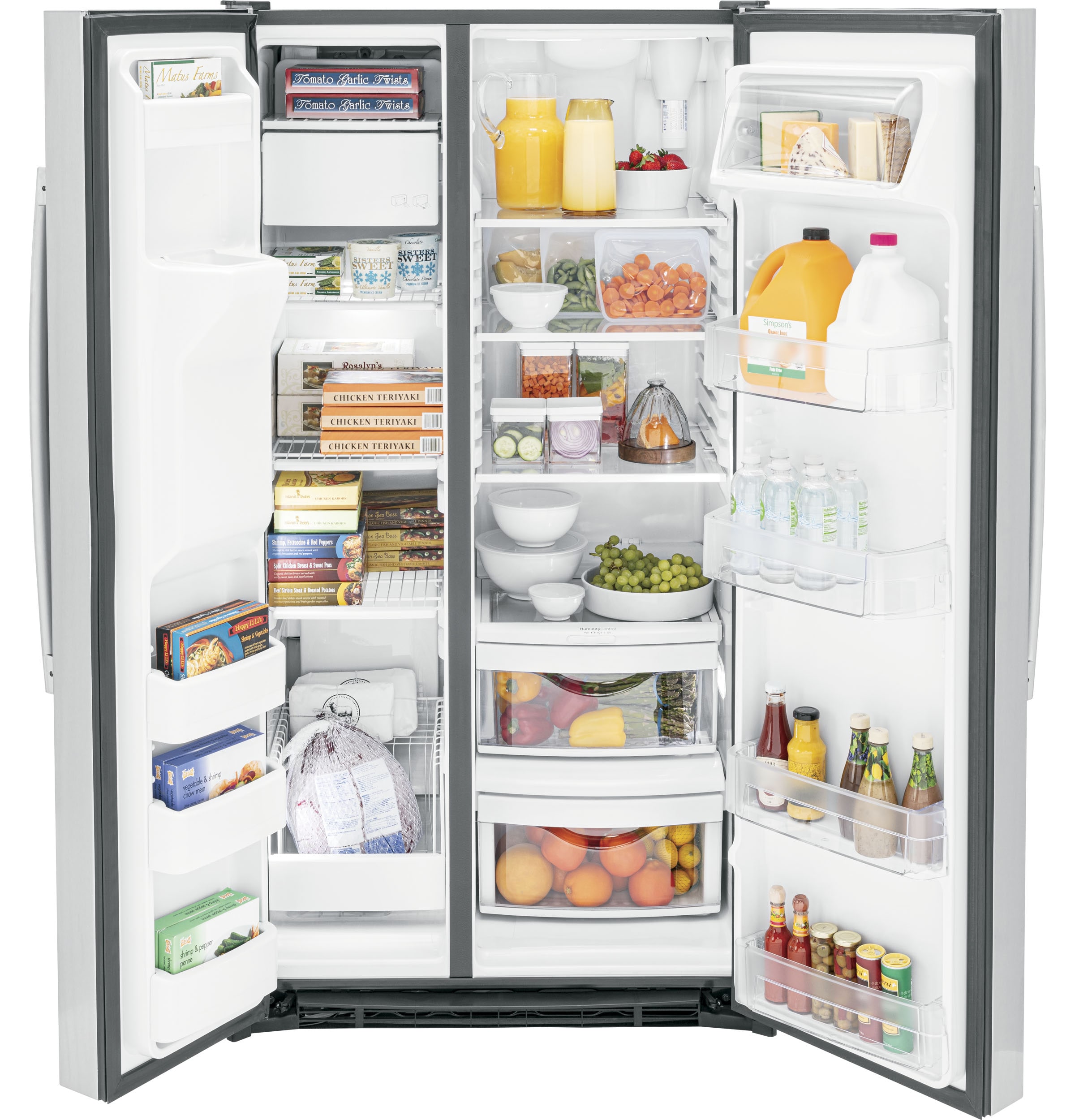
Espresso is at its best within the first 24 hours in the fridge; stored in an airtight container it stays good for 24 to 48 hours, fair up to 72 hours, and noticeably declines beyond 72 hours. If a dedicated cold-storage upgrade is on your list, compare current refrigerators.
>When it comes to preserving the rich flavor of espresso, understanding its shelf life is crucial. Many of you seek to prolong the enjoyment of your espresso by storing it in the refrigerator, but how long does espresso last in the fridge?
Understanding the Freshness of Espresso
The freshness of espresso is a key component in its flavor profile. Immediately after brewing, espresso begins to lose its characteristic aromas and flavors. The presence of oils, which contribute to the crema and taste, also start to oxidize over time. Typically, espresso is best enjoyed immediately after brewing to capture its full essence.
Factors Affecting Espresso Longevity
Several factors play a role in determining how long your espresso will maintain its quality in the fridge:
Factor
Impact on Espresso Shelf Life
Air Exposure
Increases oxidation, leading to stale flavors
Temperature
Cooler temperatures slow down degradation
Light
Can degrade coffee compounds and accelerate staleness
Time
The longer the espresso sits, the more flavor is lost
Container Seal
Airtight containers can preserve freshness longer
To maximize your espresso's shelf life, minimize air exposure, and store your espresso in an opaque, airtight container at a consistent, cool temperature. This will slow down the processes that cause your espresso to lose its fresh-brewed qualities.
Storing your espresso in the refrigerator can be a practical way to extend its shelf life, but doing it correctly is key to maintaining the quality of your brew.
The Right Way to Store Espresso
To preserve the quality of your espresso when storing it in the fridge, it is crucial to store it in an airtight container. Oxygen can degrade the flavors of espresso, so a container with a good seal is necessary. Glass containers are often recommended because they don’t impart any additional flavors to the coffee. It’s also advisable to cool your espresso to room temperature before placing it in the fridge to prevent condensation from forming inside the container, which can dilute the espresso and affect its taste.
Here’s a quick guide on how to store your espresso properly:
Allow the espresso to cool to room temperature.
Transfer the espresso to an airtight glass container.
Seal the container tightly to minimize exposure to air.
Place the container in the fridge, away from strong-smelling foods to avoid flavor transfer.
For more details on the refrigeration of various items, you might want to explore how long certain foods last, like how long does homemade salsa last in the fridge? or how long does coffee creamer last in the fridge?.
How Temperature Impacts Espresso Quality
The temperature inside your fridge plays a significant role in the preservation of your espresso. Typically, a fridge set to 40°F (4°C) or below is ideal for slowing down the oxidation process and preserving the espresso's bold flavors. However, it is essential to note that refrigeration will not stop the flavor degradation entirely — it will only slow it down.
Let's look at how different fridge temperatures can affect the quality of your stored espresso:
Temperature Range (°F)
Impact on Espresso Quality
Below 32°F (0°C)
Risk of freezing, which can cause separation and loss of flavor when thawed.
32°F - 40°F (0°C - 4°C)
Slows down degradation, preserving flavor for a short period.
Above 40°F (4°C)
Accelerated degradation, flavors can become stale more quickly.
It is essential to maintain a consistent temperature in your fridge to ensure the espresso doesn't go through temperature fluctuations, which can further impact its taste and freshness.
By understanding and controlling the storage conditions, you can enjoy your espresso for a bit longer without significant loss of quality. Remember, these steps help maintain the espresso's integrity for a limited time — it is always best to enjoy espresso fresh. For more on the longevity of refrigerated items, you may find it helpful to read about how long does tahini last in the fridge? or how long do cooked clams last in the fridge?.
Understanding how long your espresso will maintain its quality in the fridge is crucial, especially if you're someone who can't start their day without a fresh cup of coffee. In this section, Fridge.com will cover the optimal period for consuming refrigerated espresso and the signs that indicate it's time to brew a fresh batch.
Optimal Consumption Period
Freshness is key when it comes to enjoying espresso. Once brewed, espresso can be stored in the refrigerator, but for how long? While it's safe to consume for a few days, the optimal period for enjoying your espresso at its best is within the first 24 hours. This ensures that the flavors and aromas are still vibrant. Beyond this period, you may start to notice a decline in the quality of taste.
Storage Period
Quality
0 - 24 hours
Optimal
24 - 48 hours
Good
48 - 72 hours
Fair
Beyond 72 hours
Decline
Signs of Degradation in Espresso
As time passes, your refrigerated espresso will start to exhibit signs of degradation. These include:
Aroma: The once robust and inviting scent of fresh espresso becomes less pronounced.
Flavor: The flavor profile may turn more bitter or sour as the espresso's natural oils begin to oxidize.
Crema: The crema, or the creamy froth on top of a freshly brewed espresso, will dissipate and no longer be present.
Color: The rich, dark color of the espresso may lighten or become cloudy, indicating a loss of quality.
When you start noticing these changes, it's a clear indicator that it's time to discard the espresso and prepare a fresh serving. For those who want to learn more about the shelf life of various foods and beverages, check out Fridge.com articles on how long does coffee creamer last in the fridge? and how long do peaches last in the fridge? for additional insights.
To preserve the essence of your espresso for as long as possible, it's essential to focus on storage methods that protect the flavor and freshness.
Best Practices for Storage
Your espresso's enemies are air, moisture, heat, and light. To combat these, follow these storage guidelines:
Airtight Containers: Always store espresso in an airtight container to prevent oxidation.
Cool, Dark Place: Keep your espresso away from direct sunlight and in a cool, dark area of your fridge to minimize heat exposure.
Minimize Air Exposure: After pouring yourself a cup, seal the container back as soon as possible.
Refrigerate Promptly: Place your espresso in the fridge immediately after brewing to retain its characteristics.
Label with Date: Mark the storage container with the date of brewing, so you know how long it has been stored.
By adhering to these practices, you ensure your espresso remains as fresh as possible for future enjoyment.
Tips to Extend Freshness and Flavor
Beyond the basic storage principles, consider these additional tips to prolong your espresso's shelf life:
Immediate Cooling: Rapidly cool your espresso before refrigerating to preserve its flavor profile.
Portion Control: Consider refrigerating espresso in individual servings to avoid repeated exposure to air.
Regular Cleaning: Ensure your storage containers are cleaned regularly to avoid flavor contamination.
Explore other storage-related inquiries such as how long does tahini last in the fridge? or how long do peaches last in the fridge? to further enhance your knowledge about preserving different items in optimal conditions.
Common Misconceptions About Refrigerating Espresso
Myth Vs. Reality: Refrigeration and Espresso
When it comes to storing espresso, there are several myths that can lead to confusion about its proper storage. Let's dispel some common misconceptions and set the record straight:
Myth: Espresso remains fresh for weeks in the fridge.
Reality: Espresso's peak freshness is typically within the first few hours of brewing. Refrigeration can extend its life, but the quality will diminish over time.
Myth: Refrigeration can stop the degradation of espresso completely.
Reality: While refrigeration can slow down the degradation process, it does not halt it entirely. Espresso will still lose its flavor and aroma over time, even when refrigerated.
Myth: Espresso in the fridge tastes the same as when it's freshly brewed.
Reality: Refrigeration can alter the taste profile of espresso. It's important to remember that temperature changes can affect the oils and compounds that contribute to espresso's rich flavor.
Clearing Up Confusion Around Cold Storage
Understanding how refrigeration impacts espresso is key to maintaining its quality. Here are some facts to help clear up any confusion:
Refrigeration can extend the freshness of espresso, but it's not a permanent solution. Espresso is best enjoyed soon after brewing.
Temperature fluctuations can cause condensation, which may dilute the espresso and lead to a less desirable taste.
Storing espresso in an airtight container is crucial to prevent it from absorbing odors from the fridge, which can also alter its flavor.
For more insights on how to maintain the freshness of various food items in your fridge, such as how long does penne lisce pasta last in the fridge? or how long does homemade salsa last in the fridge?, be sure to explore Fridge.com related articles.
By debunking myths and understanding the reality of refrigerating espresso, you can better preserve the integrity of its taste and enjoy your coffee for as long as possible. Remember, when it comes to espresso, fresher is always better.
In the quest to enjoy espresso over time, you may have questions about storing it in the refrigerator or freezer. Here are some common inquiries addressed to help you make the most of your espresso.
Can You Freeze Espresso?
The short answer is yes, you can freeze espresso. Freezing espresso can extend its shelf life and is a practical option if you want to preserve its freshness for later use. When you choose to freeze espresso, it's crucial to store it in an airtight container or ice cube tray to prevent freezer burn and flavor loss. Once frozen, the espresso cubes can be used in cold beverages or thawed for a quick cup of coffee.
However, it's important to note that freezing may alter the taste and quality of the espresso upon thawing. The process of freezing and thawing can cause separation of the coffee oils and result in a less aromatic and flavorful cup.
For optimal results, use the espresso cubes within two weeks. Here's a simple guideline for freezing espresso:
Storage Method
Shelf Life
Refrigerator
3-4 days
Freezer
2 weeks
For more detailed information on preserving the freshness of your espresso, check out Fridge.com guide on how long does espresso last in the fridge?.
How Does Refrigeration Affect Espresso Taste?
Refrigeration can impact the taste of espresso in several ways. Chilling espresso slows down the oxidation process, which can help maintain its flavor for a little longer compared to leaving it at room temperature. However, even in the fridge, espresso will gradually lose its characteristic boldness and aromatic profile.
The taste change is due to the continued breakdown of coffee compounds, even at lower temperatures. Moreover, espresso can also absorb odors from other foods in the refrigerator, which may further alter its taste.
For those looking to preserve a fresh espresso's taste, it is recommended to consume refrigerated espresso within a day or two. Here's how refrigeration affects the taste profile of your espresso over time:
Time After Brewing
Taste Quality
Immediately
Optimal
1-2 days
Good
3-4 days
Fair
Beyond 4 days
Poor
Remember, for the best espresso experience, enjoy it fresh. If you're interested in learning about the shelf life of other items in your fridge, explore articles like how long does homemade salsa last in the fridge? or how long do smoked jalapeños last in the fridge? for more insights.
Compare prices on Fridge.com
Compare current prices and specifications on Fridge.com, then buy from the retailer you choose; delivery, installation and warranty terms are the retailer’s.
It also has tons of awesome articles about kitchen stuff and home news. Enhance your home, garage, backyard, patio, and office with the coolest essentials. With every necessary type of residential refrigerator or freezer in the collection, you're covered.
Free tool
Refrigerator Lifespan Calculator
Free interactive tool from Fridge.com — get a quick answer while you read.