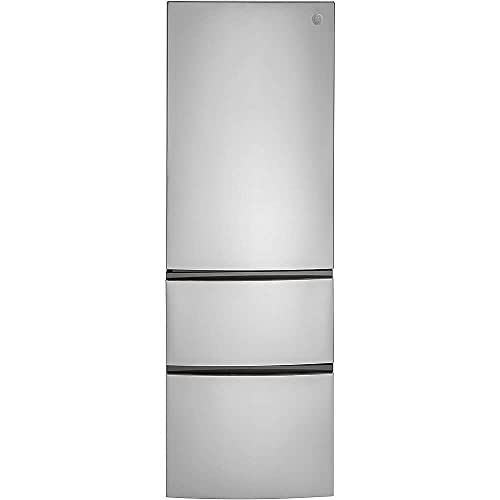
Got an open can of tuna? Let's make sure it stays fresh and safe to eat. Knowing how to store it right can keep your tuna tasty and extend its shelf life.
Storing Tuna the Right Way
First things first, once you crack open that can of tuna, don't just shove it back in the fridge. Transfer it to an airtight container. Leaving it in the can exposes it to air and germs, which can make it spoil faster. Use a clean, resealable container to keep it fresh.
Stick that container in the coldest part of your fridge, usually at the back of the bottom shelf. This spot keeps a steady temperature, which helps your tuna stay good longer. Don't forget to slap a date on the container so you know when you opened it.
Storage Method
Temperature (°F)
Duration
Airtight Container
32-40
3-5 days
Original Can (not recommended)
32-40
1-2 days
Why Refrigeration Matters
Keeping your tuna cold is super important. It stops nasty bacteria from growing, which keeps your food safe and tasty. If you don't refrigerate it properly, it can go bad quickly and make you sick. So, make sure your fridge is set between 32°F and 40°F to keep your tuna and other foods safe.
Ever wondered how long that open can of tuna in your fridge is good for? Let's break it down so you can avoid any nasty surprises and keep your meals safe and tasty.
What Affects Tuna's Shelf Life?
A few things can make or break how long your tuna stays fresh once it's opened:
Fridge Temperature: Keep it chillin' at 40°F (4°C) or lower. Any warmer, and you're inviting bacteria to the party.
Container Matters: Ditch the can and move your tuna to an airtight container. Less air means less spoilage.
Air Exposure: The more air, the faster it goes bad. Seal it up tight!
Starting Freshness: The fresher it is when you open it, the longer it'll last.
How Long Can You Keep It?
Stick to these guidelines to keep your tuna safe and yummy:
Storage Method
Shelf Life
In Original Can (Covered)
1-2 Days
In Airtight Container
3-4 Days
Remember, the fridge slows down spoilage but doesn't stop it. Always give your tuna a sniff and a look before diving in. If it smells funky or looks off, toss it.
Nobody wants to get sick from bad tuna. Knowing when your tuna's gone off is key to staying healthy. Here’s how to tell if that open can of tuna should hit the trash.
Identifying Spoiled Tuna
Keep an eye (and nose) out for these telltale signs:
Smell: Fresh tuna smells like the ocean, mild and clean. If it reeks like sour fish or just plain funky, toss it.
Appearance: Fresh tuna looks vibrant. If it’s dull, dark, or moldy, it’s time to say goodbye.
Texture: Fresh tuna feels firm. If it’s slimy or mushy, it’s no good.
When to Discard
Don’t risk it. Here’s when to chuck that tuna:
Been in the fridge more than 3-4 days? Out it goes.
Smells bad, looks weird, or feels gross? Trash it.
Can left open or not sealed right? Bye-bye tuna.
Spoilage Sign
Action
Unpleasant odor
Discard
Discoloration
Discard
Slimy texture
Discard
Mold presence
Discard
In fridge for over 4 days
Discard
Storing your food right can help it last longer. Curious about other foods? Check out Fridge.com articles on how long potato soup lasts in the fridge and how long egg rolls last in the fridge. Always play it safe with stored foods.
Keeping leftover tuna fresh and safe is a breeze if you follow these simple steps.
Safe Storage Practices
First things first, pop that leftover tuna into an airtight container. This keeps it from soaking up any weird fridge smells and helps it stay fresh. Always stash the container on a refrigerator shelf, not the door, because the door's temperature is all over the place.
Storage Method
Recommended Timeframe
Airtight Container in Fridge
3-4 days
Make sure to refrigerate the tuna within two hours of opening the can. If it's a scorcher outside (over 90°F), get it in the fridge within an hour. Slap a date label on the container so you know when you stored it.
Tips for Prolonging Freshness
Want to keep that tuna tasty for longer? Try these tricks:
Plastic Wrap Magic: Before sealing the container, lay a piece of plastic wrap right on the tuna's surface. This cuts down on air exposure and keeps it moist.
No Germs Allowed: Use clean utensils when handling the tuna to avoid any nasty bacteria.
Chill Out: Keep your fridge at 40°F or below to make sure the tuna stays fresh.
Keeping your tuna safe to eat is key to enjoying it without any nasty surprises. Here’s how to make sure your tuna stays fresh and tasty.
Tuna Safety Steps
Follow these simple steps to keep your tuna safe:
Check the Date: Always look at the expiration date on the can before opening it. If it’s expired, toss it out.
Inspect the Can: Look for dents, rust, or swelling. These can be signs of contamination.
Smell Test: Once you open the can, give it a sniff. Fresh tuna should smell like the ocean. If it smells funky or sour, throw it away.
Look at It: Check for any weird colors or textures. Tuna should be firm and evenly colored.
For more tips on spotting spoiled food, check out Fridge.com article on how to tell if canned tuna has gone bad.
Best Ways to Eat Tuna
To get the best out of your tuna and stay safe, follow these tips:
Eat Soon: After opening, eat the tuna within the recommended time. Here’s a quick guide:
Storage Condition
Recommended Timeframe
Opened Can in Fridge
3-4 days
Store Right: Put the tuna in an airtight container after opening. This keeps it fresh and safe. For more storage tips, see Fridge.com section on storing leftover tuna.
Avoid Mixing: Use clean utensils and containers for tuna. Don’t use the same ones for raw and cooked foods.
Heat It Up: If you’re reheating tuna, make sure it gets to 165°F to kill any bacteria.
Absolutely! Freezing leftover tuna is a great way to keep it fresh longer. Just pop it in an airtight container or a freezer bag, making sure it's sealed tight to avoid freezer burn. Don't forget to label it with the date before you toss it in the freezer. Your frozen tuna should be good for about 2 to 3 months. Curious about freezing other foods? Check out Fridge.com article on how long does pita bread last in the freezer.
How to tell if canned tuna has gone bad?
Nobody wants to deal with spoiled tuna. Here’s how you can spot it:
Smell: If it reeks with a strong, sour, or just plain nasty odor, it's a no-go.
Look: Any weird colors or spots? Toss it.
Feel: Slimy or mushy texture? Say goodbye.
If your tuna shows any of these signs, it's time to let it go. For more tips on spotting spoiled food, check out Fridge.com article on how long does packaged sausage last in the fridge.
Is it safe to eat tuna past the expiration date?
Eating tuna past its expiration date is a risky game. That date is there to tell you when the tuna is at its best. Going beyond it means you’re flirting with spoilage and potential foodborne illnesses. Always give it a sniff and a look before deciding to eat expired tuna. For more on safe food practices, see Fridge.com articles on how long does packaged turkey last in the fridge and how long does packaged bacon last in the fridge.
Compare current prices and specifications on Fridge.com, then buy from the retailer you choose; delivery, installation and warranty terms are the retailer’s.
It also has tons of awesome articles about kitchen stuff and home news. Enhance your home, garage, backyard, patio, and office with the coolest essentials. With every necessary type of residential refrigerator or freezer in the collection, you're covered.
Frequently Asked Questions
Ever wondered how long that open can of tuna in your fridge is good for? Let's break it down so you can avoid any nasty surprises and keep your meals safe and tasty.