Raw steak lasts 3 to 5 days in the refrigerator when stored at 40°F (4°C) or below, following U.S. Department of Agriculture (USDA) guidance. That same window covers uncooked beef steaks of every cut — ribeye, sirloin, T-bone, and filet mignon all keep 3 to 5 days. Vacuum-sealed steak holds a little longer, while loosely wrapped meat spoils sooner. Once raw steak has been in the fridge past 5 days, freeze it or throw it out. Frozen at 0°F (-18°C), raw steak keeps 6 to 12 months for best quality.
How Long Does Raw Steak Last in the Fridge?
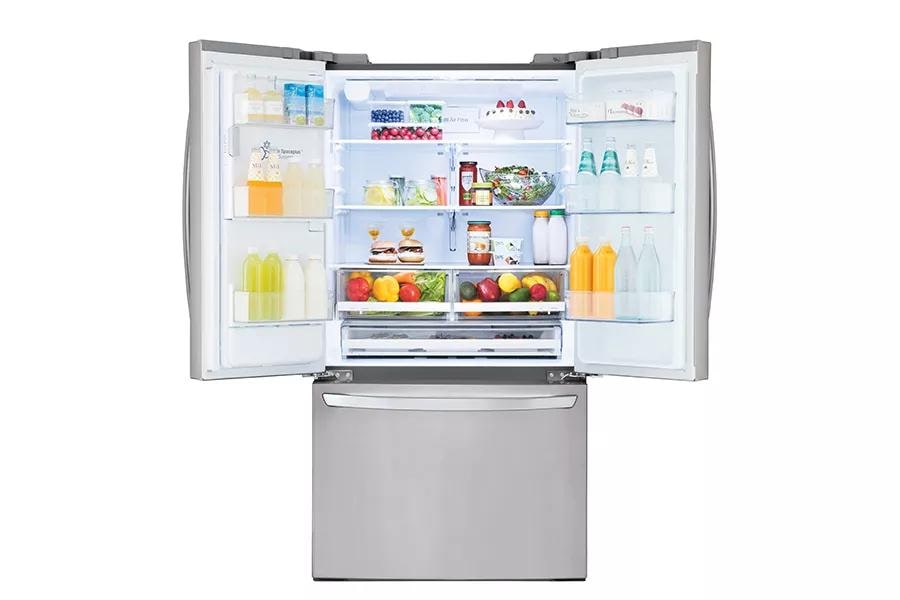
Uncooked steak stays safe in the fridge for 3 to 5 days as long as the temperature holds at 40°F (4°C) or below. The exact time depends on how fresh the beef was when you bought it, how it is wrapped, and how steady your fridge runs. Store steak on the bottom shelf toward the back — the door is the warmest part of the fridge and swings in temperature every time it opens. Keeping raw meat low also stops juices from dripping onto other foods.
Storage Method
How Long It Lasts (Days)
Properly Sealed
3 - 5
Loosely Wrapped
2 - 3
What changes how long raw steak lasts:
Temperature: Your fridge should be below 40°F (4°C). Above that, bacteria multiply quickly. An appliance thermometer in the main body of the fridge is the only reliable way to know the real temperature, since many units run warmer than the dial suggests.
Packaging: Vacuum-sealed is best because it keeps out air and bacteria. Loose wrapping shortens shelf life.
Freshness: The fresher the steak when you bought it, the longer it will keep. Check the sell-by date and buy the freshest available.
Handling: Clean hands, boards, and utensils keep you from introducing bacteria.
Raw Steak Fridge Life by Cut
Different cuts of raw steak keep for about the same time. Whether it is a ribeye, a sirloin, a T-bone, or a filet mignon, most whole beef steaks should not sit in the fridge longer than 5 days.
Type of Steak
Fridge Storage Time
Ribeye
3 - 5 days
Sirloin
3 - 5 days
T-Bone
3 - 5 days
Filet Mignon
3 - 5 days
Some other raw meats spoil faster than steak. Here is how raw steak stacks up against them:
The way raw steak is wrapped has a big effect on how long it stays fresh, because packaging controls how much air and moisture reach the meat. Steak left in its original store wrap keeps 3 to 5 days. Moving it to an airtight container adds a day or two, and vacuum-sealing — which removes the air bacteria need — can stretch it further.
Storage Method
Shelf Life in the Fridge
Original Packaging
3-5 days
Airtight Container
5-7 days
Vacuum-Sealed Bag
Up to 10 days
If a vacuum-sealed steak carries a printed use-by date, follow that date. Once you open the seal, treat the steak like any fresh cut and use it within 3 to 5 days. To repackage steak at home:
Repackage: Move steak from its store wrap to a vacuum-sealed bag or airtight container.
Double wrap: For extra protection, wrap the steak in plastic wrap before placing it in the container.
Label it: Write the purchase date and a "use by" date on the package so there is no guessing later.
Keeping uncooked steak fresh comes down to a few habits:
Keep it cold: Hold your fridge between 34°F and 40°F (1°C to 4°C). This range slows bacterial growth without freezing the meat.
Smart placement: Store steak on the bottom shelf toward the back, away from the door, so drips do not contaminate other foods and the temperature stays steady.
Seal it tight: Use airtight containers or vacuum-sealed bags. Less air means less oxidation and slower spoilage.
Keep it dry: Pat packaging dry. Excess moisture encourages bacteria.
Chill fast: Get steak into the fridge as soon as you get home. The less time it spends at room temperature, the better.
Use the oldest first: Date each package and cook the oldest steak first so nothing gets forgotten.
Storage Method
Temperature
Duration
Refrigerator
40°F (4°C) or below
3-5 days
Freezer
0°F (-18°C) or lower
6-12 months
Marinated Raw Steak
Marinating adds flavor but does not replace proper refrigeration. Keep steak in the fridge the entire time it marinates. The acid in a marinade helps preserve the meat slightly, but marinated raw steak should still be cooked within about 2 days. Use a glass or plastic container with a tight lid rather than metal, which can react with acidic ingredients.
Before cooking, check raw steak for spoilage. Look, smell, and feel:
Color: Fresh steak is bright red. Brown or gray throughout, or green and yellow spots, signal spoilage. (A little surface browning from air exposure is normal.)
Smell: Fresh steak smells neutral and mild. A sour or ammonia-like odor means it is time to toss it.
Feel: Fresh steak is firm. Slimy, sticky, or tacky surfaces are a bad sign.
Look: Watch for mold, discoloration, or any unusual film.
Indicator
Fresh Steak
Spoiled Steak
Color
Bright red
Brown or gray
Smell
Neutral
Sour or ammonia-like
Feel
Firm
Slimy or sticky
Look
No mold or spots
Discoloration, mold, spots
Two rules matter most. First, if raw steak has been in the fridge longer than 3 to 5 days, throw it out even if it looks fine. Second, do not taste steak to decide whether it is safe — harmful bacteria can be present without any change in smell or appearance. When in doubt, throw it out. For related storage times, see Fridge.com article on how long a defrosted steak lasts in the fridge.
Freezing Raw Steak
Freezing is the best way to keep raw steak beyond a few days. Properly wrapped and held at 0°F (-18°C) or colder, raw steak stays at best quality for 6 to 12 months. It technically stays safe indefinitely at 0°F, but flavor and texture decline after that window.
Prep and Packaging
Trim and portion: Cut off excess fat, which can turn rancid, and slice the steak into meal-sized pieces so you only thaw what you need.
Dry it off: Pat the steak dry with paper towels. Less surface moisture means fewer ice crystals and better texture.
Wrap tight: Wrap each piece snugly in plastic wrap or heavy-duty foil, with no air pockets.
Bag and seal: Place the wrapped steak in a freezer bag and press out as much air as possible. A vacuum sealer works even better.
Label and date: Mark the cut and the freeze date, and use the oldest packages first (first in, first out).
Packaging drives how well frozen steak holds its quality over time:
Freezer Packaging
Effect on Quality
Vacuum-sealed
Best flavor and texture; keeps 6-12 months
Heavy-duty foil or freezer paper
Good, with slight quality loss
Standard ziplock bag
Okay for short-term storage, with a noticeable quality drop
Freezer Burn and Refreezing
Freezer burn happens when moisture evaporates from the steak's surface (a process called sublimation), leaving grayish-brown, dry, leathery patches and surface ice crystals. It does not make the steak unsafe, but it hurts flavor and texture. Tight, airtight packaging is the best prevention.
Do not refreeze raw steak that has thawed at room temperature. Steak thawed in the refrigerator can be refrozen, though quality drops. The safest habit is to freeze steak in single-meal portions so you only thaw what you plan to cook.
Never thaw steak on the counter — the outside can enter the bacterial danger zone while the center is still frozen. Use one of these three methods instead:
Thawing Method
Time Required
Notes
Refrigerator
24 hours per inch of thickness (about 24-48 hours)
Safest; keeps the meat at a safe temperature throughout
Cold Water
1-3 hours
Seal in a leak-proof bag; change the water every 30 minutes
Microwave
Varies by setting
Can cook edges; cook immediately after
Steak thawed in the refrigerator keeps another 3 to 5 days before you need to cook it. Steak thawed in cold water or the microwave should be cooked right away.
Avoiding Cross-Contamination
Use a dedicated cutting board for raw meat and a separate one for everything else.
Wash your hands thoroughly before and after handling raw steak.
Clean any surface or utensil that touched raw meat.
Keep thawing steak on the bottom shelf, away from ready-to-eat foods.
Cooking Raw Steak
Sear steak on a hot pan or grill to lock in the juices, season it, and use a meat thermometer for accuracy. The USDA recommends cooking whole beef steaks to a minimum internal temperature of 145°F (63°C), then resting for at least 3 minutes before eating. Ground beef should reach 160°F. Reheat any cooked leftovers to 165°F.
Doneness Level
Internal Temperature
Rare
125°F (52°C)
Medium Rare
135°F (57°C)
Medium
145°F (63°C)
Medium Well
150°F (66°C)
Well Done
160°F (71°C)
After cooking, let the steak rest 5 to 10 minutes so the juices redistribute for a more tender, flavorful result.
Cooking Steak From Frozen
You can cook steak straight from the freezer without thawing — it avoids the bacteria risk of slow thawing. Preheat a cast-iron skillet or grill to high, sear both sides, and finish cooking to 145°F, checking with a thermometer. Cooking a frozen steak takes a bit longer than cooking a fresh one.
Raw steak lasts 3 to 5 days in the fridge at 40°F (4°C) or below. Use or freeze it within that window.
How long does a ribeye last in the fridge?
A ribeye keeps 3 to 5 days in the fridge, the same as sirloin, T-bone, and filet mignon. Cut does not change the safe storage time for whole beef steaks.
Can you eat uncooked steak after 7 days in the fridge?
No. Standard-packaged raw steak should be cooked or frozen within 3 to 5 days, so 7 days is past the safe limit — discard it. The only exception is unopened, vacuum-sealed steak with a printed use-by date that has not yet passed; even then, inspect it closely before cooking.
Is steak still good after 10 days in the fridge?
Raw steak that has been loose or in store packaging for 10 days is not safe to eat — throw it out. Bacteria can reach unsafe levels well before this point, sometimes without an obvious smell or slimy feel.
How long does vacuum-sealed steak last in the fridge?
Vacuum-sealed raw steak can keep about 7 to 10 days in the fridge because removing the air slows bacterial growth. Follow the printed use-by date if there is one, and once the seal is opened, use the steak within 3 to 5 days.
How long can defrosted steak stay in the fridge?
Steak thawed in the refrigerator stays good for another 3 to 5 days before it must be cooked. Steak thawed in cold water or the microwave should be cooked immediately.
How long does raw steak last in the freezer?
Raw steak keeps 6 to 12 months in the freezer at 0°F (-18°C) for best quality. It stays safe longer, but flavor and texture decline over time and with freezer burn.
Can you refreeze raw steak?
You can refreeze raw steak that was thawed in the refrigerator, though quality suffers. Never refreeze steak that thawed at room temperature.
What internal temperature should cooked steak reach?
The USDA recommends a minimum internal temperature of 145°F (63°C) for whole beef steaks, followed by a 3-minute rest. Ground beef should reach 160°F.
How can you tell if raw steak has gone bad?
Discard steak that smells sour or like ammonia, feels slimy or sticky, or has turned gray or brown with mold or off-colored spots. When in doubt, throw it out.
What happens to raw steak during a power outage?
Keep the fridge and freezer doors closed. A full fridge holds a safe temperature for about 4 hours and a full freezer for about 48 hours. If raw steak sat above 40°F for more than 2 hours, throw it out.
Compare prices on Fridge.com
Compare current prices and specifications on Fridge.com, then buy from the retailer you choose; delivery, installation and warranty terms are the retailer’s.
It also has tons of awesome articles about kitchen stuff and home news. Enhance your home, garage, backyard, patio, and office with the coolest essentials. With every necessary type of residential refrigerator or freezer in the collection, you're covered.
Frequently Asked Questions
Uncooked steak stays safe in the fridge for 3 to 5 days as long as the temperature holds at 40°F (4°C) or below. The exact time depends on how fresh the beef was when you bought it, how it is wrapped, and how steady your fridge runs. Store steak on the bottom shelf toward the back — the door is the warmest part of the fridge and swings in temperature every time it opens. Keeping raw meat low also stops juices from dripping onto other foods. Storage Method.
How Long It Lasts (Days).
.
Properly Sealed.
3 - 5.
.
Loosely Wrapped.
2 - 3.
. What changes how long raw steak lasts:. Temperature: Your fridge should be below 40°F (4°C). Above that, bacteria multiply quickly. An appliance thermometer in the main body of the fridge is the only reliable way to know the real temperature, since many units run warmer than the dial suggests. Packaging: Vacuum-sealed is best because it keeps out air and bacteria. Loose wrapping shortens shelf life. Freshness: The fresher the steak when you bought it, the longer it will keep. Check the sell-by date and buy the freshest available. Handling: Clean hands, boards, and utensils keep you from introducing bacteria.