Overnight oats last 3 to 5 days in the fridge when stored in an airtight container at or below 40°F (4°C).
Plain oats soaked in milk, and jars mixed with nuts, seeds, or protein powder, keep the full 3 to 5 days; oats mixed with fresh fruit or yogurt are best eaten within 2 to 3 days.
The exact time can vary based on the freshness of your ingredients and how cold your refrigerator runs, so treat 5 days as the maximum and the first 2 to 3 days as the best-quality window.
Refrigerate at or below 40°F (4°C) within two hours.
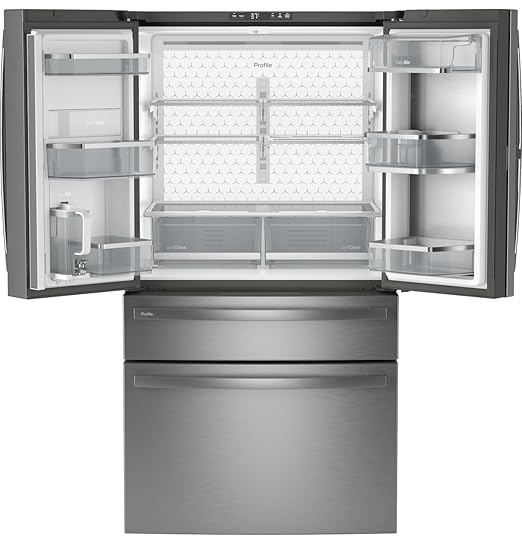
Overnight oats last 3 to 5 days in the fridge when stored in an airtight container at or below 40°F (4°C). Plain oats soaked in milk, and jars mixed with nuts, seeds, or protein powder, keep the full 3 to 5 days; oats mixed with fresh fruit or yogurt are best eaten within 2 to 3 days. For peak texture and flavor, aim to eat any batch within the first 2 to 3 days, refrigerate jars within two hours of preparing them, and freeze portions you cannot finish — frozen overnight oats keep for 1 to 2 months. If you are checking other fridge staples while you meal prep, see how long does ramen last in the fridge?, how long does cactus fruit juice last in the fridge?, and how long does coleslaw last in the fridge? Prepping and storing batches ahead? Explore our range of refrigerators.
Shelf Life of Overnight Oats in the Fridge
General Guidelines
How many days overnight oats stay good in the refrigerator depends on what you mix in. Here is the quick reference table:
Mix-in
Recommended Shelf Life
Plain (oats and milk)
3 to 5 days
With fresh fruit
2 to 3 days
With nuts and seeds
3 to 5 days
With yogurt
2 to 3 days
With protein powder
3 to 5 days
The exact time can vary based on the freshness of your ingredients and how cold your refrigerator runs, so treat 5 days as the maximum and the first 2 to 3 days as the best-quality window. Airtight containers keep them fresh for the maximal period. For more shelf-life comparisons, you might want to read about how long does cactus fruit juice last in the fridge? or how long does fig juice last in the fridge?
Overnight oats are a no-cook method of making oatmeal: you mix rolled oats with milk (or a dairy-free alternative) and any mix-ins, then let the jar rest in the fridge overnight. Soaking breaks down the starches and reduces the oats' natural phytic acid, which helps your body use the nutrients more efficiently — a benefit you do not get from dry oats. Rolled oats supply gut-friendly fiber, Greek yogurt adds protein, and chia seeds bring omega-3s, so one jar can be a balanced grab-and-go breakfast.
Overnight Oats Before and After the Fridge
Before refrigerating, the mixture is loose — dry rolled oats floating in liquid. After a night in the fridge, the oats absorb the liquid and the jar sets into a thick, pudding-like porridge that is ready to eat cold, straight from the container. The soak must happen in the refrigerator, not on the counter: leaving the mixture at room temperature overnight invites bacterial growth. For ideas on dressing up the finished jar, see the flavor section below or our note on how long does trenette pasta last in the fridge? for other make-ahead timing.
Store overnight oats in an airtight container — glass jars with tight-fitting lids are the popular choice because they seal well, do not react with food, and let you see the contents. Place the jar in the refrigerator within two hours of preparing to prevent bacterial growth, and keep the fridge at or below 40°F (4°C); the ideal range for storage quality is 35°F to 38°F (1.6°C to 3.3°C).
Step
Action
1
Transfer oats to an airtight container
2
Seal the container tightly
3
Refrigerate at or below 40°F (4°C) within two hours
When batch-prepping several jars, designate one shelf spot for them, use clear containers so you can see what is inside, and label each lid with the prep date so you always know which jar to eat first. If fridge space is tight, stack containers vertically.
Factors Affecting Shelf Life
Ingredients used: Fresh fruit and yogurt degrade faster than dry mix-ins like nuts or dried fruit, shortening the jar's life to 2 to 3 days.
Ingredient freshness: Check the sell-by dates on milk and yogurt before mixing — a jar is only as fresh as its oldest ingredient.
Temperature: A fridge running warmer than 40°F (4°C) spoils oats quicker.
Seal of container: A tighter seal means less exposure to air and bacteria.
Preparation conditions: Clean utensils and work surfaces minimize the risk of contamination.
Starting temperature: If you warmed any component, let it cool before refrigerating — putting warm food in the jar encourages bacterial growth.
Yes — overnight oats go bad in the fridge like any perishable food, typically once they pass the 5-day mark or sooner if fruit or yogurt is mixed in. Check for these signs before eating:
Sign
What It Means
Sour or off smell
Bacterial spoilage — discard the jar
Discoloration
Brown or other odd hues mean the oats have turned
Liquid separation
Excess liquid pooling away from the oats is a warning sign
Mold
Green, black, or white fuzz or spots — throw it out
Use airtight containers: Air exposure is the fastest route to spoilage.
Keep them cold: Store jars in the coldest part of the fridge — typically the back, away from the door.
Avoid cross-contamination: Use clean utensils every time you serve.
Add fragile mix-ins late: Stir in fresh fruit, nuts, or granola right before eating instead of at prep time — this keeps the jar within the longer 3-to-5-day window and keeps toppings crisp.
Label with dates: When making several jars, write the prep date on each so the oldest gets eaten first.
Check before you eat: Give each jar a quick sniff and look for the spoilage signs above.
Freezing Overnight Oats
Freezing extends overnight oats well past the refrigerator window:
Portion your oats: Divide into single-serving containers for easy thawing.
Use freezer-safe containers: This prevents freezer burn.
Label with the date: Track how long each portion has been stored.
Thaw in the fridge: Transfer a portion to the refrigerator to thaw overnight.
Overnight oats food safety comes down to temperature and time: hold the jar below 40°F (4°C) from within two hours of mixing until you eat it.
Food Item
Refrigeration Temperature
Maximum Storage Time
Overnight Oats
Below 40°F (4°C)
3-5 days (2-3 days with fresh fruit or yogurt)
Do not store or soak overnight oats at room temperature — the fridge's cool temperature is what slows bacterial growth. Use clean utensils when preparing, and make sure perishable ingredients like dairy milk or yogurt are fresh and were stored correctly before use. For more food-safety reading, see how long does coleslaw last in the fridge? or how long does french toast last in the fridge?
Reheating and Enjoying Overnight Oats
Overnight oats are traditionally eaten cold, but you can warm them: transfer to a microwave-safe container and heat for 30 seconds to a minute, stirring halfway through for even warming. Follow these rules:
Check for spoilage signs — off smell, discoloration, mold — before reheating.
Reheat only the portion you plan to eat; repeated heating degrades texture and can create food safety issues.
Eat heated oats immediately — do not leave them at room temperature afterward.
For a cold-but-not-icy option, let the jar sit out for a few minutes to take the chill off before eating.
How long can you leave overnight oats in the fridge?
You can leave overnight oats in the fridge for 3 to 5 days in an airtight container at or below 40°F (4°C). If the jar contains fresh fruit or yogurt, eat it within 2 to 3 days. For the best texture and flavor, the first 2 to 3 days are the sweet spot regardless of mix-ins.
Do overnight oats go bad in the fridge?
Yes. Even refrigerated, overnight oats spoil once they pass roughly 5 days — sooner with perishable mix-ins. A sour smell, discoloration, liquid separation, mold, a slimy texture, or an off taste all mean the jar should be discarded.
How long should overnight oats soak?
An overnight rest in the fridge is enough for rolled oats to absorb the liquid and set into a pudding-like porridge. Steel-cut oats are heartier and may need up to 24 hours to fully soften.
Do you put overnight oats in the fridge while they soak?
Yes — always soak overnight oats in the refrigerator, never at room temperature. The mixture contains milk or another perishable liquid, and hours on the counter invite bacterial growth.
How long does oatmeal with milk last in the fridge?
Oats mixed with dairy milk keep for 3 to 5 days refrigerated below 40°F (4°C) in an airtight container; with yogurt or fresh fruit mixed in, eat within 2 to 3 days. Refrigerated oat porridge follows the same storage rules — airtight container, fridge below 40°F (4°C), and let it cool before it goes in so warm food does not raise the container's temperature.
Can you freeze overnight oats?
Yes. Frozen in single-serving, freezer-safe containers, overnight oats keep for 1 to 2 months. Thaw a portion in the fridge overnight and eat it within 24-48 hours.
Can I add fresh fruit to overnight oats?
Yes — berries, sliced bananas, or apples add natural sweetness and vitamins. Add them just before serving to maintain their freshness and texture, and remember that fruit mixed in at prep time shortens the jar's fridge life to 2 to 3 days. For fruit storage timing, see how long do blueberries last in the fridge?
Can overnight oats be stored at room temperature?
No. Room-temperature storage risks bacterial growth; overnight oats must stay refrigerated below 40°F (4°C) from within two hours of mixing until eaten. For more food safety guidelines, see how long does cooked ham last in the fridge?
Compare current prices and specifications on Fridge.com, then buy from the retailer you choose; delivery, installation and warranty terms are the retailer’s.
It also has tons of awesome articles about kitchen stuff and home news. Enhance your home, garage, backyard, patio, and office with the coolest essentials. With every necessary type of residential refrigerator or freezer in the collection, you're covered.
Frequently Asked Questions
Overnight oats are a no-cook method of making oatmeal: you mix rolled oats with milk (or a dairy-free alternative) and any mix-ins, then let the jar rest in the fridge overnight. Soaking breaks down the starches and reduces the oats' natural phytic acid, which helps your body use the nutrients more efficiently — a benefit you do not get from dry oats. Rolled oats supply gut-friendly fiber, Greek yogurt adds protein, and chia seeds bring omega-3s, so one jar can be a balanced grab-and-go breakfast.