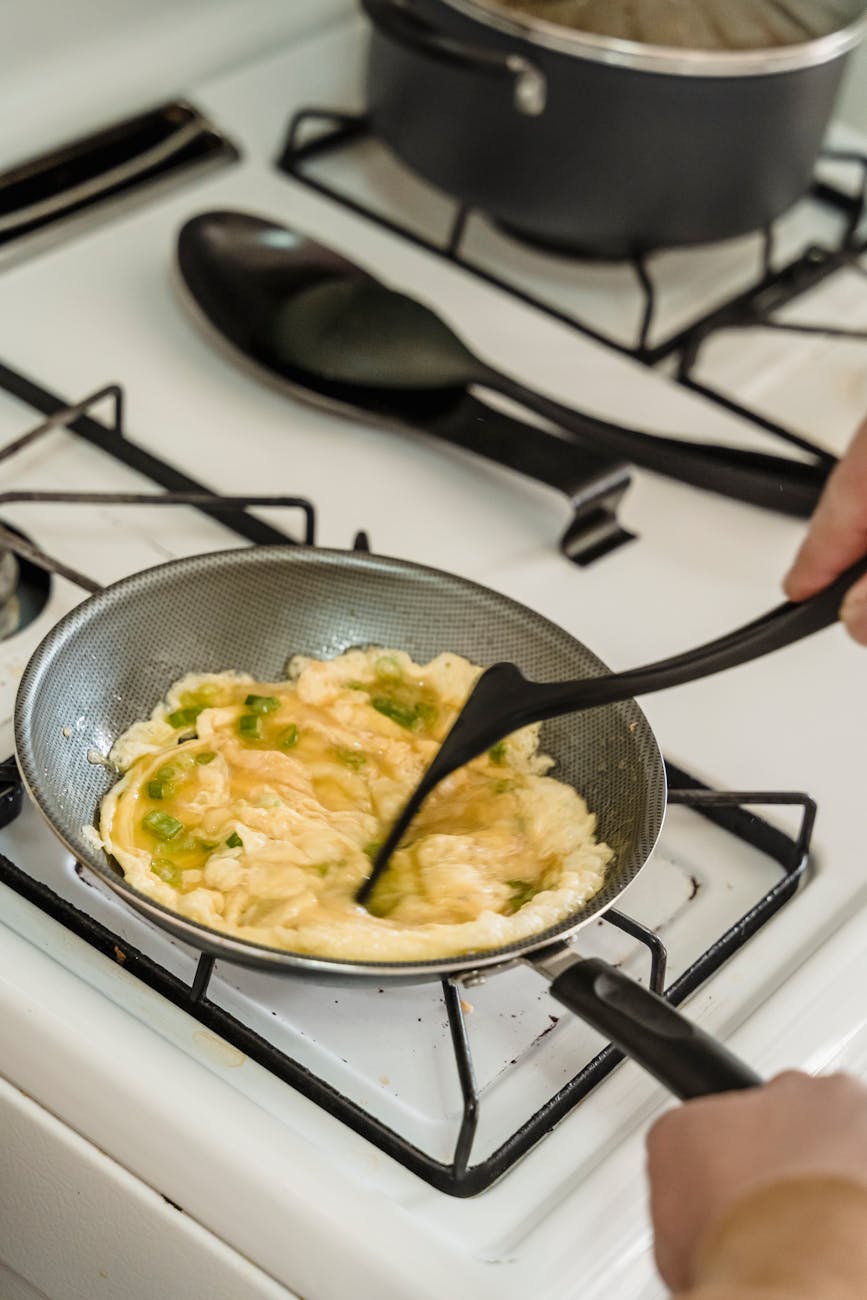
Scrambled eggs last 3 to 4 days in the fridge when stored in an airtight container at 40°F (4°C) or below. To stay inside that window, refrigerate them within two hours of cooking, and never leave them at room temperature longer than two hours. When you reheat leftovers, bring them to an internal temperature of 165°F (74°C) before eating.
How Long Do Scrambled Eggs Last in the Fridge?
General Timeline for Scrambled Eggs in the Fridge
Scrambled eggs, when stored correctly in the fridge, can typically last between 3 to 4 days. This timeline is a general guideline, and the actual shelf life may vary based on several factors discussed below. It's important to store the scrambled eggs in the fridge within two hours of cooking to preserve their quality and safety.
| Storage Condition | Shelf Life |
|---|---|
| Room Temperature (below 90°F) | 2 hours max |
| Refrigerated at 40°F or below | 3-4 days |
Factors Affecting the Shelf Life of Scrambled Eggs
Several factors can influence how long scrambled eggs will stay fresh in the fridge:
- Temperature: The refrigerator should be set to 40°F or below, as higher temperatures can accelerate spoilage.
- Initial Freshness: Fresher eggs will have a longer shelf life even after being cooked and refrigerated.
- Exposure to Air: Air can cause scrambled eggs to dry out and spoil faster. Using airtight containers can help mitigate this issue.
- Cross-Contamination: Ensure that scrambled eggs are stored away from raw foods to prevent bacterial transfer.
- Additives: Ingredients added to scrambled eggs, such as vegetables or dairy products, could potentially shorten their shelf life due to higher moisture content.
For more information on maintaining the ideal temperature for your perishables, you might find Fridge.com's articles on what temp should a fridge be? and what should a refrigerator temperature be? helpful.
How Long Can Scrambled Eggs Sit Out?
Scrambled eggs should not sit out at room temperature (below 90°F) for more than two hours. Bacteria multiply rapidly at temperatures between 40°F (4°C) and 140°F (60°C), so cooked eggs left unrefrigerated beyond the two-hour mark should be discarded rather than saved. The same two-hour limit applies whether the eggs are freshly cooked, sitting on the breakfast table, or packed for later: get them into the fridge promptly, and if you can't remember how long they've been out, err on the side of caution and throw them away.
Storing Scrambled Eggs Correctly
Refrigerating cooked food such as scrambled eggs involves more than just placing it in the fridge. There are specific guidelines to follow to ensure that your food remains safe to eat:
- Temperature: The refrigerator temperature should be set below 40°F (4°C), as this is the safe zone that slows bacterial growth.
- Prompt Storage: Cooked foods should be placed in the fridge within two hours of cooking to minimize the risk of bacterial contamination.
- Airtight Containers: Use airtight containers or recommended containers to store scrambled eggs to prevent cross-contamination and odors from affecting other foods.
- Depth of Food: Store cooked foods in shallow containers to allow for quick and even cooling.
- Labeling: Label your containers with the date of storage to keep track of the shelf life.
Being informed about topics such as what causes freezer burn? and how long various foods last in the fridge or freezer can further enhance your food safety knowledge, whether you own a standard refrigerator, counter depth refrigerator, or are looking at fridge for sale options.
Best Practices for Storing Scrambled Eggs
After cooking your scrambled eggs to the desired doneness, it's important to store them promptly to prevent bacterial growth. Here are some steps to follow:
- Allow the scrambled eggs to cool to room temperature for no more than two hours.
- Once cooled, promptly transfer the scrambled eggs to a shallow container to allow for even cooling.
- Seal the container tightly with a lid to prevent moisture loss and odors from seeping in.
- Label the container with the date to keep track of how long the eggs have been stored in the fridge.
- Place the container in the coldest part of your refrigerator, typically at the back, away from the door, where temperature fluctuations are minimal.
By adhering to these storage practices, you can help extend the shelf life of your scrambled eggs, making it easier to enjoy them as a quick meal option in the days to follow.
Recommended Containers for Storing Scrambled Eggs
Choosing the right container is essential for preserving the freshness of your scrambled eggs. Here are some recommended types of containers for effective storage:
- Airtight Plastic Containers: These are a popular choice for their durability and tight-sealing capabilities.
- Glass Containers with Lids: Glass is non-porous and won't absorb flavors or odors, making it an excellent option for storing eggs.
- Silicone Food Storage Bags: These reusable bags are great for saving space and are often sealable to keep air out.
| Container Type | Pros | Cons |
|---|---|---|
| Airtight Plastic | Durable, lightweight | May stain or retain odors over time |
| Glass with Lid | Non-porous, doesn't absorb odors | Heavier, may break if dropped |
| Silicone Bags | Space-saving, reusable | May be less rigid, requiring careful handling |
Proper storage in these types of containers can aid in keeping your scrambled eggs fresh for the recommended time frame. For more insights on food preservation and appliance efficiency, explore articles such as do fridges use a lot of electricity?. Additionally, if you're interested in specialized storage solutions, consider looking into a skin care fridge for compact needs or under counter freezers for additional freezing options.
Signs of Spoilage
How to Tell If Scrambled Eggs Have Gone Bad
Scrambled eggs, a nutritious and versatile dish, should be consumed while fresh. However, if you have leftovers, it's crucial to know when they are no longer safe to eat. Here are signs that your scrambled eggs have spoiled:
- Odor: Fresh scrambled eggs have a mild smell. If they emit a sour or unpleasant odor, they're likely spoiled.
- Color: Look for any discoloration. If the eggs have turned grey or green, they've gone bad.
- Texture: Scrambled eggs should be soft and slightly moist. If they're slimy or have a gooey texture, discard them.
- Mold: Any visible mold growth indicates spoilage. Mold can appear as fuzzy, green, or black spots.
When in doubt, it's best to err on the side of caution and throw out eggs that exhibit any of these signs. Consuming spoiled eggs can lead to foodborne illnesses.
Safety Precautions to Avoid Foodborne Illness
To minimize the risk of foodborne illness from scrambled eggs, follow these safety precautions:
- Refrigerate Promptly: Store scrambled eggs in the refrigerator within two hours of cooking to prevent bacterial growth.
- Temperature: Keep your refrigerator at 40°F (4°C) or below. This temperature inhibits bacterial growth.
- Containers: Use airtight containers to prevent cross-contamination and odor absorption.
- Keep It Clean: Wash your hands and any utensils thoroughly before handling cooked eggs to avoid introducing bacteria during storage or serving.
- Reheat Safely: When reheating scrambled eggs, ensure they reach an internal temperature of 165°F (74°C).
- Consume Within Safe Time Frame: Typically, scrambled eggs last in the fridge for 3-4 days.
- Avoid Cross-Contamination: Use separate utensils and cutting boards for cooked and raw foods.
By adhering to these safety guidelines, you can enjoy your scrambled eggs with peace of mind, knowing you're taking the necessary steps to protect yourself and your loved ones from potential food-related illnesses.
Extending Shelf Life
Tips for Prolonging the Freshness of Scrambled Eggs
To maximize the longevity of scrambled eggs in your refrigerator, it's critical to follow certain storage principles. Here are some tips that can help prolong the freshness of your scrambled eggs:
- Cool Down Rapidly: Ensure that scrambled eggs are cooled to room temperature within two hours of cooking to prevent bacterial growth.
- Airtight Containers: Store scrambled eggs in an airtight container. This not only keeps out bacteria but also prevents the eggs from absorbing odors from other foods in the fridge.
- Keep It Cold: Your refrigerator should be at the right temperature, ideally below 40°F (4°C).
- Store Promptly: Place the scrambled eggs in the fridge as soon as they are cool. The less time they spend at room temperature, the better.
- Separate Portions: If you have a large batch, consider dividing it into smaller portions in separate containers. This avoids warming up all the eggs each time you need a serving.
- Avoid Cross-Contamination: Keep the scrambled eggs away from raw foods and any items that are prone to leaking to maintain cleanliness and reduce risk of contamination.
Following these tips will help maintain the quality of your scrambled eggs, ensuring they remain a delicious and safe option for quick meals.
Creative Ways to Use Leftover Scrambled Eggs
If you find yourself with leftover scrambled eggs nearing their shelf life, consider these creative uses to reduce food waste:
- Breakfast Burritos: Wrap your scrambled eggs in a flour tortilla with cheese, salsa, and your choice of breakfast meats. These can be made in advance and frozen for later use.
- Fried Rice: Incorporate scrambled eggs into fried rice for an easy and satisfying meal. Add vegetables and soy sauce for flavor.
- Egg Salad: Mix scrambled eggs with mayonnaise, mustard, and your favorite seasonings to create a tasty egg salad. Serve on toast or in a sandwich.
- Frittatas: Combine scrambled eggs with vegetables, cheese, and herbs, then bake to create a frittata. This is a great way to use up any additional leftovers.
- Vegetable Omelets: Fold the eggs into an omelet alongside your chosen vegetables and a sprinkle of cheese.
- Pasta Dishes: Toss them into pasta with vegetables and a light sauce for an unexpectedly good meal.
- Stuffed Peppers: Stuff bell peppers with a mixture of scrambled eggs, cooked quinoa or rice, and cheese, then bake until the peppers are tender.
By being resourceful with your leftover scrambled eggs, you not only extend their life but also enjoy a variety of meals without additional cooking. For more kitchen and storage tips, check out Fridge.com's extensive guides on how to organize your fridge and the best practices for using under counter freezers.
Reheating Scrambled Eggs
Proper Methods for Reheating Scrambled Eggs
When you have leftover scrambled eggs, reheating them correctly is essential to retain their texture and flavor. Here are some recommended methods:
- Microwave: Place scrambled eggs in a microwave-safe dish. Cover with a lid, microwave-safe plastic wrap, or a damp paper towel to trap steam and keep the eggs moist. Heat on medium power in 20-30 second bursts, stirring between each burst, until thoroughly warm — this keeps them from turning rubbery.
- Stovetop: In a non-stick skillet, warm a small amount of butter or oil over low heat. Add the scrambled eggs, and gently stir until they are evenly heated.
- Oven: Preheat the oven to 350°F (175°C). Spread the scrambled eggs in a baking dish, cover with foil, and bake for 10-15 minutes until hot.
Safety Tips for Reheating Leftover Eggs
Safety should always be a priority when reheating any leftovers, including scrambled eggs. Here are some tips to ensure your eggs remain safe to eat:
- Temperature: Always reheat scrambled eggs until they reach an internal temperature of 165°F (74°C). This temperature is sufficient to kill any potential bacteria.
- Storage Time: Consume leftover scrambled eggs within 3-4 days of cooking. Beyond this period, the risk of bacterial growth increases.
- Reheat Only Once: It's best to only reheat scrambled eggs once to maintain quality and safety. Repeated heating can lead to increased risk of foodborne illness.
- Avoid Room Temperature: Do not leave scrambled eggs at room temperature for more than 2 hours. Bacteria can multiply rapidly at temperatures between 40°F (4°C) and 140°F (60°C).
For those curious about the longevity of other foods in your fridge or freezer, explore topics such as how long does cooked pork last in the fridge? or how long do sausages last in the freezer?.
Freezing Scrambled Eggs
When you've prepared more scrambled eggs than you can eat within 3-4 days, freezing them can be a practical solution to extend their shelf life. Here are guidelines for freezing scrambled eggs and tips for thawing and reheating them to ensure they remain as delicious as when they were first cooked.
Guidelines for Freezing Scrambled Eggs
Freezing scrambled eggs is a straightforward process. First, let the scrambled eggs cool completely to room temperature. This prevents condensation from forming, which could lead to freezer burn. Once cooled, portion the scrambled eggs into serving sizes. This makes it easier to thaw only what you need without defrosting the entire batch.
| Step | Action |
|---|---|
| 1 | Cool scrambled eggs to room temperature. |
| 2 | Portion the eggs into desired serving sizes. |
| 3 | Transfer portions into freezer-safe bags or containers. |
| 4 | Label the bags or containers with the date of freezing. |
| 5 | Squeeze out excess air and seal tightly before placing in the freezer. |
For more information on preventing freezer burn, you can read about what causes freezer burn?
Thawing and Reheating Frozen Scrambled Eggs
When you're ready to enjoy your frozen scrambled eggs, proper thawing and reheating are crucial to maintaining their quality. To thaw, transfer the frozen scrambled eggs to the refrigerator and let them sit overnight. This slow process helps preserve the texture and flavor of the eggs.
For reheating, you have a couple of options:
- Microwave: Place the thawed scrambled eggs in a microwave-safe dish, cover, and heat on medium power, stirring occasionally, until heated through.
- Stovetop: Warm the eggs gently in a non-stick pan over low heat, stirring frequently to avoid overcooking.
| Reheating Method | Instructions |
|---|---|
| Microwave | Heat on medium power, stirring occasionally. |
| Stovetop | Use low heat and stir frequently. |
Remember, it's important to reheat the eggs only once after thawing.
By following these guidelines, you can enjoy your scrambled eggs at a later date without compromising on taste or safety. For more insights into the world of freezers and fridges, have a look at our wide range of topics from small freezers to counter depth refrigerators.
Frequently Asked Questions About Scrambled Eggs in the Fridge
How long are scrambled eggs good for in the fridge?
Scrambled eggs are good for 3 to 4 days in the refrigerator when stored in an airtight container at 40°F (4°C) or below. Refrigerate them within two hours of cooking and label the container with the date so you know exactly when the window closes.
Can you eat day-old scrambled eggs?
Yes. Day-old scrambled eggs are safe to eat as long as they were refrigerated within two hours of cooking and have been kept at 40°F (4°C) or below. Reheat them to an internal temperature of 165°F (74°C) before eating, and check for any sour odor, off color, or slimy texture first.
How long do scrambled eggs last unrefrigerated?
Scrambled eggs last a maximum of two hours unrefrigerated at room temperature (below 90°F). Bacteria multiply rapidly between 40°F (4°C) and 140°F (60°C), so eggs that have sat out longer than two hours should be discarded, not refrigerated.
Can you keep scrambled eggs in the fridge?
Yes, you can keep scrambled eggs in the fridge. Cool them for no more than two hours, transfer them to a shallow airtight container, and place the container in the coldest part of the refrigerator — typically at the back, away from the door. Stored this way, they keep for 3 to 4 days.
How do you tell if refrigerated scrambled eggs have gone bad?
Discard scrambled eggs that have a sour or unpleasant odor, have turned grey or green, feel slimy or gooey, or show any mold. When in doubt, throw them out — the same rule of thumb applies to other leftovers like cooked rice or pizza.
Can you freeze scrambled eggs to make them last longer?
Yes. Cool the eggs completely, portion them into serving sizes, seal them in freezer-safe bags or containers with the air squeezed out, and label them with the freezing date. Thaw overnight in the refrigerator and reheat only once, on medium microwave power or gently on the stovetop.
How many times can you reheat scrambled eggs?
Reheat scrambled eggs only once. Repeated reheating increases the risk of foodborne illness, so portion large batches into separate containers and warm up only what you plan to eat.
Get Your Upgrade or New Addition at Fridge.com
Whether you're searching for your perfect fridge, freezer, wine fridge, beer fridge, ice maker, or kegerator, Fridge.com has what you need.
Shop the world's best brands at Fridge.com.
It also has tons of awesome articles about kitchen stuff and home news. Enhance your home, garage, backyard, patio, and office with the coolest essentials. With every necessary type of residential refrigerator or freezer in the collection, you're covered.
Elevate your game and shop now at Fridge.com!