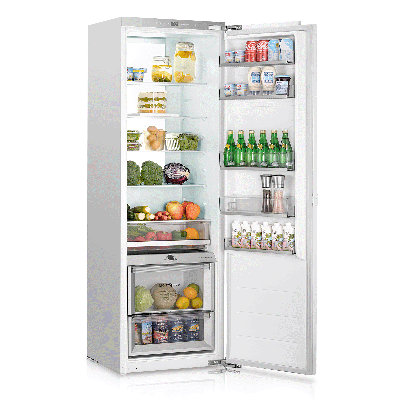
Storing Pulled Pork in the Fridge
Proper storage of pulled pork in the fridge is essential to maintain its freshness and prevent spoilage. By following the correct guidelines, you can enjoy your pulled pork for an extended period.
Proper Storage Guidelines
To store pulled pork correctly in the fridge, follow these steps:
- Cool the Pulled Pork: Allow the pulled pork to cool down to room temperature before refrigerating. This helps prevent the growth of bacteria.
- Use Airtight Containers: Place the pulled pork in airtight containers to keep it fresh and prevent moisture loss.
- Label and Date: Label the container with the date when the pulled pork was stored. This makes it easier to track its shelf life.
- Store Promptly: Place the container in the fridge immediately after it has cooled down.
| Storage Step | Description |
|---|---|
| Cool Down | Bring to room temperature before refrigerating |
| Airtight Containers | Use containers to keep it fresh |
| Label and Date | Label with storage date |
| Store Promptly | Refrigerate immediately after cooling |
Importance of Refrigeration Temperature
Maintaining the correct refrigeration temperature is crucial to ensure the safety and longevity of your pulled pork. The ideal temperature for storing pulled pork in the fridge is below 40°F (4°C). At this temperature, bacterial growth is significantly slowed down, reducing the risk of foodborne illnesses.
To ensure your fridge is at the right temperature, use a refrigerator thermometer. Regularly check and adjust the temperature settings if necessary.
For more tips on managing your fridge's temperature, check out our article on how to defrost your fridge.
| Temperature Range | Effect on Pulled Pork |
|---|---|
| Below 40°F (4°C) | Safe storage, slows bacteria growth |
| Above 40°F (4°C) | Increased risk of spoilage and bacteria growth |
Proper storage practices and maintaining the right temperature are key to keeping your pulled pork fresh and safe to eat. For more information on fridge maintenance and storage, explore our articles on best fridge for national raspberry cream pie day and how long can ramen stay in the fridge?.
Shelf Life of Pulled Pork
Knowing how long pulled pork can last in the fridge is essential for maintaining its quality and ensuring it remains safe to eat.
General Timeline for Fresh Pulled Pork
Pulled pork, when stored properly in the refrigerator, generally has a limited shelf life. It's important to adhere to these guidelines to avoid consuming spoiled food.
| Storage Condition | Duration |
|---|---|
| Fresh Pulled Pork (Refrigerated) | 3-4 Days |
| Frozen Pulled Pork | 2-3 Months |
For optimal freshness, always store pulled pork in an airtight container or tightly wrapped in aluminum foil or plastic wrap.
Factors Affecting Shelf Life
Several factors can influence how long pulled pork retains its quality in the fridge. Understanding these factors can help you maximize its shelf life.
-
Refrigeration Temperature: Ensure that your fridge is set at or below 40°F (4°C). This temperature slows down bacterial growth and helps keep your pulled pork fresh. For more on maintaining your fridge, check out our guide on how to defrost your fridge.
-
Storage Method: Using airtight containers or vacuum-sealed bags can help extend the shelf life by minimizing exposure to air and moisture.
-
Initial Quality: The freshness of the pork before cooking plays a significant role. Starting with high-quality meat will ensure a longer shelf life.
-
Cross-Contamination: Avoid storing pulled pork next to raw meats or other potential contaminants. This reduces the risk of bacterial transfer.
-
Refrigerator Efficiency: A well-maintained fridge is crucial. If you're unsure about your appliance's efficiency, consider reading about the best fridge for national dive bar day for tips on choosing reliable models.
By keeping these factors in mind, you can ensure your pulled pork remains safe and delicious for as long as possible. For more tips on food storage, explore our article on how long can puff pastry stay in the fridge?.
Signs of Spoilage
Knowing how to identify the signs of spoilage in pulled pork is essential for ensuring food safety. Here are some guidelines to help you determine if your pulled pork has gone bad.
How to Tell If Pulled Pork Has Gone Bad
-
Smell: Fresh pulled pork should have a pleasant, smoky aroma. If it emits a sour, rancid, or off-putting smell, it is likely spoiled.
-
Appearance: Examine the color and texture. Spoiled pulled pork may show signs of discoloration, such as a grayish or greenish hue. Additionally, if the meat appears slimy or sticky, it is no longer safe to eat.
-
Taste: While it is not recommended to taste food that you suspect is spoiled, a bitter or off taste is an indication that the pulled pork has gone bad.
-
Mold: Visible mold growth is a clear sign of spoilage. Mold can appear as fuzzy spots in various colors, including white, green, or black.
| Spoilage Indicator | Description |
|---|---|
| Smell | Sour, rancid, or off-putting |
| Appearance | Discoloration, slimy, sticky |
| Taste | Bitter or off taste |
| Mold | Fuzzy spots (white, green, black) |
Safety Precautions
To prevent consuming spoiled food, follow these safety precautions:
-
Refrigeration: Store pulled pork in an airtight container in the refrigerator. Ensure the refrigerator temperature is set at or below 40°F (4°C). For more information on fridge maintenance, see our article on how to defrost your fridge.
-
Labeling: Label the container with the date when the pulled pork was stored. This helps keep track of its shelf life and ensures it is consumed within a safe time frame.
-
Regular Checks: Periodically check the stored pulled pork for any signs of spoilage. This practice helps in identifying spoiled food early and prevents accidental consumption.
-
Hygiene: Practice good hygiene by washing hands and using clean utensils when handling pulled pork. This minimizes the risk of cross-contamination and foodborne illnesses.
-
Shelf Life Awareness: Be aware of the general timeline for the shelf life of pulled pork. Typically, pulled pork can last 3-4 days in the fridge. For a detailed guide, refer to our section on how long can pulled pork last in the fridge?.
By following these guidelines and safety precautions, you can ensure that your pulled pork remains fresh and safe to eat. For more tips on food storage and safety, explore our related articles on how long can ramen stay in the fridge? and how long can curtido last in the fridge?.
Extending the Shelf Life
Tips for Prolonging the Freshness
To ensure your pulled pork stays fresh in the fridge, follow these guidelines:
- Cool Rapidly: After cooking, allow the pulled pork to cool at room temperature for no more than two hours before refrigerating.
- Store Properly: Use airtight containers or heavy-duty aluminum foil to wrap the pulled pork securely. This prevents exposure to air, which can lead to spoilage.
- Label and Date: Always label your containers with the date you stored the pork to keep track of its freshness.
- Refrigerate Promptly: Place the wrapped or containerized pulled pork in the fridge immediately to inhibit bacterial growth.
| Storage Method | Duration in Fridge |
|---|---|
| Airtight Container | 3-4 Days |
| Heavy-duty Aluminum Foil | 3-4 Days |
For more tips on food storage, check out our article on how to defrost your fridge.
How to Properly Reheat Pulled Pork
Reheating pulled pork correctly ensures it remains moist and flavorful. Follow these steps for the best results:
- Preheat Oven: Set your oven to 250°F (120°C).
- Add Moisture: Place the pulled pork in an oven-safe dish and add a splash of broth, water, or barbecue sauce to keep it moist.
- Cover: Cover the dish with aluminum foil to trap steam, which helps in retaining moisture.
- Reheat: Heat the pulled pork for about 30 minutes or until it reaches an internal temperature of 165°F (74°C).
For microwave reheating:
- Microwave-Safe Container: Place the pulled pork in a microwave-safe dish.
- Add Moisture and Cover: Add a small amount of liquid and cover with a microwave-safe lid or plastic wrap with a small vent.
- Heat in Intervals: Microwave on medium power in 1-minute intervals, stirring in between, until it reaches an internal temperature of 165°F (74°C).
Refer to our guide on how long can ramen stay in the fridge? for more information on reheating stored foods safely. For additional tips on food storage and refrigeration, check out our article on best fridge for national mango day.
Freezing Pulled Pork
Freezing pulled pork is a great way to extend its shelf life and enjoy its delicious flavor at a later time. Proper freezing techniques ensure that the pulled pork retains its taste and texture.
Freezing Guidelines
To freeze pulled pork effectively, follow these guidelines:
- Cool the Meat: Allow the pulled pork to cool to room temperature before freezing. This prevents condensation, which can lead to freezer burn.
- Portion Control: Divide the pulled pork into portion-sized amounts. This makes it easier to defrost only what you need.
- Use Quality Containers: Store the meat in airtight containers or heavy-duty freezer bags to prevent air exposure.
- Label and Date: Always label the containers with the date of freezing to keep track of its shelf life.
| Step | Action |
|---|---|
| 1 | Cool the pulled pork |
| 2 | Divide into portions |
| 3 | Store in airtight containers |
| 4 | Label with date |
Thawing and Reheating Instructions
Proper thawing and reheating ensure that the pulled pork remains safe to eat and retains its quality.
- Thawing in the Fridge: Transfer the frozen pulled pork to the refrigerator and let it thaw overnight. This method keeps the meat at a safe temperature.
- Quick Thawing: If you need to thaw the meat quickly, place the sealed bag in a bowl of cold water. Change the water every 30 minutes until thawed.
- Reheating: Once thawed, reheat the pulled pork in a skillet or oven until it reaches an internal temperature of 165°F (74°C). Always use a meat thermometer to ensure it is heated thoroughly.
| Thawing Method | Time Required |
|---|---|
| Refrigerator | 8-12 hours |
| Cold Water | 1-2 hours |
To learn more about maintaining your freezer for optimal performance, check our article on how to defrost your fridge. For more on safely storing different foods, visit how long can ramen stay in the fridge?.
By following these freezing, thawing, and reheating guidelines, you can enjoy your pulled pork at its best quality, even after extended storage.
Creative Ways to Use Leftover Pulled Pork
Leftover pulled pork can be a versatile ingredient in your kitchen. Instead of letting it go to waste, you can repurpose it into a variety of delicious dishes that will have your taste buds singing. Here are some creative and tasty ways to use up that extra pulled pork.
Delicious Recipes for Repurposing Pulled Pork
-
Pulled Pork Tacos: Warm up soft tortillas and fill them with your leftover pulled pork. Top with shredded lettuce, diced tomatoes, cheese, and a dollop of sour cream. Add some salsa or guacamole for an extra kick.
-
Pulled Pork Sandwiches: Toast some buns and pile them high with pulled pork. Add coleslaw on top for a crunchy texture. Serve with a side of pickles or French fries.
-
Pulled Pork Nachos: Spread tortilla chips on a baking sheet and sprinkle pulled pork evenly over the top. Add shredded cheese, jalapeños, and black beans. Bake until the cheese melts, then top with sour cream and salsa.
-
Pulled Pork Pizza: Use your favorite pizza dough and spread barbecue sauce as the base. Top with pulled pork, sliced red onions, and mozzarella cheese. Bake until the crust is golden and the cheese is bubbly.
-
Pulled Pork Quesadillas: Place pulled pork and shredded cheese between two tortillas. Cook in a skillet until the cheese melts and the tortillas are crispy. Cut into wedges and serve with salsa and sour cream.
Maximizing Flavor and Enjoyment
To get the most out of your leftover pulled pork, consider the following tips to enhance its flavor and make your meals even more enjoyable:
-
Reheat Properly: When reheating pulled pork, add a splash of broth or barbecue sauce to keep it moist. Use a microwave, oven, or stovetop, depending on your preference. For detailed instructions, check out our guide on how to properly reheat pulled pork.
-
Use Fresh Ingredients: Complement your pulled pork with fresh and high-quality ingredients. Crisp vegetables, fresh herbs, and tangy sauces can elevate the taste and texture of your dishes.
-
Experiment with Seasonings: Don't be afraid to add different spices and seasonings to your leftover pulled pork. Cumin, paprika, garlic powder, and chili powder can bring out new and exciting flavors.
-
Pair with Sides: Serve your pulled pork dishes with complementary sides like coleslaw, potato salad, or a fresh green salad. These sides can balance out the richness of the pulled pork and provide a well-rounded meal.
| Recipe | Main Ingredients | Suggested Sides |
|---|---|---|
| Pulled Pork Tacos | Tortillas, pulled pork, lettuce, tomatoes, cheese | Salsa, guacamole |
| Pulled Pork Sandwiches | Buns, pulled pork, coleslaw | Pickles, French fries |
| Pulled Pork Nachos | Tortilla chips, pulled pork, cheese, jalapeños | Salsa, sour cream |
| Pulled Pork Pizza | Pizza dough, barbecue sauce, pulled pork, onions | Green salad |
| Pulled Pork Quesadillas | Tortillas, pulled pork, cheese | Salsa, sour cream |
Repurposing your leftover pulled pork can be both fun and delicious. By trying out these recipes and tips, you'll never have to wonder how long can pulled pork last in the fridge?. Enjoy your meals and make the most of your leftovers!