When you ponder the appliances that are integral to your home, freezers might not immediately spring to mind. Yet, these units are indispensable for long-term food preservation, managing bulk purchases, and ensuring you have a stockpile of your favorite frozen treats and essentials. Let's delve into why home freezers are a valuable addition to any home environment.
The Importance of Home Freezers
Home freezers serve a critical role in preserving the shelf life of your foods. By maintaining temperatures well below freezing, these appliances keep your edibles in a state of suspended animation where bacterial growth is halted. In the event that a power outage occurs, a well-stocked freezer can also be your saving grace, keeping items cold for an extended period. For those who enjoy bulk shopping or have a large family, a home freezer is a practical solution for storing excess food that won't fit in the refrigerator freezer. Additionally, they are perfect for food enthusiasts who prepare meals in advance, ensuring that you can have a homemade dish ready at your convenience.
Benefits of Having a Home Freezer
The benefits of owning a home freezer are manifold. One significant advantage is cost savings. By purchasing food in bulk during sales, you can stockpile your freezer and save on grocery bills in the long run. Freezers also offer the flexibility of food choices, allowing you to freeze seasonal fruits and vegetables for enjoyment year-round. Furthermore, for those with a penchant for organization, a home freezer can be a dream with the right fridge organization tools.
Here are some of the key benefits at a glance:
Benefit
Description
Cost Efficiency
Save money by bulk buying and reducing food waste.
Food Quality
Preserve the nutritional value and taste of food for longer periods.
Convenience
Have a variety of foods available at any time, reducing frequent shopping trips.
Space
Provide extra storage space to complement your main fridge, especially useful for large households or special occasions.
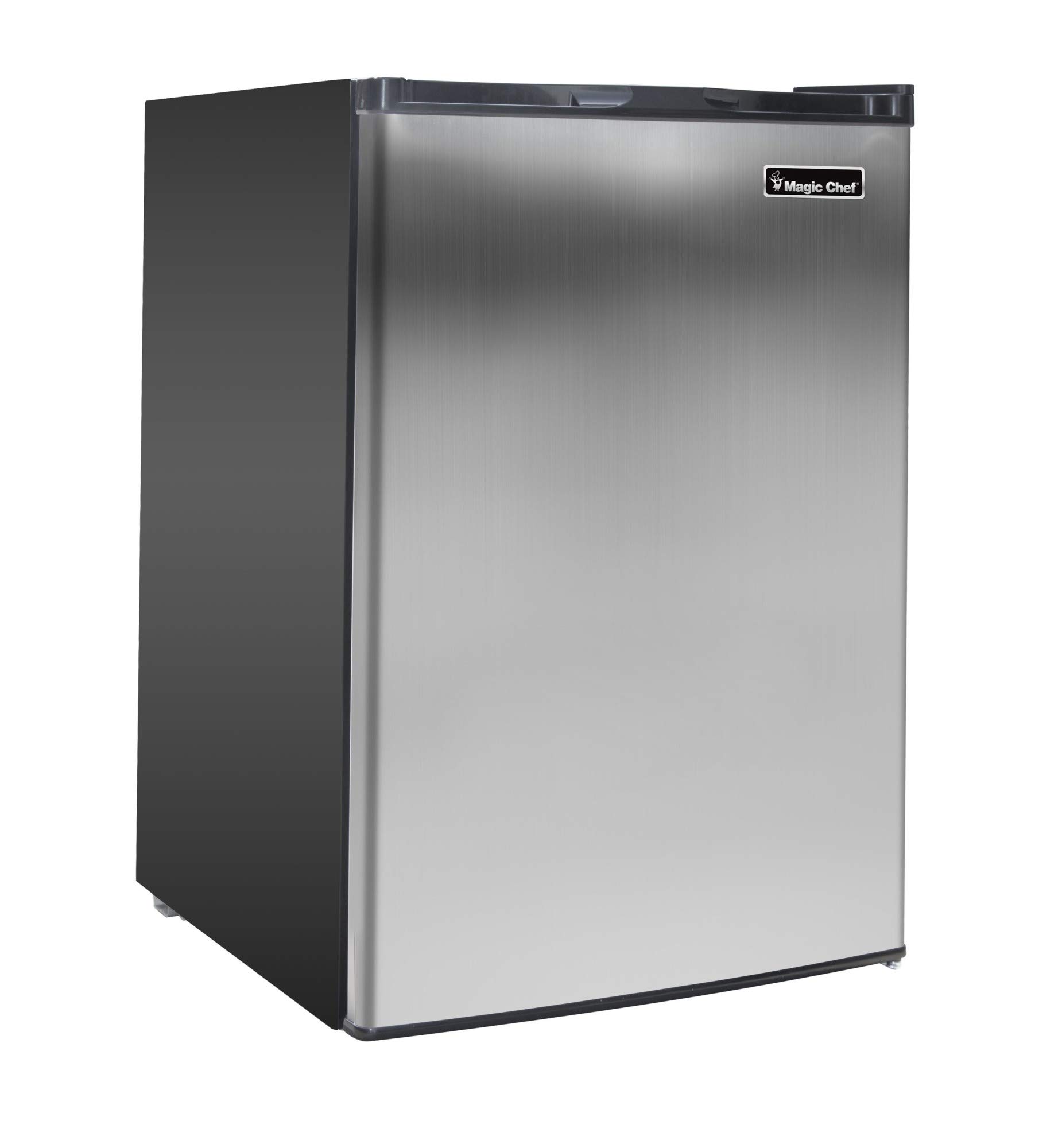
For those who live in smaller spaces, such as apartments or condos, there are space-efficient models like the small stand up freezer or mini freezers that can fit into tight areas while still offering the benefits of a larger freezer. And if you're curious about energy consumption, articles like do mini fridges use a lot of electricity? can help you make an informed decision.
Whether you opt for an upright deep freezer for your garage or a chest freezer for your basement, the convenience of having ample storage for frozen goods can not only enhance your culinary options but also contribute to a more organized and efficient household.
When you're in the market for a home freezer, you'll find that there are primarily two types to choose from: upright freezers and chest freezers. Each type has its own set of features, benefits, and considerations that can help you make the best choice for your home.
Upright Freezers
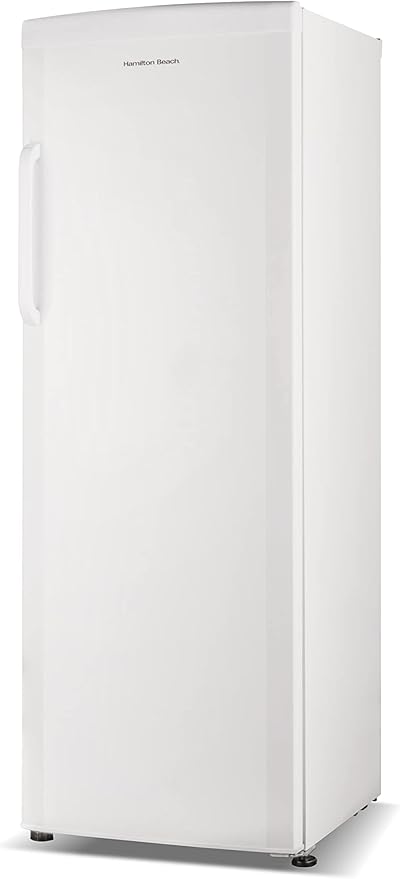
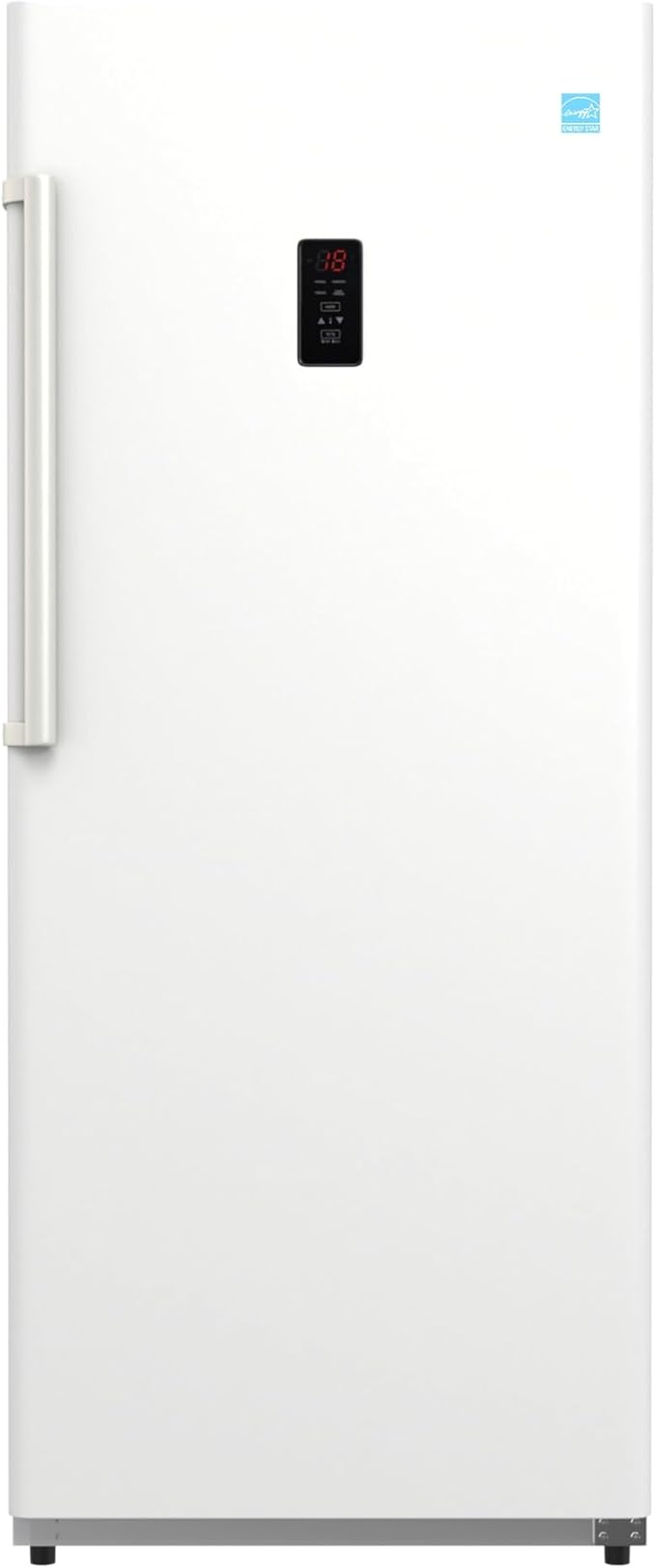
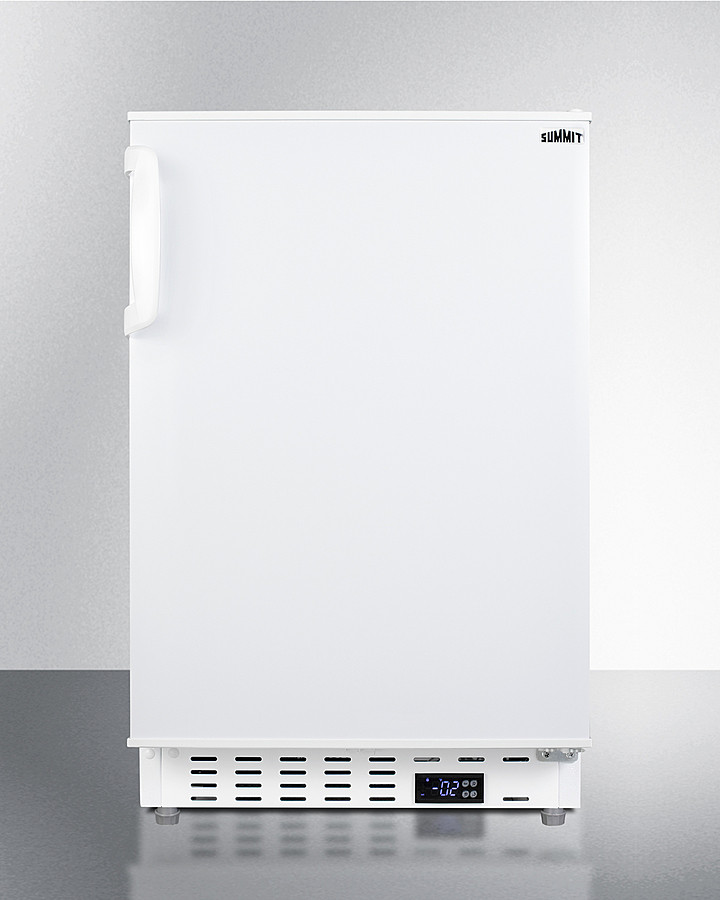
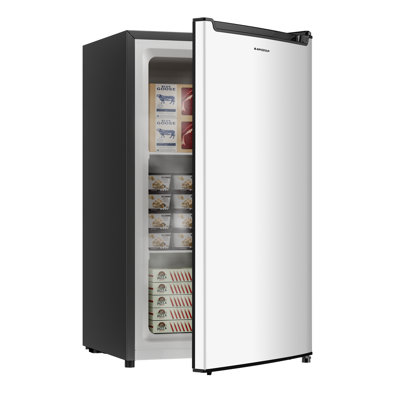
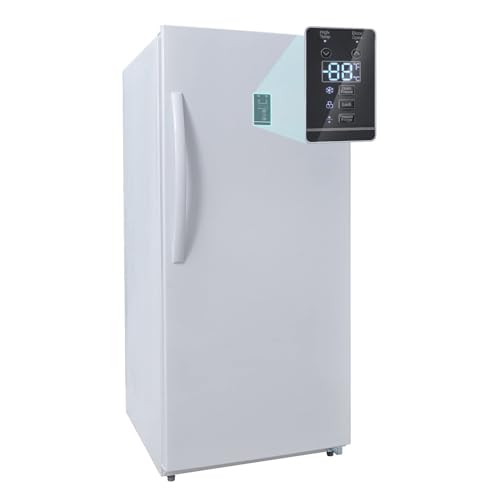
Upright freezers, also known as small stand up freezers or upright deep freezers, resemble a traditional refrigerator in shape and function but are dedicated entirely to freezing. These are an excellent choice if you're looking for convenience and easy access to your frozen goods.
Feature
Benefit
Vertical Shelving
Allows for easy organization
Auto-defrost
Reduces manual defrosting needs
Slim Design
Fits well in tight spaces
Visibility
Easy to see and reach items
If you have limited floor space but want to maximize vertical space, an upright freezer might be the right fit for you. They often come with multiple shelves and compartments, including door storage, which helps to keep your frozen foods well-organized. Some models also feature frost-free technology, saving you from the hassle of manual defrosting. Additionally, upright freezers typically consume less floor space, making them suitable for narrow fridges areas.
Chest Freezers
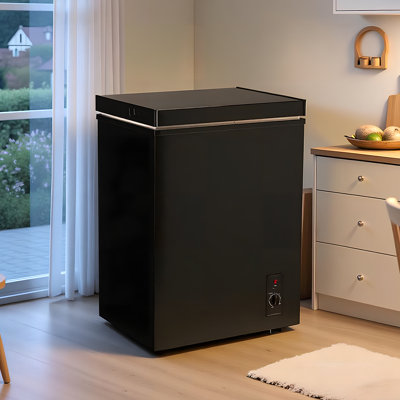
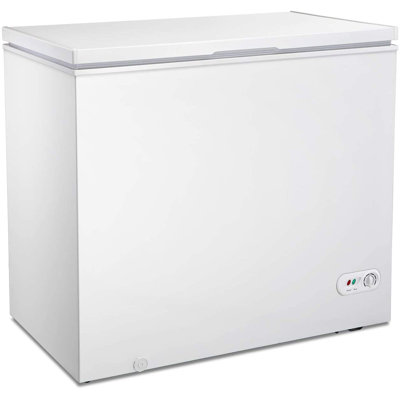
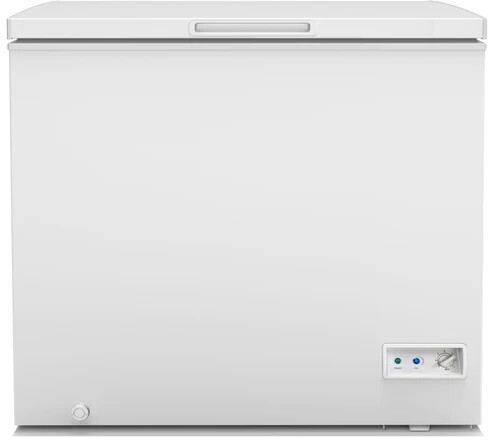
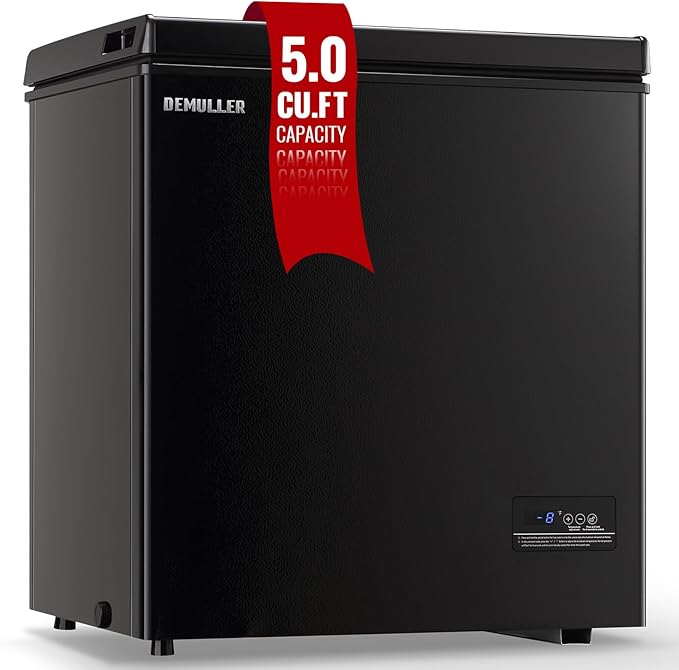
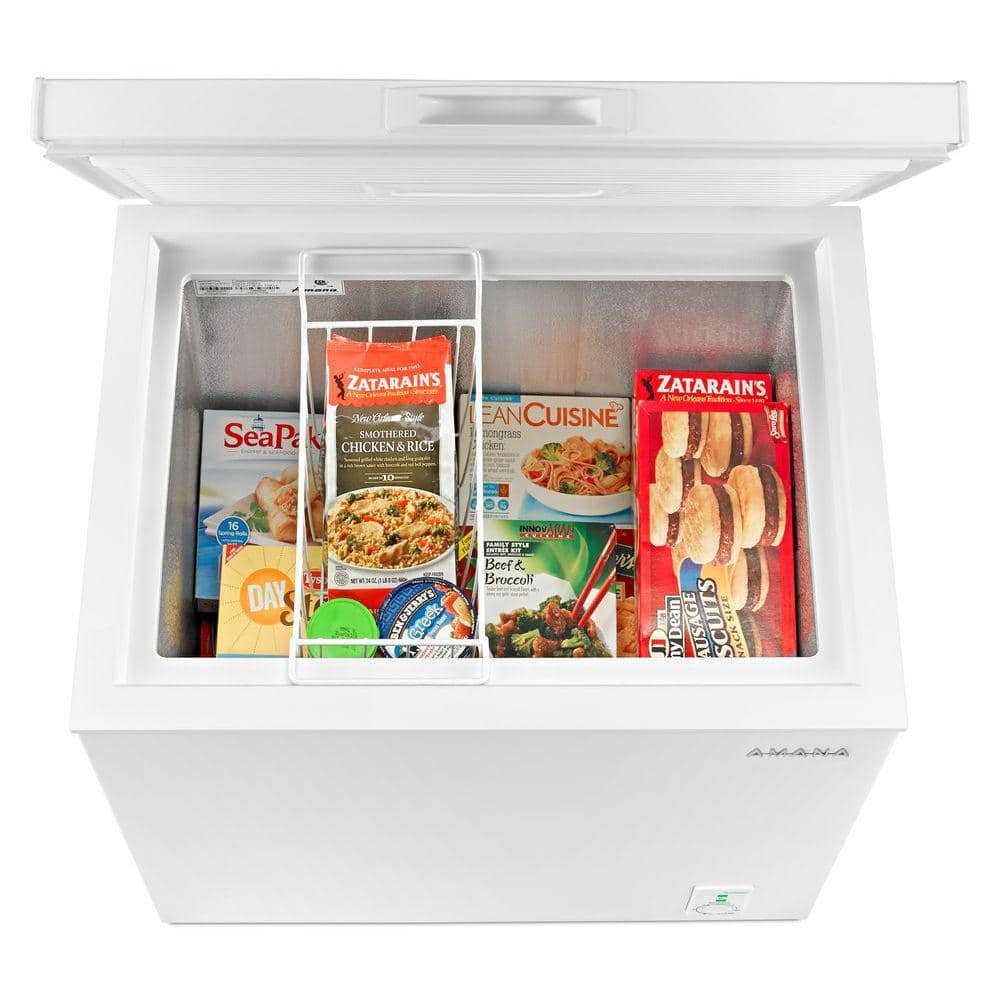
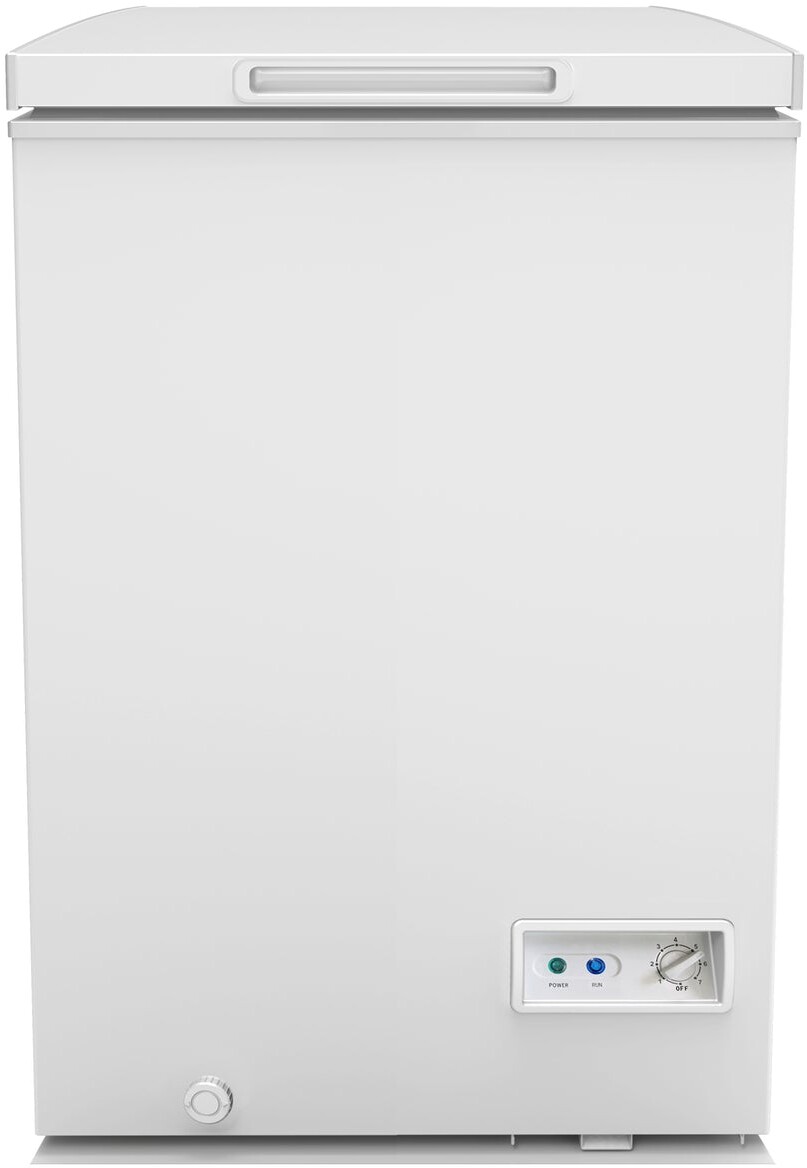
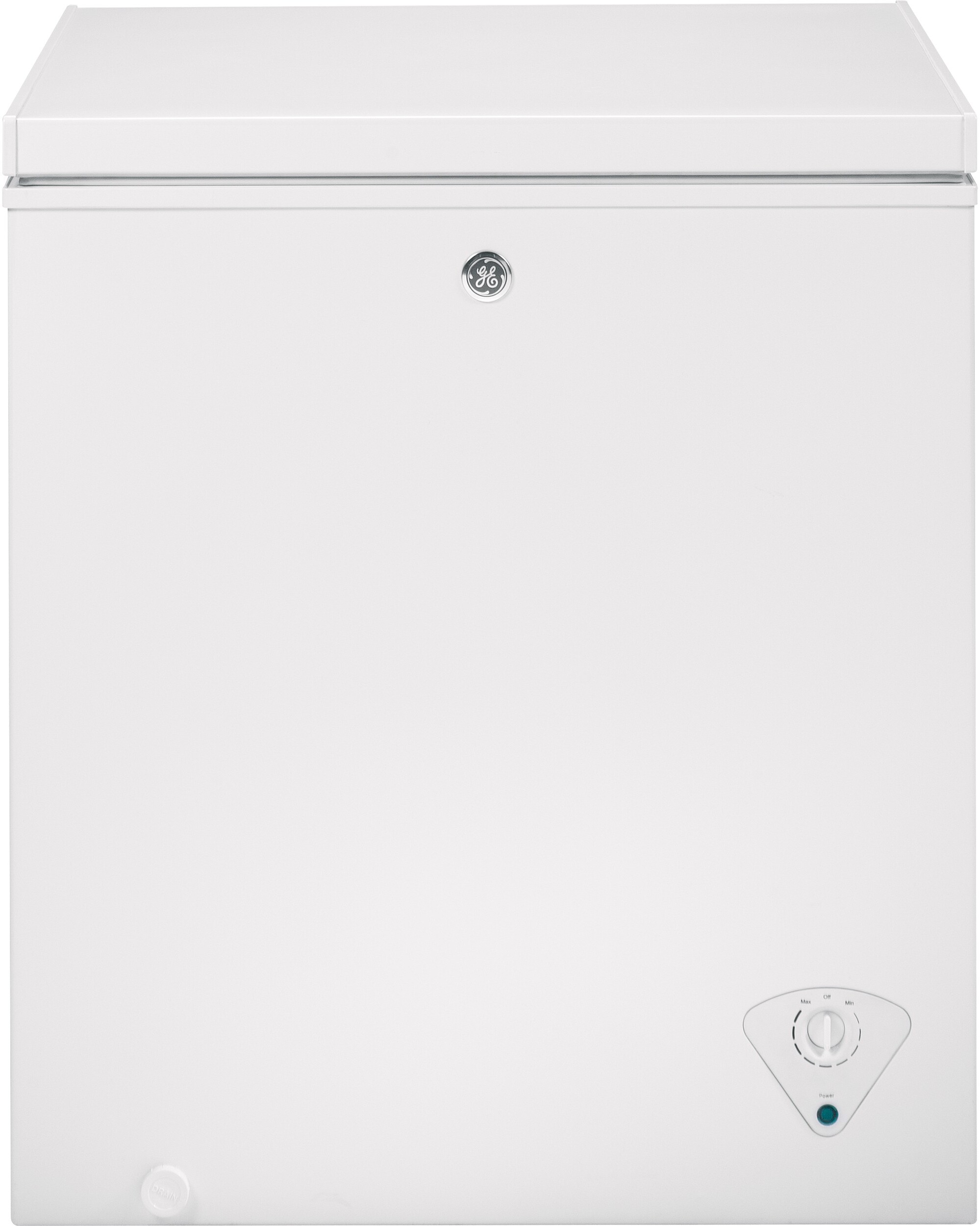
Chest freezers, sometimes referred to as meat freezers or simply chest freezers, are wide, box-like units with a top-opening lid. They're often considered the best for preserving large quantities of food for long periods thanks to their efficient temperature management.
Feature
Benefit
Large Capacity
Ideal for bulk storage
Temperature Consistency
Keeps a more consistent temperature
Manual Defrost
Allows for a colder environment
Chest freezers usually offer more usable space because they don't need to make room for shelves or drawers. This makes them ideal for storing large items, such as significant cuts of meat or bulky food packages. They can also be more energy-efficient than their upright counterparts, although they often require manual defrosting, which can be labor-intensive.
Both types of freezers come with their own set of pros and cons, and the best choice for you will depend on your specific needs, such as available space, energy efficiency considerations, and storage capacity requirements. Make sure to measure your space and consider energy consumption, as discussed in Fridge.com article do mini fridges use a lot of electricity?, to find the perfect freezer for your home. Remember to think about how you'll organize your home freezer and the type of food items you'll be storing to make the most of your new appliance.
Factors to Consider Before Buying a Home Freezer
Before investing in a home freezer, several factors need to be taken into account to ensure you make the right choice for your needs. The space you have available, the energy efficiency of the unit, and the storage capacity are all critical considerations.
Available Space
The physical space you have at your disposal will largely influence the type and size of the freezer you can accommodate. Measure the intended area for the freezer, bearing in mind you'll need some clearance for ventilation and the ability to open the door or lid fully.
Location
Space Requirements
Apartment
Compact or small stand up freezer
Garage
Larger chest freezers or upright deep freezer
Office
Mini freezers or compact freezers
Energy Efficiency
Energy efficiency is not only better for the environment but also for your electricity bills. Look for freezers with a high energy star rating to ensure efficiency. If you're concerned about the energy usage of smaller units, you can refer to Fridge.com article on do mini fridges use a lot of electricity?
Energy Star Rating
Estimated Annual Energy Use (kWh)
*
250 - 350
**
200 - 250
***
150 - 200
Storage Capacity
The amount of food you intend to store will dictate the capacity you require. Consider the types of items you'll be freezing and their volume. For example, bulk meat storage will require a meat freezer with more capacity. Use the table below as a guide to determine the capacity needed based on family size.
Family Size
Suggested Freezer Size (Cubic Feet)
Single/Couple
5 - 7
Small Family
7 - 14
Large Family
14 - 20+
Remember, a well-organized freezer can maximize storage space. Consider reading fridge organizer and fridge organisation for tips on keeping your freezer tidy.
Selecting a home freezer that fits your space, is energy-efficient, and meets your storage needs will ensure that you can preserve your food safely and conveniently. Keep these factors in mind as you explore your options for finding the best solution for your home.
Effective organization of your home freezer not only maximizes space but also saves time and prevents food waste. By following these storage tips and implementing a robust labeling and inventory system, you can ensure that your freezer serves your needs efficiently.
Efficient Storage Tips
Efficiently storing food in your freezer begins with understanding the best practices to optimize space and maintain the quality of your frozen goods. Here are some guidelines:
Group Similar Items: Keep meats, vegetables, fruits, and ready-to-eat items in separate sections. This makes it easier to find what you need without unnecessary searching.
Use Clear Containers: Opt for transparent, stackable containers to make the most of vertical space and to easily identify contents at a glance.
Freeze Flat: For items like soups and sauces, store them flat in freezer bags to stack neatly and thaw more quickly.
Keep an Open Path: Ensure there's a clear air flow path in the freezer to maintain consistent temperature throughout.
Avoid Overpacking: Overfilling can restrict airflow and cause the freezer to work harder, potentially increasing energy consumption, which can be a concern as detailed in Fridge.com article on do mini fridges use a lot of electricity?
Labeling and Inventory Management
Maintaining an inventory system is crucial for keeping track of what's in your freezer and avoiding food waste due to forgotten items. Here's how to manage it:
Date and Label: Clearly label each item with its contents and the date it was frozen. Use durable labels that withstand cold and moisture.
Inventory List: Keep an inventory list attached to the freezer door for a quick reference of its contents. Update the list as items are added or removed.
Item
Quantity
Date Frozen
Chicken Breast
2 lbs
01/15/2023
Mixed Berries
3 bags
02/10/2023
Vegetable Soup
4 servings
03/05/2023
First In, First Out: Position newer items behind older ones to ensure that the oldest items are used first.
Regular Audits: Schedule monthly checks to reassess the inventory and remove any items that are past their prime.
By keeping your home freezer organized and well-managed, you can make the most of this essential household appliance. Whether you have a small stand up freezer, a chest freezer, or an upright deep freezer, these tips will help you maintain an orderly space. For those looking to enhance their freezer organization, consider exploring additional accessories like fridge organizers.
Remember, an organized freezer is not just about neatness; it's about maximizing the potential of your appliance, ensuring the longevity of your food, and making your daily life more convenient.
Regular maintenance and care are essential for ensuring the longevity and optimal performance of your home freezer. Whether you have an upright deep freezer, a chest freezer, or a small stand up freezer, the following guidelines will help you keep it running efficiently.
Defrosting
Over time, ice can build up within your freezer, reducing its efficiency and storage capacity. Defrosting is the process of removing this ice buildup. Here are some steps for defrosting your freezer:
Remove all food items and store them in a cool place.
Unplug the freezer to allow the ice to melt.
Place towels around the base to soak up any water.
Once defrosted, wipe down the interior surfaces.
If you prefer a frost-free experience, consider frost free freezers which eliminate the need for manual defrosting.
Cleaning and Sanitizing
Regular cleaning is important to prevent odors and maintain a hygienic environment for your food items. Here's how to clean and sanitize your freezer:
Defrost the freezer if necessary.
Prepare a cleaning solution of warm water and mild detergent.
Wipe down all surfaces inside the freezer.
Rinse with a clean, damp cloth.
Sanitize with a solution of water and food-safe sanitizer or white vinegar.
Dry all surfaces thoroughly before plugging the freezer back in.
For organizational tools that can assist with the cleaning process, visit fridge organizer.
Troubleshooting Common Issues
Even with proper care, you may encounter common issues with your freezer. Here's a quick troubleshooting guide:
Regular maintenance, including defrosting, cleaning, and troubleshooting, can greatly extend the life of your home freezer. By taking these steps, you ensure that your freezer remains a reliable appliance for preserving your food items efficiently and safely.
Using Your Home Freezer Effectively
To maximize the benefits of your home freezer, you'll want to adopt strategies for freezing different types of food items and preventing freezer burn, which can affect taste and texture.
Freezing Tips for Different Food Items
Different foods require different freezing techniques to preserve their quality. Here are some tips for freezing a variety of food items effectively:
Meats: Freeze meat in its original packaging or wrap tightly in freezer paper or aluminum foil. For long-term storage, consider using a vacuum sealer. Be sure to label with the date and type of meat. Visit Fridge.com meat freezer guide for more details.
Vegetables: Blanch vegetables before freezing to preserve texture and color. Cool them quickly in ice water, drain, and then freeze in a single layer before transferring to airtight containers or freezer bags.
Fruits: Freeze fruits on a baking sheet before transferring to airtight containers to prevent clumping. Lightly coat fruits prone to discoloration, such as apples and peaches, with lemon juice.
Baked Goods: Cool baked goods completely before freezing. Wrap them tightly in plastic wrap and place in airtight containers. Fridge.com article how long is cake good for in the fridge? might also be useful.
Prepared Meals: Allow cooked meals to cool before freezing. Portion into meal-sized airtight containers for easy reheating.
Liquids (soups, stews, and broths): Freeze in portions using airtight containers or freezer bags, leaving space for expansion as they freeze.
Refer to Fridge.com comprehensive guides on freezing tips for specific food items for more in-depth advice.
Avoiding Freezer Burn
Freezer burn occurs when air reaches the food's surface and dehydrates it, leading to a loss in quality. Here are steps you can take to prevent freezer burn:
Use airtight containers or vacuum-sealed bags: This reduces the amount of air that can come into contact with the food.
Wrap foods tightly: If using foil or freezer wrap, ensure it's wrapped snugly around the food with no air pockets.
Freeze foods quickly: The faster food freezes, the smaller the ice crystals, which means less damage to the food's cells and structure.
Keep your freezer at a consistent temperature: Fluctuations can contribute to freezer burn. Regularly check your freezer's temperature with an appliance thermometer, aiming for 0°F or lower. Check out best freezer temperature for more guidance.
Fill your freezer: A full freezer holds the temperature better than an empty one. If necessary, add containers of water to take up space.
Use foods in a timely manner: The longer foods are stored in the freezer, the higher the risk of freezer burn. Keep an inventory to track what you have and use older items first.
By implementing these tips, you'll ensure that the food in your home freezer remains as fresh and flavorful as possible. For further information on organizing and maintaining your freezer, take a look at Fridge.com guides on fridge organisation and maintenance tips for freezers.
Ensuring the safety of your home freezer is crucial for maintaining the quality and safety of the food you store. Proper temperature monitoring and food handling practices are paramount in preventing foodborne illnesses and ensuring that your food remains fresh for as long as possible.
Temperature Monitoring
Keeping your freezer at the correct temperature is essential for food preservation. The ideal temperature for a freezer is 0°F (-18°C) or lower to keep food safe. At this temperature, the growth of bacteria and other pathogens is inhibited.
To monitor your freezer's temperature, you should use an appliance thermometer. This helps you ensure that the freezer maintains the right conditions, even when the door is frequently opened or when there's a power outage. Checking the temperature regularly and adjusting the freezer settings when needed can help prevent spoilage.
Temperature
Action
Above 0°F (-18°C)
Adjust freezer settings to lower the temperature.
0°F (-18°C) or below
Maintain current settings for optimal food safety.
For additional information on setting the right temperature for your home freezer, you can read Fridge.com guide on best freezer temperature.
Proper Food Handling Practices
When it comes to storing food in your freezer, there are several practices you should follow to ensure safety:
Always wash your hands before handling any food that will be stored.
Use airtight containers or freezer bags to prevent air exposure and moisture loss.
Label all containers with the contents and the date of freezing to keep track of how long items have been stored.
Freeze items in small portions to allow for quicker freezing and easier thawing.
Avoid refreezing food that has already been thawed, as this can increase the risk of bacterial growth and reduce the quality of the food.
Ensure raw food is wrapped securely and stored at the bottom of the freezer to prevent cross-contamination.
Proper food handling also involves knowing how long certain foods can be stored in the freezer. Here's a quick reference:
Food Item
Maximum Storage Time
Cooked meat
2-6 months
Raw poultry
9 months
Soups and stews
2-3 months
Bread and cakes
3 months
For more detailed advice on food handling and storage practices, you can explore Fridge.com article on how long will food last in freezer without power?
By regularly monitoring the temperature of your home freezer and adhering to proper food handling protocols, you can ensure the longevity and safety of your food items. Whether you own an upright deep freezer or a chest freezer, these safety measures will help you maintain a well-functioning appliance and provide peace of mind when it comes to your household's food security.
Compare freezer prices on Fridge.com
Compare current prices and specifications on Fridge.com, then buy from the retailer you choose; delivery, installation and warranty terms are the retailer’s.
It also has tons of awesome articles about kitchen stuff and home news. Enhance your home, garage, backyard, patio, and office with the coolest essentials. With every necessary type of residential refrigerator or freezer in the collection, you're covered.
From Fridge.com research
Figures below come from data Fridge.com builds and maintains. Each links to the record behind it.
Fridge.com Energy Index, built on U.S. EPA and DOE ENERGY STAR records
Across 5,455 ENERGY STAR certified refrigerators and freezers from 263 brands, median use is 360 kWh per year.