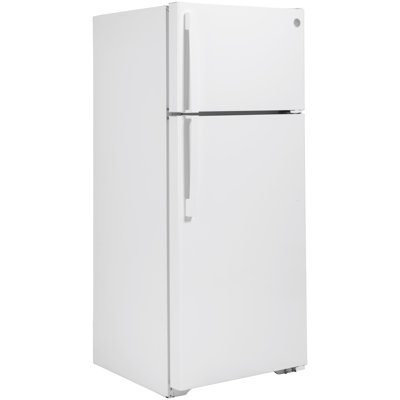
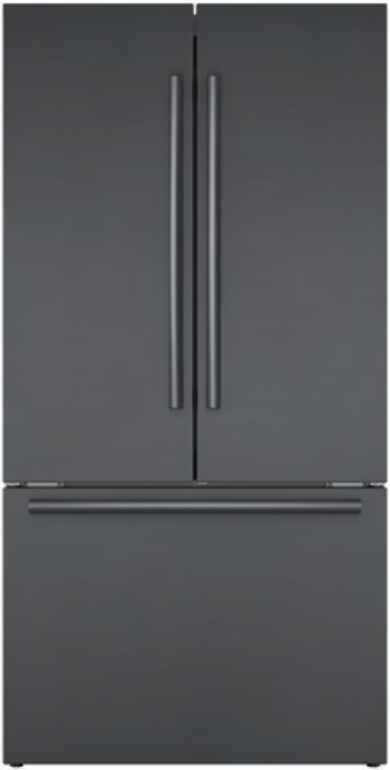
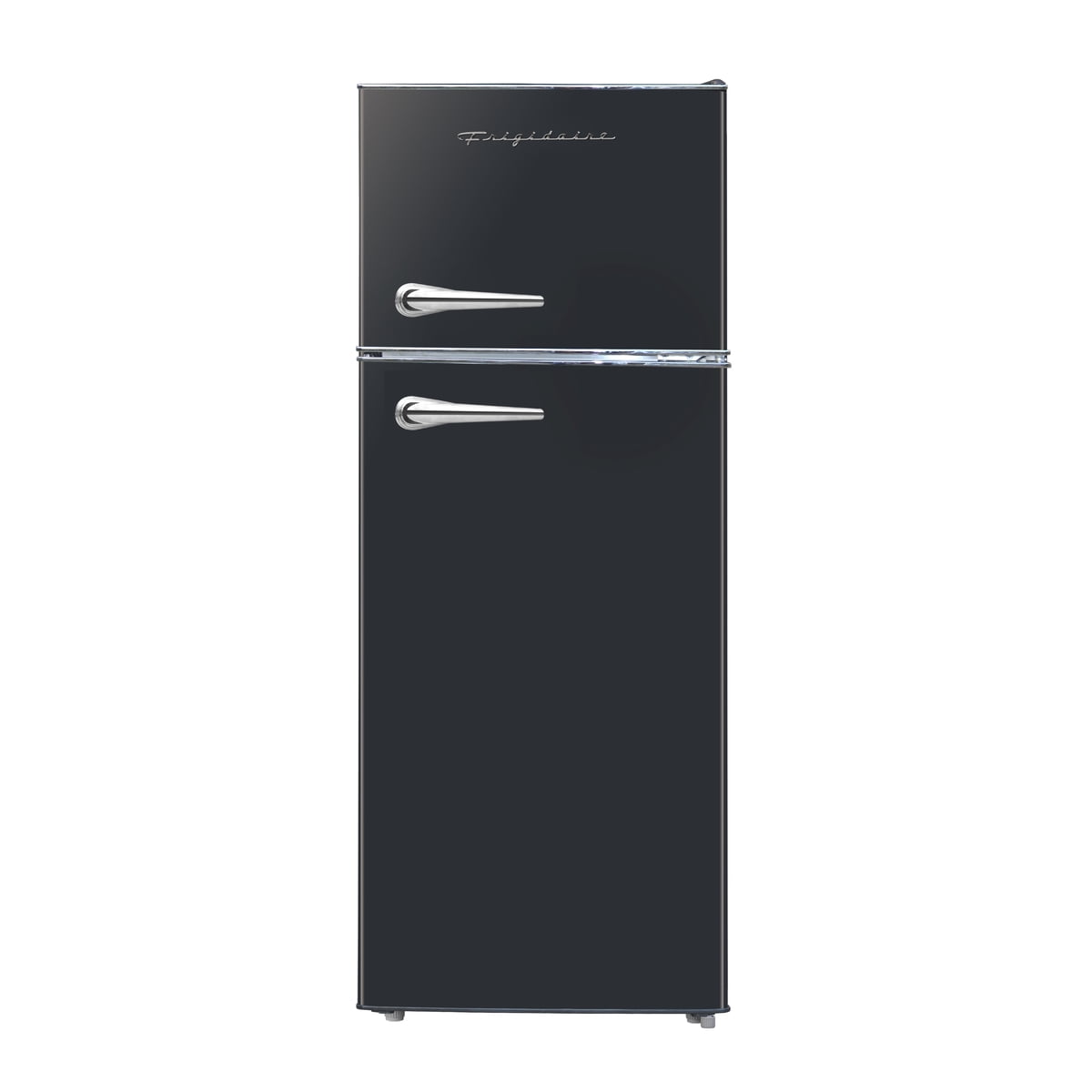
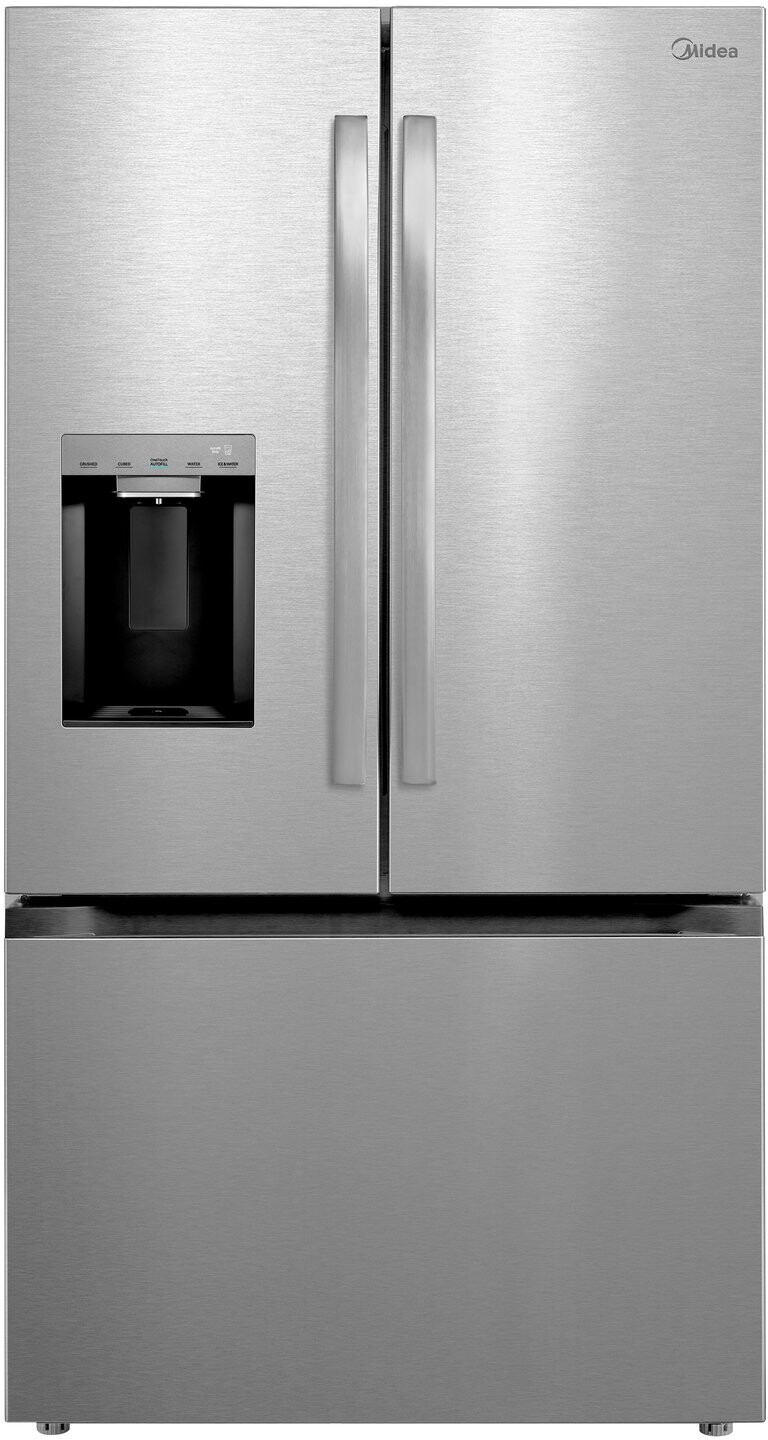
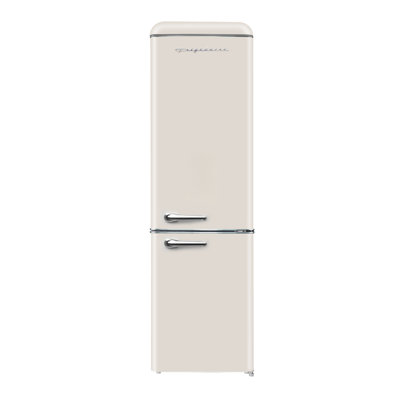
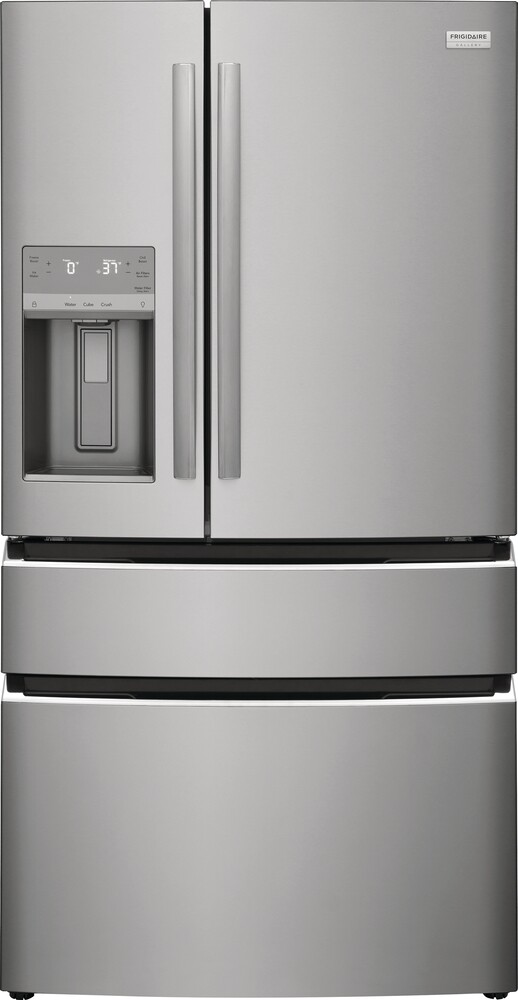
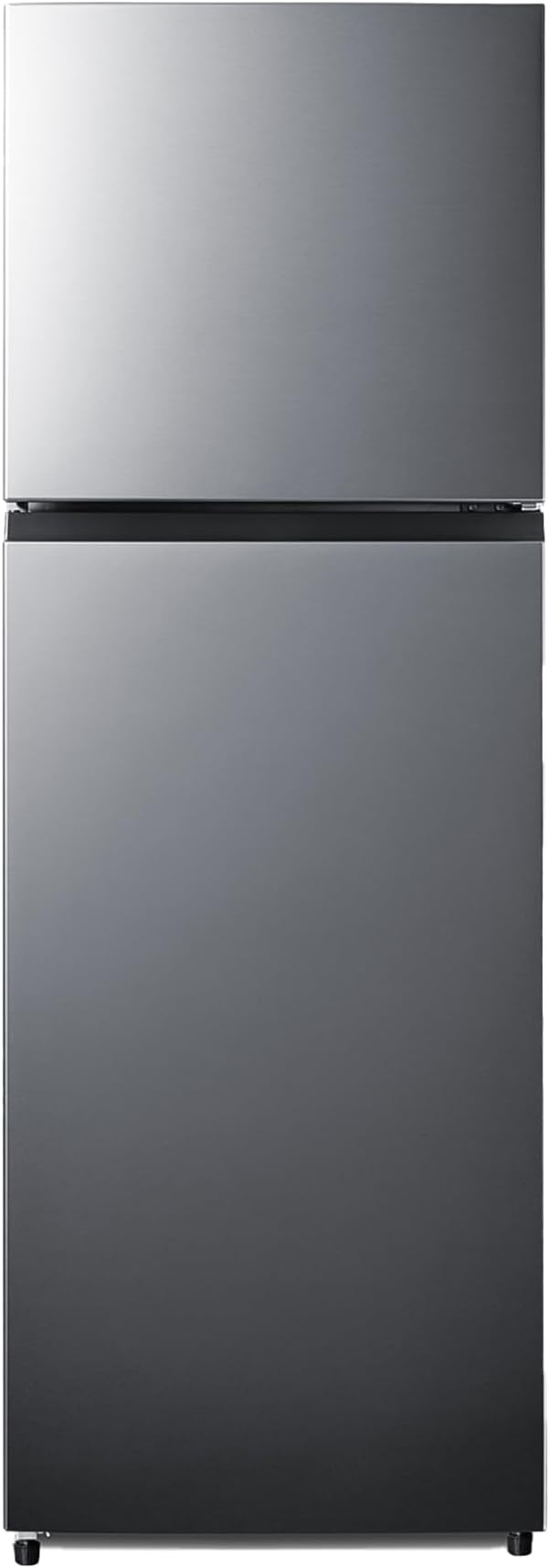
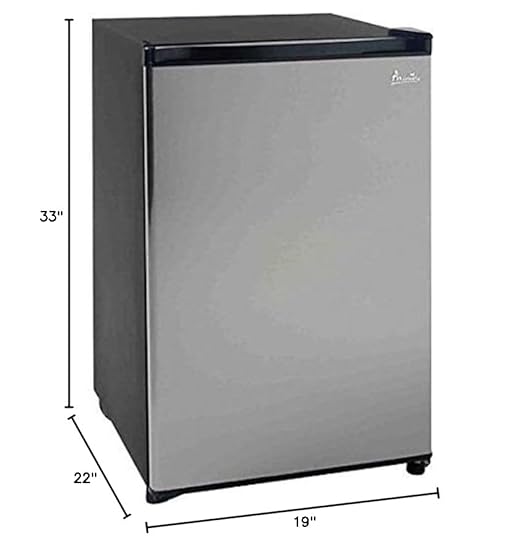
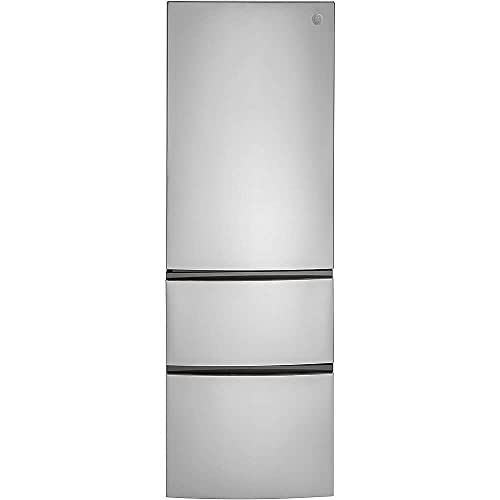
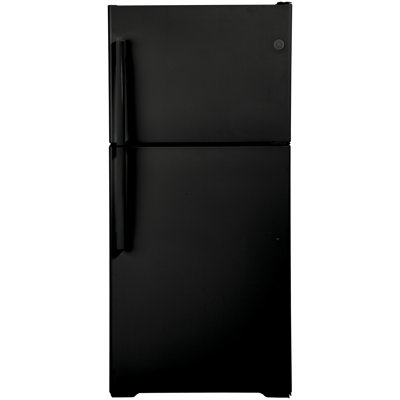
Finding the right garage fridge size is like picking the perfect pair of jeans—it's gotta fit just right. Here’s how to make sure your new fridge meets your needs and fits your space.
What to Think About When Choosing a Garage Fridge?
When you're on the hunt for a garage fridge, keep these points in mind:
Space Check: Grab a tape measure and see how much room you've got. Make sure there's enough space for the doors to swing open and for the fridge to breathe.
Storage Needs: What are you planning to stash in there? Drinks, extra groceries, or bulk buys? Your storage needs will guide your size choice.
Fridge Type: Different fridges come in different sizes. Compact fridges are small and nimble, while standard ones are more like the family SUV.
Energy Use: Bigger fridges usually gulp more electricity. Look for energy-efficient models to keep your bills in check.
How Often You Use It: If you’re just grabbing a cold one now and then, a smaller fridge might do. If you’re in and out all the time, go bigger.
Garage Climate: Garages can get hot in summer and chilly in winter. Pick a fridge that can handle those swings.
Why Size Matters
Getting the right size fridge isn’t just about fitting it in your garage. Here’s why it’s a big deal:
Works Better: A fridge that’s the right size for your space and needs will run more smoothly. Overstuff a small one or barely use a big one, and you’ll see problems.
Saves Energy: The right size fridge uses energy more efficiently, which means lower utility bills.
Convenience: The perfect size gives you enough storage without hogging all your space. This is key if your garage is doing double duty.
Lasts Longer: Using a fridge properly sized for your needs can help it last longer. Overworking a small fridge or letting a big one sit empty can wear them out faster.
Fridge Type
Width (inches)
Height (inches)
Depth (inches)
Compact
18 - 24
24 - 34
20 - 24
Standard
28 - 36
60 - 70
30 - 35
Counter-Depth
30 - 36
68 - 72
24 - 30
Built-In
36 - 48
70 - 84
24 - 27
Picking the right garage fridge size means thinking about your space, what you need to store, and a few other things. For more details on different types of fridges, check out Fridge.com articles on french door fridge sizes and side-by-side fridge sizes.
Compact Refrigerators
Compact refrigerators are a great pick for anyone needing a smaller, more flexible cooling option. Perfect for garages, offices, dorm rooms, and other spots where a big fridge would be overkill.
What’s the Deal with Compact Refrigerators?
Compact refrigerators, or mini fridges, are smaller than your standard fridge. They usually stand between 20 to 40 inches tall and hold about 1.7 to 4.5 cubic feet. Even though they’re small, they pack a punch with features like adjustable shelves, tiny freezer sections, and temperature controls. These fridges are built to squeeze into tight spaces while still holding your drinks, snacks, and other must-haves.
Feature
Range
Height
20 - 40 inches
Capacity
1.7 - 4.5 cubic feet
Typical Use
Beverages, snacks, small items
Curious about the exact sizes of different compact fridges? Check out Fridge.com detailed guide on compact refrigerator sizes.
The Good and the Not-So-Good of Compact Refrigerators
Compact refrigerators come with their own perks and quirks. Knowing these can help you figure out if a compact fridge is your best bet.
Pros:
Space-Saving: Perfect for small spots like garages, offices, dorm rooms, and apartments.
Energy-Efficient: Use less power than big fridges.
Portable: Easier to move around because they’re smaller and lighter.
Budget-Friendly: Usually cheaper than their bigger counterparts.
Cons:
Limited Storage: Less room for big items and bulk groceries.
Less Fancy: Fewer features and less advanced tech compared to full-sized fridges.
Temperature Swings: Some models might not keep a steady temperature, which can mess with food freshness.
Choosing the right fridge size for your garage or other spaces can make a big difference in how happy you are with it. Compact refrigerators are a smart solution for anyone needing a smaller, efficient appliance without giving up too much storage space.
Standard size refrigerators are a hit with homeowners because they offer plenty of space for all your food and drinks. These fridges usually measure between 30 to 36 inches wide, 67 to 70 inches tall, and 29 to 35 inches deep. They’re perfect for families or anyone who needs more room than a compact fridge can offer.
Dimension
Size Range (inches)
Width
30 - 36
Height
67 - 70
Depth
29 - 35
Pros and Cons of Standard Size Refrigerators
Standard size refrigerators have their ups and downs. Knowing these can help you figure out if this type of fridge is the right choice for your home or garage.
Pros
Lots of Storage: Plenty of space for groceries, making it great for families or those who love to cook.
Different Styles: Comes in various styles like top freezer, bottom freezer, and side-by-side models.
Flexible Use: Works well in kitchens, garages, and basements.
Easy to Find: Available in many stores and online, with lots of features and prices to choose from.
Cons
Takes Up Space: Needs more room than compact refrigerators, which can be a problem in smaller spaces.
Uses More Energy: Consumes more electricity than smaller models, which could mean higher utility bills.
Installation Hassles: Might need professional help to install because of its size and weight.
When picking the right fridge for your garage, think about these pros and cons. Consider how much storage you need, the space you have, and your budget. For more info on other types of refrigerators, check out Fridge.com articles on counter-depth refrigerator sizes and built-in refrigerator sizes.
Counter-Depth Refrigerators
What Are Counter-Depth Refrigerators?
Counter-depth refrigerators are designed to sit flush with your kitchen counters, giving your space a clean, built-in look. These fridges are typically shallower than standard models, making them perfect for saving space and achieving a sleek appearance in your kitchen or garage.
They come in various styles, including French door, side-by-side, and bottom-freezer models. This variety lets you pick a design that fits your needs and taste. The main perk of counter-depth refrigerators is their ability to offer plenty of storage while keeping a compact profile.
Type
Width (inches)
Height (inches)
Depth (inches)
French Door
30 - 36
68 - 72
24 - 30
Side-by-Side
32 - 36
68 - 70
24 - 30
Bottom-Freezer
30 - 33
68 - 70
24 - 30
The Good and the Bad of Counter-Depth Refrigerators
Knowing the pros and cons can help you decide if a counter-depth fridge is right for your kitchen or garage.
Pros
Space-Saving Design: These fridges fit snugly with your counters, saving floor space and giving a built-in look.
Sleek Appearance: They offer a streamlined, integrated look that can boost the aesthetics of your kitchen or garage.
Easy Access: The shallower depth makes it easier to reach items at the back, reducing food waste.
Variety of Styles: Available in multiple configurations like French door, side-by-side, and bottom-freezer, so you can pick what suits you best.
Cons
Less Storage: The shallower depth means less storage space compared to standard models.
Higher Price: These fridges are often pricier than their standard-depth counterparts.
Limited Options: There might be fewer choices in terms of size and features compared to standard-size fridges.
When picking a counter-depth fridge for your garage, think about your household's needs, the space you have, and your budget. For more info on different refrigerator sizes, check out Fridge.com articles on standard size refrigerators and compact refrigerator sizes.
Built-In Refrigerators
Built-in refrigerators are the go-to for anyone wanting their fridge to blend right into their kitchen or garage setup. These fridges fit snugly with your cabinets, giving your space a sleek, modern vibe.
What Are Built-In Refrigerators?
Built-in refrigerators are designed to sit flush with your cabinets, creating a custom, high-end look. They come in different sizes and styles, like side-by-side, French door, and bottom freezer models. The big selling point? They blend in with your kitchen decor, often with panel-ready designs that match your cabinets.
Feature
Built-In Refrigerators
Installation Type
Flush with cabinetry
Common Sizes
30", 36", 42", 48"
Depth
Typically 24" to match cabinet depth
Door Styles
French door, side-by-side, bottom freezer
Panel-Ready Options
Available for seamless integration
The Good and the Bad
Thinking about getting a built-in fridge for your kitchen or garage? Here’s what you need to know.
Pros:
Looks Great: Built-in fridges give your space a sleek, custom look.
Space-Saving: They fit flush with your cabinets, making the most of your space.
Customizable: Many models are panel-ready, so you can match them to your cabinets for a seamless look.
Cons:
Pricey: Built-in fridges usually cost more than freestanding ones because of their custom design and installation.
Installation Hassles: You’ll probably need a pro to install it, which adds to the cost.
Stuck in Place: Once it’s in, moving it is a pain, so it’s a more permanent choice.
Want to know more about different fridge sizes and types? Check out Fridge.com articles on side-by-side refrigerator sizes and French door refrigerator sizes. Thinking about a built-in option for drinks? Take a look at Fridge.com article on built-in beverage center sizes.
Picking the right fridge for your garage can be a game-changer. Let's break down the differences between side-by-side and French door refrigerators so you can make the best choice for your needs.
Side-by-Side Vs. French Door: The Showdown
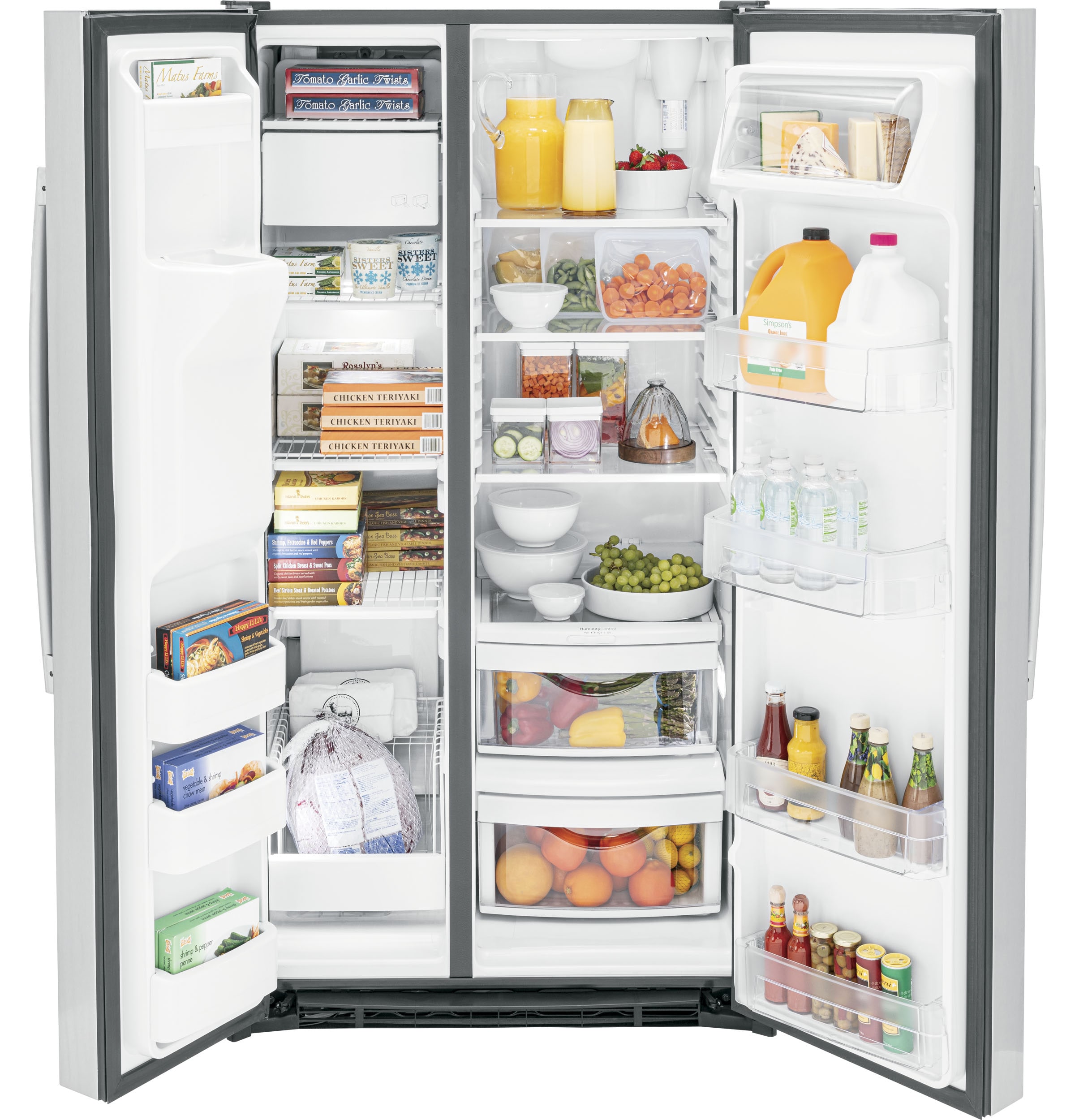
Side-by-side fridges have two vertical doors: one for the freezer and one for the fridge. French door fridges, however, have two doors at the top for the fridge and a drawer (or two) at the bottom for the freezer.
Feature
Side-by-Side Fridges
French Door Fridges
Fridge Size
Narrow compartments
Wide compartments
Freezer Size
Narrow compartments
Wide drawer(s)
Storage Capacity
Medium to large
Large
Accessibility
Easy access to both fridge and freezer
Easy access to fridge; freezer less accessible
Space Efficiency
Fits in narrow spaces
Needs more width
How to Choose: Key Factors
When you're deciding between these two types of fridges for your garage, think about:
Storage Needs: How much food and drink are you planning to stash? French door fridges usually offer more flexible storage with adjustable shelves and bigger compartments, perfect for families or those who love to entertain. Side-by-side models are great if you like keeping things organized and want easy access to both fresh and frozen items.
Space Availability: Measure your garage space. Side-by-side fridges are generally more space-efficient in terms of width, while French door fridges need more width but give you better access to the fridge part.
Usage Frequency: If you're always grabbing stuff from both the fridge and freezer, a side-by-side might be more convenient. If you mostly use the fridge, a French door model makes it easier to get what you need without bending down for the freezer.
Energy Efficiency: Both styles come in energy-efficient models. Look for energy ratings and features like LED lighting and smart temperature controls to save on your energy bill.
Looks and Design: Pick a design that fits your garage and your style. French door fridges often have a sleek, modern look, while side-by-side models offer a more classic appearance.
For more details on different fridge sizes and styles, check out Fridge.com articles on side by side refrigerator sizes, french door refrigerator sizes, and garage freezer sizes. By considering these factors, you'll be able to choose the fridge that best fits your garage and your lifestyle.
Compare refrigerator prices on Fridge.com
Compare current prices and specifications on Fridge.com, then buy from the retailer you choose; delivery, installation and warranty terms are the retailer’s.
It also has tons of awesome articles about kitchen stuff and home news. Enhance your home, garage, backyard, patio, and office with the coolest essentials. With every necessary type of residential refrigerator or freezer in the collection, you're covered.
Frequently Asked Questions
When you're on the hunt for a garage fridge, keep these points in mind:. Space Check: Grab a tape measure and see how much room you've got. Make sure there's enough space for the doors to swing open and for the fridge to breathe. Storage Needs: What are you planning to stash in there? Drinks, extra groceries, or bulk buys? Your storage needs will guide your size choice. Fridge Type: Different fridges come in different sizes. Compact fridges are small and nimble, while standard ones are more like the family SUV. Energy Use: Bigger fridges usually gulp more electricity. Look for energy-efficient models to keep your bills in check. How Often You Use It: If you’re just grabbing a cold one now and then, a smaller fridge might do. If you’re in and out all the time, go bigger. Garage Climate: Garages can get hot in summer and chilly in winter. Pick a fridge that can handle those swings.