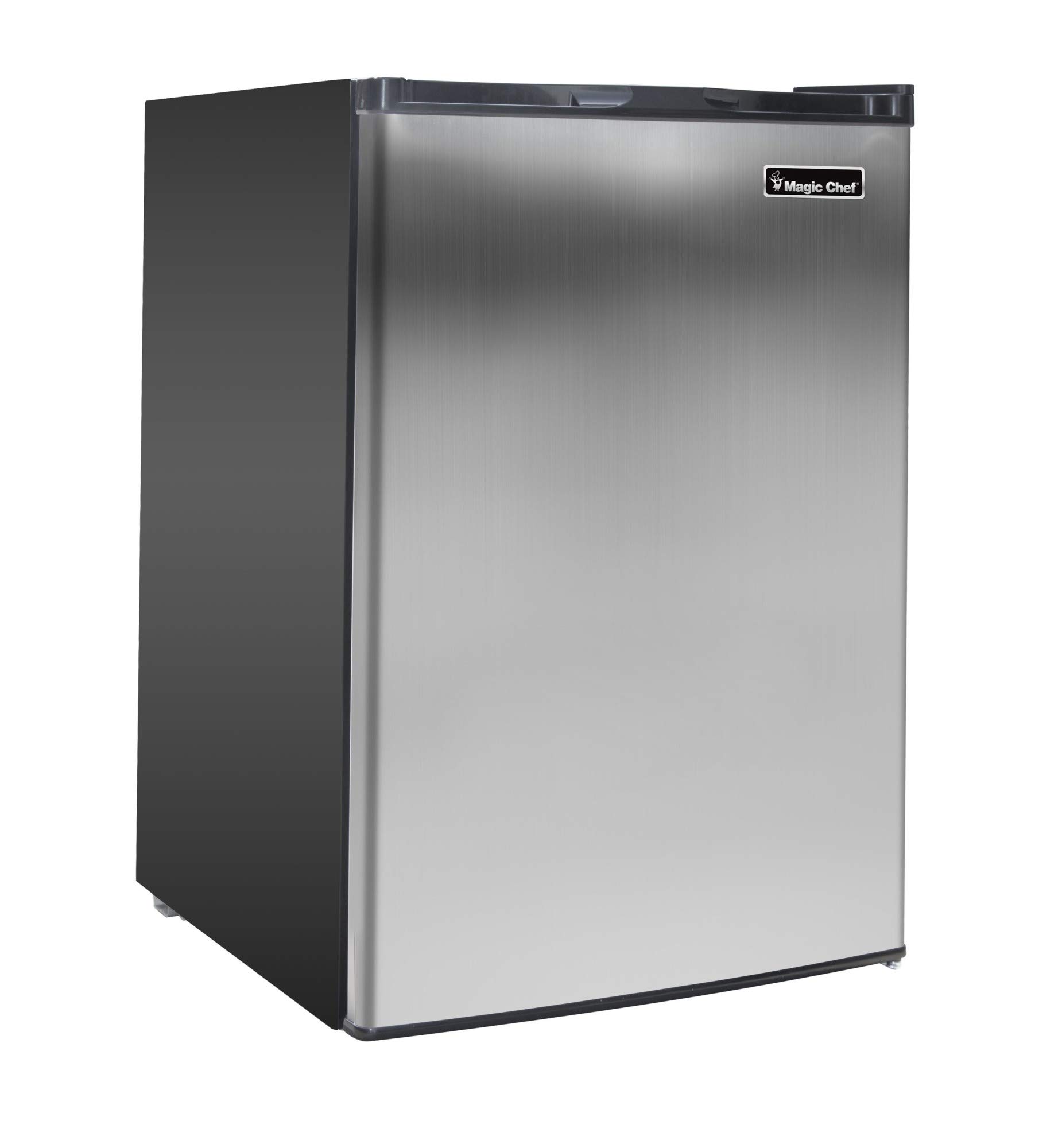
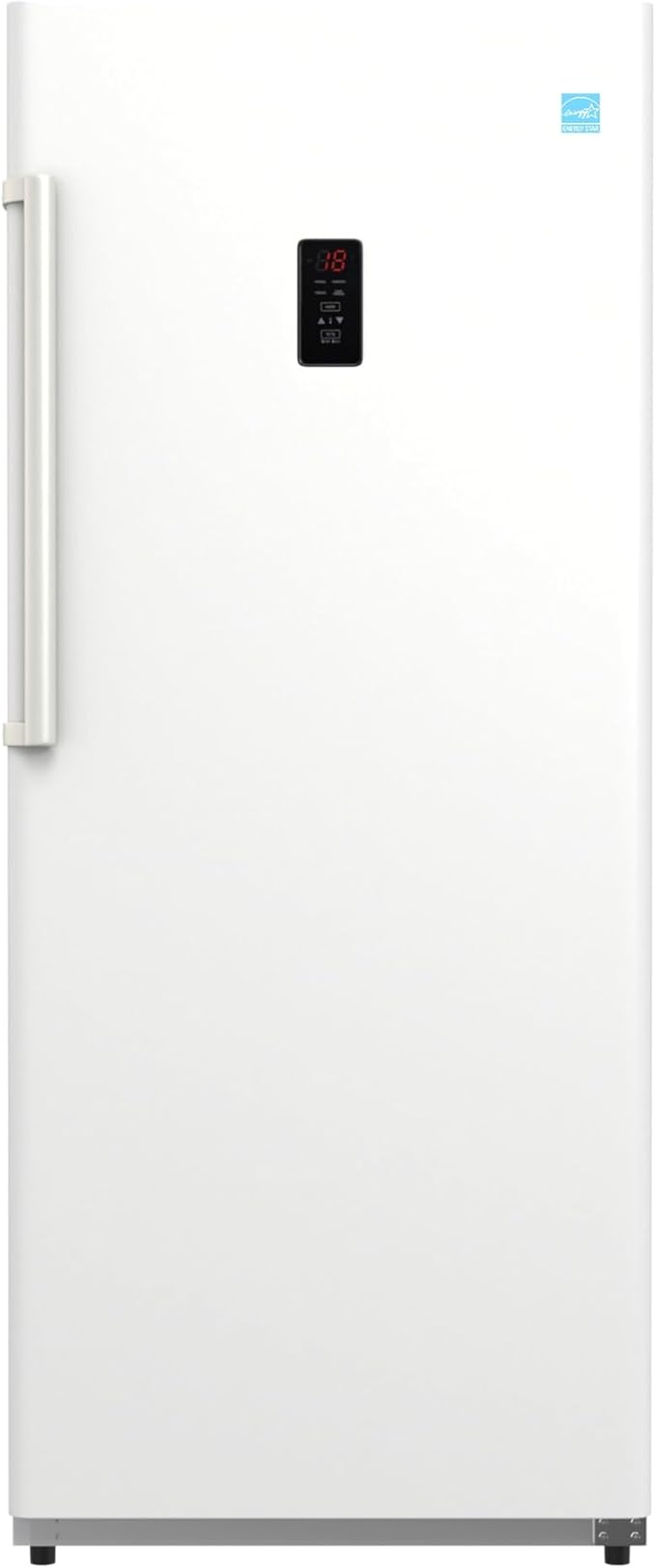
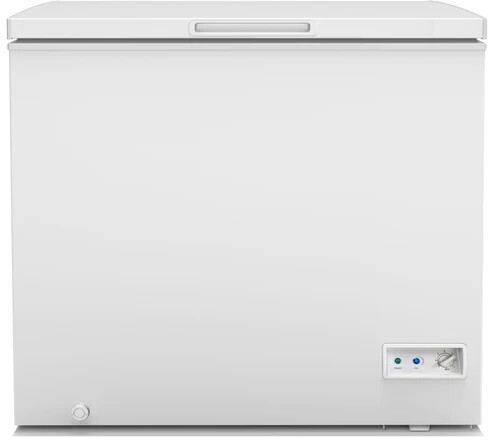
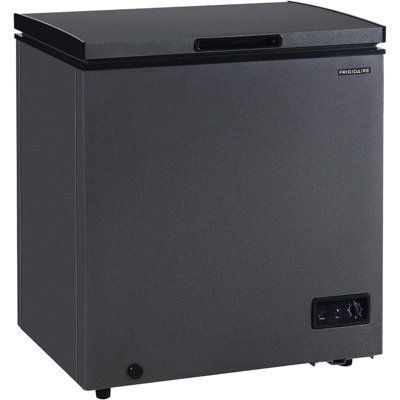
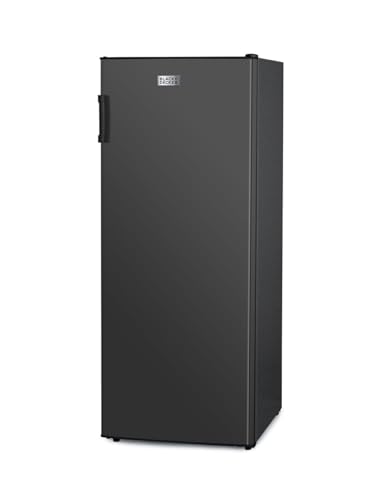
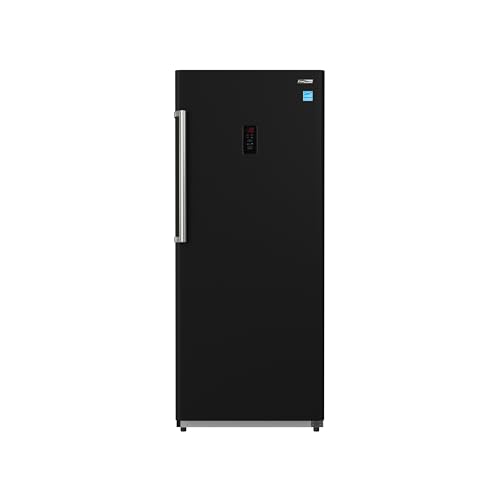
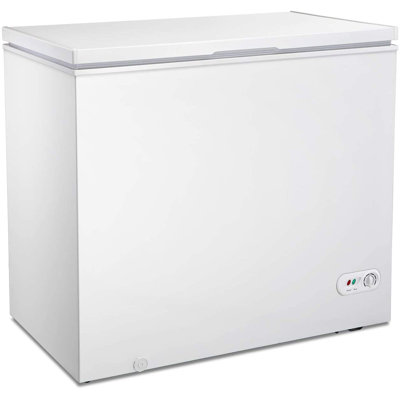
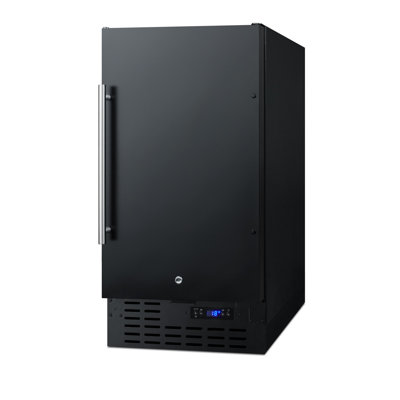
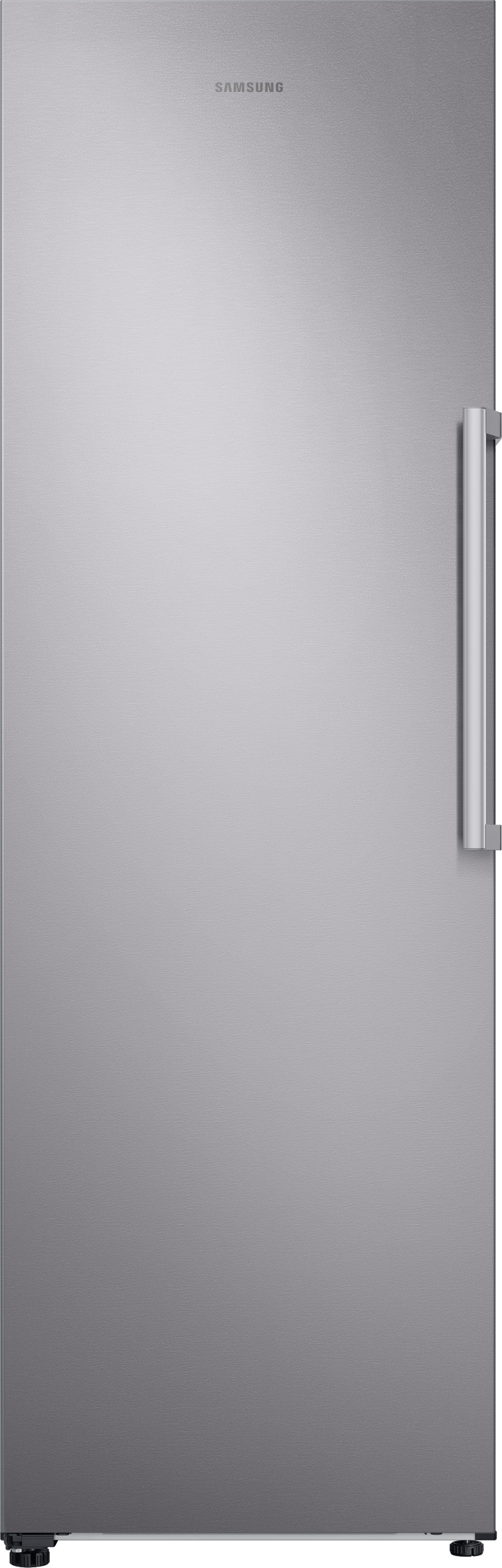
When you're considering additional refrigeration, whether it's for your home, office, or any other space, it's crucial to understand the types of appliances available and how they can best meet your needs. This section will help you navigate through the specifics of garage freezers and portable refrigerators.
Importance of Refrigeration in Different Settings
Refrigeration is essential in various settings for preserving food, keeping drinks cold, and even for specialized storage needs like aging meat or chilling wine. In a garage, a freezer might be used to store bulk items or freeze harvests from a garden. In contrast, a portable refrigerator can be handy on road trips, in small apartments, or for outdoor entertainment. The setting will greatly influence your choice of appliance.
Garage Freezer Vs. Portable Refrigerator: A Comparison
When deciding between a garage freezer and a portable refrigerator, there are several factors to consider. Here's a comparison to help guide your decision:
Feature
Garage Freezer
Portable Refrigerator
Purpose
Long-term storage of frozen goods
Short-term cooling and portability
Size
Typically larger
Compact and easy to move
Power Source
Standard electrical outlet
Car adaptor, battery, or standard outlet
Temperature Range
Freezing temperatures
Can often switch between cooling and freezing
Location
Stationary in the garage
Can be used in various locations
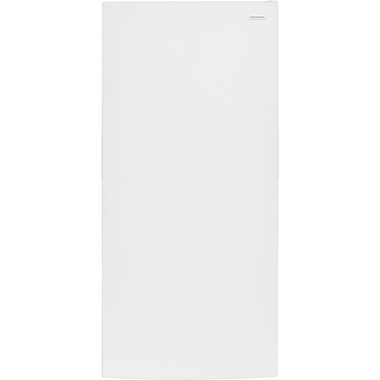
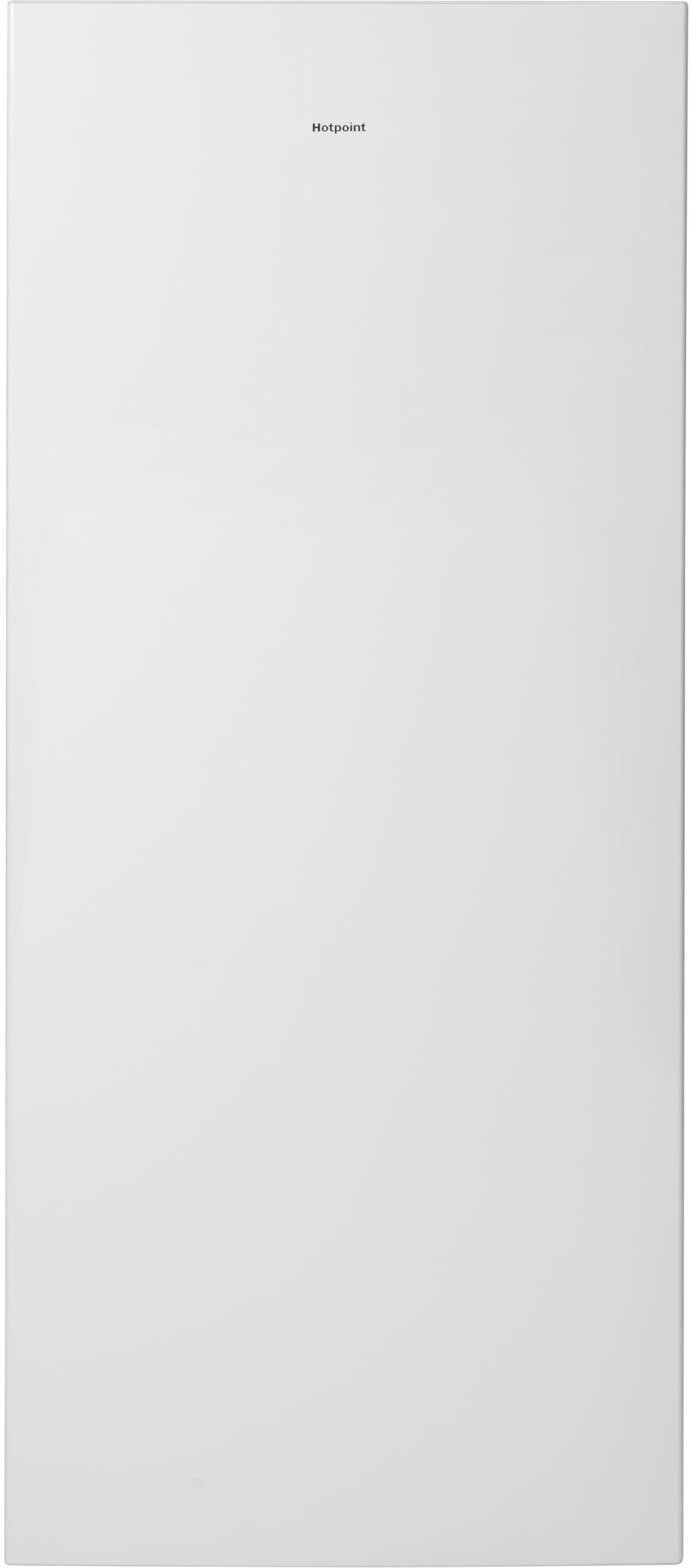
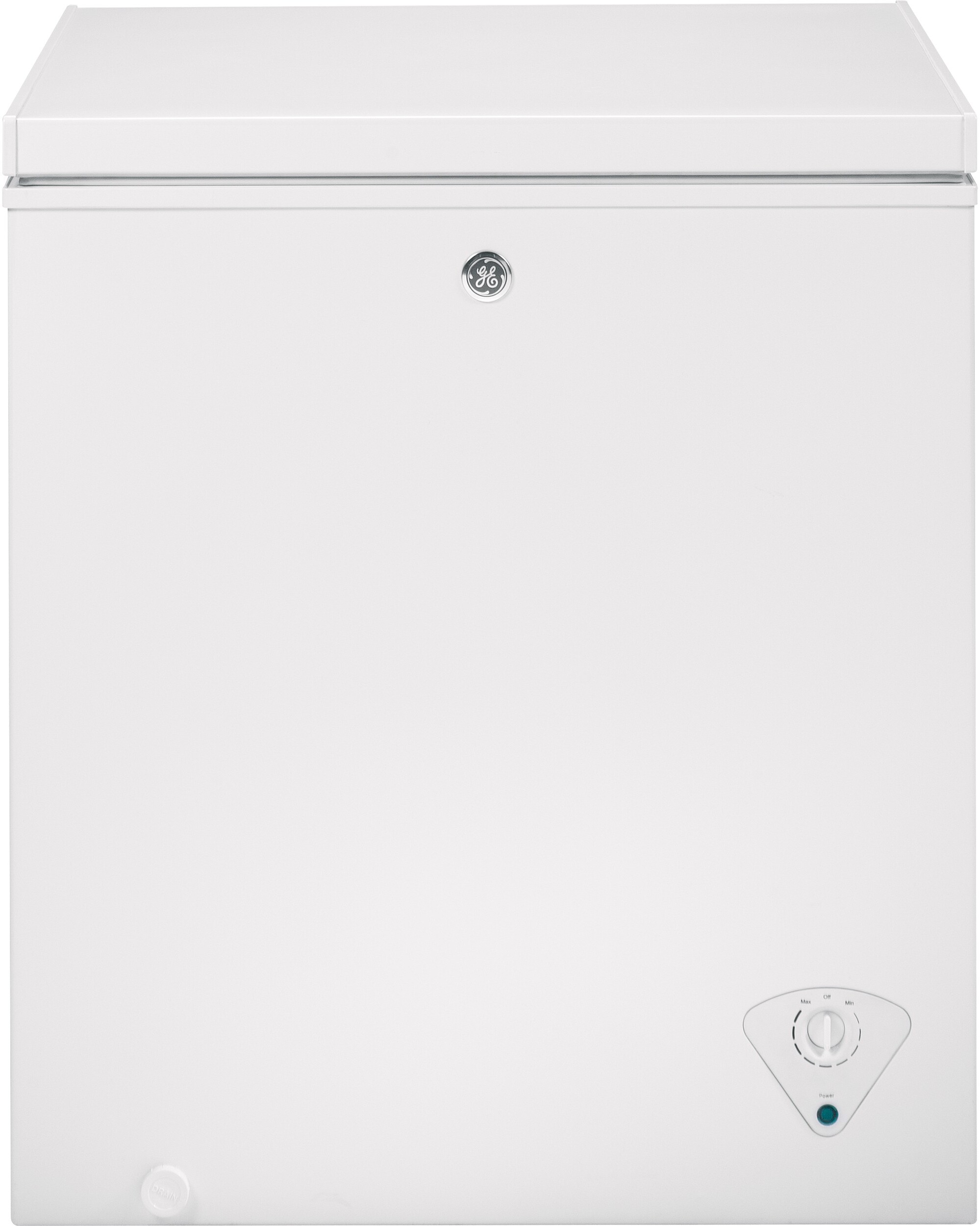
A garage freezer (garage refrigerator vs. upright refrigerator) is a stationary solution that is ideal for storing large quantities of frozen goods. This could be the best option if you're looking to stock up on food items or if you need space for large frozen goods.
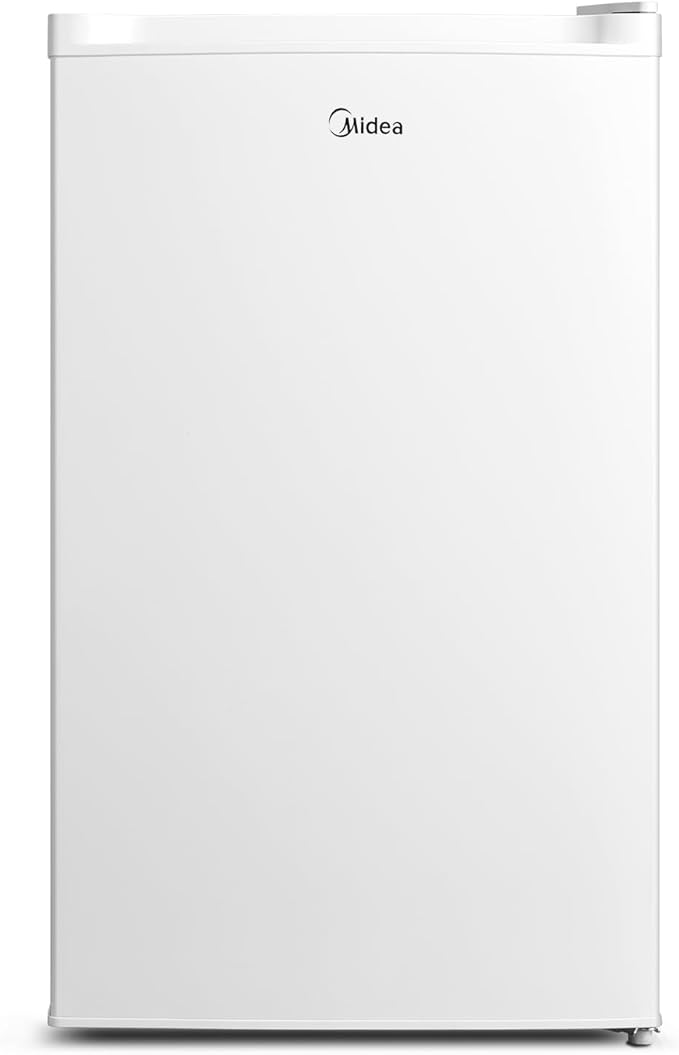
On the other hand, a portable refrigerator (compact refrigerator vs. upright refrigerator) offers flexibility and mobility. It's perfect if you need a cooling solution that can travel with you, whether that's to different rooms in your home or on the road. It often includes features like adjustable temperature settings and can run on various power sources, making it a versatile choice.
In summary, your specific needs regarding space, mobility, and usage will determine whether a garage freezer or a portable refrigerator is the right choice for you. Consider your lifestyle, the items you wish to store, and where you'll use the appliance most frequently before making a decision.
A garage freezer can be a significant addition to your home, extending your food storage capabilities beyond the kitchen. It's an ideal solution for storing bulk purchases, preserving garden produce, or simply having extra space for frozen goods.
Features and Benefits of a Garage Freezer
Garage freezers come in various styles, including upright and chest models, each with their own set of features. Here are some of the benefits they offer:
Ample Storage: A garage freezer provides substantial space to store large or bulky items that may not fit in your primary freezer.
Energy Efficiency: Many modern garage freezers are designed to be energy-efficient, which can help reduce your electricity bills.
Convenience: Having a freezer in the garage allows you to access frozen foods without overcrowding your kitchen.
Organization: With additional shelving and storage options, organizing your frozen goods becomes simpler, helping to reduce food waste.
Feature
Benefit
Extra Shelving
Improved organization
Adjustable Temperature
Control over freezing conditions
Lockable Door
Security for stored items
Considerations for Installing a Garage Freezer
Before adding a garage freezer to your home, consider the following points to ensure it's the right choice for you:
Space: Assess the available area in your garage and compare it to the dimensions of the freezer you're considering to ensure a proper fit.
Climate: Ensure your garage maintains a suitable climate for a freezer, as extreme temperatures can affect its efficiency and lifespan.
Power Source: Verify the availability and accessibility of a power outlet that can handle the electrical demands of a freezer.
Budget: Consider the initial cost of purchasing a freezer as well as the ongoing expenses, such as energy consumption and maintenance.
By taking these factors into account, you can make an informed decision about whether a garage freezer is the best solution for your refrigeration needs. For comparisons with other freezer and refrigerator types, explore articles such as drawer fridge freezer vs. undercounter freezer and garage refrigerator vs. upright refrigerator.
Portable Refrigerator Overview
When you're considering refrigeration options that offer flexibility and convenience, a portable refrigerator is a contender that might suit your various lifestyle needs. Let's dive into what makes these compact units a great choice for mobile refrigeration.
Features and Benefits of a Portable Refrigerator
Portable refrigerators are designed to be light, efficient, and easy to transport, making them ideal for a variety of settings beyond the confines of your kitchen. Here are some features and benefits that you'll find with these versatile units:
Portability: The compact design and lighter weight make it simple to move your refrigerator wherever you need it.
Versatility: Whether you're in an office, a dorm room, or on the road, these refrigerators can adapt to your refrigeration needs.
Energy Efficiency: Many models are built to run on low power while still providing effective cooling, which can be especially beneficial in settings with limited power options.
Convenience: Portable refrigerators can come with various power options, including AC, DC, and sometimes even battery packs, allowing you to use them in environments without traditional power sources.
Here is a comparison of some common features found in portable refrigerators:
Feature
Description
Size
Ranging from personal cooler sizes to larger units comparable to a small traditional fridge
Power Options
AC/DC adaptability, with some models offering battery packs
Temperature Control
Adjustable settings for customized cooling based on content needs
Mobility
Often equipped with handles or wheels for easy transport
When to Consider Using a Portable Refrigerator
You might find a portable refrigerator to be the best choice in several scenarios:
Traveling: Whether you're in an RV, at a campsite, or tailgating, these refrigerators can keep your food and drinks chilled on the go.
Workspaces: If you have an office or workshop where you spend long hours, a portable refrigerator can keep refreshments close at hand.
Living Spaces: For those in small apartments, dorms, or tiny homes, where space is at a premium, a portable refrigerator can offer a compact solution.
Secondary Storage: During events or family gatherings, these units can act as an additional cooling space for beverages and snacks.
For specific comparisons between refrigeration options, you may want to explore articles on Fridge.com site that contrast a garage freezer vs. portable refrigerator and other alternatives like a beer keg cooler vs. a red refrigerator, or even a drawer fridge freezer vs. an undercounter freezer. Each comparison can guide you in making an informed decision based on your refrigeration needs and preferences.
When it comes to cooling solutions, understanding how much space you have and what you intend to store is essential. In this section, you'll compare the storage capacity and size considerations of a garage freezer versus a portable refrigerator to determine what fits your needs.
Comparing Storage Capacity of Garage Freezers and Portable Refrigerators
Garage freezers typically offer a larger storage capacity compared to portable refrigerators. They are designed to accommodate bulk items and larger quantities of frozen goods. Portable refrigerators, on the other hand, are more about convenience and mobility, with a focus on keeping a smaller selection of items cool while on the move.
Here's a table to give you a comparative idea of the typical storage capacities:
Type
Average Capacity (Cubic Feet)
Garage Freezer
10 - 20
Portable Refrigerator
1 - 4
Keep in mind, the actual capacity needed will vary based on your requirements—whether you're stocking up on bulk groceries or just needing a compact cooling solution for your road trips.
Considering Size Restrictions and Space Availability
The size of the appliance and the available space in your home play a pivotal role in deciding between a garage freezer and a portable refrigerator. Before making a decision, measure the space where you plan to place the appliance and consider how the appliance's size will impact your living area.
Garage freezers are typically larger and require a dedicated area, usually in a garage or basement. They're best suited for homes where space is not a premium. Portable refrigerators are smaller and can be easily accommodated in various settings, from small apartments to office spaces.
Here’s a quick size comparison:
Type
Typical Dimensions (W x D x H)
Garage Freezer
30" x 32" x 60"
Portable Refrigerator
18" x 20" x 22"
These dimensions are approximate and can vary by model. Check if the appliance can fit through doorways and has adequate clearance for ventilation.
Whether you're considering a garage freezer vs. portable refrigerator, the decision should be based on how much space you can allocate and the volume of items you need to store. By understanding these key differences, you can choose a refrigeration solution that aligns with your lifestyle, whether you're in a family home or a mobile setting.
The power source and mobility of a refrigeration unit are crucial considerations, especially when comparing options like a garage freezer and a portable refrigerator. Each has distinct requirements and advantages depending on your intended use.
Power Requirements for Garage Freezers and Portable Refrigerators
Garage freezers typically require a standard electrical outlet with 110-120 volts in North America. They are designed to remain in one place and continuously operate to keep your items frozen. It's imperative to ensure that the circuit is not overloaded to prevent electrical issues.
Refrigeration Type
Voltage
Outlet Type
Garage Freezer
110-120V
Standard Household
Portable Refrigerator
12V/24V or 110-120V
Cigarette Lighter or Standard Household
Portable refrigerators offer more flexibility in power sources. They can often be plugged into a 12V or 24V power socket—like the cigarette lighter in a car—or can also operate on a standard household voltage when available. This dual functionality allows you to shift between settings without concern for power compatibility.
For an in-depth comparison of power considerations for other refrigeration options, you might be interested in reading about energy efficient refrigerator vs. freezerless refrigerator or auto defrost freezer vs. beverage refrigerator.
Mobility and Portability Factors to Consider
When it comes to mobility, portable refrigerators are designed to be moved frequently. Whether you're heading to a picnic or embarking on a road trip, these units are meant for travel. They often come with handles or wheels to enhance their portability.
Garage freezers, on the other hand, are generally stationary due to their size and design. They are meant to be a long-term solution for additional frozen storage space in your home. While it's possible to move them, doing so typically requires more effort and is not something you would do regularly.
Refrigeration Type
Mobility
Best Used For
Garage Freezer
Stationary
Long-term, bulk storage in home settings
Portable Refrigerator
Highly mobile
Travel, outdoor activities, and variable locations
Before you decide on a garage freezer or a portable refrigerator, consider your space and mobility needs. If your living space and lifestyle require a refrigeration solution that moves with you, a portable refrigerator may be the best choice. For more stationary, long-term freezing needs in a home setting, a garage freezer might serve you better.
For more information on mobility considerations for various refrigeration types, take a look at drawer fridge freezer vs. undercounter freezer or freestanding drawer freezer vs. see through refrigerator. If you're considering a fridge that's easy to move around within your home or office, explore compact refrigerator vs. upright refrigerator for insights.
Temperature Control and Monitoring
Maintaining the correct temperature is pivotal for the longevity of your foods and the efficiency of your refrigeration unit, whether it’s a garage freezer or a portable refrigerator.
Temperature Regulation Features of Garage Freezers and Portable Refrigerators
Garage freezers and portable refrigerators come with a variety of temperature regulation features to ensure your items stay chilled or frozen as needed.
Garage Freezers: Typically, these units have a wide range of temperature settings, often ranging from 0°F to 20°F. Many modern models include digital thermostats for precise temperature adjustments and may feature automatic defrost functions to manage ice build-up.
Portable Refrigerators: These units provide flexibility and are usually equipped with adjustable thermostats. Some models offer dual zones with separate temperature controls, allowing you to store refrigerated and frozen goods simultaneously.
Here's a comparative look at the temperature ranges:
Unit Type
Temperature Range
Garage Freezer
0°F to 20°F
Portable Refrigerator
34°F to 60°F (refrigerator zone)
—
-8°F to 5°F (freezer zone)
Importance of Monitoring and Adjusting Temperatures
Monitoring and adjusting the temperatures of your refrigeration units is crucial for several reasons:
Food Safety: Keeping your freezer or refrigerator at the correct temperature ensures that your food is stored safely, reducing the risk of foodborne illnesses.
Energy Efficiency: Proper temperature regulation can prevent your unit from overworking, which in turn conserves energy and saves on electricity bills.
Preserving Quality: Correct temperatures help maintain the freshness and nutritional value of your food.
It’s advisable to use an external thermometer to double-check the internal temperature of your unit, as built-in thermostats may sometimes be inaccurate. Additionally, be mindful of where you install your freezer or refrigerator, as external temperatures can affect their efficiency. For insights on placement and other considerations, read about garage refrigerator vs. upright refrigerator.
Remember, when you maintain the right temperature, you protect your investment in both your appliance and the food you store. Whether you're considering a freestanding drawer freezer or a compact refrigerator, temperature control should be a top priority.
Maintaining your refrigeration units properly is key to extending their lifespan and ensuring they run efficiently. Whether you choose a garage freezer or portable refrigerator, understanding their maintenance requirements and durability will help you make the most of your investment.
Maintenance Tips for Garage Freezers and Portable Refrigerators
Regular maintenance is crucial for both garage freezers and portable refrigerators to keep them functioning effectively and to prevent any potential issues.
Defrosting: Both types of units may require periodic defrosting to prevent ice buildup. Manual defrosting is typically necessary for units without an auto-defrost feature.
Cleaning: It's important to clean the interior and exterior surfaces regularly with a mild detergent to prevent odors and maintain hygiene.
Seal Inspection: Check the door seals occasionally to ensure they are airtight. This prevents cold air from escaping, which can cause the unit to work harder.
Ventilation: Ensure there's adequate space around your unit for proper air circulation. This is vital for preventing overheating and ensuring efficiency.
Temperature Check: Regularly monitor the temperature to ensure your items are being stored at the correct temperature. Adjust the thermostat as needed to maintain consistent cooling.
For a comprehensive list of maintenance tips, you can read articles such as auto defrost freezer vs. beverage refrigerator and garage refrigerator vs. upright refrigerator.
Understanding the Durability of Each Option
The durability of a garage freezer versus a portable refrigerator can vary based on several factors including construction material, usage frequency, and environmental conditions.
Garage Freezers: Typically designed for stationary use, they are built to be robust and withstand constant temperatures. They are often constructed with heavy-duty materials suited for long-term storage and are expected to last many years with proper care.
Portable Refrigerators: These are designed for mobility and versatility. They are constructed to endure movement and varying external conditions, making them durable in different ways. However, the wear and tear from transportation can influence their longevity.
In conclusion, the choice between a garage freezer and a portable refrigerator will depend on your specific needs, but no matter which option you select, proper maintenance and understanding the durability of your appliance will ensure that you enjoy your refrigeration unit for years to come.
Compare prices on Fridge.com
Compare current prices and specifications on Fridge.com, then buy from the retailer you choose; delivery, installation and warranty terms are the retailer’s.
It also has tons of awesome articles about kitchen stuff and home news. Enhance your home, garage, backyard, patio, and office with the coolest essentials. With every necessary type of residential refrigerator or freezer in the collection, you're covered.
Free tool
Food Storage Calculator
Free interactive tool from Fridge.com — get a quick answer while you read.