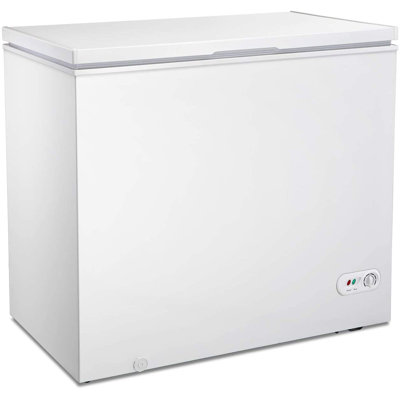
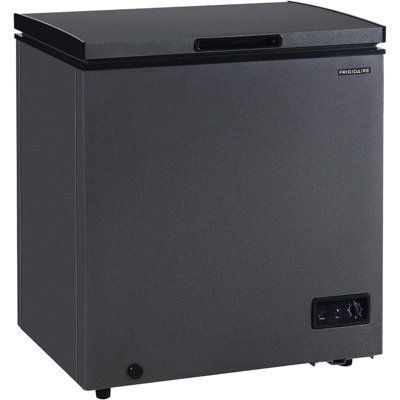
For those with a manual defrost freezer, it's recommended to defrost whenever the frost buildup reaches 1/4 inch thick.
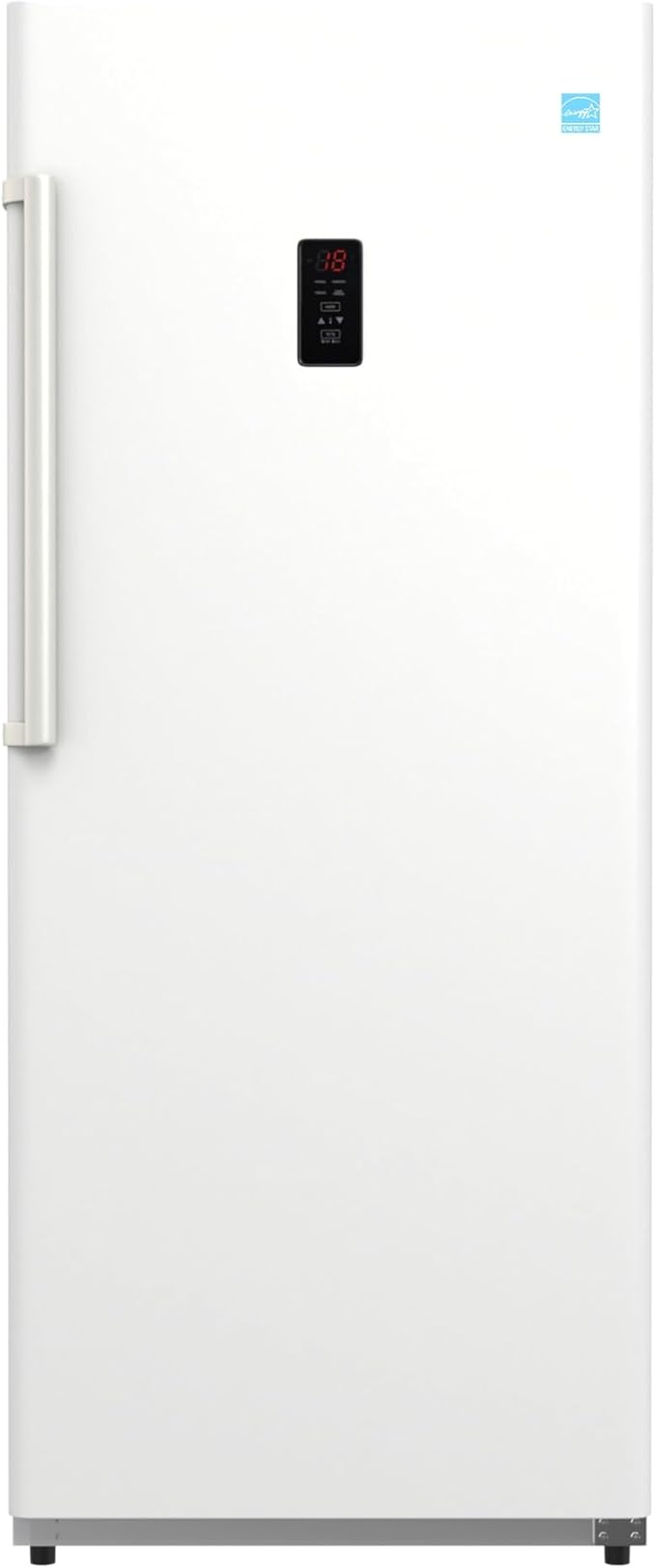
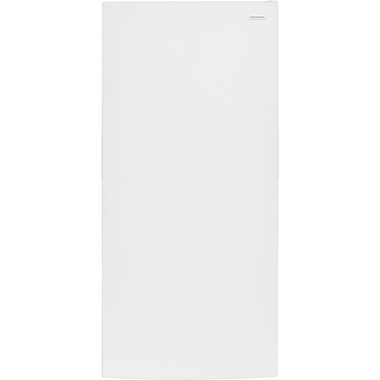
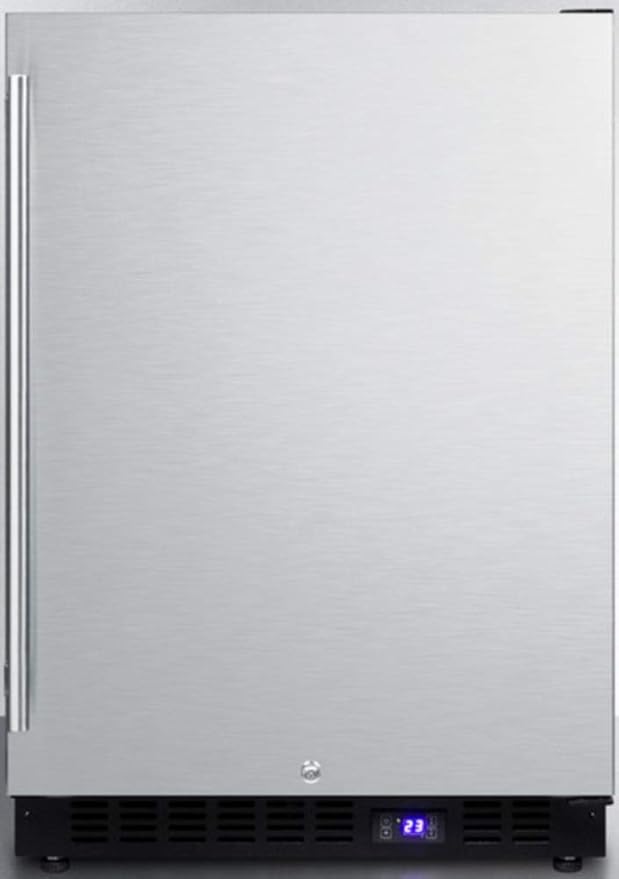
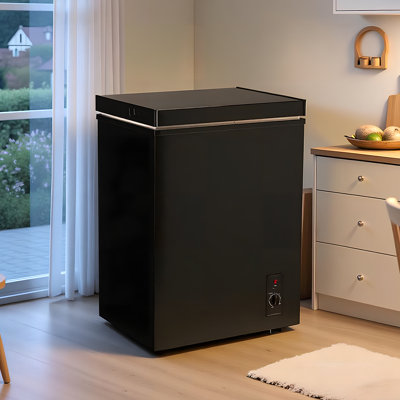
Having a large freezer can also be particularly beneficial for specific scenarios, such as 5 cu ft chest freezer garage or upright freezer 7 cubic foot, where additional storage is essential.
Ample Storage Space: A large freezer provides the capacity to store bulk purchases, seasonal produce, and pre-cooked meals, which is ideal for meal planning and saving time.
To compare the energy consumption of different freezers, you can refer to the annual energy usage, typically measured in kilowatt-hours (kWh).
A fridge freezer is a combination appliance that includes both a refrigerator and a freezer compartment. This unit serves a dual purpose, allowing you to store fresh food items in the refrigerator section while preserving frozen goods in the freezer. Fridge freezers come in various configurations, including top freezer, bottom freezer, and side-by-side models. Each type offers different storage capacities and layouts to suit your specific needs.
Fridge Freezer Type
Refrigerator Capacity (cu ft)
Freezer Capacity (cu ft)
Top Freezer
12 - 14
4 - 6
Bottom Freezer
12 - 16
4 - 6
Side-by-Side
9 - 13
5 - 8
Benefits of Having a Large Freezer
Having a large freezer offers numerous advantages, especially for those who enjoy cooking, entertaining, or simply want to maximize their food storage capabilities. Here are some key benefits:
Ample Storage Space: A large freezer provides the capacity to store bulk purchases, seasonal produce, and pre-cooked meals, which is ideal for meal planning and saving time.
Reduced Grocery Trips: By storing more food, you can reduce the frequency of grocery shopping trips, saving time and effort.
Cost Savings: Buying in bulk often results in cost savings, and a large freezer allows you to take advantage of sales and discounts.
Minimized Food Waste: With adequate storage space, you can freeze leftovers and perishable items before they spoil, reducing food waste.
Versatility: A large freezer can accommodate various types of food, including meats, vegetables, and prepared dishes, making it versatile for different storage needs.
Understanding the benefits and functionalities of a fridge freezer can help you make an informed decision when selecting the best appliance for your needs. For further insights on different fridge freezer types, check out Fridge.com article on what is a normal size fridge?.
Choosing the right type of fridge freezer is essential for meeting your storage needs and kitchen layout. Here, Fridge.com explores three popular types: top freezer fridge, bottom freezer fridge, and side-by-side fridge freezer.
Top Freezer Fridge
Top freezer fridges are one of the most common and traditional designs. In this setup, the freezer compartment is located at the top, with the refrigerator section below. This design is often chosen for its simplicity and efficiency.
Pros:
Typically more affordable.
Easier to access frozen items.
Cons:
Requires bending to reach fresh food items.
Less freezer space compared to other designs.
Feature
Top Freezer Fridge
Average Width
28-33 inches
Average Height
60-69 inches
Average Depth
29-34 inches
Bottom Freezer Fridge
Bottom freezer fridges have the freezer compartment located at the bottom, making fresh food more accessible at eye level. This design is convenient for those who use the refrigerator section more frequently.
Pros:
Easier access to fresh food.
Larger freezer capacity.
Cons:
More expensive than top freezer models.
Requires bending to access frozen items.
Feature
Bottom Freezer Fridge
Average Width
29-33 inches
Average Height
67-70 inches
Average Depth
30-34 inches
Side-by-Side Fridge Freezer
Side-by-side fridge freezers have the refrigerator and freezer compartments adjacent to each other, with doors that open from the center. This design offers easy access to both fresh and frozen foods.
Pros:
Convenient access to both sections.
Narrow door swing, suitable for tight spaces.
Cons:
Less storage space for wide items.
Generally higher energy consumption.
Feature
Side-by-Side Fridge Freezer
Average Width
32-36 inches
Average Height
65-70 inches
Average Depth
30-34 inches
Each type of fridge freezer has its own set of advantages and disadvantages. Your choice will depend on your specific needs, kitchen space, and preferences. For more detailed information on fridge freezer options, visit what sizes are refrigerators? and how wide is a fridge freezer?.
When selecting a large freezer, there are several key factors to consider to ensure it meets your needs. These include storage capacity, energy efficiency, and organization and accessibility.
Storage Capacity
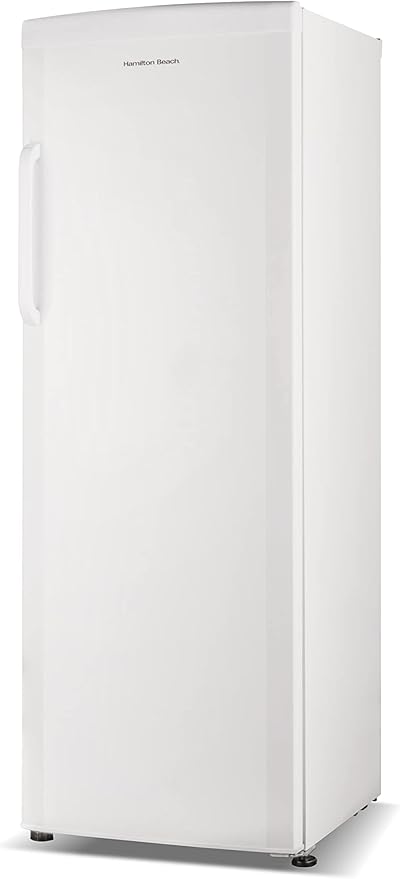
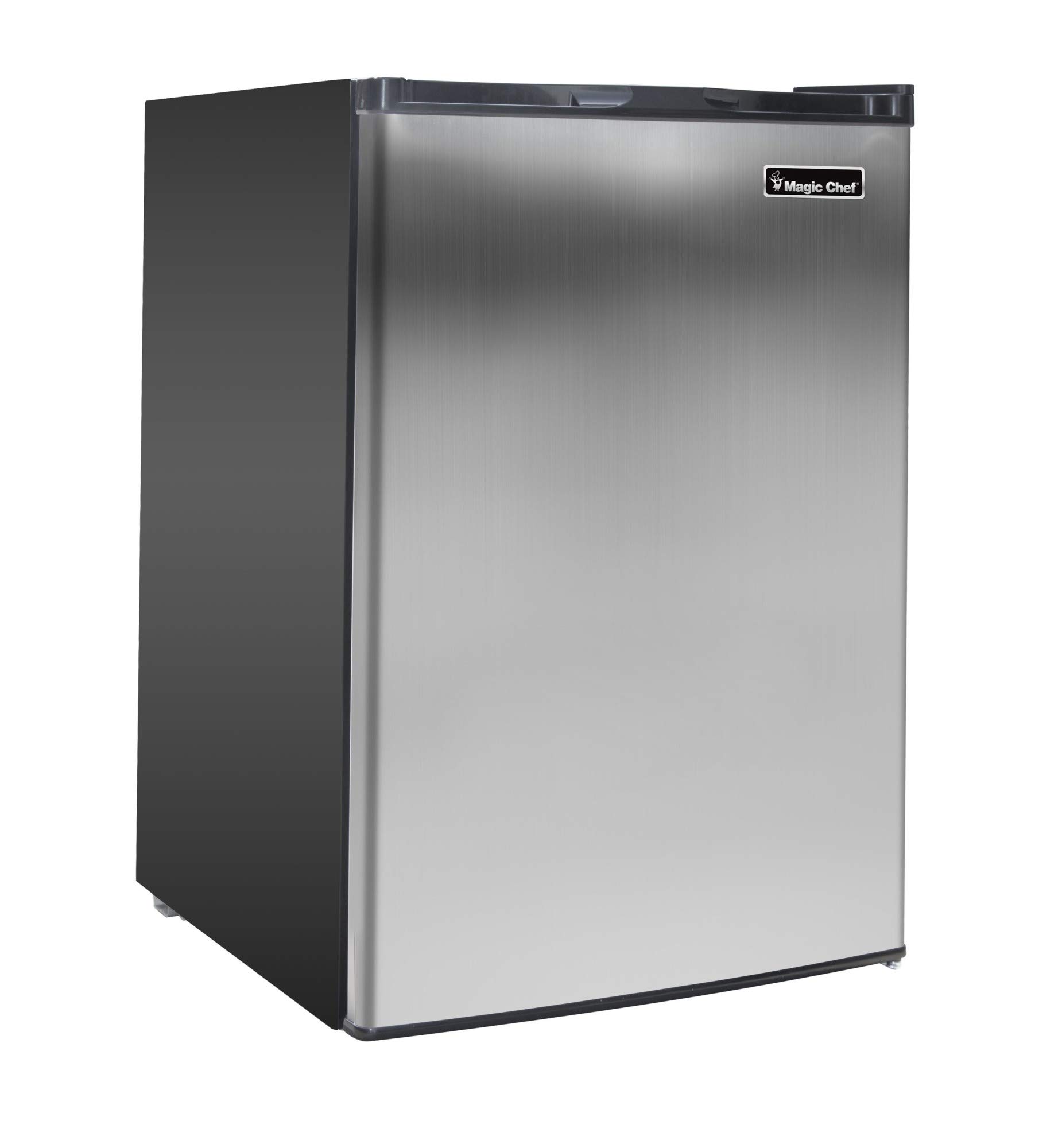
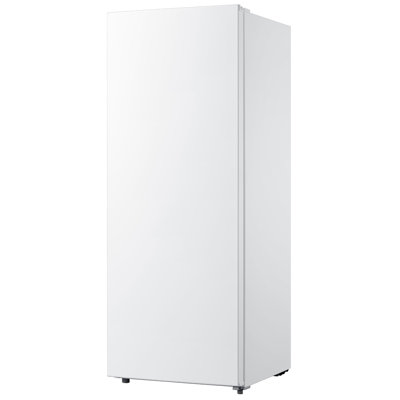
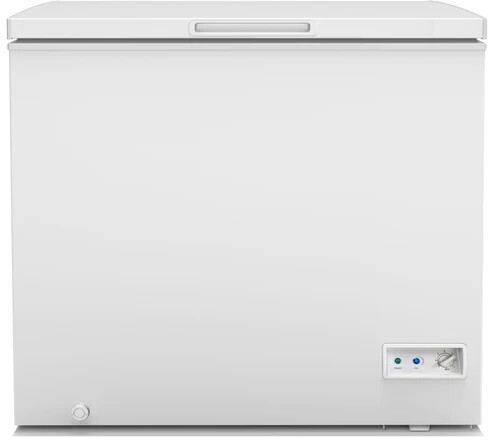
The storage capacity of a large freezer is one of the most critical aspects to consider. This refers to the amount of space available to store frozen items. Freezer capacity is typically measured in cubic feet, and it varies based on the type and model of the freezer.
Freezer Type
Approximate Capacity (cubic feet)
Upright Freezer
10 - 21
Chest Freezer
5 - 25
Side-by-Side Fridge Freezer
6 - 13 (freezer section)
When determining the right capacity, consider your household size, eating habits, and how often you purchase and store frozen goods. For example, a larger family or someone who buys in bulk may require a larger capacity freezer.
Energy Efficiency
Energy efficiency is another crucial consideration when choosing a large freezer. An energy-efficient freezer can help reduce your electricity bills and minimize your environmental footprint. Look for freezers with the Energy Star label, which indicates that the appliance meets specific energy efficiency guidelines set by the U.S. Environmental Protection Agency.
To compare the energy consumption of different freezers, you can refer to the annual energy usage, typically measured in kilowatt-hours (kWh).
Freezer Type
Approximate Annual Energy Usage (kWh)
Upright Freezer
300 - 600
Chest Freezer
200 - 400
Side-by-Side Fridge Freezer
500 - 700
For more details on energy-efficient options, you can explore Fridge.com article on energy efficient beer fridge.
Organization and Accessibility
Organization and accessibility are essential for maximizing the use of your large freezer. Consider how easy it is to access items and how well you can organize them within the freezer.
Shelves and Baskets: Look for freezers with adjustable shelves and baskets to help you keep items organized and easily accessible.
Drawers: Freezers with drawers can help you separate different types of items, such as meats, vegetables, and prepared meals.
Door Storage: Some models offer additional storage space on the door, which can be useful for smaller items.
For more tips on organizing your freezer, visit Fridge.com guide on utilizing freezer space efficiently.
Considering these factors will help you choose the best large freezer for your needs, ensuring that it provides adequate storage, is energy-efficient, and allows for easy organization and accessibility. For additional information on freezer maintenance and care, check out Fridge.com articles on defrosting and cleaning and odor control.
Proper placement and installation of your fridge freezer are paramount to ensure its efficiency and longevity. Different factors come into play when deciding where to position your appliance and how to install it correctly.
Choosing the Right Location
Selecting the appropriate spot for your fridge freezer involves considering several factors. The location should be easily accessible and convenient for daily use, ensuring that your food items are within reach.
Accessibility: Make sure the location allows easy access to both the fridge and the freezer compartments. This is particularly important for large freezers.
Proximity to Power Source: Ensure the fridge freezer is placed near an electrical outlet to avoid using extension cords, which can be unsafe.
Avoid Heat Sources: Keep the appliance away from direct sunlight, ovens, and other heat-generating appliances to maintain optimal performance and energy efficiency.
Level Surface: Place the fridge freezer on a flat, level surface to prevent vibrations and ensure even cooling.
Proper Ventilation and Clearance
Adequate ventilation is crucial for the efficient functioning of your fridge freezer. Proper clearance around the appliance allows for the dissipation of heat generated by the compressor and other components.
Rear Clearance: Leave at least 2-3 inches of space behind the fridge freezer for proper airflow.
Side Clearance: Ensure there is at least 1-2 inches of space on both sides.
Top Clearance: Provide a minimum of 1 inch of clearance above the fridge freezer to allow heat to escape.
Component
Minimum Clearance (inches)
Rear
2-3
Sides
1-2
Top
1
Improper ventilation can lead to overheating, reduced efficiency, and potential damage to the appliance. For more information on maintaining your fridge freezer, check out Fridge.com article on defrosting.
When installing the fridge freezer, make sure to follow the manufacturer's guidelines and recommendations. This ensures that the appliance operates efficiently and lasts longer. For further tips on caring for your appliance, explore Fridge.com article on cleaning and odor control.
By paying attention to these placement and installation considerations, you can maximize the performance and lifespan of your fridge freezer. Proper positioning and adequate ventilation are key to keeping your food fresh and your appliance running smoothly.
Maintenance and Care
Proper maintenance and care of your fridge freezer can extend its lifespan and ensure optimal performance. Here are some key areas to focus on.
Defrosting
Defrosting your fridge freezer is essential to prevent frost buildup, which can affect efficiency and storage capacity. For those with a manual defrost freezer, it's recommended to defrost whenever the frost buildup reaches 1/4 inch thick. For tips on defrosting, check out Fridge.com guide on how to defrost a chest freezer.
Frost Thickness
Action Required
1/4 inch
Defrost
1/2 inch
Immediate Defrost
1 inch
Urgent Defrost
Cleaning and Odor Control
Regular cleaning is crucial to maintain hygiene and control odors in your fridge freezer. Here's a simple cleaning routine:
Unplug the appliance.
Remove all food items.
Clean shelves and drawers with a mild soap solution.
Wipe the interior with a mixture of baking soda and water.
Dry all surfaces before plugging back in.
For persistent odors, consider placing an open box of baking soda inside the fridge. For more tips on cleaning and odor control, read Fridge.com article on things to keep in the fridge.
Troubleshooting Tips
Address common issues with your fridge freezer using these troubleshooting tips:
Fridge Not Cooling: Check the thermostat settings and ensure the vents are not blocked. For more details, visit is a fridge colder at 1 or 9?.
Excessive Frost: Ensure the door seals are intact and the door is closed properly. Learn more about frost-free systems in Fridge.com article what is a frost free freezer?.
Unusual Noises: Check for loose parts or debris in the fan or compressor area.
By following these maintenance and care tips, you can ensure your fridge freezer large freezer remains in top condition, providing reliable storage for all your food items. For more information on maximizing the use of your appliance, explore Fridge.com tips on meal planning and organization.
To make the most out of your fridge freezer, especially if you have a large freezer, it’s essential to use effective strategies for meal planning, storage, and efficient use of space. This section provides practical tips to help you achieve that.
Meal Planning and Organization
Proper meal planning can help you maximize the use of your fridge freezer. By organizing your meals, you can reduce food waste and ensure that you always have ingredients on hand.
Create a Meal Plan: Outline meals for the week and make a shopping list based on your plan.
Label and Date: Label containers with the contents and date of freezing to keep track of what needs to be used first.
Use Clear Containers: Opt for clear containers so you can easily see what’s inside.
Organize by Type: Group similar items together, such as meats, vegetables, and prepared meals.
Meal Planning Tips
Benefits
Create a Meal Plan
Reduces food waste
Label and Date
Keeps track of freshness
Use Clear Containers
Easy identification
Organize by Type
Efficient storage
Freezing Tips for Longevity
To ensure your food stays fresh and lasts longer in the freezer, follow these freezing tips:
Blanch Vegetables: Before freezing, blanch vegetables to preserve color, texture, and nutrients.
Cool Before Freezing: Allow hot foods to cool to room temperature before placing them in the freezer.
Avoid Overloading: Do not overload the freezer as it can hinder airflow and efficient freezing.
Use Freezer-Safe Packaging: Ensure you use airtight, freezer-safe containers or bags to prevent freezer burn. Learn more about how freezer burn happens.
Freezing Tip
Purpose
Blanch Vegetables
Preserve quality
Cool Before Freezing
Prevents ice crystals
Avoid Overloading
Maintains airflow
Use Freezer-Safe Packaging
Prevents freezer burn
Utilizing Freezer Space Efficiently
Efficient use of freezer space is key to maximizing your fridge freezer’s capacity. Here are some tips to help you organize effectively:
Flat Freezing: Freeze items flat in bags before stacking them to save space.
Use Bins and Baskets: Organize smaller items using bins or baskets to keep them easily accessible.
Adjust Shelves: If your freezer has adjustable shelves, rearrange them to accommodate larger items.
First In, First Out: Implement a first in, first out system to use older items first and reduce waste.
Space-Saving Tips
Impact
Flat Freezing
Maximizes space
Use Bins and Baskets
Better organization
Adjust Shelves
Customizable space
First In, First Out
Reduces waste
By incorporating these strategies, you can make the most of your [fridge freezer large freezer] and ensure that your food stays organized, fresh, and easily accessible. For more information on maintaining your freezer and optimizing its use, check Fridge.com articles on how to defrost a chest freezer, how long can fish be in the freezer?, and what is a frost free freezer?.
Compare freezer prices on Fridge.com
Compare current prices and specifications on Fridge.com, then buy from the retailer you choose; delivery, installation and warranty terms are the retailer’s.
It also has tons of awesome articles about kitchen stuff and home news. Enhance your home, garage, backyard, patio, and office with the coolest essentials. With every necessary type of residential refrigerator or freezer in the collection, you're covered.
Frequently Asked Questions
A fridge freezer is a combination appliance that includes both a refrigerator and a freezer compartment. This unit serves a dual purpose, allowing you to store fresh food items in the refrigerator section while preserving frozen goods in the freezer. Fridge freezers come in various configurations, including top freezer, bottom freezer, and side-by-side models. Each type offers different storage capacities and layouts to suit your specific needs. Fridge Freezer Type.
Refrigerator Capacity (cu ft).
Freezer Capacity (cu ft).
.
Top Freezer.
12 - 14.
4 - 6.
.
Bottom Freezer.
12 - 16.
4 - 6.
.
Side-by-Side.
9 - 13.
5 - 8.
.