Fridge.com Logo

Fridge.Com: Low Sodium Diet Meaning And Recipes

By • Published June 19, 2025

Understanding Low Sodium Diet

Cutting back on salt can do wonders for your health. Getting the hang of this diet helps you make savvy choices for you and your loved ones.

Importance of Low Sodium Diet

Keeping your salt intake in check is about more than just flavor—it's about keeping your heart happy too. Too much salt can make your blood pressure spike, putting extra pressure on your ticker. By choosing low-salt eats, you're setting yourself up for better heart health.

How to Start a Low Sodium Diet

Starting this diet isn't rocket science. Follow these simple steps to get rolling:

  1. Check Food Labels: Become a label detective. Pick foods with less than 140 mg of sodium per serving. The fewer the salt, the better!

  2. Go Fresh: Fresh fruits, veggies, and plain ol' foods are naturally lower in sodium than canned stuff. Try to eat more of these when possible.

  3. Spice it Up: Ditch the salt shaker and get creative with herbs and spices. It may take time, but your taste buds will thank you.

Step Action
1 Check food labels for sodium
2 Choose fresh stuff
3 Add flavor with herbs and spices

Want more tips on keeping things organized? Peek at our guide on organizing your fridge FIFO method to keep those low-salt goodies front and center.

Benefits of Reducing Sodium Intake

Cutting back on sodium has some sweet perks:

  • Better Blood Pressure: Less salt means steadier blood pressure.
  • Heart Health: Lower sodium means less chance of heart woes.
  • Overall Boost: More fresh fruits, veggies, and grains lead to feeling better all around.

These perks show how a low sodium diet can ramp up your well-being. If hunting for delicious low-salt meals, swing by our low sodium recipes for some scrumptious ideas.

Low Sodium Ingredients

Jumping onto a low sodium diet wagon? Start with knowing which ingredients to dodge and which ones can spice up your meals minus the salt flood. Here's a handy guide to some sneaky high-sodium villains and yummy replacements that won't leave your taste buds high and dry.

Common High-Sodium Culprits

Lots of everyday eats sneak too much salt into your diet. Spotting these salty suspects can save you from sodium overload. Peep this quick rundown:

Salty Offender Average Sodium Content (mg)
Table Salt 2,300
Soy Sauce 1,000
Canned Soups 700
Processed Meats (like bacon, ham) 1,000 - 1,500
Pickles 1,200
Cheese (like cheddar, blue cheese) 200 - 500

Knowing these sodium-packed items is half the battle when you're trying to make smarter choices at the market or kitchen.

Alternatives for Flavorful Low Sodium Cooking

Don't fret, there's a treasure trove of substitutes that bring flavor without overpacking sodium. Check out these low sodium alternatives:

Salty Offender Low Sodium Swap
Soy Sauce Low sodium soy sauce or coconut aminos
Table Salt Herbs, spices, or salt-free seasonings
Canned Soups Whip up fresh homemade soups
Processed Meats Fresh lean meats like chicken, turkey breast, or fish
Pickles Unsalted cucumbers or DIY herb-pickles
Cheese Go for low sodium cheeses or sprinkle some nutritional yeast

These swaps can keep your dishes delicious while sticking to low sodium targets. Want more tricks to fit these into your meals? Swing by our fridge.com article on low sodium diet meaning and recipes.

Planning a Low Sodium Fridge

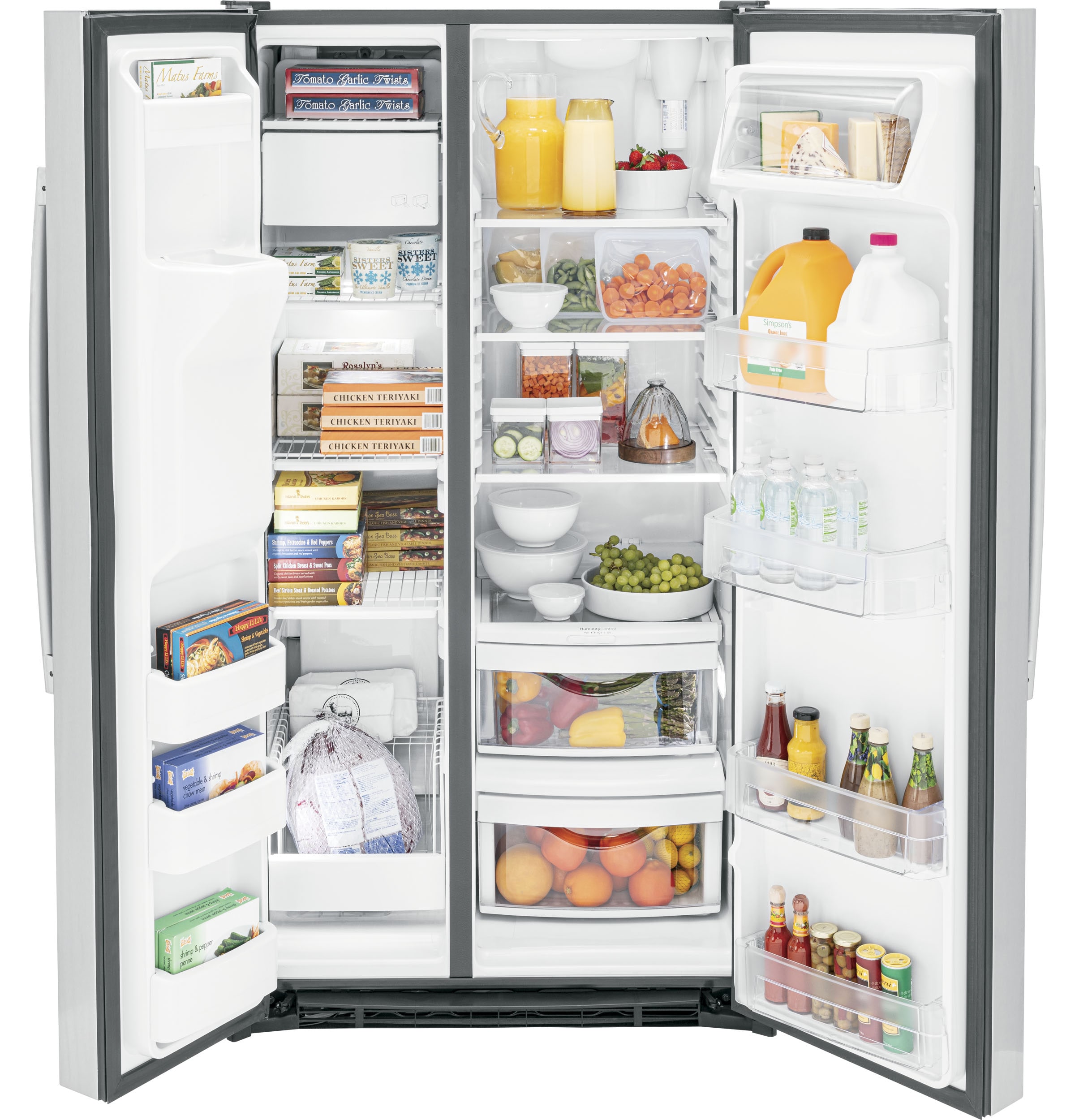
Setting up a go-to spot for low sodium goodies in your fridge can make sticking to your health goals a breeze while keeping your meals scrumptious and filling. Here's how to sort out your fridge for low sodium living.

Organizing Low Sodium Foods

Kick things off by giving a dedicated section of your fridge just for low sodium stuff. This neat trick saves you loads of time while prepping meals and nudges you toward healthier picks. Grab some containers or bins and sort your goodies:

Category Examples
Fresh Produce Leafy greens, bell peppers, berries
Proteins Fresh chicken, fish, tofu
Dairy Alternatives Low-sodium yogurt, almond milk
Grains Quinoa, brown rice
Snacks Unsalted nuts, low sodium crackers

Keep the freshest treats at eye level, so they're always the first thing you reach for when you open the fridge. This little hack makes it a breeze to go for healthy choices.

Reading Labels for Sodium Content

Knowing the sodium score in foods is a game-changer for keeping a low sodium diet. Always glance at nutrition labels while shopping to make smart choices. Keep an eye out for:

  • Serving Size: Know how much sodium is packed into one serving.
  • Sodium Amount: Shoot for eats with under 140 mg of sodium per serving.
  • Ingredients List: Steer clear of sodium-heavy stuff like soy sauce, mustard, or pickles.

An app that scans barcodes and spills the sodium beans can save the day when you're in the grocery aisle. It helps you spot low sodium eats without breaking a sweat.

Must-Have Low Sodium Staples

Filling your fridge with low sodium essentials can help you whip up tasty dinners on the fly without messing with your health. Here's what to stock:

Staple Alternative Options
Fresh Herbs Basil, cilantro, parsley
Spices Garlic powder, paprika, cumin
Low Sodium Broth Vegetable or chicken broth
Canned Goods Low sodium beans, diced tomatoes
Condiments Low sodium mustard, vinegar

Having these goodies on deck not only cranks up the flavor but also makes cooking a walk in the park. For more meal ideas, check out our stash of fridge.com: low sodium diet meaning and recipes.

By setting up your fridge like this, getting smart with labels, and piling up on low sodium must-haves, you're all set to ace a healthy, low sodium diet.

Low Sodium Recipes

Eating tasty food while sticking to a low sodium plan is totally doable. Check out some creative low sodium ideas for breakfast, lunch, dinner, snacks, and desserts that will satisfy your taste buds.

Breakfast Ideas

Start your morning right with a healthy breakfast that’s low in sodium but loaded with good taste. Here are some easy picks:

Recipe Name Ingredients Sodium Content (mg)
Oatmeal with Fruits Rolled oats, almond milk, fresh berries, cinnamon 5
Avocado Toast Whole grain bread, avocado, tomato slice, black pepper 15
Smoothie Bowl Spinach, banana, unsweetened yogurt, almond milk, seeds 10

Lunch and Dinner Recipes

You can still have fun with lunch and dinner while keeping your sodium in check. Try these yummy recipes:

Recipe Name Ingredients Sodium Content (mg)
Quinoa Salad Quinoa, cucumbers, cherry tomatoes, lemon dressing 10
Grilled Chicken Wrap Whole grain tortilla, grilled chicken, lettuce, salsa 50
Vegetable Stir-Fry Mixed vegetables, brown rice, low sodium soy sauce 100

Snacks and Desserts

Snacks time! These low sodium goodies will keep your energy going all day:

Recipe Name Ingredients Sodium Content (mg)
Hummus with Veggies Chickpeas, tahini, lemon juice, sliced veggies 5
Fruit Salad Mixed seasonal fruits 0
Dark Chocolate Bites Dark chocolate (70% cocoa or higher) 5

These recipes are not just a breeze to whip up but are also low in sodium, making them ideal for anyone watching their sodium levels. For some extra flair in your cooking, take a look at our article on organizing your fridge to help with your meal prep. Enjoy playing around with these tastes!

Cooking Tips for Low Sodium Diet

Changing up how you cook can make a world of difference in cutting down your sodium while still enjoying super tasty meals. Check out these ideas to help you stick to a low sodium plan without sacrificing flavor.

Flavoring with Herbs and Spices

Think of herbs and spices as your new best pals in the kitchen. Who needs salt when you have all these tasty options? Give fresh or dried herbs a go, like basil, oregano, thyme, rosemary, and cilantro—they're perfect for livening up any meal. Spices like garlic powder, onion powder, paprika, and cumin can bring warmth and richness without a sodium spike.

Herb/Spice Flavor Punch Dishes to Try Them In
Basil Sweet vibes, aromatic Pasta, salads
Rosemary Bold, piney Roasted veggies, meats
Cumin Earthy, cozy Soups, stews, curries
Cilantro Bright, zesty Salsas, Asian dishes

Mixing up your herbs and spices can really amp up your cooking game while keeping it sodium-friendly. For more spicy inspiration, hop on over to our piece on fridge.com: elimination diet meaning and recipes.

Cooking Methods to Reduce Sodium

Switching up how you cook can also help keep sodium in check. Why not give steaming, grilling, roasting, or sautéing a shot instead of boiling or frying?

  • Steaming: Keeps those veggie flavors and nutrients intact.
  • Grilling: Brings out smoky flavors with zero need for salt.
  • Roasting: Adds depth and richness by caramelizing natural sugars.
  • Sautéing: Use olive oil or broth for extra taste minus the salt.

These techniques not only pump up the flavor but also keep your food’s texture and good stuff intact. Need tips on storing low-sodium foods? Swing by our article on organize fridge fifo method.

Eating Out on a Low Sodium Diet

Eating out while keeping the salt on the down-low might feel a bit tricky, but don’t worry; you can totally handle it. Here’s how:

  1. Ask Away: It's cool to chat with your server about how they make their dishes. Lots of places are willing to adjust for low sodium.
  2. Go Fresh: Dishes made from scratch are usually lighter on the sodium than pre-made stuff.
  3. Sauces and Dressings on the Side: This way, you've got the say over how much ends up on your plate.
  4. Pick Grilled or Roasted: Generally, these choices do better in the sodium department than fried or heavy options.

Heading to a restaurant doesn’t have to mess with your low sodium goals. With a bit of forethought, you’ll find dining out still fits your needs. You'll find inspiration for home-cooked meals in our handy exhibit of low sodium recipes.

Related Articles

Previous: Best Mini Fridges For MomsNext: Popular Mom Friendly Freezer Meals For Breakfast
Fridge.com | Blog

Fridge.Com: Low Sodium Diet Meaning And Recipes

Share Fridge.com:
Image for Fridge.com: Low Sodium Diet Meaning And Recipes
Michelle Thomas
Fridge.com Editorial Team
9 min read
Jun 19, 2025

Understanding Low Sodium Diet

Cutting back on salt can do wonders for your health. Getting the hang of this diet helps you make savvy choices for you and your loved ones.

Importance of Low Sodium Diet

Keeping your salt intake in check is about more than just flavor—it's about keeping your heart happy too. Too much salt can make your blood pressure spike, putting extra pressure on your ticker. By choosing low-salt eats, you're setting yourself up for better heart health.

How to Start a Low Sodium Diet

Starting this diet isn't rocket science. Follow these simple steps to get rolling:

  1. Check Food Labels: Become a label detective. Pick foods with less than 140 mg of sodium per serving. The fewer the salt, the better!

  2. Go Fresh: Fresh fruits, veggies, and plain ol' foods are naturally lower in sodium than canned stuff. Try to eat more of these when possible.

  3. Spice it Up: Ditch the salt shaker and get creative with herbs and spices. It may take time, but your taste buds will thank you.

Step Action
1 Check food labels for sodium
2 Choose fresh stuff
3 Add flavor with herbs and spices

Want more tips on keeping things organized? Peek at our guide on organizing your fridge FIFO method to keep those low-salt goodies front and center.

Benefits of Reducing Sodium Intake

Cutting back on sodium has some sweet perks:

  • Better Blood Pressure: Less salt means steadier blood pressure.
  • Heart Health: Lower sodium means less chance of heart woes.
  • Overall Boost: More fresh fruits, veggies, and grains lead to feeling better all around.

These perks show how a low sodium diet can ramp up your well-being. If hunting for delicious low-salt meals, swing by our low sodium recipes for some scrumptious ideas.

Low Sodium Ingredients

Jumping onto a low sodium diet wagon? Start with knowing which ingredients to dodge and which ones can spice up your meals minus the salt flood. Here's a handy guide to some sneaky high-sodium villains and yummy replacements that won't leave your taste buds high and dry.

Common High-Sodium Culprits

Lots of everyday eats sneak too much salt into your diet. Spotting these salty suspects can save you from sodium overload. Peep this quick rundown:

Salty Offender Average Sodium Content (mg)
Table Salt 2,300
Soy Sauce 1,000
Canned Soups 700
Processed Meats (like bacon, ham) 1,000 - 1,500
Pickles 1,200
Cheese (like cheddar, blue cheese) 200 - 500

Knowing these sodium-packed items is half the battle when you're trying to make smarter choices at the market or kitchen.

Alternatives for Flavorful Low Sodium Cooking

Don't fret, there's a treasure trove of substitutes that bring flavor without overpacking sodium. Check out these low sodium alternatives:

Salty Offender Low Sodium Swap
Soy Sauce Low sodium soy sauce or coconut aminos
Table Salt Herbs, spices, or salt-free seasonings
Canned Soups Whip up fresh homemade soups
Processed Meats Fresh lean meats like chicken, turkey breast, or fish
Pickles Unsalted cucumbers or DIY herb-pickles
Cheese Go for low sodium cheeses or sprinkle some nutritional yeast

These swaps can keep your dishes delicious while sticking to low sodium targets. Want more tricks to fit these into your meals? Swing by our fridge.com article on low sodium diet meaning and recipes.

Planning a Low Sodium Fridge

Setting up a go-to spot for low sodium goodies in your fridge can make sticking to your health goals a breeze while keeping your meals scrumptious and filling. Here's how to sort out your fridge for low sodium living.

Organizing Low Sodium Foods

Kick things off by giving a dedicated section of your fridge just for low sodium stuff. This neat trick saves you loads of time while prepping meals and nudges you toward healthier picks. Grab some containers or bins and sort your goodies:

Category Examples
Fresh Produce Leafy greens, bell peppers, berries
Proteins Fresh chicken, fish, tofu
Dairy Alternatives Low-sodium yogurt, almond milk
Grains Quinoa, brown rice
Snacks Unsalted nuts, low sodium crackers

Keep the freshest treats at eye level, so they're always the first thing you reach for when you open the fridge. This little hack makes it a breeze to go for healthy choices.

Reading Labels for Sodium Content

Knowing the sodium score in foods is a game-changer for keeping a low sodium diet. Always glance at nutrition labels while shopping to make smart choices. Keep an eye out for:

  • Serving Size: Know how much sodium is packed into one serving.
  • Sodium Amount: Shoot for eats with under 140 mg of sodium per serving.
  • Ingredients List: Steer clear of sodium-heavy stuff like soy sauce, mustard, or pickles.

An app that scans barcodes and spills the sodium beans can save the day when you're in the grocery aisle. It helps you spot low sodium eats without breaking a sweat.

Must-Have Low Sodium Staples

Filling your fridge with low sodium essentials can help you whip up tasty dinners on the fly without messing with your health. Here's what to stock:

Staple Alternative Options
Fresh Herbs Basil, cilantro, parsley
Spices Garlic powder, paprika, cumin
Low Sodium Broth Vegetable or chicken broth
Canned Goods Low sodium beans, diced tomatoes
Condiments Low sodium mustard, vinegar

Having these goodies on deck not only cranks up the flavor but also makes cooking a walk in the park. For more meal ideas, check out our stash of fridge.com: low sodium diet meaning and recipes.

By setting up your fridge like this, getting smart with labels, and piling up on low sodium must-haves, you're all set to ace a healthy, low sodium diet.

Low Sodium Recipes

Eating tasty food while sticking to a low sodium plan is totally doable. Check out some creative low sodium ideas for breakfast, lunch, dinner, snacks, and desserts that will satisfy your taste buds.

Breakfast Ideas

Start your morning right with a healthy breakfast that’s low in sodium but loaded with good taste. Here are some easy picks:

Recipe Name Ingredients Sodium Content (mg)
Oatmeal with Fruits Rolled oats, almond milk, fresh berries, cinnamon 5
Avocado Toast Whole grain bread, avocado, tomato slice, black pepper 15
Smoothie Bowl Spinach, banana, unsweetened yogurt, almond milk, seeds 10

Lunch and Dinner Recipes

You can still have fun with lunch and dinner while keeping your sodium in check. Try these yummy recipes:

Recipe Name Ingredients Sodium Content (mg)
Quinoa Salad Quinoa, cucumbers, cherry tomatoes, lemon dressing 10
Grilled Chicken Wrap Whole grain tortilla, grilled chicken, lettuce, salsa 50
Vegetable Stir-Fry Mixed vegetables, brown rice, low sodium soy sauce 100

Snacks and Desserts

Snacks time! These low sodium goodies will keep your energy going all day:

Recipe Name Ingredients Sodium Content (mg)
Hummus with Veggies Chickpeas, tahini, lemon juice, sliced veggies 5
Fruit Salad Mixed seasonal fruits 0
Dark Chocolate Bites Dark chocolate (70% cocoa or higher) 5

These recipes are not just a breeze to whip up but are also low in sodium, making them ideal for anyone watching their sodium levels. For some extra flair in your cooking, take a look at our article on organizing your fridge to help with your meal prep. Enjoy playing around with these tastes!

Cooking Tips for Low Sodium Diet

Changing up how you cook can make a world of difference in cutting down your sodium while still enjoying super tasty meals. Check out these ideas to help you stick to a low sodium plan without sacrificing flavor.

Flavoring with Herbs and Spices

Think of herbs and spices as your new best pals in the kitchen. Who needs salt when you have all these tasty options? Give fresh or dried herbs a go, like basil, oregano, thyme, rosemary, and cilantro—they're perfect for livening up any meal. Spices like garlic powder, onion powder, paprika, and cumin can bring warmth and richness without a sodium spike.

Herb/Spice Flavor Punch Dishes to Try Them In
Basil Sweet vibes, aromatic Pasta, salads
Rosemary Bold, piney Roasted veggies, meats
Cumin Earthy, cozy Soups, stews, curries
Cilantro Bright, zesty Salsas, Asian dishes

Mixing up your herbs and spices can really amp up your cooking game while keeping it sodium-friendly. For more spicy inspiration, hop on over to our piece on fridge.com: elimination diet meaning and recipes.

Cooking Methods to Reduce Sodium

Switching up how you cook can also help keep sodium in check. Why not give steaming, grilling, roasting, or sautéing a shot instead of boiling or frying?

  • Steaming: Keeps those veggie flavors and nutrients intact.
  • Grilling: Brings out smoky flavors with zero need for salt.
  • Roasting: Adds depth and richness by caramelizing natural sugars.
  • Sautéing: Use olive oil or broth for extra taste minus the salt.

These techniques not only pump up the flavor but also keep your food’s texture and good stuff intact. Need tips on storing low-sodium foods? Swing by our article on organize fridge fifo method.

Eating Out on a Low Sodium Diet

Eating out while keeping the salt on the down-low might feel a bit tricky, but don’t worry; you can totally handle it. Here’s how:

  1. Ask Away: It's cool to chat with your server about how they make their dishes. Lots of places are willing to adjust for low sodium.
  2. Go Fresh: Dishes made from scratch are usually lighter on the sodium than pre-made stuff.
  3. Sauces and Dressings on the Side: This way, you've got the say over how much ends up on your plate.
  4. Pick Grilled or Roasted: Generally, these choices do better in the sodium department than fried or heavy options.

Heading to a restaurant doesn’t have to mess with your low sodium goals. With a bit of forethought, you’ll find dining out still fits your needs. You'll find inspiration for home-cooked meals in our handy exhibit of low sodium recipes.

Share this Fridge.com article:
Fridge.com: Low Sodium Diet Meaning And Recipes | Fridge.com Blog