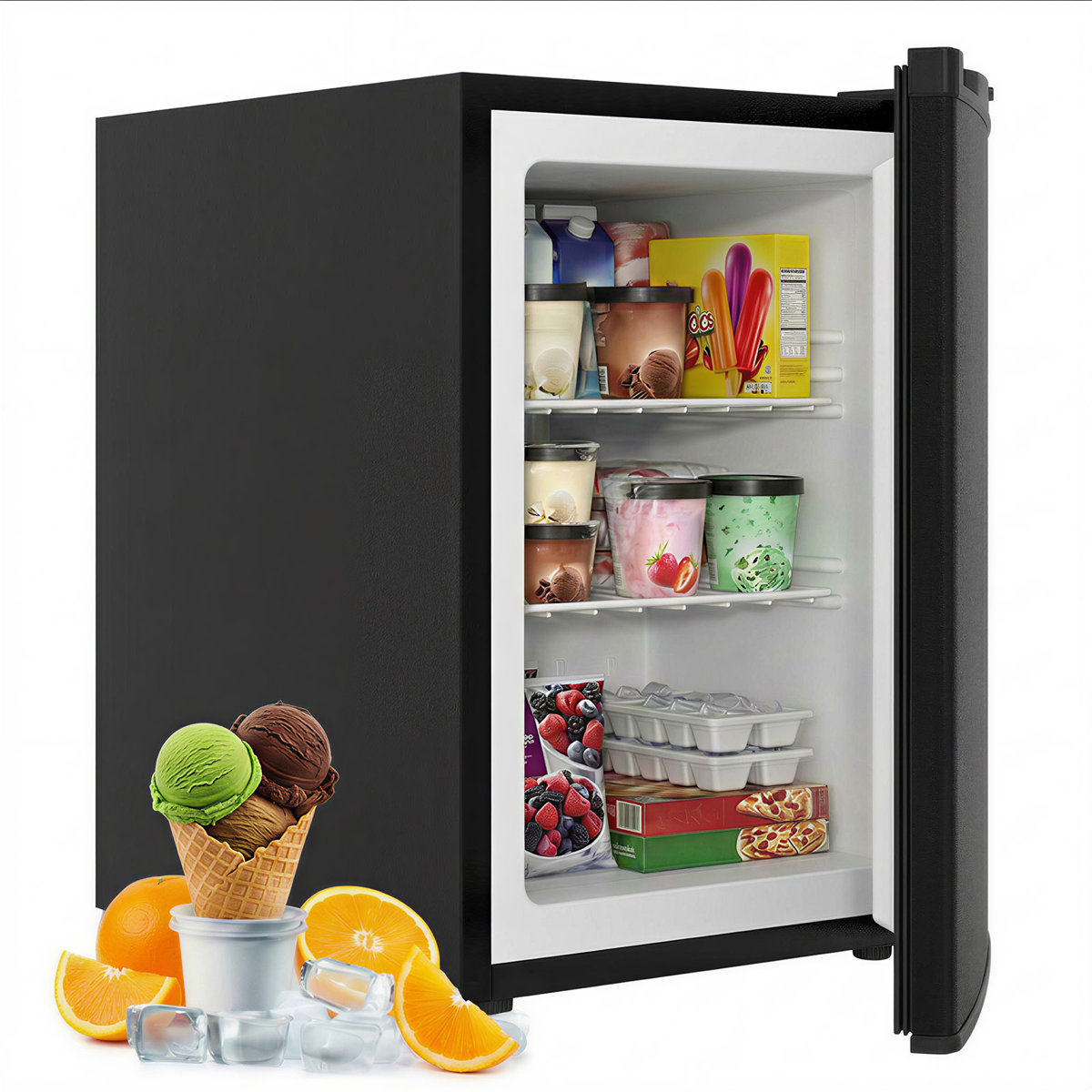
A useful freezer system answers three questions: what is inside, where is it, and which package should you use first? Start with an inventory, give each food category a home, and label packages before they disappear behind newer groceries.
Start with temperature and a safe sorting plan
Keep the freezer at 0°F (-18°C) or below and use an appliance thermometer to check it. Before emptying the compartment for cleaning, arrange cold storage for the food. Work in small sections for a simple reorganization; use another freezer when a full cleanout requires the food to stay frozen.
If food thaws or its temperature history is uncertain, follow USDA food-safety guidance. Do not decide that food is safe solely from its appearance or smell.
Measure the usable shelf or basket space, including the opening through which a bin must pass. Note where the vents, drawer rails and door seal sit. Test whether an organizer can slide out without catching and whether the door closes normally.
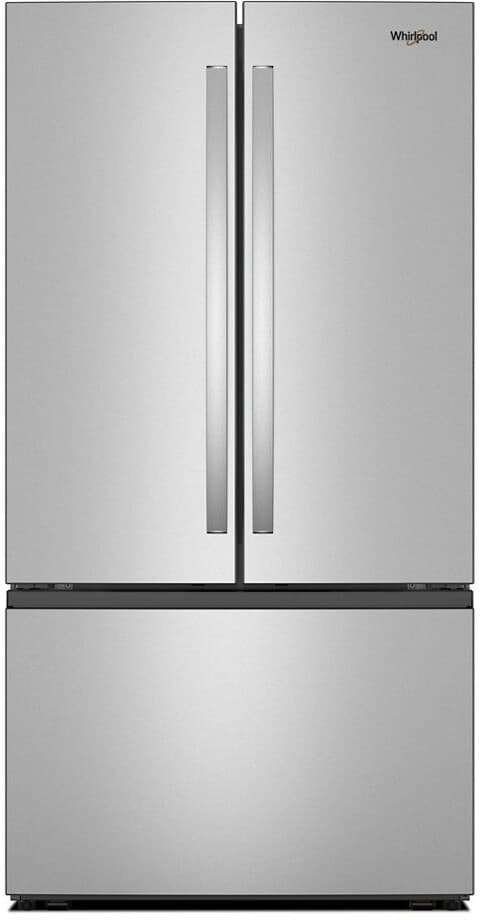
Choose bins intended for freezer use. Follow the appliance manual for shelf positions and loading limits. Keep vents unobstructed; Whirlpool's organization guide recommends leaving space around the vent instead of packing food against it.
Create categories you can find at a glance
Try separate labeled zones for vegetables, fruit, raw meat and poultry, prepared meals, and bread. Adjust the categories to what you actually buy. Keep raw meat and poultry securely wrapped and contained separately from ready-to-eat foods.
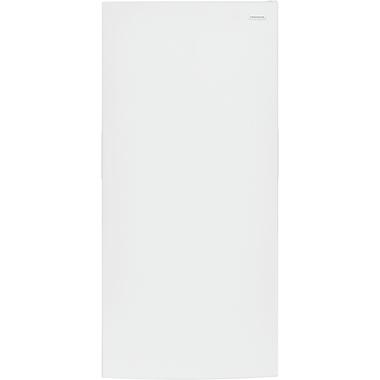
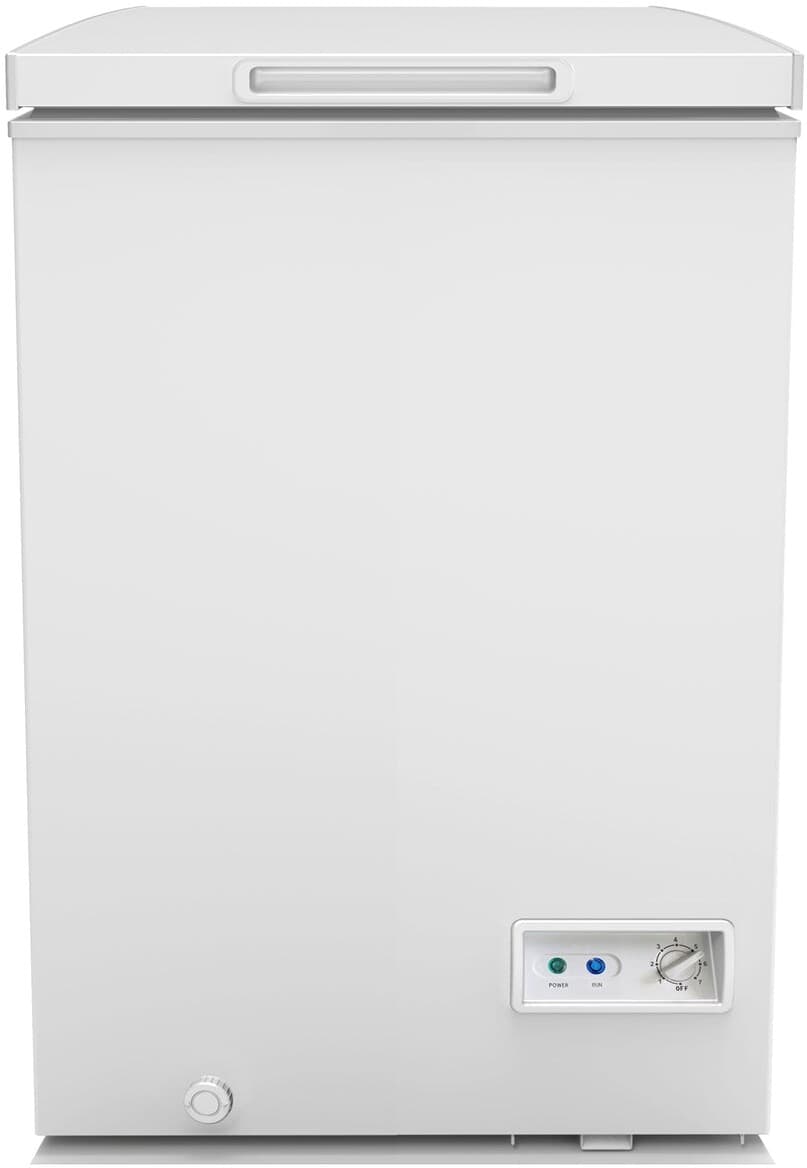
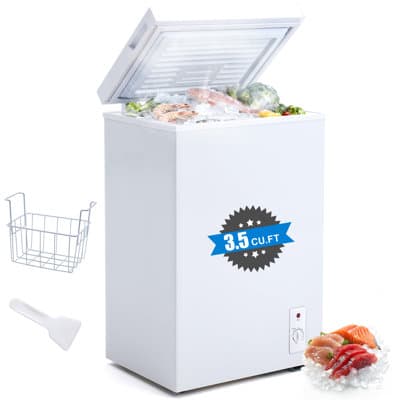
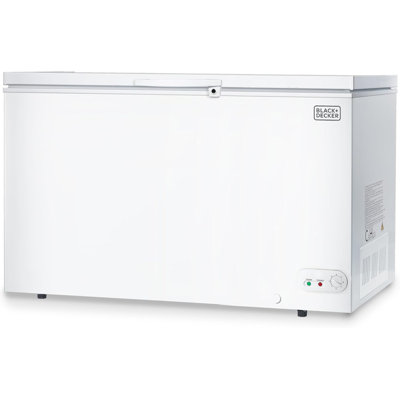
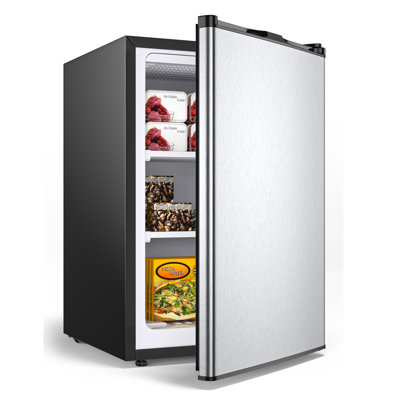
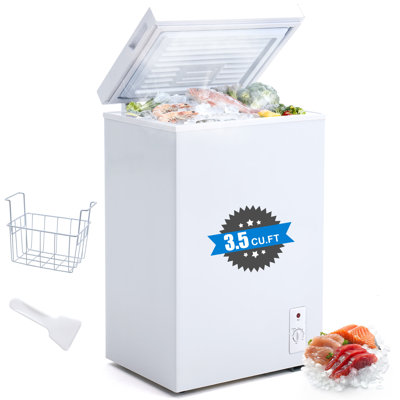
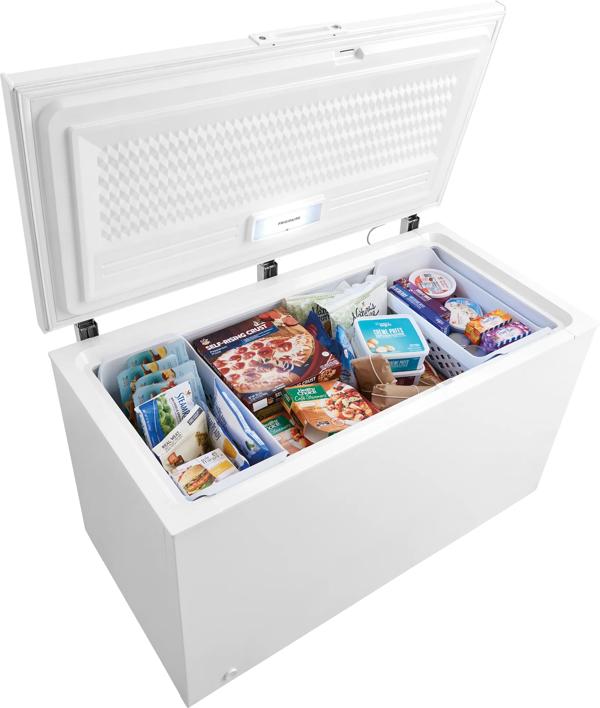
For an upright freezer, assign shelf areas or bins. For a chest freezer, use accessible baskets and label the layers beneath them. Keep frequently used packages reachable without unloading the entire compartment. Avoid unstable stacks or bins too heavy to lift comfortably.
Use freezer-rated food containers or packaging and follow their filling instructions. An organizer bin does not replace food-safe packaging. USDA explains that tight wrapping and suitable packaging help protect food from air and freezer burn.
On each package, write the food name, quantity or portions, and freezing date. Add preparation instructions when useful. Keep the label visible from the direction you normally open the drawer or basket.
Keep a simple inventory and use older packages first
Use this format on paper, a whiteboard or a note you can update:
Food
Quantity
Freezing date
Location
Vegetables
___ bags
___
___
Prepared meal
___ portions
___
___
Raw meat or poultry
___ packs
___
___
Remove an item from the list when you use it. Put new packages behind older ones where practical. A small “use first” area can make meal planning easier.
Quality dates are not universal safety deadlines. Food handled safely and kept continuously at 0°F or below can remain safe indefinitely, although quality declines. Recommended freezer storage periods depend on the food. Freezer burn affects quality and does not by itself make food unsafe. See FDA storage guidance; freezing does not make previously unsafe food safe.
Clean and defrost according to the manual
Use the cleaning and defrosting instructions for your exact appliance. Manual-defrost and automatic-defrost models need different care. Keep food protected during the work and return it only after the appliance is ready under its instructions.