#
Choosing the right freezer can be a crucial decision, especially when you have specific storage needs and space constraints. In this comparison, Fridge.com will explore the key differences between a freezer drawer and a small freezer chest. Understanding these differences will help you make an informed choice that best suits your lifestyle and storage requirements.
Understanding the Differences
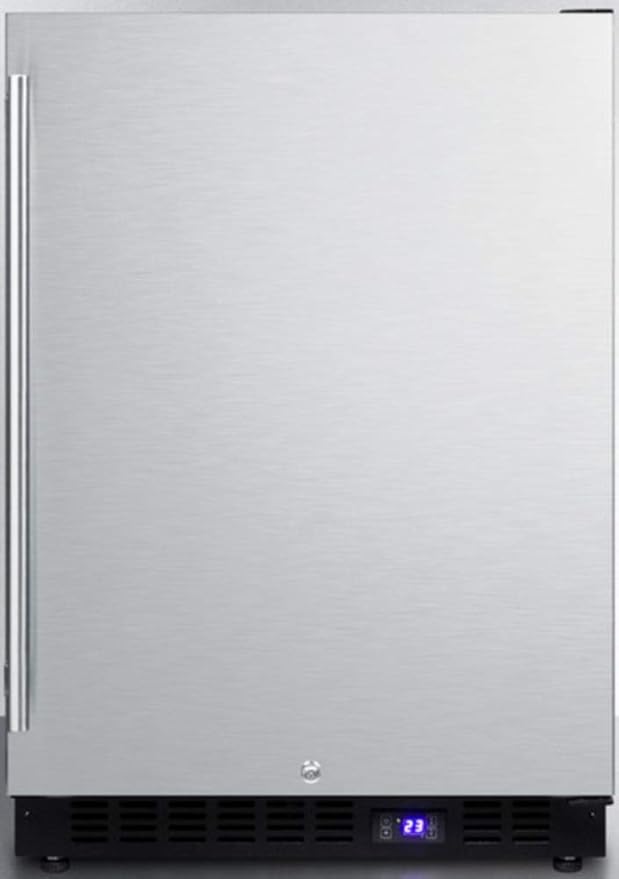
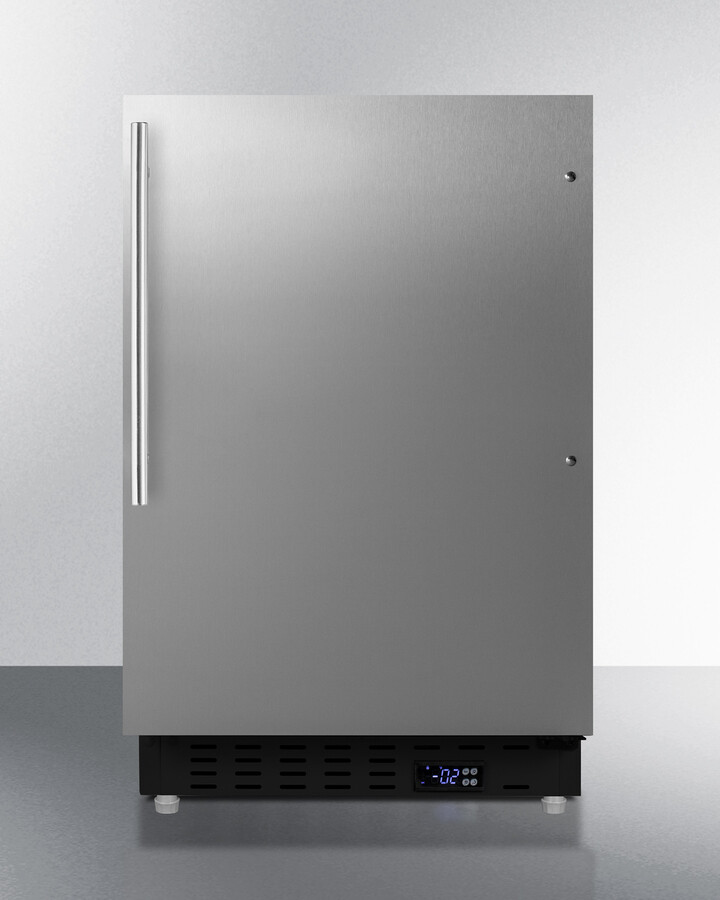
When considering a freezer drawer Vs. small freezer chest, it is important to evaluate their design, functionality, and usability. These two types of freezers offer distinct advantages and disadvantages in terms of space utilization, accessibility, and energy efficiency.
Feature
Freezer Drawer
Small Freezer Chest
Design
Integrated into refrigerator or standalone
Standalone unit
Accessibility
Easy access to items without bending
Requires more bending and digging to access items
Storage Layout
Multiple drawers for organized storage
Open compartment, less structured
Size Range
Typically smaller, fits under counters
Varies, can be small to medium-sized
Best For
Quick access to frequently used items
Bulk storage of larger items
By understanding these fundamental differences, you can better determine which type of freezer will meet your needs. Whether you prioritize accessibility and organization or require bulk storage capabilities, this comparison will guide you towards the right choice for your home. For more information on similar comparisons, you can check out Fridge.com articles on medium size refrigerator Vs. slate refrigerator and counter depth refrigerator Vs. office refrigerator.
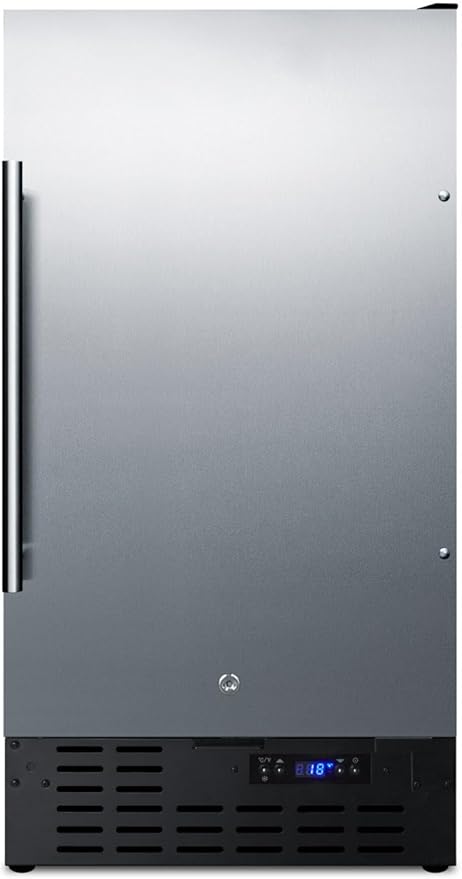
A freezer drawer is typically found at the bottom of a refrigerator, designed for easy access and organization. The drawer slides out smoothly, allowing you to see and reach your frozen items without having to dig through layers. Inside the drawer, you often find various compartments or baskets, making it easier to separate different types of food.
Feature
Description
Location
Bottom of the refrigerator
Access
Slide-out drawer
Compartments
Multiple sections for organization
Pros of Freezer Drawers
Freezer drawers offer several benefits that make them a popular choice:
Accessibility: Easily accessible, even for children and those with limited mobility.
Organization: Multiple compartments help in keeping different food items organized.
Space-saving: Efficient use of space within the refrigerator, ideal for smaller kitchens.
Ease of use: The slide-out design makes it easier to see and reach items without bending over.
Cons of Freezer Drawers
Despite their advantages, freezer drawers also have some drawbacks:
Limited space: Generally offer less storage space compared to small freezer chests.
Higher cost: Often more expensive due to their integration into refrigerators.
Energy consumption: Can be less energy-efficient compared to standalone freezers.
Temperature control: May have less precise temperature control compared to dedicated freezers.
Understanding the pros and cons of freezer drawers can help you make an informed decision. For more comparisons on different types of freezers and refrigerators, check out Fridge.com articles on freezer drawer Vs. upright freezer and convertible freezer Vs. dry age fridge.
Small Freezer Chest
Design and Layout
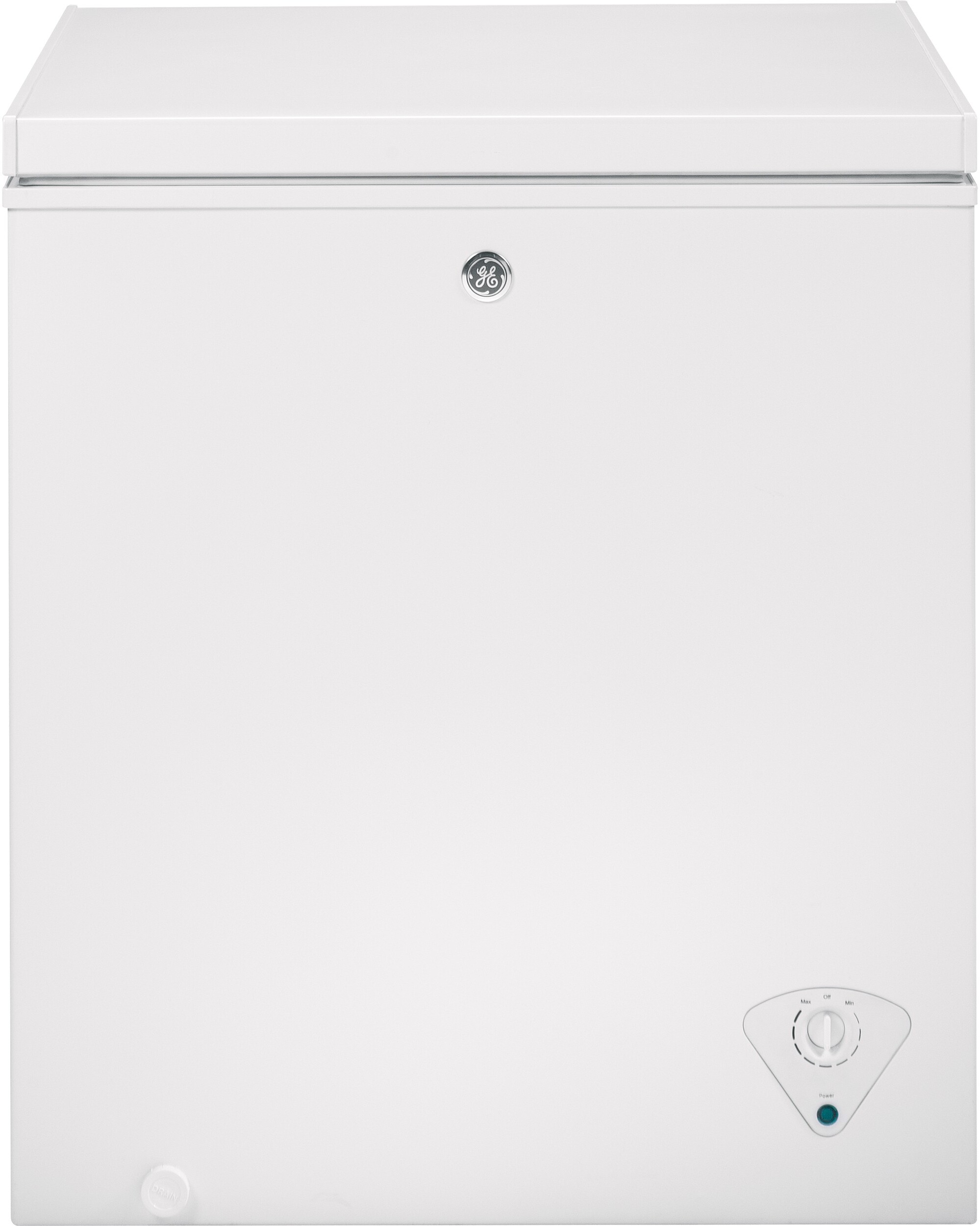
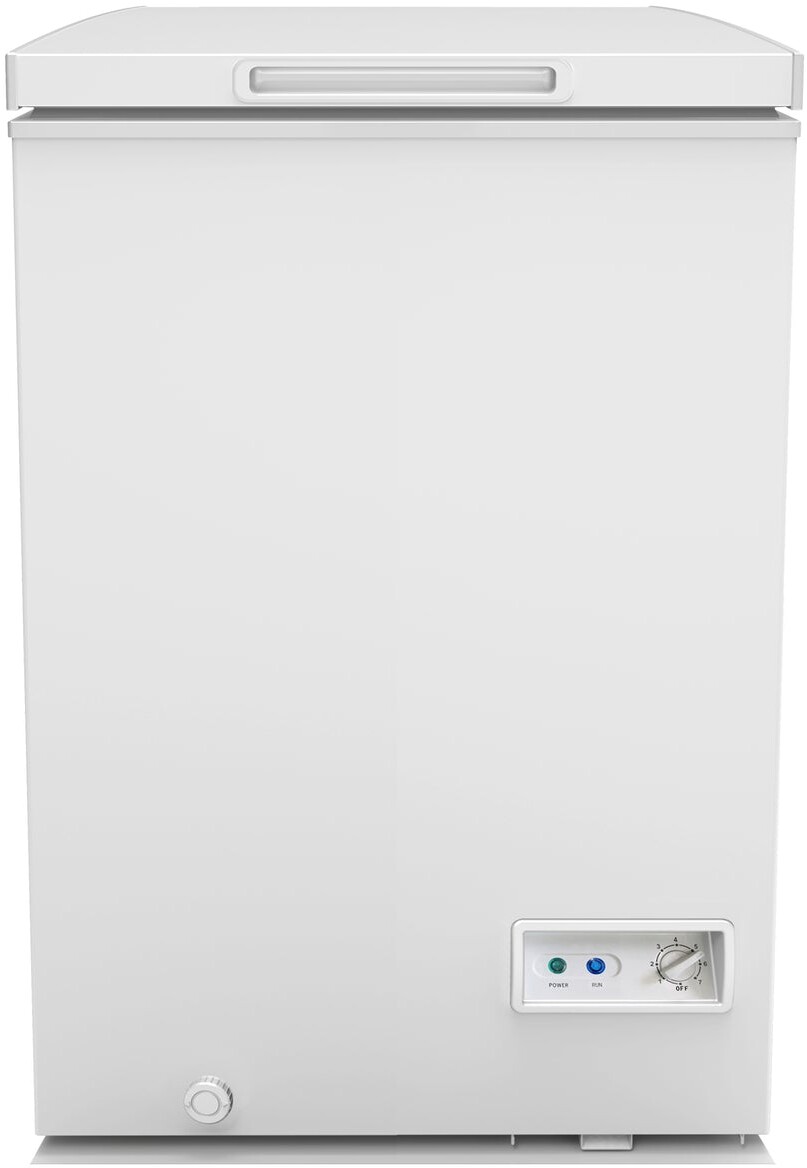
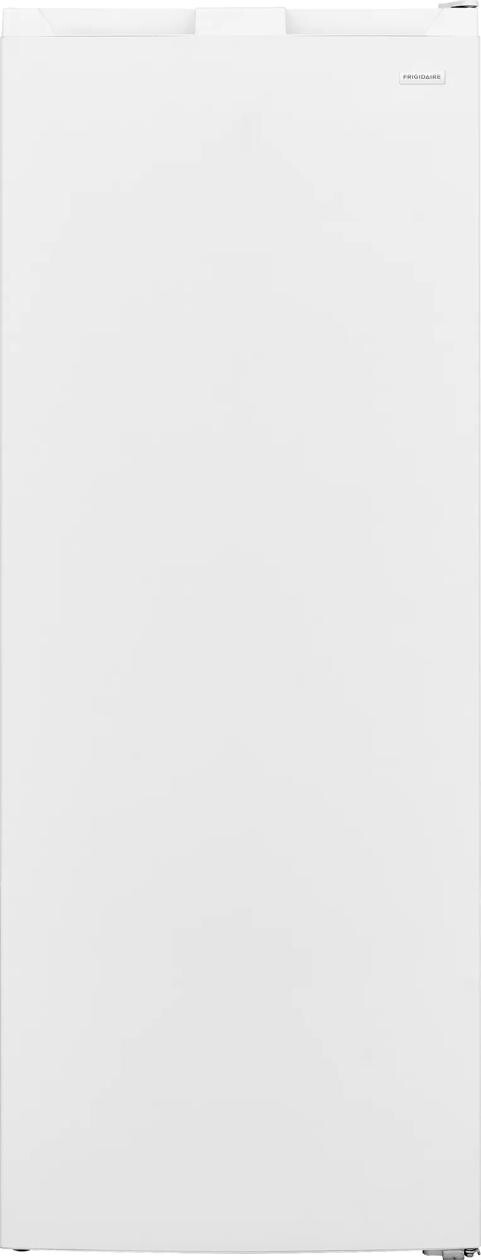
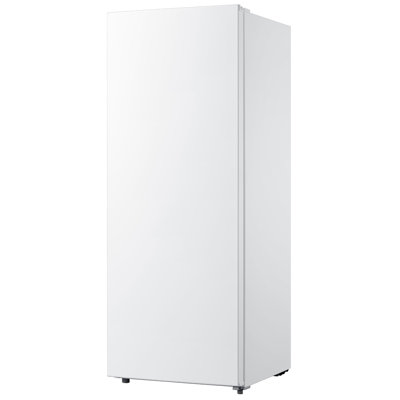
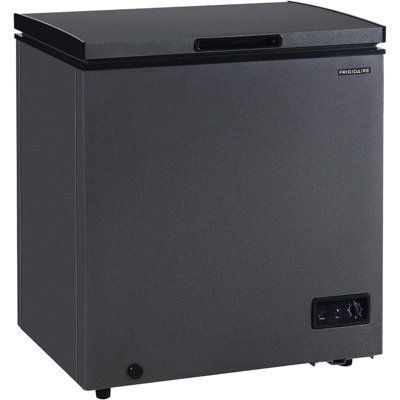
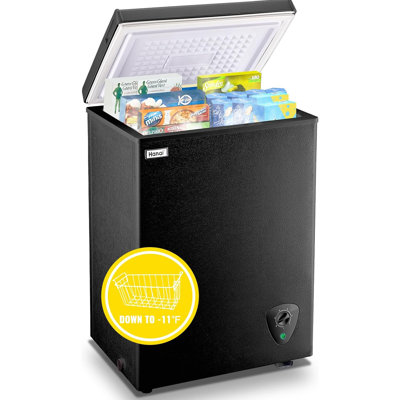
Small freezer chests are a popular choice for individuals looking to maximize their freezer storage space. These freezers are designed with a horizontal layout, featuring a hinged lid that opens from the top. This design allows for a larger storage capacity compared to vertical freezers of the same size. Inside, small freezer chests typically have one or more removable baskets or dividers to help organize the contents.
The open space design of a small freezer chest makes it easier to store bulky items, such as large cuts of meat or bulk food purchases. However, it can be challenging to access items at the bottom without removing the items on top.
Pros of Small Freezer Chests
Small freezer chests offer several advantages for those in need of additional freezer space:
Large Storage Capacity: Due to their horizontal design, small freezer chests can hold a significant amount of food.
Energy Efficiency: These freezers are generally more energy-efficient than upright models because less cold air escapes when the lid is opened.
Cost-Effective: Small freezer chests are often less expensive than upright freezers with similar storage capacities.
Long-Term Storage: Ideal for storing food for extended periods, as the temperature remains consistent throughout the freezer.
Pros of Small Freezer Chests
Large storage capacity
Cost-effective
Consistent temperature
Cons of Small Freezer Chests
Despite their benefits, small freezer chests also have some drawbacks:
Space Requirement: Their horizontal design requires more floor space, which can be a limitation in smaller areas.
Accessibility: It can be difficult to access items at the bottom of the freezer without removing the items on top.
Organization: Keeping the contents organized can be challenging due to the open space design.
Manual Defrosting: Many small freezer chests require manual defrosting, which can be time-consuming.
Cons of Small Freezer Chests
Requires more floor space
Difficult to access items at the bottom
Challenging to organize
Often requires manual defrosting
When considering whether a small freezer chest is right for you, it's important to weigh these pros and cons against your specific needs and available space. For more information on different types of freezers, visit Fridge.com article on built in freezer Vs. small chest freezer.
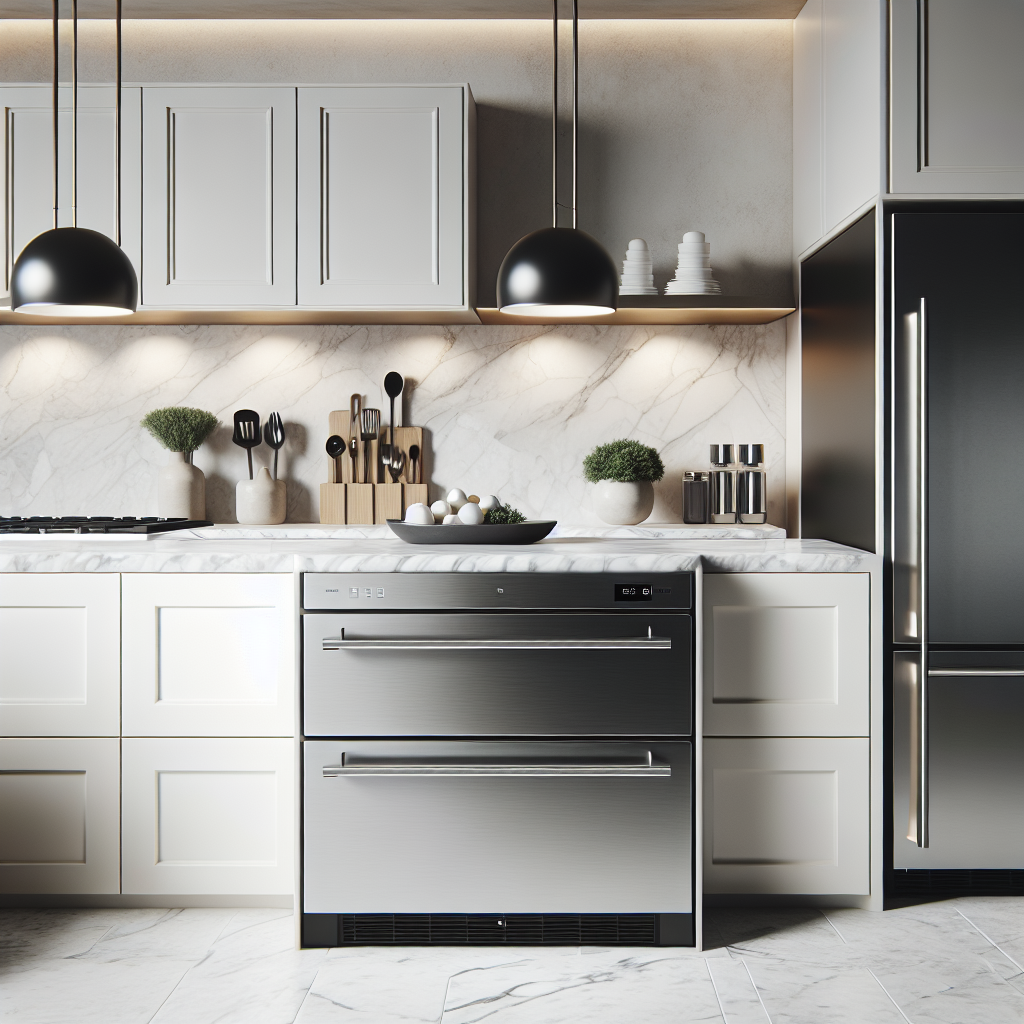
When deciding between a freezer drawer and a small freezer chest, space and size are crucial factors. Freezer drawers are designed to fit seamlessly into kitchen cabinetry, making them ideal for those with limited space. They are typically more compact and can be easily integrated into kitchen designs.
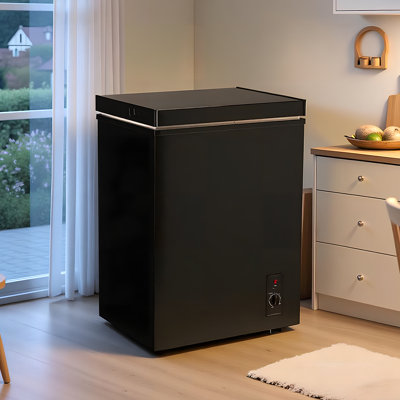
On the other hand, small freezer chests are standalone units and require more floor space. They are often used in basements, garages, or utility rooms where space is less of an issue. Freezer chests provide more storage capacity compared to freezer drawers, making them suitable for bulk storage.
Factor
Freezer Drawer
Small Freezer Chest
Space Requirement
Low
High
Storage Capacity
Medium
High
Energy Efficiency
Energy efficiency is another important consideration. Freezer drawers are generally more energy-efficient due to their smaller size and modern design. They are often equipped with energy-saving features that help reduce electricity consumption.
Small freezer chests, while larger, can also be energy-efficient but may consume more power due to their size and capacity. It's essential to look for models with energy-efficient ratings to minimize electricity usage.
Accessibility and Organization
Accessibility and organization are key when choosing between a freezer drawer and a small freezer chest. Freezer drawers offer easy access and better organization, with multiple compartments and shelves that allow you to categorize and locate items quickly. They are ideal for frequent use and smaller items.
Small freezer chests, however, can be more challenging to organize. Items are often stacked on top of each other, making it harder to find what you need. These freezers are better suited for long-term storage and larger items.
Factor
Freezer Drawer
Small Freezer Chest
Accessibility
High
Medium
Organization
High
Low
When weighing the pros and cons of a freezer drawer Vs. a small freezer chest, consider your specific needs and space constraints. For more information on different types of freezers, check out Fridge.com article on built in freezer Vs. small chest freezer.
Proper maintenance and cleaning of your freezer, whether it's a drawer or a small chest, are crucial for its longevity and efficiency. Here are the steps to follow for each type.
Cleaning a Freezer Drawer
Cleaning a freezer drawer involves a few systematic steps to ensure it stays in good condition and operates efficiently.
Unplug the Freezer: Always start by unplugging the appliance to ensure safety.
Remove Contents: Take out all the food items and store them temporarily in a cooler.
Defrost if Necessary: If there’s significant ice buildup, defrost the drawer by leaving the door open. Place towels around to catch melting ice.
Disassemble Removable Parts: Take out drawers and shelves for separate cleaning.
Clean Interior Surfaces: Wipe down the interior with a mixture of warm water and mild detergent. Avoid abrasive cleaners.
Rinse and Dry: Use a clean cloth and water to rinse off any soap residue, then dry thoroughly.
Clean Removable Parts: Wash drawers and shelves with soapy water, rinse, and dry them.
Reassemble and Reload: Put back all removable parts, plug in the freezer, and return the food items.
Cleaning a Small Freezer Chest
Maintaining a small freezer chest follows similar but slightly different steps due to its design.
Unplug the Freezer: Ensure the freezer is unplugged before starting.
Remove Contents: Transfer food items to another freezer or cooler.
Defrost if Necessary: Open the lid and allow ice to melt if there's significant buildup. Towels can help manage the water from melting ice.
Remove Baskets and Shelves: Take out any removable bins or shelves.
Clean Interior: Wipe the interior with a solution of warm water and mild soap. Avoid using harsh chemicals.
Rinse and Dry: Rinse with clean water and dry thoroughly to prevent mold or mildew.
Clean Baskets and Shelves: Wash them separately in warm, soapy water, rinse, and dry.
Reassemble and Reload: Once everything is clean and dry, reassemble the parts, plug the freezer back in, and return the food.
Maintaining your freezer, whether it's a drawer or a small chest, requires regular cleaning to ensure food safety and appliance efficiency. For more detailed comparisons, check out Fridge.com articles on built in freezer Vs. small chest freezer and freezer drawer Vs. upright freezer.
Compare prices on Fridge.com
Compare current prices and specifications on Fridge.com, then buy from the retailer you choose; delivery, installation and warranty terms are the retailer’s.
It also has tons of awesome articles about kitchen stuff and home news. Enhance your home, garage, backyard, patio, and office with the coolest essentials. With every necessary type of residential refrigerator or freezer in the collection, you're covered.
Free tool
Freezer BTU Calculator
Free interactive tool from Fridge.com — get a quick answer while you read.