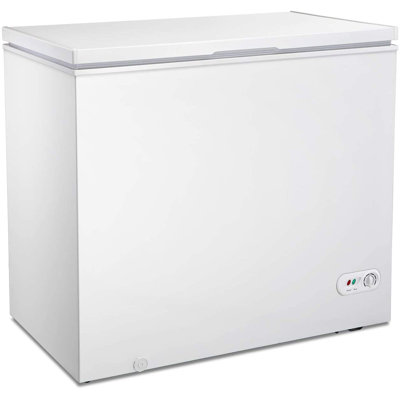
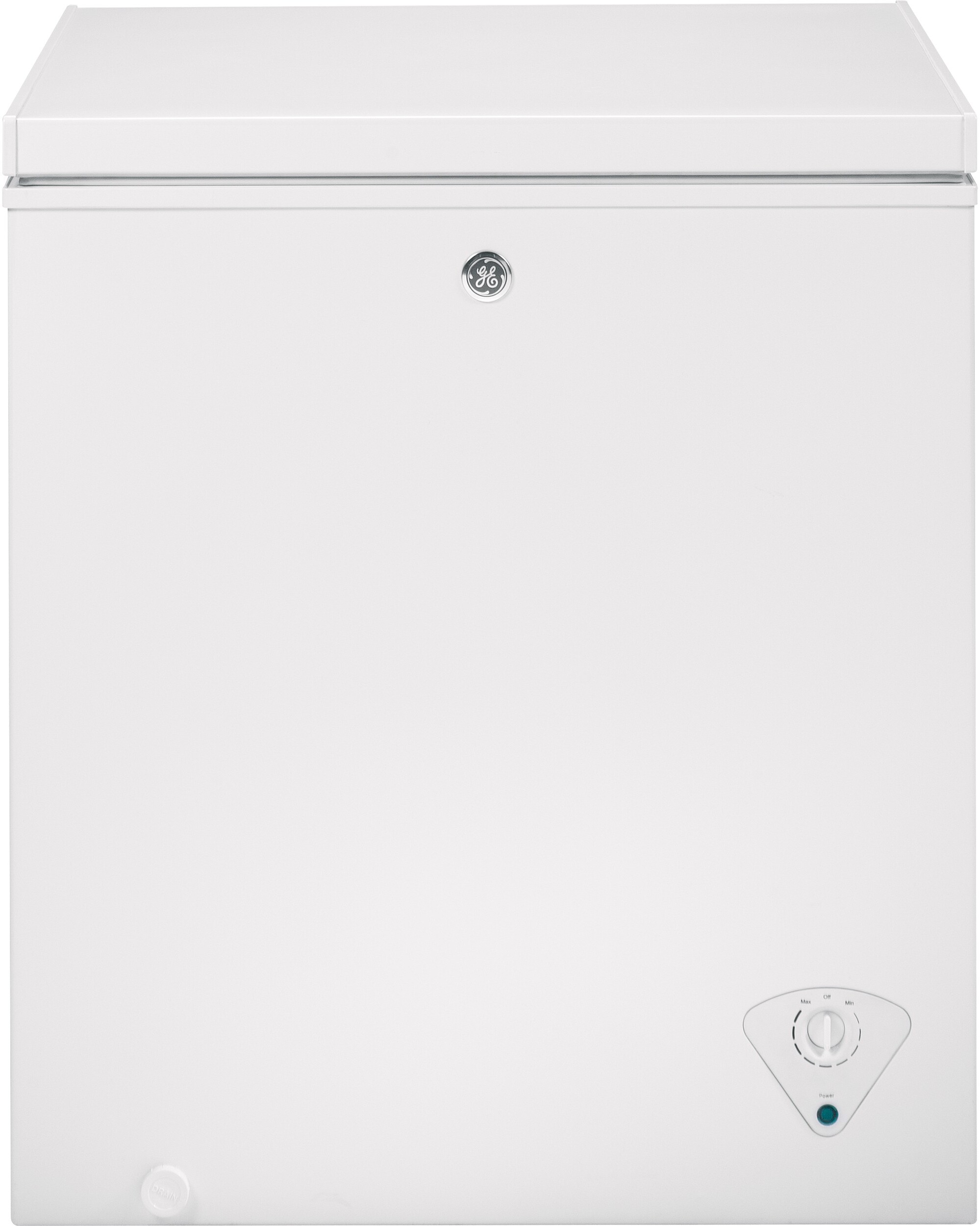
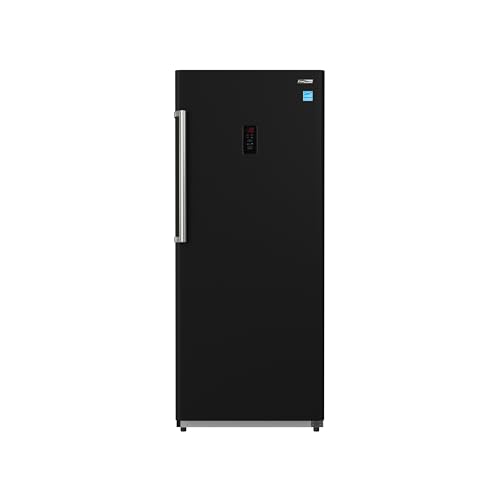
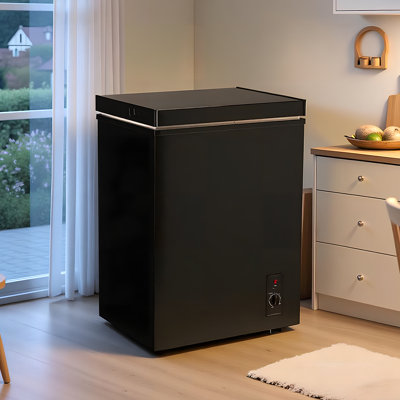
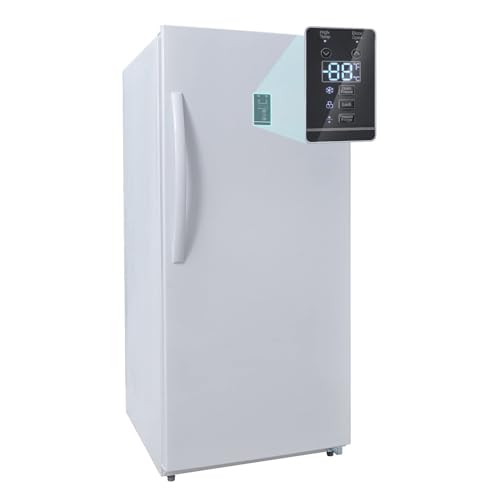
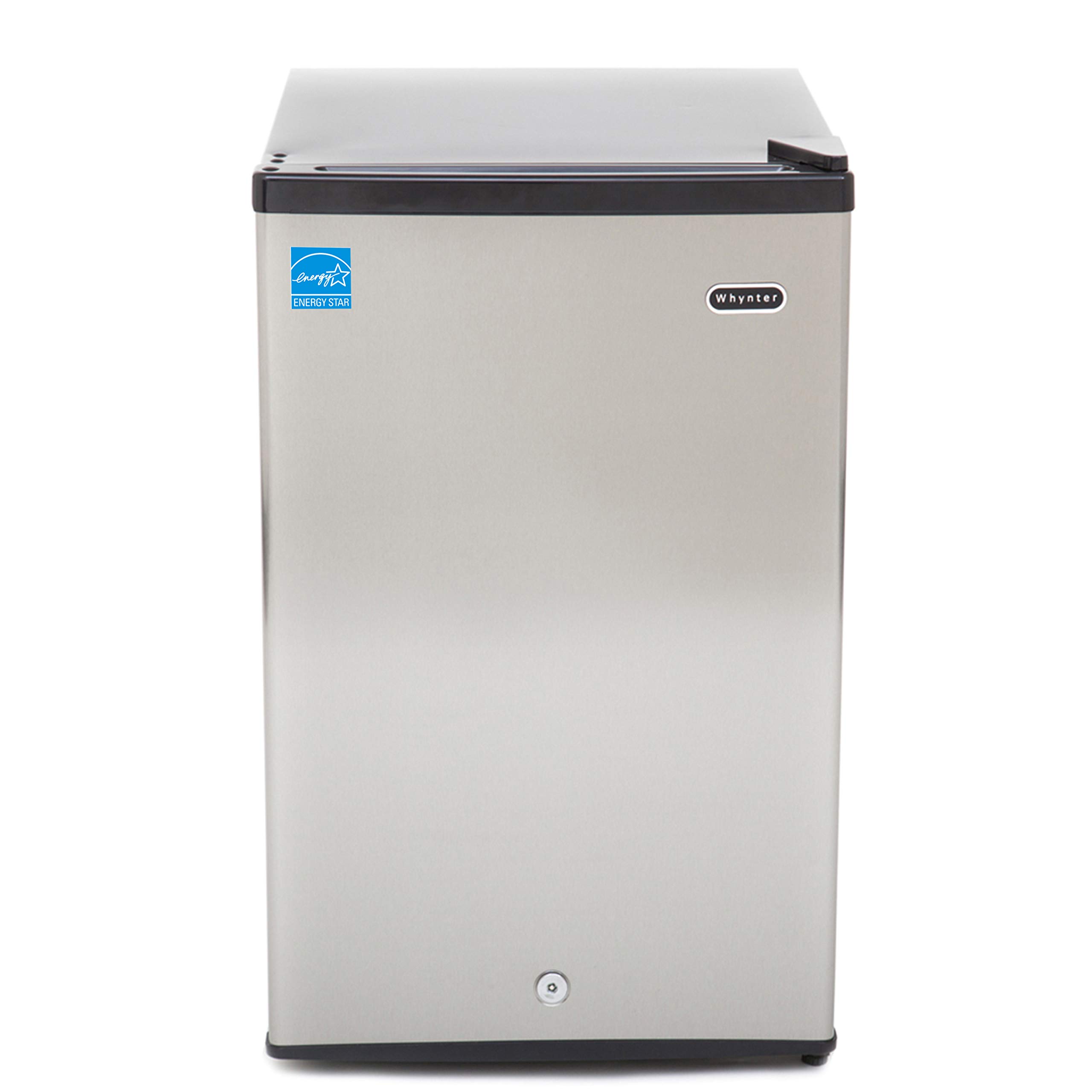
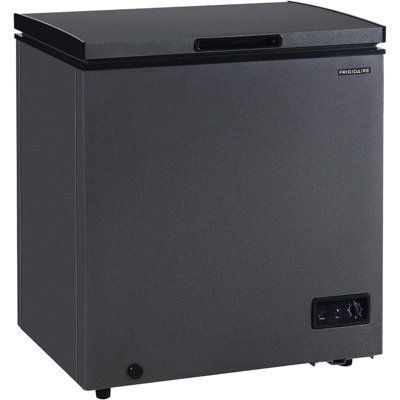
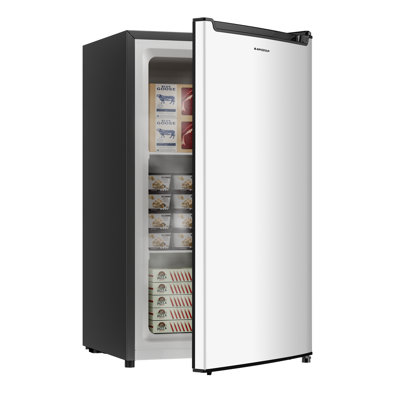
When deciding between a freezer cooler and an upright refrigerator, it's essential to understand the fundamental differences. A freezer cooler is primarily designed for freezing and long-term storage of food items at sub-zero temperatures. It is typically more compact and portable, making it suitable for smaller spaces like cabins, mobile homes, and tiny homes.
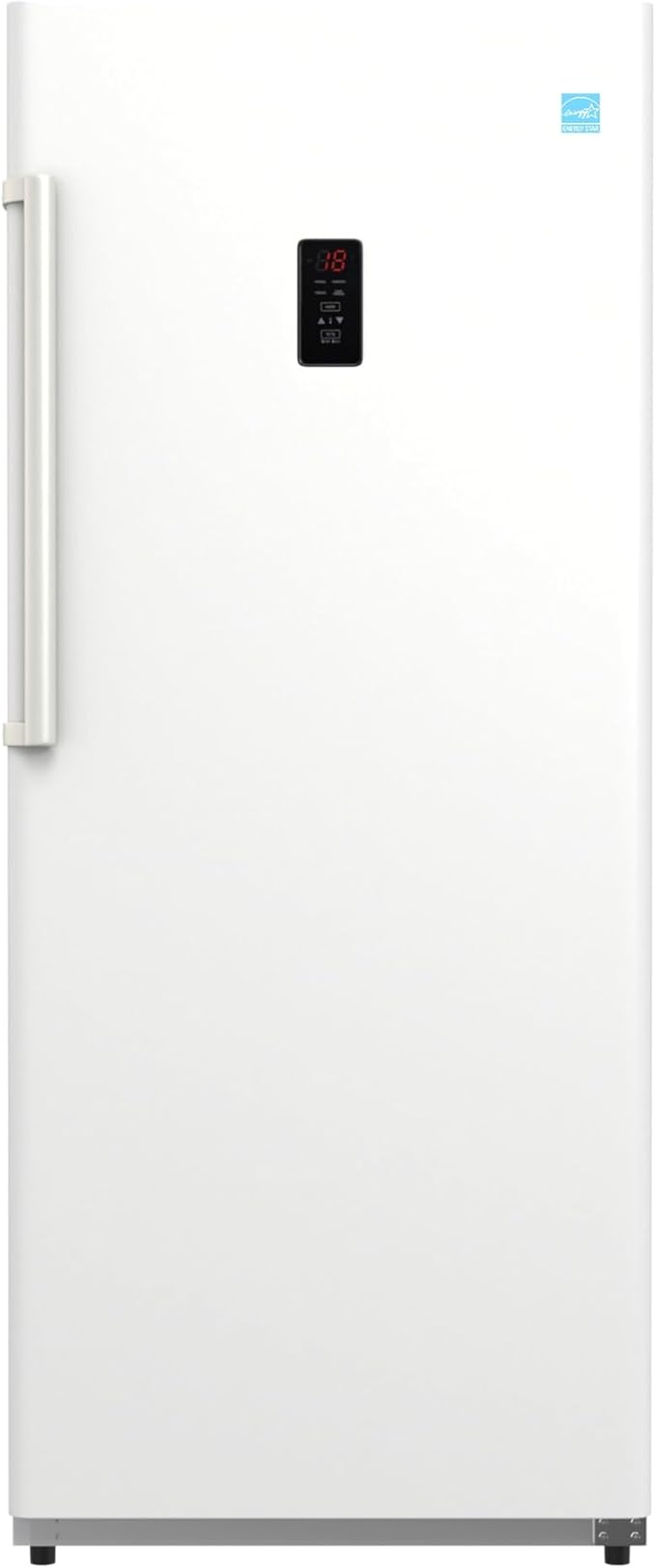
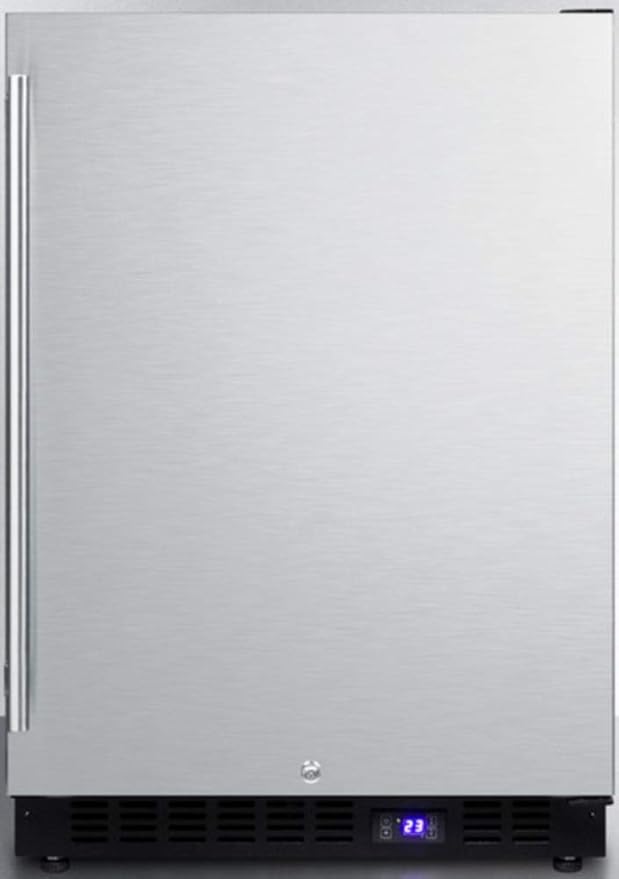
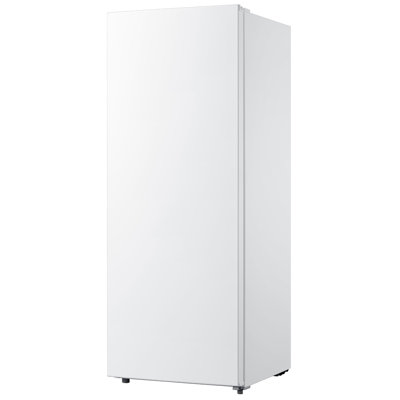
An upright refrigerator, on the other hand, serves a dual purpose by offering both refrigeration and freezing capabilities. It is generally larger and designed for households needing more storage for fresh and frozen foods. Upright refrigerators are common in family homes, apartments, and larger kitchens.
Key Differences to Consider
Several key differences set freezer coolers and upright refrigerators apart. Understanding these differences can help you make an informed decision based on your specific needs.
Feature
Freezer Cooler
Upright Refrigerator
Primary Function
Freezing only
Refrigeration and Freezing
Size
Compact and portable
Larger and more spacious
Temperature Range
Sub-zero temperatures
Adjustable temperature controls for fridge and freezer sections
Portability
High portability
Low portability
Storage Capacity
Limited
Larger, with separate compartments
Pros and Cons of Each Option
Each option has its own set of advantages and disadvantages. Here are the pros and cons to help you decide which one suits your needs best.
When choosing between a freezer cooler and an upright refrigerator, size and capacity are crucial factors to consider. This section will help you understand the different dimensions and storage capacities of both options.
Freezer Cooler Size and Capacity
Freezer coolers come in various sizes and capacities to suit different needs. They are typically more compact compared to upright refrigerators, making them ideal for limited spaces like apartments, garages, or cabins. The capacity of a freezer cooler is usually measured in cubic feet, and it can range from small, portable units to larger, more permanent installations.
Freezer Cooler Type
Dimensions (inches)
Capacity (cubic feet)
Small Portable
20 x 18 x 17
1.1 - 2.5
Medium Chest
30 x 22 x 33
5 - 9
Large Chest
40 x 28 x 34
10 - 15
Freezer coolers are often used for short-term storage of frozen goods and are ideal for outdoor activities or additional storage space in a home.
Upright Refrigerator Size and Capacity
Upright refrigerators are generally larger and offer more storage capacity than freezer coolers. They are designed to store both fresh and frozen foods, making them suitable for family homes, offices, and other settings where more food storage is required. The capacity of an upright refrigerator is also measured in cubic feet, and it can vary widely based on the model.
Upright Refrigerator Type
Dimensions (inches)
Capacity (cubic feet)
Compact
20 x 20 x 32
3.2 - 4.5
Standard
30 x 30 x 66
18 - 22
Large
36 x 32 x 70
23 - 30
Upright refrigerators often come with multiple compartments, shelves, and door bins, providing better organization and accessibility. For more details on the layout and design, check out Fridge.com section on Upright Refrigerator Design and Layout.
Understanding the size and capacity of a freezer cooler Vs. an upright refrigerator is essential for making an informed decision. Depending on your space constraints and storage needs, you can choose the option that best fits your lifestyle. If you're considering other types of refrigeration units, you might find Fridge.com article on convertible refrigerator Vs. upright refrigerator helpful.
Design and Layout
When choosing between a freezer cooler and an upright refrigerator, understanding the design and layout of each can help you make an informed decision. Both appliances offer unique features that cater to different needs.
Freezer Cooler Design and Layout
Freezer coolers, also known as chest freezers, are designed with a horizontal layout. This design provides ample space for bulk storage, making them ideal for storing large quantities of food. The top-opening lid allows easy access to the contents, although it may require more floor space compared to upright refrigerators.
Freezer coolers often come with removable baskets or dividers to help organize the storage space. However, due to the deep storage design, items at the bottom can be harder to reach. The horizontal layout is beneficial for storing large items, but it may not be as convenient for daily access.
Feature
Description
Layout
Horizontal
Access
Top-opening lid
Organization
Removable baskets or dividers
Space Efficiency
Requires more floor space
Upright Refrigerator Design and Layout
Upright refrigerators, on the other hand, have a vertical design with front-opening doors. This layout is similar to a standard refrigerator, making it easier to access items stored at different levels. Upright refrigerators typically come with multiple shelves and compartments, allowing for better organization and visibility of stored items.
The vertical design of upright refrigerators is space-efficient, as they take up less floor space compared to freezer coolers. This makes them a suitable option for smaller kitchens or areas with limited space. However, the vertical layout may limit the storage of large or bulky items.
Feature
Description
Layout
Vertical
Access
Front-opening doors
Organization
Multiple shelves and compartments
Space Efficiency
Takes up less floor space
Understanding the design and layout of freezer coolers and upright refrigerators can help you determine which appliance suits your needs best. Whether you need bulk storage or easy access to daily essentials, both options offer unique benefits. For more comparisons on refrigeration options, check out Fridge.com articles on outdoor freezer Vs. wine refrigerator and 2 door refrigerator Vs. double drawer refrigerator.
Freezer coolers are designed to maintain low temperatures consistently, making them ideal for freezing and storing perishable items. They often come with adjustable thermostats, allowing you to set the desired temperature based on your needs. The efficiency of a freezer cooler largely depends on its insulation and compressor performance, which ensures that the internal temperature remains stable even in fluctuating external conditions.
Feature
Freezer Cooler
Temperature Range
-10°F to 10°F
Temperature Stability
High
Freezer coolers are generally energy-efficient, especially models with high-quality insulation and advanced cooling technology. For more details on different freezer options, you can refer to Fridge.com article on column freezer Vs. dry age fridge.
Upright Refrigerator Temperature Control and Efficiency
Upright refrigerators are versatile appliances that offer both refrigeration and freezing capabilities. They typically feature separate compartments for the fridge and freezer, each with its own temperature controls. This allows you to maintain optimal conditions for different types of food items.
Feature
Upright Refrigerator
Temperature Range (Fridge)
35°F to 38°F
Temperature Range (Freezer)
0°F to 5°F
Temperature Stability
Moderate
Upright refrigerators are known for their high energy efficiency, especially those with Energy Star ratings. The dual temperature control system ensures that both fresh and frozen items are stored at their ideal temperatures, although the temperature stability can be slightly affected by frequent door openings.
Understanding the temperature control and efficiency of freezer coolers and upright refrigerators can help you make an informed decision based on your specific needs. Whether you prioritize freezing capabilities or overall versatility, both options have their unique advantages.
Freezer Cooler Organization and Accessibility Features
Freezer coolers offer unique organizational and accessibility advantages. These units typically have a single compartment, making it easy to store large items. However, this design can make it challenging to access items at the bottom without removing those on top.
Feature
Description
Shelves
Often minimal or absent, focusing on large item storage.
Baskets
Removable baskets help organize smaller items.
Compartments
Usually one large compartment.
Accessibility
Requires bending down, which might be inconvenient for frequent access.
Upright Refrigerator Organization and Accessibility Features
Upright refrigerators excel in organization and accessibility. They often feature multiple compartments, shelves, and drawers, making it easier to categorize and access different food items.
Feature
Description
Shelves
Multiple adjustable shelves for flexible storage.
Drawers
Crisper drawers for fruits and vegetables.
Door Bins
Multiple door bins for condiments and smaller items.
Compartments
Separate compartments for freezer and fridge sections.
Accessibility
Items are more accessible at eye level, reducing the need to bend down.
For further comparison on similar appliances, you might find Fridge.com article on convertible refrigerator Vs. ice cream freezer insightful. Additionally, understanding the distinct features of freestanding wine cooler Vs. small deep freezer can aid in making a more informed decision.
Installation and Placement
When choosing between a freezer cooler and an upright refrigerator, installation and placement are critical factors to consider. The proper placement ensures optimal performance and longevity of the appliance.
Factors to Consider for Freezer Cooler Placement
Freezer coolers are versatile and can be placed in various locations, including garages, basements, and even outdoor areas. Here are some key factors to consider:
Space Requirements: Measure the available space to ensure the freezer cooler fits comfortably. Leave room for ventilation around the unit.
Temperature Range: Freezer coolers can perform well in a broader range of temperatures, making them suitable for non-climate-controlled areas. However, extreme temperatures can affect efficiency.
Power Supply: Ensure there is a nearby electrical outlet capable of handling the freezer's power requirements.
Accessibility: Consider how often you will access the freezer. Frequent use may warrant placing it in a convenient location.
Ventilation: Proper ventilation is crucial. Avoid placing the freezer cooler near heat sources or in enclosed spaces.
Consideration
Details
Space Requirements
Adequate clearance for ventilation
Temperature Range
Suitable for varied climates
Power Supply
Proximity to an electrical outlet
Accessibility
Convenient location for frequent use
Ventilation
Avoid heat sources and enclosed spaces
For more insights on outdoor placement, refer to Fridge.com article on outdoor freezer Vs. wine refrigerator.
Factors to Consider for Upright Refrigerator Placement
Upright refrigerators are commonly used in kitchens, offices, and dining areas. Here are the key factors for their placement:
Space Availability: Measure the area where the refrigerator will be placed, including height, width, and depth. Ensure the door can open fully without obstruction.
Ambient Temperature: Upright refrigerators are designed to operate efficiently in climate-controlled environments. Avoid placing them in garages or areas with extreme temperature fluctuations.
Power Supply: Ensure there is a dedicated electrical outlet nearby to support the refrigerator's power needs.
Traffic Flow: Place the refrigerator in an area that doesn't obstruct foot traffic. Ensure easy access to frequently used items.
Ventilation: Maintain adequate space around the refrigerator for proper air circulation. Follow the manufacturer's guidelines for clearance.
Consideration
Details
Space Availability
Measure height, width, and depth
Ambient Temperature
Suitable for climate-controlled areas
Power Supply
Dedicated electrical outlet required
Traffic Flow
Avoid obstructing foot traffic
Ventilation
Follow clearance guidelines
For more detailed comparisons, check Fridge.com article on convertible refrigerator Vs. upright refrigerator.
Understanding the installation and placement requirements for both freezer coolers and upright refrigerators will help you make an informed decision. Consider your specific needs and the intended location to ensure optimal performance and convenience.
Proper maintenance and cleaning are essential to keep your freezer cooler and upright refrigerator running efficiently. This section provides useful tips for maintaining and cleaning both appliances.
Freezer Cooler Maintenance Tips
Maintaining a freezer cooler involves regular cleaning and periodic checks to ensure it functions effectively. Here are some tips:
Cleaning Tips
Defrosting: Regularly defrost your freezer cooler to prevent ice buildup. Unplug the unit, remove all items, and let the ice melt naturally.
Wiping Surfaces: Use a mixture of mild dish soap and warm water to clean the interior and exterior surfaces. Avoid using harsh chemicals.
Cleaning Seals: Clean the door seals using a soft cloth and soapy water to ensure a tight seal and prevent cold air from escaping.
Maintenance Tips
Checking Seals: Periodically check the door seals for cracks or wear and replace them if necessary.
Temperature Monitoring: Use a thermometer to ensure the freezer cooler maintains the proper temperature, typically 0°F (-18°C).
Ventilation: Ensure there is enough space around the freezer cooler for proper ventilation. Keep the vents clean and free from dust.
Task
Frequency
Defrosting
Every 3-6 months
Wiping Surfaces
Monthly
Cleaning Seals
Monthly
Checking Seals
Quarterly
Temperature Monitoring
Monthly
Ventilation Check
Quarterly
For more tips on freezer maintenance, you can refer to Fridge.com guide on column freezer Vs. dry age fridge.
Upright Refrigerator Maintenance Tips
Upright refrigerators also require regular cleaning and maintenance to ensure they operate efficiently. Below are some tips:
Cleaning Tips
Cleaning Shelves and Drawers: Remove and clean all shelves and drawers with warm, soapy water. Rinse and dry thoroughly before placing them back.
Wiping Interior: Clean the interior walls with a mixture of baking soda and water to eliminate odors.
Exterior Cleaning: Wipe the exterior surfaces with a damp cloth and mild detergent. Avoid abrasive cleaners.
Maintenance Tips
Temperature Settings: Ensure the refrigerator is set to the correct temperature, typically around 37°F (3°C).
Condenser Coils: Clean the condenser coils located at the back or bottom of the refrigerator every six months to prevent dust buildup.
Door Seals: Inspect the door seals for signs of wear and tear. Clean them regularly and replace if needed to maintain a proper seal.
Task
Frequency
Cleaning Shelves
Monthly
Wiping Interior
Monthly
Exterior Cleaning
Monthly
Temperature Settings
Monthly
Cleaning Coils
Every 6 months
Inspecting Seals
Quarterly
For more information on refrigerator maintenance, check out Fridge.com article on convertible refrigerator Vs. upright refrigerator.
By following these maintenance and cleaning tips, you can extend the lifespan of your freezer cooler and upright refrigerator, ensuring they remain efficient and effective in preserving your food.
Compare prices on Fridge.com
Compare current prices and specifications on Fridge.com, then buy from the retailer you choose; delivery, installation and warranty terms are the retailer’s.
It also has tons of awesome articles about kitchen stuff and home news. Enhance your home, garage, backyard, patio, and office with the coolest essentials. With every necessary type of residential refrigerator or freezer in the collection, you're covered.
From Fridge.com research
Figures below come from data Fridge.com builds and maintains. Each links to the record behind it.
Fridge.com Energy Index, built on U.S. EPA and DOE ENERGY STAR records
Across 5,455 ENERGY STAR certified refrigerators and freezers from 263 brands, median use is 360 kWh per year.