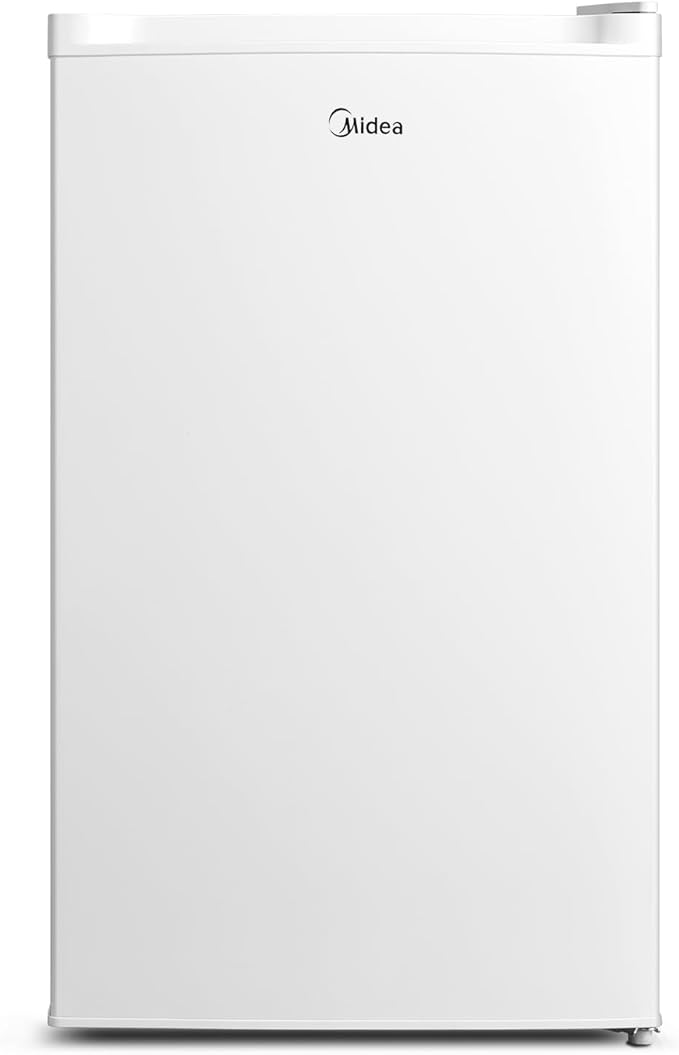
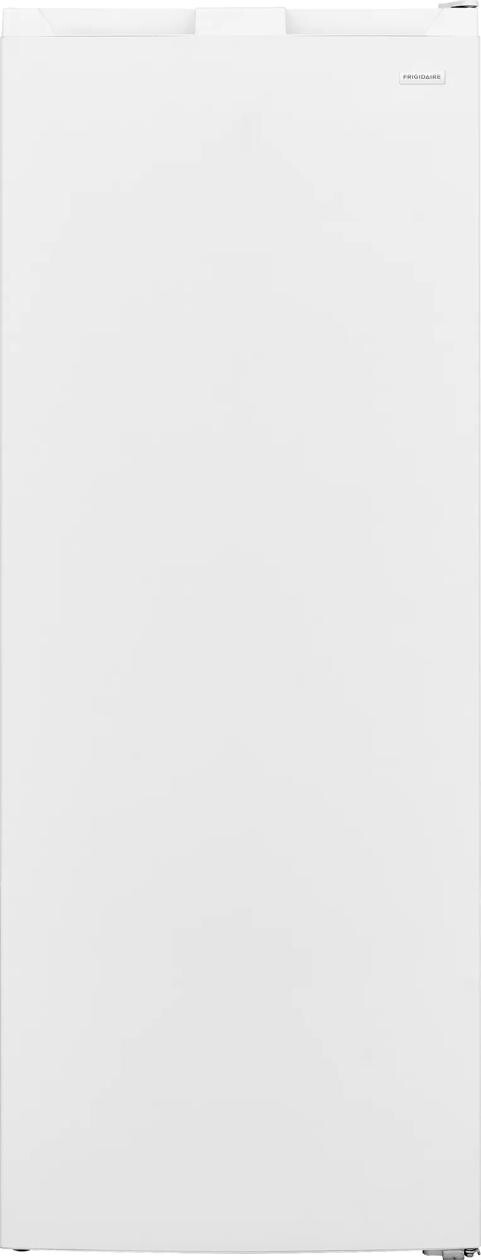
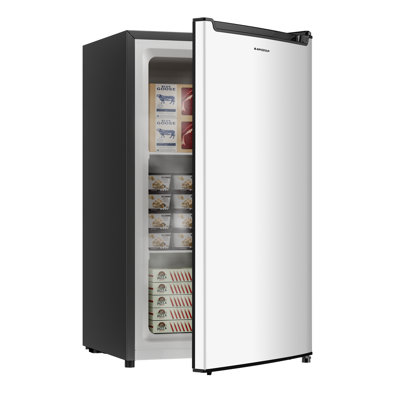
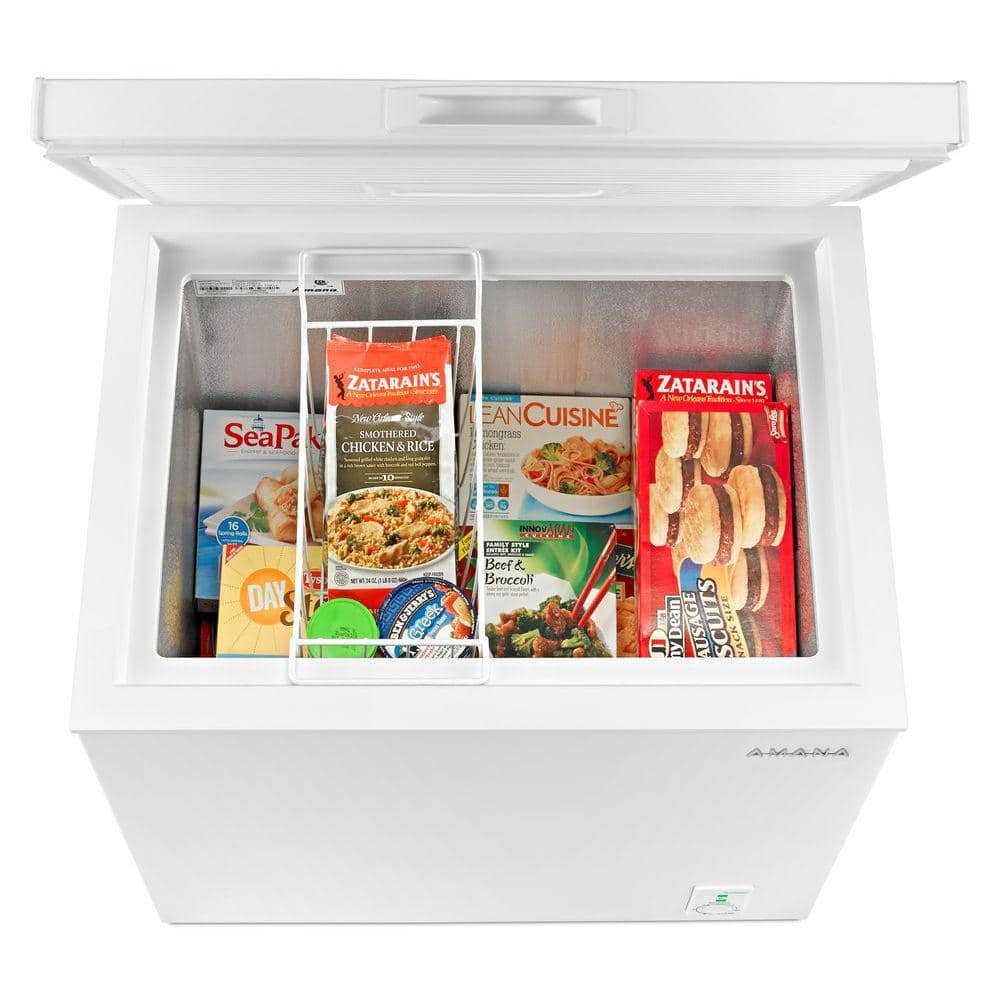
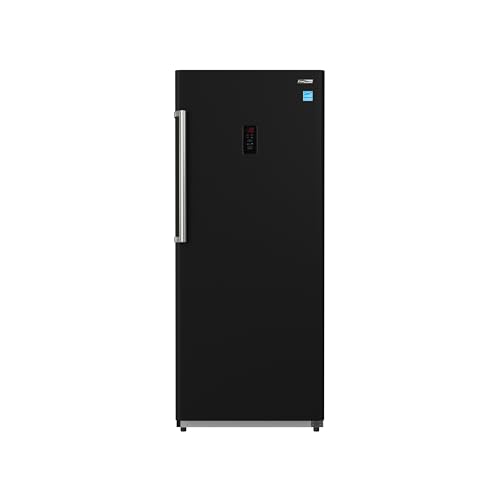
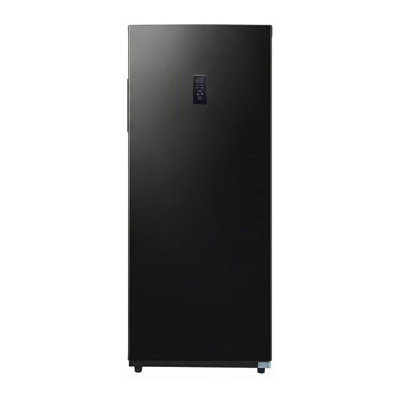
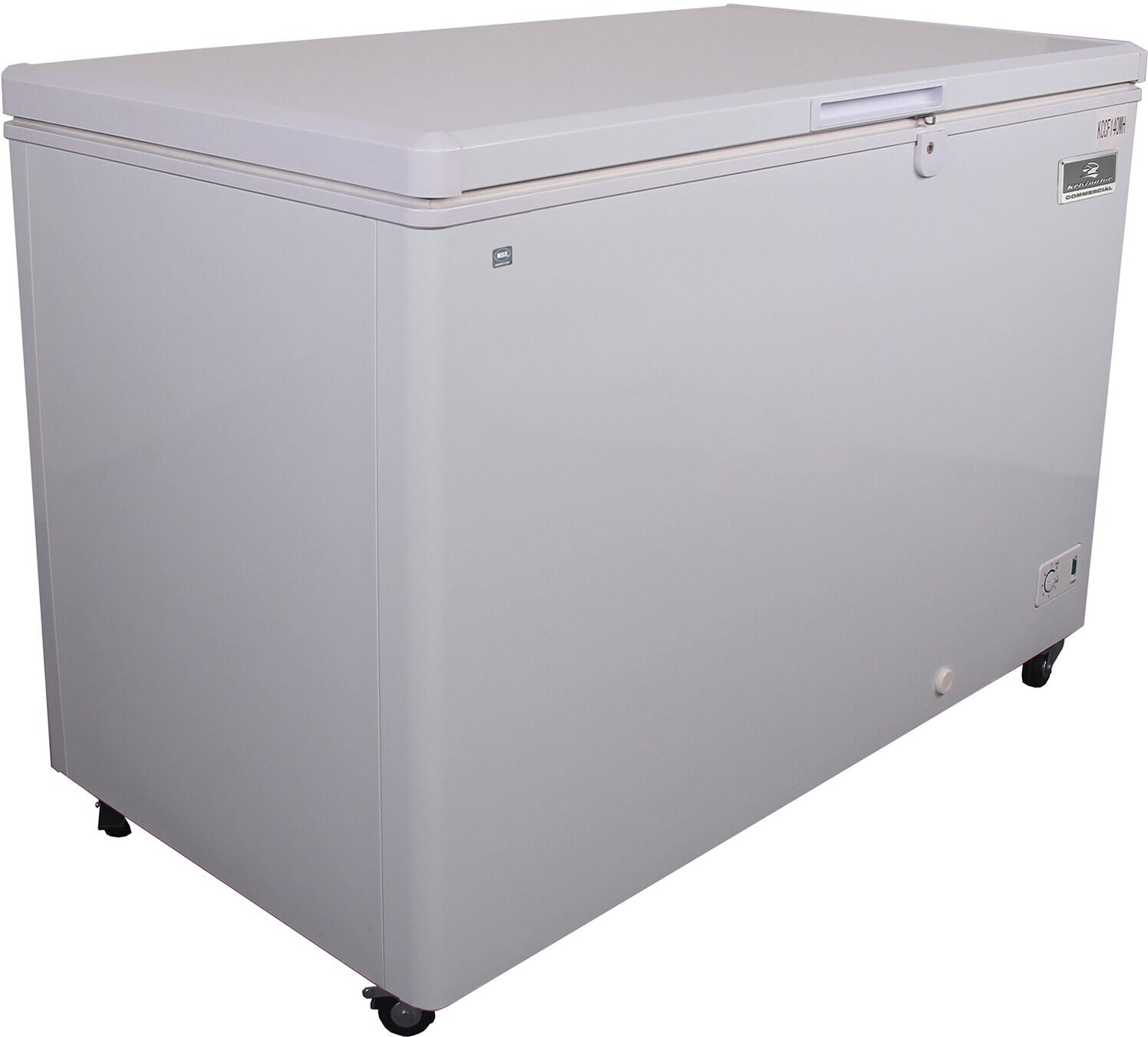
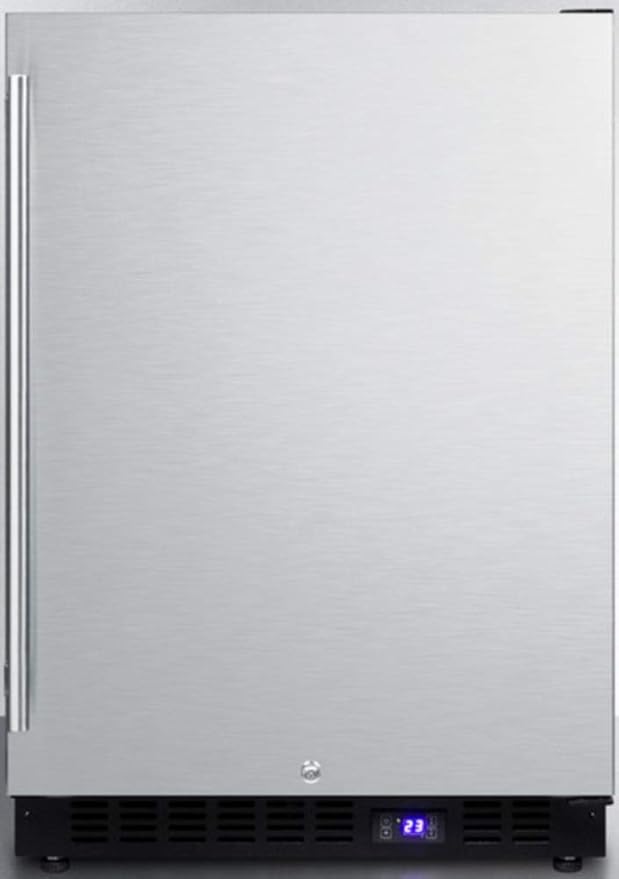
Freezer coolers are portable devices designed to keep your food and beverages cold or frozen, making them ideal for various settings such as homes, offices, and even outdoor adventures.
Mobility: Ideal for travel, camping, and outdoor activities.
When it comes to choosing the right freezer for your needs, you may find yourself debating between a freezer cooler and a small freezer chest. Both options offer unique benefits and can cater to different lifestyles and spaces. Understanding the differences between these two types will help you make an informed decision.
Understanding the Differences
Freezer coolers and small freezer chests differ in several key aspects, including design, functionality, and intended use. Here's a breakdown of these differences to help you determine which option suits your needs best.
Feature
Freezer Cooler
Small Freezer Chest
Design
Portable, often with handles
Stationary, larger footprint
Capacity
Typically smaller, suitable for short-term storage
Larger, suitable for long-term storage
Temperature Control
Limited, may vary
Precise, adjustable settings
Use Case
Ideal for travel, picnics, and temporary needs
Ideal for home, garage, and long-term storage
Freezer coolers are generally portable and designed for temporary use, making them great for travel, picnics, and short-term storage needs. They often come with handles and are lightweight, offering convenience for on-the-go situations. However, they may not provide the same level of temperature control and energy efficiency as small freezer chests.
Small freezer chests, on the other hand, are designed for more permanent storage needs. They offer larger capacities and precise temperature control, making them suitable for storing large quantities of food for extended periods. These freezers are usually stationary and require more space, but they are more energy-efficient and reliable for consistent use.
Understanding these differences can guide you in selecting the freezer that best matches your lifestyle and storage requirements. Whether you need a portable solution or a long-term storage option, knowing the pros and cons of each type will help you make an informed decision. For more comparisons, check out Fridge.com article on portable freezer Vs. small freezer chest.
Exploring freezer coolers can help you determine if this is the right choice for your needs. Understanding their features, pros, and cons will give you a clear idea of what to expect from these versatile devices.
Features of Freezer Coolers
Freezer coolers are portable devices designed to keep your food and beverages cold or frozen, making them ideal for various settings such as homes, offices, and even outdoor adventures. Here are some key features:
Portability: Lightweight and easy to transport.
Versatility: Can function as both a freezer and a cooler.
Temperature Control: Adjustable settings to maintain desired temperature.
Power Options: Can be powered by AC, DC, or both.
Compact Design: Fits in small spaces like cars, boats, or RVs.
Feature
Description
Portability
Lightweight, easy to carry
Versatility
Functions as both freezer and cooler
Temperature Control
Adjustable settings
Power Options
AC, DC, or both
Compact Design
Fits in small spaces
Pros of Freezer Coolers
Freezer coolers offer several advantages that make them a convenient option for various scenarios:
Mobility: Ideal for travel, camping, and outdoor activities.
Dual Functionality: Can switch between freezing and cooling modes.
Energy Efficiency: Often more efficient than traditional freezers.
Space-Saving: Compact size fits in tight spaces.
Convenience: Easy to use and transport.
Cons of Freezer Coolers
Despite their benefits, freezer coolers also have some drawbacks:
Limited Capacity: Smaller storage space compared to traditional freezers.
Power Dependency: Requires a constant power source to maintain temperature.
Higher Cost: Can be more expensive than small freezer chests.
Durability: May not be as robust as larger freezers.
Noise: Some models can be noisy during operation.
For more information on similar products, consider checking out Fridge.com comparisons like fridge freezer Vs. shallow depth refrigerator or portable freezer Vs. small freezer chest.
Small Freezer Chest
When considering options for freezing and storing food, a small freezer chest is a popular choice among homeowners and food enthusiasts. Let's explore the features, advantages, and disadvantages of small freezer chests.
Features of Small Freezer Chests
Small freezer chests come with a variety of features designed to make freezing and storing food convenient and efficient:
Compact Size: Ideal for small spaces such as apartments, condos, and mobile homes.
Manual Defrost: Requires occasional defrosting to maintain efficiency.
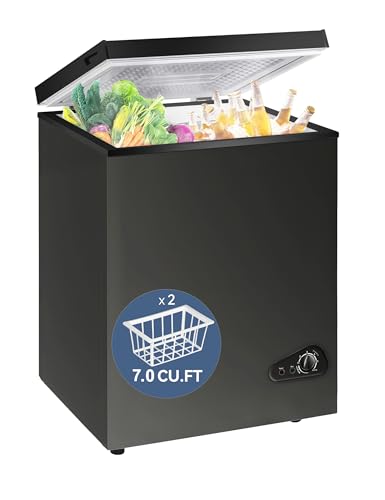
Removable Baskets: Often include baskets for easy organization and access.
Temperature Control: Adjustable settings to maintain optimal freezing conditions.
Feature
Description
Size
Compact, fits small spaces
Defrost Type
Manual defrost
Storage
Removable baskets
Temperature Control
Adjustable settings
Pros of Small Freezer Chests
Small freezer chests offer several advantages that make them appealing for various settings:
Space-Saving Design: Their compact size makes them perfect for areas with limited space.
Efficient Storage: Removable baskets and ample space allow for organized storage of food items.
Energy Efficiency: Typically consume less energy compared to larger freezers.
Cost-Effective: Generally more affordable than larger freezers.
Cons of Small Freezer Chests
Despite their benefits, small freezer chests have some drawbacks:
Manual Defrosting: Requires regular manual defrosting, which can be time-consuming.
Limited Capacity: Smaller storage capacity compared to larger freezers.
Accessibility: Items at the bottom may be harder to access without removing items on top.
Temperature Fluctuations: May experience temperature variations if not properly maintained.
Understanding the features, pros, and cons of small freezer chests can help you make an informed decision when comparing them to other freezer options. For more details on various fridge and freezer comparisons, explore Fridge.com articles on fridge freezer Vs. shallow depth refrigerator and 5 door refrigerator Vs. freestanding beverage center.
When choosing between a freezer cooler and a small freezer chest, understanding the differences in capacity and space requirements is crucial. This section will help you compare the storage capacity and space requirements of both options.
Storage Capacity Comparison
The storage capacity of a freezer cooler and a small freezer chest can vary significantly. Freezer coolers typically offer less capacity compared to small freezer chests.
Freezer Type
Average Capacity (Cubic Feet)
Freezer Cooler
1 - 3
Small Freezer Chest
5 - 9
Freezer coolers are generally more compact and are suitable for smaller storage needs. They are ideal for storing a limited quantity of items, such as frozen meals or ice packs. On the other hand, small freezer chests provide more storage space, making them suitable for families or individuals who require more room for frozen goods.
Space Requirements
Space requirements also play a significant role in deciding between a freezer cooler and a small freezer chest. The dimensions and placement options can affect your choice.
Freezer Type
Average Dimensions (Inches)
Placement
Freezer Cooler
20 x 15 x 15
Countertop or Compact Spaces
Small Freezer Chest
35 x 24 x 32
Floor Space in Garage, Basement, or Kitchen
Freezer coolers are designed to fit in smaller spaces, such as countertops or compact areas in a kitchen or office. They are portable and can be easily moved around as needed. Small freezer chests, however, require more floor space and are typically placed in areas like garages, basements, or larger kitchens. They are more stationary due to their size and weight.
Understanding both the storage capacity and space requirements will help you make an informed decision. Whether you need a compact solution like a freezer cooler or more extensive storage with a small freezer chest, it's essential to consider your specific needs and available space. For more insights on different freezer options, check out Fridge.com articles on portable freezer Vs. small freezer chest and chest freezer Vs. ice cream freezer.
Freezer coolers are designed to be portable and are often used for short-term storage or outdoor activities. Their energy efficiency can vary depending on their size, insulation quality, and cooling technology. Generally, smaller models might consume less power, but they may need to work harder to maintain low temperatures, affecting overall efficiency.
Factor
Freezer Coolers
Average Power Consumption
0.5 - 1.5 kWh/day
Insulation Quality
Moderate
Cooling Technology
Compressor or Thermoelectric
Energy Efficiency of Small Freezer Chests
Small freezer chests are typically more energy-efficient compared to freezer coolers, especially when used for long-term food storage. Their design includes thicker insulation and a more robust cooling system, which helps in maintaining a stable internal temperature with less energy.
Factor
Small Freezer Chests
Average Power Consumption
0.3 - 1.0 kWh/day
Insulation Quality
High
Cooling Technology
Compressor
Operating Costs Comparison
When comparing the operating costs of freezer coolers and small freezer chests, it is essential to consider both the energy consumption and the duration of use. Small freezer chests often have lower operating costs due to their better insulation and more efficient cooling systems.
Feature
Freezer Coolers
Small Freezer Chests
Average Annual Energy Cost
$100 - $150
$50 - $100
Maintenance Requirements
Low to Moderate
Low
Durability
Moderate
High
Understanding the energy efficiency and operating costs of these appliances can help you make an informed decision based on your specific needs. For more insights into choosing between different types of refrigerators and freezers, check out Fridge.com articles on portable freezer Vs. small freezer chest and apartment size refrigerator Vs. outdoor freezer.
Free tool
Freezer BTU Calculator
Free interactive tool from Fridge.com — get a quick answer while you read.