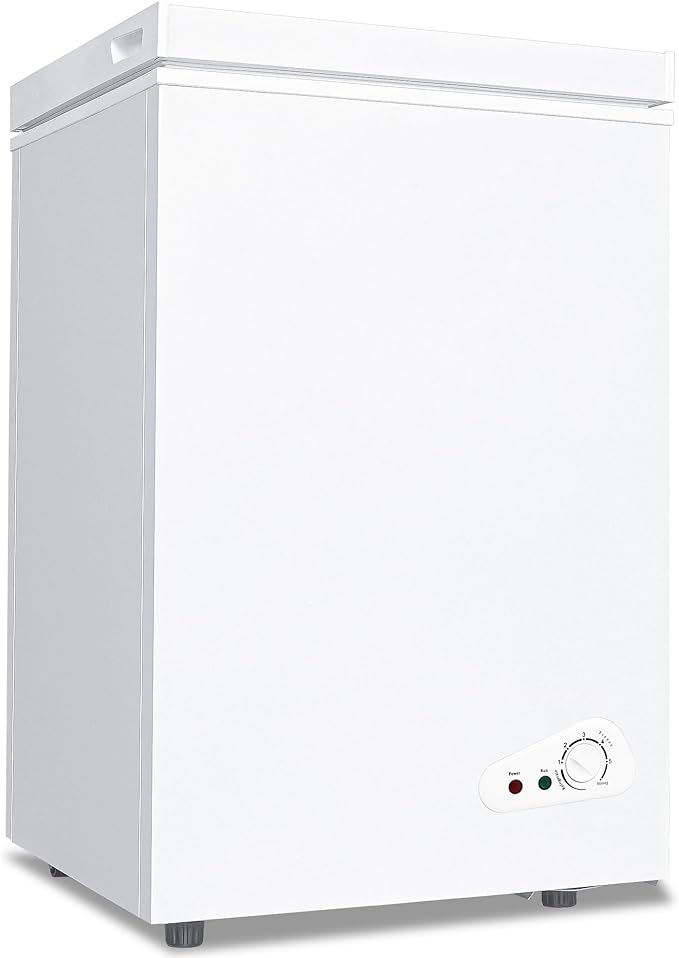
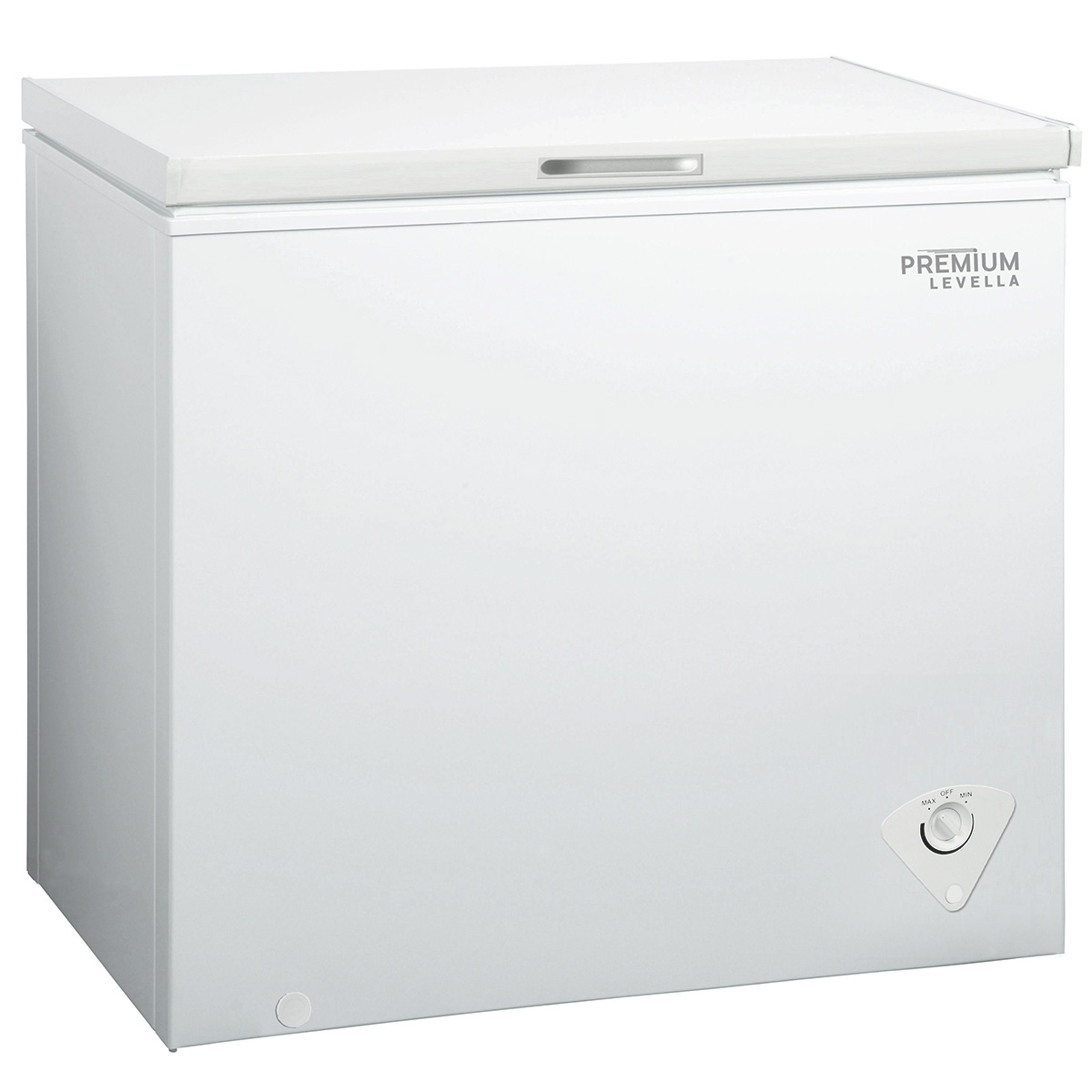
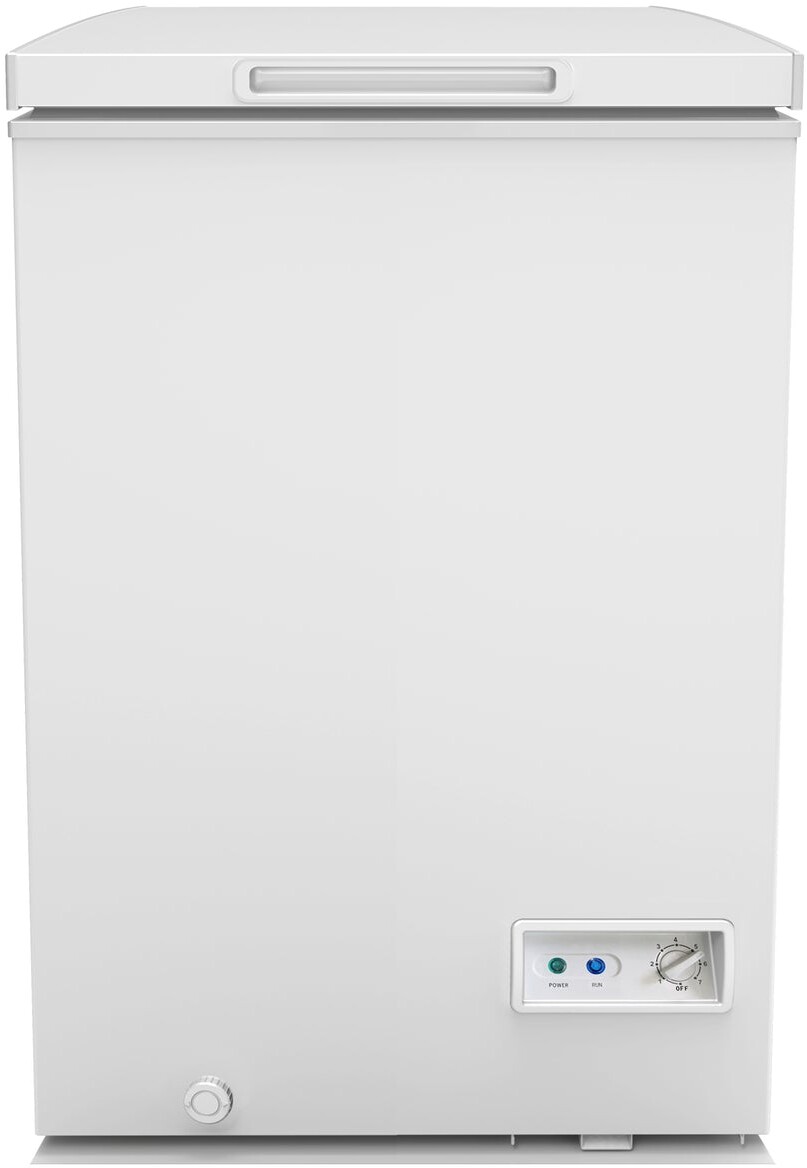
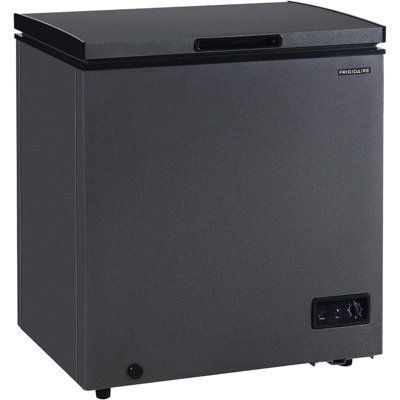
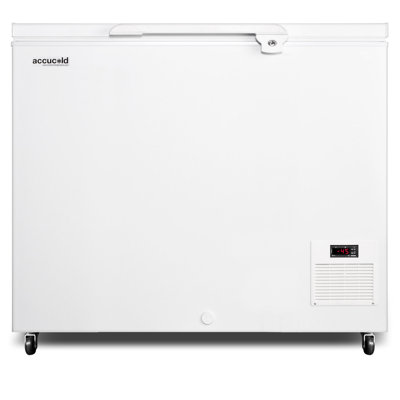
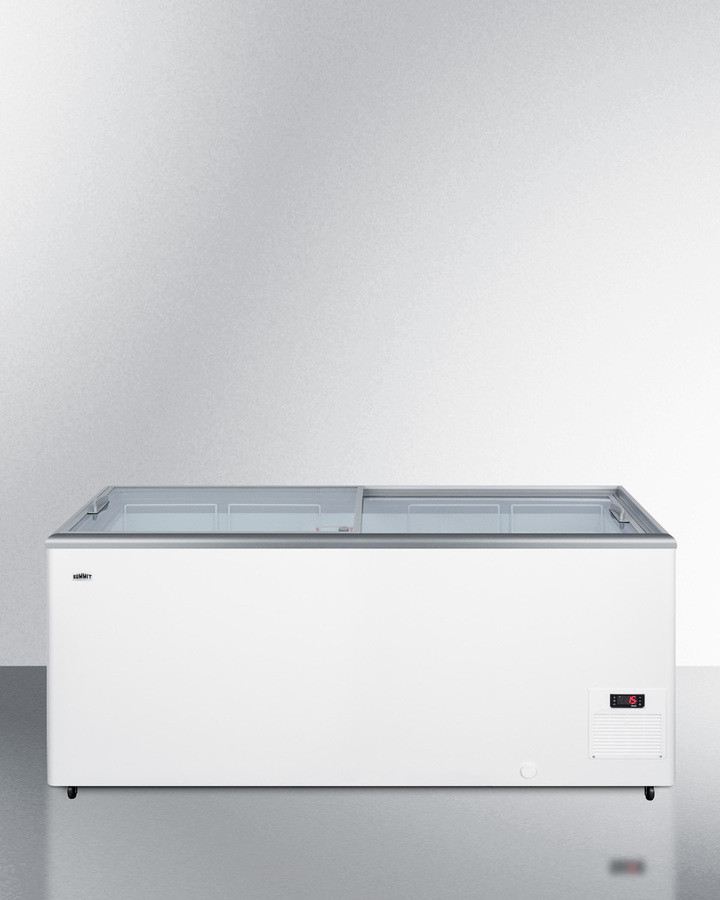
When considering a new freezer, it's essential to understand the different types available. Two popular options are chest freezers and ice cream freezers. Each type has unique features that cater to specific needs.
Overview of Chest Freezers
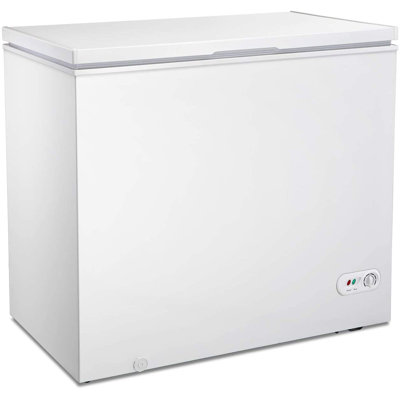
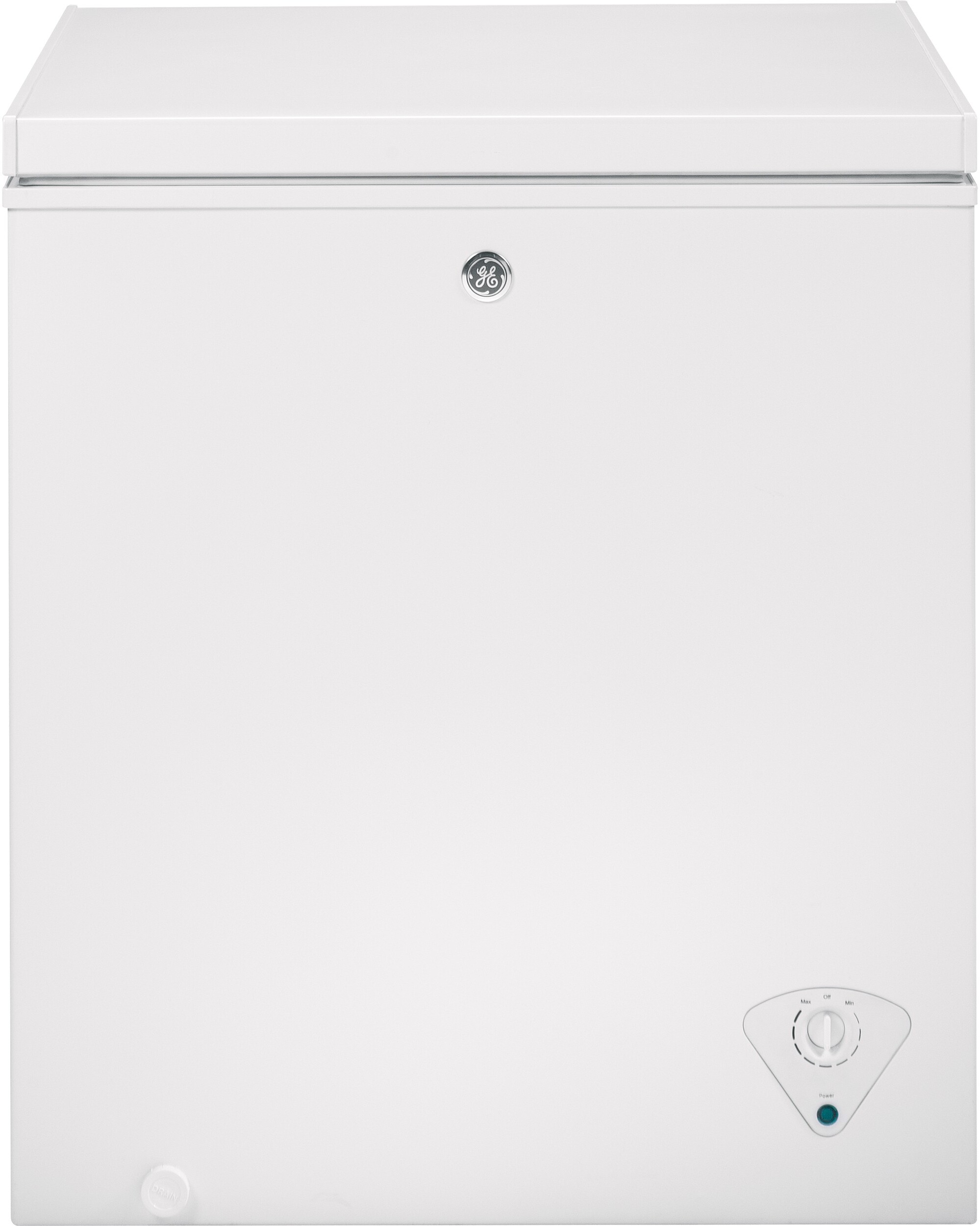
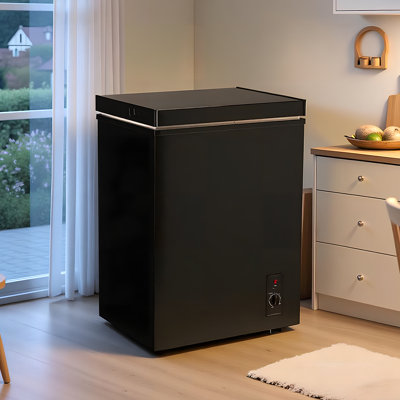
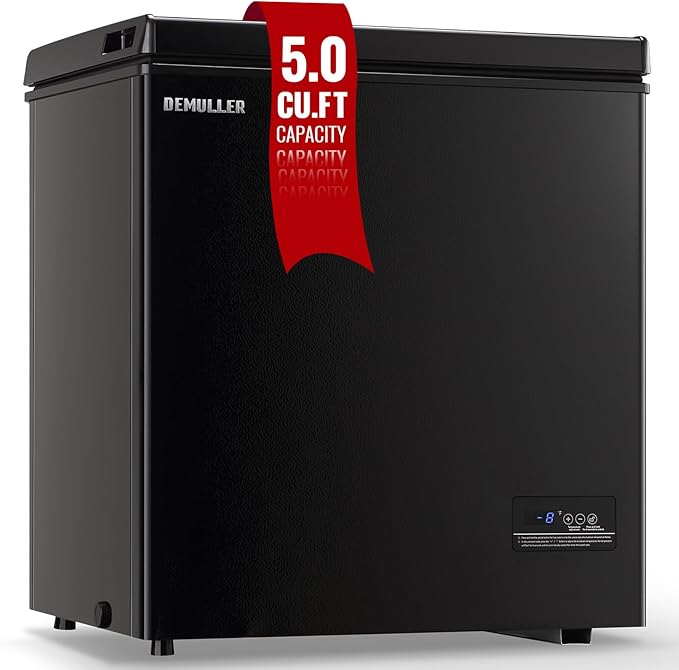
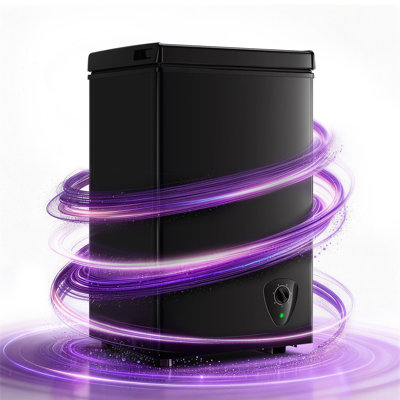
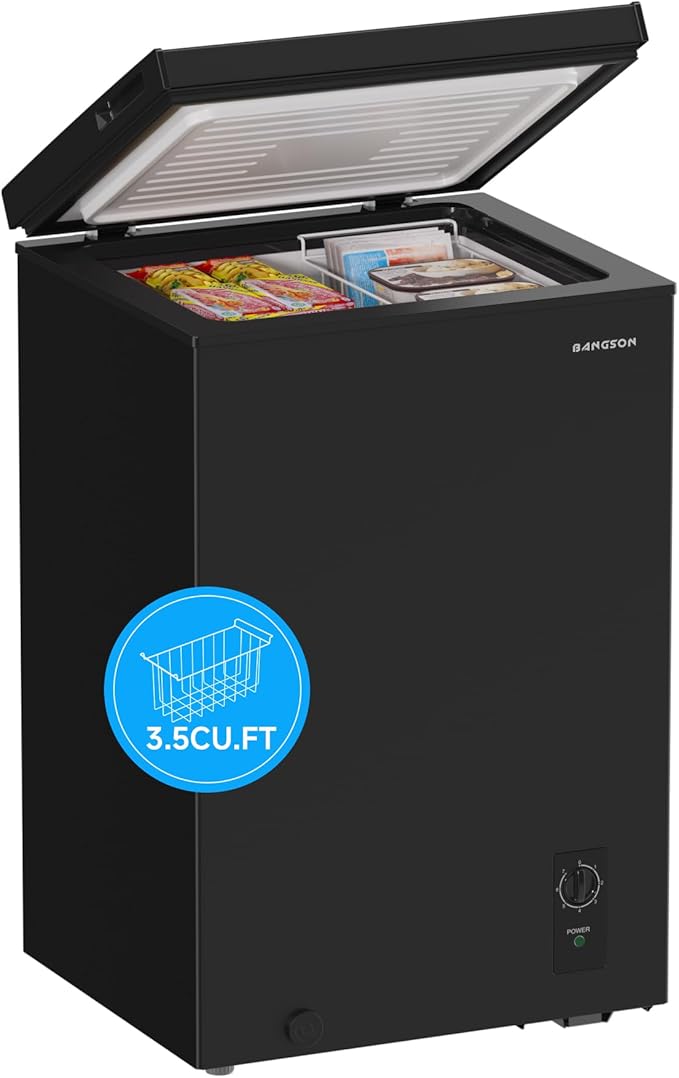
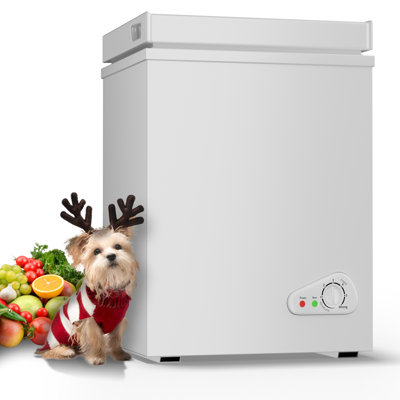
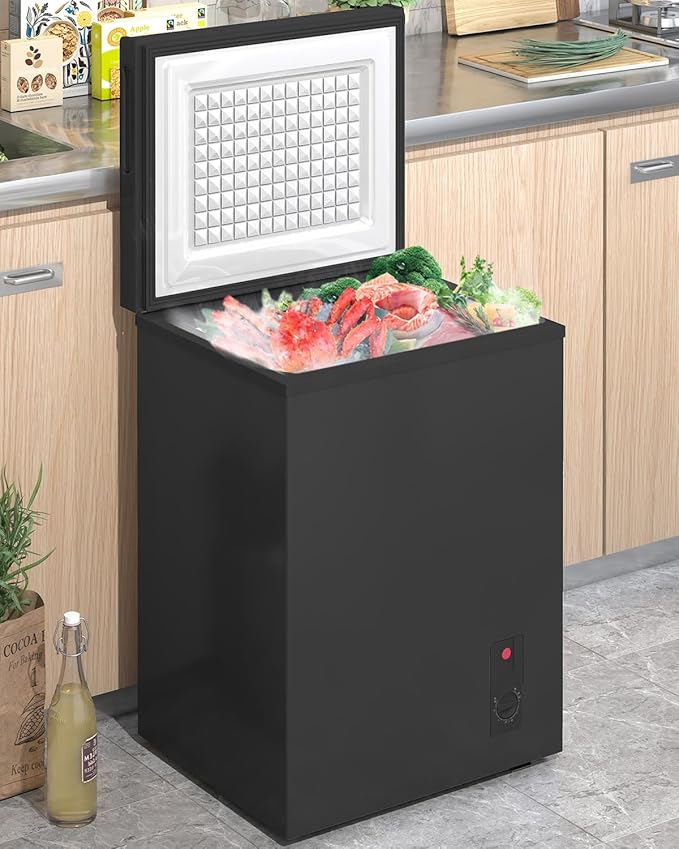
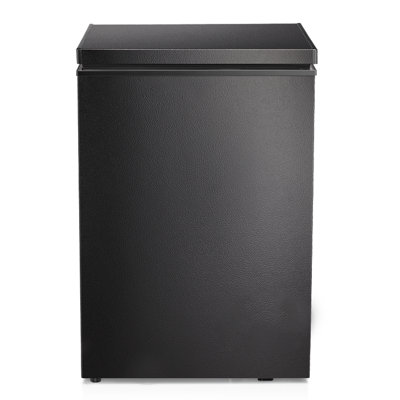
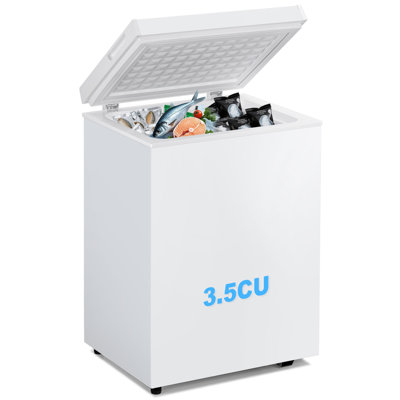
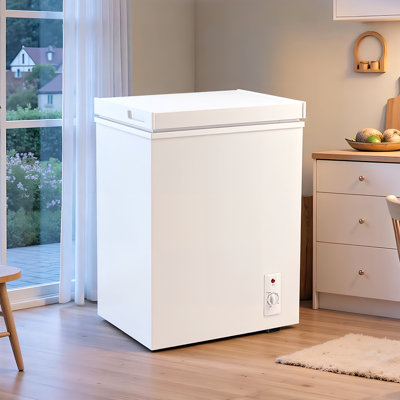
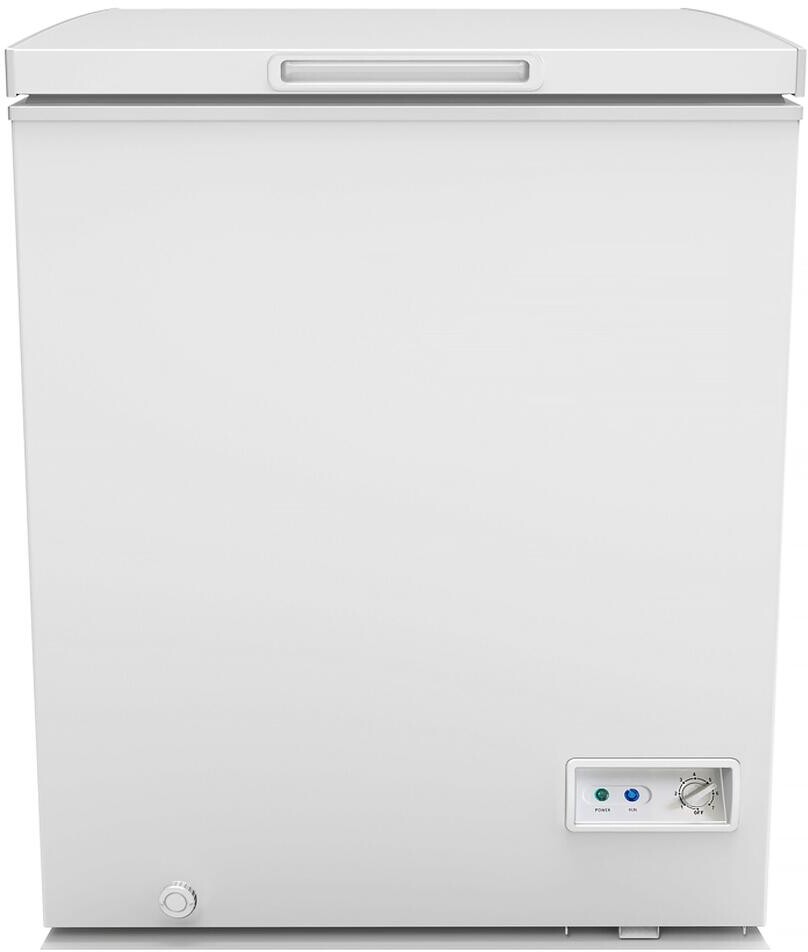
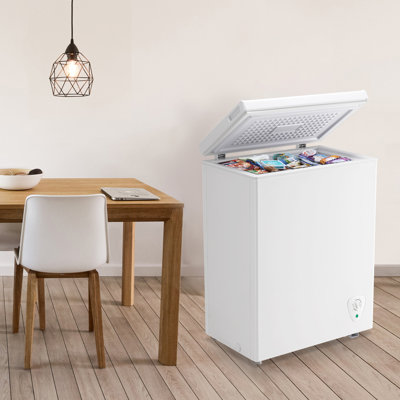
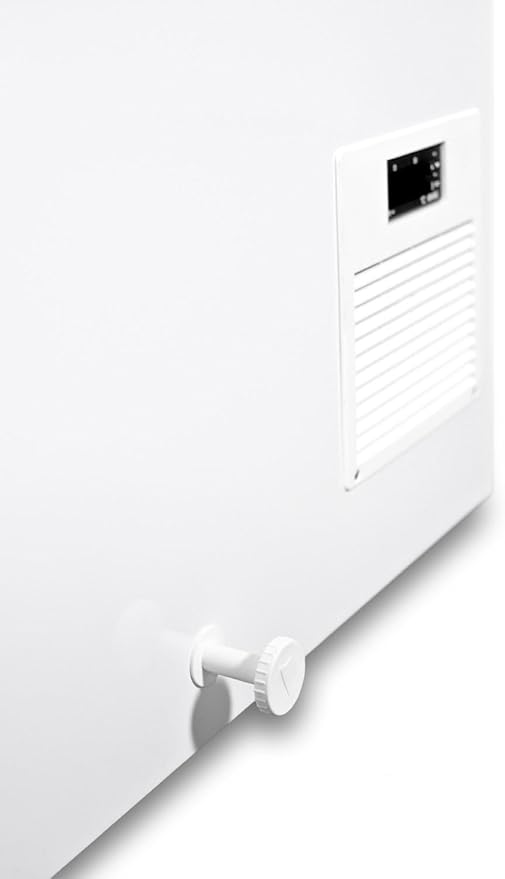
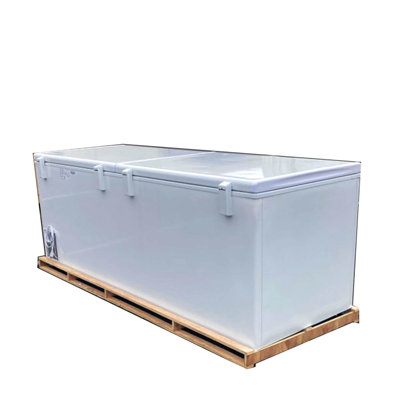
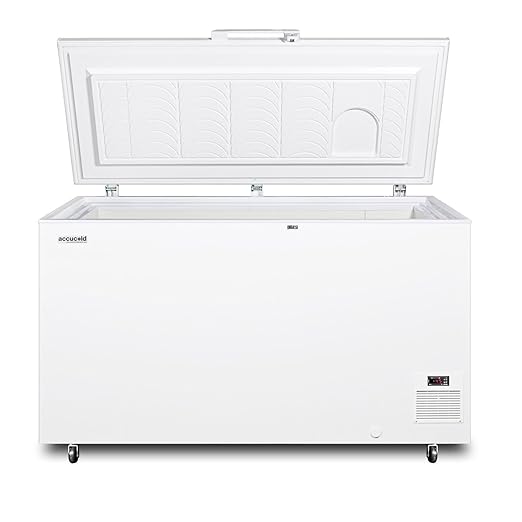
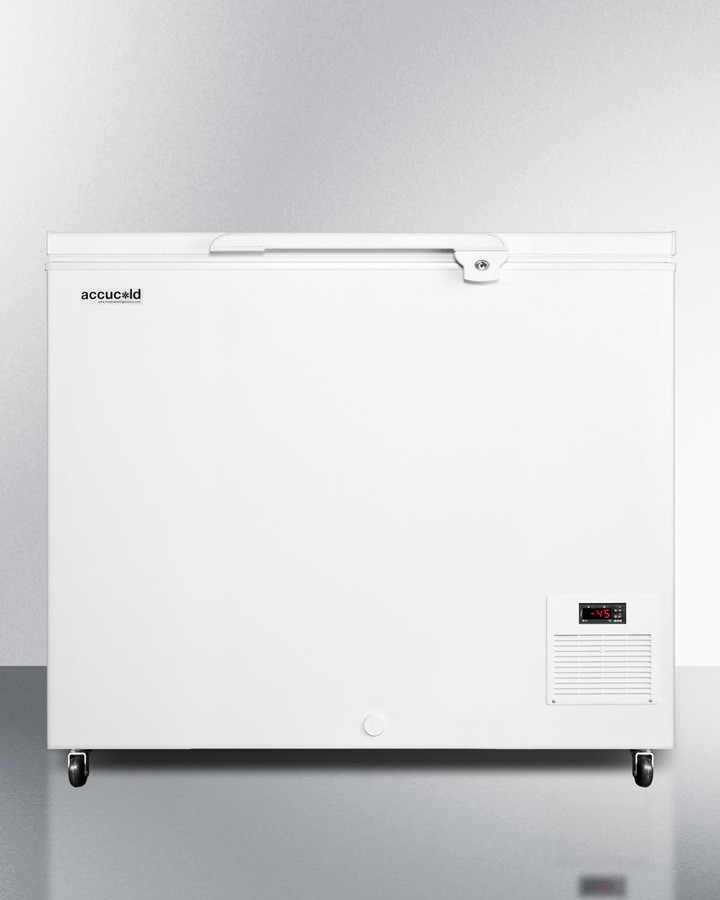
Chest freezers are a common choice for those needing extra storage space. These freezers are typically wider than they are tall, resembling a large box or chest. One of the main advantages of chest freezers is their capacity. They can store a significant amount of food, making them ideal for bulk storage.
Another benefit is their energy efficiency. Chest freezers usually have a tighter seal, which helps maintain a consistent temperature, reducing energy consumption. They are also known for their ability to keep food frozen for longer periods during power outages.
However, chest freezers can be challenging to organize. Items at the bottom can be difficult to reach, requiring you to move items around to access what you need. For more details on how chest freezers compare with other appliances, see convertible freezer Vs. ice maker.
Overview of Ice Cream Freezers
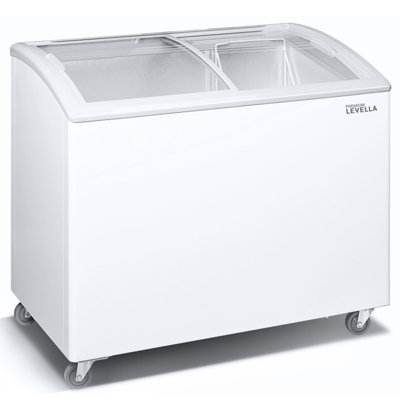
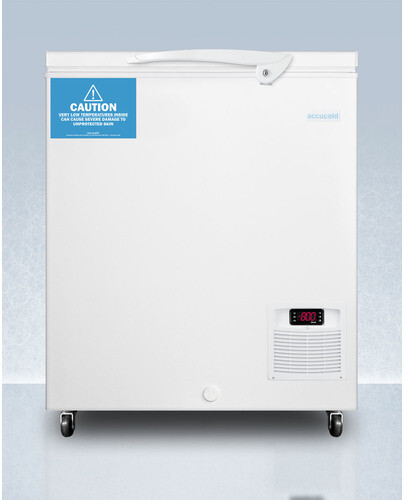
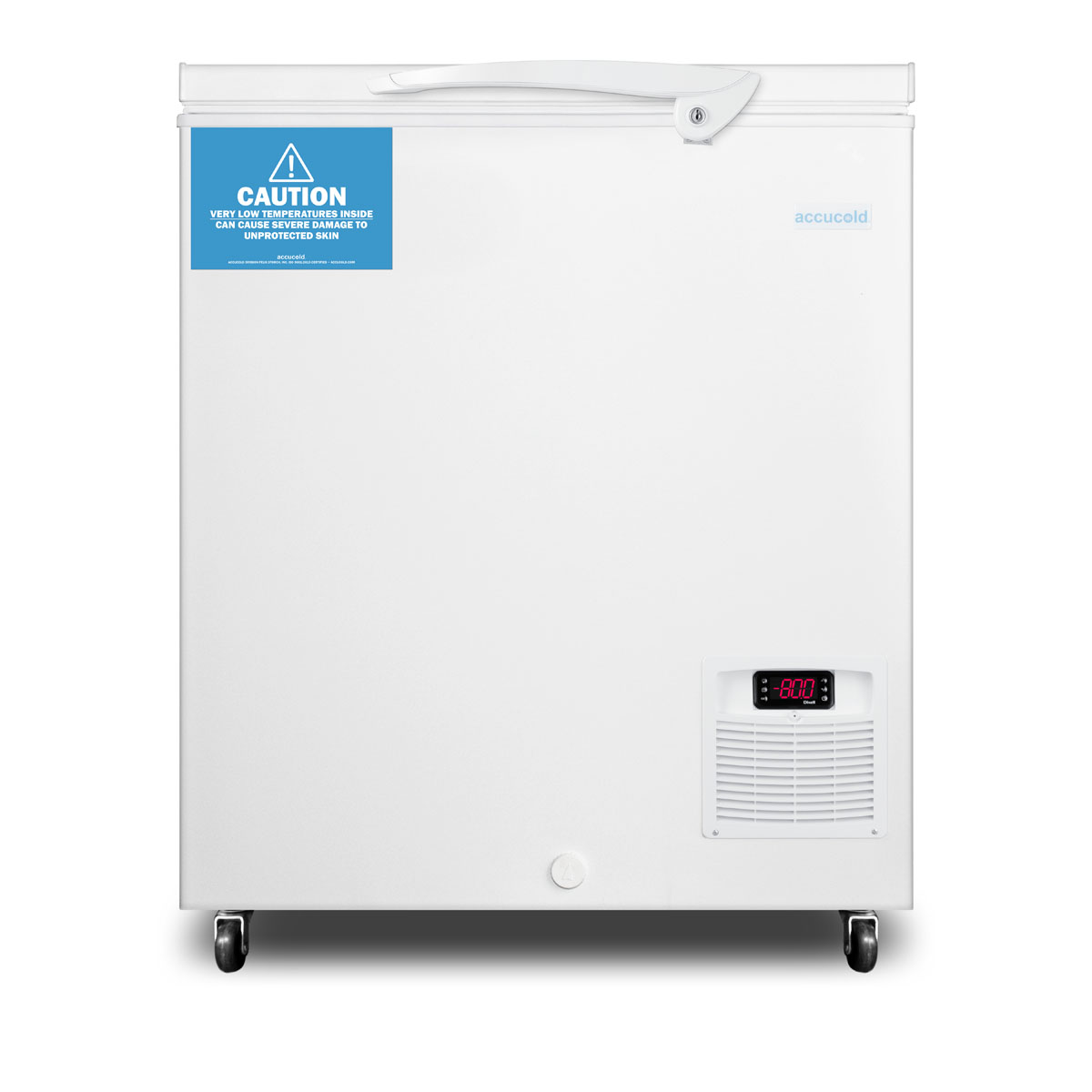
Ice cream freezers, on the other hand, are specifically designed to store ice cream and other frozen desserts. These freezers maintain a lower temperature than standard freezers, ensuring that ice cream remains at the perfect consistency.
Ice cream freezers often come with specialized features such as sliding glass doors and dividers, which make it easy to organize and access your frozen treats. Their design is typically more upright, taking up less floor space, which can be convenient for smaller areas.
While they are excellent for maintaining the ideal temperature for ice cream, they may not be as versatile as chest freezers for storing a variety of foods. To explore more options, check Fridge.com comparison of drawer freezer Vs. large refrigerator.
Understanding the differences between chest freezers and ice cream freezers can help you choose the right one for your needs. Whether you need bulk storage or specialized ice cream storage, there is a freezer that fits your requirements.
Capacity and Size
When comparing chest freezers and ice cream freezers, understanding their capacity and size is crucial. This helps you determine which option best suits your storage needs.
Capacity of Chest Freezers
Chest freezers are known for their spacious interiors, making them ideal for storing large quantities of food. They come in a variety of sizes, typically ranging from 5 cubic feet to over 25 cubic feet. This wide range of capacities allows you to choose a freezer that fits your specific storage requirements, whether you need to store bulk items or just a few essential groceries.
Chest Freezer Size
Capacity (Cubic Feet)
Small
5 - 9
Medium
10 - 16
Large
17 - 25+
For more information on different freezer options, check out Fridge.com article on small freezer chest.
Capacity of Ice Cream Freezers
Ice cream freezers, designed specifically for storing ice cream and other frozen desserts, have a more focused capacity range. These freezers typically come in sizes ranging from 3 cubic feet to around 20 cubic feet. The smaller sizes are perfect for personal or family use, while the larger models can accommodate commercial needs.
Ice Cream Freezer Size
Capacity (Cubic Feet)
Small
3 - 7
Medium
8 - 14
Large
15 - 20
For additional insights on ice cream storage solutions, you might find Fridge.com article on ice cream refrigerator Vs. wine cellar useful.
Understanding the capacity and size of both chest freezers and ice cream freezers helps you make an informed decision based on your storage needs and available space. Whether you are a homeowner, foodie, or chef, selecting the right freezer ensures your frozen goods are stored efficiently and conveniently.
When comparing chest freezers and ice cream freezers, temperature control is a critical factor to consider. Each type of freezer offers different temperature ranges and features that cater to specific needs.
Temperature Range in Chest Freezers
Chest freezers are versatile and can accommodate a wide range of frozen goods. They typically have a broader temperature range, making them suitable for long-term storage of various items.
Freezer Type
Temperature Range (°F)
Chest Freezer
-10 to 10
This range is ideal for preserving meats, vegetables, and other perishables. You can adjust the temperature based on what you need to store. For instance, a lower temperature setting is beneficial for long-term storage to keep items frozen solid, whereas a slightly higher setting is suitable for items that you need to access more frequently.
Temperature Range in Ice Cream Freezers
Ice cream freezers are designed specifically to maintain the optimal conditions for ice cream and other frozen desserts. They have a narrower temperature range that ensures the perfect consistency and prevents freezer burn.
Freezer Type
Temperature Range (°F)
Ice Cream Freezer
-20 to 0
The colder temperature settings in ice cream freezers are crucial for maintaining the creamy texture of ice cream. Unlike chest freezers, which are more versatile, ice cream freezers are specialized to keep desserts at their best.
Understanding the temperature ranges and their impact on storage is essential when choosing between a chest freezer and an ice cream freezer. For further comparison of freezer options, you might find Fridge.com articles on convertible freezer Vs. ice maker and column freezer Vs. ice machine useful.
When comparing chest freezers and ice cream freezers, organization and accessibility are crucial factors to consider. Both types of freezers have unique storage layouts that cater to different needs and preferences.
Storage Layout in Chest Freezers
Chest freezers are designed with a large, open storage area, making them ideal for storing bulky items and large quantities of food. However, this design can sometimes make it challenging to organize and access items efficiently.
Key Features of Chest Freezers:
Open Storage Space: The spacious interior allows for storing large items but may require additional organization tools.
Baskets and Dividers: Many chest freezers come with removable baskets and dividers to help you organize your items better.
Bottom Storage: Items stored at the bottom can be harder to access, requiring you to move items around to reach them.
Ice cream freezers are specifically designed to store ice cream and other frozen desserts, offering a more specialized storage layout that enhances accessibility and organization.
Key Features of Ice Cream Freezers:
Shelves and Bins: Ice cream freezers typically feature shelves and bins for organized storage of ice cream containers and related items.
Easy Access: The shelves and bins make it easier to access items without having to move other items around.
Optimized for Desserts: The storage layout is optimized for storing ice cream, popsicles, and other frozen desserts.
Feature
Ice Cream Freezer
Shelves and Bins
Multiple shelves and bins
Organization Tools
Built-in storage compartments
Accessibility
Easy to access items
For more insights on different freezer options, check out Fridge.com article on ice cream refrigerator Vs. wine cellar.
Choosing the right freezer for your needs involves considering how you plan to organize and access your frozen goods. Whether you prefer the spaciousness of a chest freezer or the specialized storage of an ice cream freezer, understanding these features will help you make an informed decision. For additional guidance, explore Fridge.com article on column freezer Vs. ice machine.
When comparing a chest freezer versus an ice cream freezer, energy efficiency plays a crucial role in your decision-making process. Both freezer types have distinct energy consumption patterns, which can impact your utility bills and overall energy usage.
Energy Consumption of Chest Freezers
Chest freezers are known for their energy efficiency. Their design, with a top-opening door, helps minimize cold air loss when accessed, leading to lower energy consumption. Additionally, chest freezers often come with thicker insulation compared to other freezer types, which helps maintain the internal temperature with less energy.
Freezer Type
Annual Energy Consumption (kWh)
Small Chest Freezer (5-9 cu. ft.)
200 - 400
Medium Chest Freezer (10-16 cu. ft.)
300 - 450
Large Chest Freezer (17+ cu. ft.)
350 - 600
Chest freezers typically consume between 200 to 600 kWh annually, depending on their size. For more details on energy-efficient appliances, explore Fridge.com article on column freezer Vs. ice machine.
Energy Consumption of Ice Cream Freezers
Ice cream freezers, designed to maintain a colder temperature range for optimal ice cream storage, generally use more energy than chest freezers. The lower temperature setting and frequent door opening can lead to higher energy usage.
Freezer Type
Annual Energy Consumption (kWh)
Small Ice Cream Freezer (5-9 cu. ft.)
300 - 500
Medium Ice Cream Freezer (10-16 cu. ft.)
400 - 600
Large Ice Cream Freezer (17+ cu. ft.)
500 - 700
Ice cream freezers can consume between 300 to 700 kWh annually, depending on their size. This higher energy usage is due to the need to maintain a consistent, lower temperature. For more comparison on freezers, visit Fridge.com page on convertible freezer Vs. ice maker.
Understanding the energy consumption of chest freezers and ice cream freezers helps you make an informed decision based on your specific needs and energy efficiency goals. For additional insights on energy-efficient refrigerators, check out Fridge.com article on column refrigerator freezer Vs. energy efficient refrigerator.
Maintenance and Cleaning
Proper maintenance and cleaning are essential for the longevity and efficiency of both chest freezers and ice cream freezers. Below are the cleaning processes for each type.
Cleaning Processes for Chest Freezers
Cleaning your chest freezer regularly helps to maintain its efficiency and hygiene. Follow these steps for a thorough cleaning:
Unplug the Freezer: Ensure the freezer is turned off and unplugged from the power source.
Empty the Contents: Remove all items from the freezer and store them in a cooler to keep them cold.
Defrost the Freezer: Allow the ice to melt. This may take a few hours. Placing towels around the base can help absorb water.
Remove Shelves and Baskets: Take out any removable parts for separate cleaning.
Clean the Interior: Use a mixture of warm water and mild dish soap to clean the interior walls and floor. Avoid using abrasive cleaners.
Rinse and Dry: Wipe down with a clean, damp cloth to remove soap residue. Dry with a towel.
Clean Removable Parts: Wash shelves and baskets with warm, soapy water, rinse, and dry.
Reassemble and Reload: Place all cleaned parts back and reload the freezer.
Cleaning Processes for Ice Cream Freezers
Ice cream freezers require specialized care to ensure they remain clean and efficient. Here are the steps:
Unplug the Freezer: Disconnect the appliance from the power source.
Remove Ice Cream and Ingredients: Take out all ice cream and related items. Store them temporarily in another freezer.
Defrost if Necessary: If there is ice build-up, allow it to melt completely. Use towels to manage the melting ice.
Disassemble Parts: Remove any trays, shelves, or containers for separate cleaning.
Clean the Interior: Use a solution of warm water and a non-abrasive cleaner. Pay extra attention to corners and crevices where residue may accumulate.
Rinse Thoroughly: Use a damp cloth to remove any cleaning solution residue.
Dry Completely: Ensure the interior is fully dry to prevent ice build-up.
Clean Removable Components: Wash trays and shelves with warm, soapy water, rinse, and dry them.
Reassemble and Restock: Put everything back in place and reload the ice cream.
Freezer Type
Cleaning Frequency
Defrosting Required
Cleaning Solution
Chest Freezer
Quarterly
Yes
Warm water and mild dish soap
Ice Cream Freezer
Bi-Monthly
Yes
Warm water and non-abrasive cleaner
Regular maintenance extends the life of your freezer and ensures optimal performance. For more details on freezer types, explore Fridge.com articles on convertible freezer Vs. ice maker and column freezer Vs. ice machine.
When considering a chest freezer, the initial cost is an important factor. Chest freezers are generally more affordable compared to specialized ice cream freezers. They offer a larger capacity at a lower price, making them an attractive option for budget-conscious shoppers. The price range can vary depending on the size and additional features.
Chest Freezer Size
Average Cost
Small (5-9 cu. ft.)
$150 - $300
Medium (10-16 cu. ft.)
$300 - $500
Large (17+ cu. ft.)
$500 - $1,000
These prices are estimates and can fluctuate based on the specific model and retailer. For a more in-depth comparison of freezer options, you might find Fridge.com article on column freezer Vs. ice machine helpful.
Initial Investment for Ice Cream Freezers
Ice cream freezers, designed specifically for maintaining ideal ice cream conditions, tend to be more expensive. They come with specialized temperature controls and often have features like glass doors for display. The higher cost is justified by the ability to keep ice cream at the perfect consistency.
Ice Cream Freezer Size
Average Cost
Small (5-9 cu. ft.)
$300 - $600
Medium (10-16 cu. ft.)
$600 - $1,000
Large (17+ cu. ft.)
$1,000 - $2,000
These figures provide a general idea of the initial investment required. For those considering other refrigeration options, Fridge.com article on convertible freezer Vs. ice maker offers additional insights.
Understanding these cost considerations can help you make an informed decision when choosing between a chest freezer and an ice cream freezer. For more detailed comparisons and features, explore Fridge.com articles on fridge freezer Vs. shallow depth refrigerator and drawer freezer Vs. large refrigerator.
Choosing the Right Freezer for Your Needs
Factors to Consider
When deciding between a chest freezer and an ice cream freezer, several factors can influence your choice. Understanding these factors will help you select the right freezer for your specific requirements.
Storage Needs: Assess your storage needs. If you require a versatile freezer for a variety of items, a chest freezer may be more appropriate. For those who primarily need to store ice cream, an ice cream freezer would be ideal.
Space Availability: Evaluate the space where you plan to place the freezer. Chest freezers often require more floor space, while ice cream freezers may have a more compact footprint.
Temperature Requirements: Consider the temperature range you need. Chest freezers typically offer a broad temperature range, suitable for various frozen goods. Ice cream freezers maintain a specific range optimized for ice cream, ensuring it stays at the perfect consistency.
Accessibility and Organization: Think about how you prefer to organize and access your frozen items. Chest freezers often have deep storage, which can make accessing items at the bottom challenging. Ice cream freezers are designed for easy access to ice cream tubs.
Budget: Determine your budget for the initial investment and ongoing operating costs. Compare the initial investment for chest freezers with the initial investment for ice cream freezers.
Making an Informed Decision
Making an informed decision involves weighing the pros and cons of each freezer type based on your personal needs and preferences.
Factor
Chest Freezer
Ice Cream Freezer
Storage Versatility
High
Low
Space Requirement
Larger footprint
Compact footprint
Temperature Range
Broad
Specific to ice cream
Accessibility
Moderate
High
Budget
Varies
Generally higher
By considering these factors, you can determine which freezer best suits your lifestyle and needs. For additional comparisons on other appliances, check out Fridge.com articles on fridge freezer Vs. shallow depth refrigerator and 5 door refrigerator Vs. freestanding beverage center.
Compare prices on Fridge.com
Compare current prices and specifications on Fridge.com, then buy from the retailer you choose; delivery, installation and warranty terms are the retailer’s.
It also has tons of awesome articles about kitchen stuff and home news. Enhance your home, garage, backyard, patio, and office with the coolest essentials. With every necessary type of residential refrigerator or freezer in the collection, you're covered.
Free tool
Freezer BTU Calculator
Free interactive tool from Fridge.com — get a quick answer while you read.