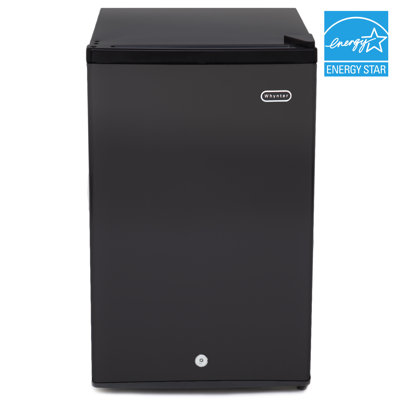
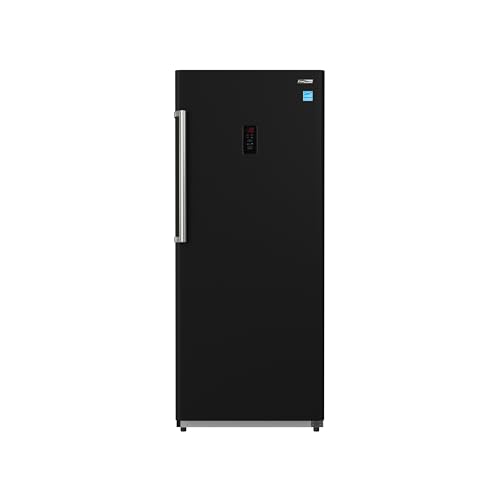
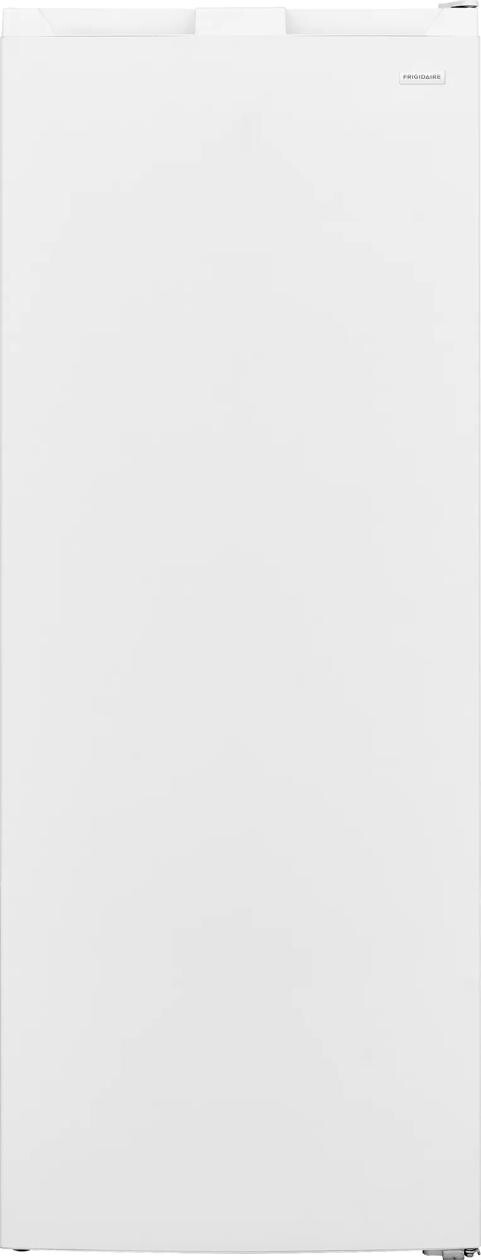
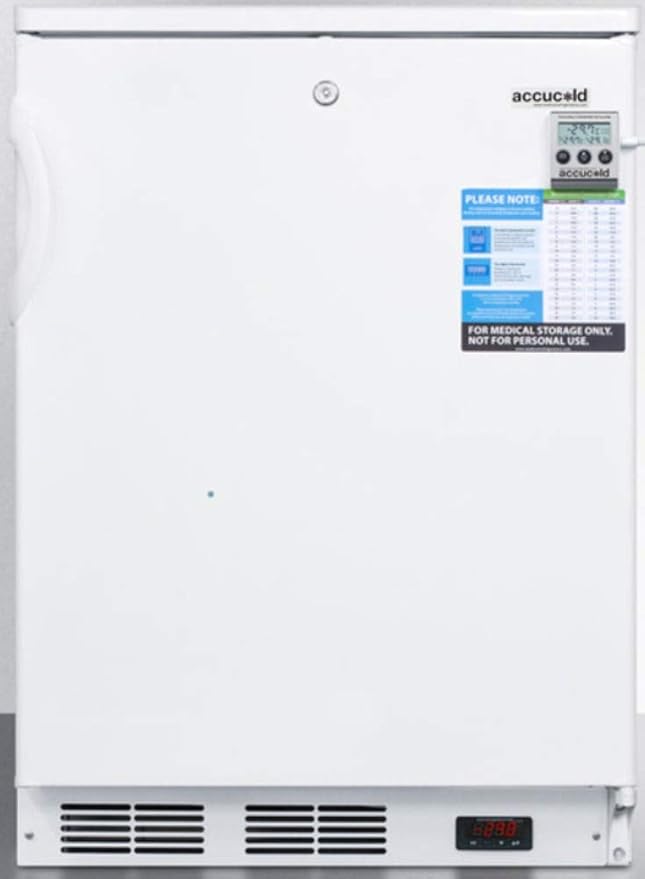
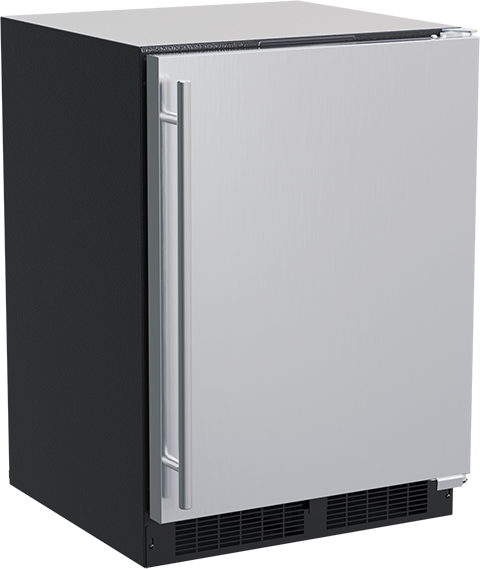
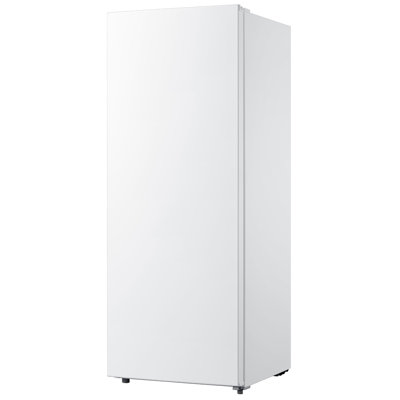
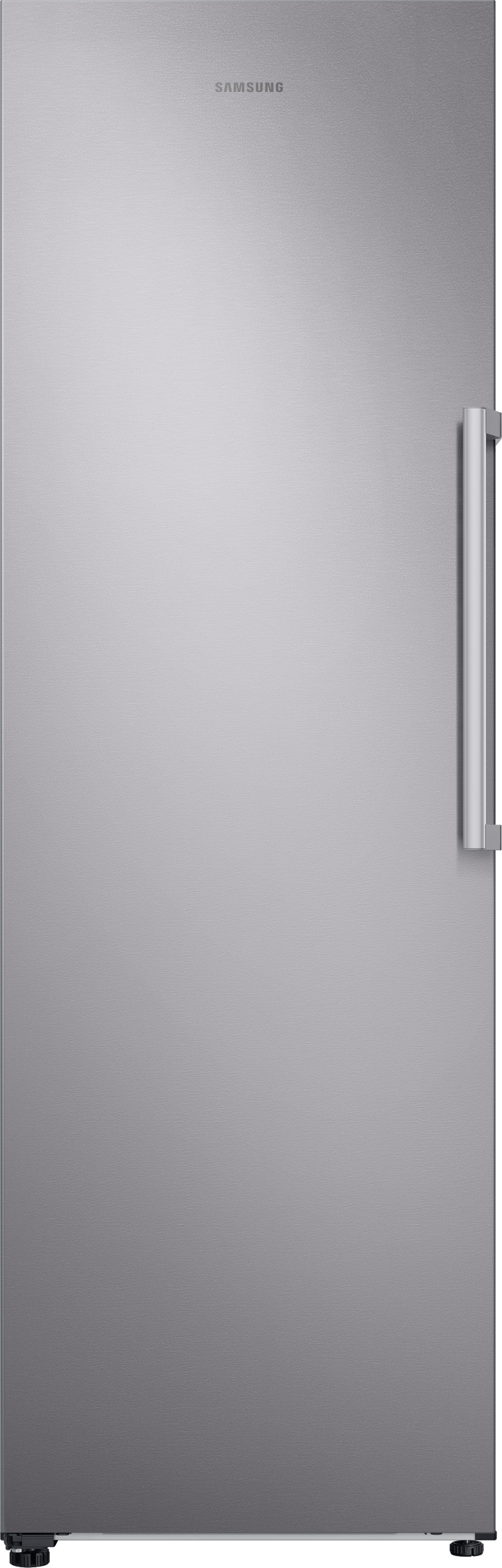
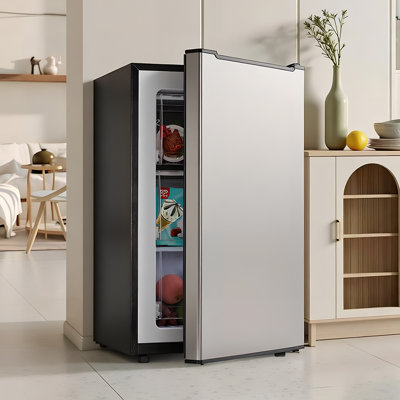
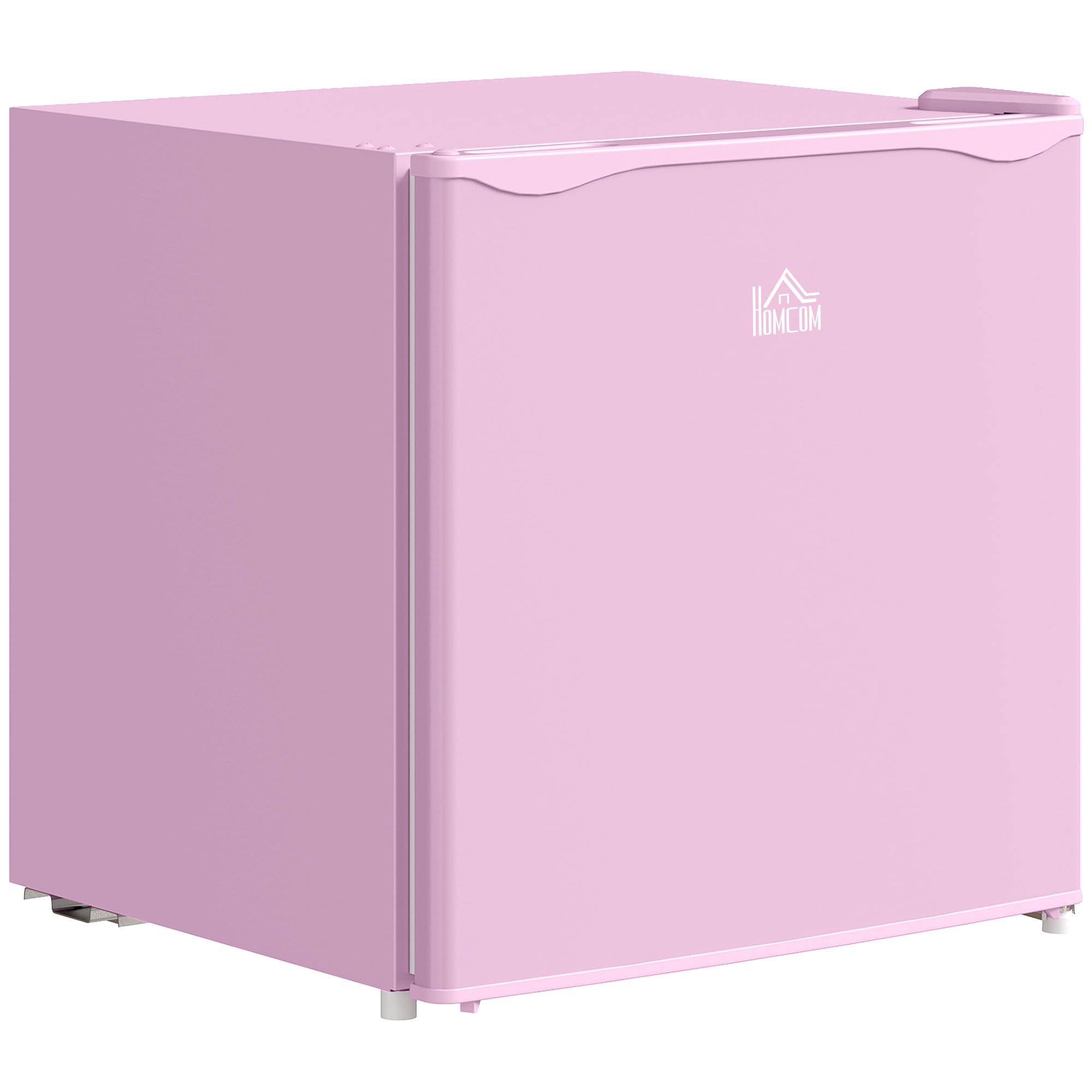
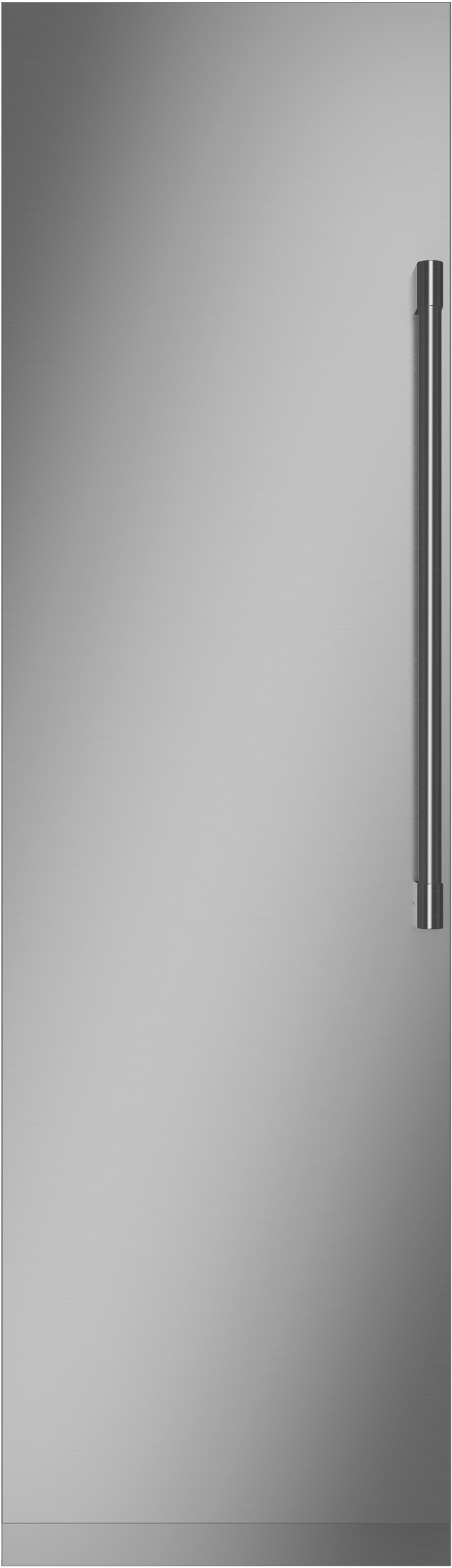
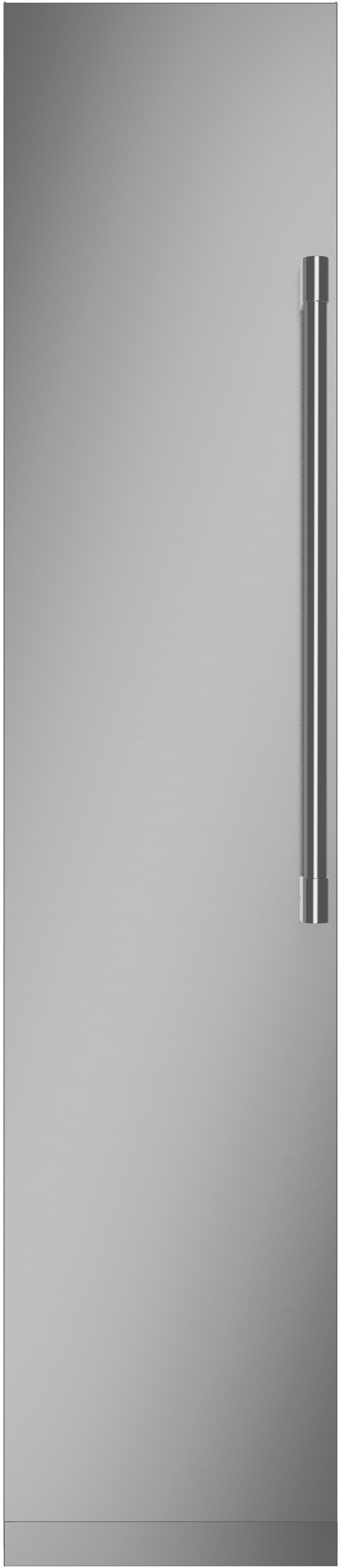
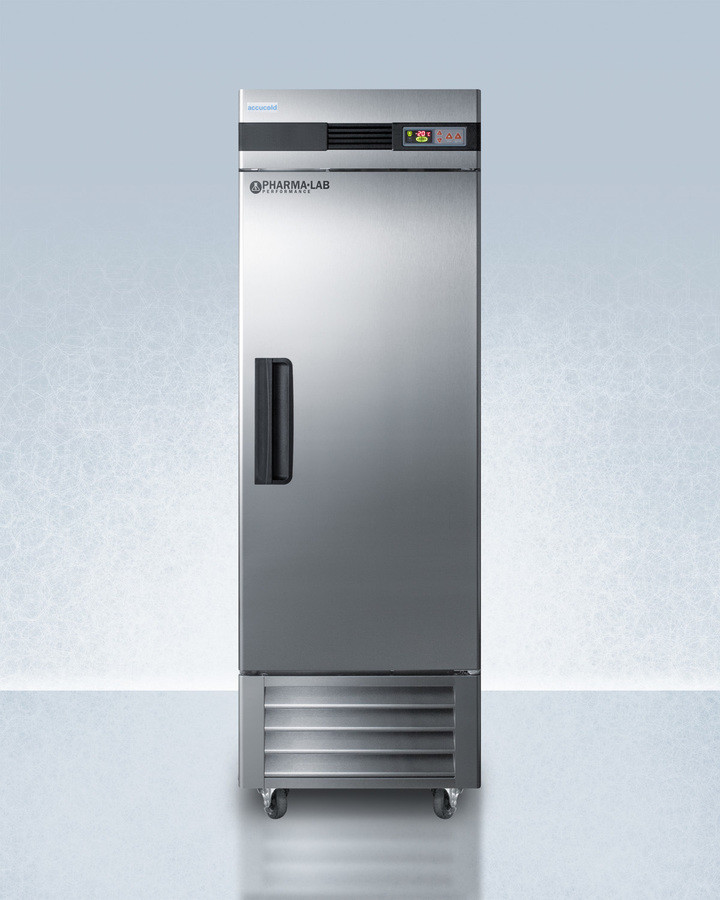
When it comes to choosing the right freezer for your needs, understanding the different types is crucial. In this section, Fridge.com will explore the basics of freezers and delve into the differences between freestanding drawer freezers and small upright freezers.
Introduction to Freezers
Freezers are essential appliances for preserving food and keeping it fresh for extended periods. They come in various shapes and sizes, catering to different storage needs and space constraints. Whether you're a homeowner, chef, or simply someone who loves to entertain, having the right freezer can make a significant difference in your daily life.
Difference Between Freestanding Drawer Freezers and Small Upright Freezers
When comparing freestanding drawer freezers and small upright freezers, it's important to consider their unique features, advantages, and limitations. Below, Fridge.com highlights the key differences to help you make an informed decision.
Freestanding Drawer Freezers
Freestanding drawer freezers are designed with multiple pull-out drawers, offering easy access and organization for your frozen goods. These freezers are typically compact and can fit seamlessly into various spaces, such as kitchens, basements, or even garages.
Feature
Freestanding Drawer Freezers
Design
Multiple pull-out drawers
Size
Compact
Accessibility
Easy access to stored items
Installation
Flexible in various spaces
Small Upright Freezers
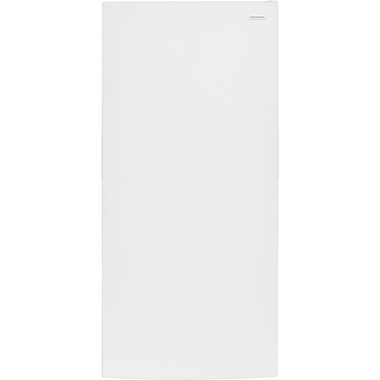
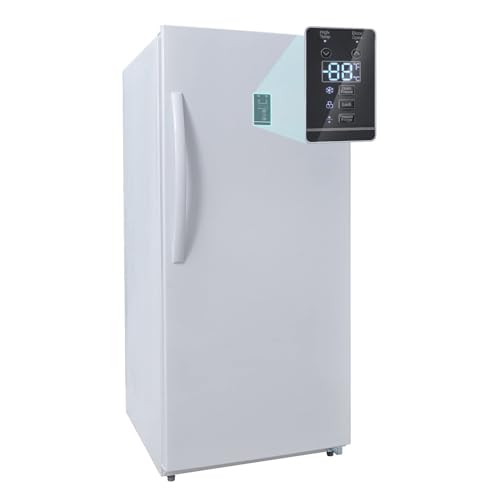
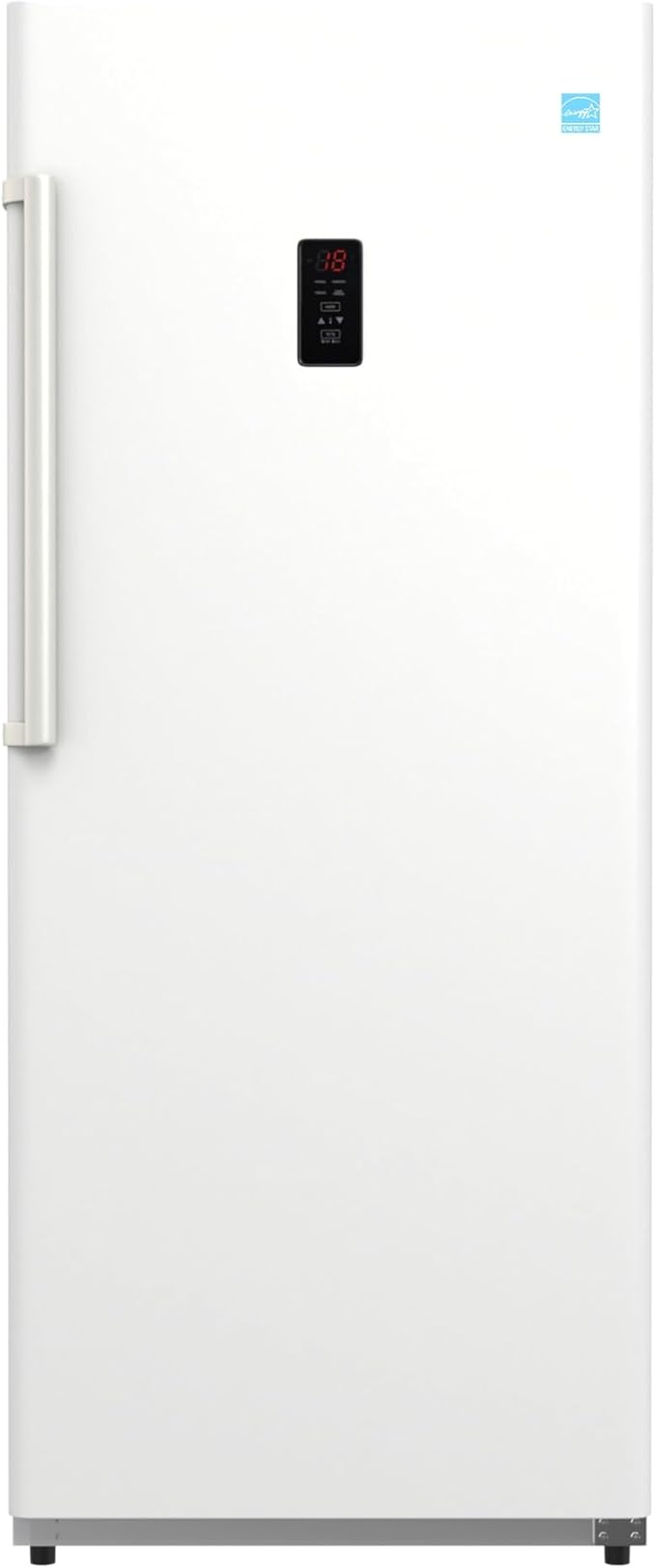
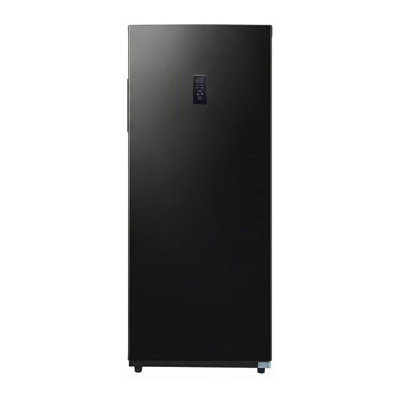
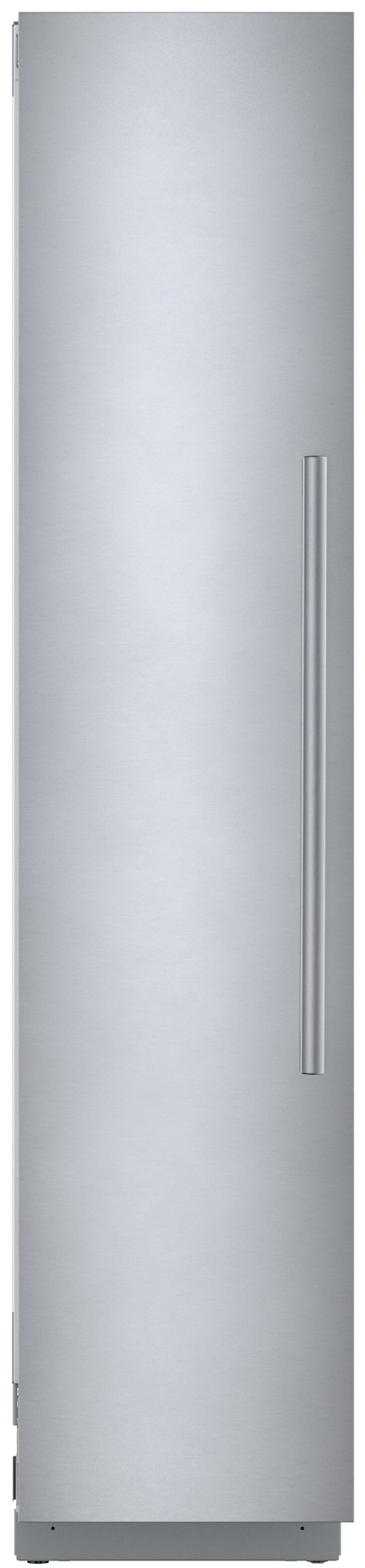
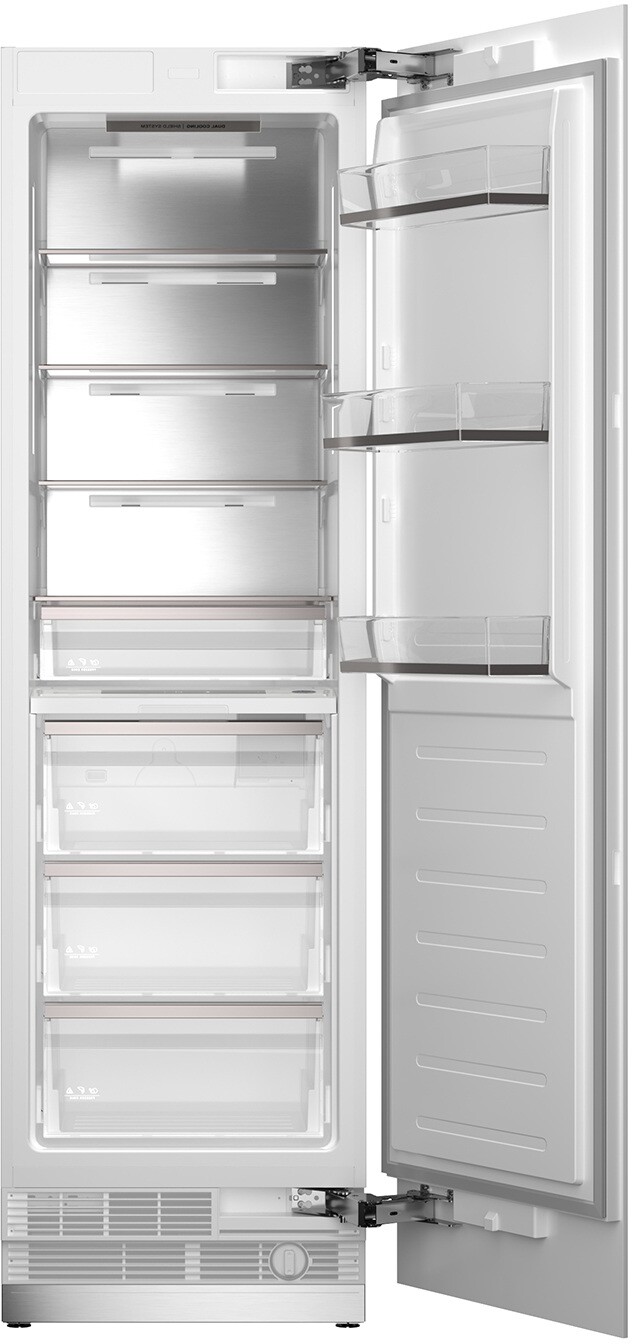
Small upright freezers, on the other hand, feature a vertical design with shelves or compartments. These freezers often resemble a mini refrigerator and can be placed in tight spaces, such as apartments, condos, or offices. They provide more vertical storage space compared to drawer freezers, making it easier to store larger items.
Feature
Small Upright Freezers
Design
Vertical with shelves or compartments
Size
Compact, suitable for tight spaces
Accessibility
Shelves allow for easy organization
Installation
Ideal for apartments, condos, offices
Understanding these differences can help you decide which type of freezer is best suited for your needs. For more comparisons on other types of refrigeration appliances, check out Fridge.com article on freezer cooler Vs. undercounter beverage cooler.
When selecting the perfect freezer, understanding the capacity and size is crucial. This section compares the dimensions and storage potential of freestanding drawer freezers and small upright freezers.
Freestanding Drawer Freezers
Freestanding drawer freezers offer a unique design with multiple drawers, making it easy to organize and access your frozen items. They are typically more compact, making them ideal for smaller spaces such as apartments, condos, or even tiny homes.
Feature
Freestanding Drawer Freezer
Average Height
34 - 36 inches
Average Width
24 - 28 inches
Average Depth
24 - 28 inches
Storage Capacity
3 - 5 cubic feet
Number of Drawers
3 - 5
Freestanding drawer freezers are designed to fit under countertops or in tight spaces, providing a convenient storage solution without taking up too much room. They are also a great option for garages or basements.
Small Upright Freezers
Small upright freezers, on the other hand, stand tall and offer more vertical storage space. They are suitable for larger households or anyone needing more extensive freezer storage, such as families or chefs.
Feature
Small Upright Freezer
Average Height
50 - 60 inches
Average Width
20 - 24 inches
Average Depth
20 - 24 inches
Storage Capacity
5 - 10 cubic feet
Number of Shelves
3 - 5
Small upright freezers provide more storage capacity relative to their footprint. Their vertical design allows for better organization, making it easier to access items without digging through layers of food. These freezers are commonly used in basements or garages, where space isn't as constrained.
By understanding the capacity and size differences between freestanding drawer freezers and small upright freezers, you can choose the one that best fits your needs. Whether you prioritize compactness or storage space, each type offers unique benefits to suit various living situations and preferences. For further comparisons, check out Fridge.com article on refrigerator drawer Vs. small upright freezer.
Design and Installation
When comparing a freestanding drawer freezer to a small upright freezer, understanding their design and installation features can help you make an informed decision.
Features of Freestanding Drawer Freezers
Freestanding drawer freezers are designed for convenience and accessibility. They usually come with multiple drawers that allow you to organize your frozen items efficiently. Here are some key features:
Multiple Drawers: These freezers typically have several drawers, making it easy to separate different types of food.
Compact Design: Freestanding drawer freezers are often compact, making them suitable for smaller spaces like apartments and condos.
Ease of Access: The drawer design allows you to access items without having to dig through piles of frozen goods, which is particularly useful for frequent use.
Flexible Installation: These freezers can be placed in various locations, including kitchens, garages, and basements, without the need for built-in installation.
Features of Small Upright Freezers
Small upright freezers, on the other hand, offer a different set of features that may be more suitable for specific needs. Here are the notable attributes:
Shelving System: Small upright freezers usually come with adjustable shelves, providing flexible storage options.
Vertical Design: The vertical orientation makes these freezers ideal for spaces where floor space is limited but vertical space is available.
Door Storage: Many small upright freezers feature storage compartments in the door, adding extra space for smaller items.
Easy Installation: Similar to freestanding drawer freezers, small upright freezers do not require built-in installation and can be easily placed in various locations.
When comparing the organization and accessibility of freestanding drawer freezers versus small upright freezers, it's important to understand how each type of freezer can meet your storage needs.
Storage Options in Freestanding Drawer Freezers
Freestanding drawer freezers are designed with multiple pull-out drawers, making them highly organized and easy to access. Each drawer can be dedicated to different types of food, helping you keep your freezer contents neatly separated. This setup is particularly useful for those who like to compartmentalize their food items, such as meats, vegetables, and frozen meals.
Key benefits of storage options in freestanding drawer freezers:
Drawer Organization: Each drawer serves as a separate compartment.
Ease of Access: Pull-out drawers offer easy access to stored items.
Visibility: Clear or semi-transparent drawers allow you to see contents without opening them.
Storage Feature
Freestanding Drawer Freezers
Number of Drawers
3-5
Drawer Visibility
Clear/Semi-transparent
Organization
High
Accessibility
Easy pull-out drawers
Storage Options in Small Upright Freezers
Small upright freezers typically feature shelves and door bins, offering a different approach to organization. Shelves allow you to stack items vertically, maximizing the use of space. Door bins provide additional storage for smaller items, making them easily accessible.
Key benefits of storage options in small upright freezers:
Vertical Storage: Shelves allow for stacking items vertically.
Door Storage: Bins on the door for smaller items.
Adjustable Shelves: Some models offer adjustable shelving for customized storage.
Storage Feature
Small Upright Freezers
Number of Shelves
4-6
Door Bins
2-4
Organization
Moderate
Accessibility
Easy access via shelves and door bins
Both freezer types offer unique advantages in terms of organization and accessibility. Whether you prefer the drawer system of a freestanding drawer freezer or the shelving and door bins of a small upright freezer, understanding these features can help you make an informed decision. For more information on different freezer types, you can explore Fridge.com comparisons like freezer cooler Vs. undercounter beverage cooler and see through refrigerator Vs. undercounter refrigerator.
Freestanding drawer freezers are designed with energy efficiency in mind. These units typically feature advanced insulation and compressor technology to minimize energy consumption. The drawer design allows for easy access to food items, reducing the amount of time the freezer door remains open, which in turn conserves energy.
Feature
Energy Consumption (kWh/year)
Standard Freestanding Drawer Freezer
300 - 450
When comparing the energy efficiency of freestanding drawer freezers, it's important to look for models with an Energy Star rating. This certification indicates that the appliance meets specific energy efficiency guidelines set by the Environmental Protection Agency (EPA). For more on energy-efficient refrigeration options, explore Fridge.com article on auto defrost freezer Vs. black refrigerator.
Energy Efficiency of Small Upright Freezers
Small upright freezers are also designed to be energy-efficient. These units often come with features such as adjustable thermostats and improved insulation to reduce energy consumption. The upright design allows for efficient organization and easy access, which helps in maintaining optimal internal temperatures and minimizing energy loss.
Feature
Energy Consumption (kWh/year)
Standard Small Upright Freezer
250 - 400
As with freestanding drawer freezers, look for Energy Star-rated small upright freezers to ensure you are choosing an energy-efficient model. These freezers are designed to use less energy than non-certified models, which can lead to significant savings on your electricity bill. For more comparisons and insights on freezer types, check out Fridge.com article on freezer drawer Vs. small freezer.
Both types of freezers offer unique benefits in terms of energy efficiency. Your choice will depend on your specific needs and preferences, as well as the available space in your home. For a broader comparison of refrigeration options, see Fridge.com article on drawer fridge freezer Vs. freestanding wine cooler.
Cost and Affordability
When choosing between a freestanding drawer freezer and a small upright freezer, understanding the cost implications is crucial. Both types of freezers come with their own price ranges, influenced by factors such as capacity, features, and brand.
Average Cost of Freestanding Drawer Freezers
Freestanding drawer freezers are known for their sleek design and convenience. They often come with multiple drawers, allowing for organized storage. The average cost of these freezers can vary significantly based on size and additional features like digital temperature control and energy efficiency.
Capacity (cubic feet)
Average Cost ($)
4 - 6
300 - 500
6 - 8
500 - 700
8 - 10
700 - 900
10+
900 - 1200
For more detailed comparisons, you may want to explore Fridge.com articles on built in kegerator Vs. platinum refrigerator and drawer fridge freezer Vs. freestanding wine cooler.
Average Cost of Small Upright Freezers
Small upright freezers are typically more affordable than their drawer counterparts. They are designed to save space and provide easy access to stored items. These freezers often include adjustable shelves, making it easier to organize your frozen goods.
When comparing the average costs of freestanding drawer freezers and small upright freezers, it's clear that upright freezers generally offer a more budget-friendly option. However, the choice between the two should also take into account factors like capacity, design, and specific storage needs.
Freestanding drawer freezers offer several benefits and a few drawbacks you should consider before making a purchase.
Pros:
Ease of Access: The drawer design allows for easy access to stored items without having to bend or reach deep into the freezer.
Organization: Separate compartments in drawers make it easier to organize and categorize frozen goods.
Space Efficiency: These freezers can fit into a variety of spaces due to their compact, versatile design.
Aesthetics: They often have a sleek and modern look, blending seamlessly with kitchen décor.
Cons:
Limited Capacity: Due to their compact design, they may have less storage space compared to other freezer types.
Cost: Generally, they may be more expensive per cubic foot of storage than small upright freezers.
Energy Use: Some models may consume more energy due to the design and frequent opening and closing of drawers.
Pros and Cons of Small Upright Freezers
Small upright freezers also come with their own set of advantages and disadvantages.
Pros:
Storage Capacity: They often offer more vertical storage space, making it easier to store larger items.
Energy Efficiency: These freezers tend to be more energy-efficient, particularly models with the latest technology.
Footprint: They occupy less floor space, making them suitable for areas with limited space.
Visibility: Shelves and compartments make it easier to see and access items.
Cons:
Accessibility: Reaching items on lower shelves may require bending or squatting.
Organization: Shelves can make it harder to organize smaller items compared to drawer-style compartments.
Frost Buildup: Some models may require manual defrosting, which can be inconvenient and time-consuming.
Feature
Freestanding Drawer Freezers
Small Upright Freezers
Ease of Access
High
Medium
Organization
High
Medium
Storage Capacity
Low
High
Space Efficiency
High
Medium
Cost
Higher
Lower
For more detailed information on freezers, including comparisons with other types, check out Fridge.com articles on freezer drawer Vs. small freezer and side by side refrigerator Vs. upright freezer.
Compare prices on Fridge.com
Compare current prices and specifications on Fridge.com, then buy from the retailer you choose; delivery, installation and warranty terms are the retailer’s.
It also has tons of awesome articles about kitchen stuff and home news. Enhance your home, garage, backyard, patio, and office with the coolest essentials. With every necessary type of residential refrigerator or freezer in the collection, you're covered.
From Fridge.com research
Figures below come from data Fridge.com builds and maintains. Each links to the record behind it.
Fridge.com Energy Index, built on U.S. EPA and DOE ENERGY STAR records
Across 5,455 ENERGY STAR certified refrigerators and freezers from 263 brands, median use is 360 kWh per year.