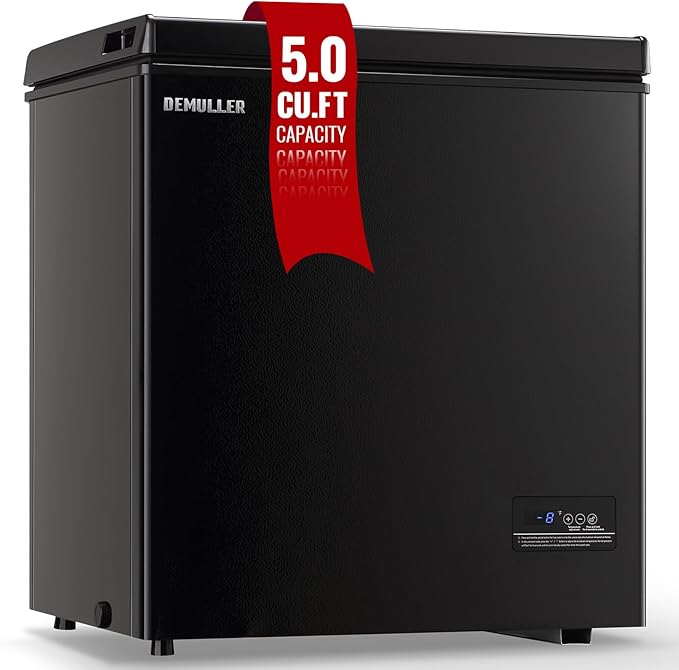
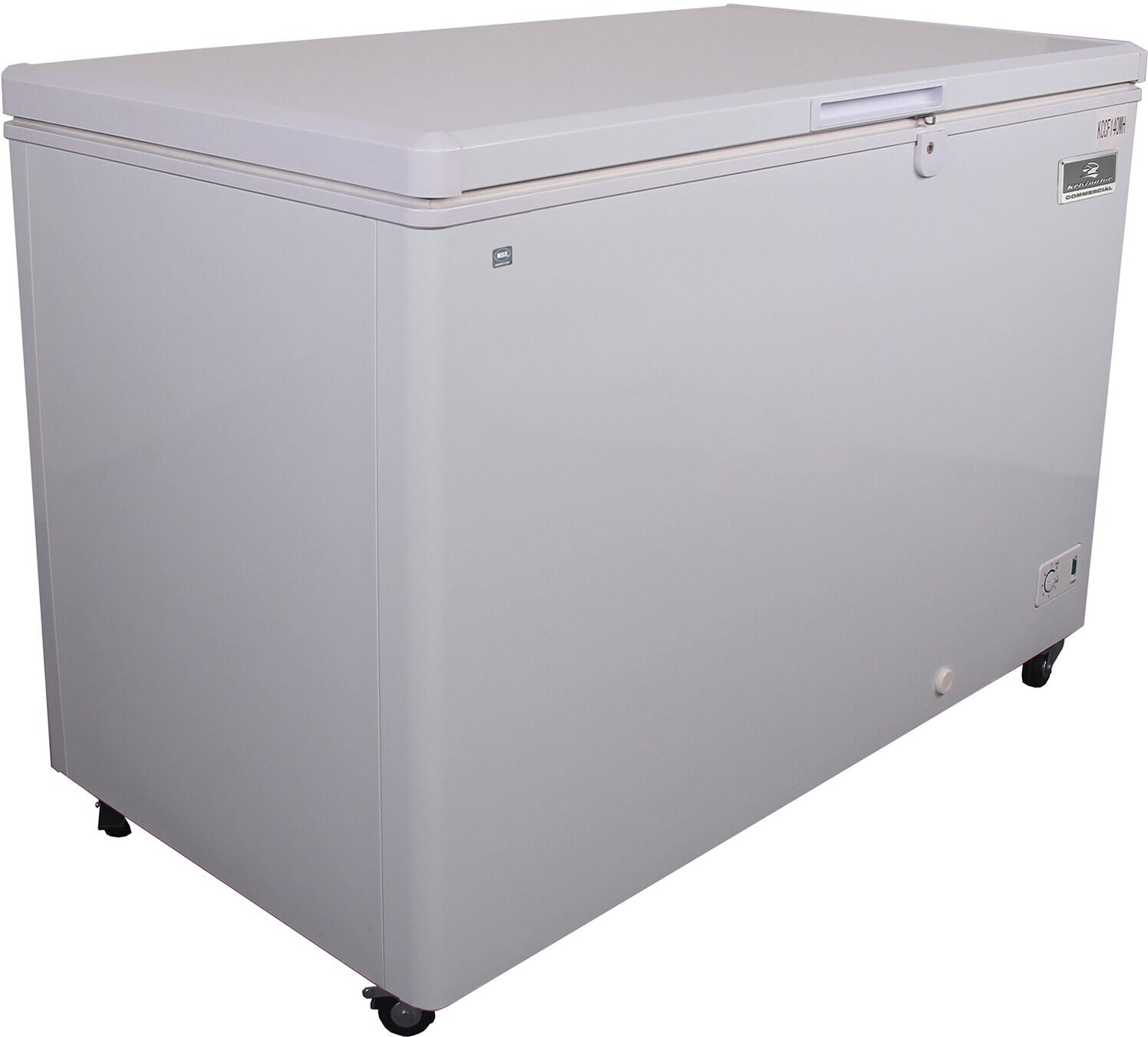
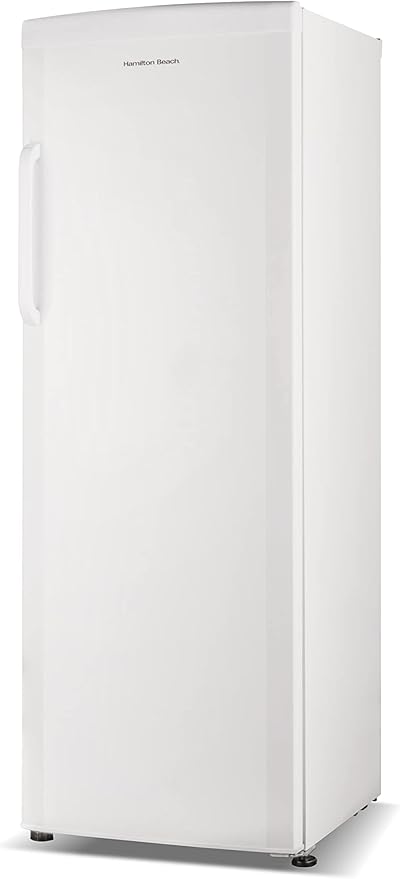
To ensure you're getting the most out of your freestanding drawer freezer or outdoor fridge, follow these efficiency tips:.
Set the Right Temperature: For freezers, aim for 0°F (-18°C) and for refrigerators, 37°F to 40°F (3°C to 4°C).
Before making a decision between a freestanding drawer freezer and an outdoor fridge, it's important to assess your specific cooling requirements.
A freestanding drawer freezer is ideal for long-term storage of frozen goods, while an outdoor fridge provides easy access to chilled beverages and fresh foods.
Before making a decision between a freestanding drawer freezer and an outdoor fridge, it's important to assess your specific cooling requirements. These initial considerations will help you determine which appliance is best suited for your lifestyle and space.
Assessing Storage Requirements
Your storage needs are a primary factor in choosing the right cooling appliance. Consider what you typically store and the quantity of items. A freestanding drawer freezer is ideal for long-term storage of frozen goods, while an outdoor fridge provides easy access to chilled beverages and fresh foods.
Appliance Type
Storage Capacity
Best For
Freestanding Drawer Freezer
Large volume of frozen items
Bulk storage, long-term preservation
Outdoor Fridge
Convenient access to chilled items
Beverages, fresh foods, entertaining
Think about your shopping habits and food preparation routines. If you tend to buy in bulk or need extra space for freezing large quantities of food, a freestanding drawer freezer might be the right choice. On the other hand, if you enjoy entertaining outdoors and need to keep drinks and appetizers cool, an outdoor fridge could be more practical. For additional insights on storage options, refer to Fridge.com articles on french door refrigerator Vs. glass door freezer and countertop freezer Vs. freestanding refrigerator.
Considering Space and Location
Space and location are just as crucial as storage needs. Measure the space where you plan to place your appliance, keeping in mind clearance for ventilation and door opening.
Appliance Type
Space Requirement
Ideal Location
Freestanding Drawer Freezer
Flexible placement, varying sizes
Garage, basement, utility room
Outdoor Fridge
Outdoor-rated, weatherproof
Patio, deck, outdoor kitchen
If you're limited on indoor space, a freestanding drawer freezer may be more adaptable to various areas in your home like the garage or basement. For those who frequently entertain outside or have an outdoor kitchen, an outdoor fridge is designed to withstand the elements and may be the more suitable option. Delve deeper into placement considerations with Fridge.com articles on outdoor fridge Vs. stainless steel refrigerator and basement refrigerator Vs. freestanding drawer freezer.
By taking the time to assess your storage requirements and available space, you can make an informed decision when choosing between a freestanding drawer freezer and an outdoor fridge, ensuring that your cooling needs are met efficiently and effectively.
Freestanding Drawer Freezers
What is a Freestanding Drawer Freezer?
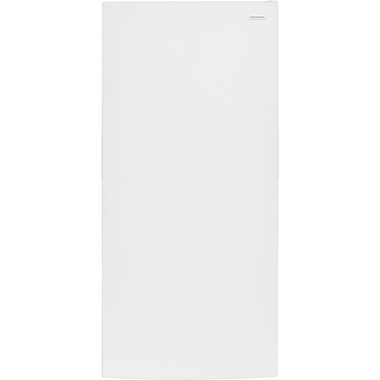
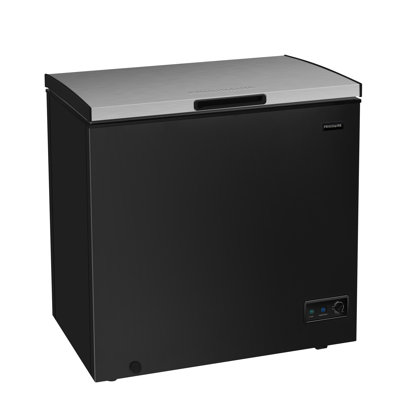
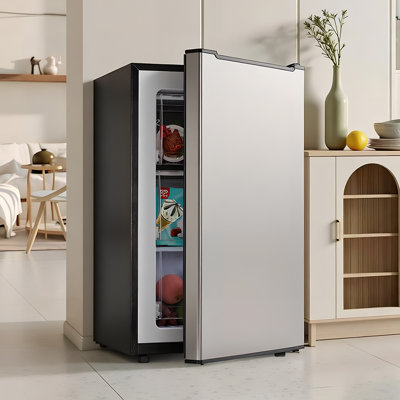
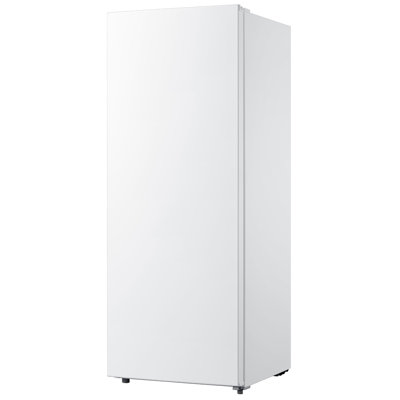
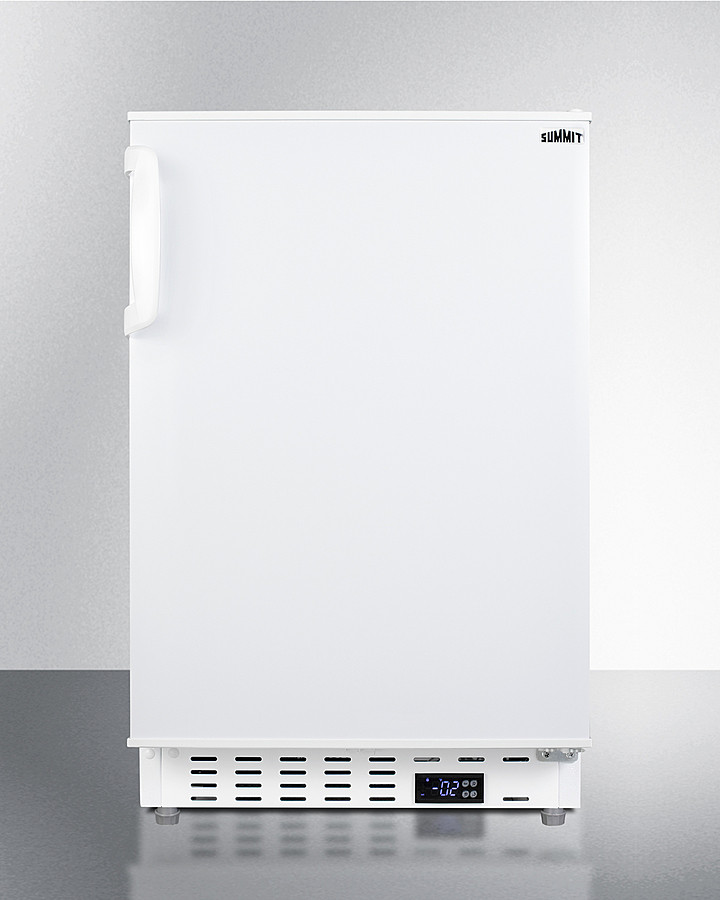
A freestanding drawer freezer is a type of freezer that is designed for flexibility and convenience in storage and placement. Unlike built-in or integrated models, these can be positioned anywhere there is power, offering additional freezing capabilities wherever needed. They feature pull-out drawers that provide organized storage, allowing for easy access to frozen goods without having to reach inside a deep compartment.
Key Features of Freestanding Drawer Freezers
Freestanding drawer freezers come with a variety of features that cater to the needs of freezer lovers and homeowners. These features often include:
Multiple drawers for categorized storage
Adjustable temperature controls for precise freezing
Frost-free technology to reduce the need for manual defrosting
Energy-efficient design to minimize power consumption
Locking mechanisms for child safety and security
Pros of Freestanding Drawer Freezers
The benefits of choosing a freestanding drawer freezer for your home, office, or any other space are numerous:
Versatility in placement due to their freestanding design
Ease of access to contents with drawer-style storage
Improved organization with compartments for different types of food
Energy efficiency, especially in newer models, which can lead to cost savings on utility bills
No installation required, making them a convenient option for immediate use
Cons of Freestanding Drawer Freezers
However, there are also some drawbacks to consider when looking at freestanding drawer freezers:
Space requirements as they may take up more floor space than traditional models
Cost can be higher compared to basic freezer models due to advanced features
Limited capacity for each drawer, which may not accommodate larger items
When considering a freestanding drawer freezer versus an outdoor fridge, it's essential to weigh these pros and cons in light of your specific needs and space. If you're still undecided or interested in comparing other refrigeration options, check out Fridge.com comprehensive comparisons such as french door refrigerator Vs. glass door freezer and countertop freezer Vs. freestanding refrigerator.
Outdoor Fridges
What is an Outdoor Fridge?
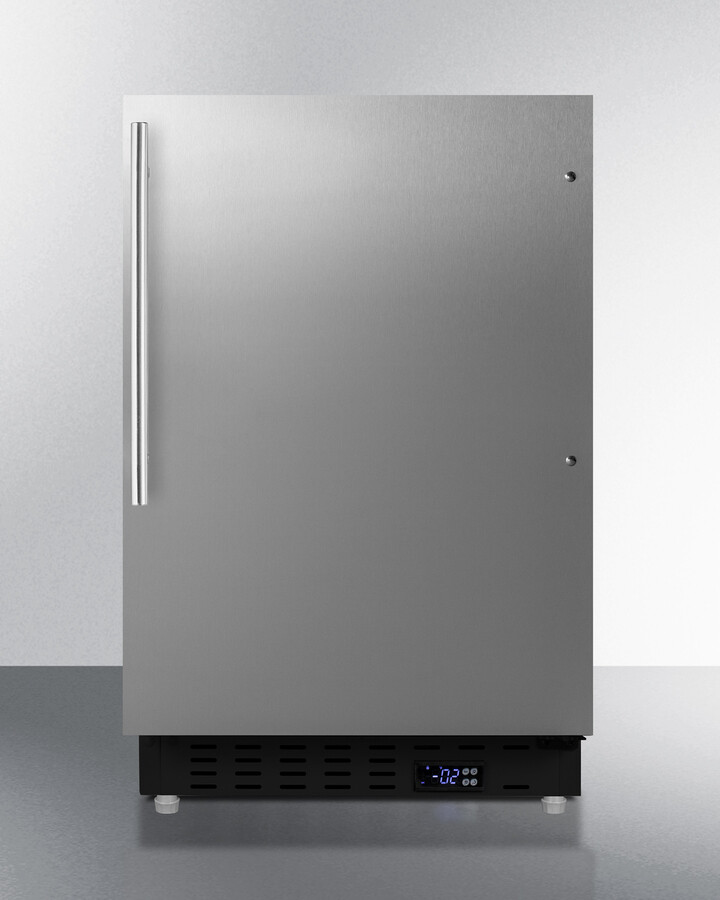
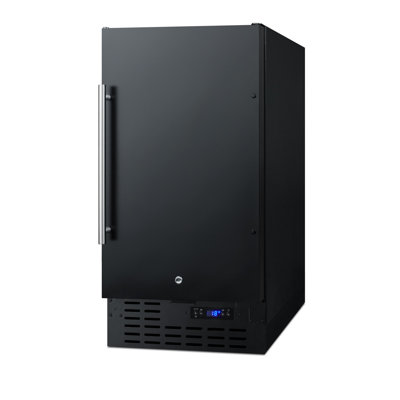
An outdoor fridge is a refrigeration appliance designed specifically for outdoor use. It's built to withstand external weather conditions and provide convenient access to cold drinks and food in outdoor spaces. These fridges are ideal for homeowners who enjoy entertaining outside or who want the convenience of extra cold storage.
Key Features of Outdoor Fridges
Outdoor fridges are designed with several features that make them suitable for outside conditions. They often have a robust construction to resist rust and corrosion, weatherproof seals to keep the interior dry and cool, and lockable doors to secure contents. Additionally, they may include adjustable shelves, easy-to-clean surfaces, and UV-resistant finishes to prevent fading.
Pros of Outdoor Fridges
The benefits of owning an outdoor fridge are numerous:
Convenience: Provides easy access to food and beverages while outside, which is perfect for entertaining.
Durability: Made to withstand harsh outdoor elements and temperature fluctuations.
Design: Many models offer a sleek look that can complement outdoor kitchen setups or patio decors.
Benefit
Description
Accessibility
Keeps refreshments at arm's reach during outdoor gatherings.
Weather Resistance
Specifically designed to operate in outdoor conditions.
Style
Adds a modern touch to outdoor spaces.
Cons of Outdoor Fridges
However, there are also downsides to consider before purchasing an outdoor fridge:
Cost: Typically more expensive than indoor models due to specialized construction.
Energy Consumption: May require more energy to maintain temperatures in fluctuating outdoor climates.
Space: Requires dedicated space that may not be available in all outdoor areas.
Drawback
Description
Efficiency
Potentially higher electricity bills due to outdoor temperature variances.
Footprint
Takes up valuable space on patios or decks.
When deciding between a freestanding drawer freezer Vs. outdoor fridge, consider the pros and cons of each to determine which best fits your needs for outdoor entertaining and storage. Other comparisons, such as freestanding refrigerator Vs. see through refrigerator, may also influence your decision based on visual appeal and functionality. It's essential to assess your specific requirements, including capacity, location, and intended use, to make the best choice for your outdoor living space.
Making the Right Choice for Your Space
When you're in the market for cooling appliances, making an informed decision between a freestanding drawer freezer and an outdoor fridge requires careful consideration of several factors. Let's delve into the climate and environmental factors, energy efficiency and costs, as well as durability and maintenance to ensure you choose the right appliance for your needs.
Climate and Environmental Factors
Your local climate plays a significant role in deciding whether a freestanding drawer freezer or an outdoor fridge is more suitable for your space. If you live in an area with extreme temperatures, an outdoor fridge may need to work harder to maintain its cool temperature, which could lead to increased wear and tear.
Climate Type
Recommended Appliance
Hot and Humid
Freestanding Drawer Freezer
Mild and Dry
Outdoor Fridge
Environmental considerations also include the appliance's location. A freestanding drawer freezer is versatile and can be placed indoors or in sheltered outdoor areas, whereas an outdoor fridge is specifically designed to withstand external conditions, such as UV rays and rain.
Energy Efficiency and Cost
The energy efficiency of your appliance not only impacts the environment but also your utility bills. Look for energy ratings when comparing models, as a higher efficiency rating often translates to lower energy consumption and cost savings over time.
Appliance
Estimated Annual Energy Usage
Freestanding Drawer Freezer
400-500 kWh
Outdoor Fridge
350-450 kWh
The upfront cost of the appliance is just one aspect to consider; remember to factor in long-term operational costs to get a full picture of the investment you're making. For more insights into the energy efficiency of various appliances, explore Fridge.com comparison between a beverage center Vs. side by side refrigerator.
Durability and Maintenance
Maintenance requirements and the durability of your appliance are critical considerations. Freestanding drawer freezers often have a solid construction and may require less frequent maintenance. In contrast, outdoor fridges need to endure the elements and may demand more regular upkeep to ensure they remain in good working order.
Appliance
Maintenance Frequency
Durability
Freestanding Drawer Freezer
Low
High
Outdoor Fridge
High
Moderate
Regular cleaning, checking and replacing seals, and servicing are part of the upkeep to keep your appliance running efficiently. Always refer to the manufacturer's guidelines for specific maintenance tips for your model. For additional guidance on maintaining your appliance, you can read about outdoor fridge Vs. stainless steel refrigerator maintenance.
Selecting the right appliance for your space is a balance of understanding your specific needs, the environment you're in, and the long-term costs and care each option will require. Whether you opt for the convenience and flexibility of a freestanding drawer freezer or the specialized design of an outdoor fridge, ensure that your choice aligns with your lifestyle and the climate you live in.
Usage and Functionality
Understanding the functionality and ideal usage scenarios for both freestanding drawer freezers and outdoor fridges can greatly influence your decision when evaluating the best cooling solution for your space. Whether you live in a house or apartment, or need an appliance for your office or tiny home, efficiency and purpose are key.
Ideal Uses for a Freestanding Drawer Freezer
A freestanding drawer freezer can be a versatile addition to your home or property. This type of freezer is particularly useful for:
Extra Storage: If your main fridge is often overflowing, a drawer freezer can serve as additional storage space for frozen foods.
Organized Spaces: With multiple drawers, it's easier to categorize and organize different items, from meats to frozen vegetables.
Accessibility: Drawer freezers are typically more accessible than chest freezers, making it easier for you to find and reach for items you need.
Small Kitchens: Perfect for smaller spaces where a full-size freezer might be too bulky.
Specialty Items: Ideal for storing bulk purchases or specialty frozen goods that you might not access daily.
Ideal Uses for an Outdoor Fridge
An outdoor fridge, on the other hand, is designed to withstand exterior conditions and is great for:
Entertaining: Keep beverages and snacks cool during backyard parties or family gatherings.
Convenience: Easy access to refreshments while spending time outside, without having to run back into the house.
Outdoor Kitchens: A staple appliance for your outdoor kitchen, complementing your grilling and dining area.
Poolside: Store cold drinks and snacks near your pool for a quick, refreshing break from the sun.
Gardening: Keep hydration close by when you're working in the garden or greenhouse.
Tips for Maximizing Your Appliance’s Efficiency
To ensure you're getting the most out of your freestanding drawer freezer or outdoor fridge, follow these efficiency tips:
Set the Right Temperature: For freezers, aim for 0°F (-18°C) and for refrigerators, 37°F to 40°F (3°C to 4°C).
Regular Maintenance: Clean the coils and check the seals to ensure your appliance isn't working harder than it needs to.
Organize Wisely: Avoid overpacking to allow for proper air circulation and more efficient cooling.
Consider Location: Keep your outdoor fridge in a shaded area to reduce workload and energy consumption.
Energy-Efficient Models: Look for appliances with high energy ratings to save on electricity bills and reduce your carbon footprint.
Smart Usage: Only open the doors when necessary and ensure they're firmly closed after use.
Remember, selecting the right appliance extends beyond comparing a freestanding drawer freezer Vs. outdoor fridge. It involves considering your lifestyle, space, and the specific needs of your home or place of work. By following these tips and understanding the ideal uses for each appliance type, you can make an informed decision that contributes to a more functional and efficient living or working environment.
When considering the addition of a freestanding drawer freezer or an outdoor fridge to your home or business, it's imperative to prioritize safety and adhere to local regulations. This section will help you understand the safety considerations and regulatory compliance required for outdoor cooling appliances.
Understanding Outdoor Appliance Safety
Outdoor cooling appliances must be designed to withstand the elements and operate safely under various weather conditions. Safety features to look for include:
Weatherproofing: Ensuring the appliance is protected against rain, snow, and extreme temperatures.
Electrical Safety: Outdoor appliances should have grounded plugs and potentially GFCI (Ground Fault Circuit Interrupter) protection to prevent electrical hazards.
Ventilation: Proper ventilation is crucial to prevent overheating and ensure efficient operation.
Locking Mechanisms: Locks can prevent unauthorized access and protect children from potential hazards.
It's also important to follow the manufacturer's guidelines for installation and maintenance. Regularly inspecting your appliance for wear and tear, especially the power cord and plug, is essential for safe operation.
Compliance with Local Regulations and Standards
Each area may have specific codes and regulations governing the use of outdoor appliances. Here are steps to ensure compliance:
Check Local Codes: Contact your local building or zoning office to inquire about relevant codes and permits.
Energy Compliance: Look for appliances that meet or exceed ENERGY STAR standards to ensure energy efficiency.
Certification: Ensure the appliance is certified by recognized testing organizations, such as UL or ETL.
Professional Installation: Consider hiring a certified electrician or contractor to install the appliance in accordance with local codes.
Consideration
Action
Local Codes
Inquire with local authorities
Certification
Verify UL or ETL certification
Installation
Hire a certified professional
By understanding the safety requirements and ensuring compliance with local regulations, you can enjoy the convenience of your freestanding drawer freezer or outdoor fridge with peace of mind. Always keep safety at the forefront when operating these appliances to prevent accidents and prolong the lifespan of your investment. For comparisons of different types of cooling appliances, explore Fridge.com articles on beverage center Vs. side by side refrigerator or freestanding refrigerator Vs. see-through refrigerator.
Compare prices on Fridge.com
Compare current prices and specifications on Fridge.com, then buy from the retailer you choose; delivery, installation and warranty terms are the retailer’s.
It also has tons of awesome articles about kitchen stuff and home news. Enhance your home, garage, backyard, patio, and office with the coolest essentials. With every necessary type of residential refrigerator or freezer in the collection, you're covered.
Frequently Asked Questions
A freestanding drawer freezer is a type of freezer that is designed for flexibility and convenience in storage and placement. Unlike built-in or integrated models, these can be positioned anywhere there is power, offering additional freezing capabilities wherever needed. They feature pull-out drawers that provide organized storage, allowing for easy access to frozen goods without having to reach inside a deep compartment.