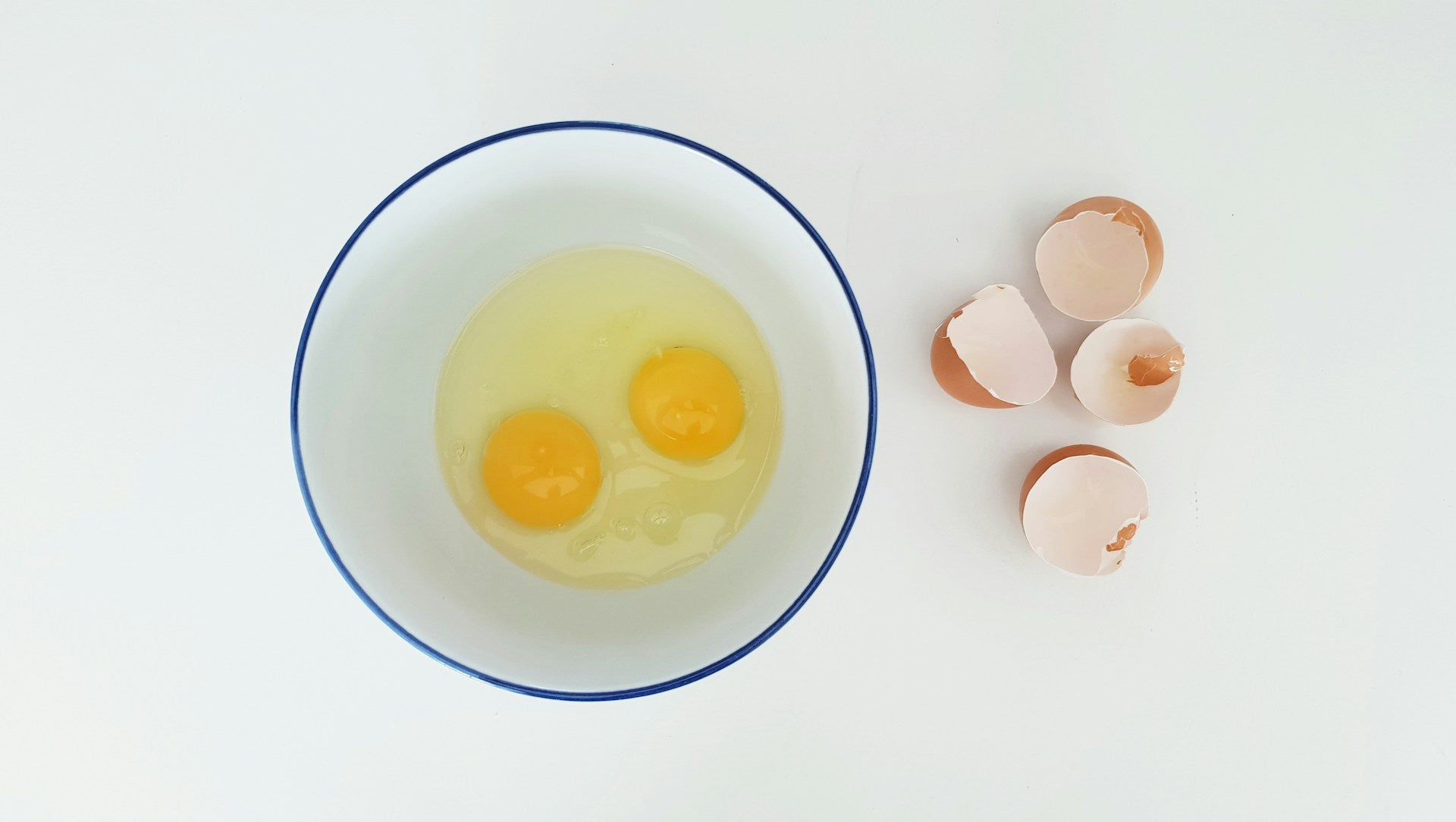
Proper egg storage is critical to maintaining the quality and safety of eggs. It ensures maximum freshness, extends shelf life, and reduces the risk of contamination. When you store eggs correctly, you preserve their flavor, texture, and nutritional value, making them a reliable ingredient for your meals. Proper storage also helps in preventing the growth of bacteria like Salmonella, which can be present on or inside eggs.
Factors Affecting Egg Freshness
Several factors can influence how long eggs stay fresh in your fridge. These factors include temperature, humidity, and air exposure. Here's a closer look at how these variables can impact egg quality:
Factor
Impact on Freshness
Temperature
Consistent, cool temperatures slow down bacterial growth and preserve egg quality.
Humidity
High humidity levels help prevent eggs from losing moisture through their porous shells.
Air Exposure
Limited exposure to air helps maintain egg freshness by reducing the chances of contamination.
To maintain the freshness of eggs, it's essential to keep them in a controlled environment. The fridge is the ideal place for this, as it provides consistent temperature and humidity levels. You can further enhance egg preservation by using innovative solutions like an Egg Stend, which Fridge.com will explore in the following sections.
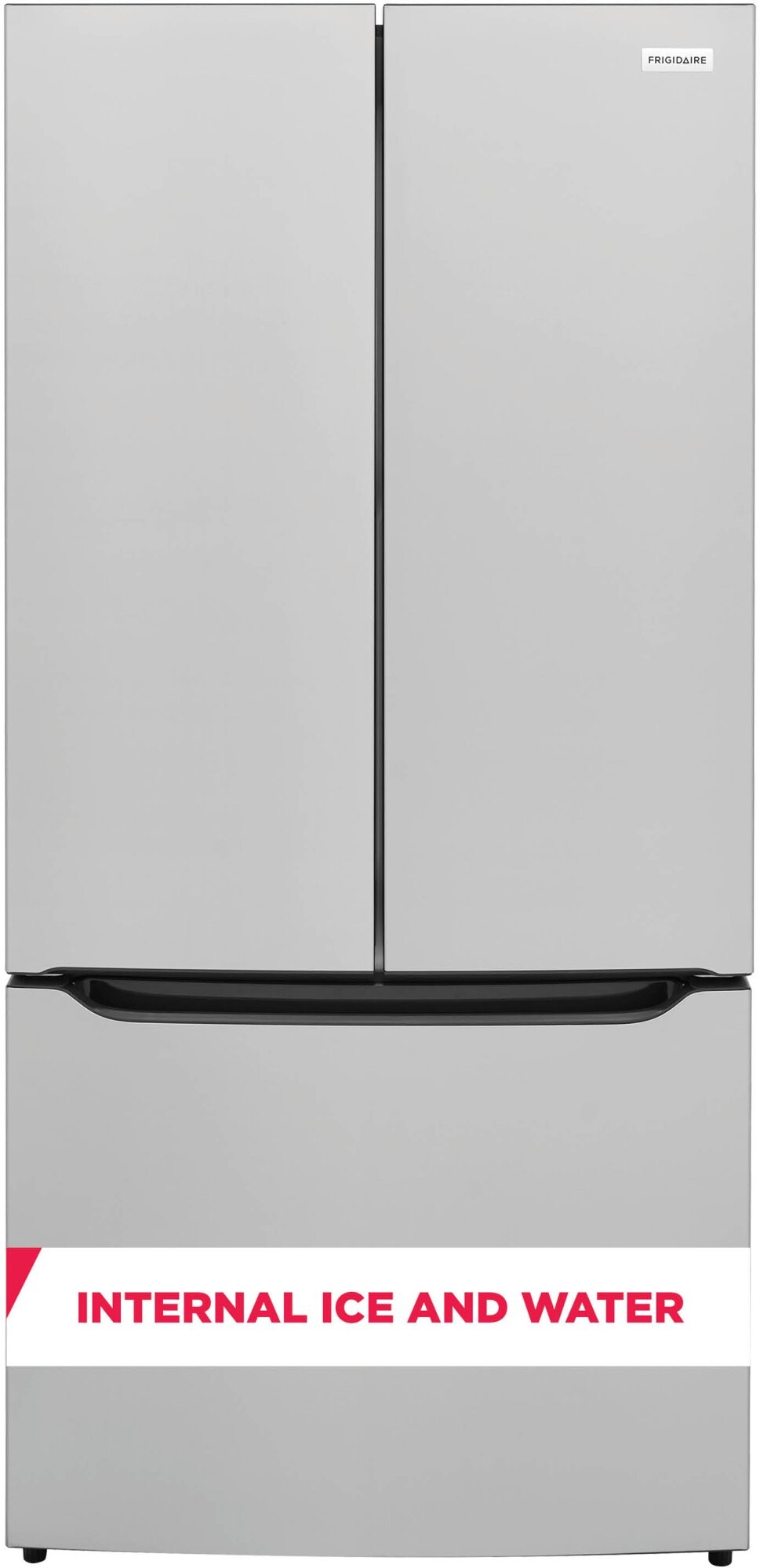
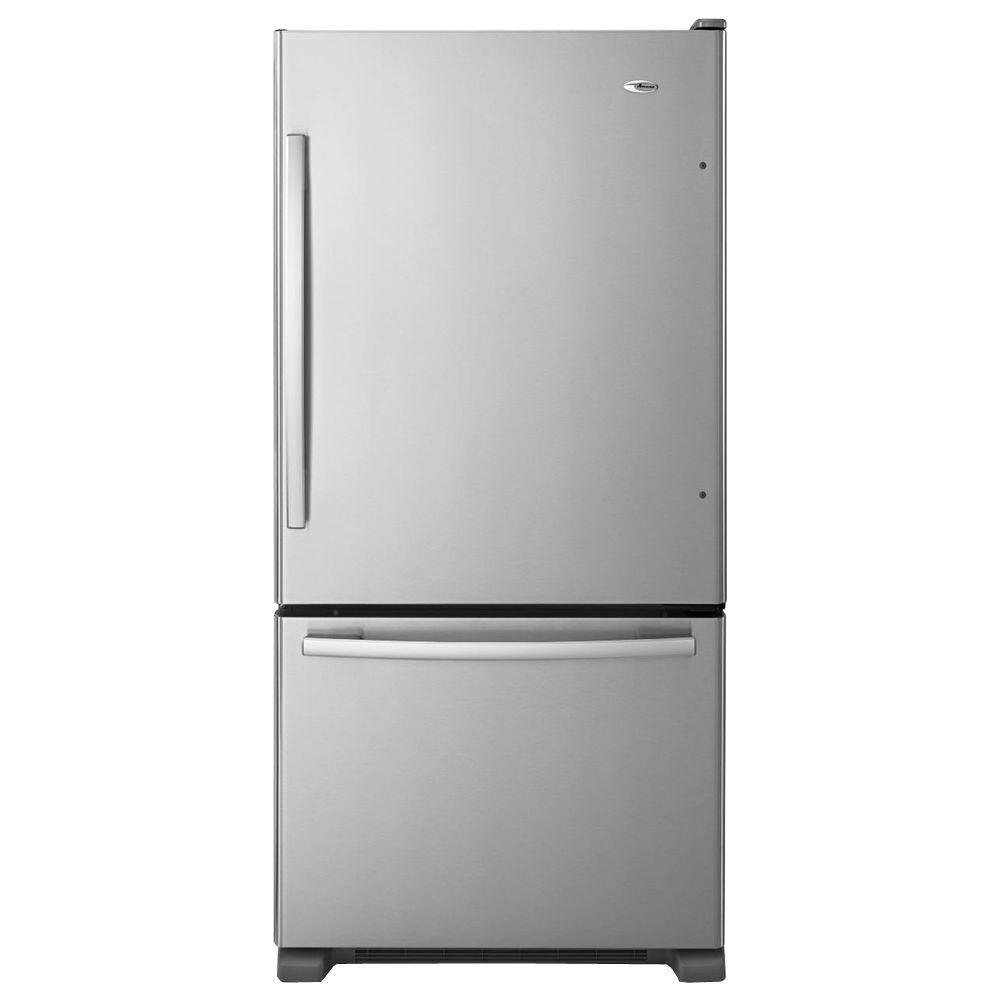
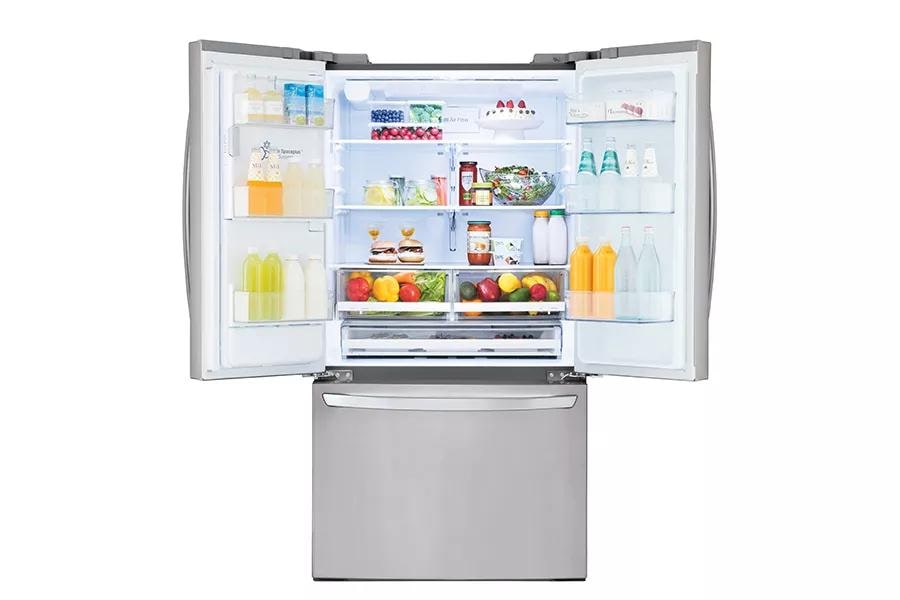
For those who love to keep their refrigeration appliances organized and efficient, understanding the nuances of egg storage is just as important as knowing how to organize french door refrigerators or finding the best small bottom freezer refrigerators for your space. Whether you're storing eggs alongside leftover pizza or cooked chicken, ensure they're kept under optimal conditions to prolong their freshness.
Storing Eggs in the Fridge
Eggs are a staple in many households, and proper storage is key to maintaining their freshness and extending their shelf life. The refrigerator is the go-to appliance for this task, providing the ideal environment to keep your eggs in prime condition for longer periods.
Why Store Eggs in the Fridge
Storing eggs in the fridge is crucial due to several reasons:
Temperature Control: The fridge maintains a consistent and cool temperature which is essential for slowing down the growth of bacteria on eggshells.
Freshness Preservation: Refrigeration helps preserve the egg's quality by reducing the loss of moisture through the pores of the eggshell.
Flavor and Texture Maintenance: Keeping eggs chilled ensures that the yolk and white stay firm, keeping the flavor and texture intact for when you're ready to use them.
By keeping eggs in the fridge, you are effectively extending their usability, which can contribute to reducing food waste in your household. For a deeper dive into the benefits of proper food storage, check out Fridge.com article on the art of preservation: finding the right chill for your fridge.
Ideal Temperature for Egg Storage
The ideal temperature for storing eggs in the refrigerator is between 33°F and 40°F (0.5°C to 4.4°C). This temperature range ensures the eggs remain fresh for as long as possible. Here is how temperature affects the shelf life of eggs:
Remember, the key to egg longevity is not just about where you place them in the fridge, but also about maintaining the proper temperature and handling them with care. For more insights on fridge organization and temperature management, you might find Fridge.com guide on how to organize a french door refrigerator particularly helpful.
Eggs are a staple in many households, and keeping them fresh is a priority for anyone who enjoys this versatile ingredient. Prolonging the freshness of eggs in the fridge can be achieved through a concept known as "Egg Stend." Let's explore what this means and how it can help you maximize the lifespan of your eggs.
What is an Egg Stend
An "Egg Stend" is a method or a set of practices aimed at extending the shelf life of eggs once they are stored in the refrigerator. It revolves around optimizing the conditions within your fridge to ensure that eggs maintain their quality for as long as possible. This practice can be particularly useful if you purchase eggs in bulk or find yourself not using them as quickly as anticipated.
How Egg Stend Works
The Egg Stend method works by addressing key factors that can lead to the deterioration of egg quality. Here's how you can implement Egg Stend techniques to keep your eggs fresher for longer:
Consistent Refrigeration: Eggs should be stored at a consistent temperature to prevent bacterial growth and maintain freshness. The ideal temperature for egg storage is between 33°F to 40°F. You might find Fridge.com article on unlocking the perfect chill for your fridge helpful in achieving this steady temperature.
Avoiding Temperature Fluctuations: Frequent changes in temperature can cause condensation to form on the eggshells, which may lead to bacterial penetration. It's best to store eggs in a part of the fridge where the temperature remains stable.
Proper Placement: Eggs retain their freshness longer when they are stored in their original carton on a shelf rather than in the door of the refrigerator. The carton helps protect the eggs from absorbing strong odors and flavors from other foods and provides a buffer against temperature changes.
Humidity Control: Maintaining the right humidity level in the fridge can also help prolong the freshness of eggs. Many modern refrigerators, like those discussed in our best bottom freezer refrigerators article, come with built-in humidity controls for this purpose.
By following these Egg Stend principles, you can ensure that your eggs stay fresh and safe for consumption for an extended period. Keep in mind that while Egg Stend practices can extend freshness, it's always important to check the freshness of your eggs before use. For a quick test, you can refer to our checking egg freshness guide for simple tips.
Practicing these Egg Stend methods not only helps in maintaining the quality of your eggs but also contributes to reducing food waste. By being mindful of how you store your eggs, you can enjoy their nutritional benefits without worry.
Using Egg Stend Effectively
To maximize the benefits of using an Egg Stend for prolonging the freshness of eggs, proper placement in the fridge and a systematic rotation and usage strategy are key.
Placement in the Fridge
The effectiveness of your Egg Stend largely depends on where you place it within your refrigerator. To ensure optimal performance, follow these guidelines:
Position the Egg Stend towards the back of the fridge, where temperatures are most consistent.
Avoid storing eggs in the fridge door; the temperature fluctuates with frequent opening and closing.
Keep the Egg Stend on a middle or lower shelf to maintain a stable cool environment.
Consider the layout and airflow of your refrigerator model when deciding on placement. For insights on organizing different refrigerator types, refer to Fridge.com guide on how to organize french door refrigerator.
Rotation and Usage Tips
To ensure all your eggs remain fresh for as long as possible, it's essential to rotate them and use them in a systematic manner:
Always place newer eggs at the bottom or back of the Egg Stend, moving older ones to the top or front.
Use eggs in the order they were stored, consuming the oldest first – this is known as the "First In, First Out" method.
Mark the purchase or storage date on each egg or on the Egg Stend itself to track freshness.
Consider the number of eggs you consume regularly to prevent overstocking and potential waste.
By following these simple yet effective strategies, you can extend the freshness of your eggs, ensuring they remain a delicious and nutritious part of your diet. For more egg-related tips and kitchen storage solutions, explore articles such as preserving your pizza pleasure and chili fridge survival, which offer insights into maintaining the quality of various foods in your refrigerator.
Other Tips for Egg Storage
Beyond using an Egg Stend to prolong the freshness of your eggs, there are several other techniques that can ensure your eggs remain delicious and safe to consume for as long as possible. Here are additional tips for egg storage that you should consider.
Checking Egg Freshness
To determine whether your eggs are still fresh, a simple water test can be performed. Place your eggs in a bowl of water and observe:
Fresh eggs will sink to the bottom and lay flat on their sides.
Older, but still consumable eggs will stand upright on the bottom.
Bad eggs will float to the surface.
Egg Condition
Water Test Result
Fresh
Sinks and lays flat
Older but safe
Stands upright
Spoiled
Floats to the top
If you're uncertain about an egg's freshness, it's better to err on the side of caution and discard it. For more tips on checking the freshness of your eggs, consider reading Fridge.com article on keeping it fresh: how long can pasta stay refrigerated.
Avoiding Temperature Fluctuations
Eggs are best kept at a consistent temperature to maintain their freshness. Frequent changes in temperature can lead to condensation, which encourages bacterial growth. To avoid this:
Place your eggs in the coldest part of the refrigerator, typically at the back, rather than in the door where temperatures fluctuate more.
Try not to leave the fridge door open for prolonged periods.
When shopping, pick up eggs last and transfer them to the fridge as soon as you get home.
By following these additional tips and using an Egg Stend, you can ensure that your eggs remain a delicious and healthy part of your diet for as long as possible.
Yes, you can freeze eggs, although not in their shells. To properly freeze eggs, you should crack them open and beat the yolks and whites together. You can then pour the beaten eggs into an ice cube tray or a freezer-safe container. Once frozen, they can be transferred to a sealed bag for storage. Frozen eggs can be used for cooked dishes and should be thawed in the refrigerator overnight before use.
How long do eggs last in the fridge?
The shelf life of eggs in the refrigerator can vary, but generally, they can last for about 3 to 5 weeks from the purchase date. However, the best by date should also be considered. To ensure maximum freshness, store eggs in their original carton in the coldest part of the refrigerator, typically at the back, away from the door.
Storage Method
Shelf Life
Room Temperature
1-2 weeks
Refrigerator
3-5 weeks
Freezer
Up to 1 year
For more information on the best refrigeration practices and how to optimize the shelf life of your foods, you may find the art of preservation: finding the right chill for your fridge useful.
Is it safe to eat eggs past their expiration date?
Eggs can sometimes be safe to eat after their expiration date if they have been stored properly. However, it's important to perform a freshness test before consumption. To check an egg's freshness, submerge it in a bowl of water. Fresh eggs will sink and lay flat on their sides, while older eggs will start to stand on one end or float. If an egg floats, it should be discarded.
Always use your best judgment and if in doubt, it's safer to discard eggs that are past their expiration date. For further reading on food safety and storage, explore keeping it fresh: how long can pasta stay refrigerated for additional guidance.
Compare prices on Fridge.com
Compare current prices and specifications on Fridge.com, then buy from the retailer you choose; delivery, installation and warranty terms are the retailer’s.
It also has tons of awesome articles about kitchen stuff and home news. Enhance your home, garage, backyard, patio, and office with the coolest essentials. With every necessary type of residentialrefrigeratoror freezer in the collection, you're covered.
Frequently Asked Questions
Yes, you can freeze eggs, although not in their shells. To properly freeze eggs, you should crack them open and beat the yolks and whites together. You can then pour the beaten eggs into an ice cube tray or a freezer-safe container. Once frozen, they can be transferred to a sealed bag for storage. Frozen eggs can be used for cooked dishes and should be thawed in the refrigerator overnight before use.