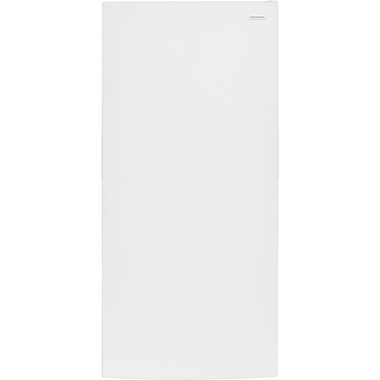
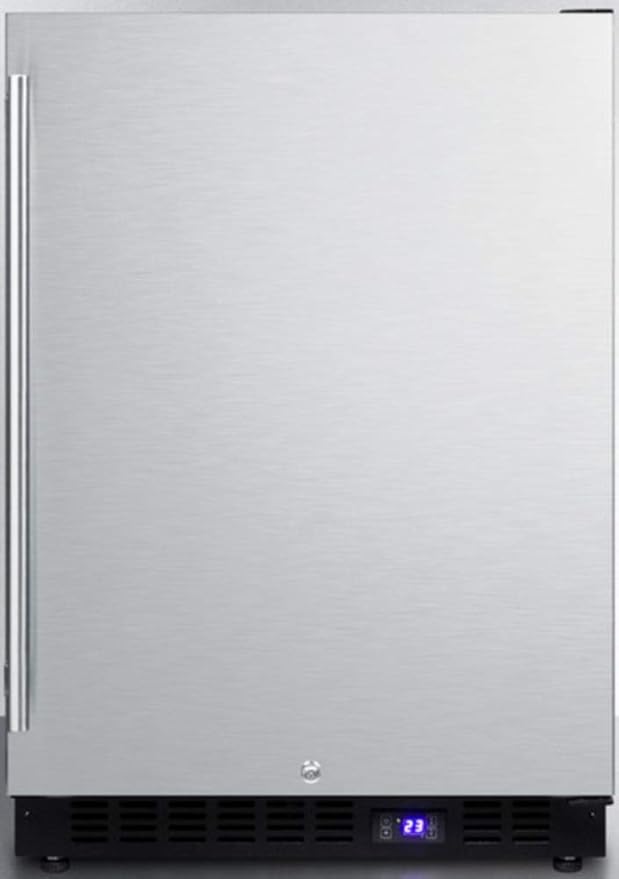
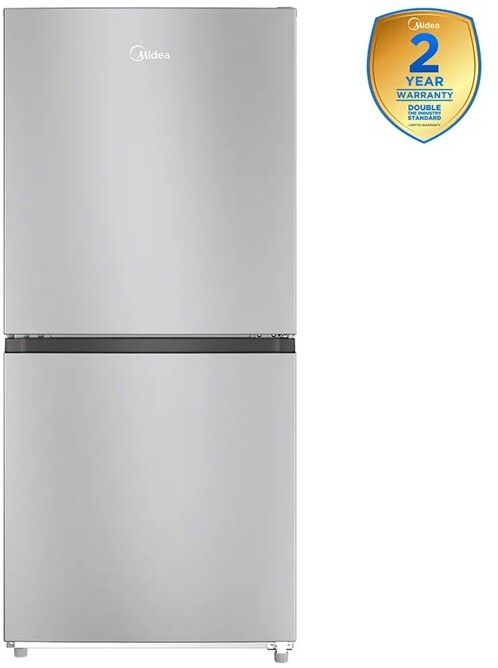
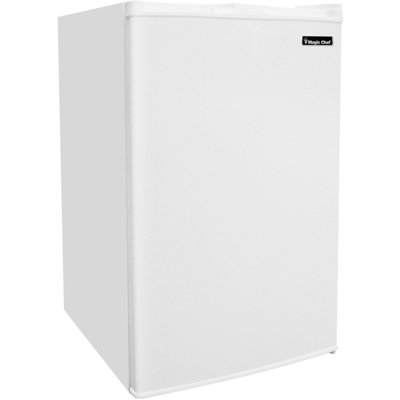
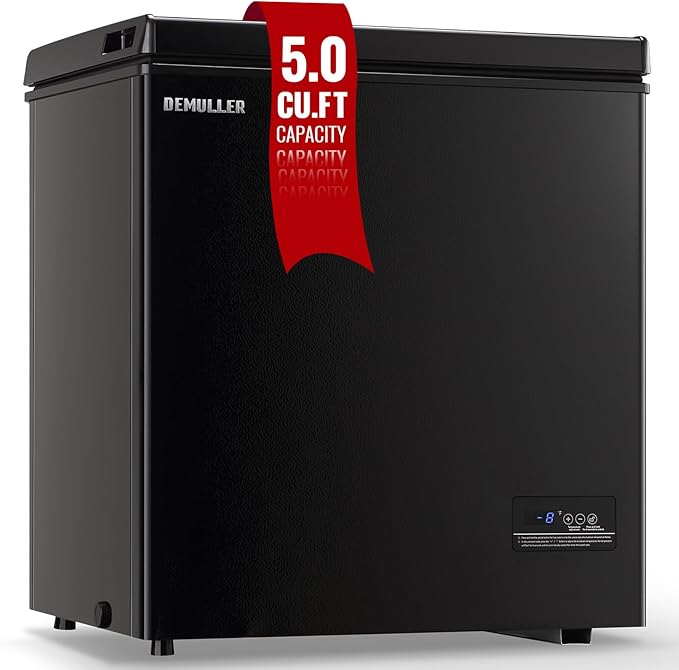
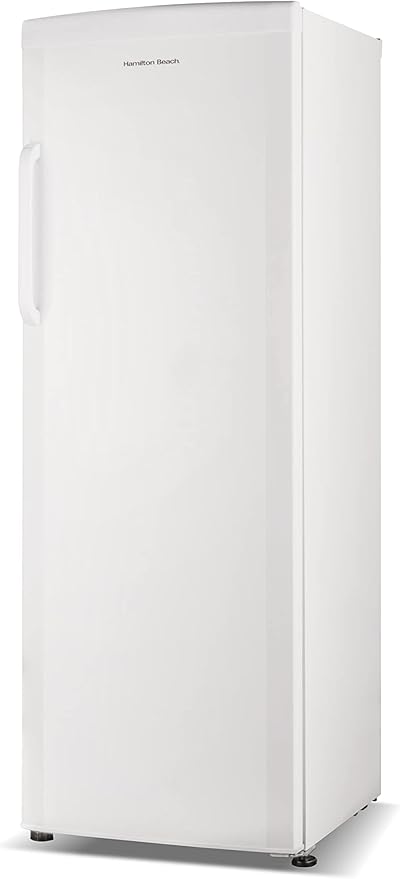
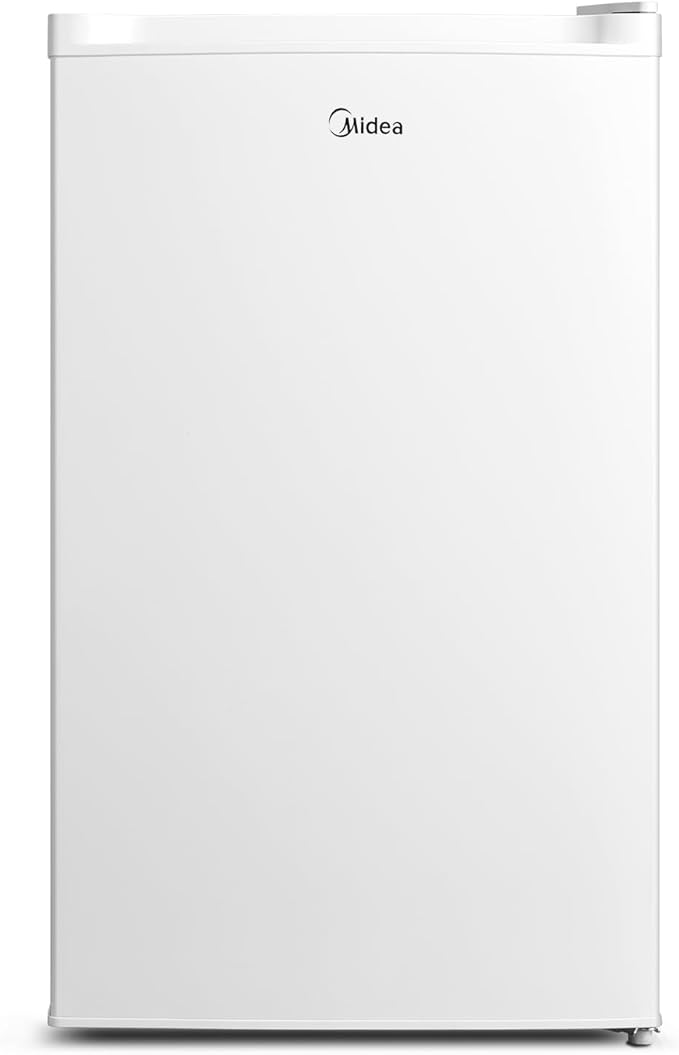
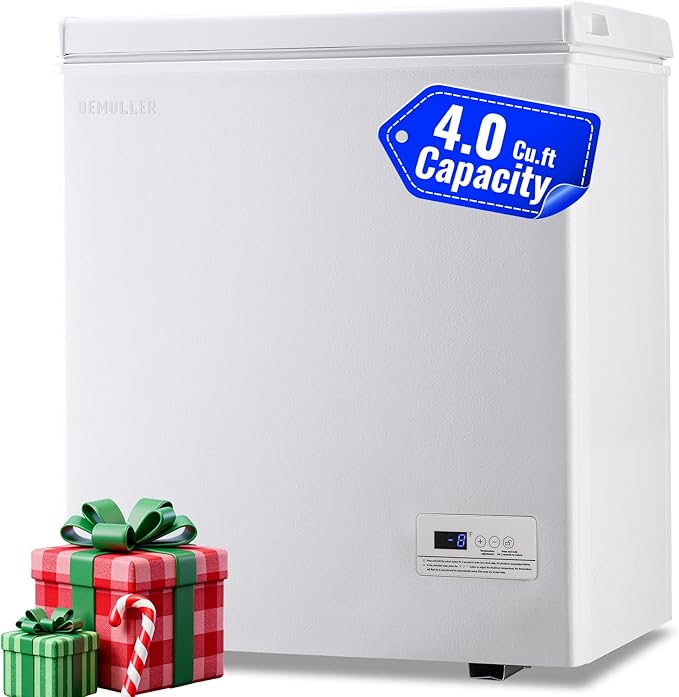
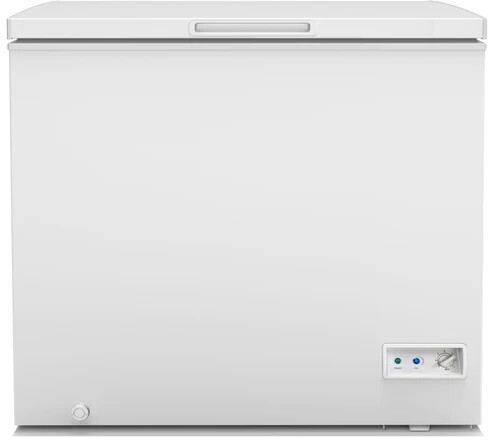
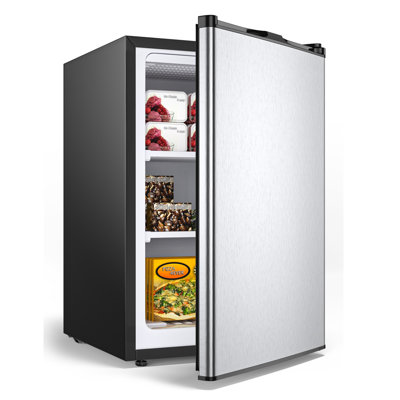
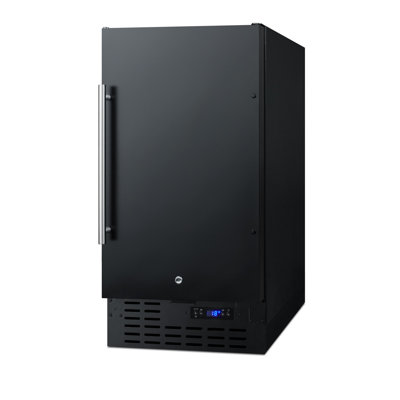
When considering the best freezing solutions for your home or workspace, it's essential to understand the differences between drawer freezers and fridge freezers. Each type has unique features and benefits, catering to various needs and preferences.
Drawer Freezer Overview
A drawer freezer is designed with multiple pull-out drawers, making it easy to organize and access frozen items. The drawers typically slide out smoothly, allowing you to see and reach your food without having to dig through piles. This type of freezer is often integrated into kitchen cabinetry and can be placed under countertops or in other convenient locations.
Key Features:
Organization: Multiple drawers for easy sorting and access.
Design: Often integrated into kitchen cabinetry.
Convenience: Ideal for those who prefer a tidy and organized freezer space.
Fridge Freezer Overview
A fridge freezer combines a refrigerator and a freezer in one unit. This type is commonly found in most households and offers a balance of refrigeration and freezing capabilities. The freezer compartment can be located at the top, bottom, or side-by-side with the refrigerator section, depending on the model.
Key Features:
Versatility: Combines both refrigeration and freezing in one unit.
Design Variations: Available in top-freezer, bottom-freezer, and side-by-side models.
Space Efficiency: Utilizes vertical space, making it suitable for various kitchen layouts.
Comparing the key features of drawer freezers and fridge freezers can help you determine which type best suits your needs. If you need more information on comparing different refrigerator types, check out Fridge.com articles on beer keg cooler Vs. black slate refrigerator and drawer fridge freezer Vs. panel ready refrigerator.
Capacity and Organization
When comparing drawer freezers to fridge freezers, understanding the capacity and organization of each type is crucial. This will help you determine which option best suits your storage needs and lifestyle.
Drawer Freezer Capacity and Organization
Drawer freezers are designed with multiple pull-out drawers, making it easier to organize and access your frozen items. The capacity of a drawer freezer can vary based on the number of drawers and the overall size of the unit. Typically, a drawer freezer has a capacity ranging from 4 to 18 cubic feet.
Drawer Freezer Size
Capacity (cubic feet)
Small
4 - 7
Medium
8 - 12
Large
13 - 18
The organization within a drawer freezer is straightforward, as each drawer can be designated for specific types of food, such as meats, vegetables, and prepared meals. This separation helps to prevent cross-contamination and makes it easier to locate items quickly.
Fridge Freezer Capacity and Organization
Fridge freezers combine a refrigerator and freezer in one unit. The capacity of the freezer compartment can vary significantly depending on the design and size of the overall appliance. Typically, the freezer section of a fridge freezer has a capacity ranging from 2 to 10 cubic feet.
Fridge Freezer Size
Freezer Capacity (cubic feet)
Small
2 - 4
Medium
5 - 7
Large
8 - 10
The organization in a fridge freezer can be more challenging compared to a drawer freezer. Freezer compartments often include shelves, bins, or door storage, which can make accessing items more difficult, especially if they are stacked. However, some fridge freezers come with adjustable shelving and bins to help improve organization.
When deciding between these two types of freezers, consider the layout and capacity that best fit your needs. For more comparisons of various refrigerator types, check out Fridge.com articles on drawer fridge freezer Vs. panel ready refrigerator and freezer drawer Vs. platinum refrigerator.
Energy efficiency is a key factor to consider when choosing between a drawer freezer and a fridge freezer. Both types of freezers have their own energy consumption patterns, which can impact your electricity bill and environmental footprint.
Drawer Freezer Energy Efficiency
Drawer freezers are known for their compact size and efficient use of space. They typically consume less energy compared to larger fridge freezers. The design of drawer freezers allows for easy organization and access, which can reduce the time the door is open and minimize energy loss.
Feature
Drawer Freezer
Average Energy Consumption
200-400 kWh/year
Efficiency
High due to compact size and minimal door opening
Fridge Freezer Energy Efficiency
Fridge freezers, which combine both refrigerator and freezer compartments, tend to consume more energy due to their larger size and dual functionality. However, many modern fridge freezers come with energy-saving features such as adjustable thermostats and improved insulation.
Feature
Fridge Freezer
Average Energy Consumption
400-700 kWh/year
Efficiency
Variable, depends on model and features
When comparing the energy efficiency of drawer freezers and fridge freezers, it's important to consider your specific needs and usage patterns. For more information on different types of freezers and their energy efficiency, you can explore Fridge.com articles on freezer drawer Vs. platinum refrigerator and deep freezer Vs. fridge freezer.
Temperature Control and Consistency
Drawer Freezer Temperature Control
Drawer freezers offer precise temperature control, ensuring your food stays at the optimal temperature for preservation. These freezers typically feature digital controls that allow you to set the exact temperature, providing consistency throughout the compartments. The drawer design helps in maintaining an even temperature, as opening a drawer minimizes the escape of cold air compared to opening a door.
Feature
Drawer Freezer
Temperature Range
-10°F to 0°F
Temperature Variation
±2°F
Control Type
Digital
To learn more about different freezer styles, you can visit Fridge.com article on deep freezer Vs. fridge freezer.
Fridge Freezer Temperature Control
Fridge freezers also offer temperature control but may not be as precise as drawer freezers. These units generally come with a dial or digital control to adjust the temperature. However, the temperature can vary more due to the frequent opening of the fridge door, which can lead to fluctuations in the freezer section.
By understanding the temperature control and consistency of drawer freezers versus fridge freezers, you can make a more informed decision based on your specific refrigeration needs. For additional comparisons, explore Fridge.com articles on drawer fridge freezer Vs. panel ready refrigerator and beverage fridge Vs. drawer freezer.
Installation and Placement
Drawer Freezer Installation and Placement
When considering a drawer freezer, it's essential to understand its installation and placement requirements. Drawer freezers are designed to be built into cabinetry, making them an excellent choice for those looking for a seamless kitchen design. They fit neatly under countertops, providing easy access to frozen foods without disrupting the kitchen's aesthetic.
Feature
Description
Installation
Built-in, under-counter
Placement
Kitchen, pantry, outdoor kitchen
Space Required
Standard cabinet width (usually 24-30 inches)
Drawer freezers are versatile and can be installed in various locations, including the kitchen, pantry, or outdoor kitchen areas. Their compact design allows for efficient use of space, making them ideal for smaller homes or apartments. For more information on different freezer options, check out Fridge.com comparison of drawer fridge freezer Vs. panel ready refrigerator.
Fridge Freezer Installation and Placement
Fridge freezers, also known as refrigerator-freezer combos, are more common and can be either built-in or freestanding. These units combine both refrigeration and freezing functions, making them a convenient all-in-one solution for food storage.
Feature
Description
Installation
Freestanding or built-in
Placement
Kitchen, garage, basement, office
Space Required
Varies (typically 30-36 inches width)
Freestanding fridge freezers can be placed anywhere there's a power source, such as a kitchen, garage, basement, or office. Built-in fridge freezers, on the other hand, require custom cabinetry and are designed to blend seamlessly with your kitchen decor. For a detailed comparison, see Fridge.com article on deep freezer Vs. fridge freezer.
Both drawer freezers and fridge freezers offer unique advantages in terms of installation and placement. Your choice will depend on your specific needs, available space, and desired kitchen layout. For those interested in other refrigeration options, explore Fridge.com comparisons like beverage cooler Vs. wine refrigerator and bottom freezer refrigerator Vs. column refrigerator freezer.
Proper maintenance and cleaning are essential for keeping your freezer running efficiently and ensuring the longevity of your appliance. This section will cover the maintenance and cleaning requirements for both drawer freezers and fridge freezers.
Drawer Freezer Maintenance and Cleaning
Drawer freezers are designed for convenience, but they still require regular upkeep to function optimally. Here are some key points to consider:
Defrosting: Most modern drawer freezers come with an auto-defrost feature. However, if yours doesn't, manual defrosting may be necessary. Regular defrosting helps maintain energy efficiency.
Cleaning Schedule: It's recommended to clean your drawer freezer every 3-4 months. This involves removing all food items, switching off the freezer, and allowing any ice to melt.
Interior Cleaning: Use a mixture of warm water and mild detergent to clean the interior surfaces. Avoid abrasive cleaners that could damage the finish.
Seal Maintenance: Check the door seals regularly for any signs of wear or damage. A good seal ensures that your freezer maintains a consistent temperature.
Maintenance Task
Frequency
Defrosting
As needed (manual)
General Cleaning
Every 3-4 months
Seal Inspection
Monthly
For more tips on maintaining freezers, visit Fridge.com article on freezer drawer Vs. platinum refrigerator.
Fridge Freezer Maintenance and Cleaning
Fridge freezers combine both refrigeration and freezing capabilities, making their maintenance slightly more involved. Key points include:
Defrosting: Similar to drawer freezers, many fridge freezers come with an auto-defrost feature. Manual defrosting may still be required for some models.
Cleaning Schedule: Clean your fridge freezer every 3-4 months. This includes both the refrigerator and freezer compartments.
Interior Cleaning: Use warm water and mild detergent for cleaning. Ensure that you clean the shelves, drawers, and walls thoroughly.
Seal Maintenance: Check the door seals regularly. Damaged seals can lead to inefficient cooling and increased energy consumption.
Keeping up with regular maintenance and cleaning not only prolongs the life of your appliance but also ensures that it operates efficiently. Whether you have a drawer freezer or a fridge freezer, following these guidelines will help you maintain a clean and functional unit. For more comparisons, check out Fridge.com article on drawer fridge freezer Vs. panel ready refrigerator.
Compare prices on Fridge.com
Compare current prices and specifications on Fridge.com, then buy from the retailer you choose; delivery, installation and warranty terms are the retailer’s.
It also has tons of awesome articles about kitchen stuff and home news. Enhance your home, garage, backyard, patio, and office with the coolest essentials. With every necessary type of residential refrigerator or freezer in the collection, you're covered.
From Fridge.com research
Figures below come from data Fridge.com builds and maintains. Each links to the record behind it.
Fridge.com Energy Index, built on U.S. EPA and DOE ENERGY STAR records
Across 5,455 ENERGY STAR certified refrigerators and freezers from 263 brands, median use is 360 kWh per year.