Organizing your deep freezer offers numerous advantages that can simplify your life and enhance your food storage experience. Here are some key benefits:
Maximized Storage Space: An organized deep freezer allows you to utilize every inch of space. By arranging items methodically, you can store more food without overcrowding.
Reduced Food Waste: Knowing exactly what you have prevents food from getting lost at the bottom or back of the freezer. This helps you use up all your stored items before they go bad.
Easier Inventory Management: An organized freezer makes it simpler to keep track of your inventory. This is especially useful for meal planning and grocery shopping.
Improved Accessibility: When items are neatly arranged, you can easily find what you need without digging through piles of frozen goods. This saves time and reduces frustration.
Energy Efficiency: A well-organized deep freezer operates more efficiently. Proper arrangement allows for better air circulation, which helps maintain a consistent temperature and reduce energy consumption. For more information on maintaining optimal temperatures, visit Fridge.com article on deep freezer temperature.
Importance of Having an Organized Deep Freezer
The significance of maintaining an organized deep freezer extends beyond convenience. Here’s why it’s essential:
Food Safety: Proper organization ensures that foods are stored at the correct temperature and are easily accessible. This reduces the risk of cross-contamination and foodborne illnesses.
Cost Savings: By reducing food waste and maximizing storage space, you can save money on groceries. You’ll be less likely to purchase duplicates or let food expire unnoticed.
Stress Reduction: A clutter-free deep freezer can alleviate the stress of mealtime preparation. You’ll spend less time searching for ingredients and more time enjoying your meals.
Prolonged Appliance Lifespan: An organized freezer helps your appliance run more smoothly and efficiently, potentially extending its lifespan. For tips on maintaining your freezer, check out Fridge.com guide on how to defrost a deep freezer.
Enhanced Meal Planning: Knowing what you have on hand allows for better meal planning and preparation. This is particularly beneficial for busy families and individuals who prefer home-cooked meals.
By understanding the benefits and importance of organizing your deep freezer, you can create an efficient and stress-free food storage system. For more detailed guidance on organizing methods, visit Fridge.com article on how to organize a deep freezer.
Before diving into organizing your deep freezer, it's crucial to assess the space you have. Understanding your deep freezer layout and identifying problem areas for organization will help you make the most of your available space and keep your frozen items easily accessible.
Understanding Your Deep Freezer Layout
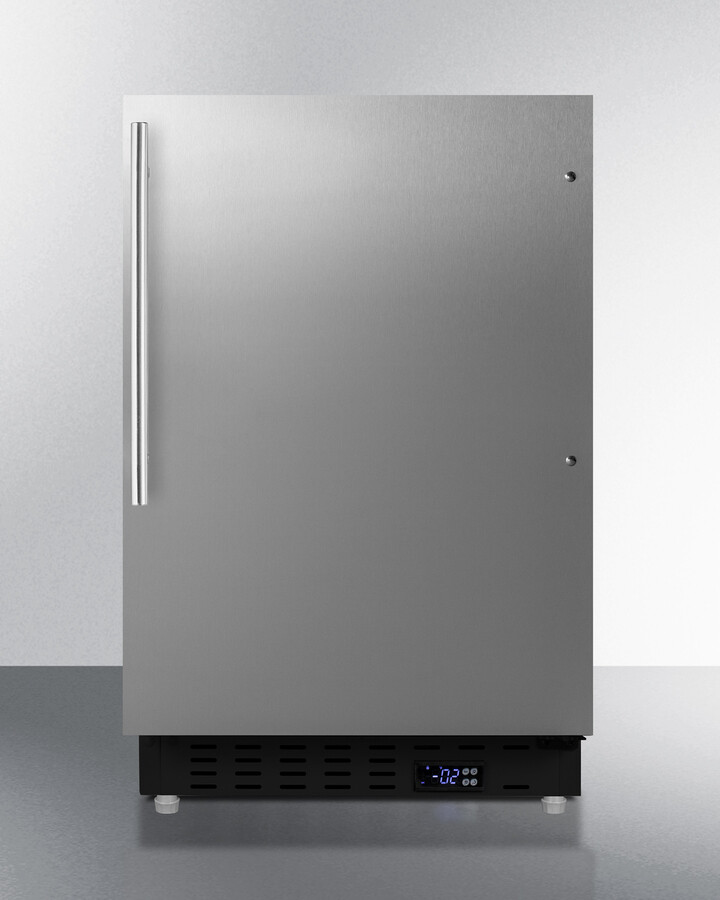
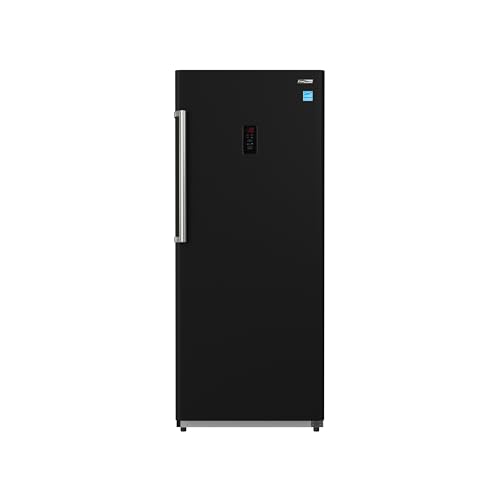
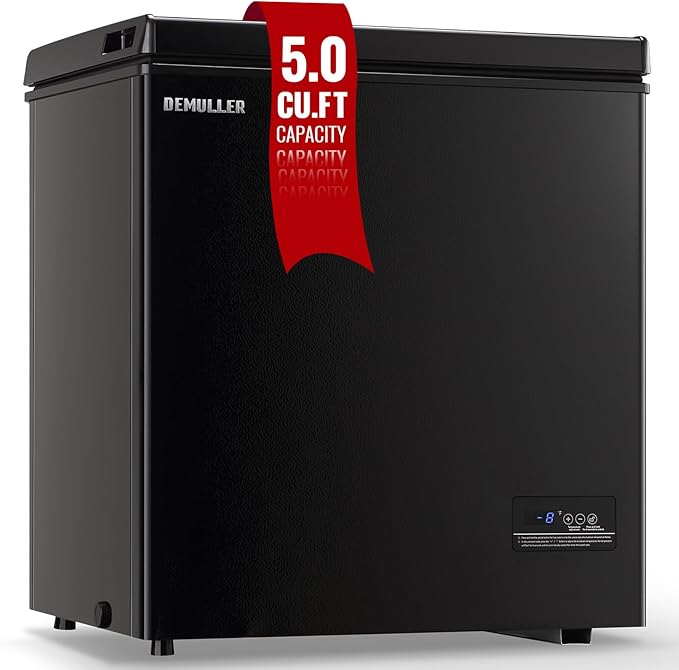
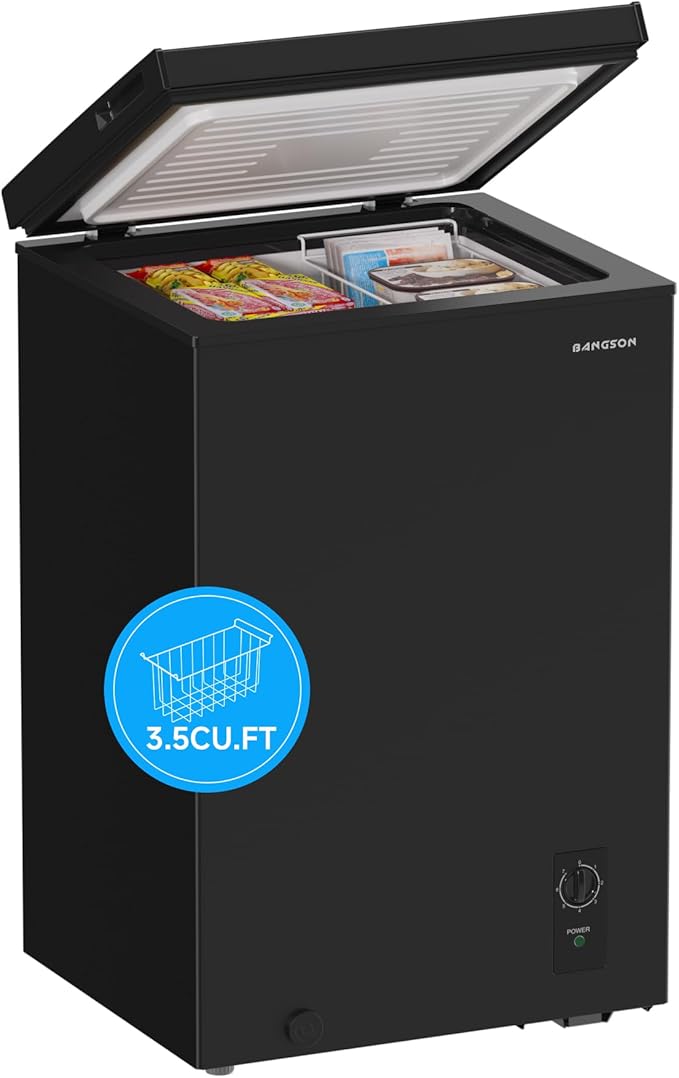
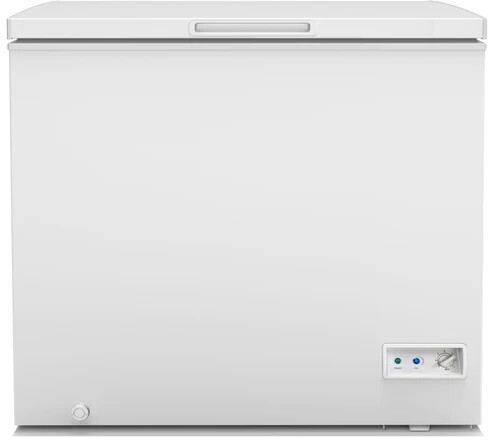
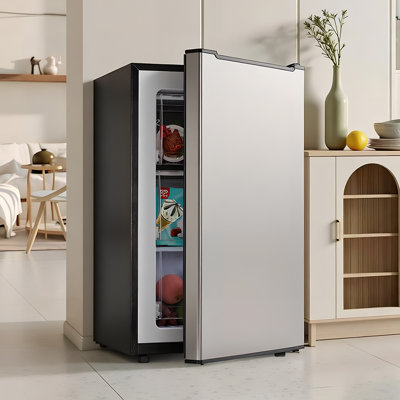
The first step in organizing your deep freezer is understanding its layout. Different types of deep freezers, such as chest deep freezers or upright deep freezers, have varying internal configurations. Knowing the structure of your deep freezer will help you determine the best way to organize it.
Shelves and Drawers: Identify the number and placement of shelves and drawers. Shelves provide a good opportunity to separate different categories of food, whereas drawers can be used for smaller items.
Compartments: Some deep freezers come with built-in compartments or baskets. Utilize these to group similar items together.
Dimensions: Measure the internal dimensions of your deep freezer to ensure that any organizers you plan to use will fit properly.
Feature
Description
Shelves
Number and placement
Drawers
Smaller item storage
Compartments
Built-in grouping options
Dimensions
Internal measurements
Identifying Problem Areas for Organization
After understanding your freezer's layout, it's time to identify problem areas that hinder efficient organization. Recognizing these issues will help you apply targeted solutions.
Overcrowding: Overcrowding makes it difficult to find items quickly. Evaluate how much space each section occupies and consider using storage bins and baskets to maximize space.
Unlabeled Items: Unlabeled items can lead to food waste and confusion. Implement a labeling system to keep track of what you have.
Hard-to-Reach Areas: Items placed at the back or bottom of the freezer can be hard to access. Use stackable containers to keep items visible and reachable.
Inconsistent Placement: Randomly placing items can lead to disorganization. Group similar items together to maintain order.
Problem Area
Solution
Overcrowding
Use storage bins and baskets
Unlabeled Items
Implement a labeling system
Hard-to-Reach Areas
Use stackable containers
Inconsistent Placement
Group similar items together
By assessing your deep freezer space and recognizing problem areas, you can create an efficient organization system. For more tips on organizing your freezer, check out Fridge.com guide on deep freezer organization.
To keep your deep freezer well-organized and maximize its efficiency, certain organizers can make a significant difference. These include storage bins and baskets, stackable containers, and drawer dividers.
Storage Bins and Baskets
Storage bins and baskets are versatile tools for keeping your deep freezer orderly. They help in categorizing and separating various types of frozen items, making it easier to locate what you need without rummaging through piles of food.
Storage bins and baskets can be particularly beneficial for a chest deep freezer or a deep freezer chest, where items tend to get buried. By designating specific bins for meats, vegetables, or prepared meals, you can achieve a more efficient system.
Type of Bin/Basket
Best Use
Plastic Bins
Meat, Vegetables
Wire Baskets
Frozen Meals, Snacks
Fabric Bins
Ice Cream, Desserts
Stackable Containers
Stackable containers are essential for maximizing vertical space in your deep freezer. These containers come in various sizes, allowing you to store different items while utilizing the height of your freezer. They are especially useful for a standing deep freezer or a deep freezer upright.
By using stackable containers, you can prevent items from toppling over and create a more organized and accessible freezer. Make sure to choose containers that are freezer-safe and have tight-fitting lids to prevent freezer burn.
Container Size
Suggested Use
Small
Herbs, Individual Portions
Medium
Leftovers, Prepared Meals
Large
Bulk Items, Family-Sized Portions
Drawer Dividers
Drawer dividers are another excellent solution for organizing your deep freezer. They help to create separate sections within the freezer drawers, making it easier to store and retrieve items.
Drawer dividers are particularly effective for a deep freezer with drawers or a deep freezer with lock, as they provide clear boundaries for different types of food. This organization method ensures that items remain in their designated spots and reduces the chances of food getting lost or forgotten.
Divider Type
Best Use
Adjustable Dividers
Flexible Storage Needs
Fixed Dividers
Specific Item Categories
Customizable Dividers
Tailored Organization
By incorporating these essential deep freezer organizers, you can transform your deep freezer organization system, making it more efficient and user-friendly. For more tips on maintaining an organized deep freezer, visit Fridge.com guide on how to organize a deep freezer.
Effective organization of your deep freezer starts with grouping similar items together. This strategy helps you easily locate and access what you need, minimizing the time the freezer door stays open. Here's a simple approach to categorizing your frozen foods:
Meats and Poultry: Keep all types of meat and poultry in one designated area. This includes beef, chicken, pork, and any other proteins.
Vegetables and Fruits: Store frozen vegetables and fruits together. This category can include mixed veggies, individual vegetable bags, and fruits like berries or mango chunks.
Prepared Meals and Leftovers: Any ready-to-eat meals or leftovers should have their own section. This includes homemade casseroles, soups, and store-bought frozen dinners.
Baked Goods and Desserts: Designate a space for frozen bread, pastries, and desserts, such as ice cream or frozen cakes.
Miscellaneous Items: Items that don’t fit into the above categories, like frozen herbs, should be grouped together for easy access.
A well-organized deep freezer can make meal planning and preparation more efficient. By categorizing your food items, you ensure that everything has its place, reducing clutter and confusion.
Labelling Your Frozen Foods
Labelling is a crucial aspect of deep freezer organization. Proper labels help you identify the contents and keep track of their storage dates. This practice is especially useful for avoiding food waste and ensuring you use items while they are still fresh.
When labeling, consider the following:
Use Clear and Durable Labels: Choose labels that are water-resistant and can withstand low temperatures. This ensures that the labels remain legible over time.
Include Key Information: Each label should include the name of the item and the date it was frozen. This helps you keep track of how long the item has been stored.
Color-Coding: For easier identification, use different colored labels for different categories. For example, blue for meats, green for vegetables, and red for prepared meals.
Category
Label Color
Information to Include
Meats and Poultry
Blue
Item Name, Freezing Date
Vegetables and Fruits
Green
Item Name, Freezing Date
Prepared Meals
Red
Item Name, Freezing Date
Baked Goods
Yellow
Item Name, Freezing Date
Miscellaneous
White
Item Name, Freezing Date
Implementing a labeling system not only helps in maintaining an organized deep freezer but also aids in following the FIFO method (First In, First Out). By using this method, you can ensure that older items are used before newer ones, reducing waste and maximizing efficiency.
For more tips on organizing your deep freezer, visit Fridge.com articles on how to organize a deep freezer and deep freezer organization.
Maximizing Deep Freezer Efficiency
To get the most out of your deep freezer, it's crucial to maximize its efficiency. Here are some effective methods to ensure your deep freezer is organized and running smoothly.
FIFO Method (First In, First Out)
The FIFO method is a simple yet effective way to manage your frozen items. By placing newer items behind older ones, you ensure that older items are used first, reducing the risk of food waste. This method is particularly useful for those who frequently add new items to their deep freezer.
Item
Date Added
Expiry Date
Chicken Breasts
01/01/2023
01/01/2024
Ground Beef
12/15/2022
12/15/2023
Frozen Vegetables
11/10/2022
11/10/2023
Adopting this approach ensures that you are always using the oldest stock first, thereby minimizing spoilage. For more tips on organizing your freezer, see Fridge.com article on deep freezer organization.
Utilizing Vertical Space
Utilizing the vertical space in your deep freezer can significantly increase its storage capacity. Stackable containers and storage bins are great tools for this purpose. By stacking items, you can make the most of the available space and keep similar items together for easy access.
Use stackable containers for small items.
Place heavier items at the bottom for stability.
Utilize storage bins for grouping similar items.
Regularly Decluttering and Reorganizing
Regular decluttering and reorganizing are essential to maintaining an efficient deep freezer. Periodically check for expired or unused items and remove them. This not only frees up space but also keeps your freezer clean and organized.
Task
Frequency
Check for Expired Items
Monthly
Reorganize Shelves
Quarterly
Deep Clean
Bi-Annually
By following these simple steps, you can ensure that your deep freezer remains efficient and organized. For more detailed guidance, check out Fridge.com article on how to organize a deep freezer.
Implementing these strategies will help you make the most of your deep freezer, whether it's a small deep freezer, chest deep freezer, or standing deep freezer.
To keep your deep freezer efficient and tidy, regular maintenance is essential. This involves cleaning, defrosting, and updating your organization system as necessary.
Cleaning and Defrosting Your Deep Freezer
Regular cleaning and defrosting are crucial steps in maintaining the efficiency and hygiene of your deep freezer. Over time, ice can build up, reducing the available storage space and making it harder to access your frozen items.
Unplug the Freezer: Always unplug your freezer before starting the defrosting process to ensure safety.
Remove All Items: Take out all frozen items and store them in a cooler with ice packs to keep them frozen during the defrosting process.
Defrost the Freezer: Allow the ice to melt naturally. You can speed up the process by placing bowls of hot water inside the freezer. For detailed steps, refer to Fridge.com guide on how to defrost a deep freezer.
Clean the Interior: Once all the ice has melted, wipe down the interior with a solution of mild soap and water. Dry thoroughly to prevent new ice from forming.
Organize Items Back: As you place items back into the freezer, consider re-evaluating your organization system to ensure it remains efficient.
Cleaning Frequency
Defrosting Frequency
Every 3 Months
Every 6 Months
Updating Your Organization System as Needed
Over time, your storage needs may change, and it's important to update your organization system to reflect these changes. Here are some tips to keep your deep freezer organized:
Assess Your Current System: Regularly evaluate how well your current organization system is working. Identify any areas that need improvement.
Rearrange Items: Group similar items together and use labels to make it easier to find what you need. For tips on how to categorize your items, check out Fridge.com article on how to organize a deep freezer.
Incorporate New Organizers: Consider adding new storage solutions like bins, baskets, or dividers to optimize space. For a comprehensive list of essential organizers, see Fridge.com section on deep freezer organization.
Regular Decluttering: Periodically go through your freezer to remove any expired or unused items. This helps to free up space and keep your freezer efficient.
By following these steps, you can maintain a well-organized deep freezer, ensuring that your frozen items are easily accessible and your freezer operates at its best. For additional tips on maintaining and organizing your deep freezer, explore other Fridge.com articles on deep freeze organizer and deep freezer upright.
Compare freezer prices on Fridge.com
Compare current prices and specifications on Fridge.com, then buy from the retailer you choose; delivery, installation and warranty terms are the retailer’s.
It also has tons of awesome articles about kitchen stuff and home news. Enhance your home, garage, backyard, patio, and office with the coolest essentials. With every necessary type of residential refrigerator or freezer in the collection, you're covered.
Free tool
Freezer BTU Calculator
Free interactive tool from Fridge.com — get a quick answer while you read.