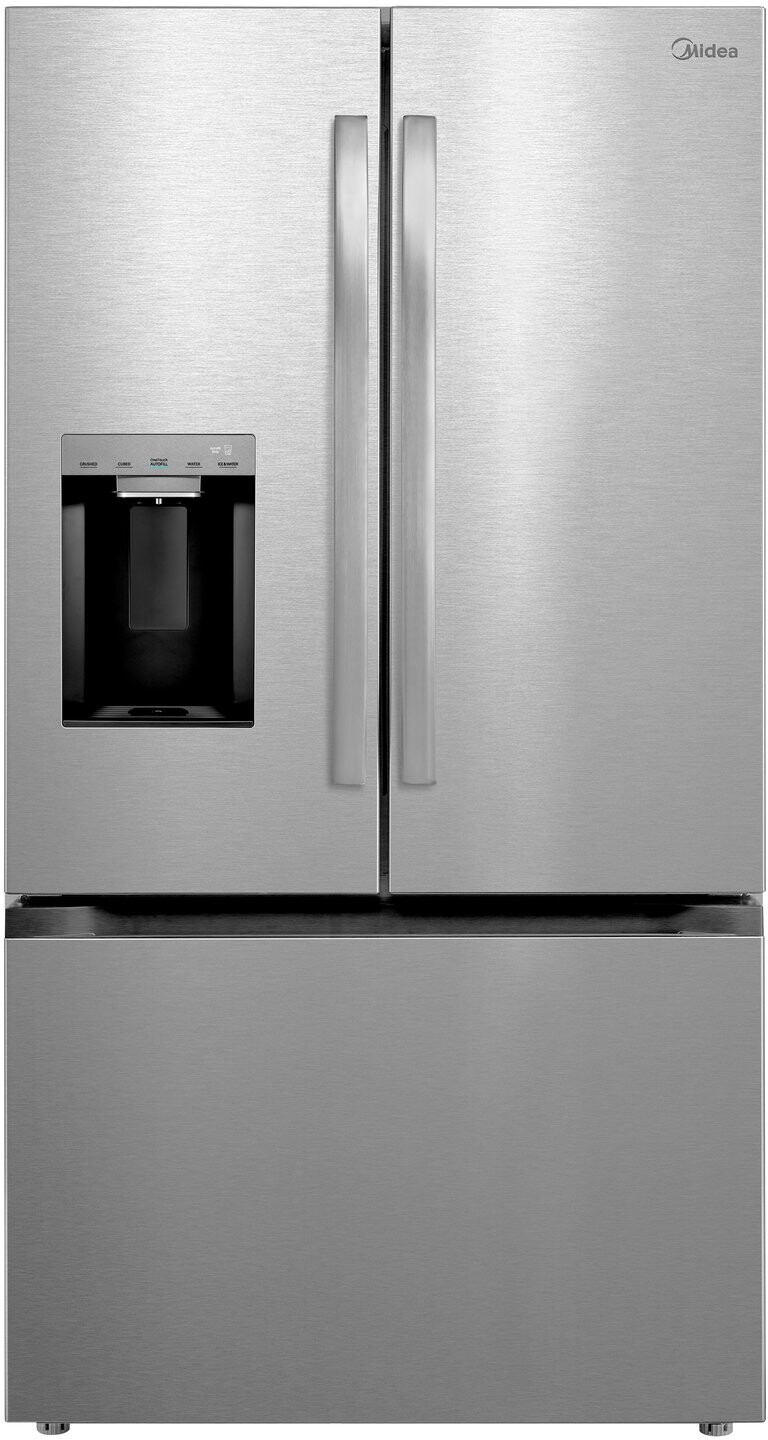
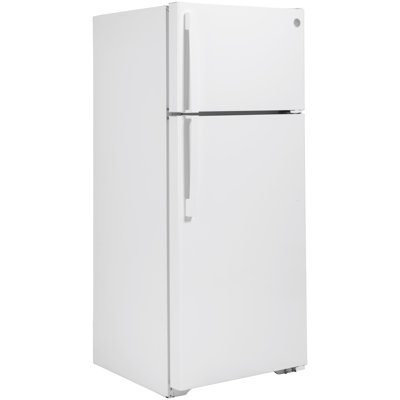
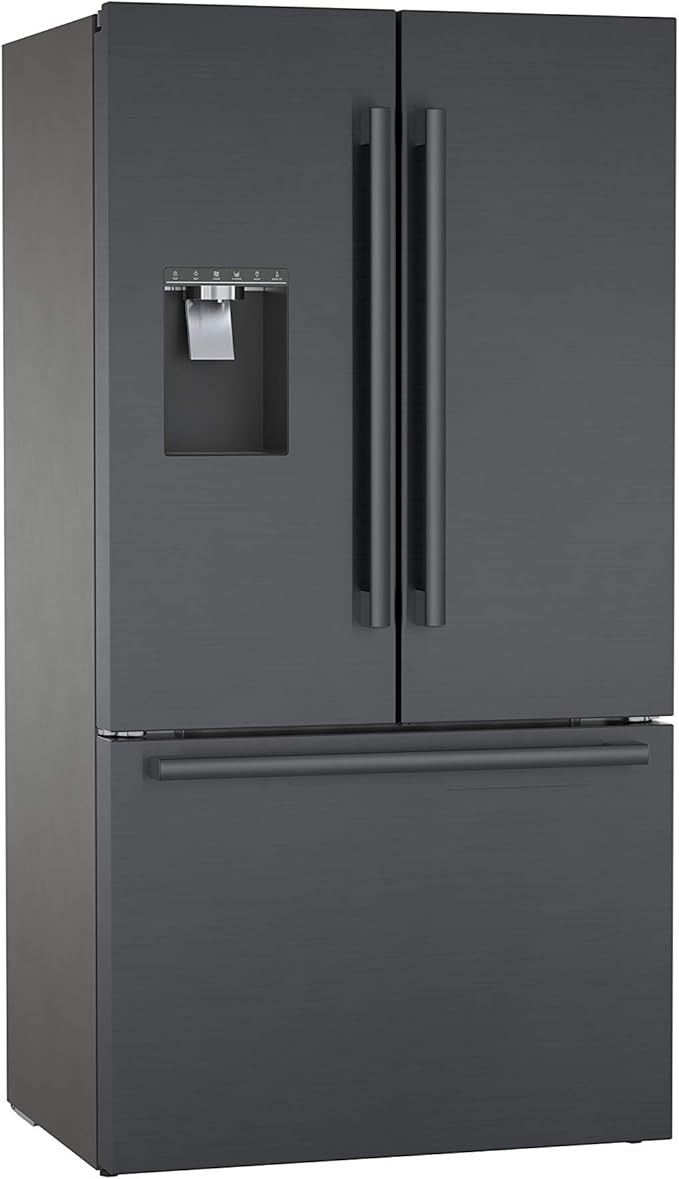
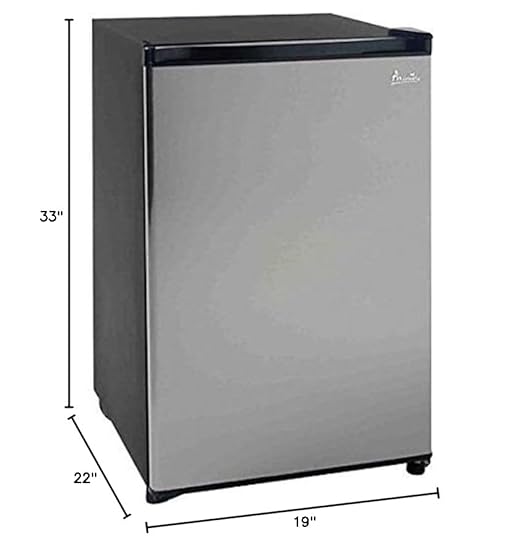
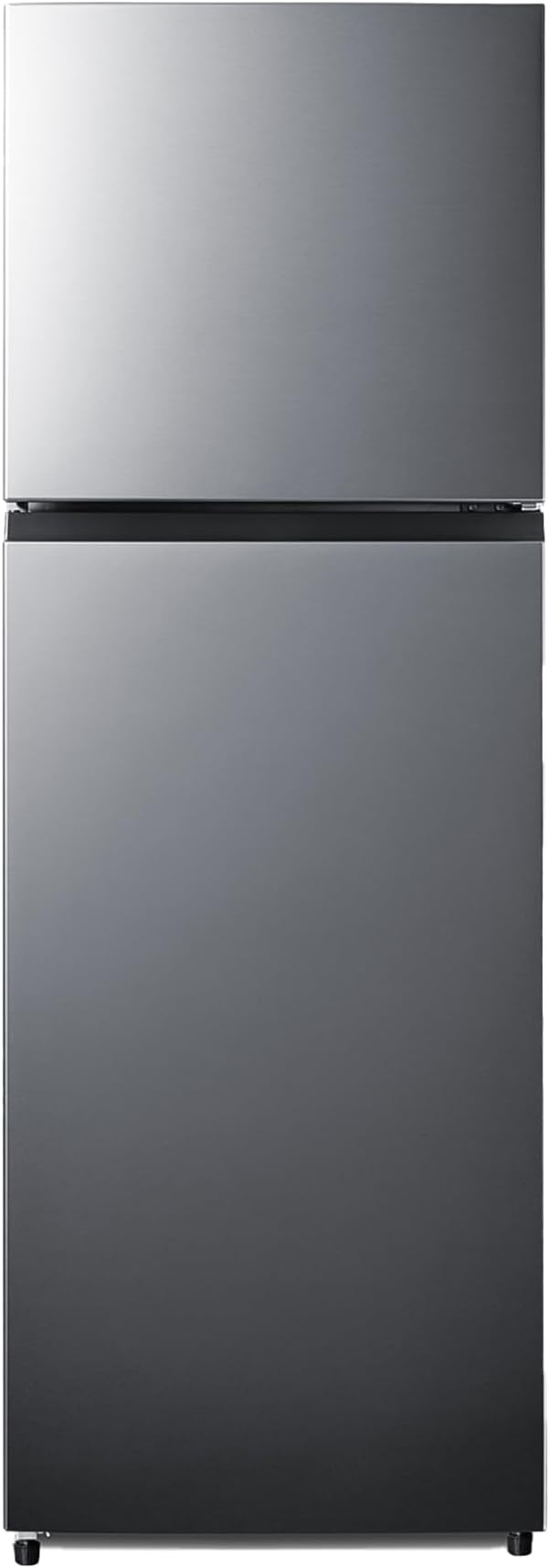
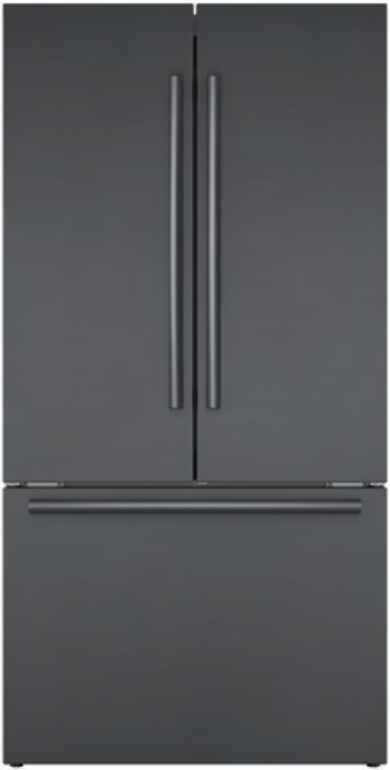
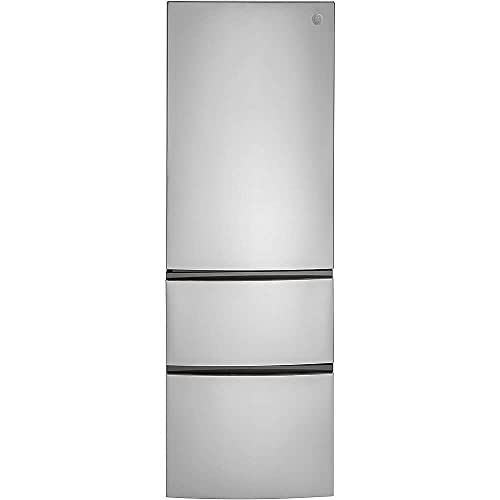
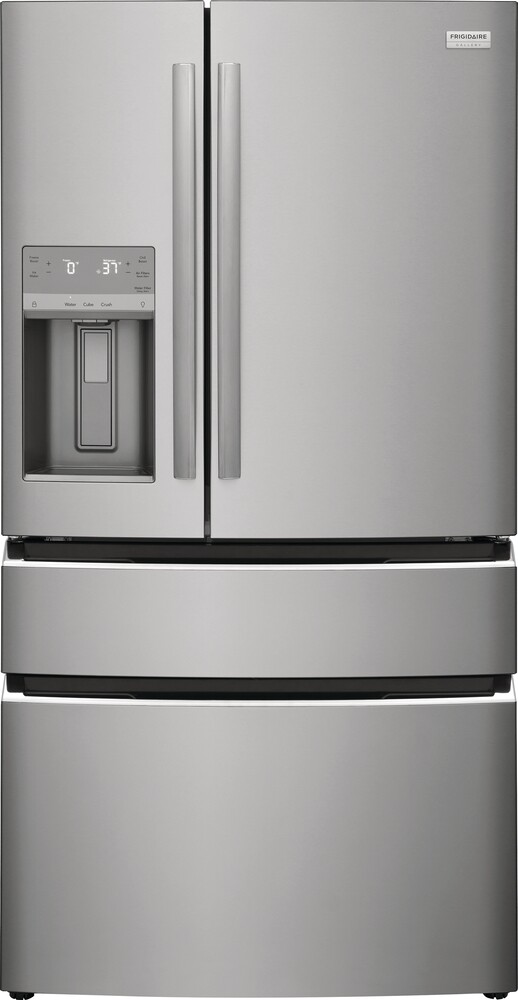
A counter depth bottom freezer fridge is an excellent choice for those looking to maximize space and enhance the aesthetics of their kitchen. This type of refrigerator combines the sleek look of a counter-depth design with the practicality of a bottom freezer configuration.
What Makes a Fridge Counter Depth?
A counter depth fridge is designed to align with the edges of your kitchen counters, providing a streamlined and integrated look. These refrigerators typically have a depth of around 24 to 30 inches, excluding the handles, which allows them to sit flush with your cabinetry. This design choice not only enhances the visual appeal of your kitchen but also maximizes walking space.
Feature
Standard Fridge
Counter Depth Fridge
Depth (without handles)
30 - 36 inches
24 - 30 inches
Aligns with Counter
No
Yes
Capacity
Larger
Slightly Smaller
Benefits of a Bottom Freezer Configuration
A bottom freezer fridge places the freezer compartment at the bottom, making it easier to access your most-used fresh foods at eye level. This configuration offers several benefits:
Convenient Access: With the refrigerator section at the top, you can easily access fresh food without bending down, making it more ergonomic.
Better Organization: The bottom freezer often includes drawers and compartments that help keep frozen items organized and accessible.
Energy Efficiency: Bottom freezers are generally more energy-efficient since cold air naturally falls, reducing the effort needed to keep the freezer compartment cool.
Feature
Top Freezer
Bottom Freezer
Fresh Food Access
Requires Bending
Eye Level
Organization
Shelves
Drawers and Compartments
Understanding these features can help you make an informed decision when choosing the right counter depth bottom freezer fridge for your space. For more tips on integrating appliances into your kitchen design, check out Fridge.com articles on styling and aesthetics and seamless integration.
When choosing a counter depth bottom freezer fridge, several factors can influence your decision. These aspects ensure that you select a fridge that fits your space, budget, and energy needs.
Space and Layout Considerations
Understanding the space requirements and layout for your counter depth bottom freezer fridge is essential. These refrigerators are designed to align with your kitchen counters, providing a seamless look. However, you need to measure the available space accurately to ensure a good fit.
Dimensions: Measure the height, width, and depth of the space where you plan to install the fridge.
Clearance: Allow for adequate clearance around the fridge for proper ventilation.
Door Swing: Consider the direction in which the doors open and ensure there's enough room for them to swing fully.
Measurement
Minimum Space Required
Height
Varies (60-70 inches)
Width
30-36 inches
Depth
24-30 inches
Door Swing
2-3 inches (additional)
Efficient use of space and proper planning will help you integrate your fridge seamlessly into your kitchen layout. For more tips on integrating appliances into your space, visit Fridge.com article on styling and aesthetics.
Energy Efficiency and Cost
Energy efficiency is another critical factor to consider. An energy-efficient counter depth bottom freezer fridge can save you money on electricity bills and reduce your environmental footprint.
Energy Star Rating: Look for refrigerators with an Energy Star rating. These models meet strict energy efficiency guidelines set by the EPA.
Annual Energy Consumption: Check the annual energy consumption, usually listed in kilowatt-hours (kWh).
Model Type
Annual Energy Consumption (kWh)
Estimated Annual Cost ($)
Standard Fridge
400-600 kWh
$50-$75
Investing in an energy-efficient fridge may have a higher upfront cost but offers savings in the long run. For more information on the cost and benefits, check out Fridge.com article on average cost to run a chest freezer.
Installing a counter depth bottom freezer fridge can be straightforward if you follow the correct steps. First, measure the space where the fridge will be placed. Ensure that there is enough clearance for the doors to open fully and for proper ventilation. Ideally, you should have at least one inch of space on each side and at the back.
Next, check the electrical requirements. Most fridges require a standard 110-120V outlet. Ensure that the outlet is within reach and is not shared with high-power appliances.
When placing the fridge, make sure it is level. Use a spirit level and adjust the leveling feet as necessary. This helps in the proper functioning of the doors and prevents coolant issues.
Maintaining your counter depth bottom freezer fridge ensures it operates efficiently and lasts longer. Here are some essential maintenance tips:
Regular Cleaning: Clean the interior and exterior of the fridge regularly. Use a mild detergent and warm water. Avoid abrasive cleaners which can damage the finish. For more cleaning tips, visit how to clean the inside of a fridge.
Defrosting: Regularly defrost the freezer to prevent ice build-up, which can affect efficiency. Modern fridges often come with auto-defrost features, but manual defrosting may be needed occasionally. Learn more about defrosting an upright freezer.
Temperature Settings: Keep the fridge and freezer at optimal temperatures for efficiency and food safety. The ideal fridge temperature is around 37°F, while the freezer should be set at 0°F. Refer to what is a good temp for your fridge? for more details.
Check Seals: Inspect door seals for wear and tear. A faulty seal can lead to energy loss and inefficient cooling. Replace seals if necessary to maintain efficiency.
Condensation Coils: Clean the condenser coils at least twice a year. Dust and debris can accumulate, reducing efficiency. Unplug the fridge before cleaning the coils.
Maintenance Task
Frequency
Clean interior/exterior
Monthly
Defrost freezer
As needed
Check temperature settings
Weekly
Inspect door seals
Quarterly
Clean condenser coils
Biannually
Following these maintenance tips will help your counter depth bottom freezer fridge run smoothly and efficiently. For more energy-saving tips, visit energy saving tips for refrigerator.
When selecting a counter depth bottom freezer fridge, understanding its design and features is essential for making an informed choice. This section explores the interior layout and organization, as well as additional features to consider.
Interior Layout and Organization
The interior layout of a counter depth bottom freezer fridge is designed to maximize storage space while maintaining a sleek profile. Key elements to consider include:
Adjustable Shelves: These allow you to customize the fridge space according to your storage needs.
Crisper Drawers: Typically located at the bottom of the fridge, these drawers help keep fruits and vegetables fresh.
Door Bins: These provide additional storage for bottles, jars, and condiments.
Freezer Drawers: Usually found at the bottom, these drawers offer ample space for frozen goods and make it easy to access items without bending.
A well-organized fridge can make a big difference in your daily routine. For tips on organizing your refrigerator, check out Fridge.com article on organizing a French door refrigerator.
Feature
Benefits
Adjustable Shelves
Customizable storage options
Crisper Drawers
Keeps produce fresh
Door Bins
Extra storage for bottles and jars
Freezer Drawers
Easy access to frozen items
Additional Features to Look For
When evaluating a counter depth bottom freezer fridge, consider the following additional features that can enhance your experience:
Ice and Water Dispensers: These provide convenient access to filtered water and ice.
Temperature Control: Look for models with precise temperature settings for both the fridge and freezer compartments. For more information on optimal temperatures, read Fridge.com article on what is a good temp for your fridge.
LED Lighting: Bright, energy-efficient lighting that makes it easy to find items.
Smart Technology: Some fridges offer connectivity features, allowing you to control settings via a smartphone app.
Energy Efficiency: Energy-efficient models can help reduce electricity costs. For more details, check out Fridge.com article on energy saving tips for refrigerator.
Feature
Benefits
Ice and Water Dispensers
Convenient access to water and ice
Temperature Control
Precise temperature settings
LED Lighting
Bright, energy-efficient illumination
Smart Technology
Control settings via smartphone
By understanding the interior layout and additional features of a counter depth bottom freezer fridge, you can make a well-informed decision that meets your needs. For more information on integrating a fridge into your space, read Fridge.com article on styling and aesthetics.
Integration into Your Space
Incorporating a counter depth bottom freezer fridge into your living space requires careful consideration to ensure it blends seamlessly with your existing decor and layout. Here, Fridge.com provides insights on styling and aesthetics, along with practical tips for seamless integration.
Styling and Aesthetics
Choosing a counter depth bottom freezer fridge involves more than just functionality; it's also about enhancing the aesthetic appeal of your kitchen or living area. These fridges are designed to align with your countertops, providing a streamlined and cohesive look.
Color and Finish: Opt for finishes that complement your kitchen’s color scheme. Stainless steel offers a modern, sleek look, while matte finishes provide a contemporary touch.
Handle Design: Consider the design and placement of the handles. Sleek, integrated handles offer a minimalist look, while more pronounced handles can add a touch of elegance.
Door Style: The design of the doors can significantly affect the overall aesthetic. French doors or single doors can influence the visual balance of your kitchen.
Tips for Seamless Integration
Seamlessly integrating a counter depth bottom freezer fridge into your space involves thoughtful planning and execution. Below are some tips to help you achieve a harmonious look.
Measure Your Space: Ensure you have accurate measurements of the space where the fridge will be placed. Consider the depth, width, and height to fit perfectly without protruding.
Consider Surrounding Cabinets: If your kitchen has built-in cabinetry, make sure the fridge door opens without obstruction. This is crucial for maintaining a functional and cohesive space.
Align with Countertops: The counter depth design is intended to align with your countertops. Double-check that the fridge depth matches your counters, creating a seamless flow.
Incorporate Matching Panels: If your kitchen allows for it, use custom panels that match your cabinetry. This can make your fridge blend in, almost disappearing into the decor.
Lighting and Placement: Proper lighting can enhance the look of your fridge. Consider under-cabinet lighting to highlight your appliance and create an inviting atmosphere.
Organize Interior Layout: Utilize the interior layout effectively to keep your fridge organized. For tips on interior organization, check out Fridge.com guide on organizing a French door refrigerator.
Factor
Consideration
Color and Finish
Match with kitchen color scheme
Handle Design
Choose between sleek or pronounced handles
Door Style
French doors or single doors for visual balance
Measurement
Accurate space measurements for fitting
Cabinet Integration
Ensure door opens without obstruction
Countertop Alignment
Match fridge depth with countertops
Custom Panels
Use panels that match cabinetry
Lighting
Enhance with proper lighting
Interior Organization
Keep fridge organized effectively
By focusing on these styling and integration tips, you can ensure that your counter depth bottom freezer fridge not only meets your functional needs but also enhances the visual appeal of your living space. For more information on maintaining your fridge, visit Fridge.com article on maintenance tips for optimal performance.
Choosing the perfect counter depth bottom freezer fridge requires careful consideration of various factors and exploring customization options and alternatives.
Factors to Consider Before Purchasing
Before purchasing a counter depth bottom freezer fridge, several factors should be considered to ensure it fits your needs and space requirements.
Space and Size: Measure the available space in your kitchen, including the width, height, and depth. Ensure the fridge will fit comfortably without obstructing walkways or cabinet doors.
Energy Efficiency: Check the energy efficiency rating to understand the estimated annual electricity consumption. Energy-efficient models can save you money on utility bills. For more information, visit Fridge.com article on acceptable refrigerator temperature.
Capacity: Consider the storage capacity, including both the fridge and freezer sections. A larger family may require more space for food storage.
Temperature Control: Look for models with precise temperature control to keep your food fresh. Read Fridge.com article on what is the temperature of a fridge? for more insights.
Features: Evaluate additional features such as water dispensers, ice makers, and smart technology. These can enhance convenience but might also increase the cost.
Factor
Consideration
Space and Size
Measure available space
Capacity
Assess storage needs
Temperature Control
Look for precise control
Features
Evaluate additional features
Customization Options and Alternatives
When selecting a counter depth bottom freezer fridge, customization options and alternatives can help you tailor the appliance to your lifestyle.
Adjustable Shelves: Shelves that can be adjusted or removed offer flexibility in organizing different-sized items. This can be especially useful for accommodating tall bottles or large platters. For tips on organizing, visit our organizing a french door refrigerator article.
Door Configuration: Some models offer reversible doors, allowing you to customize the door swing direction to suit your kitchen layout.
Finish and Color: Choose a finish that complements your kitchen decor, such as stainless steel, matte black, or custom panel-ready options.
Choosing the right counter depth bottom freezer fridge involves evaluating your space, energy efficiency, capacity, temperature control, and desired features. By considering customization options and alternatives, you can find the perfect fit for your kitchen and lifestyle. For additional tips and insights, visit Fridge.com related articles on energy saving tips for refrigerator and how long is feta good in the fridge?.
Compare freezer prices on Fridge.com
Compare current prices and specifications on Fridge.com, then buy from the retailer you choose; delivery, installation and warranty terms are the retailer’s.
It also has tons of awesome articles about kitchen stuff and home news. Enhance your home, garage, backyard, patio, and office with the coolest essentials. With every necessary type of residential refrigerator or freezer in the collection, you're covered.
Frequently Asked Questions
A counter depth fridge is designed to align with the edges of your kitchen counters, providing a streamlined and integrated look. These refrigerators typically have a depth of around 24 to 30 inches, excluding the handles, which allows them to sit flush with your cabinetry. This design choice not only enhances the visual appeal of your kitchen but also maximizes walking space. Feature.
Standard Fridge.
Counter Depth Fridge.
.
Depth (without handles).
30 - 36 inches.
24 - 30 inches.
.
Aligns with Counter.
No.
Yes.
.
Capacity.
Larger.
Slightly Smaller.
.