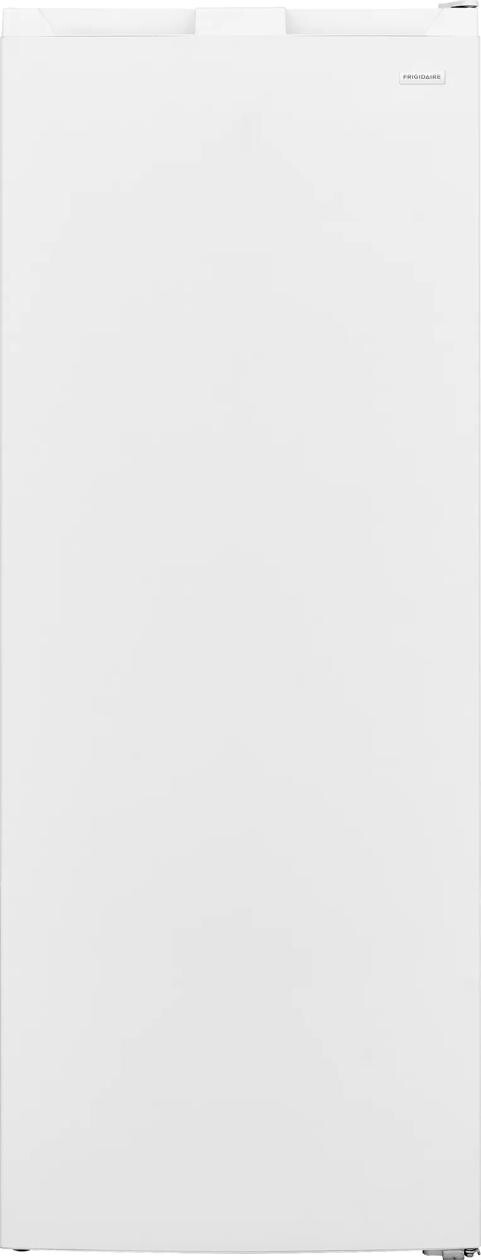
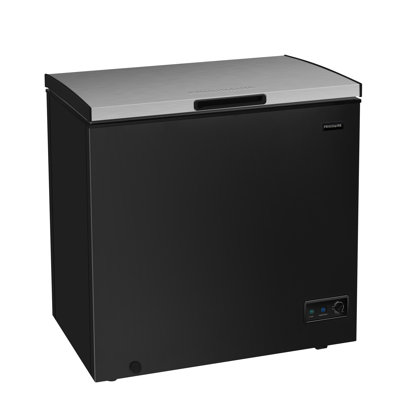
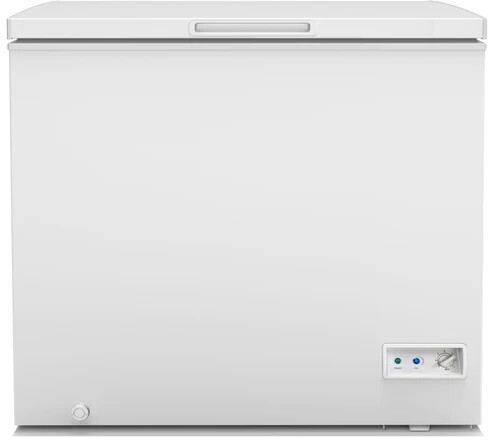
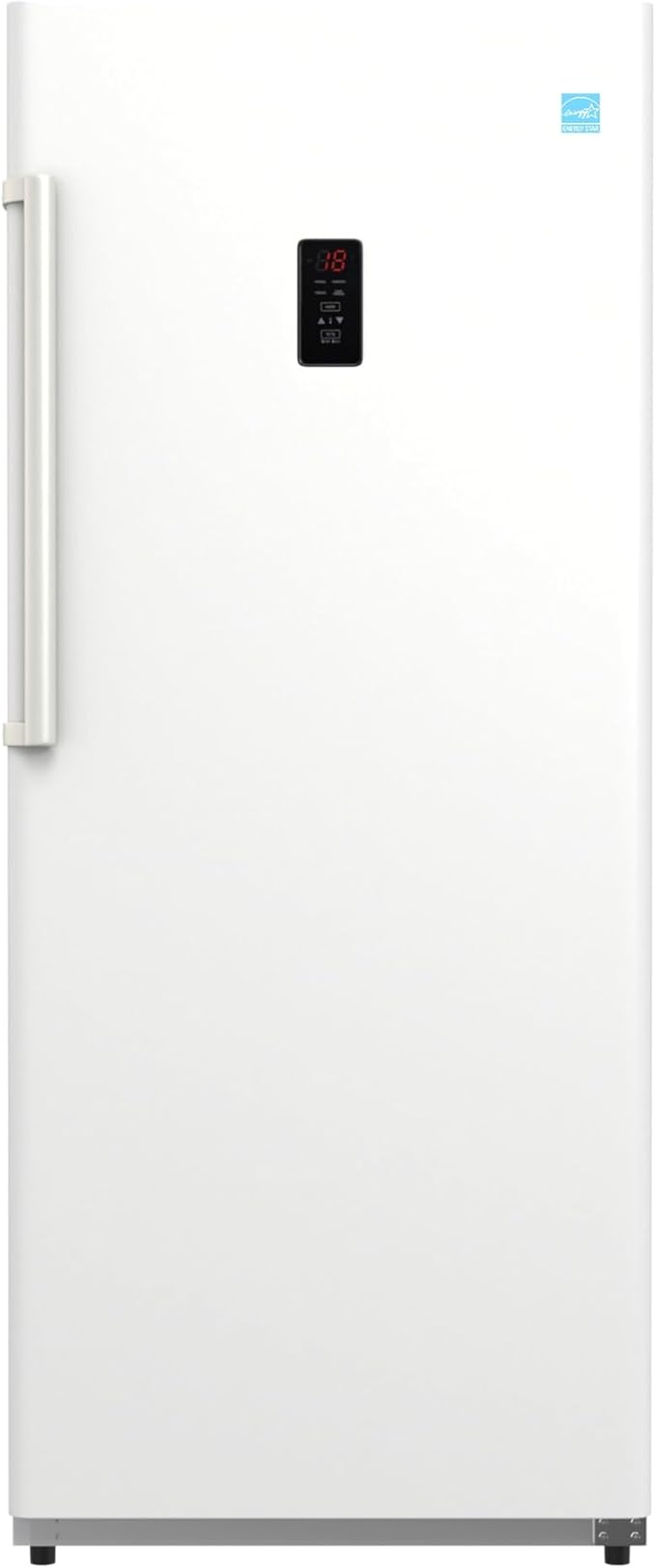
Regular cleaning intervals can vary based on usage, but a general recommendation is to deep clean your freezer every 3 to 6 months.
Let's start by understanding the importance of this task and the safety precautions you should take.
Unplug the Freezer: Always unplug your deep freezer before starting the cleaning process to avoid any risk of electric shock.
In this section, Fridge.com will outline the recommended cleaning products and tools you will need to ensure your freezer is spotless and well-maintained.
Cleaning a deep freezer is essential to ensure it operates efficiently and keeps your food items fresh. Regular maintenance also helps in preventing unpleasant odors and the buildup of ice. Let's start by understanding the importance of this task and the safety precautions you should take.
Importance of Regular Deep Freezer Cleaning
Regular cleaning of your deep freezer offers several benefits. First, it ensures that your appliance remains free from ice buildup, which can hamper its efficiency and increase energy consumption. Second, it helps in preventing the growth of mold, bacteria, and unpleasant odors that can contaminate your food. Third, a clean freezer allows you to easily locate and access stored items, reducing the chances of food wastage.
Regular cleaning intervals can vary based on usage, but a general recommendation is to deep clean your freezer every 3 to 6 months. Keeping a schedule can help you maintain a hygienic and efficient appliance. For more information on maintaining other refrigerator appliances, visit Fridge.com article on refrigerator appliances.
Safety Precautions Before Cleaning
Before you begin the cleaning process, it's crucial to follow certain safety precautions to ensure a smooth and safe experience:
Unplug the Freezer: Always unplug your deep freezer before starting the cleaning process to avoid any risk of electric shock.
Use Proper Ventilation: Ensure the area is well-ventilated, especially if you are using cleaning products that emit strong fumes.
Wear Protective Gear: Wear gloves to protect your hands from cold temperatures and cleaning chemicals.
Avoid Sharp Objects: Do not use sharp objects to scrape off ice, as they can damage the interior surfaces of the freezer.
By taking these precautions, you can safely proceed with the deep cleaning process. For additional tips on handling freezer items, such as leftovers in the fridge or store chicken in fridge, explore Fridge.com related articles.
Tables for optimal cleaning frequency and safety precautions:
Cleaning Frequency
Recommended Interval
Light Use
Every 6 Months
Moderate Use
Every 4 Months
Heavy Use
Every 3 Months
Safety Precautions
Description
Unplug the Freezer
Prevents electric shock
Proper Ventilation
Avoids inhaling fumes
Protective Gear
Protects hands
Avoid Sharp Objects
Prevents damage
Following these guidelines will ensure that your deep freezer remains clean and operates efficiently. For more information on different types of freezers, check out Fridge.com article on upright or deep freezer.
Before diving into the cleaning process, it's essential to properly prepare your deep freezer. This involves two critical steps: emptying the freezer and defrosting it.
Emptying the Freezer
The first step in preparing your deep freezer for cleaning is to empty it completely. This ensures that you have full access to all areas that need cleaning and prevents any food from getting spoiled during the process.
Remove all items: Take out all the food items from the freezer. If you have a large quantity of perishable items, consider using a cooler to keep them temporarily.
Sort and organize: Use this opportunity to check the expiration dates and quality of the items. Discard any expired or freezer-burned food.
Temporary storage: Store the sorted items in a cooler or another freezer to keep them frozen until the cleaning process is complete. For more tips on organizing your freezer, visit Fridge.com article on organizing items in the freezer.
Defrosting the Freezer
Once the freezer is empty, the next step is defrosting it. Defrosting helps to remove built-up ice and makes it easier to clean the interior surfaces.
Unplug the freezer: Ensure your safety by unplugging the deep freezer from the power source.
Open the door: Leave the freezer door open to allow the ice to melt naturally. You can speed up the process by placing bowls of hot water inside the freezer.
Collect the water: Place towels or a shallow tray at the bottom of the freezer to collect the melting ice and water. You may need to replace these towels periodically.
Scrape off excess ice: Use a plastic scraper to gently remove any remaining ice. Avoid using sharp objects to prevent damaging the freezer walls.
Defrosting Time Table:
Freezer Size
Approximate Defrosting Time
Small (3-5 cu ft)
2-3 hours
Medium (6-10 cu ft)
3-5 hours
Large (11+ cu ft)
5-8 hours
By properly emptying and defrosting your deep freezer, you ensure a thorough and effective cleaning process. For more information on maintaining your freezer, check out Fridge.com article on how cold to set freezer.
Having the right cleaning supplies is crucial when it comes to cleaning a deep freezer. In this section, Fridge.com will outline the recommended cleaning products and tools you will need to ensure your freezer is spotless and well-maintained.
Recommended Cleaning Products
To effectively clean your deep freezer, you will need a range of cleaning products. These include:
Mild Dish Soap: A gentle detergent to help break down grease and grime.
White Vinegar: A natural disinfectant that helps eliminate odors.
Baking Soda: A non-abrasive cleaner that can tackle tough stains and deodorize.
Water: Essential for rinsing and diluting cleaning solutions.
Cleaning Product
Purpose
Mild Dish Soap
Removes grease and grime
White Vinegar
Disinfects and deodorizes
Baking Soda
Non-abrasive cleaner for stains
Water
Rinsing and diluting
For more information on maintaining your freezer, visit Fridge.com article on how cold to set freezer.
Tools for Deep Cleaning
Along with cleaning products, specific tools will help make the deep cleaning process more efficient. These tools include:
Soft Cloths: Ideal for wiping down surfaces without scratching.
Sponges: Useful for scrubbing stubborn stains and spills.
Toothbrush: Perfect for cleaning small crevices and hard-to-reach areas.
Bucket: For mixing cleaning solutions and rinsing.
Vacuum Cleaner: To remove any dust or debris before cleaning.
Tool
Use
Soft Cloths
Wiping surfaces
Sponges
Scrubbing stains
Toothbrush
Cleaning crevices
Bucket
Mixing solutions
Vacuum Cleaner
Removing debris
Having these cleaning supplies on hand will ensure that you are prepared to tackle any mess in your deep freezer. For more tips on organizing and maintaining your freezer, check out Fridge.com guide on upright or deep freezer.
By using the recommended cleaning products and tools, you can ensure that your deep freezer remains clean and efficient, helping to preserve the quality of your frozen goods. For additional resources and tips, explore Fridge.com articles on refrigerator appliances and freezer Vs. refrigerator
Cleaning the interior of your deep freezer is essential for maintaining its efficiency and hygiene. Here's how to tackle this task effectively.
Wiping Down Shelves and Drawers
Start by removing all detachable shelves and drawers from the deep freezer. Use a mixture of mild detergent and warm water to wipe down these components. Ensure you thoroughly clean all corners and crevices where food particles may have accumulated.
Component
Cleaning Method
Frequency
Shelves
Mild detergent and warm water
Monthly
Drawers
Mild detergent and warm water
Monthly
Removing Tough Stains and Spills
For stubborn stains and spills, create a paste using baking soda and water. Apply the paste to the stained areas and let it sit for 15-20 minutes. Scrub gently with a soft-bristled brush and then wipe clean with a damp cloth. Repeat the process if necessary.
Stain Type
Cleaning Solution
Time
Food Stains
Baking soda paste
15-20 minutes
Spills
Baking soda paste
15-20 minutes
Deodorizing the Freezer
To eliminate any lingering odors, place an open box of baking soda inside the freezer. Alternatively, you can use activated charcoal or a few cotton balls soaked in vanilla extract. Let these sit in the freezer for a few hours to absorb the odors.
Deodorizing Method
Duration
Baking Soda
Few hours
Activated Charcoal
Few hours
Vanilla Extract Cotton Balls
Few hours
Maintaining the cleanliness of your deep freezer not only ensures the longevity of the appliance but also keeps your food safe. For additional tips on maintaining your freezer, check out Fridge.com article on how cold to set freezer.
Cleaning the Exterior
Keeping the exterior of your deep freezer clean is just as important as maintaining the interior. Regular cleaning prevents the buildup of dirt and grime, ensuring your appliance looks its best and operates efficiently.
Wiping Down the Exterior Surfaces
To clean the exterior surfaces of your deep freezer, you will need a soft cloth or sponge and a mild cleaning solution. Avoid using abrasive cleaners or scrubbers as they can damage the finish.
Unplug the Freezer: Always ensure the appliance is unplugged before cleaning.
Wipe the Surfaces: Dampen the cloth or sponge with the cleaning solution and wipe down the exterior surfaces, including the sides, top, and back.
Dry the Surfaces: Use a dry, clean cloth to remove any excess moisture and ensure the surfaces are completely dry.
Cleaning the Door Seals
The door seals are crucial for maintaining the efficiency of your deep freezer. Dirty or damaged seals can compromise the freezer's ability to keep the cold air inside.
Inspect the Seals: Check the seals for any cracks or damage.
Clean the Seals: Use a cloth or sponge dampened with a mild cleaning solution to wipe the seals. Make sure to clean in the grooves where dirt and grime can accumulate.
Dry the Seals: Use a dry cloth to remove any moisture from the seals.
Regular maintenance of the door seals helps in keeping the freezer energy-efficient and prolongs its lifespan. For more tips on keeping your freezer in top condition, visit Fridge.com article on how cold to set freezer.
Task
Materials Needed
Steps
Wiping Down Exterior
Soft cloth, mild cleaner
3
Cleaning Door Seals
Sponge, mild solution
3
By following these steps, you can ensure that your deep freezer remains clean and efficient. For more detailed guides on freezer maintenance, check out Fridge.com articles on best top freezer fridge and upright or deep freezer.
After thoroughly cleaning your deep freezer, the next step is organizing the items you plan to store. Proper organization not only maximizes space but also makes it easier to locate items.
Categorize: Group similar items together. For example:
Meats
Vegetables
Fruits
Prepared meals
Desserts
Label: Use labels to identify items and their expiration dates.
Use Storage Bins: Allocate storage bins for different categories to keep things neat.
Arrange by Frequency: Place frequently used items in easily accessible locations.
Category
Storage Tips
Meats
Store at the bottom to maintain a lower temperature
Vegetables
Keep in airtight containers to prevent freezer burn
Fruits
Store in labeled bags for easy identification
Prepared Meals
Use stackable containers to save space
Desserts
Place in a designated section to avoid cross-contamination
Maintaining a Clean Deep Freezer
To ensure your deep freezer remains clean and efficient, follow these maintenance tips:
Regular Cleaning: Clean spills immediately to prevent odors and stains.
Check Seals: Inspect the door seals regularly for any cracks or damage. Clean the seals with a damp cloth to ensure they remain tight.
Defrost Periodically: If your freezer is not frost-free, schedule regular defrosting to prevent ice buildup.
Monitor Temperature: Keep an eye on the temperature settings. Refer to Fridge.com article on how cold to set freezer for optimal temperature settings.
Rotate Stock: Use the "first in, first out" method to ensure older items are used before newer ones.
By following these steps, you can keep your deep freezer organized and maintain its cleanliness, ensuring your stored items remain fresh and easy to access.
Compare freezer prices on Fridge.com
Compare current prices and specifications on Fridge.com, then buy from the retailer you choose; delivery, installation and warranty terms are the retailer’s.
It also has tons of awesome articles about kitchen stuff and home news. Enhance your home, garage, backyard, patio, and office with the coolest essentials. With every necessary type of residential refrigerator or freezer in the collection, you're covered.
Free tool
Freezer BTU Calculator
Free interactive tool from Fridge.com — get a quick answer while you read.